Artwork
Water Buffalo and Herdboys
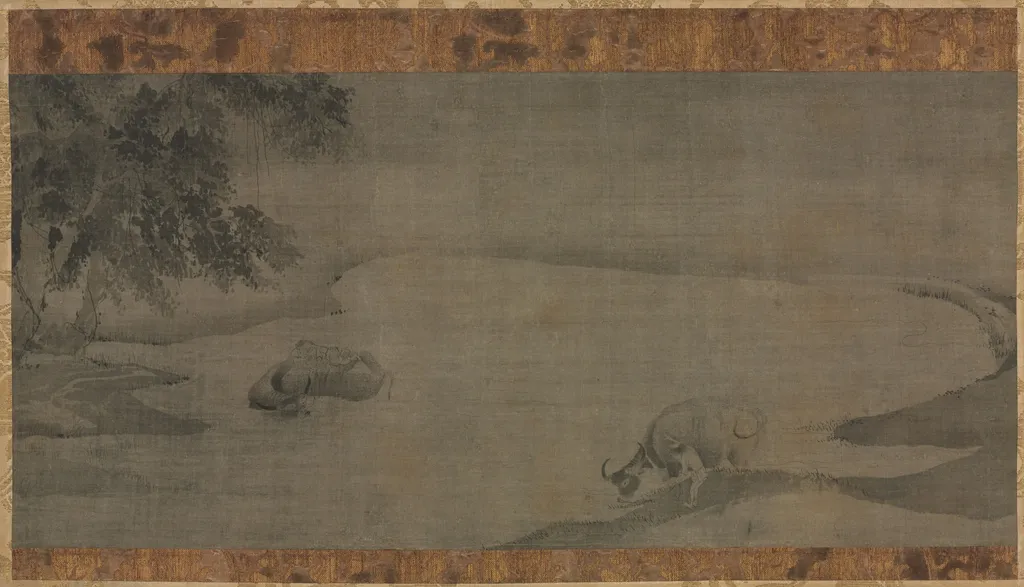
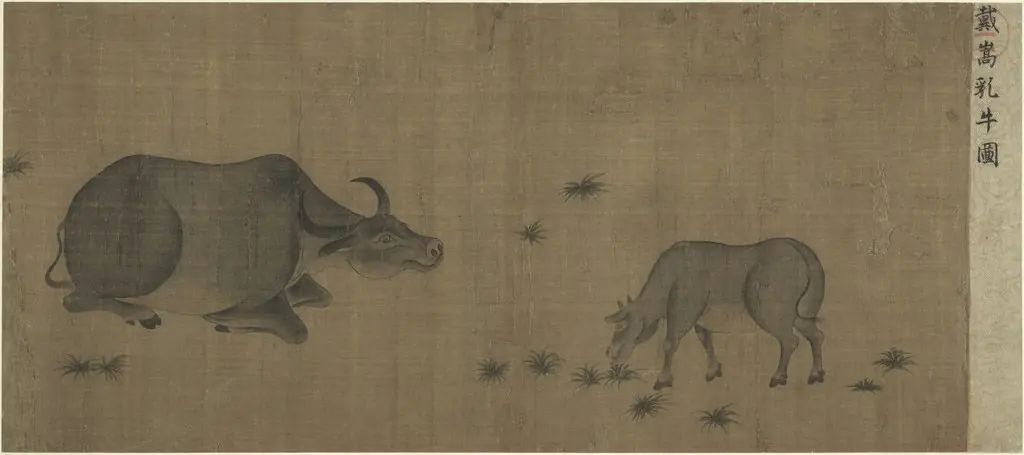
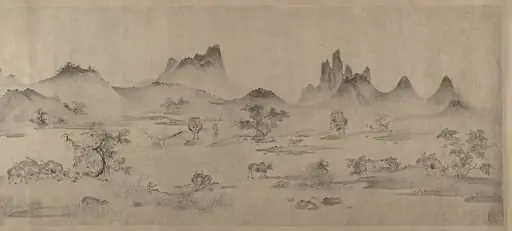
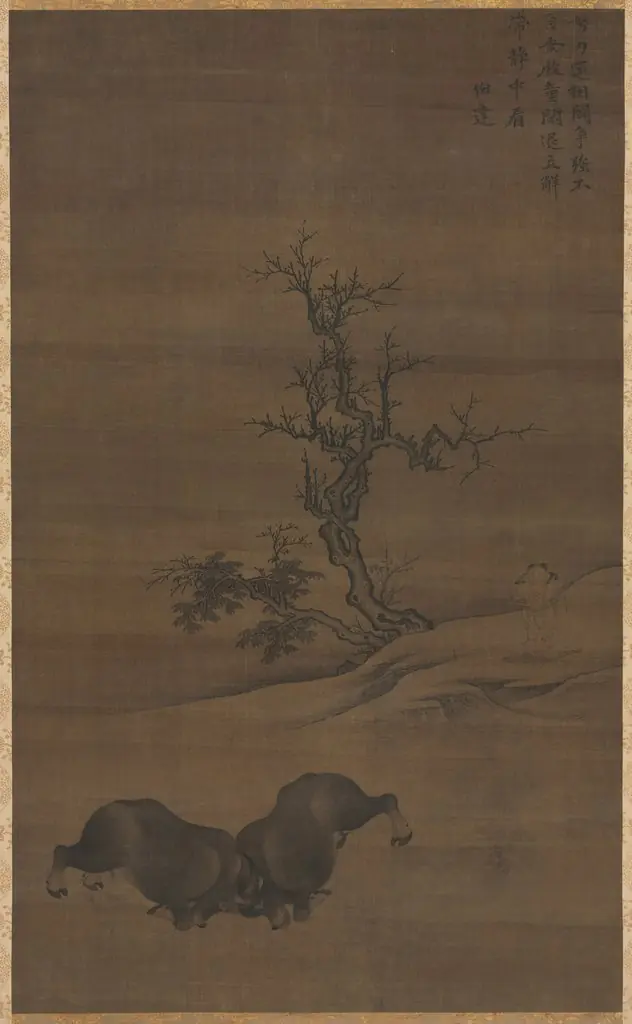
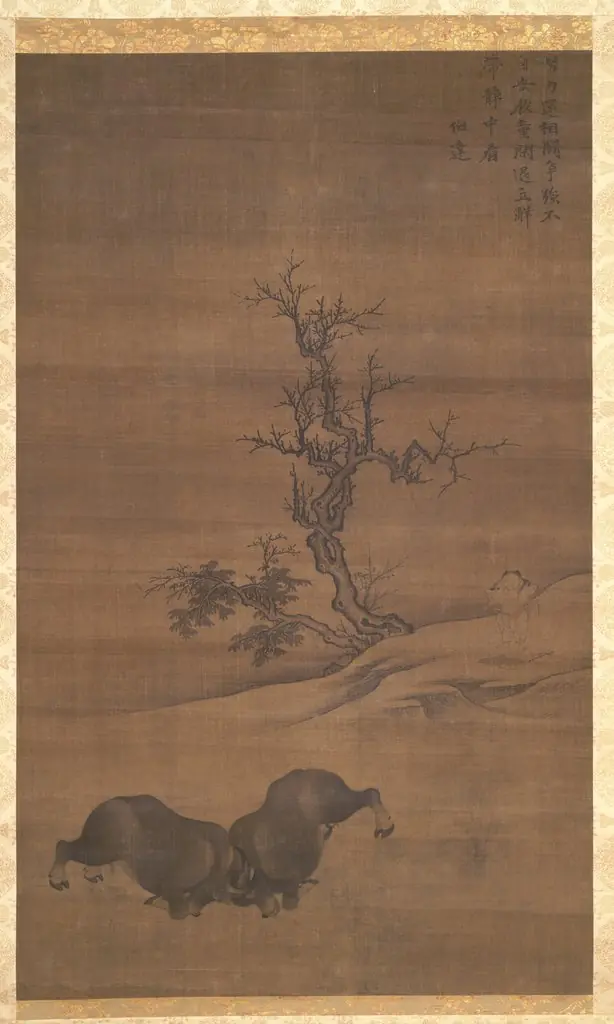
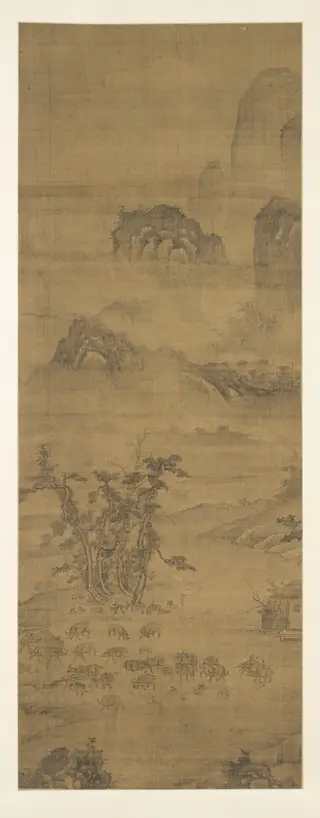
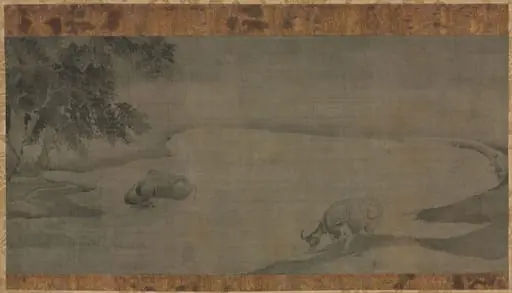
Water Buffalo and Herdboys is an unspecified painting. It dates from 1300 and is held in the collection of the Cleveland Museum of Art. The work depicts a tranquil rural scene in which two water buffalo occupy a dry, grassy plain.
About this work
History & Provenance
Water Buffalo and Herdboys is held in the collection of the Cleveland Museum of Art, located in Cleveland.
The work is dated to circa 1300 and was produced in China by an unidentified artist. It is classified as a painting and bears the accession number 1977.200 in the Cleveland Museum of Art, where it has resided since entering the collection in 1977. No earlier owners, commission details, or subsequent transfers are recorded in the available sources. Further provenance information remains undocumented.
Water Buffalo and Herdboys is held in the collection of the Cleveland Museum of Art, located in Cleveland. The work is identified within the museum's records by the accession number 1977.200. Attributed to an unknown artist, the painting dates to approximately 1300 and originates from China.
The available records confirm its current institutional location and cataloging details but do not provide specific information regarding past exhibitions or a detailed provenance history prior to its acquisition.
Overview
The work depicts a tranquil rural scene in which two water buffalo occupy a dry, grassy plain. One animal lies down while the other stands nearby, both turned away from the viewer. A modest line of trees and a meandering river appear in the distance, giving the composition a sense of depth. The palette is restrained, dominated by muted earth tones with darker shadows that define form.
Subject & Meaning
The painting centers on the everyday life of domesticated buffalo, emphasizing their calm repose within an unadorned landscape. By presenting the animals in a moment of rest, the artist suggests a harmonious relationship between the creatures and their environment, inviting contemplation of rural labor and the quiet rhythms of agrarian existence.
Technique & Style
Soft, flowing lines outline the contours of the buffalo and the surrounding terrain, while subtle gradations of tone create a gentle modeling of volume. The limited color range and restrained brushwork contribute to an overall sense of simplicity, allowing the viewer’s attention to remain on the composition’s calm atmosphere rather than decorative detail.
Context
The piece belongs to a tradition of 19th‑century genre painting that recorded pastoral scenes and agricultural subjects. Such works often served both documentary and aesthetic purposes, reflecting contemporary interest in the lives of rural laborers and the animals integral to their work.
Artist & collection