Artwork
Water Buffalo and Herdboys
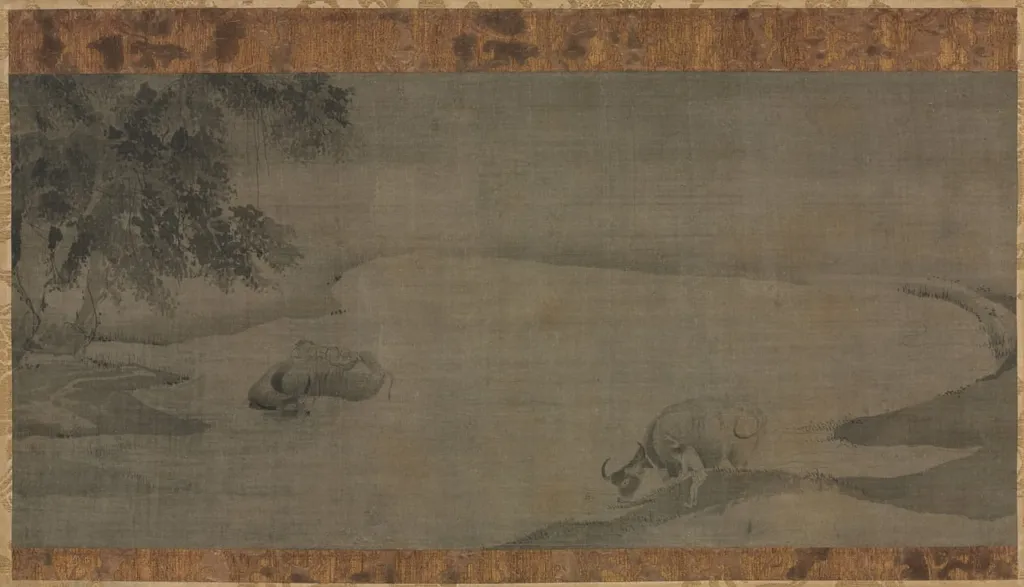
Water Buffalo and Herdboys is an unspecified painting by the Ming dynasty painting artist Unknown. It dates from 1300 and is held in the collection of the Cleveland Museum of Art. This Yuan dynasty painting depicts a water buffalo standing in a pond while two boys bathe and tend to it.
- Accession no.
- 1977.200
- Credit line
- Gift of Herbert F. Leisy in memory of his wife, Helen Stamp Leisy
About this work
You see a water buffalo standing in a pond while two boys splash and wash it.
This painting comes from a time when buffalo were everyday helpers in southern China. But the scene also carries a hidden meaning, Buddhist teachers used buffalo herding as a way to talk about the hard work of reaching enlightenment.
Look up more paintings from the subject: china, yuan dynasty (1271-1368).
Overview
Rooted in rural southern China, the scene reflects daily agricultural life, where buffalos were essential for plowing rice fields.
This Yuan dynasty painting depicts a water buffalo standing in a pond while two boys bathe and tend to it. Rooted in rural southern China, the scene reflects daily agricultural life, where buffalos were essential for plowing rice fields. The composition, though seemingly simple, carries layered cultural significance, bridging practical labor with spiritual symbolism drawn from Chan Buddhist teachings.
Subject & Meaning
The imagery of buffalo herding was long employed in Chan Buddhism as an allegory for the mind’s journey toward enlightenment. The stray buffalo symbolizes the untamed self; taming it represents disciplined meditation and inner awakening. Here, the calm interaction between boy and beast suggests a moment of harmony, hinting at progress along this path, not through force, but through patient, attentive care.
Technique & Style
Executed in ink and light color on silk, the painting favors restrained brushwork and soft tonal gradations. Figures and animal are rendered with subtle precision, avoiding dramatic detail in favor of atmospheric suggestion. The pond’s reflection and the boys’ fluid gestures convey movement without excess, aligning with Chan aesthetics that value stillness within motion and the quiet power of understatement.
History & Provenance
The painting likely originated in southern China during the Yuan dynasty, a period when Chan Buddhism flourished among literati and monastic communities. Its current format, narrow and vertical, suggests later Japanese adaptation, where such works were remounted to fit tokonoma alcoves. This transformation reflects the cross-cultural transmission of Chinese Chan art into Japanese Zen practice.
Context
In Yuan China, water buffalos were indispensable to wet-rice agriculture, making their presence in art both familiar and symbolic. The pairing of labor and spirituality was common among scholar-painters who sought to reconcile worldly duties with inner cultivation. This image belongs to a broader tradition of ox-herding paintings, which circulated widely across East Asia as tools for contemplation and teaching.
Legacy
The painting’s enduring relevance lies in its quiet fusion of the mundane and the metaphysical. While later Japanese artists adapted its form for Zen meditation spaces, its original Chinese context preserved a balance between observation of nature and spiritual metaphor. It remains a testament to how everyday rural life could be infused with philosophical depth in medieval East Asian art.
Artist & collection









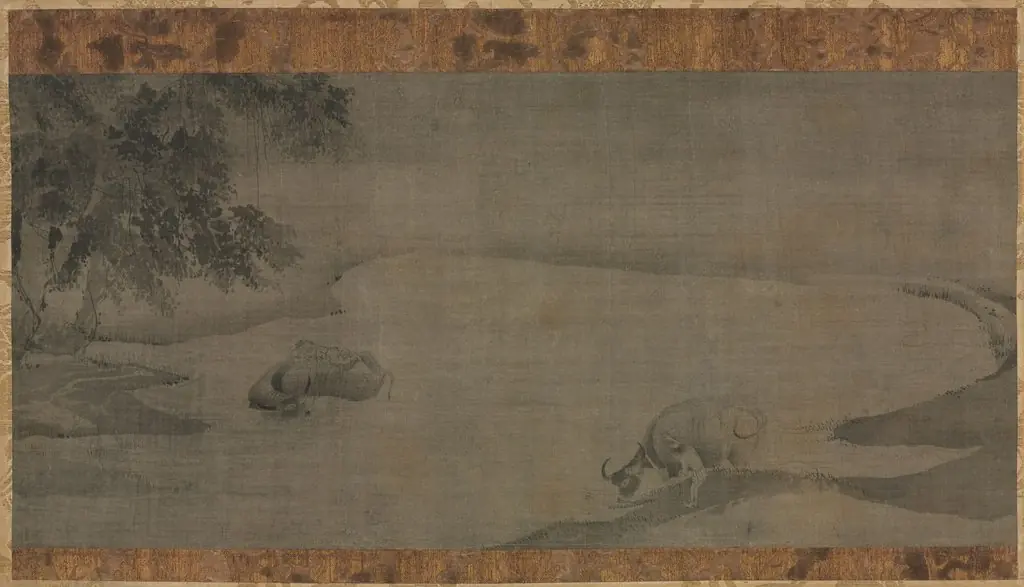
- Water Buffalo and Herdboys
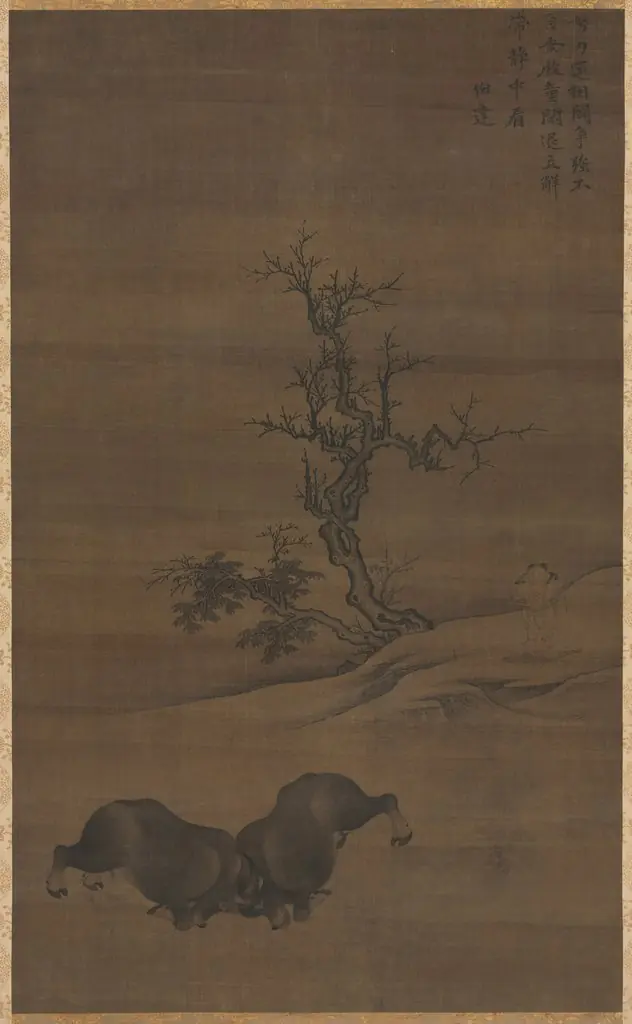 Herdboys and Buffalo in Landscape
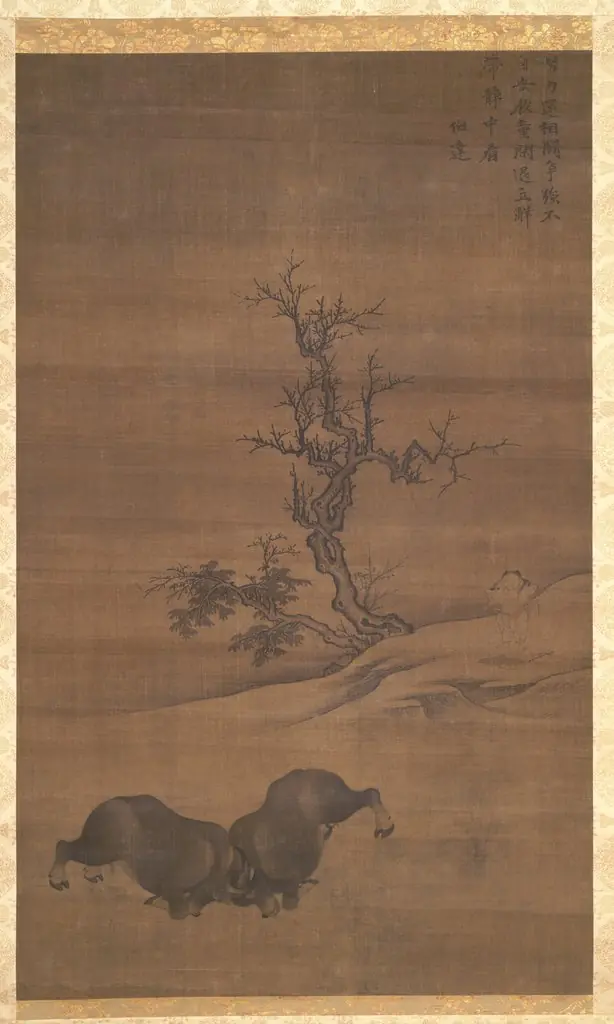 Herdboys and Buffalo in Landscapes
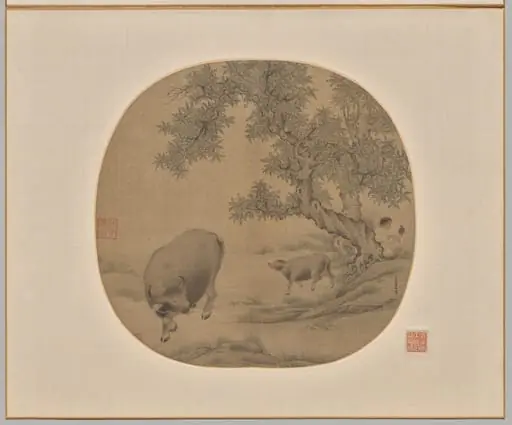 Man, Buffalo, and Calf
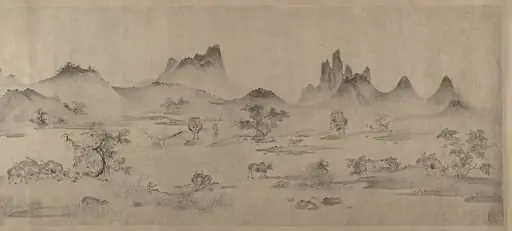 宋/元 佚名 百牛圖 卷|One hundred water buffalo
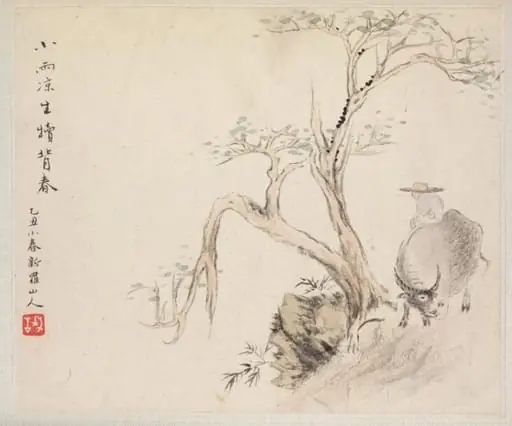 Album of Landscape Paintings Illustrating Old Poems: Boy Tending a Water Buffalo
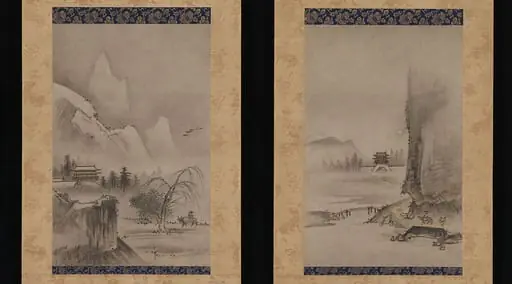 鑑貞筆 瀟湘八景中の二景図|Two Views from the Eight Views of the Xiao and Xiang Rivers