Artwork
宋 佚名 倣李成 寒林策驢圖 軸|Travelers in a Wintry Forest
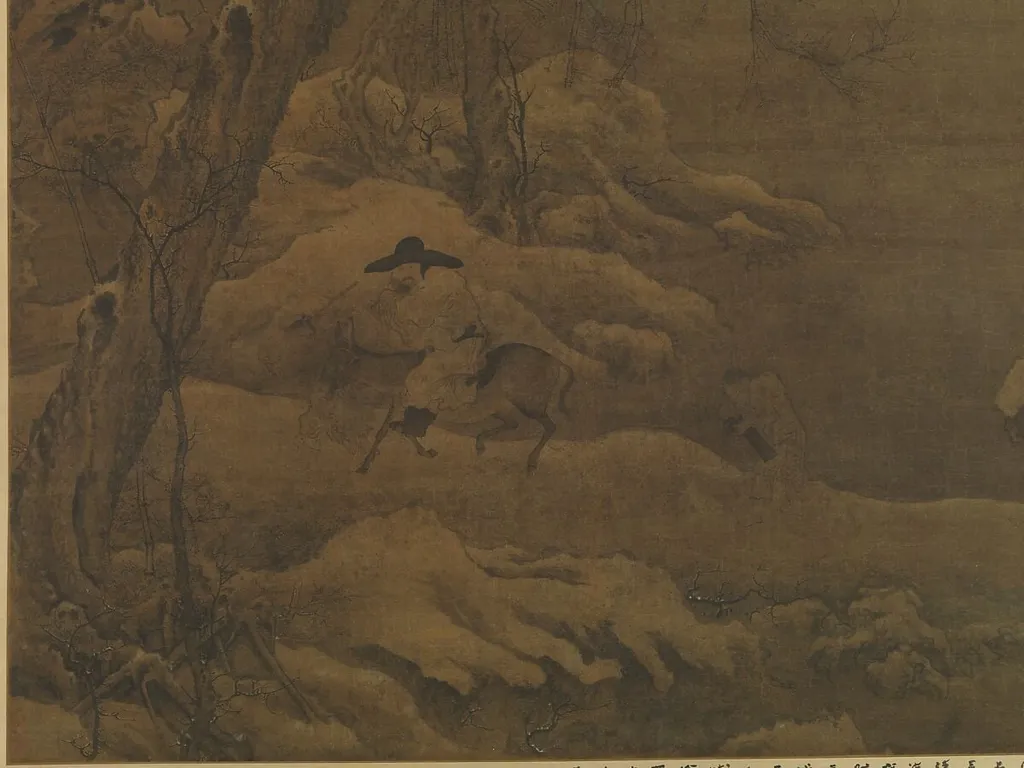
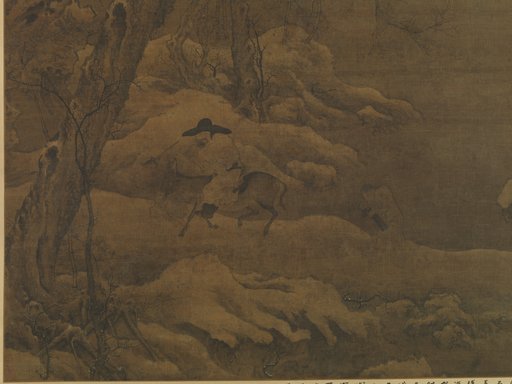
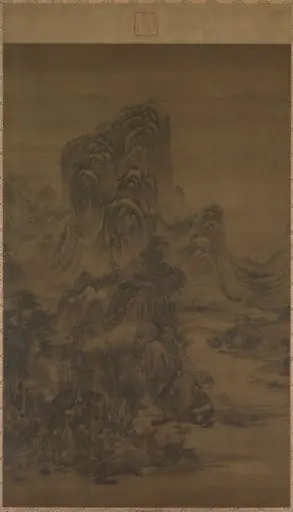
宋 佚名 倣李成 寒林策驢圖 軸|Travelers in a Wintry Forest is an ink painting by the Song dynasty painting artist After Li Cheng. It dates from 1116 and is held in the collection of the Metropolitan Museum of Art. Titled "Travelers in a Wintry Forest," this hanging scroll, executed in ink and color on silk, dates from 1116.
About this work
Subject & Meaning
The composition focuses on travelers navigating a wintry woodland environment, consistent with its title.
Created in 1116 by an anonymous artist working in the style of Li Cheng, this hanging scroll depicts a landscape scene featuring a man and an animal within a forest setting. The composition focuses on travelers navigating a wintry woodland environment, consistent with its title. As a work of the landscape genre executed in ink and color on silk, the painting represents the interaction between human figures and the natural world during the winter season.
The imagery centers on the journey of the rider and their mount through the trees, illustrating a specific moment of travel amidst the cold atmosphere of the forest.
Technique & Style
Executed in 1116, this hanging scroll utilizes ink and color applied on a silk support. Attributed to an anonymous artist working in the manner of Li Cheng, the work belongs to the landscape genre. The composition depicts a wintry forest scene featuring a traveler and an animal, consistent with its title.
As a piece from the Song dynasty created in China, the handling of materials reflects the traditional formats of the period, combining monochromatic ink washes with selective coloration to render the natural environment and figures within the vertical format of the scroll.
History & Provenance
Created in 1116 in China, this hanging scroll is attributed to an anonymous artist working in the style of Li Cheng. The work, executed in ink and color on silk, entered the collection of the Metropolitan Museum of Art, where it is currently housed. While the specific circumstances of its original commission and the details of its ownership chain prior to arriving at the museum are not provided in the available records, the piece is firmly dated to the early 12th century. It is classified as a landscape painting depicting travelers, animals, and a forest setting.
Travelers in a Wintry Forest is held in the collection of the Metropolitan Museum of Art, as recorded in the work's cataloguing data. The painting, attributed to an anonymous artist working after Li Cheng and dated 1116, is classified within the museum's holdings as a painting and is catalogued as a hanging scroll executed in ink and color on silk. Its presence in the Metropolitan Museum of Art's collection is confirmed by the cataloguing entry for the work, which lists the institution as both its collection and its location.
Legacy
The painting Travelers in a Wintry Forest, dated 1116 and attributed to an anonymous follower of Li Cheng, is executed in ink and color on silk as a hanging scroll. It portrays a wintry forest with travelers, animals and human figures. The work is part of the Metropolitan Museum of Art's collection, which underscores its status as a notable example of Northern Song landscape painting.
Its stylistic combination of Li Cheng's compositional grandeur with the anonymous painter's atmospheric detail makes it a reference point for scholars examining the development of Chinese landscape art.
Overview
Titled "Travelers in a Wintry Forest," this hanging scroll, executed in ink and color on silk, dates from 1116. It depicts a desolate, snow-covered landscape, characteristic of winter scenes in Chinese painting. Attributed to an anonymous artist working in the style of Li Cheng, the artwork captures a moment of human journey through a stark, cold environment.
Context
Originating in China over nine centuries ago, this painting exemplifies the practice of artistic emulation. The anonymous creator consciously adopted the stylistic characteristics of Li Cheng, a significant landscape painter who lived two centuries earlier. This homage underscores the lasting impact of previous masters and the established tradition of learning through imitation within Chinese artistic circles.
Artist & collection
Artist
The label "After Li Cheng" marks a work produced in the style of, or as a copy after, the Chinese landscape master Li Cheng (919-967), rather than an original by him.

 Homecoming Ode
 Visiting Tai Kuei on a Snowy Night
 南宋 李結 西塞漁社圖 卷 |Fisherman's Lodge At Mount Xisai
 南宋 佚名 明皇幸蜀圖 軸|Emperor Xuanzong's Flight to Shu
 Sunset over Autumn Mountains
 Literati in a Rustic Landscape
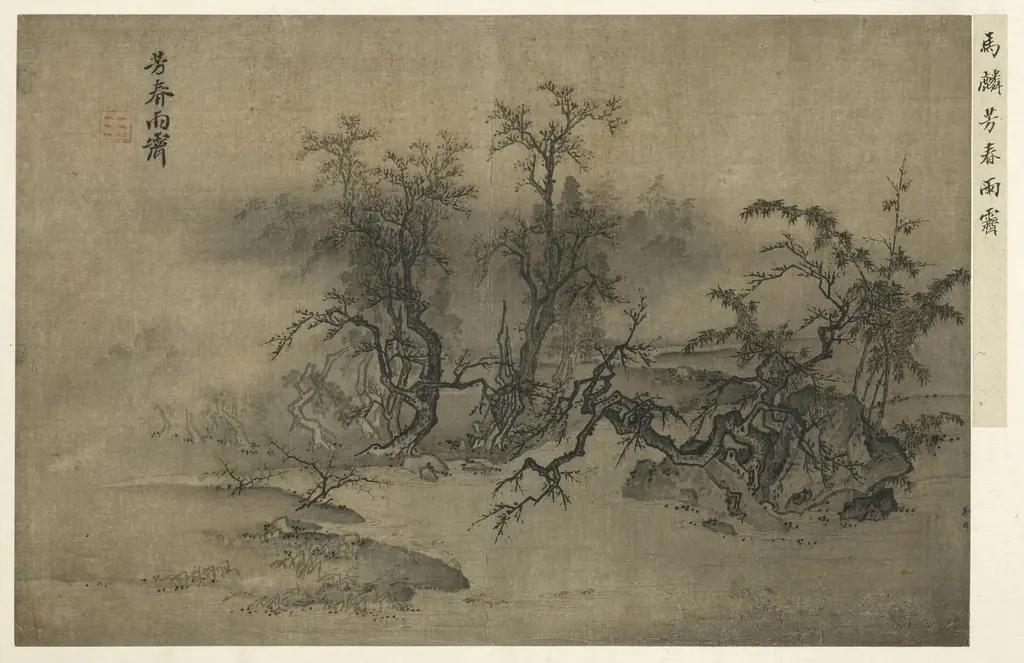 Spring Fragrance, Clearing After Rain
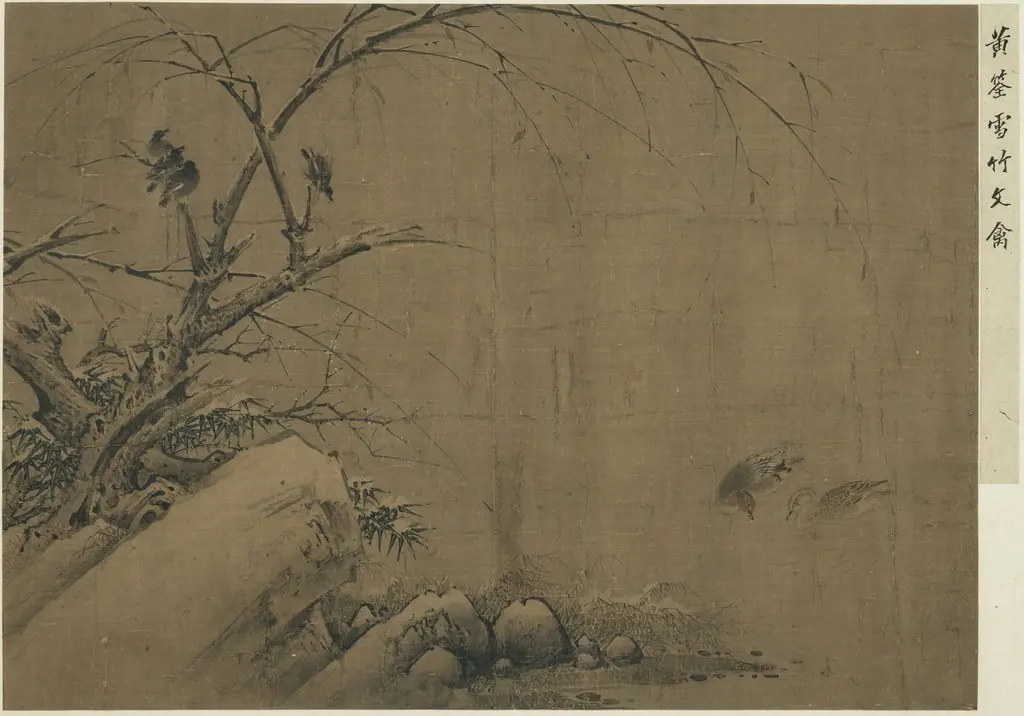 名繪集珍 冊 五代黃筌雪竹文禽
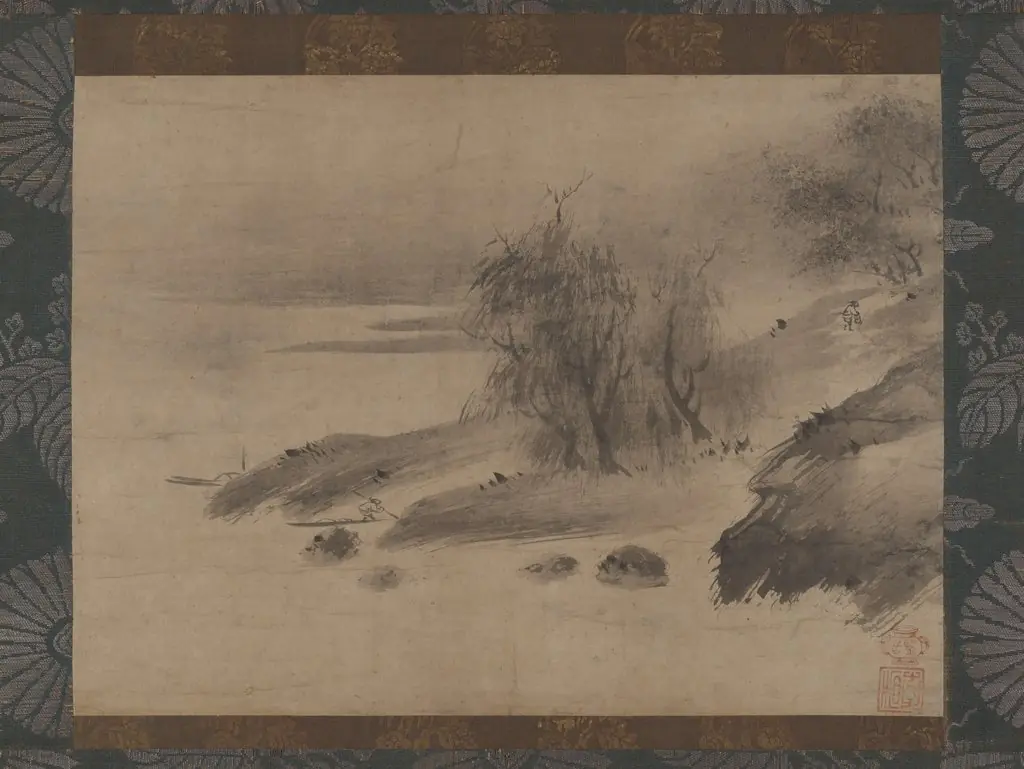 Ink Landscape (Suiboku sansui zu)
 Chinese Servant Walking in the Rain
 Landscape in the Style of Juran
- 明/清 佚名 舊傳郭煕 關山行旅圖 卷|Traveling amid Mountains