Artwork
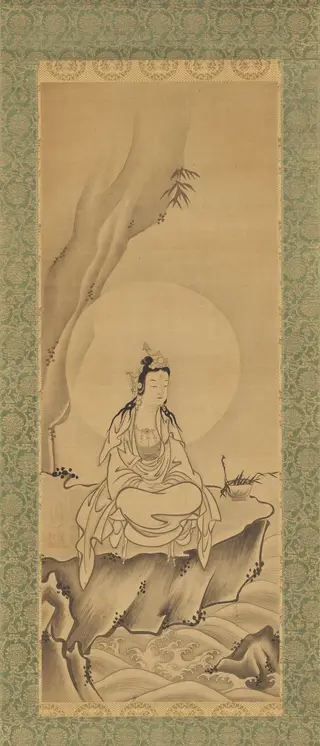
White-Robed Guanyin
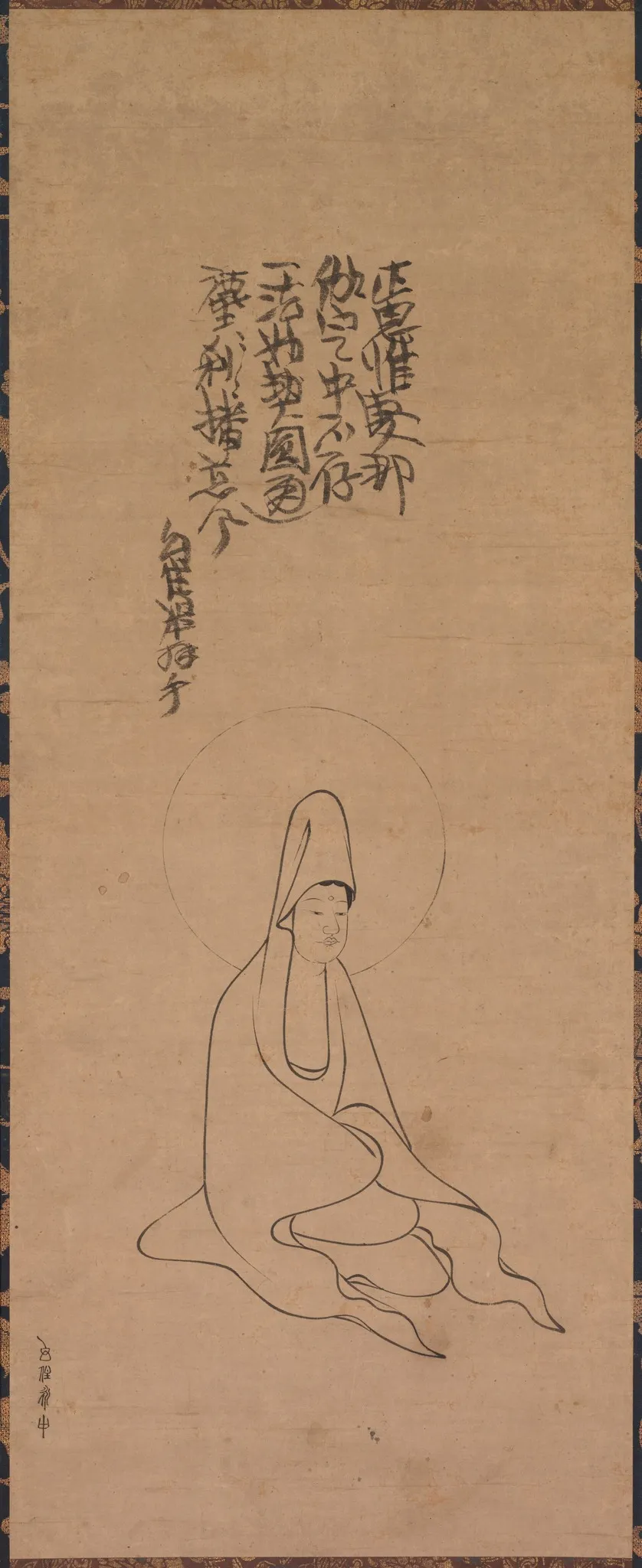
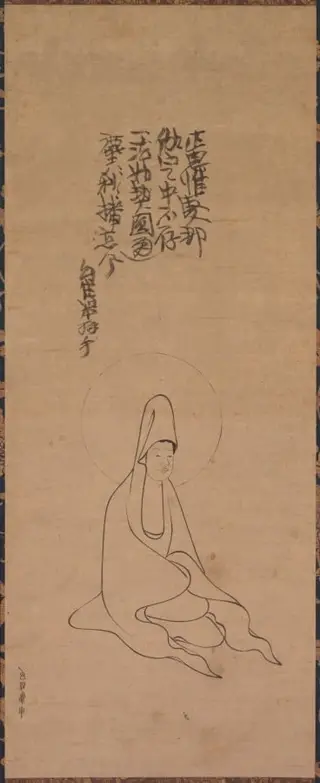
White-Robed Guanyin is an unspecified painting. It dates from 1300 and is held in the collection of the Cleveland Museum of Art. The work entitled White‑Robed Guanyin presents a solitary figure seated in a kneeling posture, hands placed calmly on the lap.
About this work
Overview
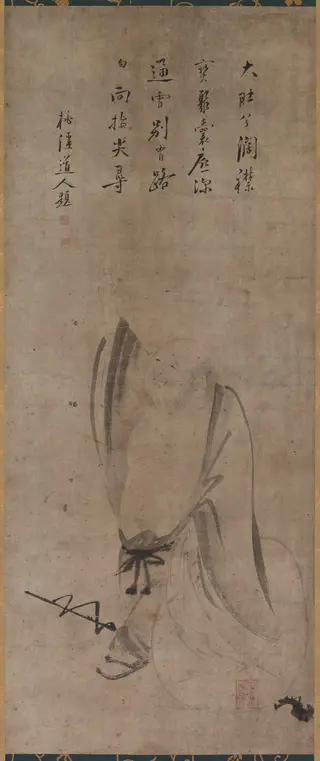
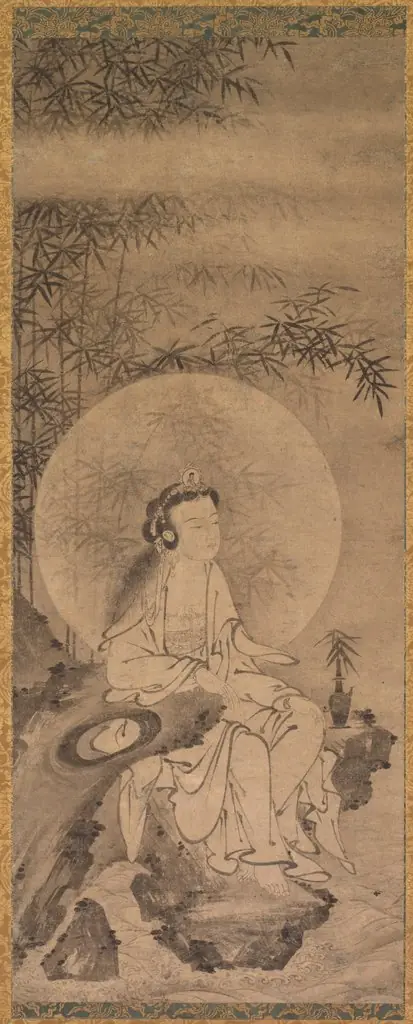
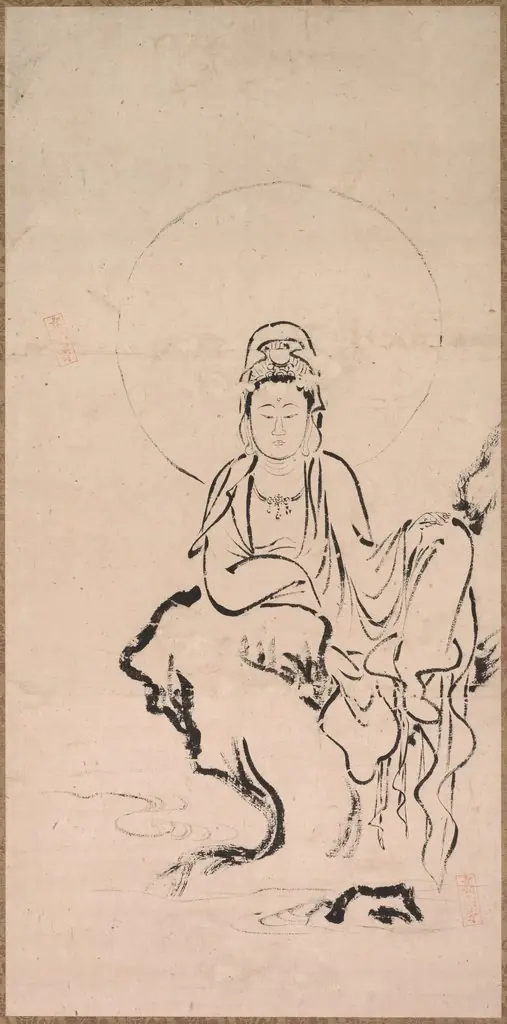
The work entitled White‑Robed Guanyin presents a solitary figure seated in a kneeling posture, hands placed calmly on the lap. The figure is draped in a smooth, flowing white robe and its head is concealed, lending an aura of tranquility. Above the head a faint, luminous halo suggests a spiritual presence, while the background remains unadorned, emphasizing the simplicity of the composition.
Subject & Meaning
The central character is identified as Guanyin, the Buddhist bodhisattva of compassion, whose iconography frequently includes a serene, robed form. The concealed head and the glowing circle above it function as visual symbols of enlightenment and divine compassion, inviting contemplation of the figure’s inner purity rather than external attributes.
Technique & Style
Executed with dark, fluid lines on a light, paper‑like support, the painting relies on minimal brushwork to convey form and movement. The artist employs a restrained palette, allowing the white of the robe and the subtle halo to dominate the visual field. The overall aesthetic reflects a refined East Asian ink tradition that values economy of stroke and harmonious balance.
Context
Works portraying Guanyin in a white robe emerged during periods when Buddhist devotion emphasized compassion and accessible salvation. The plain background and understated rendering align with devotional images intended for personal meditation rather than public display, situating the piece within a tradition of intimate, contemplative religious art.
Artist & collection