Artwork
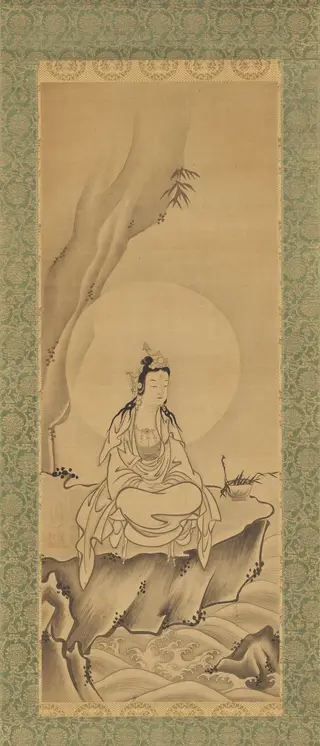
White-Robed Guanyin
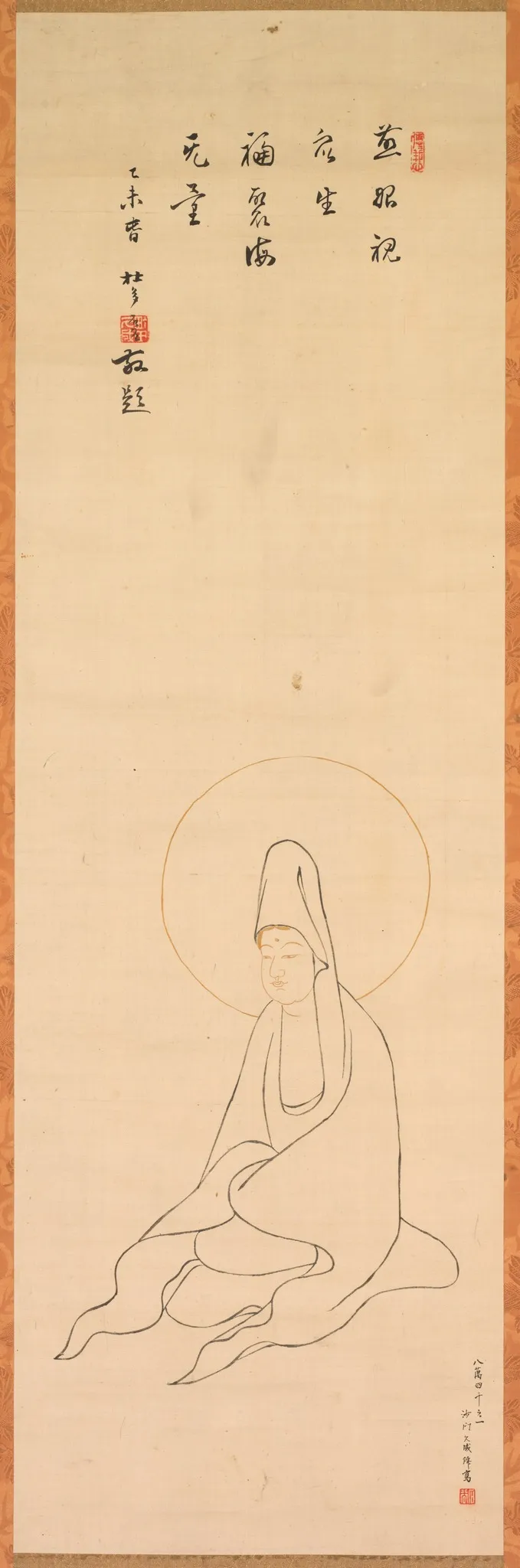
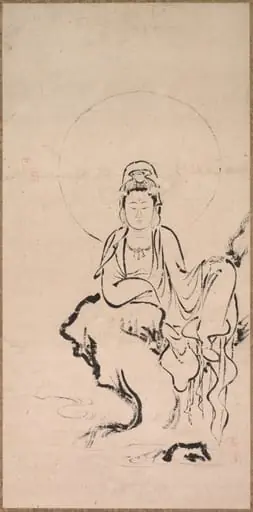
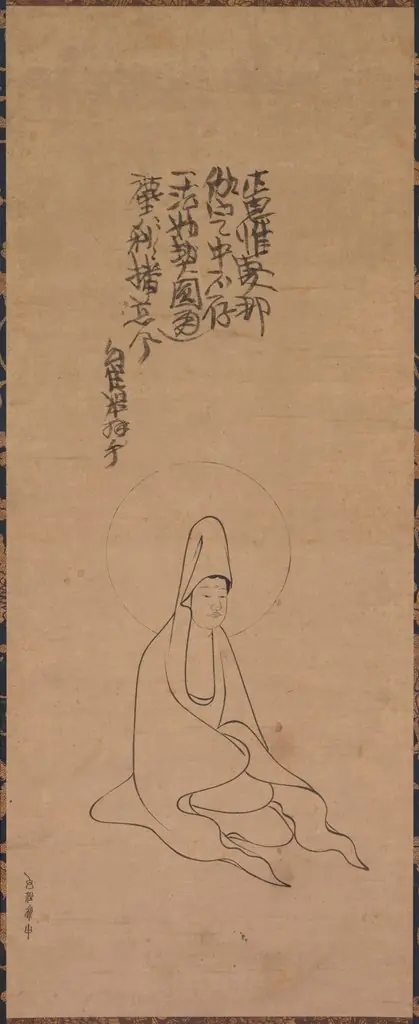
White-Robed Guanyin is an unspecified painting. It dates from 1300 and is held in the collection of the Cleveland Museum of Art. White‑Robed Guanyin is a painting that presents a solitary figure seated in a relaxed posture, wrapped in a loosely draped robe.
About this work
Subject & Meaning
The subject is visually defined by the figure's white garments, which serve as the primary iconographic marker for this particular form of the deity.
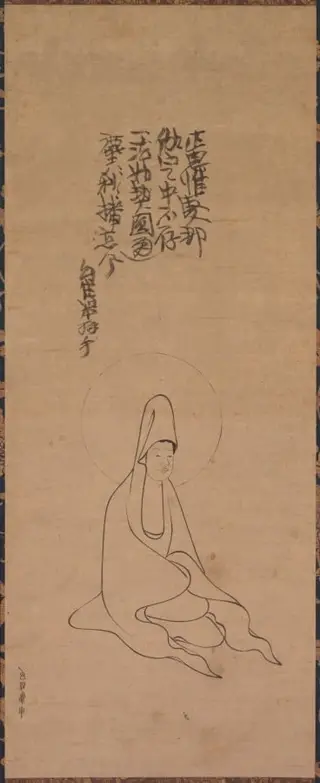
The work depicts White-Robed Guanyin, a specific manifestation of the bodhisattva Avalokiteshvara associated with compassion and purity. Created in 1299, the painting is attributed to the artist Jueji Yongzhong, who was active around the turn of the fourteenth century. The subject is visually defined by the figure's white garments, which serve as the primary iconographic marker for this particular form of the deity.
The artwork represents the spiritual ideals of mercy and salvation within the Chinese Buddhist tradition of the late Yuan period.
History & Provenance
The White-Robed Guanyin is dated to 1299, as indicated by an inscription on the painting itself.
The work is associated with the monk Jueji Yongzhong, who is credited with its creation, and Zhongfeng Mingben, a prominent figure active in the late thirteenth century. It entered the collection of the Cleveland Museum of Art in 1978 as part of an acquisition of Chinese paintings (accession number 1978.47.2).
Context
The painting White-Robed Guanyin exemplifies Yuan dynasty Buddhist art within the broader context of Chinese religious painting. Its creation around 1299 reflects the stylistic influence of monk artists like Zhongfeng Mingben, whose work blended devotional practice with artistic expression during the late 13th century. The attribution to Jueji Yongzhong and stylistic analysis situates it within the tradition of Chinese Chan Buddhist visual culture, where depictions of Guanyin served both spiritual and aesthetic functions.
This work's presence in the Cleveland Museum of Art collection highlights its significance as a representative example of Yuan period painting, illustrating cross-cultural dialogues in East Asian Buddhist artistic production.
Overview
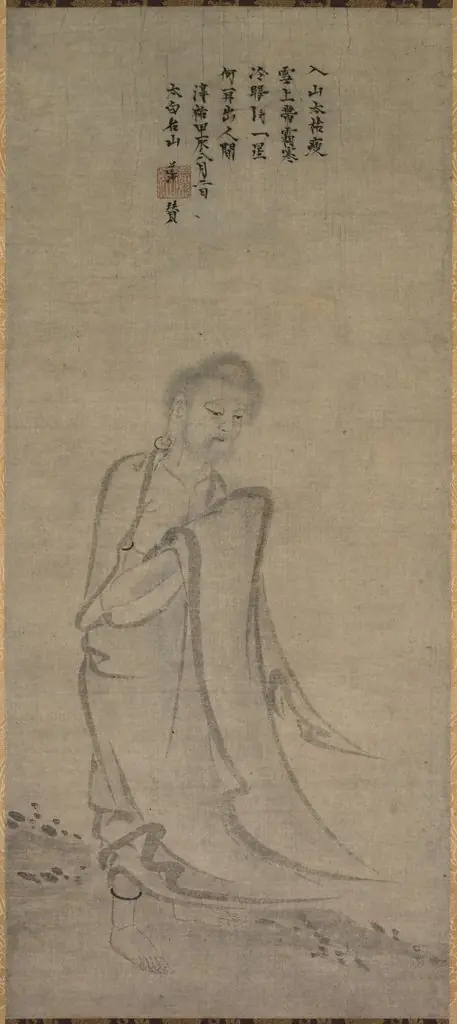
White‑Robed Guanyin is a painting that presents a solitary figure seated in a relaxed posture, wrapped in a loosely draped robe. The subject’s expression is gentle, and the composition is framed by a largely empty background, punctuated only by a few red seals and brief black calligraphic marks at the top.
Technique & Style
The work relies on smooth, unmodulated lines and a restrained palette, emphasizing clean outlines over heavy shading. Light is suggested through a faint glow surrounding the head, rather than through dramatic chiaroscuro, creating a quiet, luminous effect that underscores the figure’s peaceful aura.
Artist & collection