Artwork
Willem V (1748-1806), prins van Oranje-Nassau
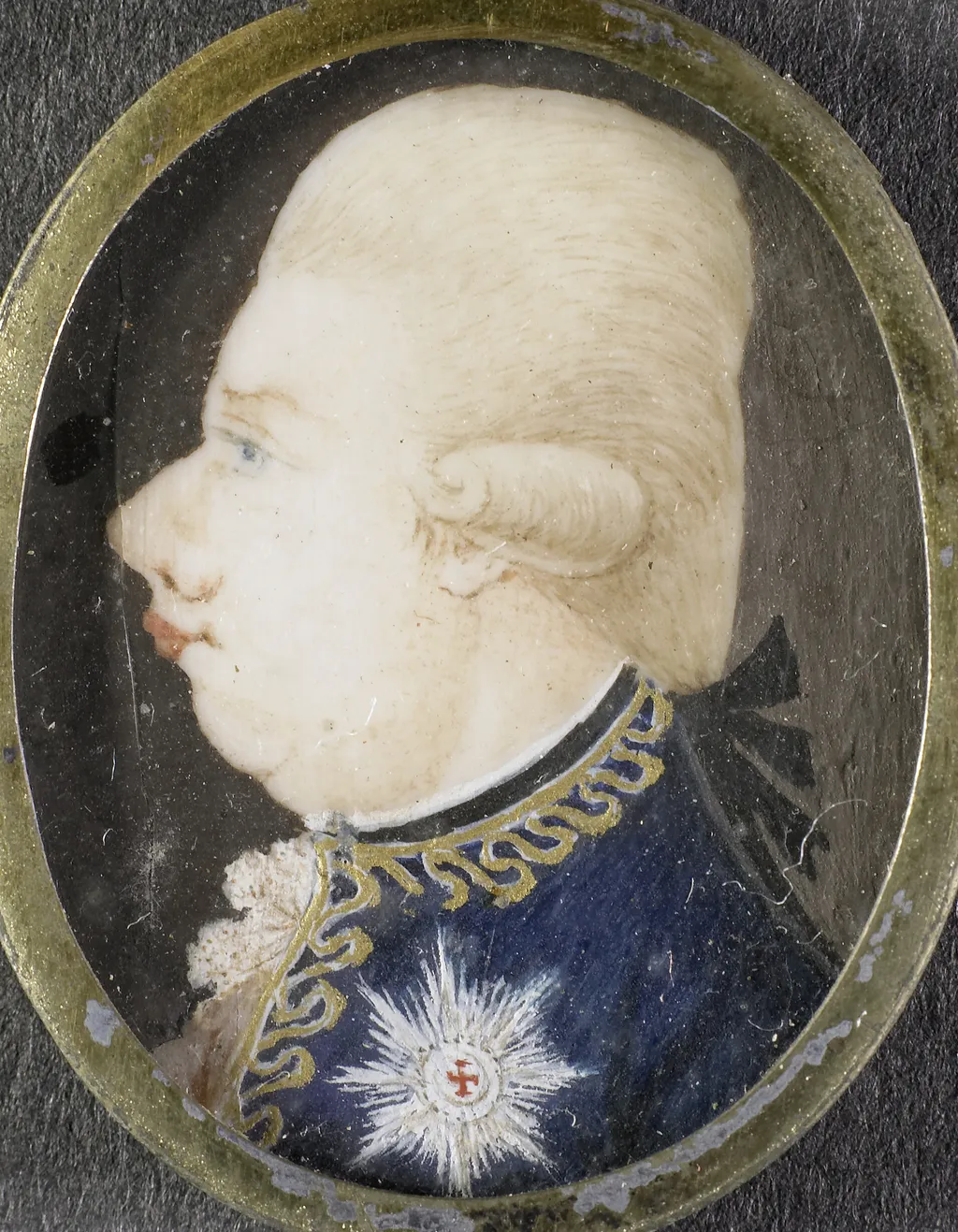
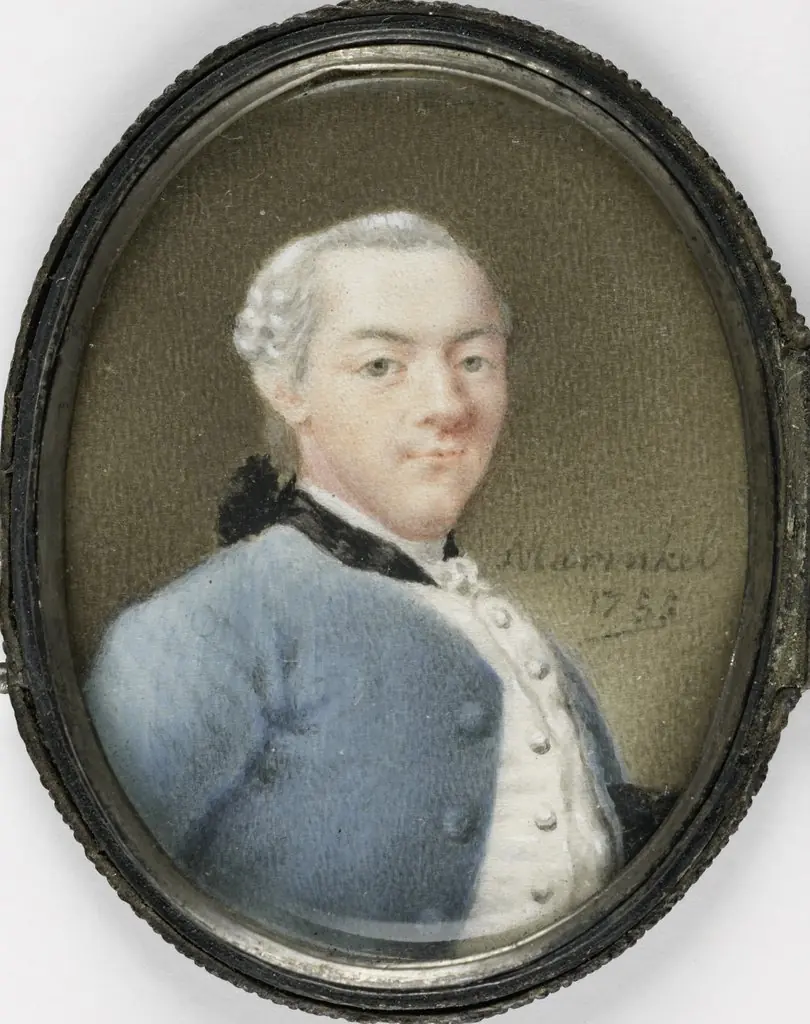
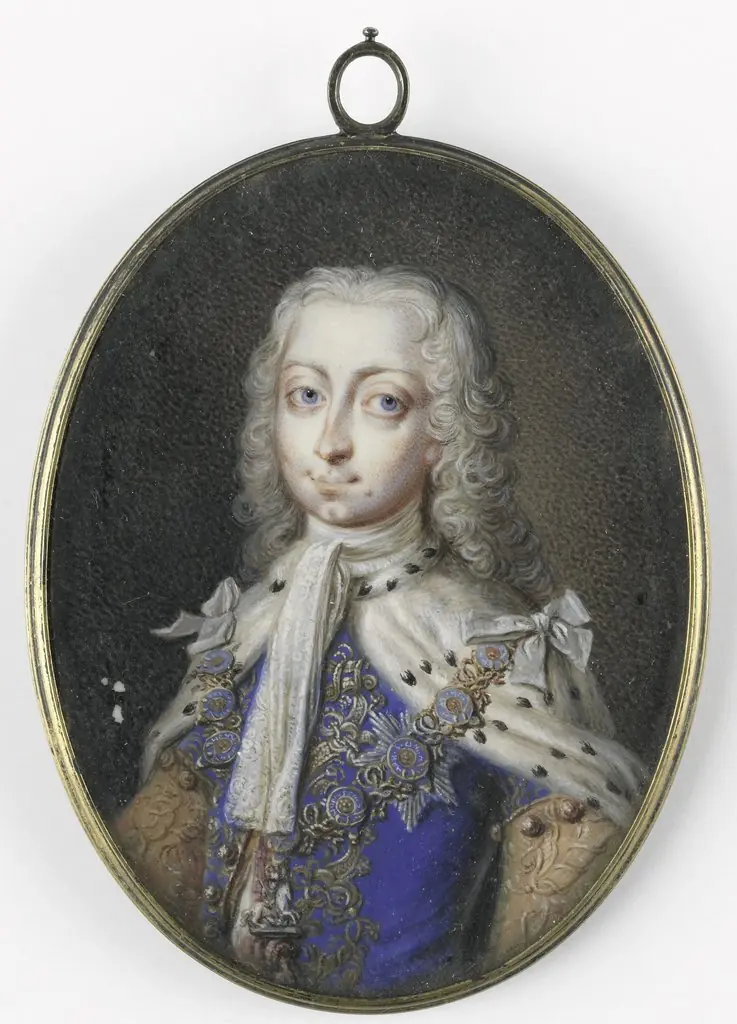
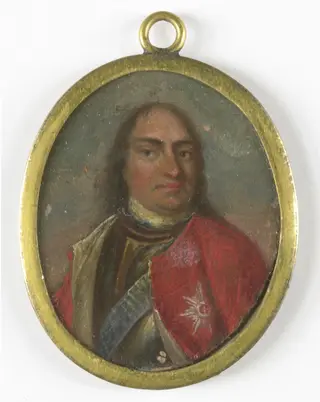
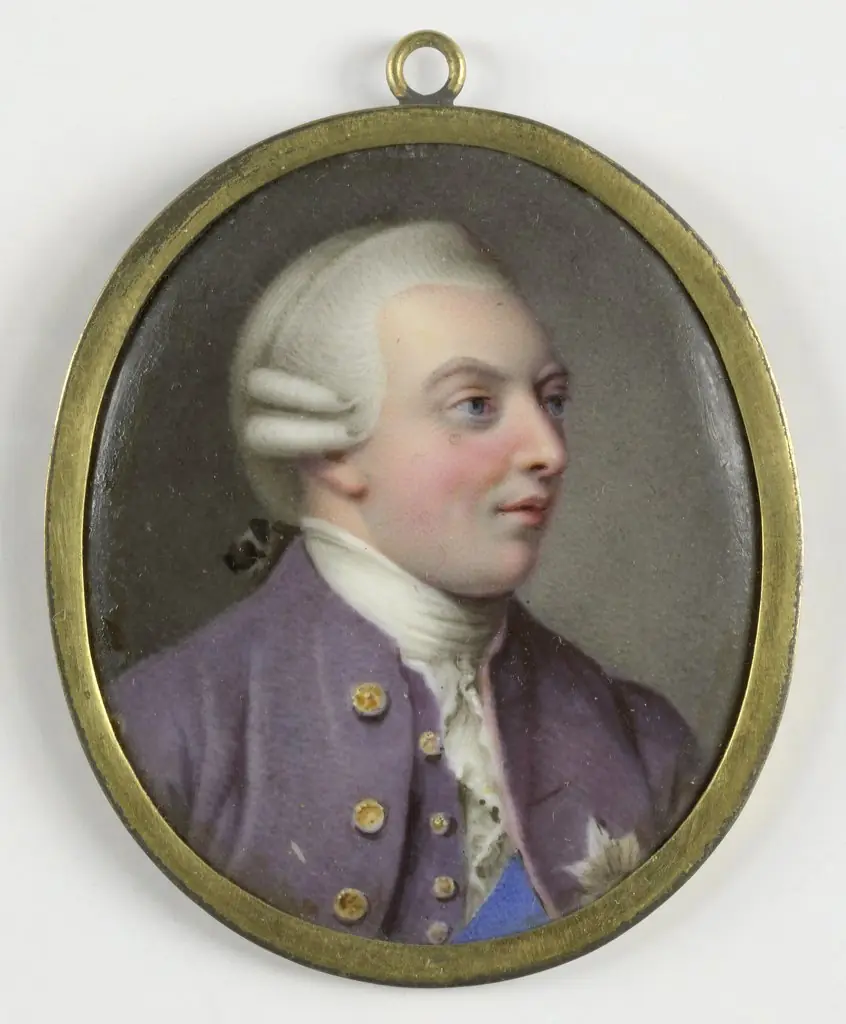
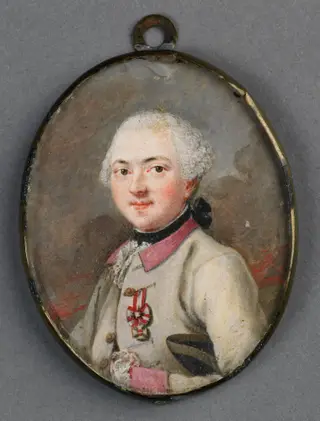
Willem V (1748-1806), prins van Oranje-Nassau is an ivory painting. It dates from 1790 and is held in the collection of the Rijksmuseum. The work is an oval ivory relief portraying Willem V, Prince of Orange-Nassau, rendered with a delicate, lifelike quality.
About this work
Technique & Style
The portrait was executed on a thin rectangular panel of ivory using painting techniques appropriate to the late 18th century.
The portrait was executed on a thin rectangular panel of ivory using painting techniques appropriate to the late 18th century. Its small dimensions, measuring 3.2 centimeters in height and 2.6 centimeters in width, reflect the intimate scale typical of miniature portraits on ivory. The work was created in Holland and depicts William V, Prince of Orange, rendered with fine detail that emphasizes the sitter’s dignified bearing and the subtle play of light on the ivory surface.
The composition and stylistic treatment align with contemporary portrait conventions of the Dutch elite, focusing on realistic representation and refined brushwork adapted to the delicate medium.
History & Provenance
The portrait of Willem V, Prince of Orange-Nassau, dates to 1780 and was produced in Holland, executed on ivory in the portrait genre. According to the catalogue record, the work is classified as an anonymous painting, with no individual maker credited to the commission or execution. The painting entered the holdings of the Rijksmuseum, where it remains part of the collection and is held on display at the museum's location.
The dimensions, recorded as 3.2 by 2.6, are consistent with a miniature-format ivory portrait typical of late eighteenth-century practice, though the catalogue does not specify the original patron or any intermediate owners prior to the Rijksmuseum's acquisition.
No further details concerning the chain of ownership, the circumstances of the commission, or earlier provenance are documented in the available sources.
Legacy
The portrait of Willem V, Prince of Orange, painted in 1780 on ivory, has been housed in the Rijksmuseum since its acquisition and is recognized as a significant example of Dutch portraiture from the late 18th century. Its representation of the Prince has contributed to the visual legacy of the House of Orange-Nassau, remaining part of the museum's collection and studied within the context of Dutch artistic heritage.
Overview
The work is an oval ivory relief portraying Willem V, Prince of Orange-Nassau, rendered with a delicate, lifelike quality. The figure’s pale complexion, softly curled hair, and subtle smile are set against an unadorned background, directing focus to the nuanced modeling of the face and attire.
Subject & Meaning
The portrait presents the Dutch prince in a dignified yet approachable manner, emphasizing his status through the dark collar edged with gold embroidery and a modest insignia, a small starburst with a red centre, positioned beneath the collar. The restrained expression suggests both authority and personal grace.
Context
Ivory portrait miniatures were popular among European aristocracy in the late eighteenth century, valued for their portability and the luxurious quality of the medium. This piece reflects that tradition, combining the intimate scale of a miniature with the refined carving skill typical of courtly portraiture of the period.
Artist & collection

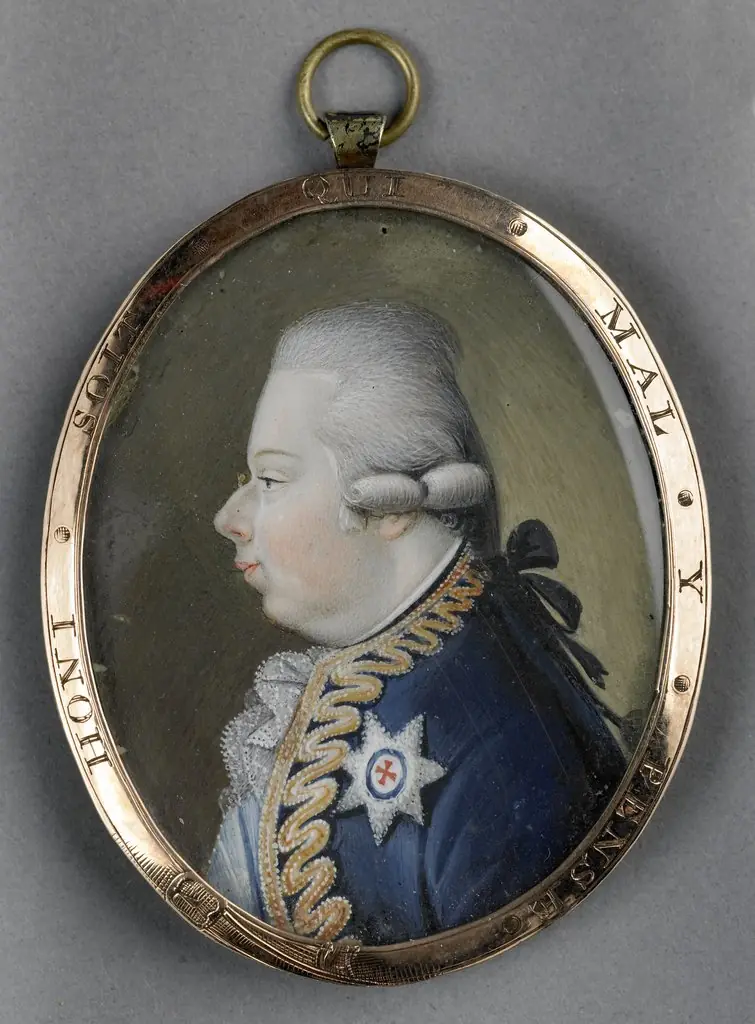 Portrait of Willem V van Oranje- Nassau (1748-1806)
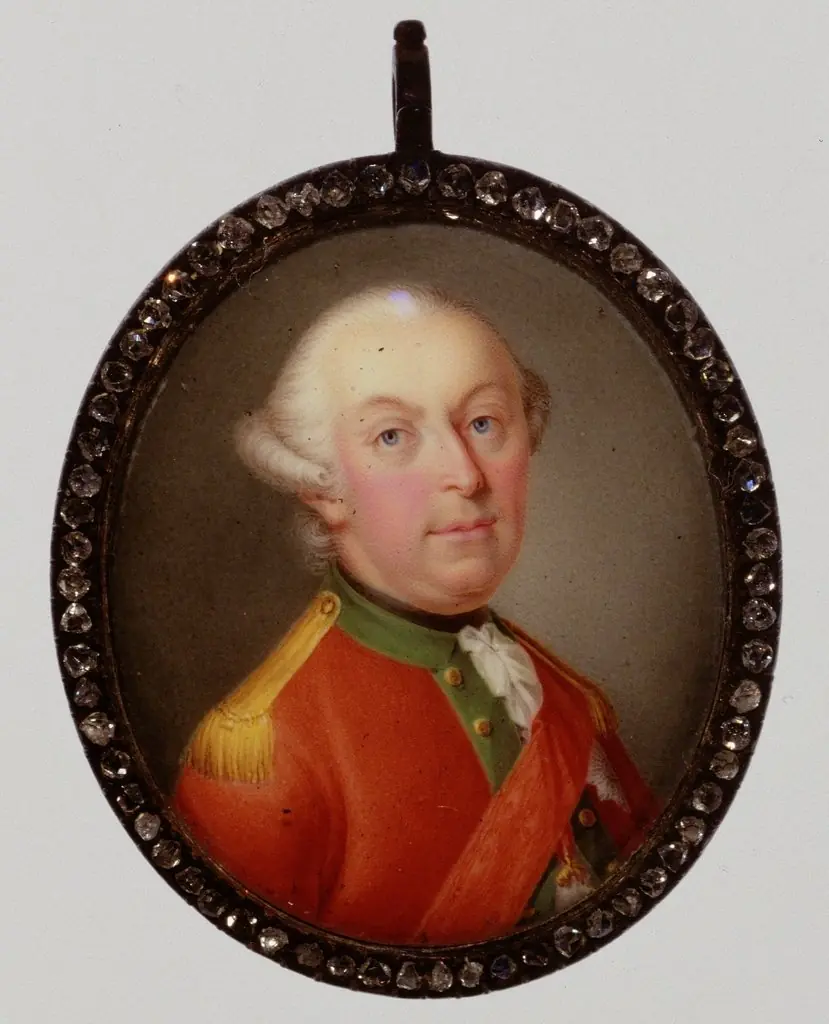 Joseph II (1741–1790), Emperor of Austria
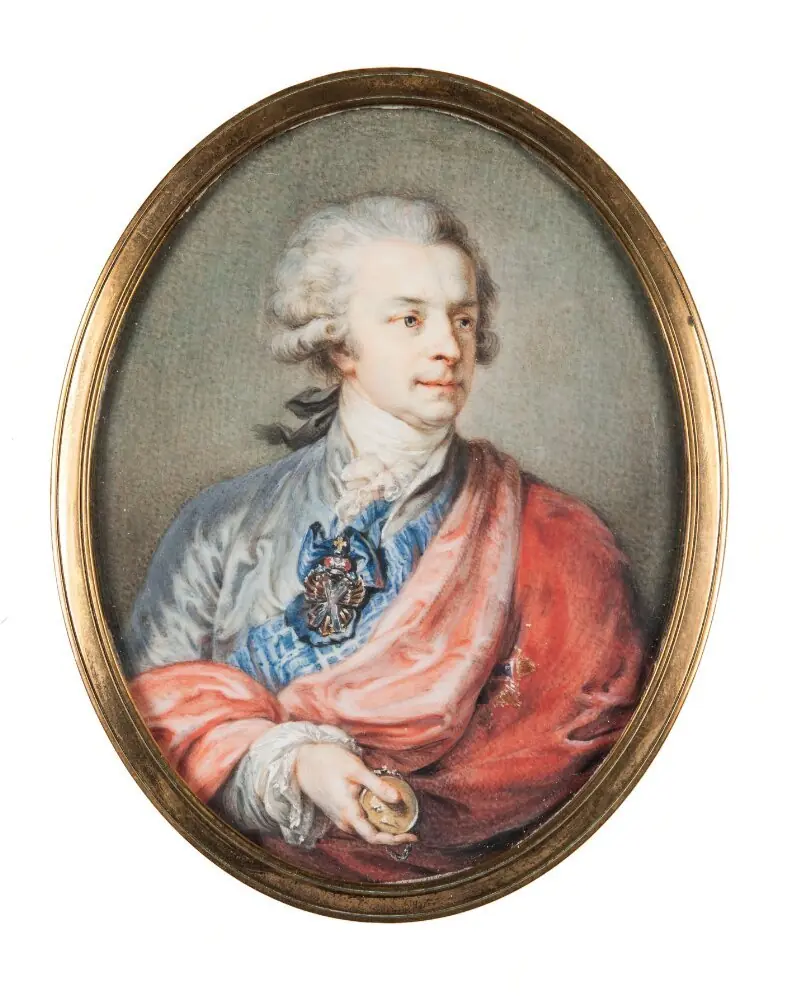 Portrait of Count Michael George Mniszech, Grand Marshall of the Crown
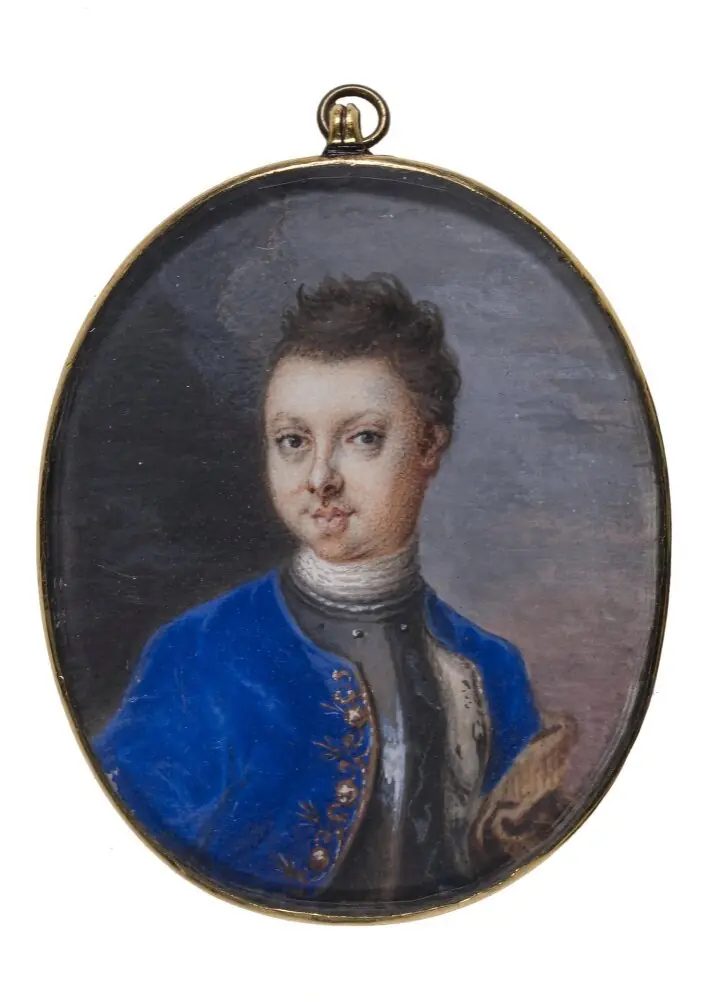 Karl Fredrik, Duke of Holstein-Gottorp
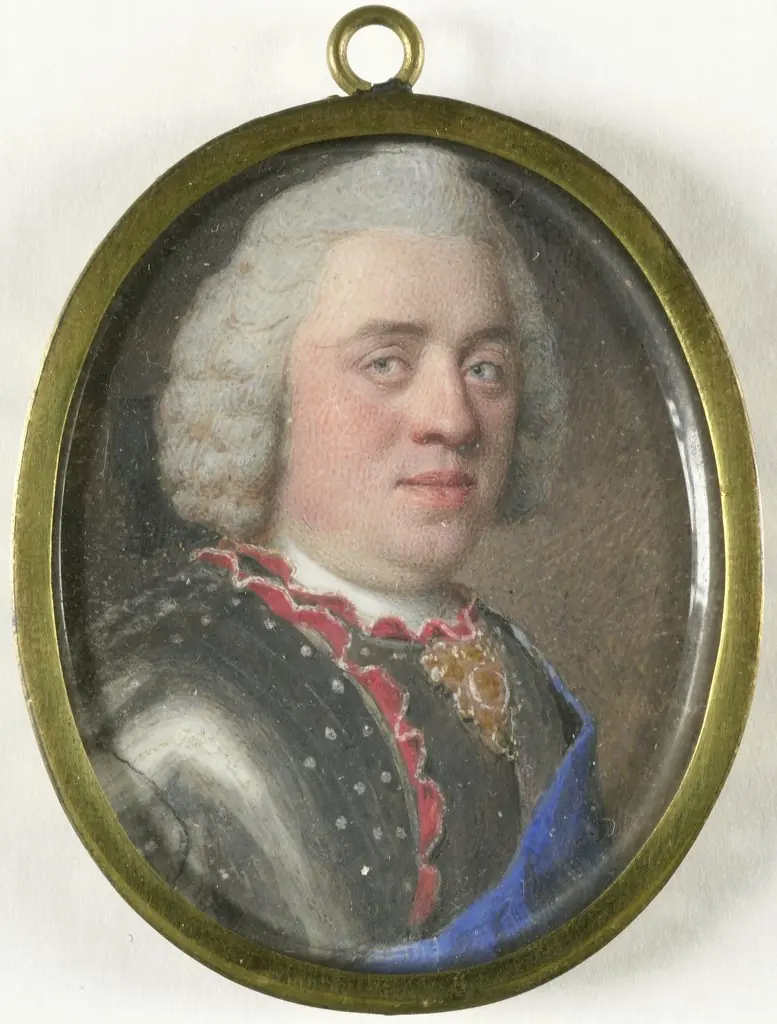 Portrait of Willem IV van Oranje- Nassau (1711-1751)
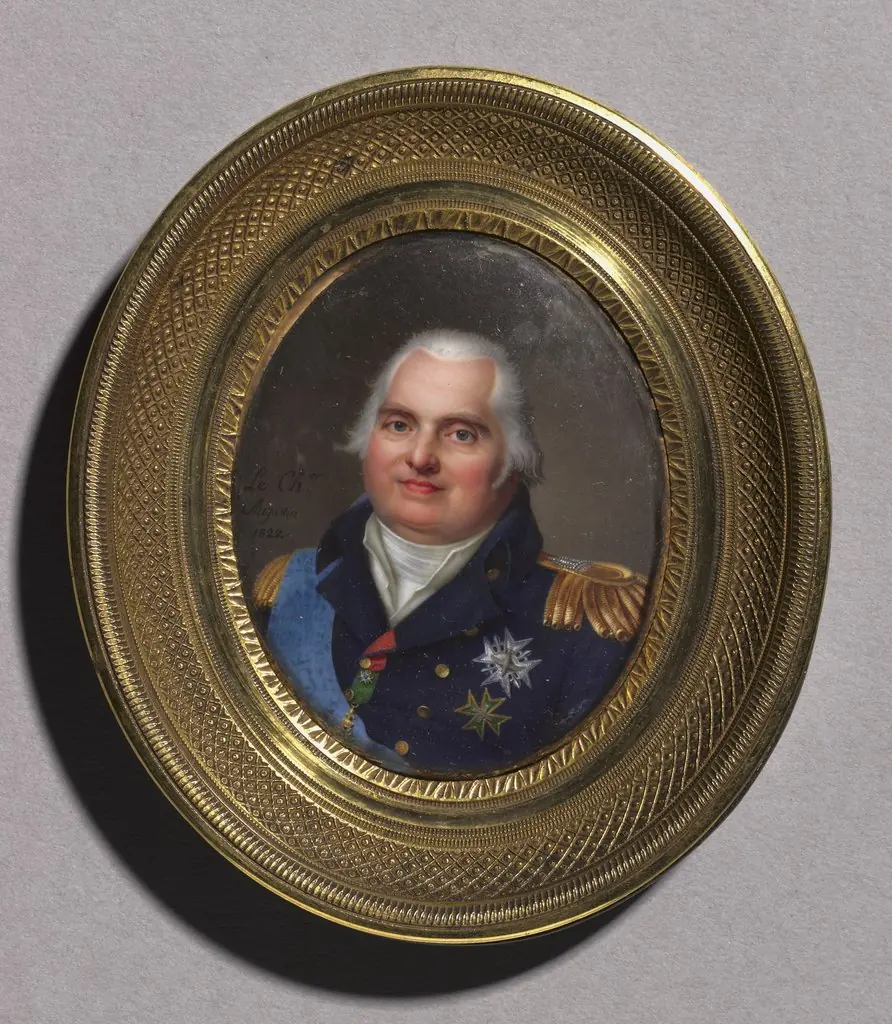 Portrait of Louis XVIII
 Portrait of an Austrian officer