Artwork
東海道五十三次 御油|Goyu, from the series The Fifty-three Stations of the Tōkaidō Road
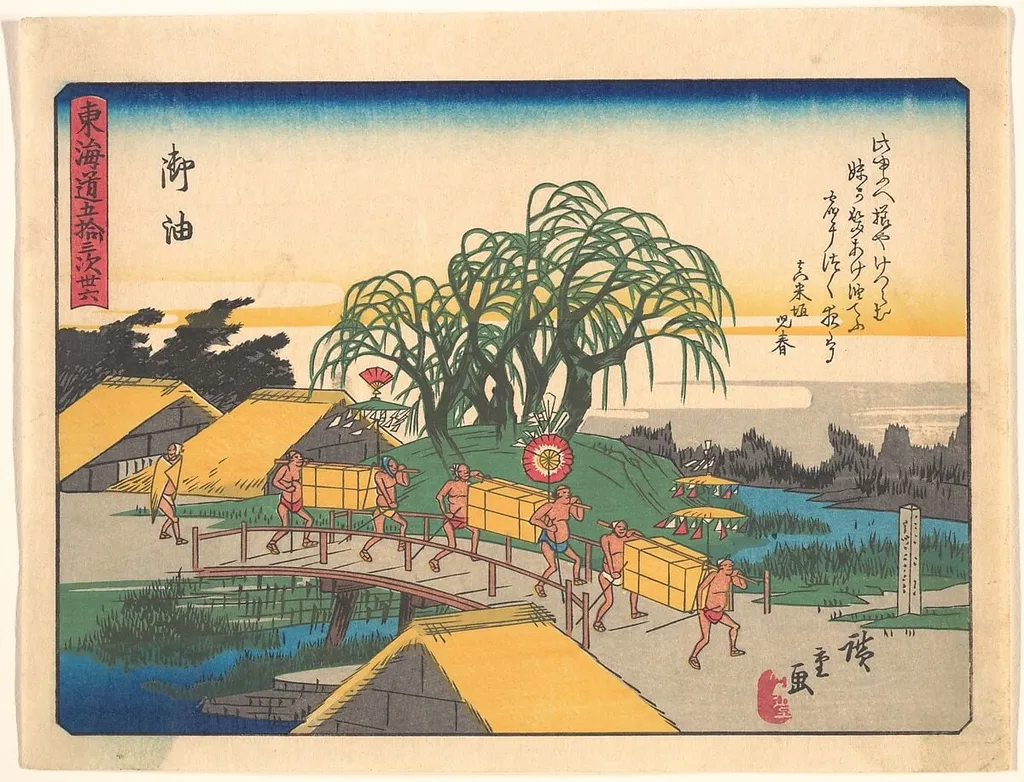
東海道五十三次 御油|Goyu, from the series The Fifty-three Stations of the Tōkaidō Road is an ink print by Utagawa Hiroshige. It is held in the collection of the Metropolitan Museum of Art.
- Accession no.
- JP3476
- Credit line
- Gift of Cole J. Younger, 1975
About this work
Overview
This woodblock print, Goyu, is part of Utagawa Hiroshige's series The Fifty-three Stations of the Tōkaidō Road. Created in the Edo period, it depicts a scene along the Tōkaidō, a major route between Edo and Kyoto.
Subject & Meaning
The print shows travelers crossing a rickety bridge, emphasizing their collective effort rather than individual identities. The blurred faces and focus on the activity suggest a narrative centered on the journey.
Technique & Style
Executed in ink and color on paper, the print features bright, flat colors and a pale sky, evoking a storybook quality. The composition includes a prominent tree and thatched-roof houses, characteristic of Hiroshige's landscape style.
History & Provenance
Although the exact creation date is not specified, Hiroshige's series was produced during the Edo period, marking a departure from traditional ukiyo-e themes by focusing on landscapes and travel scenes.
Artist & collection
Artist
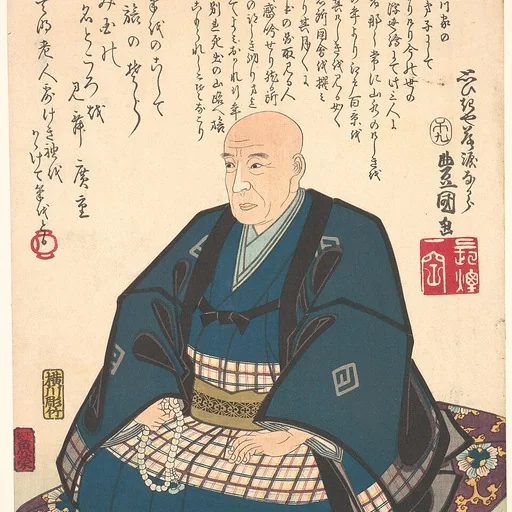
Utagawa Hiroshige (歌川 広重) or Andō Hiroshige (安藤 広重), born Andō Tokutarō (安藤 徳太郎; 1797 – 12 October 1858), was a Japanese ukiyo-e artist, considered the last great master of that tradition.

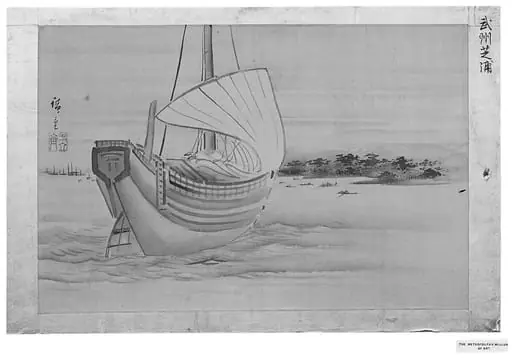
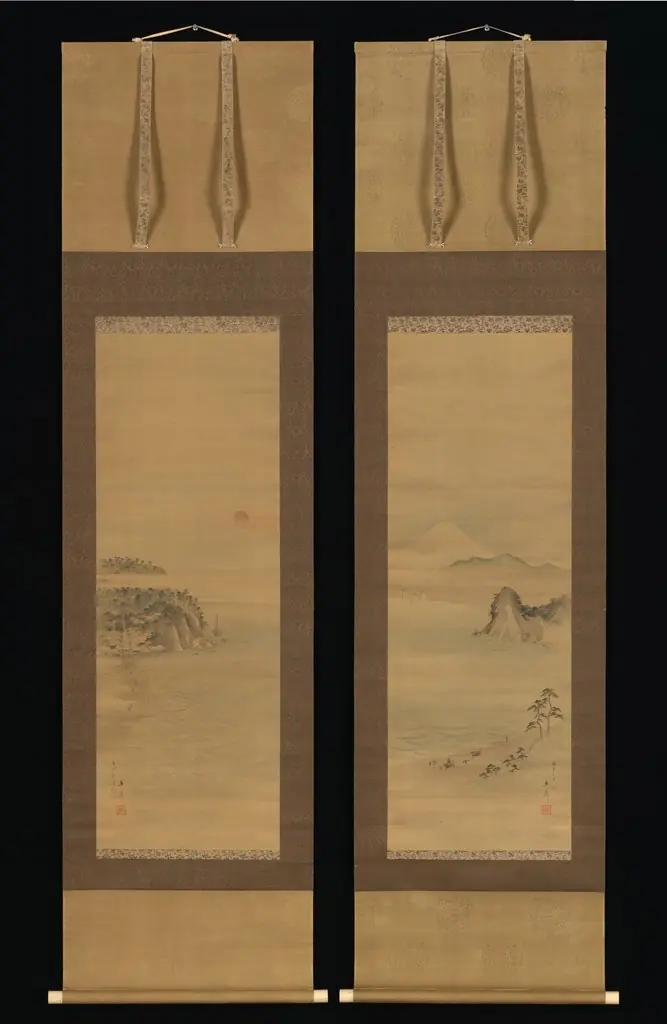
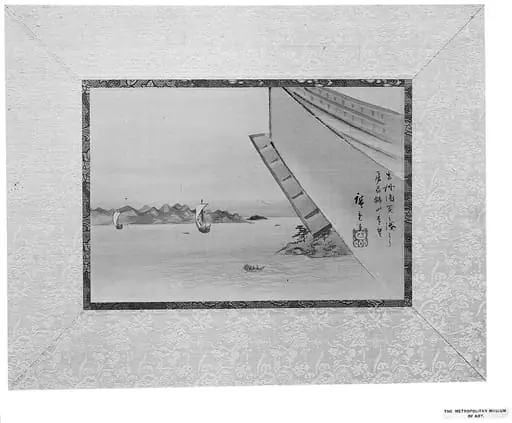
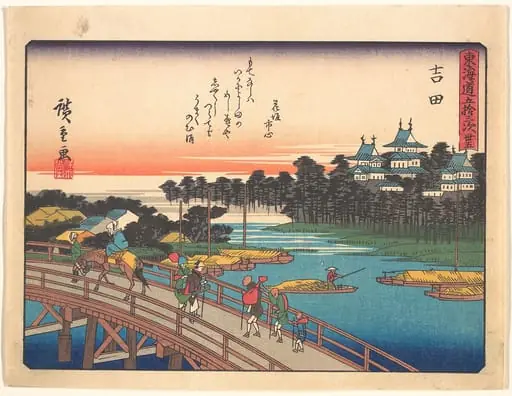
- 東海道五十三次 吉田|Yoshida, from the series The Fifty-three Stations of the Tōkaidō Road
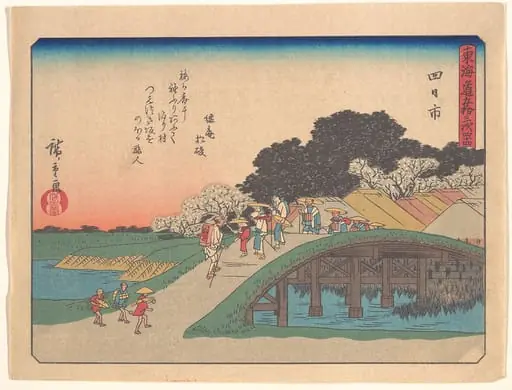 東海道五十三次 四日市|Yokkaichi, from the series The Fifty-three Stations of the Tōkaidō Road
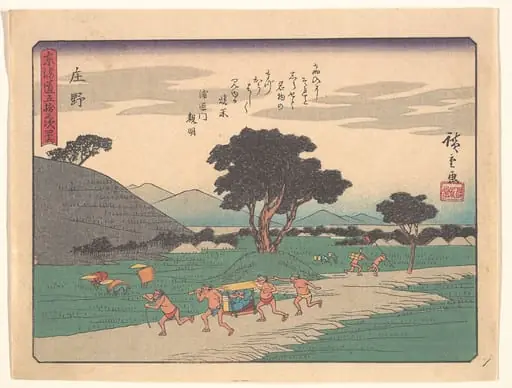 東海道五十三次 庄野|Shōno, from the series The Fifty-three Stations of the Tōkaidō Road
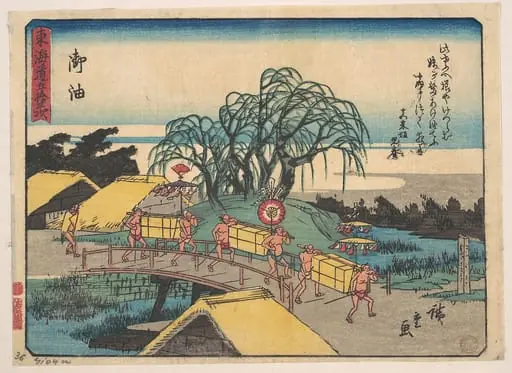 東海道五十三次 御油|Goyu
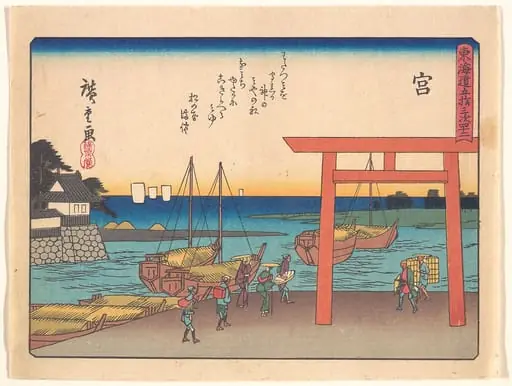 東海道五十三次 宮|Miya, from the series The Fifty-three Stations of the Tōkaidō Road
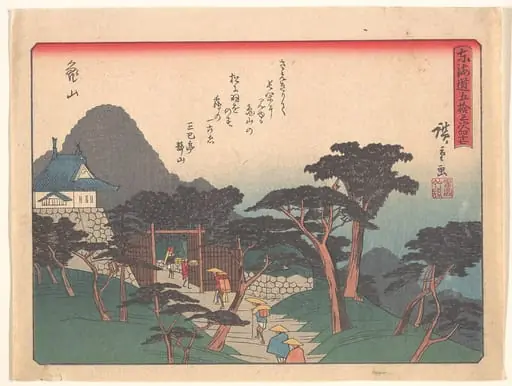 東海道五十三次 亀山|Kameyama, from the series The Fifty-three Stations of the Tōkaidō Road
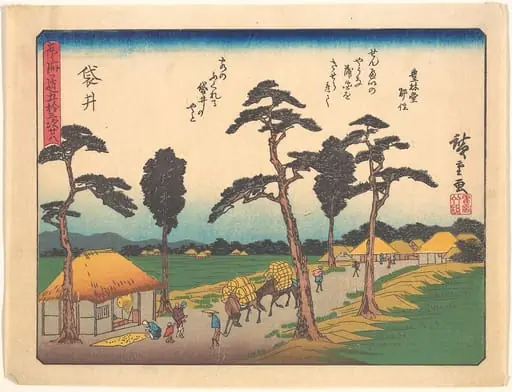 東海道五十三次 袋井|Fukuroi, from the series The Fifty-three Stations of the Tōkaidō Road
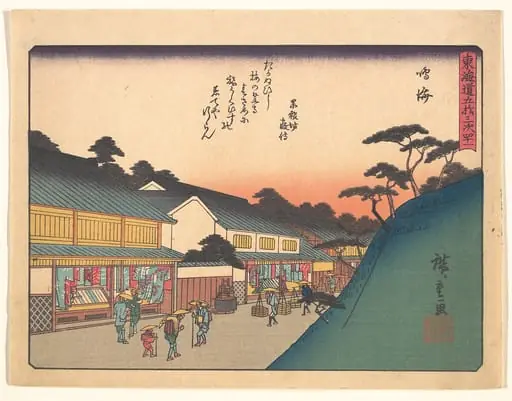 東海道五十三次 鳴海|Narumi, from the series The Fifty-three Stations of the Tōkaidō Road
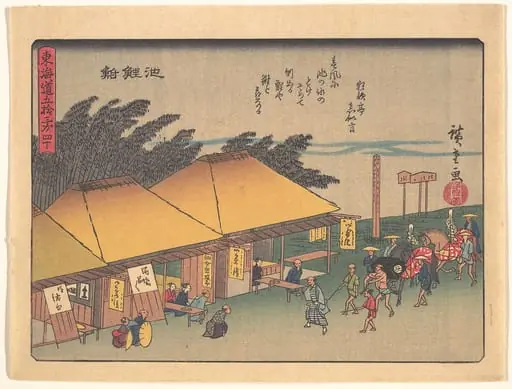 東海道五十三次 池鯉鮒|Chiryūshuku, from the series The Fifty-three Stations of the Tōkaidō Road
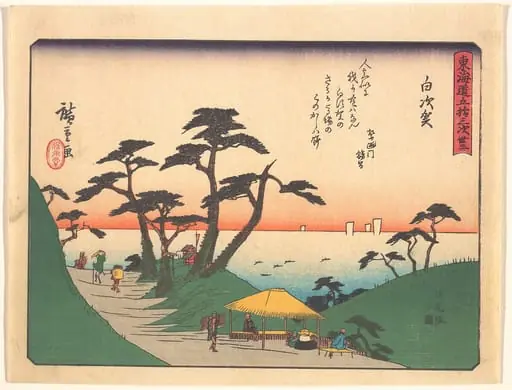 東海道五十三次 白須賀|Shirasuka, from the series The Fifty-three Stations of the Tōkaidō Road
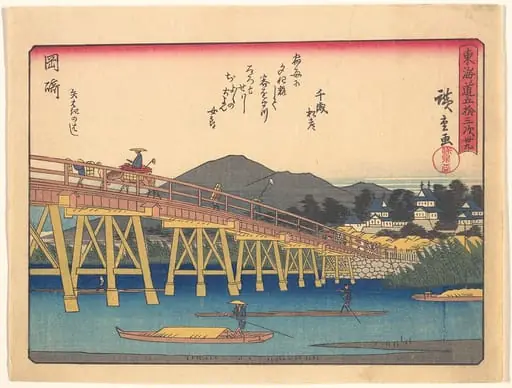 東海道五十三次 岡崎|Okazaki, from the series The Fifty-three Stations of the Tōkaidō Road