Artwork
Christ and the Adulteress
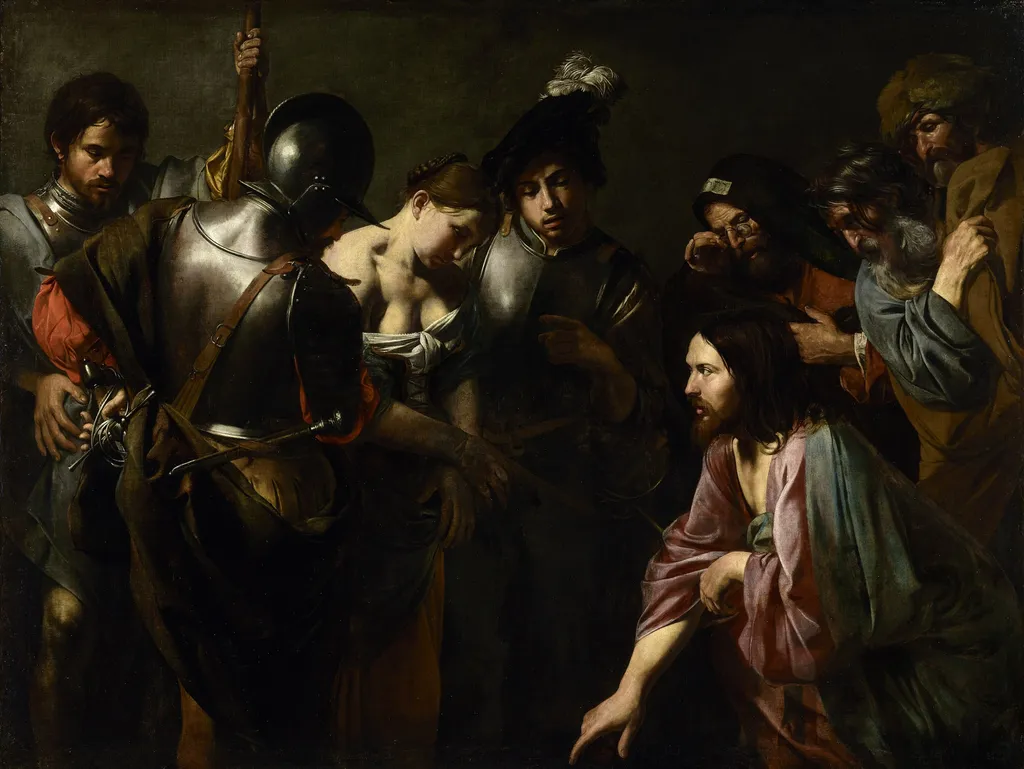
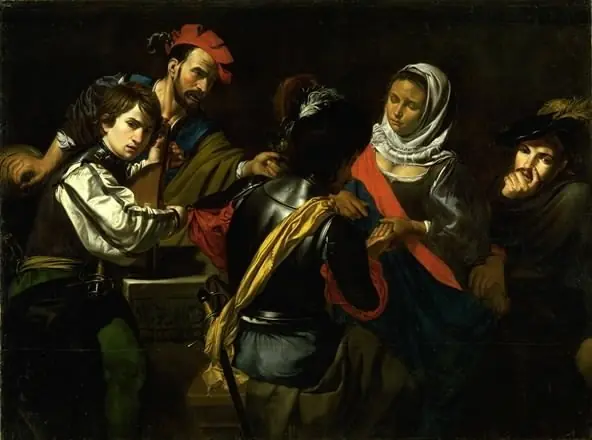
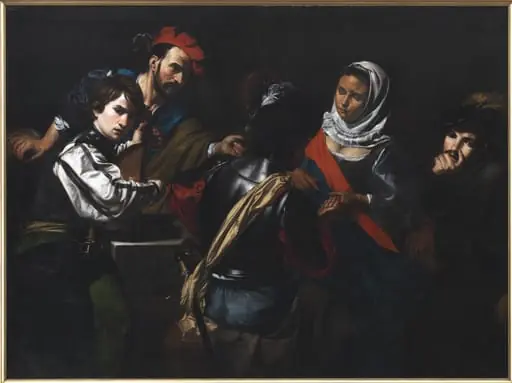
Christ and the Adulteress is an oil painting by the Caravaggisti artist Valentin de Boulogne. It dates from 1620 and is held in the collection of the J. Paul Getty Museum.
About this work
Overview
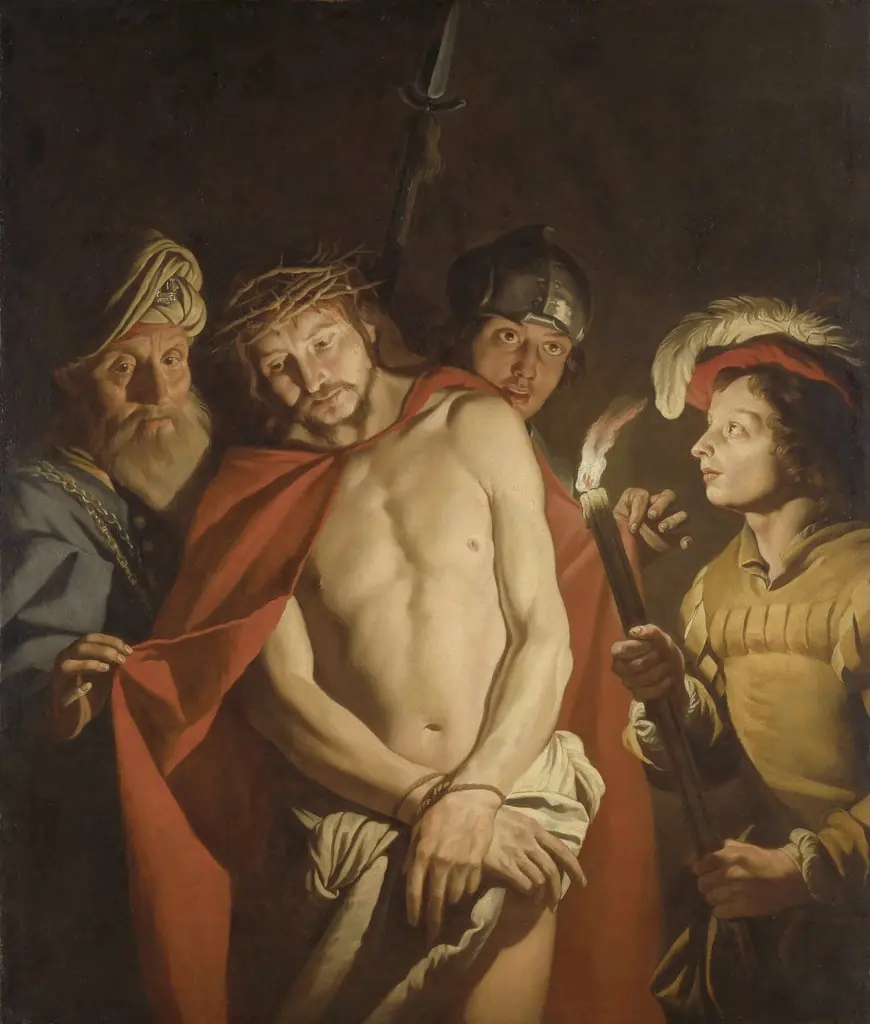
Valentin de Boulogne’s oil painting Christ and the Adulteress (1620) presents a nocturnal biblical tableau rendered in the stark chiaroscuro typical of early‑Baroque Roman art. The composition centers on a solemn Christ, flanked by a cluster of onlookers that include a soldier, a Pharisee and the accused woman, all set against a deep, shadow‑filled backdrop that heightens the dramatic tension.
Subject & Meaning
The work visualises the Gospel episode in which Jesus confronts the accusers of a woman caught in adultery, famously declaring, “Let him who is without sin cast the first stone.” By positioning Christ calmly amid the hostile crowd, de Boulogne underscores themes of mercy, judgment, and the moral authority of the Savior within a moment of collective accusation.
Technique & Style
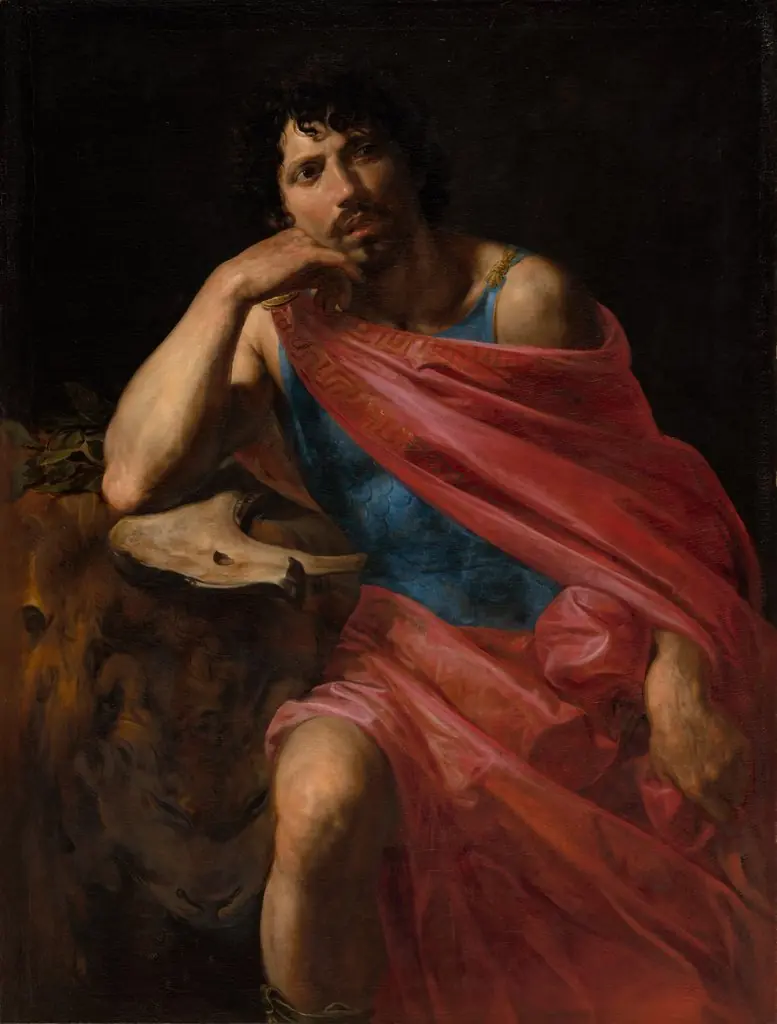
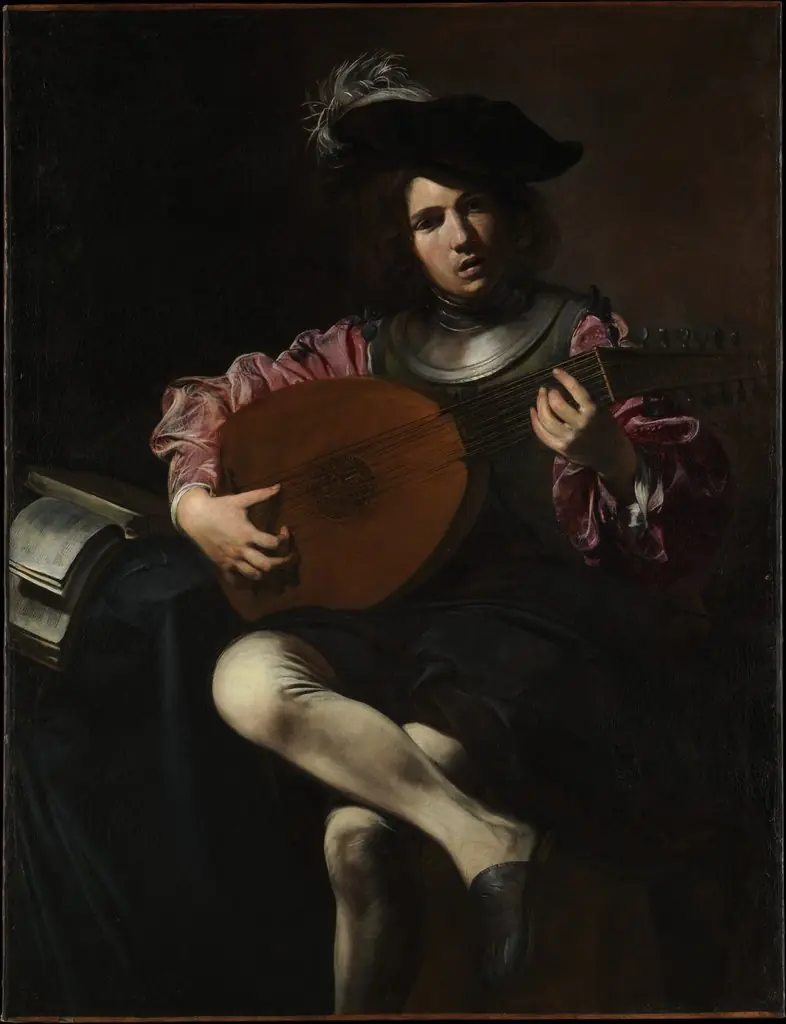
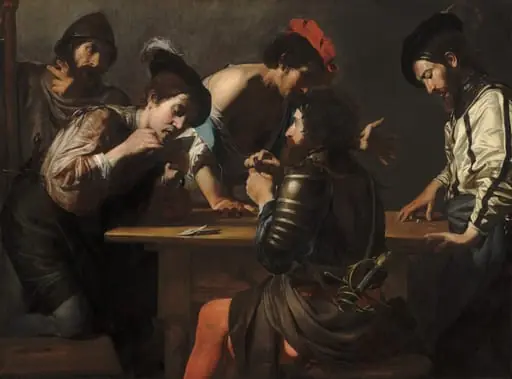
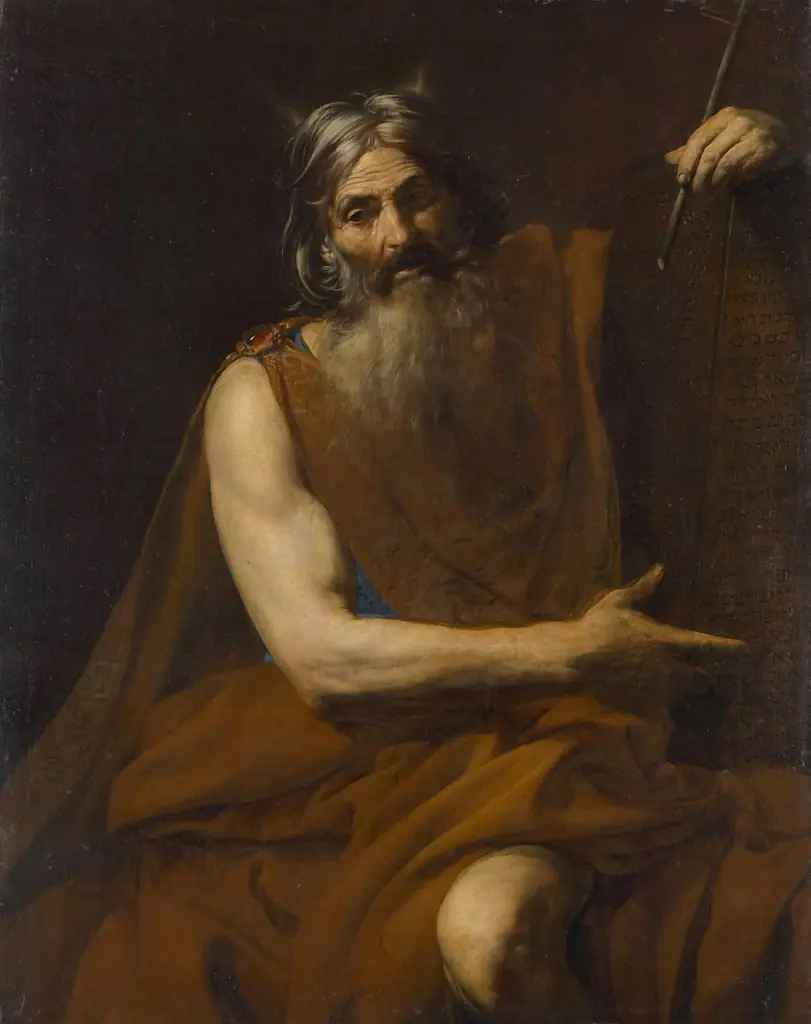
De Boulogne employs tenebrist lighting, a hallmark of Caravaggist practice, allowing a single, left‑handed light source to carve the figures from darkness.
De Boulogne employs tenebrist lighting, a hallmark of Caravaggist practice, allowing a single, left‑handed light source to carve the figures from darkness. The contrast of illuminated flesh against enveloping shadow creates a three‑dimensional effect, while the naturalistic rendering of faces and garments conveys immediacy. The limited palette, rich reds, muted earth tones, and deep blacks, reinforces the somber atmosphere.
History & Provenance
Active in Rome during the first decades of the 17th century, Valentin de Boulogne, often known as Le Valentin, produced this canvas while absorbing the influence of Caravaggio and his followers. The painting entered the J. Paul Getty Museum’s collection in the late 20th century, where it remains part of the museum’s European Baroque holdings.
Context
The composition reflects the broader Counter‑Reformation emphasis on biblical narratives that could be readily understood by lay viewers. De Boulogne’s choice of a dramatic, emotionally charged moment aligns with contemporary Roman commissions that sought to inspire piety through vivid, theatrical representation of scriptural events.
Own this work as a print
Artist & collection
Artist
Valentin de Boulogne (before 3 January 1591 – 19 August 1632), sometimes referred to as Le Valentin, was a French painter in the tenebrist style.