Artwork
Dornenkrönung Christi
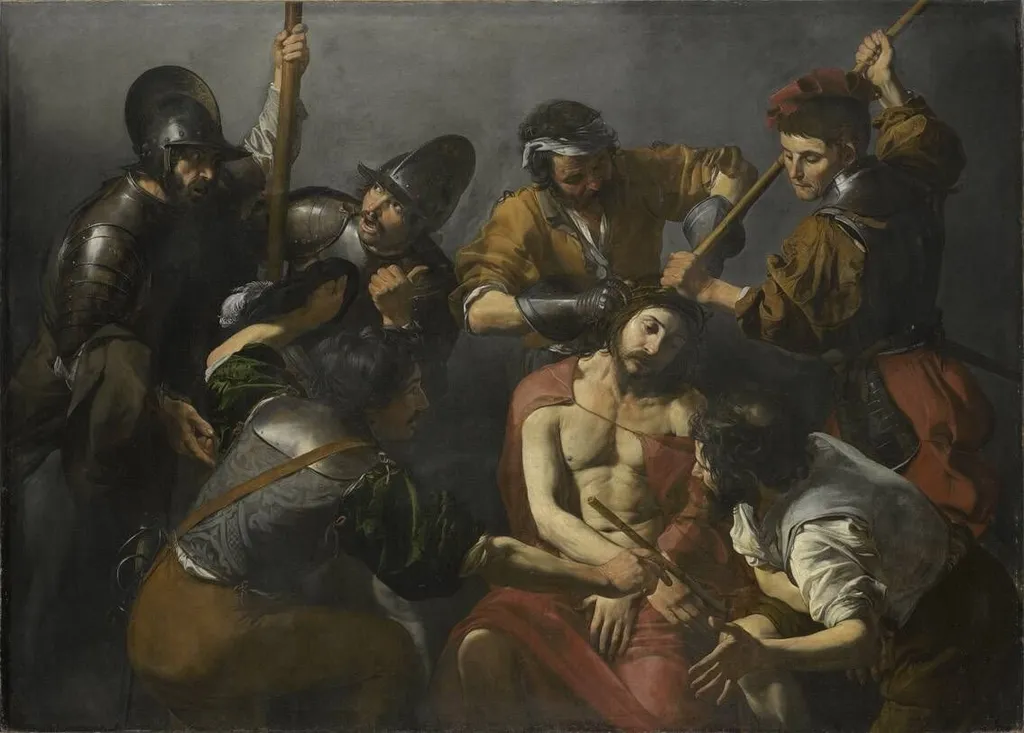
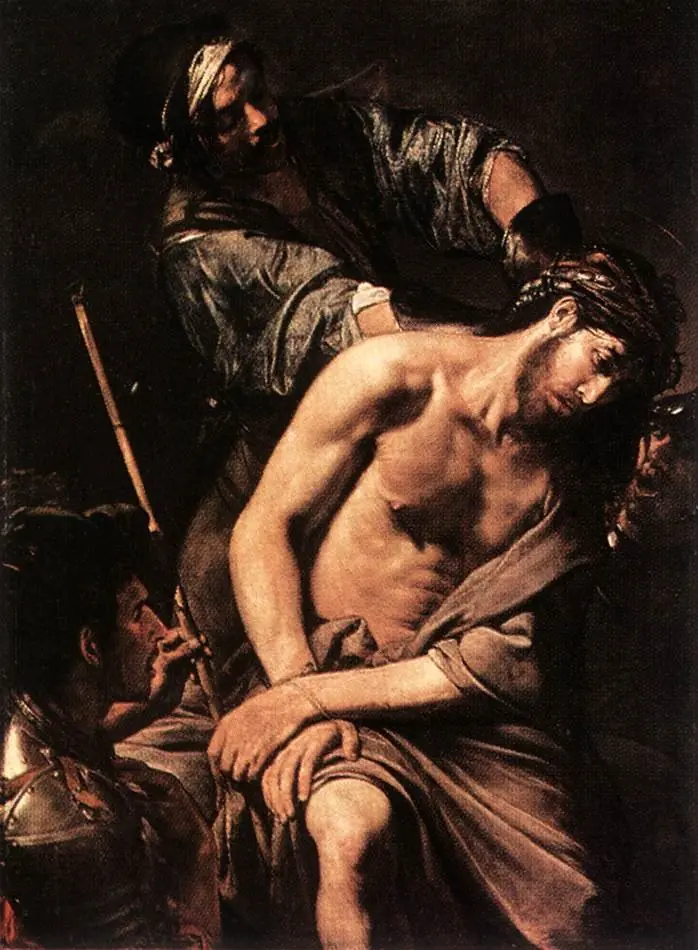
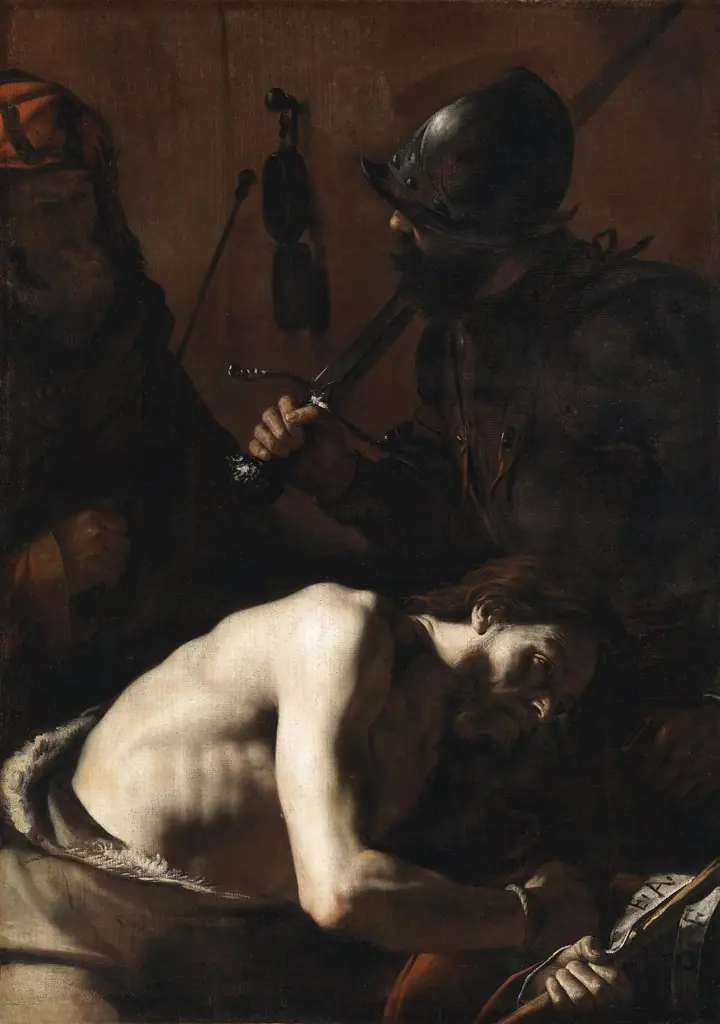
Dornenkrönung Christi is an unspecified painting by the Early Baroque Italian artist Valentin de Boulogne. It dates from 1616 and is held in the collection of the Bavarian State Painting Collections.
About this work
Subject & Meaning
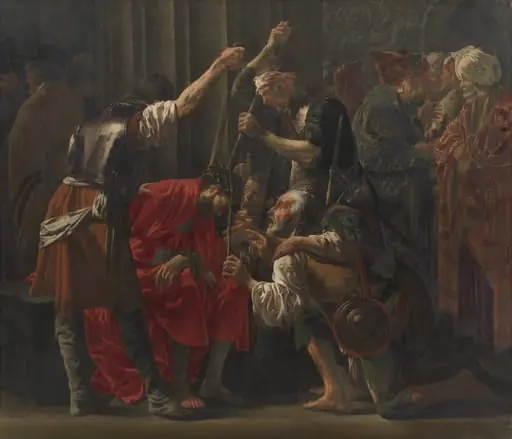
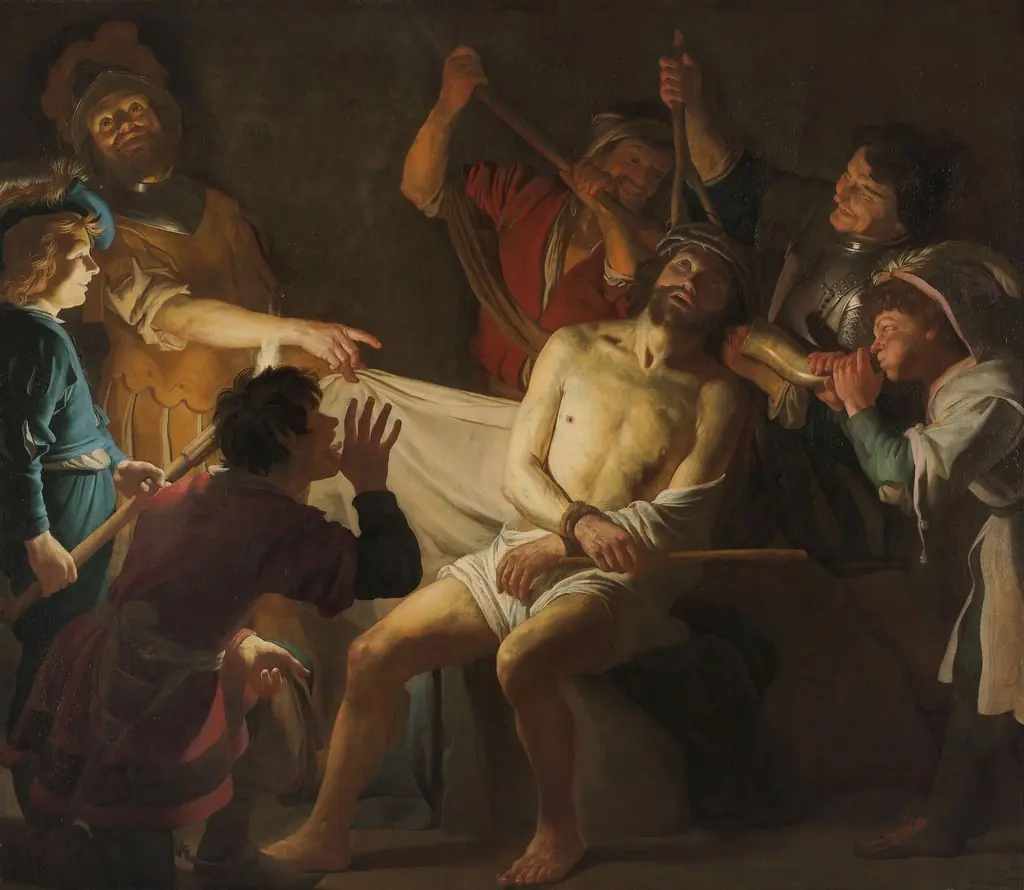
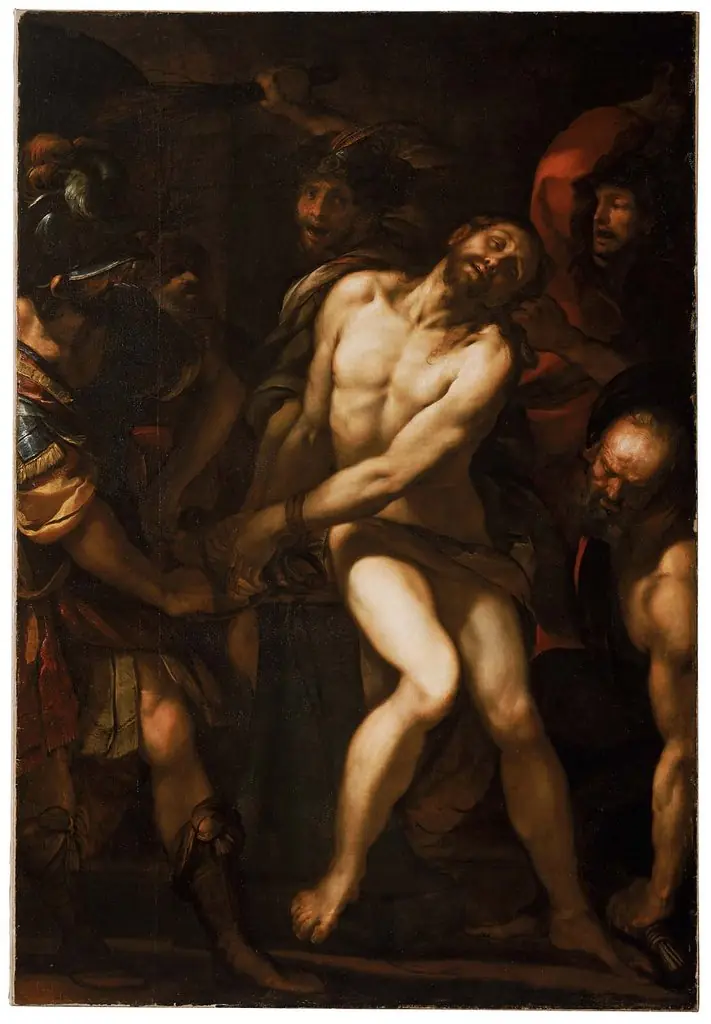
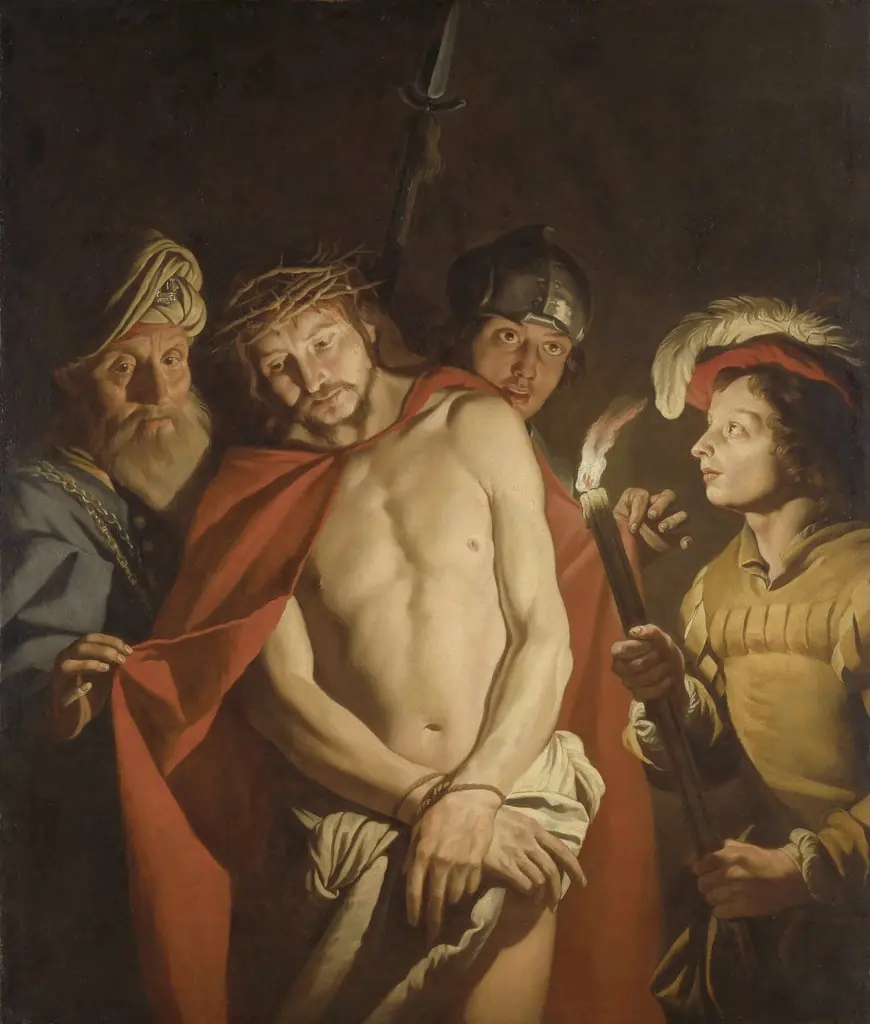
The work depicts the biblical episode known as the Crowning with Thorns, centering on the figure of Jesus Christ.
The work depicts the biblical episode known as the Crowning with Thorns, centering on the figure of Jesus Christ. As a piece of religious art, the painting illustrates the moment Christ is mocked and crowned with thorns by his captors, a narrative drawn from the Passion of the Christ. Created in 1616, the composition focuses on this specific act of humiliation and suffering, serving as a visual representation of the Passion story within the Christian tradition.
History & Provenance
Valentin de Boulogne painted Dornenkrönung Christi in 1616 for religious purposes. The work is housed in the Alte Pinakothek in Munich, part of the Bavarian State Painting Collections. Its dimensions measure 173 cm in height by 241 cm in width. The painting illustrates the moment of Christ being crowned with thorns.
The painting is housed in the Bavarian State Painting Collections at the Alte Pinakothek in Munich. It was created in 1616 by Valentin de Boulogne and is cataloged under the inventory number 2763.
The work has been part of several exhibitions, including a 2011 showcase of Baroque religious art at the Alte Pinakothek and a 2016 special exhibition commemorating the 400th anniversary of Valentin de Boulogne’s birth.
Context
Valentin de Boulogne painted Dornenkrönung Christi in 1616, a religious work portraying the crowning of Jesus Christ with thorns. The painting is housed in the Alte Pinakothek, part of the Bavarian State Painting Collections in Munich. It is categorized as religious art within the broader corpus of Valentin de Boulogne's oeuvre, reflecting early 17th-century Counter-Reformation visual strategies emphasizing Christ's suffering.
Scholarship situates the piece within de Boulogne's development as a religious painter active in Rome, where he absorbed influences from Caravaggisti while maintaining a distinct focus on intense, narrative-driven devotional scenes.
Overview
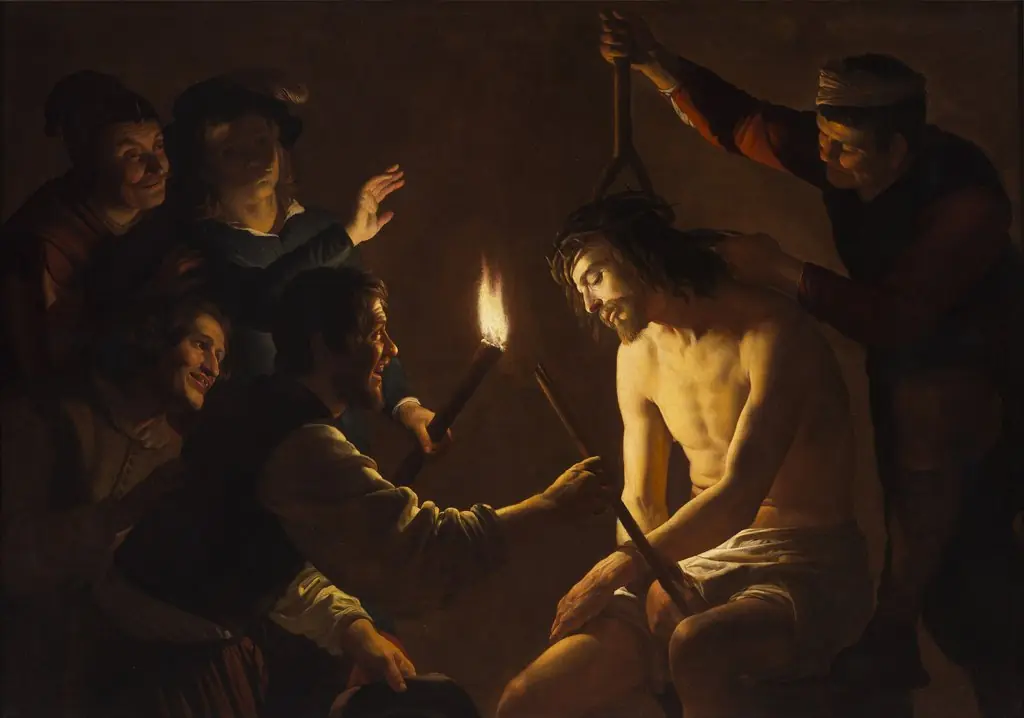
Valentin de Boulogne's Dornenkrönung Christi (1616) is a Baroque painting depicting the biblical scene of Jesus Christ being crowned with thorns. Characterized by intense chiaroscuro, the work exemplifies the tenebrist style, emphasizing dramatic contrasts of light and dark.
Technique & Style
De Boulogne employs sharp chiaroscuro to create a sense of raw violence, with flickering light accentuating the musculature of the tormentors and the wounds of the victim. The dominant dark shadows heighten the dramatic and somber atmosphere of the scene.
Legacy
While specific legacy details of Dornenkrönung Christi are not provided, as a work by Valentin de Boulogne, it contributes to the broader understanding and appreciation of tenebrist painting's impact on Baroque art.
Artist & collection
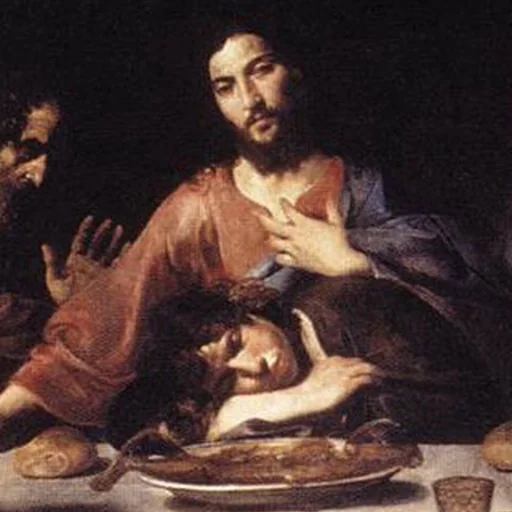
Artist
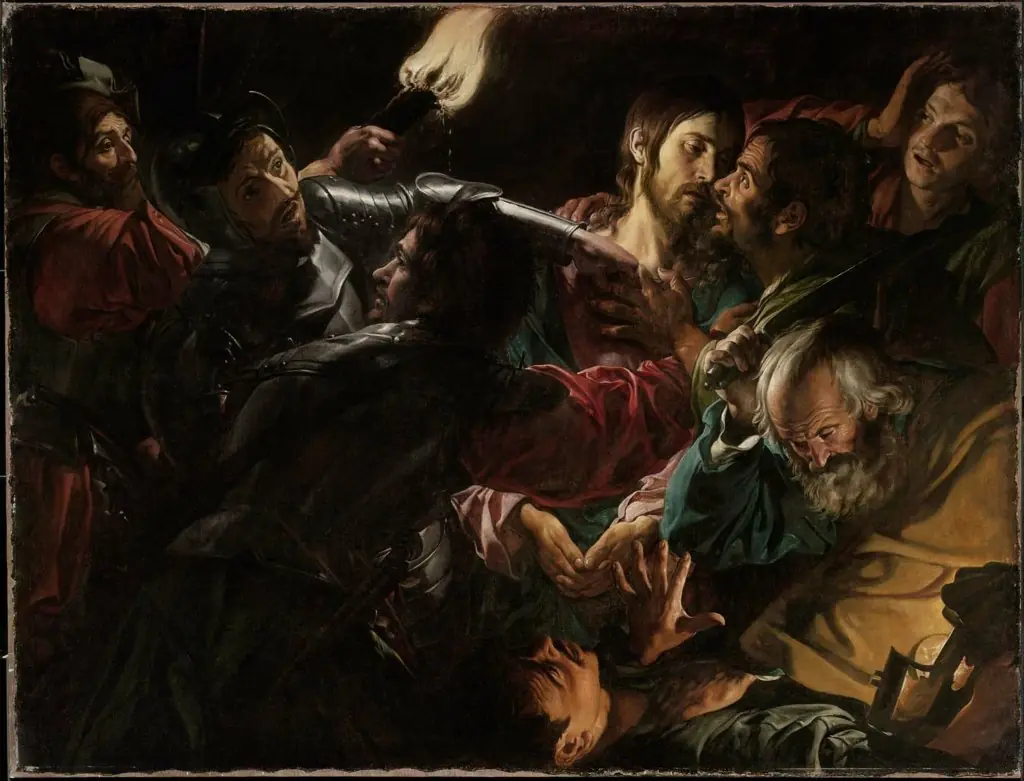
Valentin de Boulogne (before 3 January 1591 – 19 August 1632), sometimes referred to as Le Valentin, was a French painter in the tenebrist style.