Artwork
The Painter Francisco Goya
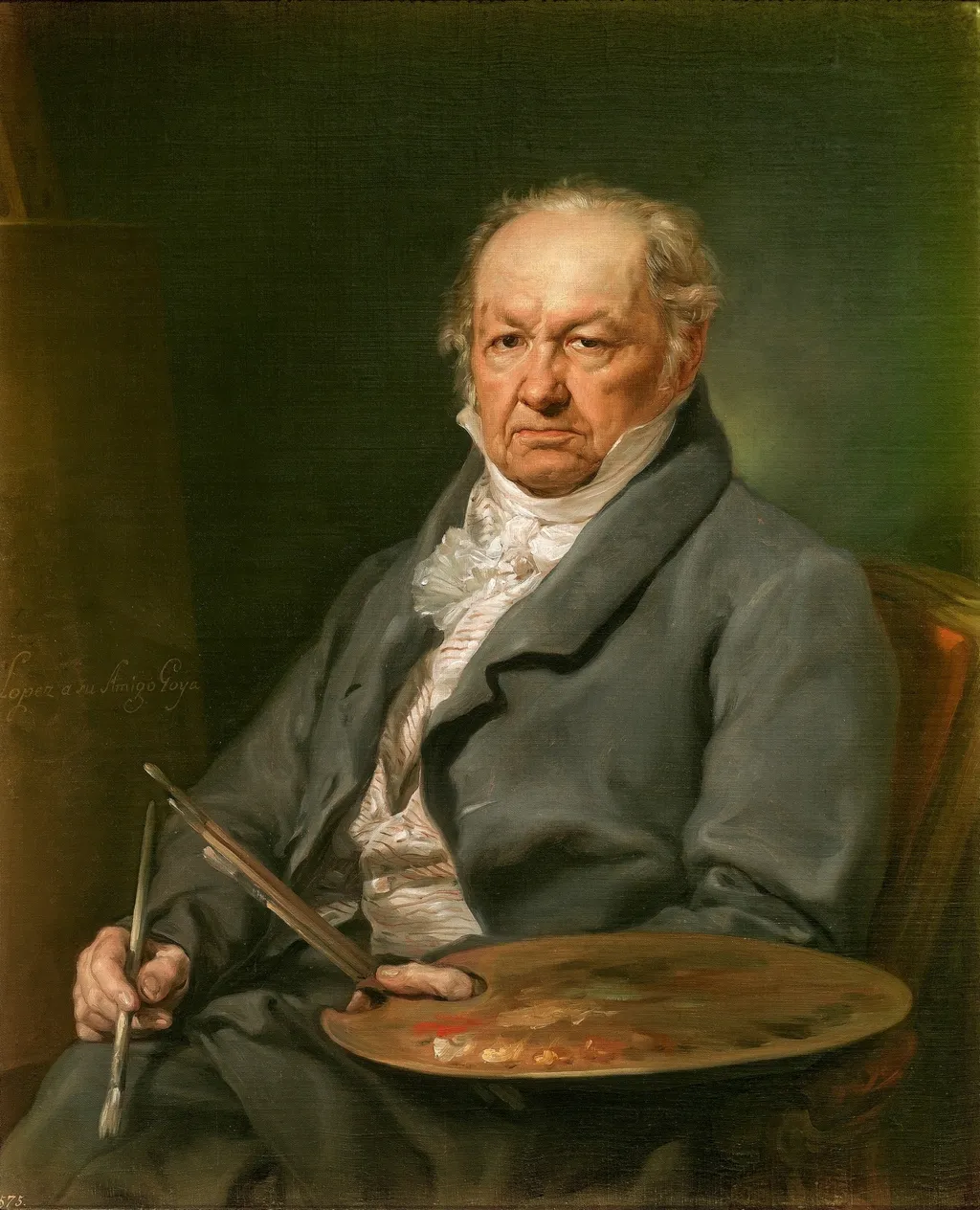
The Painter Francisco Goya is an oil painting by Vicente López Portaña. It dates from 1826 and is held in the collection of the Museo del Prado.
About this work
Subject & Meaning
The work functions as a tribute from Vicente López Portaña, evidenced by the dedication "López a su Amigo Goya" painted on the easel beside the sitter.
The painting depicts Francisco Goya at age 80, seated and holding a palette and paintbrushes, representing his enduring identity as an artist despite his advanced years. The work functions as a tribute from Vicente López Portaña, evidenced by the dedication "López a su Amigo Goya" painted on the easel beside the sitter. This inscription transforms the portrait from a standard likeness into a personal homage between two friends, acknowledging Goya's status while he was exiled in France but visiting Madrid.
The composition balances academic posing with a vivid, expressive gaze that conveys psychological depth. By capturing Goya with his tools of the trade, the image symbolizes the painter's lifelong dedication to his craft and serves as one of the most recognized visual records of the artist.
Technique & Style
Executed in 1826, this work is an oil painting on canvas set against a green background. The dimensions are recorded as 100 by 78 cm in some records, while others specify 95.5 by 80.5 cm. The composition depicts an eighty-year-old Francisco Goya seated, holding a palette and paintbrushes, with an easel positioned beside him bearing the inscription "López a su Amigo Goya."
Stylistically, the portrait reflects the Neoclassical tradition of its creator, yet it diverges from his typical court commissions through a liberated, unrefined brushwork that imparts a sense of vivacity. This loose handling contrasts with the subject's academic pose, creating a dynamic tension. The artist achieves a profound psychological penetration, capturing the sitter's expressive gaze and imperious gesture to convey a direct engagement with the viewer, successfully balancing textural fidelity with emotional depth.
History & Provenance
Vicente López Portaña painted the portrait in 1826, taking advantage of a visit Francisco de Goya made to Madrid between mid-May and early July of that year, while the eighty-year-old Goya was living in exile in France. López, who served as court portraitist to Ferdinand VII, approached the portrait as a tribute rather than a commission, and signed it on the easel with the dedication "López a su Amigo Goya." The work later entered the collection of the Museo del Prado in Madrid, where it remains.
A closely related copy, painted by Goya's goddaughter Rosario Weiss, is held by the Real Academia de San Fernando, also in Madrid.
The painting is housed in the Museo del Prado in Madrid, where it is listed under inventory number P00968 and is displayed in Prado Hall 062A. Its accession record identifies it as a portrait of Francisco Goya painted in 1826 by Vicente López y Portaña, and it has been part of the museum’s collection since its acquisition. The work has been featured in several exhibitions at the Prado, including retrospectives on López y Portaña and thematic shows on Spanish portraiture, and it is regularly included in displays of the museum’s 19th‑century Spanish paintings.
The canvas measures 100 cm in height and 78 cm in width, and it remains on public view in the museum’s permanent collection.
Context
Executed in 1826, this portrait by Vicente López Portaña stands as one of the most recognized images of Francisco Goya and a significant work within López's own oeuvre. Created during Goya's brief return to Madrid from his exile in France, the painting serves as a tribute from the court painter to his older contemporary. Art historical analysis highlights the work as representative of López's neoclassical style, yet notes a departure from his usual commissioned rigidity; the free brushwork and psychological depth capture Goya's expressive gaze against a formal pose.
The inscription on the adjacent easel, dedicating the work to his friend, underscores the personal nature of the piece. Its enduring significance is further evidenced by a faithful copy held by the Royal Academy of Fine Arts of San Fernando, executed by Goya's goddaughter, Rosario Weiss.
Legacy
The portrait’s legacy rests on its role as a rare personal tribute from the court painter to the aging master, capturing Goya in a moment of informal intimacy that contrasted with the formal conventions of court portraiture. Contemporary accounts noted the loose brushwork and psychological immediacy of the work, qualities that later critics highlighted as a bridge between neoclassical technique and the emerging realism of Romantic art. The painting’s display in the Museo del Prado cemented its status as a reference point for studies of Goya’s later years, and its composition influenced subsequent portrayals of artists with their tools, a motif that recurred in 19th‑century academic circles.
Overview
In 1826, Spanish portraitist Vicente López Portaña painted an oil portrait of his contemporary, the celebrated artist Francisco Goya. The canvas, now part of the Museo del Prado’s collection in Madrid, presents Goya as a mature figure, poised beside an easel with a brush and a modest palette, underscoring his lifelong vocation.
Own this work as a print
Artist & collection
Artist
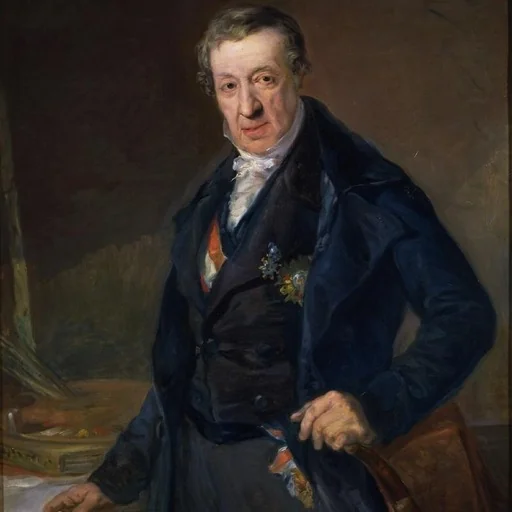
Vicente López Portaña (Spanish:; 19 September 1772 – 22 July 1850) was a Spanish painter, considered one of the best portrait painters of his time.

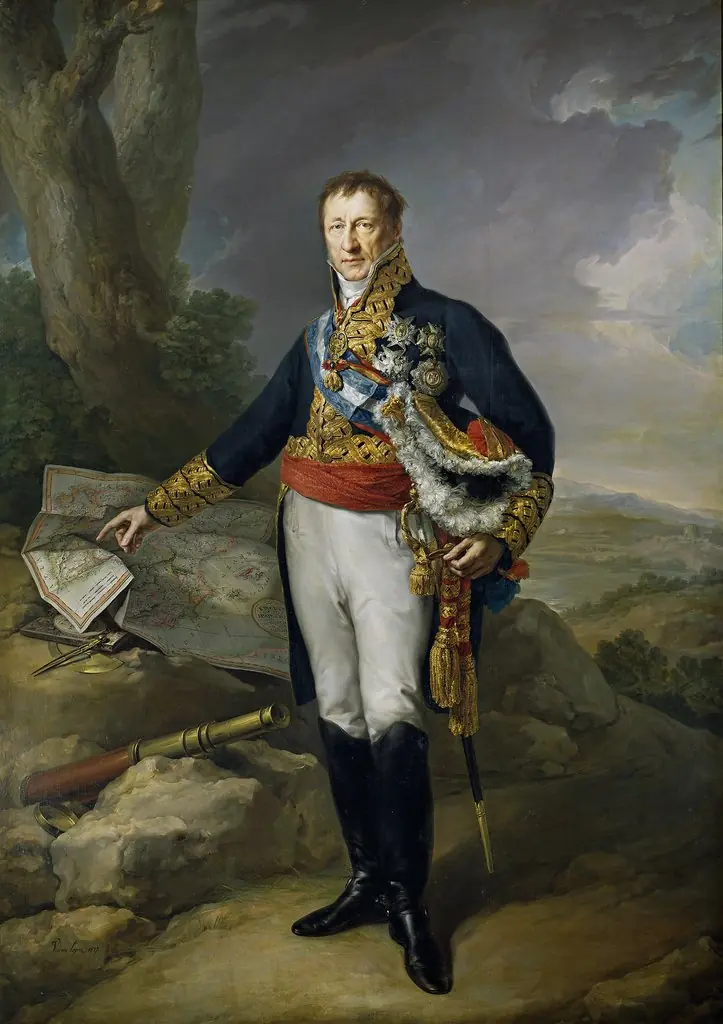
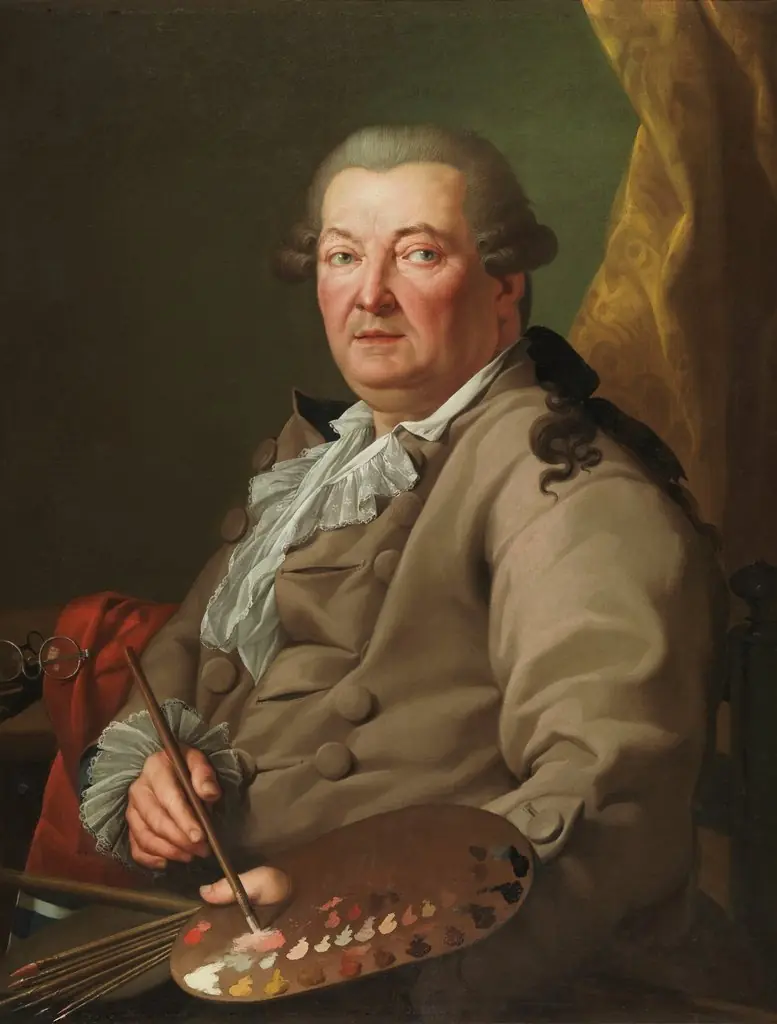 Antonio González Velázquez
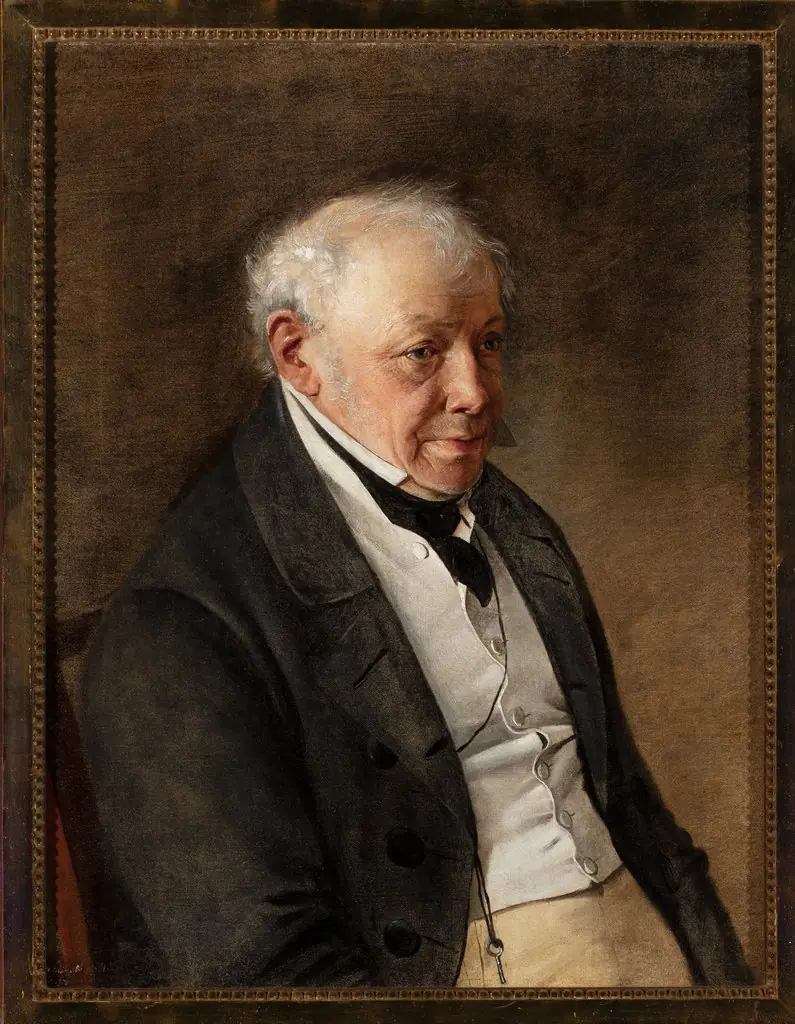 Portrait of Ksawery Bębnowski, artist's father-in-law, captain in Kościuszko's army
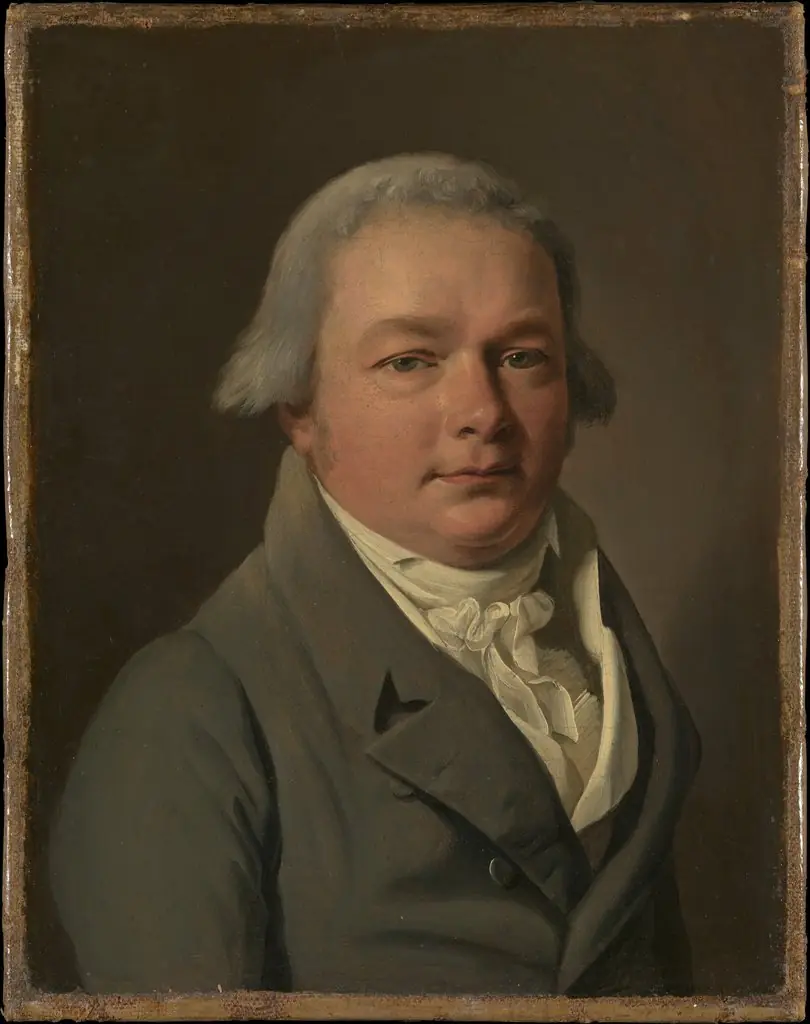 Portrait of a Man
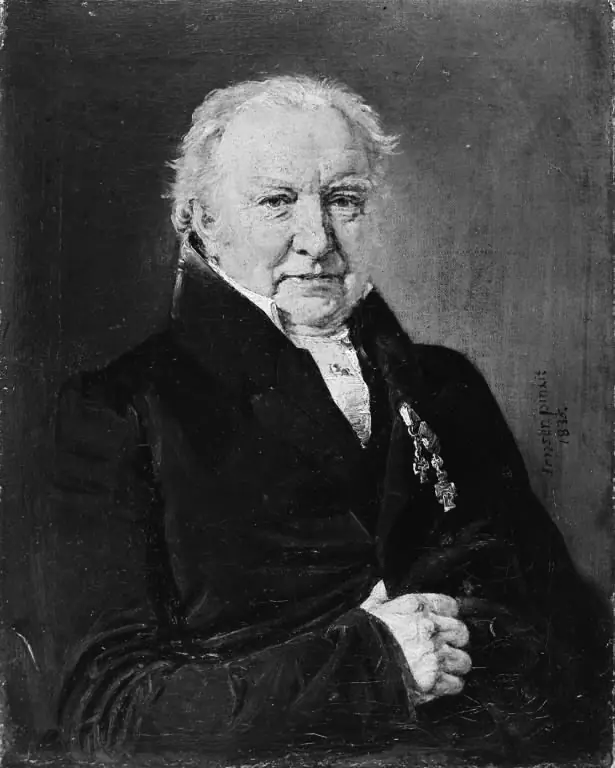 Professor dr. med. J.D. Herholdt
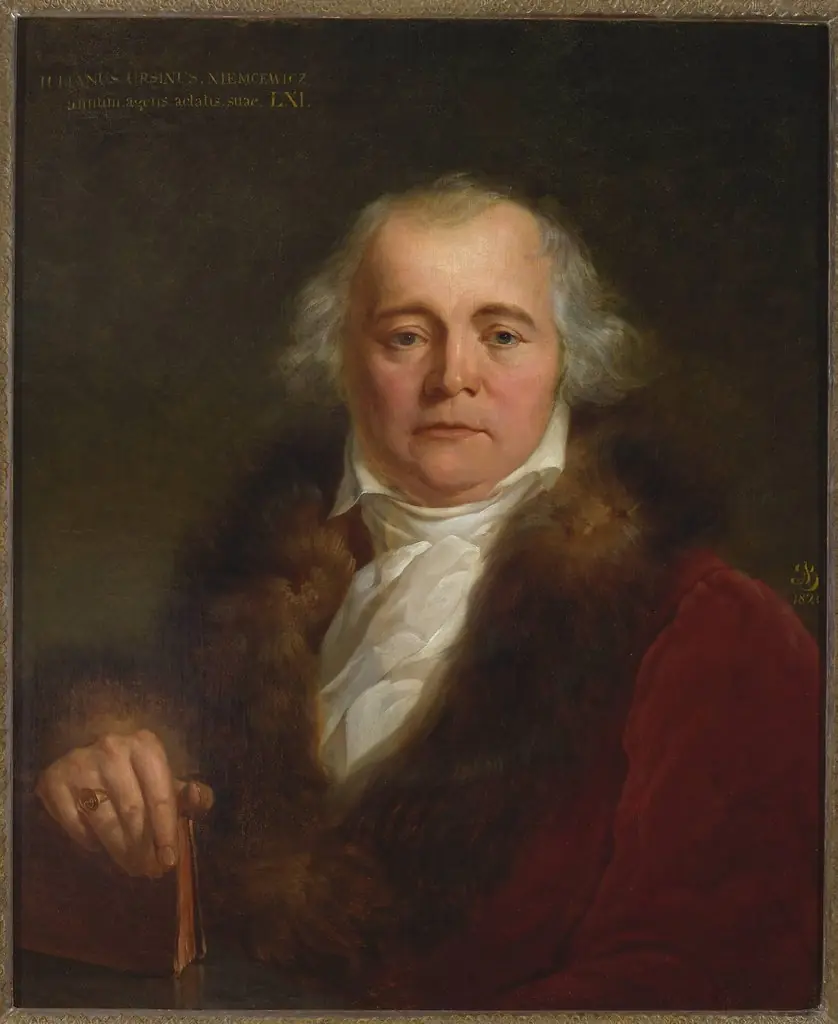 Portrait of Julian Ursyn Niemcewicz
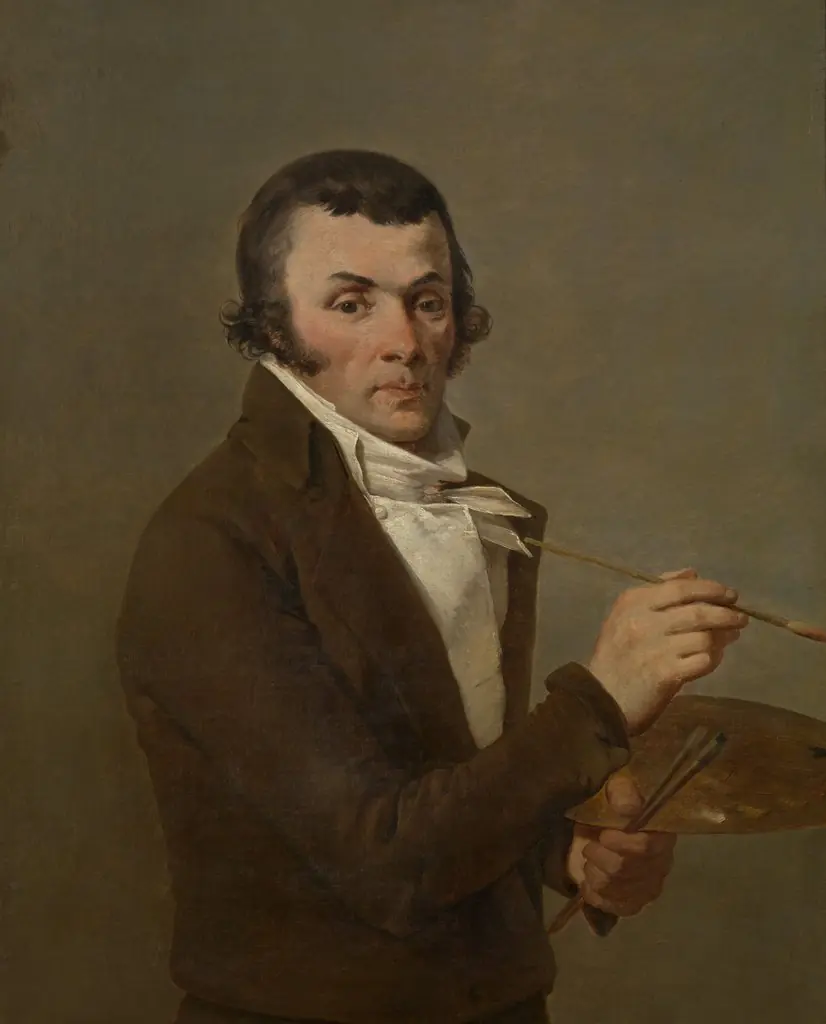 The Painter Jan Baptist Berré
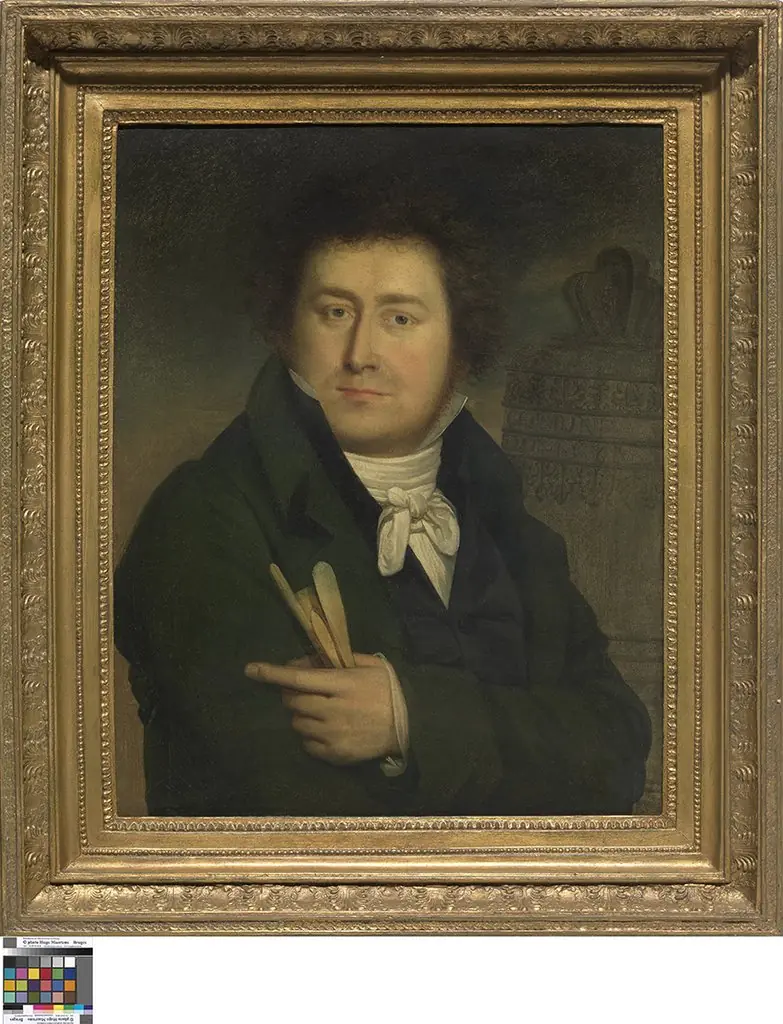 Portret van Jacobus Dumery
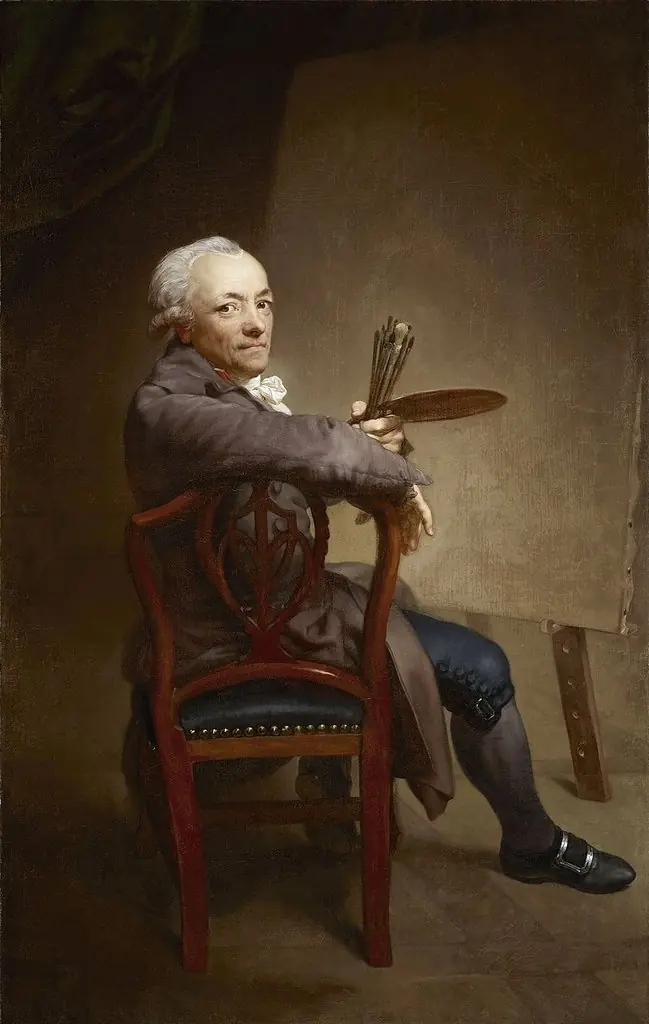 Self-Portrait at the Age of 58
 Self Portrait
 The painter Jean-Claude Bonnefond
 Portrait of the painter Jan Baptist Berré
- Portrait of a Painter