Artwork
Charles IV and his Family honoured by the University of Valencia
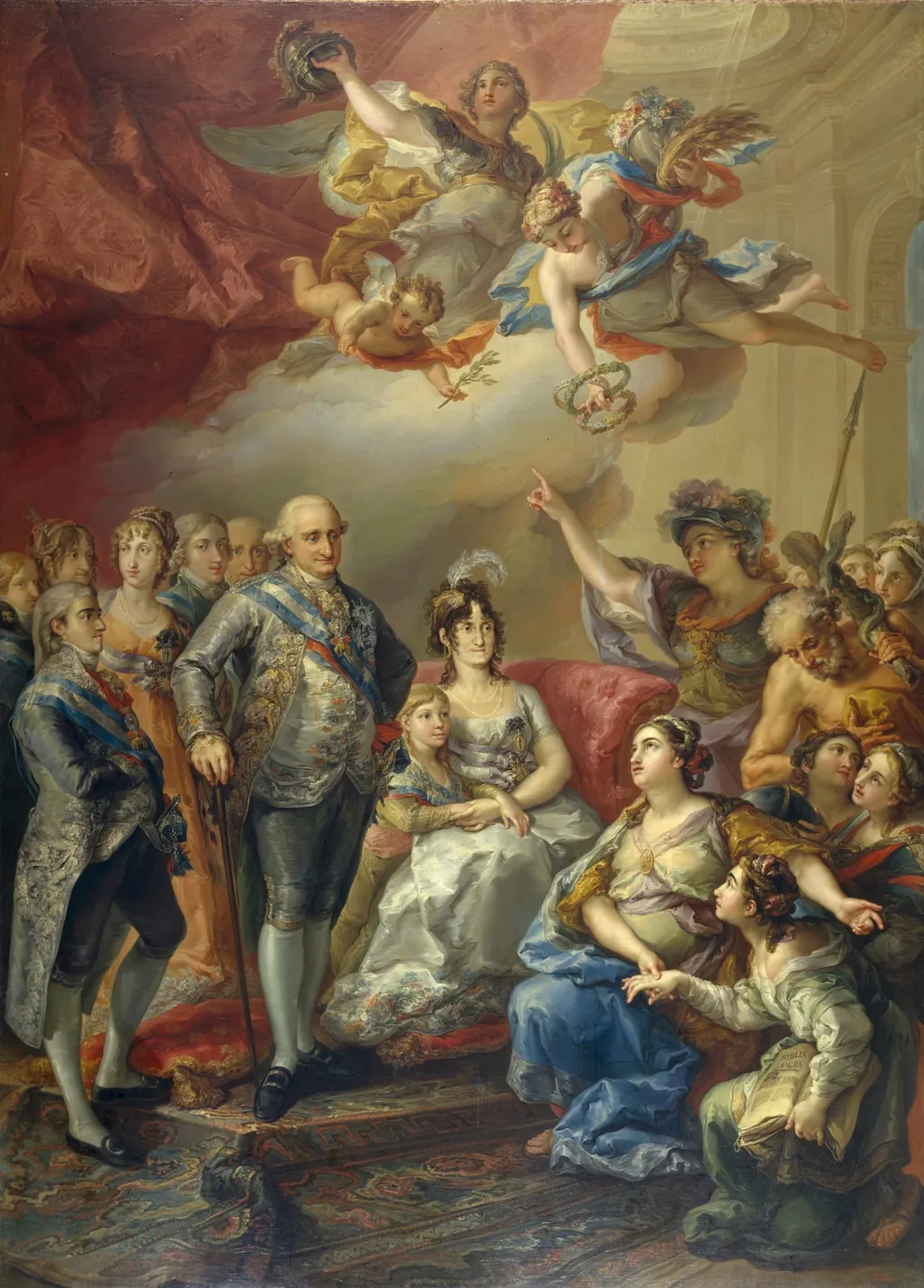
Charles IV and his Family honoured by the University of Valencia is an oil painting by Vicente López Portaña. It dates from 1802 and is held in the collection of the Museo del Prado.
About this work
Subject & Meaning
A cornucopia is also present within the scene, traditionally symbolizing abundance and prosperity under the monarch's rule.
Painted in 1802, this work depicts King Charles IV and his family receiving honors from the University of Valencia. The composition incorporates specific regalia and symbols to convey royal authority and divine favor. Visual elements include a combat helmet and a saber, representing military strength and leadership.
The figures are adorned with prestigious chivalric orders, specifically the Order of Saint Januarius, the Order of Queen Maria Luisa, and the Order of the Golden Fleece, signaling their high status and international alliances. A cornucopia is also present within the scene, traditionally symbolizing abundance and prosperity under the monarch's rule. Together, these icons construct a narrative of a powerful, decorated, and benevolent monarchy.
Technique & Style
Created in 1802, the work is executed in oil paint applied to a canvas support. The painting measures 350.5 cm in height and 250.5 cm in width, presenting a large-scale composition characteristic of royal portraiture from the period. The formal execution depicts specific regalia and attributes, including combat helmets, sabers, and various orders of chivalry such as the Order of Saint Januarius, the Order of Queen Maria Luisa, and the Golden Fleece, alongside a cornucopia.
History & Provenance
The painting was commissioned to commemorate Charles IV and his family being honoured by the University of Valencia. It was created in 1802 by Vicente López Portaña, who executed it in oil on canvas. The work entered the collection of Ferdinand VII of Spain and is now housed in the Museo del Prado within the Royal Palace of Madrid, where it remains part of the museum's holdings.
The painting is part of the Museo del Prado collection in Madrid, housed in the Royal Palace. It was owned by Ferdinand VII of Spain and has been exhibited in major Prado exhibitions, including the 1991 retrospective of Vicente López Portaña and the 2002 bicentennial display of Spanish royal portraiture.
Inventory number: P00968
Context
The painting was created in 1802 by Vicente López Portaña, a prominent Spanish court artist whose career spanned the transition from the late 18th to early 19th century. Executed in oil on canvas, it measures 350.5 by 250.5 centimeters and depicts Charles IV alongside his family, adorned with symbols of military and royal authority such as a combat helmet, saber, and various orders of chivalry. The work was commissioned to honor the monarch and his lineage, reflecting the political climate of the time and the artist’s role in shaping royal iconography.
It is housed in the Museo del Prado in Madrid, where it remains part of the permanent collection. Scholars have interpreted the composition as a deliberate assertion of legitimacy and continuity of Bourbon rule during a period of upheaval in Spain.
Overview
Completed in 1802, this oil canvas by Vicente López Portaña portrays King Charles IV of Spain together with his consort, their children and close relatives. The group is arranged within an opulent interior, surrounded by a variety of insignia and allegorical figures that underscore their royal status and the honors conferred upon them by contemporary institutions.
Own this work as a print
Artist & collection
Artist
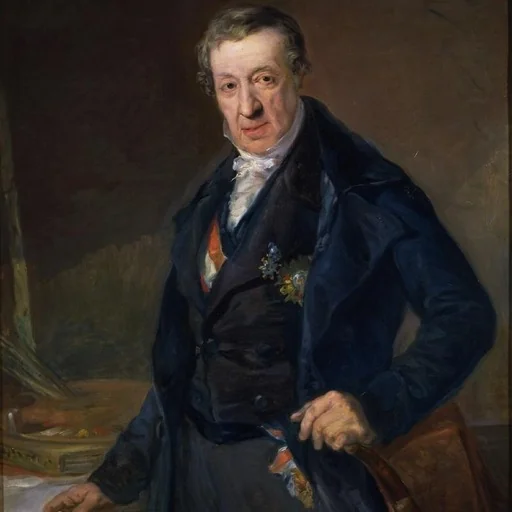
Vicente López Portaña (Spanish:; 19 September 1772 – 22 July 1850) was a Spanish painter, considered one of the best portrait painters of his time.

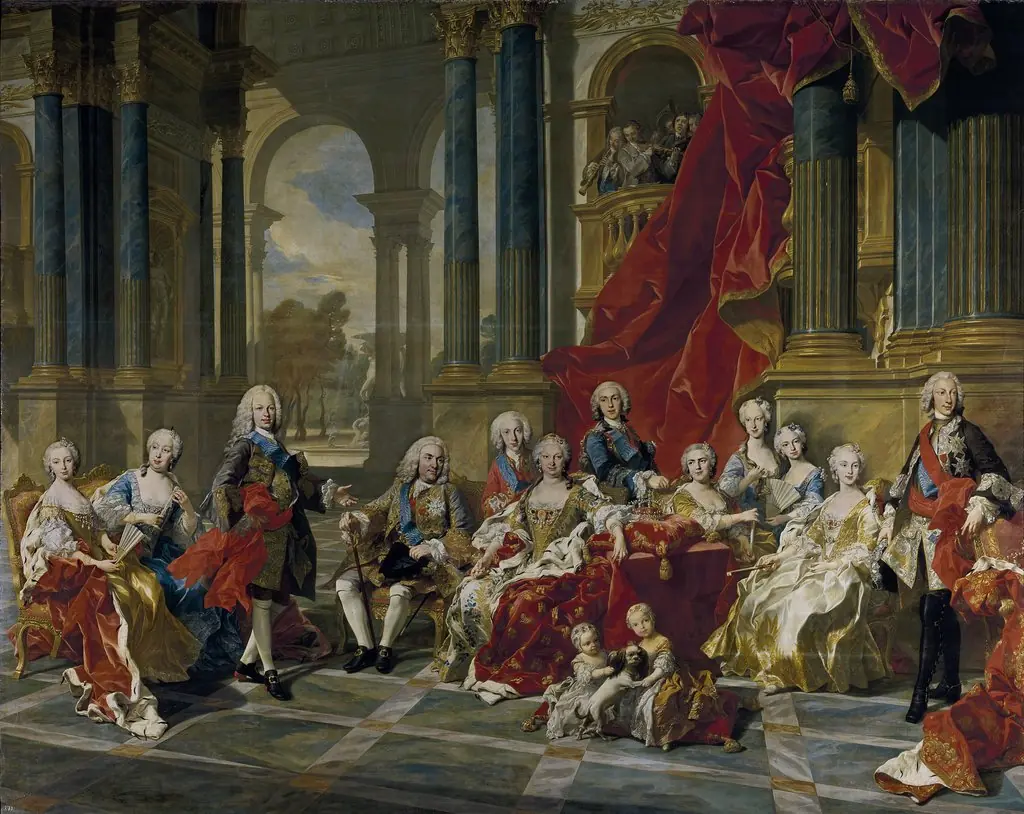 The Family of Philip V
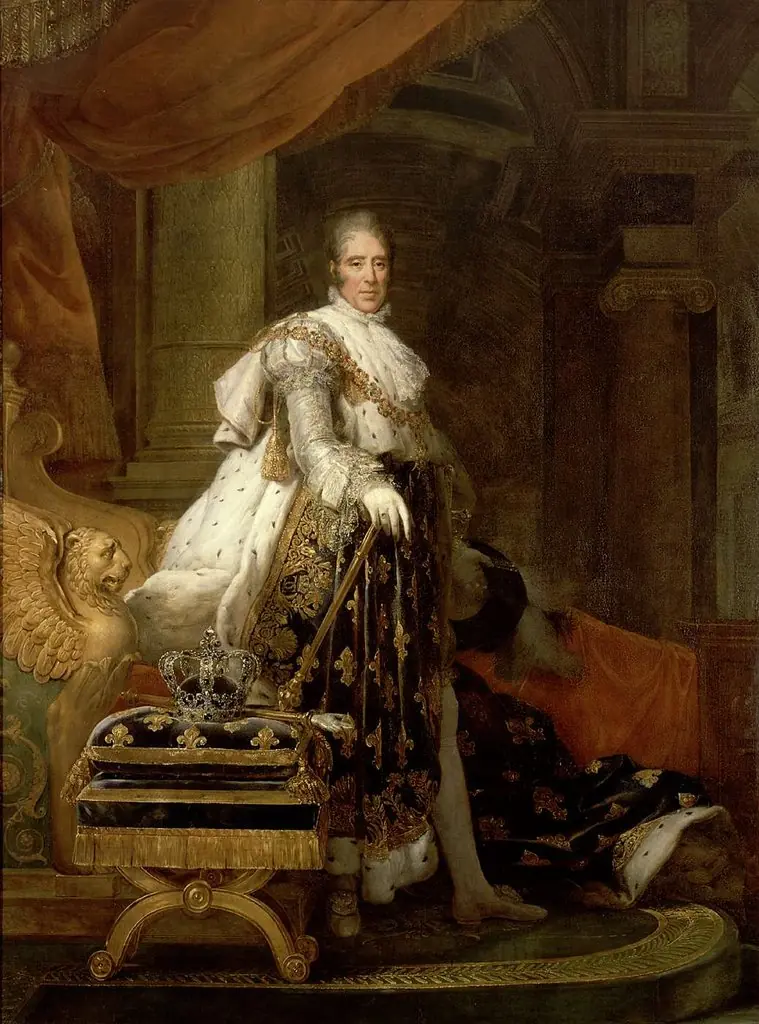 Charles X of France
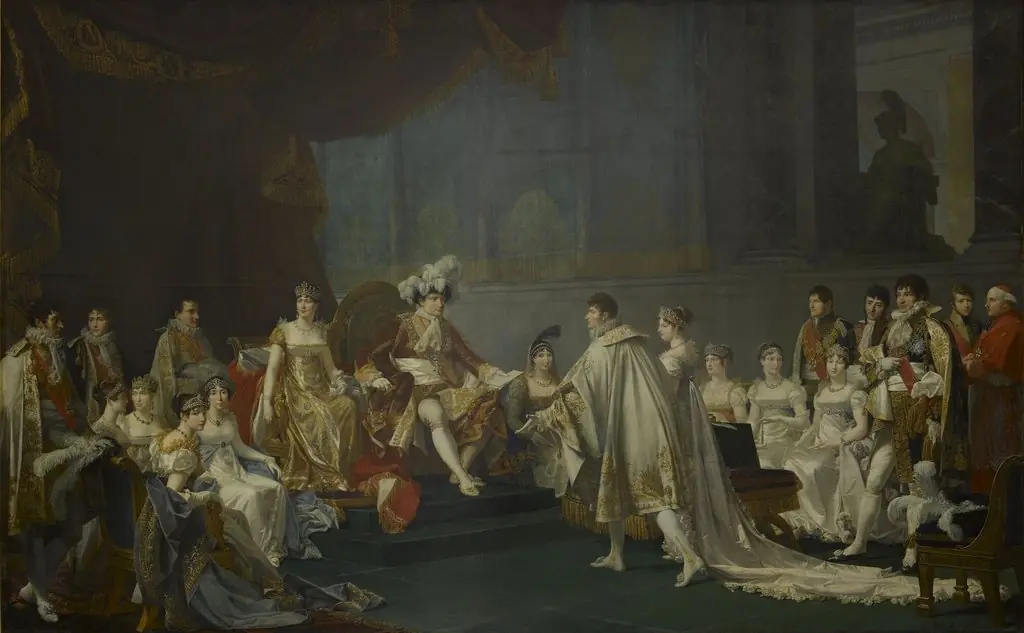 Wedding of Prince Jérôme Bonaparte and Princess Frédérique-Catherine of Wurtemberg, August 22, 1807
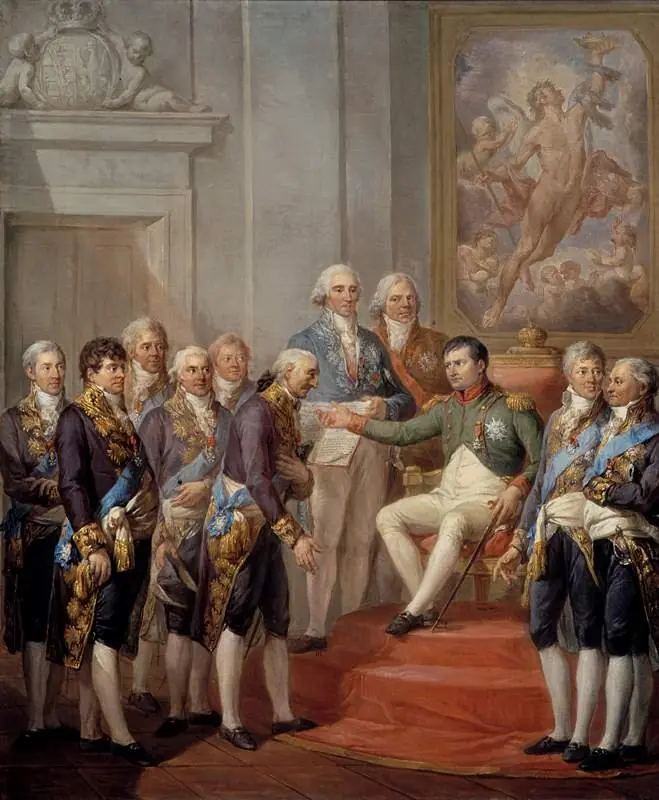 Granting of the Constitution of the Duchy of Warsaw by Napoleon
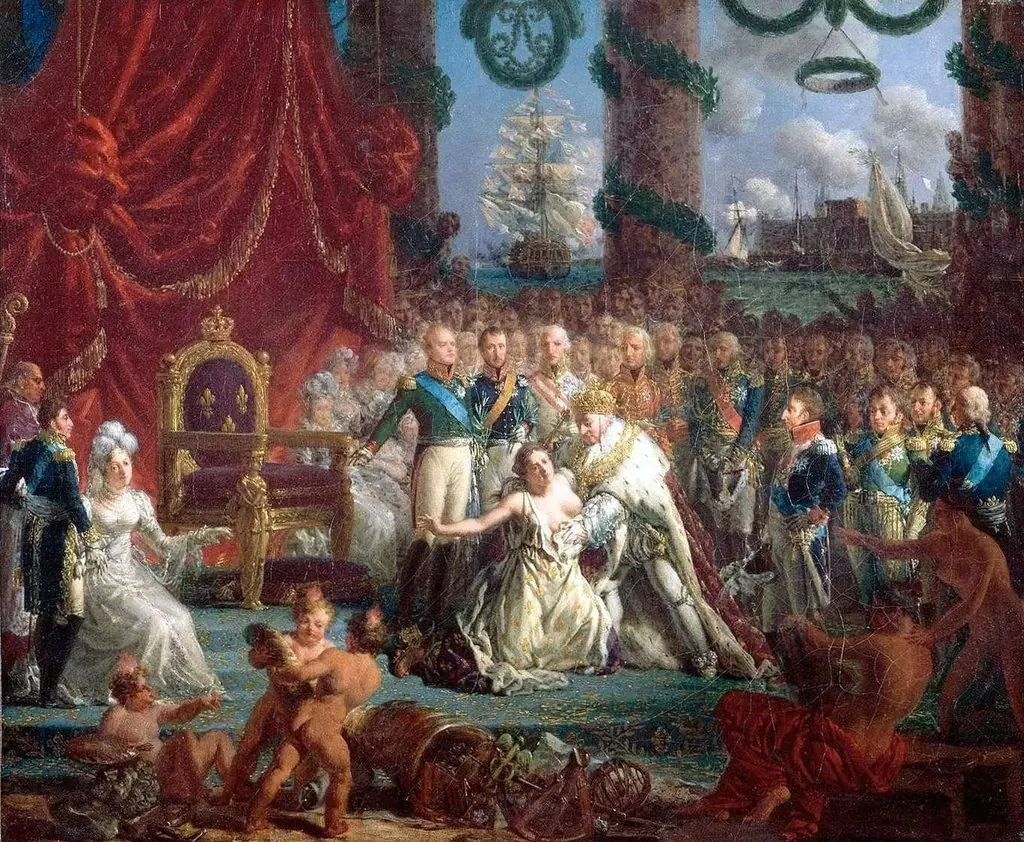 Allégorie du retour des Bourbons le 24 avril 1814 : Louis XVIII relevant la France de ses ruines.
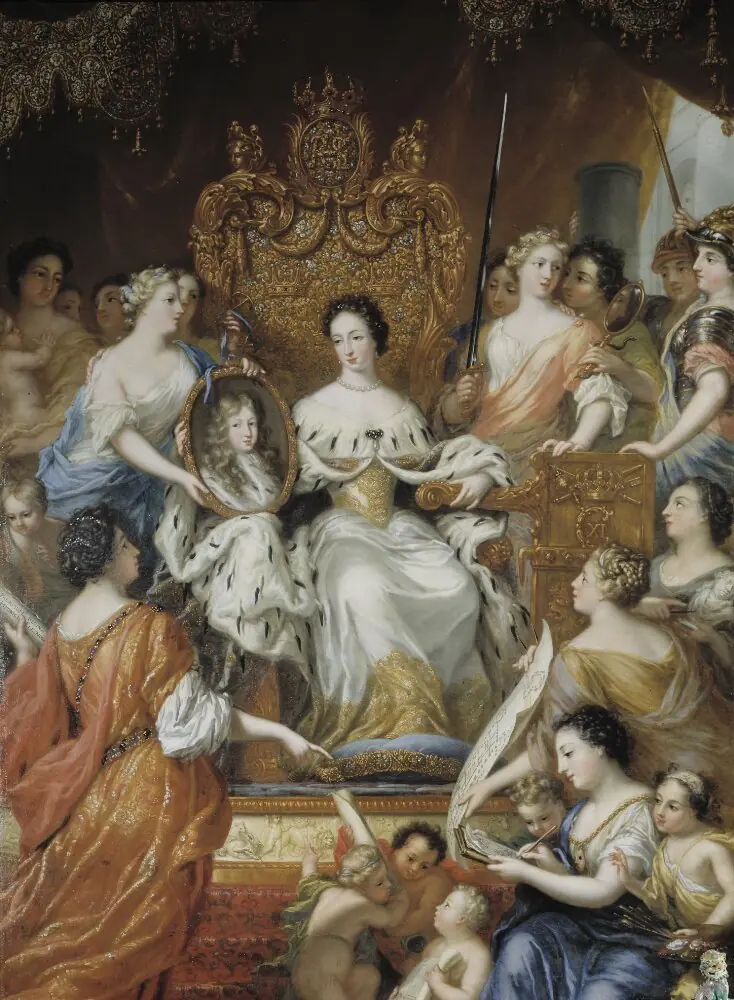 Allegori över änkedrottning Hedvig Eleonoras förmyndarregering
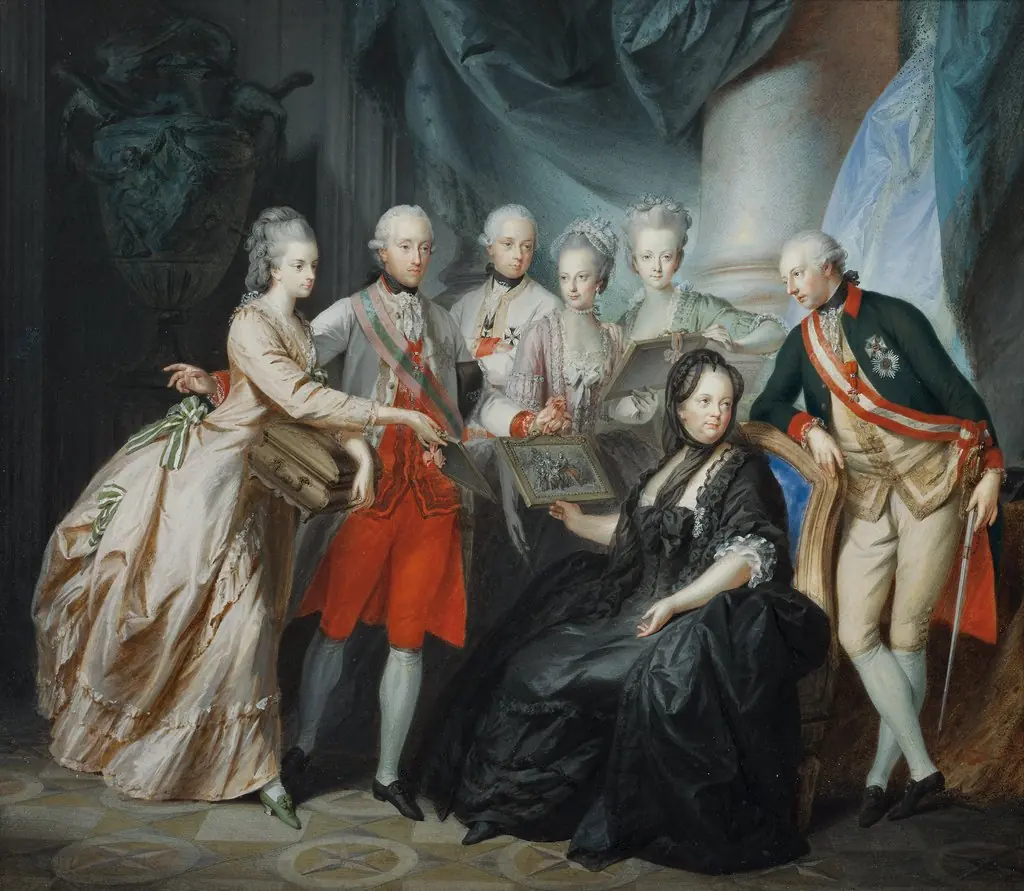 Archduchess Marie Christine and Duke Albert of Saxony Teschen Present the Family with Pictures of their Relatives in Italy
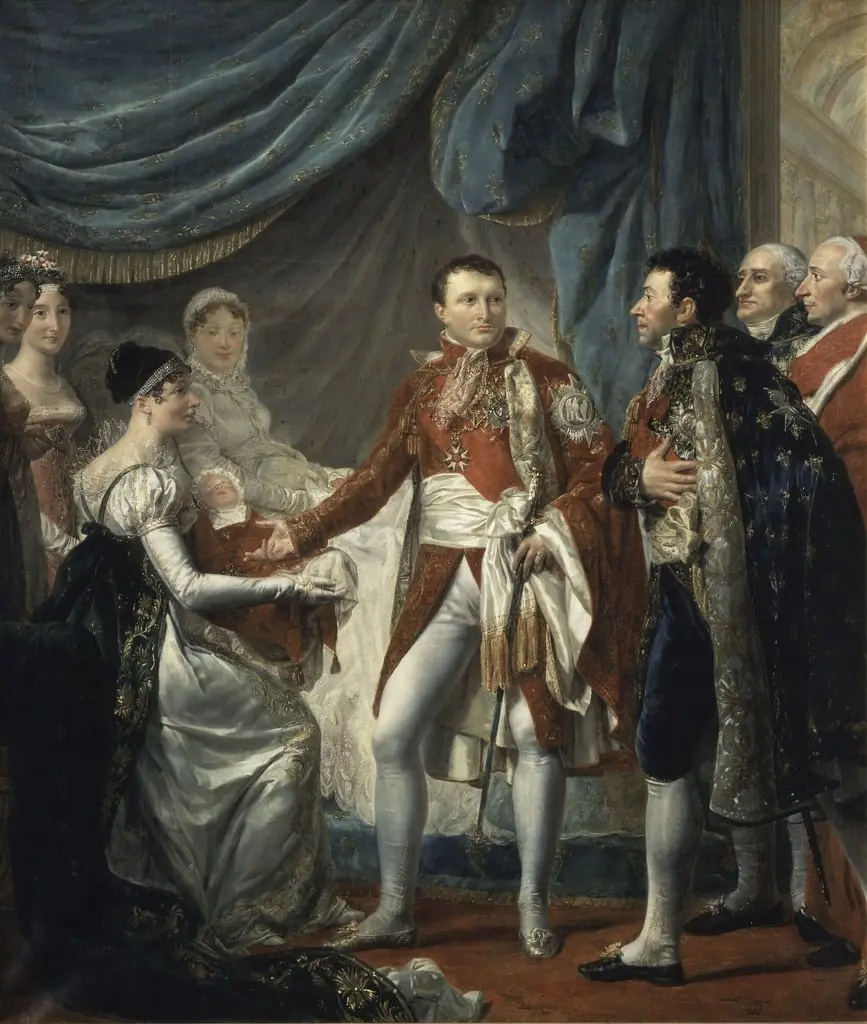 Napoleon I presents the King of Rome to the dignitaries of the Empire, March 20, 1811
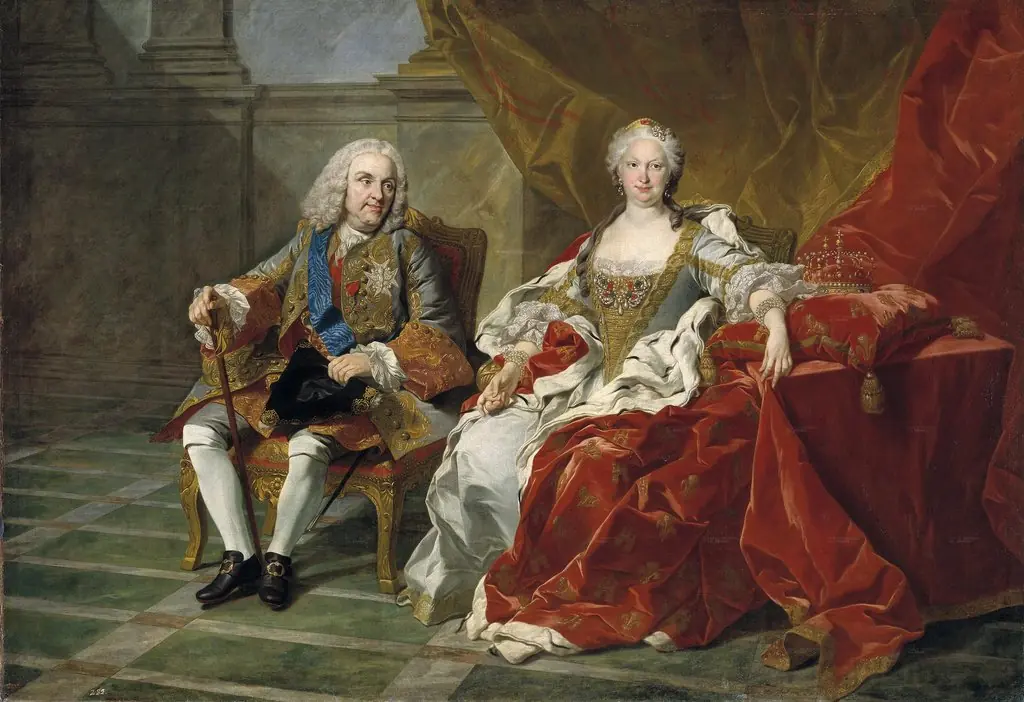 Felipe V e Isabel Farnesio
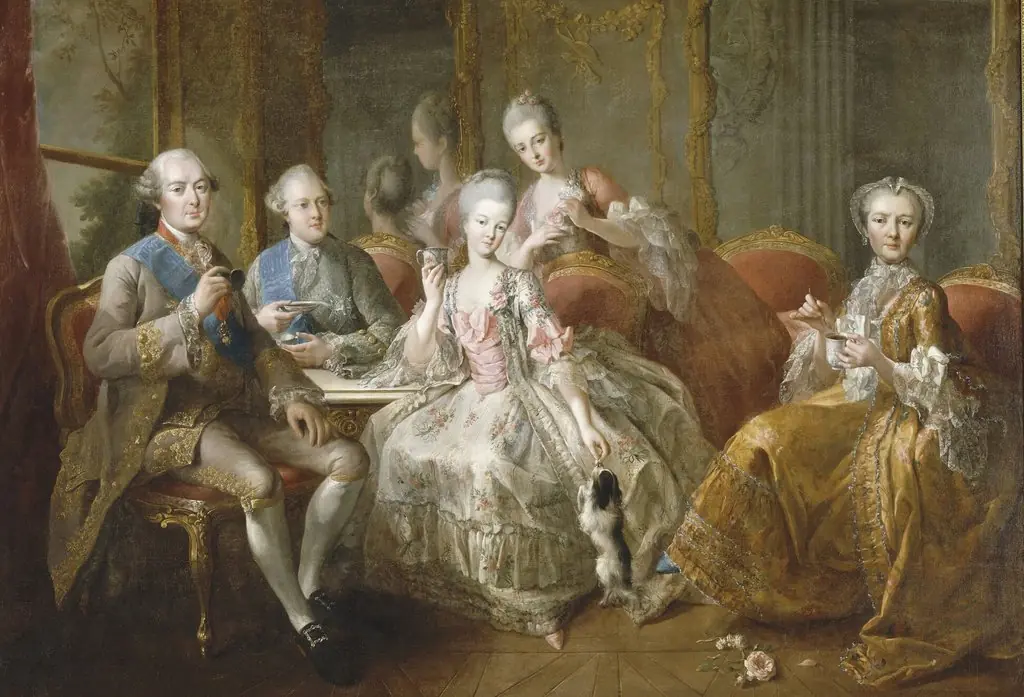 The family of the Duke of Penthièvre called la tasse de chocolat
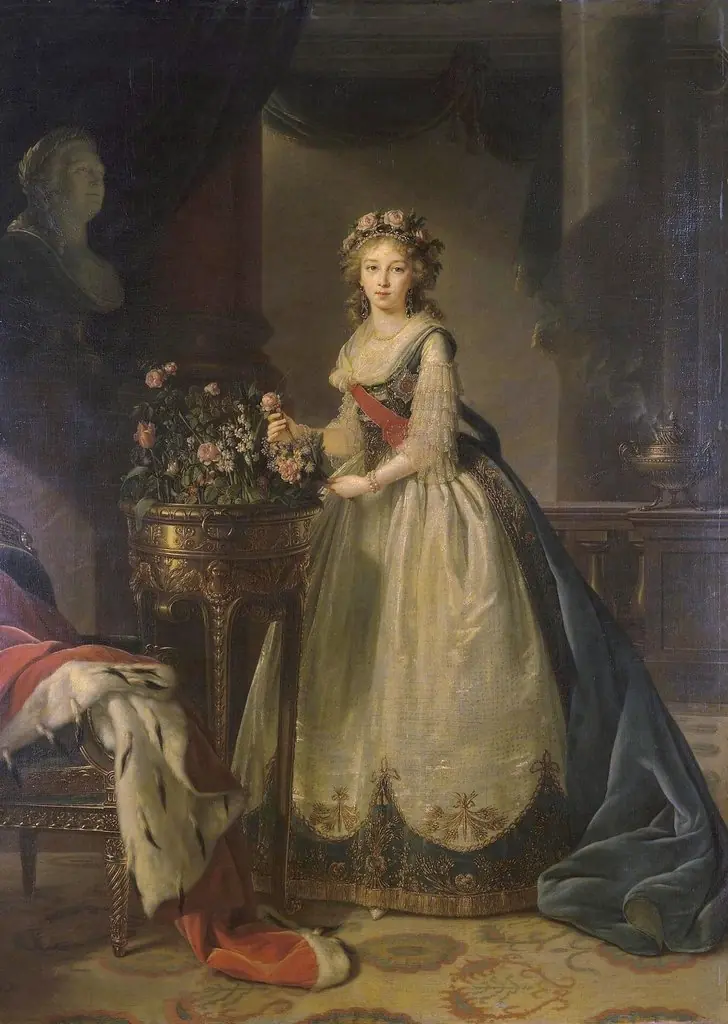 Portrait of Grand Duchess Yelizaveta Alexeyevna
- Charles IV of Spain and His Family