Artwork
The Martyrdom of Saint Agnes
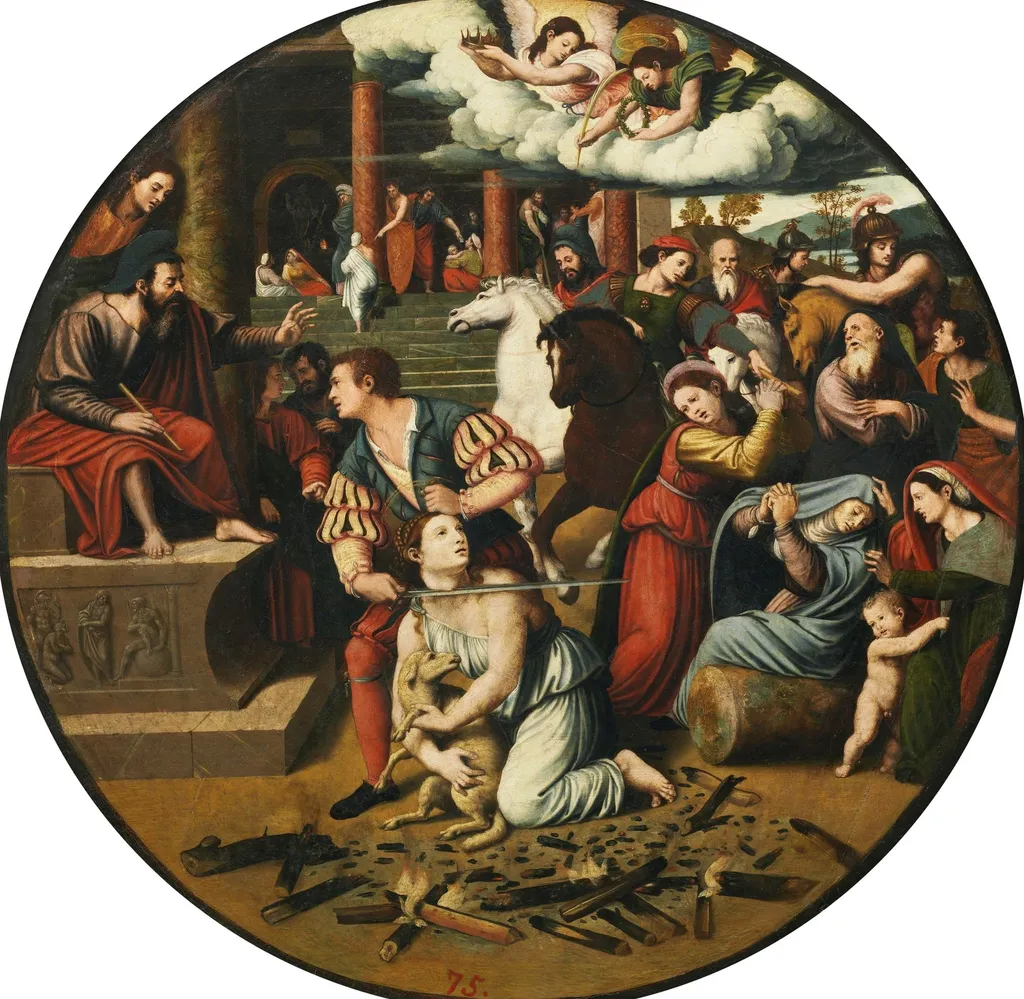
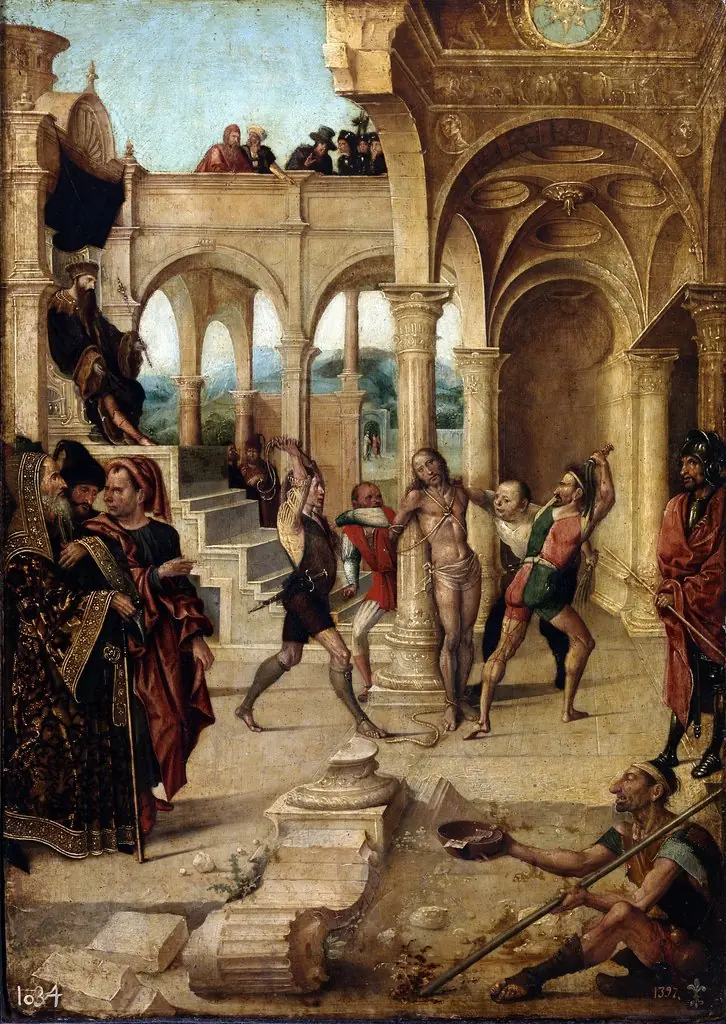
The Martyrdom of Saint Agnes is an oil painting by the Mannerist artist Vicente Masip. It dates from 1540 and is held in the collection of the Museo del Prado.
About this work
Technique & Style
The Martyrdom of Saint Agnes is executed in oil paint on panel, a support characteristic of mid-sixteenth-century Iberian painting practice.
The Martyrdom of Saint Agnes is executed in oil paint on panel, a support characteristic of mid-sixteenth-century Iberian painting practice. The work is classified as a painting and is held in the collection of the Museo del Prado. Among the depicted elements, the artist rendered a combat helmet and a saber, suggesting a controlled handling of metallic surfaces and reflective textures within the oil medium.
Stylistically, the work is dated to 1540 and attributed to Vicente Masip, situating it within the Valencian school of the period. The combination of oil on panel and the inclusion of armor-related attributes indicates a technique oriented toward detailed surface description and the modeling of hard, reflective materials against the surrounding composition.
History & Provenance
The Martyrdom of Saint Agnes is an oil painting on panel created by Vicente Masip in 1540. This work, which depicts the martyrdom scene, was completed during the mid-16th century and is currently held in the collection of the Museo del Prado. The painting's creation is firmly dated to the year 1540, marking it as a product of Masip's activity during that specific period.
Vicente Masip's painting The Martyrdom of Saint Agnes, created in 1540, is held in the collection of the Museo del Prado in Madrid. The work is executed in oil paint on a panel support. While the specific inventory or accession number is not provided in the available records, the piece is confirmed as part of the Prado's permanent holdings. No exhibition history is documented in the provided sources.
Context
The Martyrdom of Saint Agnes (1540) by Vicente Masip is recognized as a significant example of Spanish Renaissance painting housed in the Museo del Prado. Its stylistic analysis situates it within the broader context of 16th-century Spanish religious art, particularly the workshop traditions of Masip's family. Scholarship on the work emphasizes its compositional complexity and the influence of Italian engravings on its depiction of martyrdom, though specific critical commentary on this piece remains limited in major art historical surveys.
The painting's placement in the Prado's collection underscores its importance in tracing the development of Valencian artistic circles during the mid-1500s.
Legacy
The Martyrdom of Saint Agnes has been cited by scholars as an early example of Mannerist compositional tension in Spanish Counter-Reformation art, influencing later depictions of saintly martyrdom in Valencian painting circles. Its presence in the Museo del Prado collection has ensured continued scholarly attention to Masip's role in transitioning from Renaissance naturalism to expressive figuration, though no major 20th-century movements directly claimed it as a founding reference.
The work's technical use of oil on panel for dramatic chiaroscuro effects has been referenced in conservation studies examining Masip's workshop practices, particularly regarding pigment layering in mid-16th century Valencia.
Overview
The Martyrdom of Saint Agnes is a 1540 oil painting by Spanish Renaissance artist Vicente Masip, depicting a pivotal moment in the saint's martyrdom. Characterized by dramatic intensity, the work showcases Masip's adherence to the Mannerist style.
Subject & Meaning
The painting centers on Saint Agnes, kneeling and defensively raising her arms against an attacker wielding a sword. This scene conveys the saint's endurance and faith amidst violence, invoking themes of martyrdom and spiritual resolve.
Own this work as a print
Artist & collection
Artist
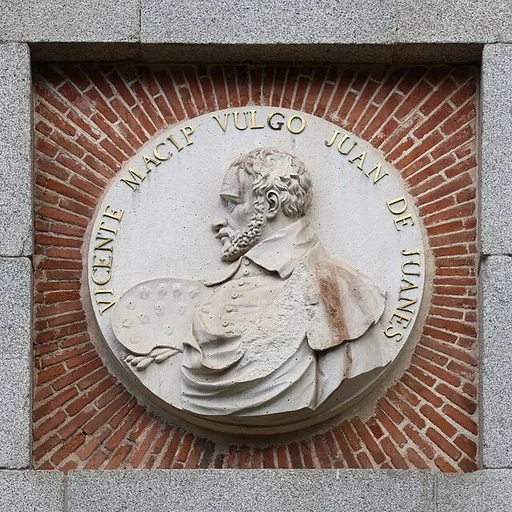
Vicente Masip (also Maçip) (1475 in Andilla – 1545 in Valencia) was a Spanish painter of the Renaissance period.