Artwork
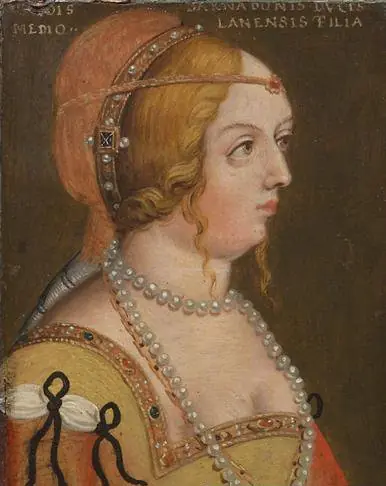
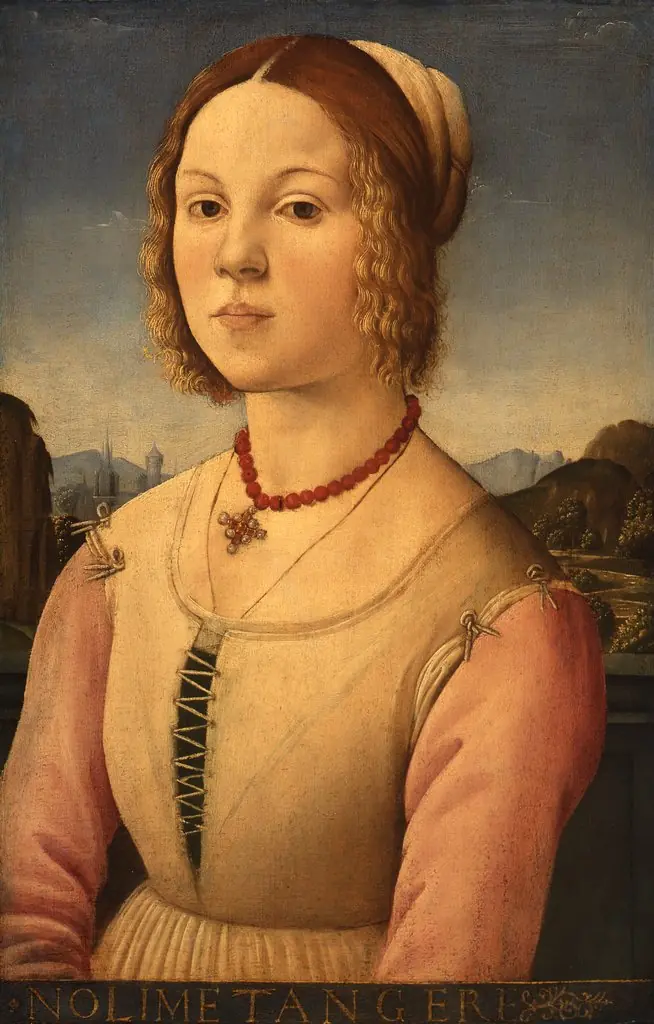
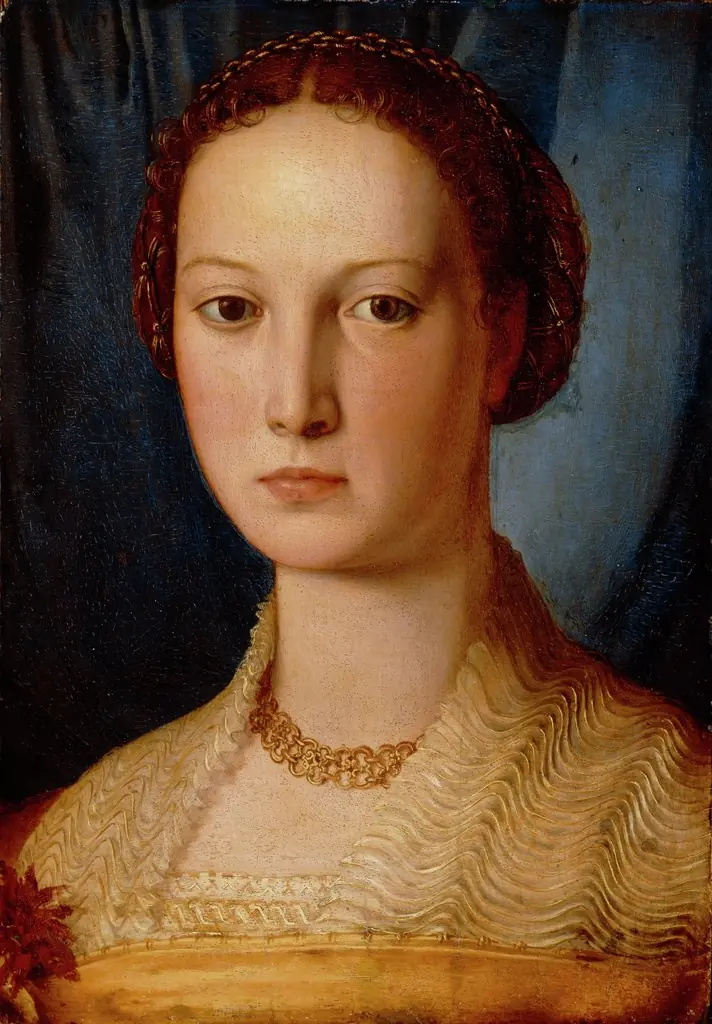
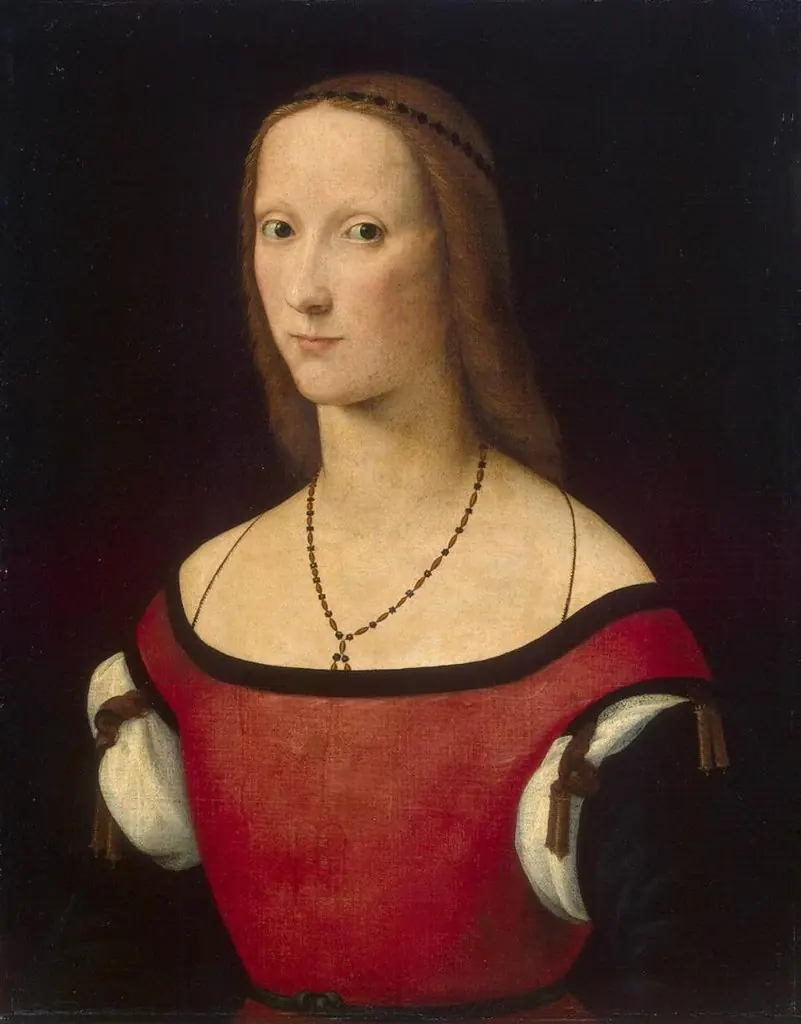
Portrait of a Woman
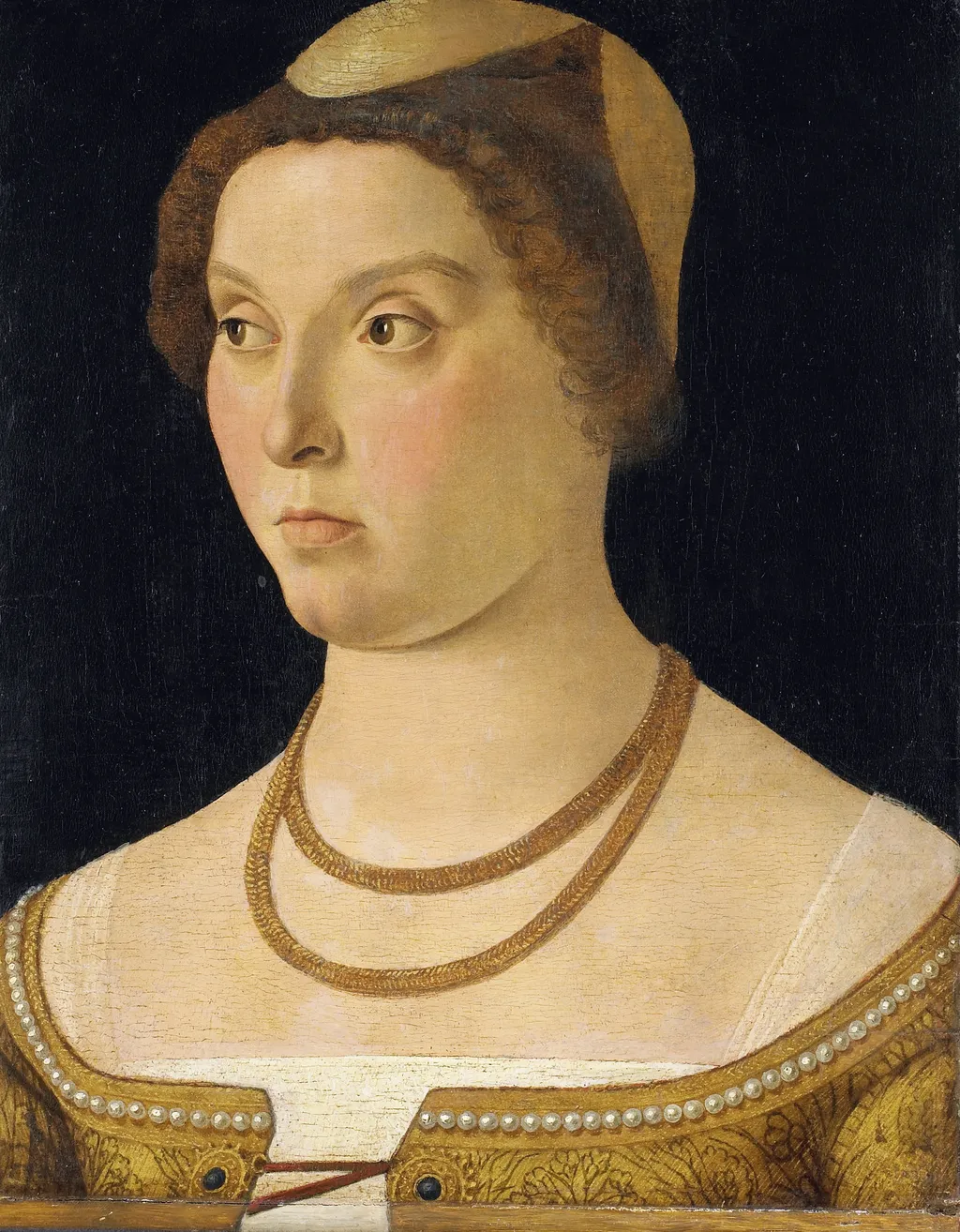
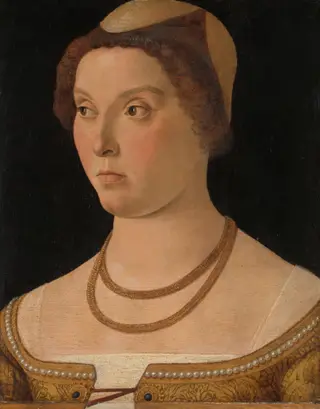
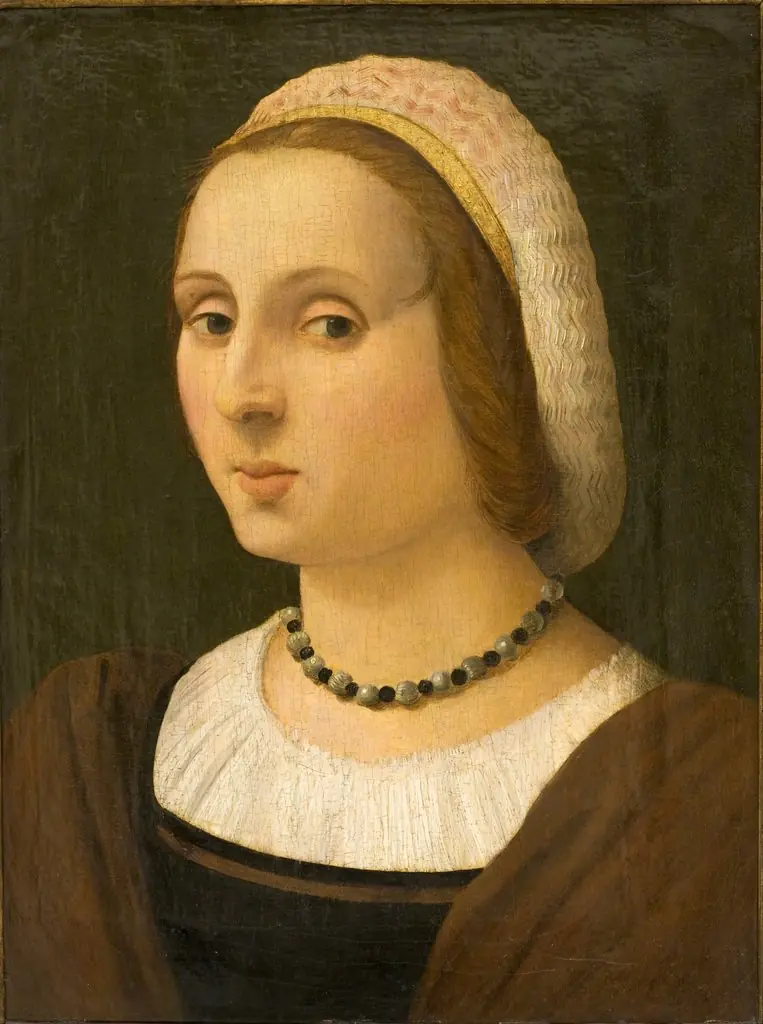
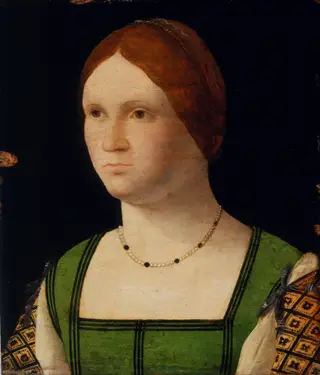
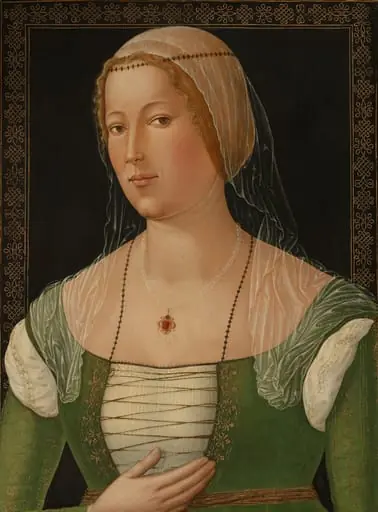
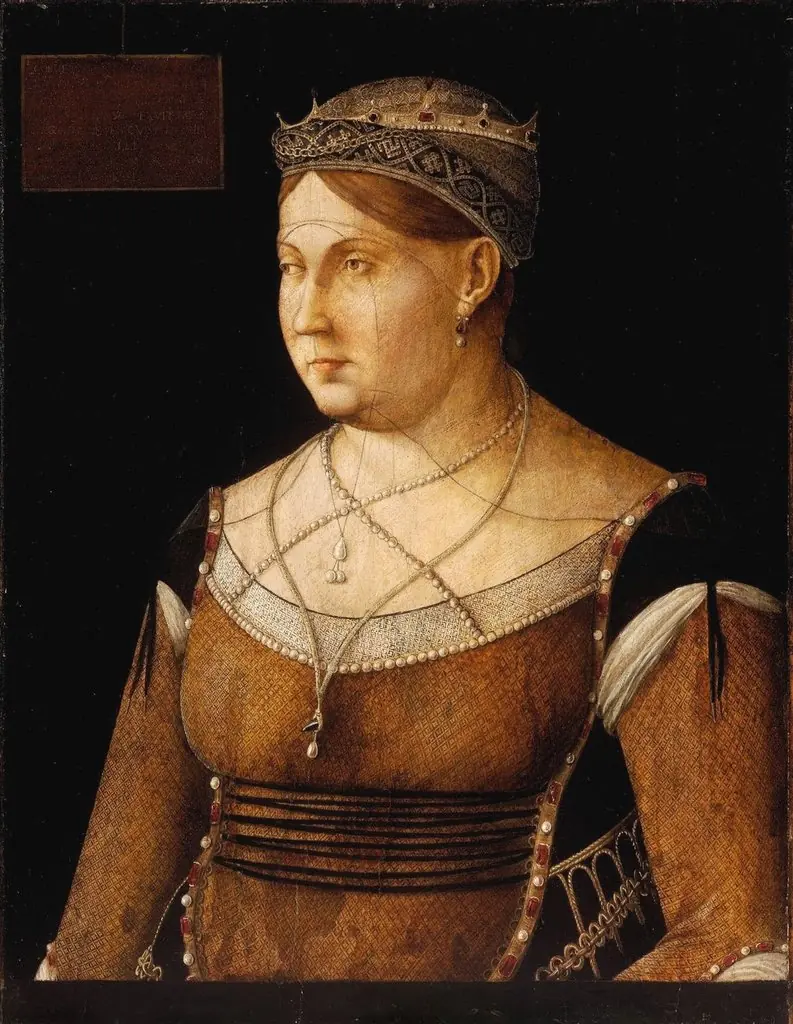
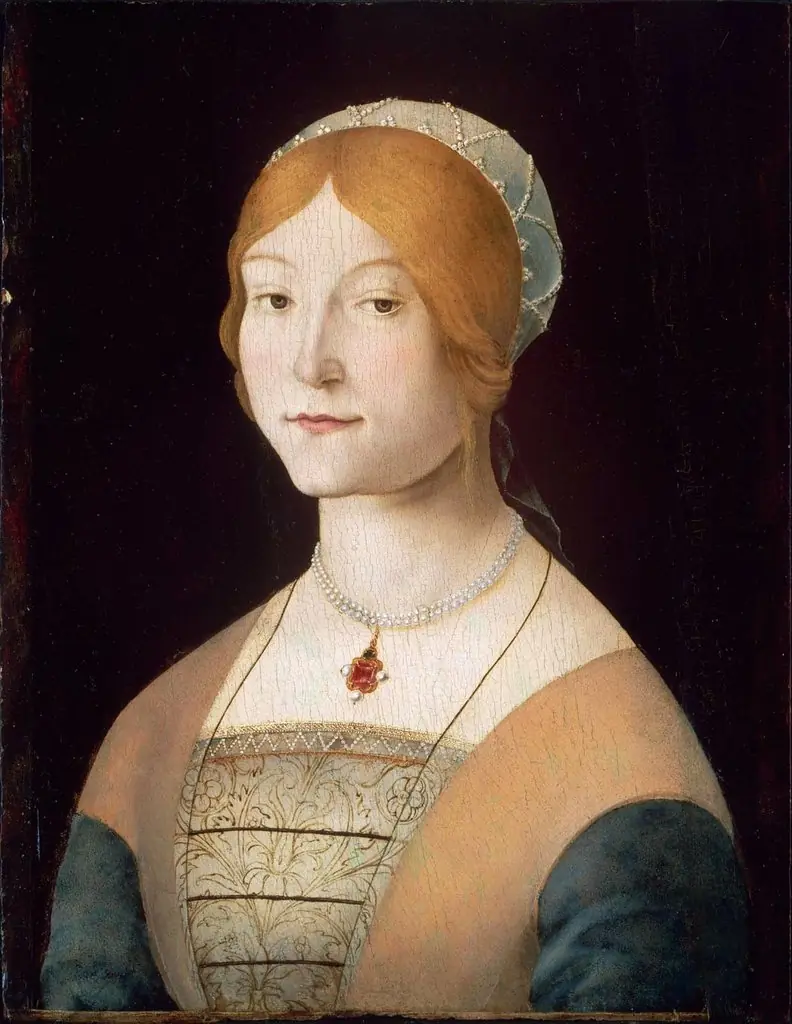
Portrait of a Woman is an oil painting by the Early Renaissance artist Vittore Carpaccio. It dates from 1450 and is held in the collection of the Rijksmuseum.
About this work
Subject & Meaning
Its iconography aligns with contemporary depictions of married or unmarried women, emphasizing domestic virtue through modest attire and a direct gaze.
The work portrays an unnamed woman rendered in oil on panel, a conventional portrait genre that signals status and virtue in fifteenth‑century Venice. Its iconography aligns with contemporary depictions of married or unmarried women, emphasizing domestic virtue through modest attire and a direct gaze. The painting’s meaning is tied to its function as a visual record of identity within elite circles, reflecting the sitter’s social position rather than an individualized narrative.
Technique & Style
The work is an oil painting executed on wood panel, measuring 28.5 centimeters by 22.5 centimeters. It belongs to the portrait genre and portrays a woman, reflecting the stylistic traits of Giovanni Bellini's circle in the late 15th century. The painting's condition and handling history are documented within the Rijksmuseum collection, where it is held alongside related works.
History & Provenance
The painting is held in the collection of the Rijksmuseum in Amsterdam. According to the Wikidata record, it is also associated with the Stichting Nederlands Kunstbezit and the Führermuseum, reflecting the wartime displacement of many Dutch-owned artworks. No specific inventory or accession number is recorded in the available sources, and no exhibition history is documented.
Overview
Created circa 1450, Portrait of a Woman is an oil painting by the Venetian artist Vittore Carpaccio. Executed during the early Renaissance, the work belongs to the portrait genre and is presently part of the Rijksmuseum’s collection. It exemplifies Carpaccio’s emerging personal style, which combined meticulous architectural rendering with vivid coloration.
Context
At the time of its creation, Venetian portraiture was beginning to incorporate greater naturalism and individualized likeness, moving away from the more stylized Byzantine conventions. Carpaccio’s Portrait of a Woman reflects this shift, aligning with contemporary trends that emphasized personal identity, wealth, and the burgeoning interest in realistic representation within the Renaissance milieu.
Own this work as a print
Artist & collection

Artist
Vittore Carpaccio (UK: kar-PATCH-ee-oh, US: -PAHTCH-, Italian: ; c. 1460/65 – c. 1525) was an Italian painter of the Venetian school who studied under Gentile Bellini. Carpaccio was largely influenced by the style of…