Artwork
The Virgin Reading
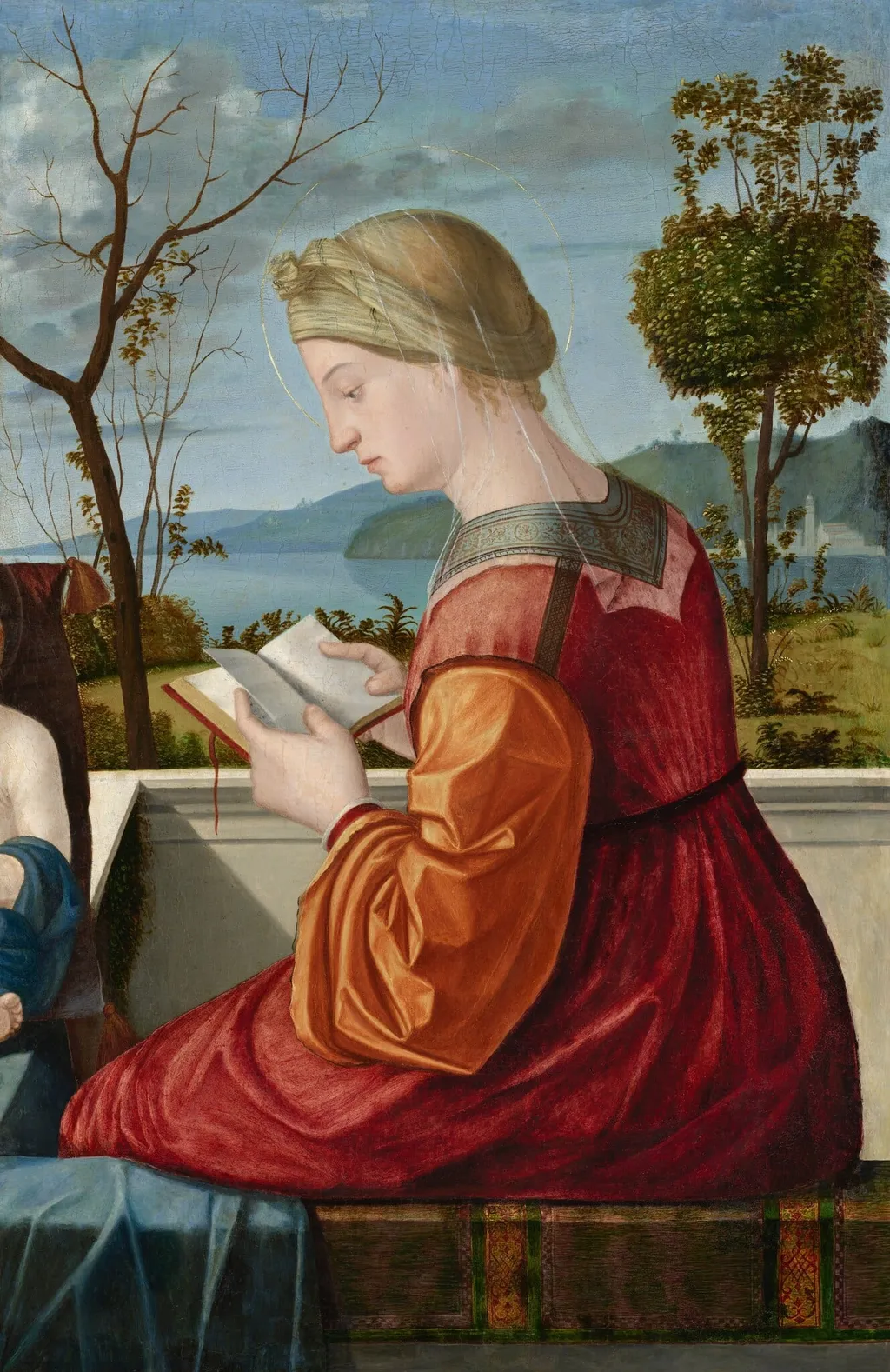
The Virgin Reading is a tempera painting by the High Renaissance artist Vittore Carpaccio. It dates from 1505 and is held in the collection of the National Gallery of Art.
About this work
Subject & Meaning
Its iconography emphasizes humility and the scholarly aspect of the divine feminine, presenting Mary as a model of quiet meditation.
The Virgin Reading shows the Virgin Mary seated in a modest interior, absorbed in a book. The work belongs to the religious genre and uses the book as a symbol of scriptural knowledge and contemplative devotion, reflecting Renaissance ideals of piety and domestic virtue. Its iconography emphasizes humility and the scholarly aspect of the divine feminine, presenting Mary as a model of quiet meditation.
The painting’s meaning is tied to its function as a devotional image, inviting viewers to emulate Mary’s reflective state. The subject is identified in the sources as a religious composition by Vittore Carpaccio, created circa 1507.
Technique & Style
Created in 1507, Vittore Carpaccio's The Virgin Reading was originally executed in oil on a wood panel. The support was later transferred to canvas, a common conservation intervention that alters the original structural context. While some records list the medium as tempera on canvas, the primary technical description identifies the work as an oil painting that underwent this significant transfer process.
The painting measures 78 centimeters in height and 51 centimeters in width. As a religious work from the Venetian Renaissance, the formal qualities reflect the artist's narrative style, though specific brushwork details are not elaborated in the provided records. The current physical state is that of a transferred panel painting housed in the National Gallery of Art.
History & Provenance
Vittore Carpaccio created The Virgin Reading in 1507 as an oil painting on a panel that was later transferred to canvas. The work's earliest documented ownership begins with John Cecil, the 5th Earl of Exeter, who reportedly acquired it in Italy between 1690 and 1700. It subsequently passed through the Cecil family at Burghley House via inheritance to the 6th, 7th, and 8th Earls of Exeter, followed by the 9th Earl, and then to Henry Cecil, the 1st Marquess of Exeter, and his descendants.
The painting was sold at Christie, Manson & Woods in London on June 9, 1888, where it was incorrectly cataloged as a work by Cima da Conegliano. It later entered the collection of Robert and Evelyn Benson in London and Sussex. In 1927, Duveen Brothers acquired the piece, selling it to the Samuel H. Kress Foundation in March 1937, which ultimately gifted it to the National Gallery of Art in 1939.
The Virgin Reading is part of the National Gallery of Art’s collection in Washington, D.C., having entered the museum as a gift from the Samuel H. Kress Foundation in 1939 after its 1927 acquisition by Duveen Brothers and a 1937 purchase. Its accession is recorded under the Kress Collection inventory, reflecting its transfer from the Cecil family estates in England. The work has been shown in modern exhibitions, most notably the 2015–2016 retrospective "Vittore Carpaccio: Master Storyteller of Renaissance Venice" at the National Gallery of Art, which highlighted its significance within the artist’s oeuvre.
Legacy
The painting entered the National Gallery of Art in Washington, D.C., through the Samuel H. Kress Foundation gift in 1939, a trajectory documented in its provenance from the Cecil family and subsequent sales. Its inclusion in major exhibitions, notably “Vittore Carpaccio: Master Storyteller of Renaissance Venice,” and its cataloguing in scholarly works have contributed to a sustained scholarly reputation. The work’s attribution to Vittore Carpaccio and its representation of Venetian Renaissance narrative painting have cemented its legacy within the study of early Italian art.
Overview
Vittore Carpaccio, a prominent Venetian painter of the early sixteenth century, created The Virgin Reading around 1505. This oil painting, originally on panel and later transferred to canvas, presents a serene portrayal of the Virgin Mary. The work exemplifies the High Renaissance period in Venice, capturing a moment of personal devotion and quiet contemplation through its focused subject matter and refined execution.
Context
Vittore Carpaccio was a significant figure in the Venetian High Renaissance, active during the early 16th century. His artistic development was shaped by his apprenticeship with Gentile Bellini, a leading master of the time. Additionally, Carpaccio absorbed influences from Antonello da Messina, who introduced Northern European oil painting techniques to Italy, and from Early Netherlandish painting, known for its meticulous detail and rich symbolism, contributing to his distinctive style.
Own this work as a print
Artist & collection

Artist
Vittore Carpaccio (UK: kar-PATCH-ee-oh, US: -PAHTCH-, Italian: ; c. 1460/65 – c. 1525) was an Italian painter of the Venetian school who studied under Gentile Bellini. Carpaccio was largely influenced by the style of…

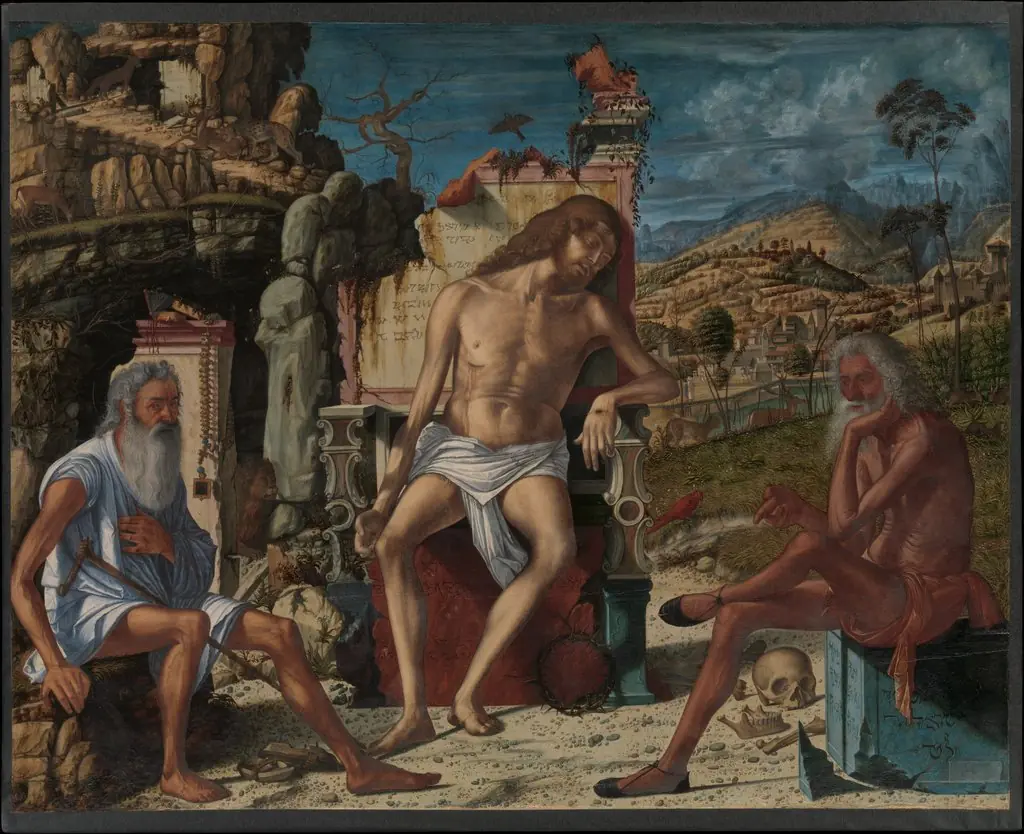
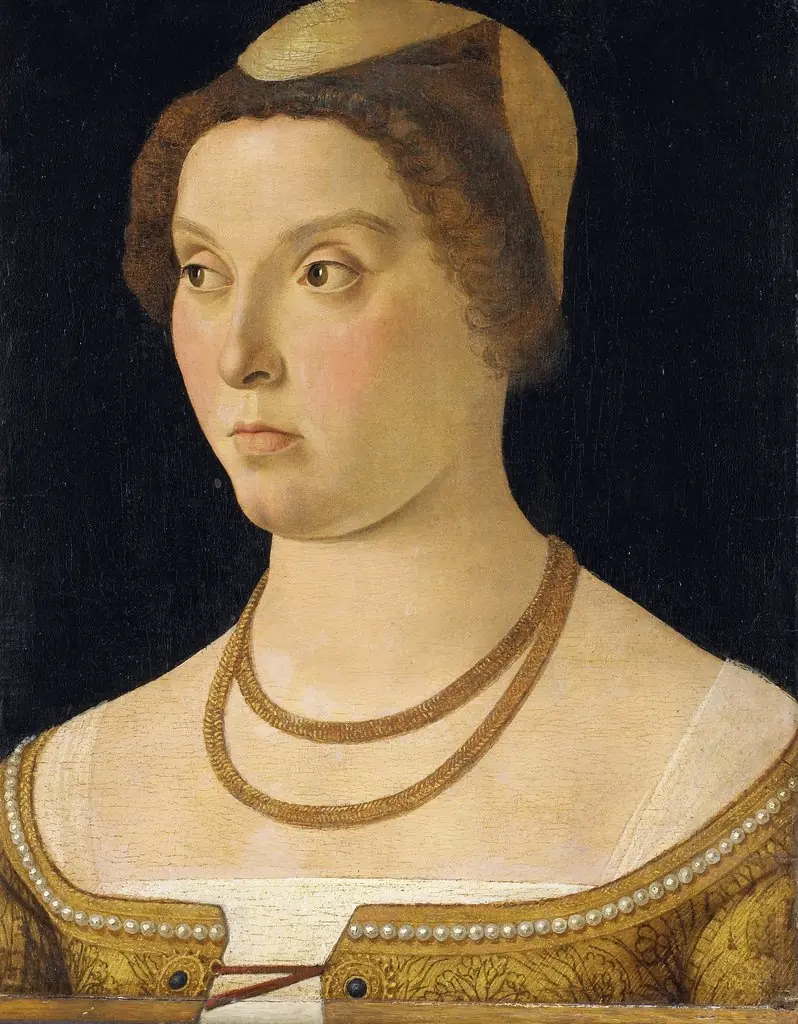
- Virgin and Child with an Angel
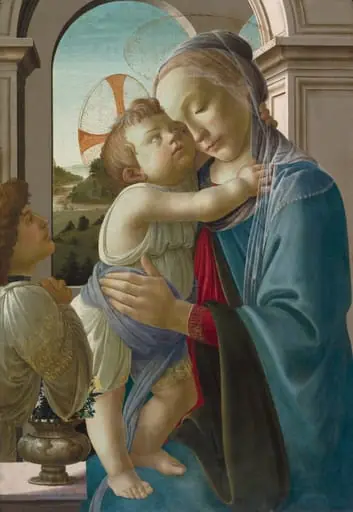 Virgin and Child with an Angel
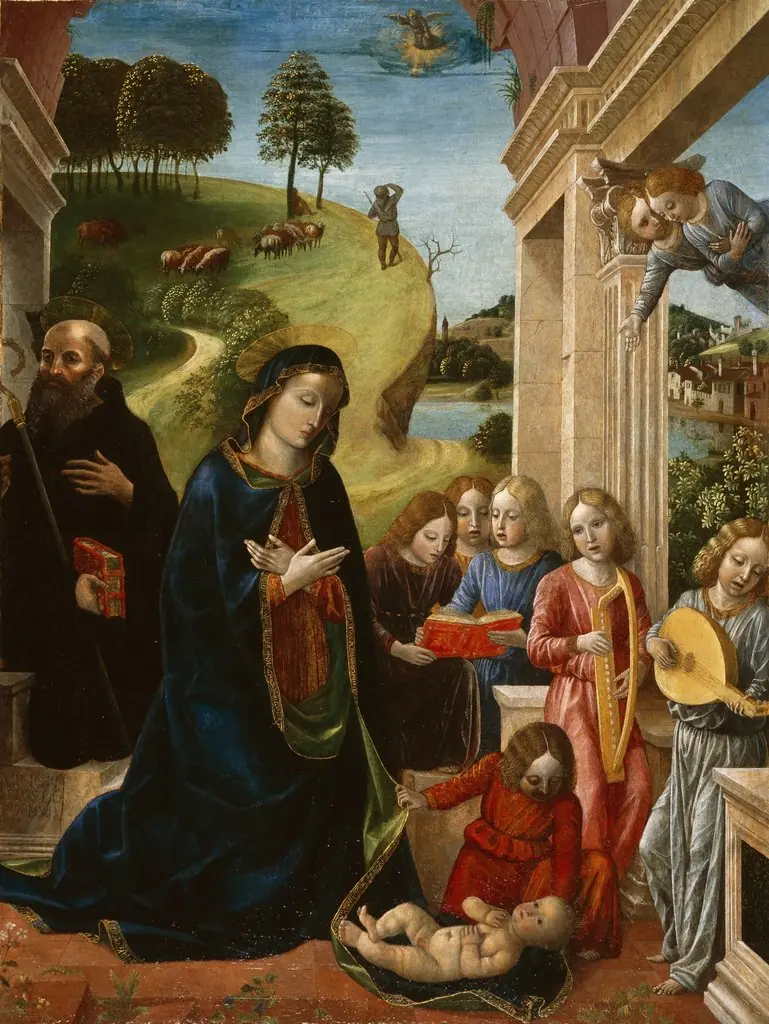 Adoration of the Child with St. Benedict and Angels
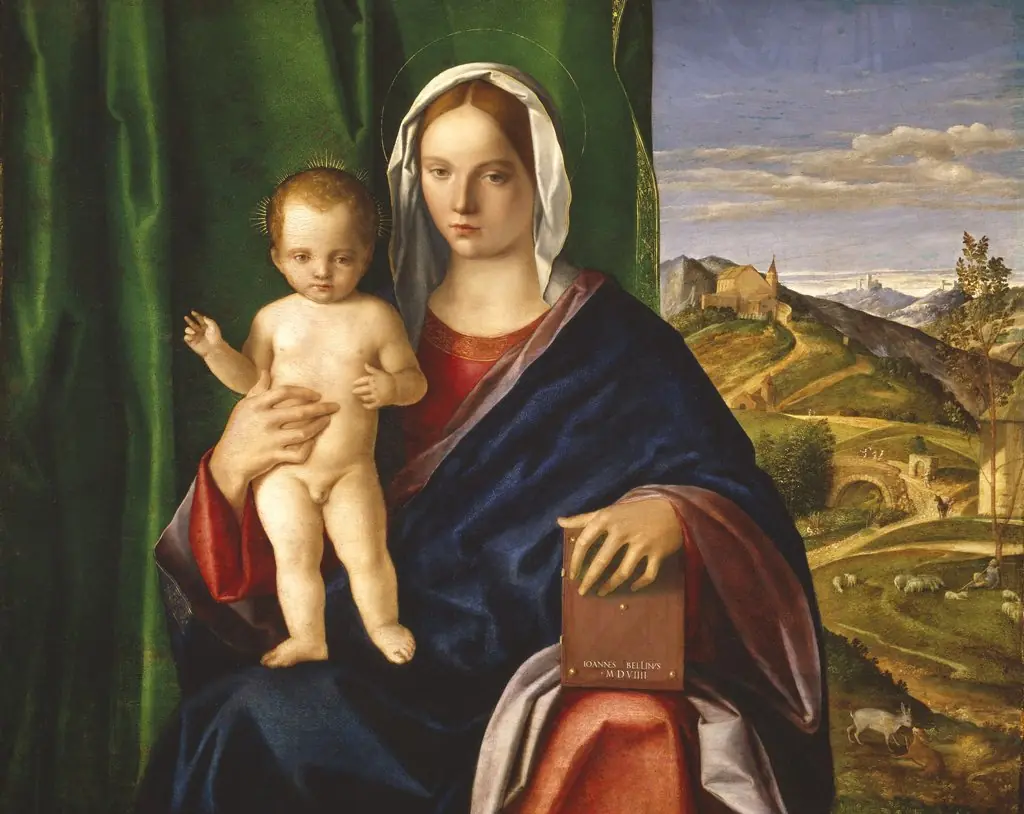 Madonna and Child
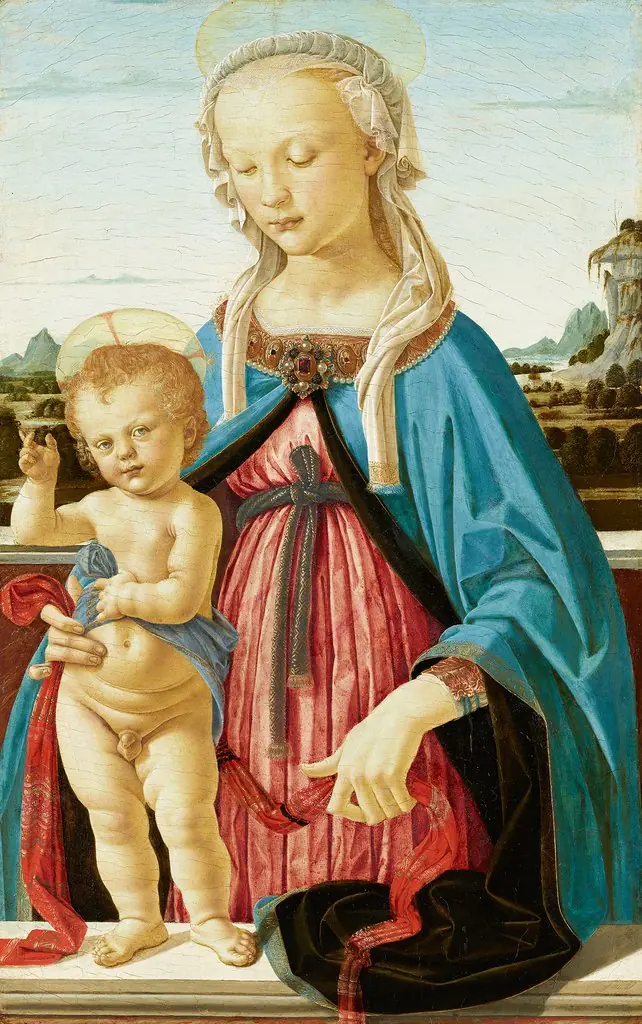 Madonna and Child
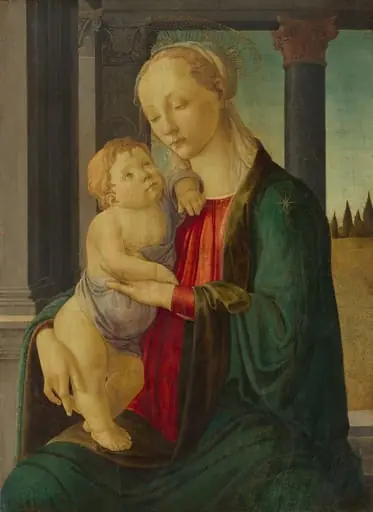 Madonna and Child
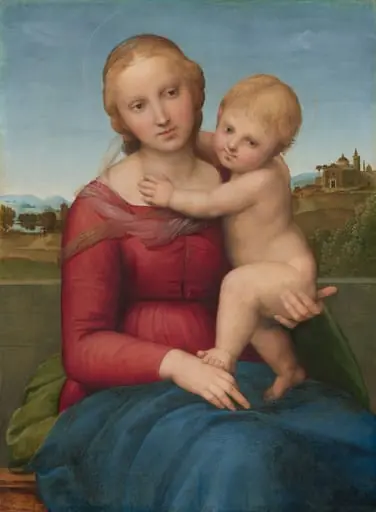 The Small Cowper Madonna
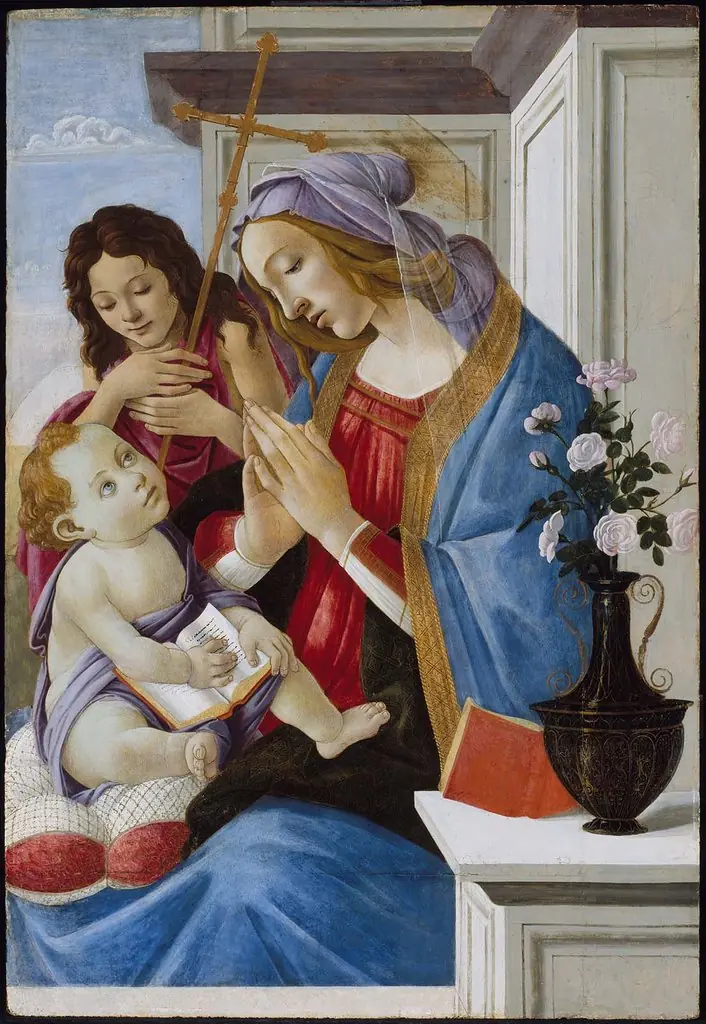 Virgin and Child with Saint John the Baptist
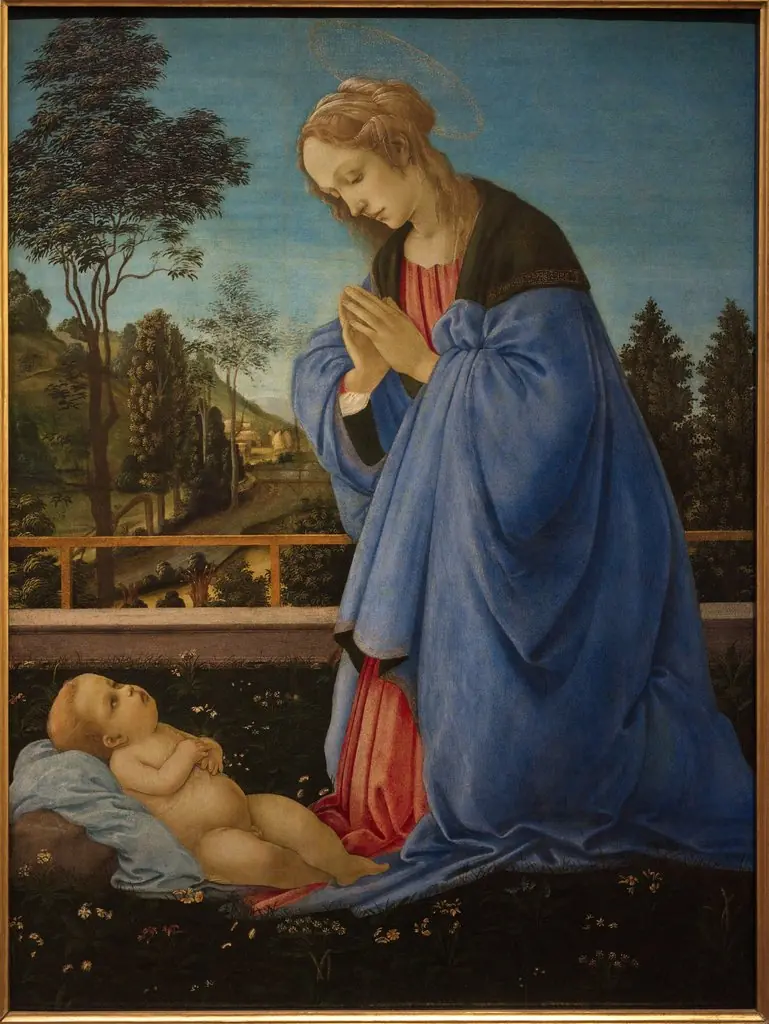 Adoration of the Child
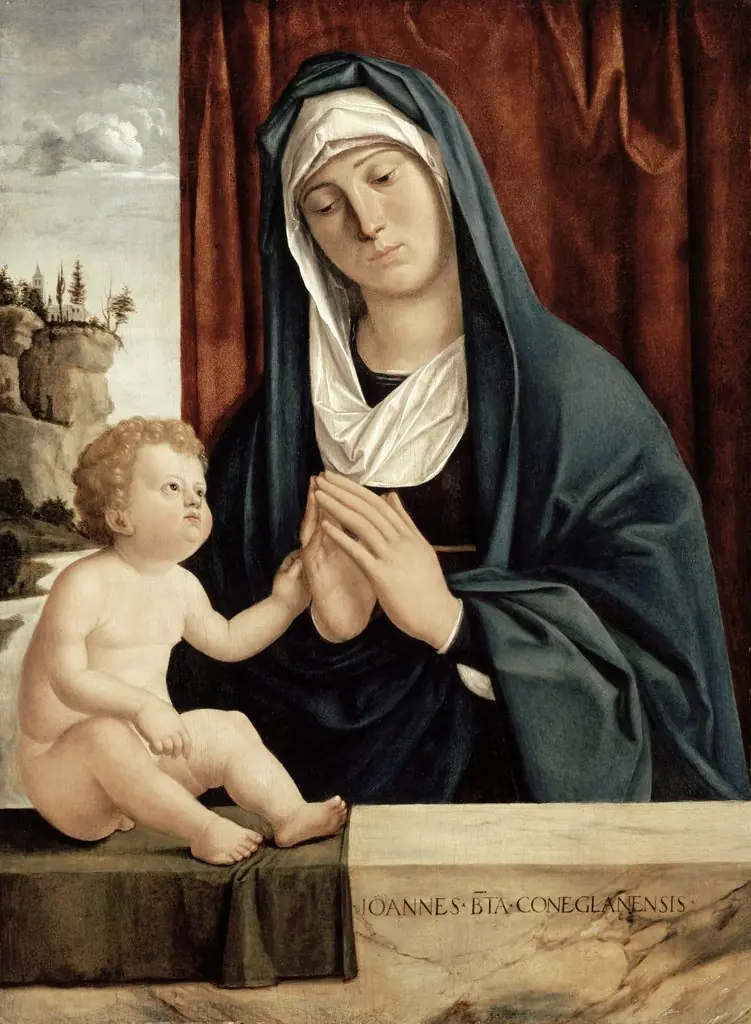 Madonna and Child
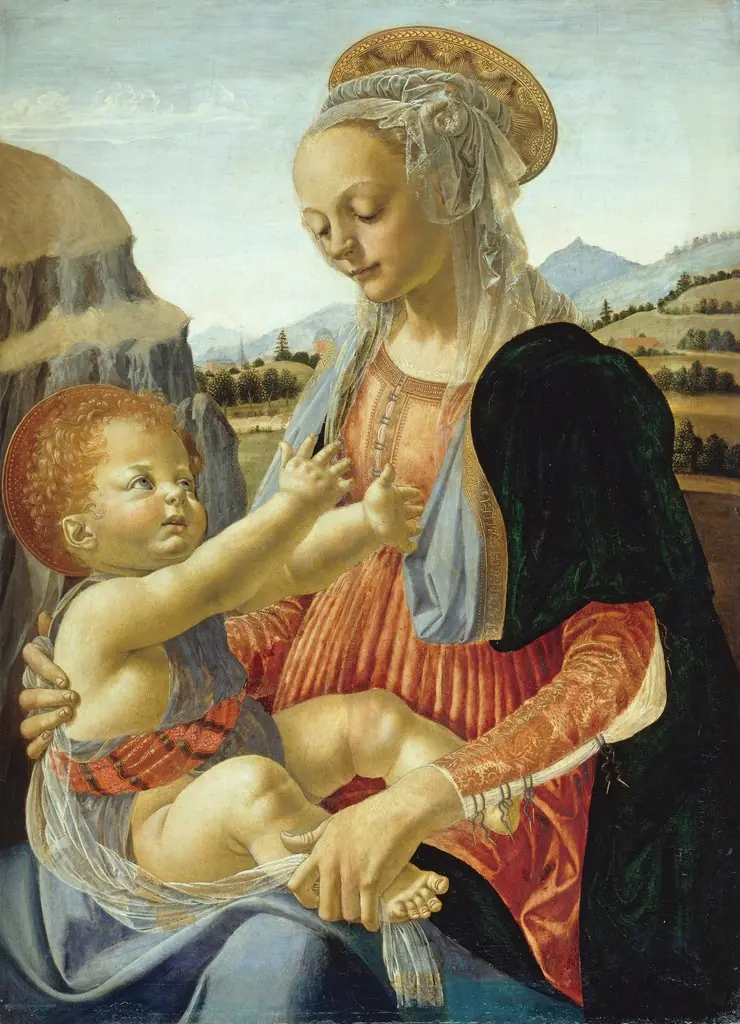 Virgin with the Seated Child
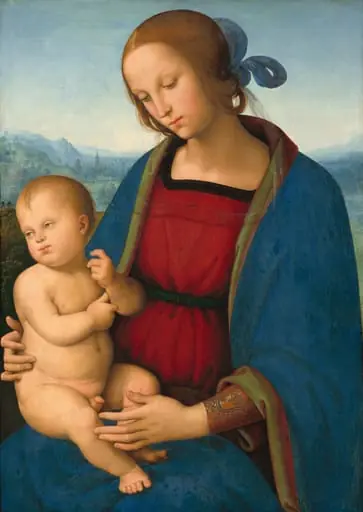 Madonna and Child