Artwork
Vieux Chevalier (Old Knight)
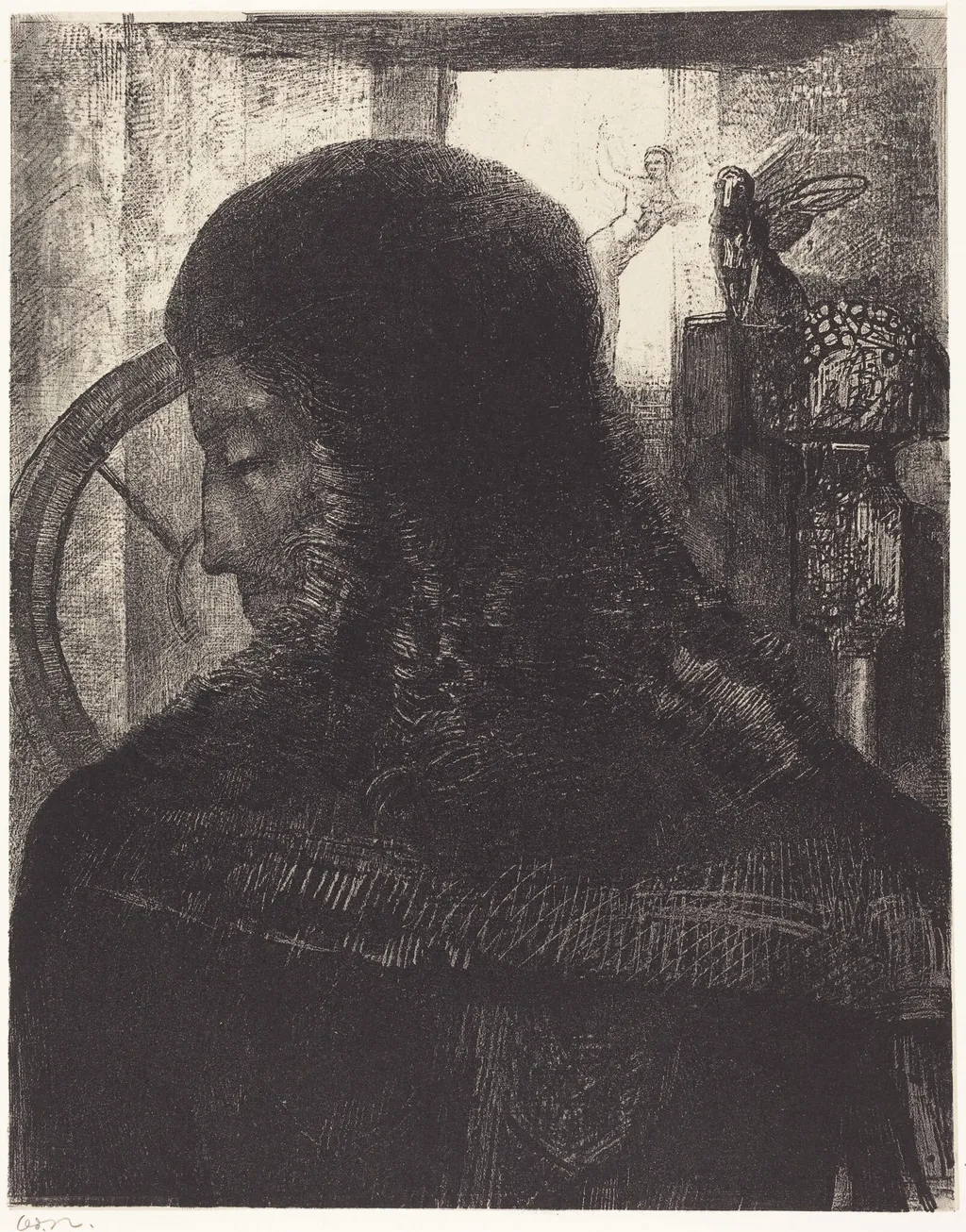
Vieux Chevalier (Old Knight) is an ink print by the Impressionist artist Ambroise Vollard. It dates from 1896 and is held in the collection of the National Gallery of Art.
About this work
Overview
The work presents a solitary, shadowed figure seated in a dim interior, enveloped in a heavy cloak.
Vieux Chevalier is a lithograph on chine collé produced by Ambroise Vollard in 1896. The work presents a solitary, shadowed figure seated in a dim interior, enveloped in a heavy cloak. The composition draws attention to the tension between the enclosed, muted space and the luminous, indistinct scene visible through a window behind the figure, creating a sense of separation and quiet introspection.
Subject & Meaning
The figure, ambiguously gendered and aged, appears withdrawn, lost in thought or fatigue. The blurred figures beyond the window suggest an external world that remains inaccessible or unengaged. The work evokes isolation not through dramatic action, but through stillness and contrast, between the heavy darkness of the interior and the faint, unreachable light of the outside, hinting at emotional or existential distance.
Technique & Style
Vollard employed lithography on chine collé, a method allowing delicate paper to be bonded to a heavier support for finer detail. He used coarse, expressive lines to model form and texture, emphasizing atmosphere over precision. The stark tonal contrast between the shadowed figure and the luminous window enhances the psychological weight of the scene, with minimal lighting sources reinforcing the sense of solitude.
History & Provenance
Created in 1896, Vieux Chevalier emerged during Vollard’s early period as a printmaker, before he became better known as an art dealer. The work was likely produced in small editions, typical of artist-printmakers of the time. Its survival in institutional and private collections reflects its quiet resonance among contemporaries interested in introspective, non-narrative imagery.
Context
In late 19th-century France, printmaking experienced a revival among artists seeking alternatives to academic painting. Vollard’s work aligned with Symbolist tendencies, favoring mood and suggestion over literal representation. Vieux Chevalier reflects this shift, echoing themes of alienation and inner life found in the writings of Mallarmé and the paintings of Puvis de Chavannes.
Legacy
Though not widely exhibited during Vollard’s lifetime, Vieux Chevalier endures as a quiet example of his graphic experimentation. It contributes to a broader understanding of his artistic practice beyond his later role as a dealer. The print’s restrained emotional power continues to resonate in studies of Symbolist printmaking and the aesthetics of solitude in modern art.
Own this work as a print
Artist & collection


 Et le lia pour mille ans (And bound him a thousand years)
 Cover for the Album "Paysages et intérieurs"
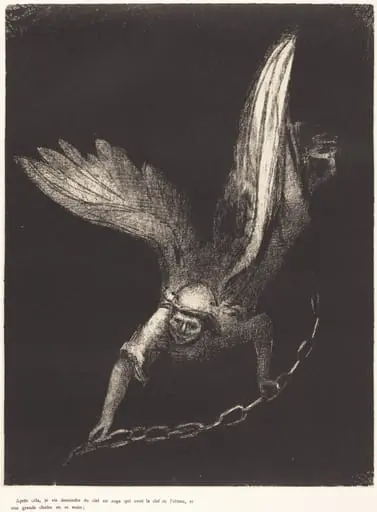 Apres cela je vis descendre du ciel un ange qui avait la clef de l'abime, et une grande chaine en sa main (And I saw an angel come down from heaven, having the key of the bottomless pit and a great chain in his hand)
 Le Gagnant (The Winner)
 Interior with Pink Wallpaper I (Interieur aux tentures roses I)
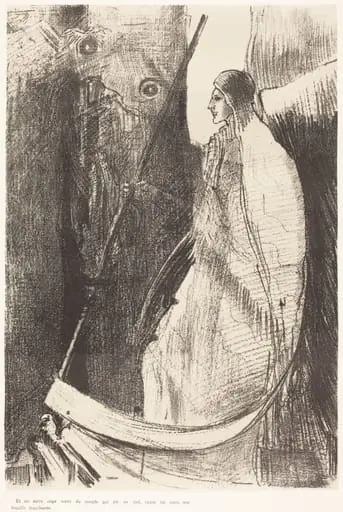 Et un autre ange sortit du temple qui est au ciel, ayant lui aussi une faucille tranchante (And another angel came out of the temple which is in heaven, and he also having a sharp sickle)
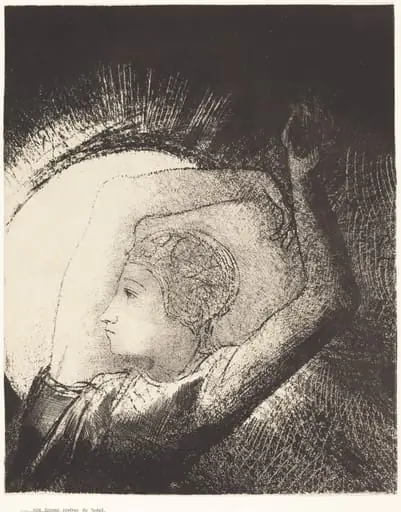 Une femme revêtue du Soleil (A woman clothed with the sun)
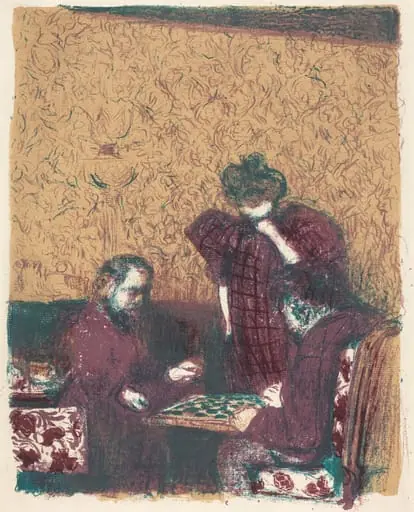 Game of Checkers (La partie de dames)
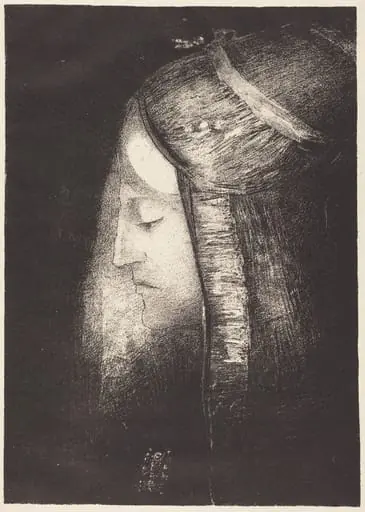 Profil de lumiere (Profile of light)
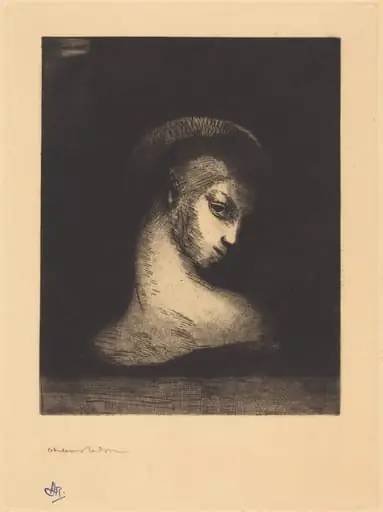 Perversité
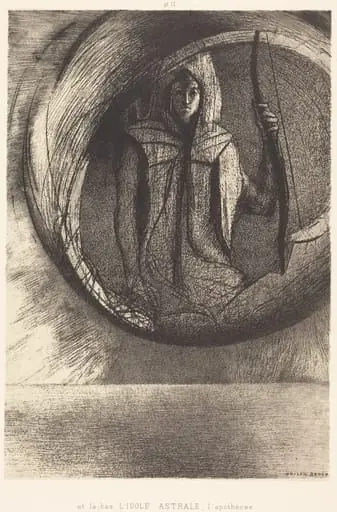 Et la-bas l'idole astrale, l'Apotheose (And beyond, the star idol, the apotheosis)
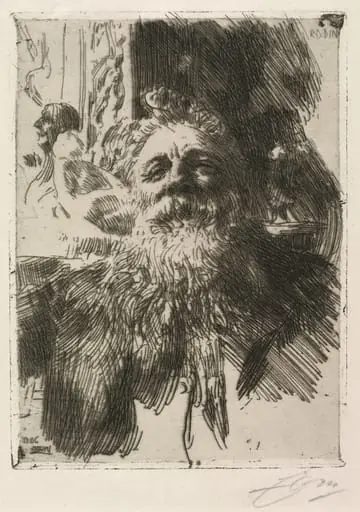 Auguste Rodin
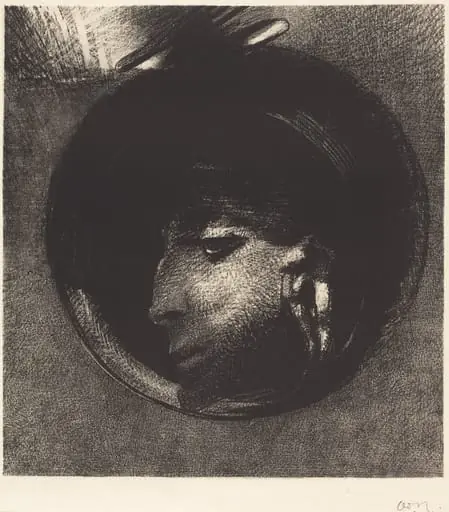 Cellule Auriculaire (Auricular Cell)
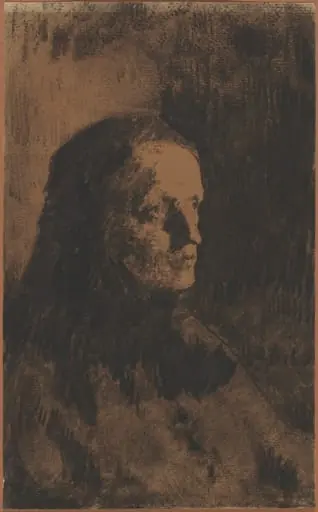 Head of an Old Woman
 Head of an Old Man
 C'etait un voile, un empreinte (It was a veil, an imprint)
 And a Large Bird, Descending from the Sky, Hurls Itself against the Topmost Point of Her Hair