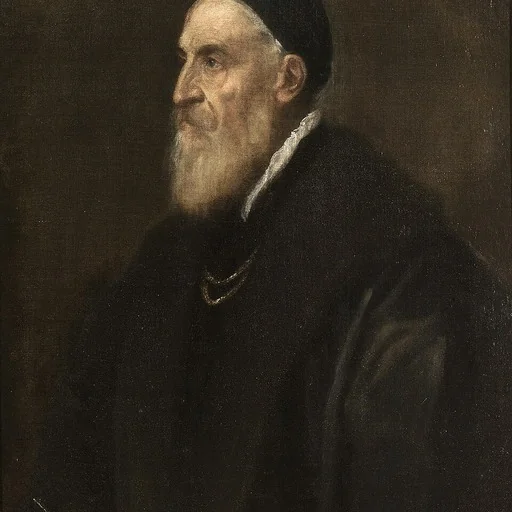
Subject
Angel
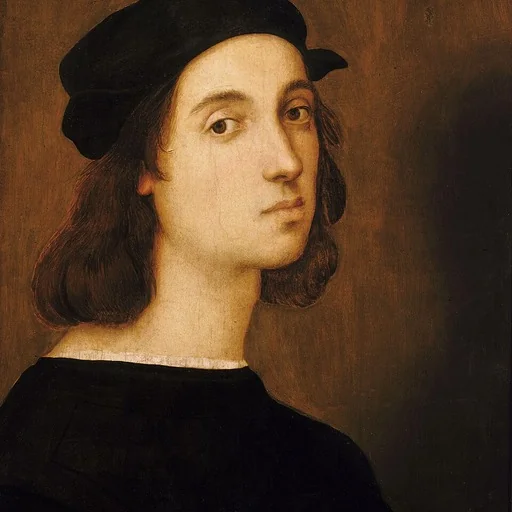
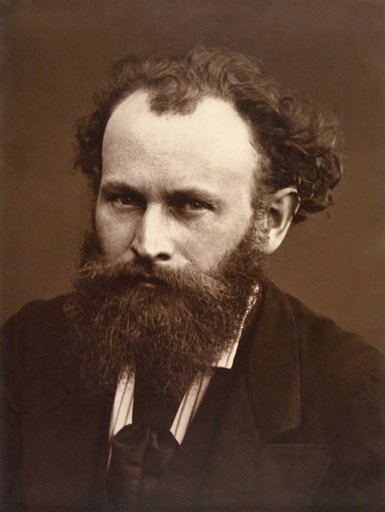
Angel is a subject in art. The gallery holds 200 works in this subject in art, including works by Titian, Paolo Veronese and Raphael.
In Christian art the angel is a winged messenger of God, yet the familiar image was assembled gradually from both scripture and the visual vocabulary of the classical world. The Greek word "angelos" simply means "messenger," and the earliest surviving Christian depictions show angels without wings: a mid-third-century Annunciation in the Catacomb of Priscilla in Rome presents Gabriel as an ordinary youth in a tunic. Wings did not become standard until the fourth century—appearing on the so-called Prince's Sarcophagus—when artists borrowed the form of pagan winged Victories (the goddess Nike) and the love-god Eros. By the fifth century, mosaics such as those at Santa Maria Maggiore in Rome had crystallised the winged angel attending an enthroned Christ, fixing the type for a millennium.
Theology soon shaped the imagery. Around 500, the writer known as Pseudo-Dionysius the Areopagite set out a celestial hierarchy of nine orders in three triads, from the six-winged, fiery seraphim and the cherubim down to the archangels and angels proper. Painters encoded rank through colour, wing count and attributes—seraphim flushed red for divine love, cherubim deep blue—building a legible system of heavenly courtiers.
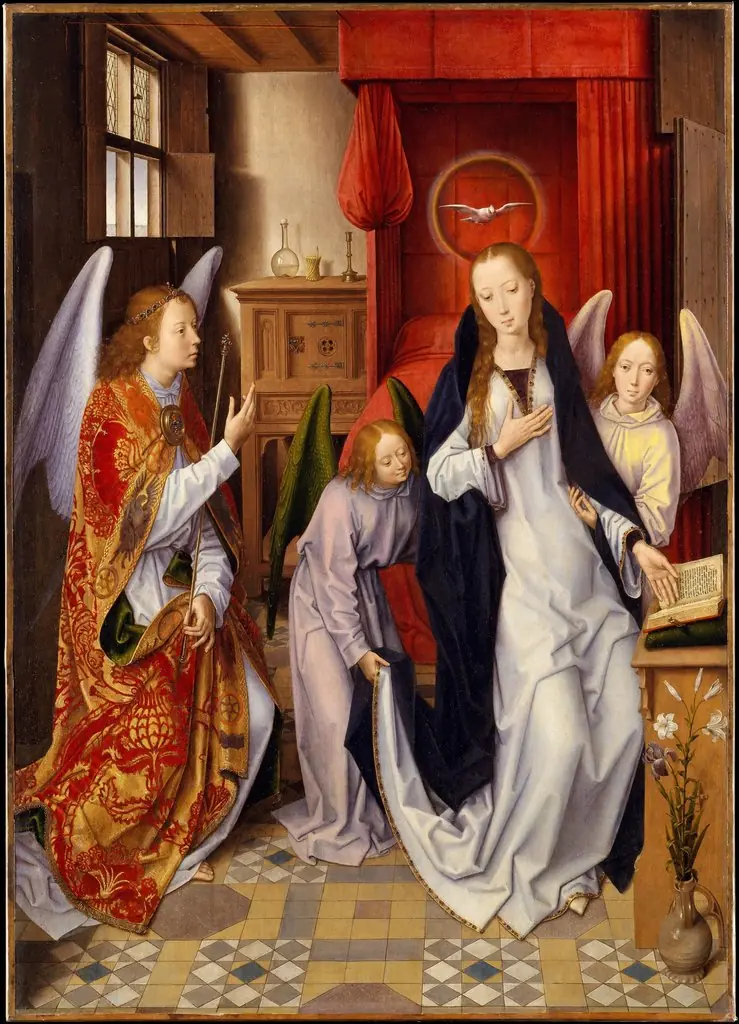
The Annunciation became the principal vehicle for angelic portraiture. Fra Angelico's San Marco fresco (c. 1440–45) sets a gravely beautiful Gabriel in an airy loggia, while Jan van Eyck's 1434 Annunciation gives the archangel jewel-toned, peacock-feathered wings. The catalogue holds Hans Memling's Annunciation and Gerard David's Virgin and Child with Four Angels, both flowering in this Netherlandish tradition, alongside Filippino Lippi's Pietà and Hieronymus Bosch's Adoration of the Magi. The Renaissance also revived the classical cupid as the putto—the chubby winged child—immortalised by the two dreaming cherubs at the foot of Raphael's Sistine Madonna (1512), among the most reproduced figures in all art.
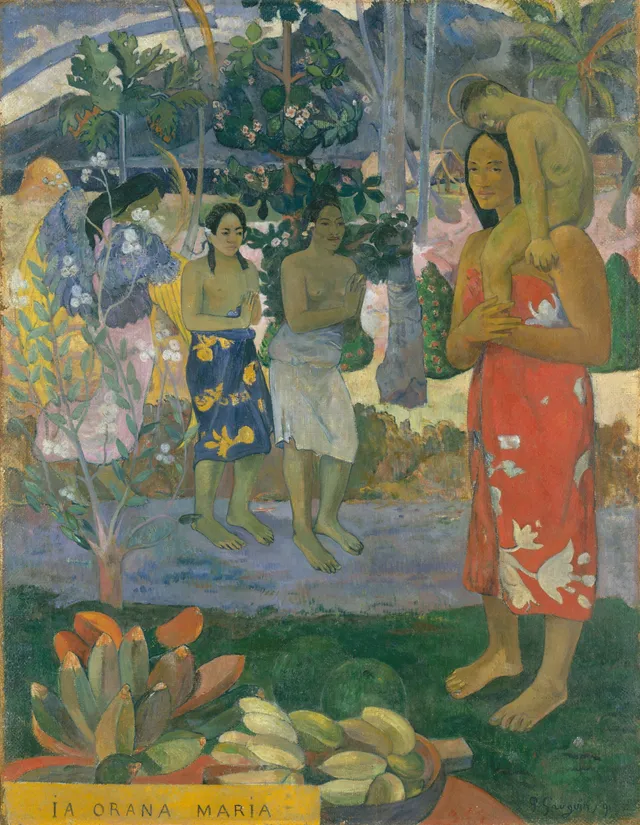
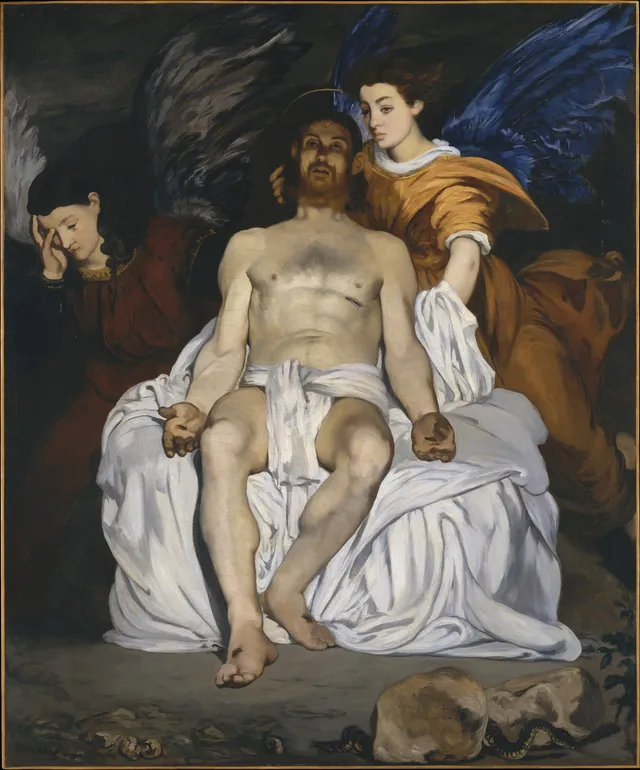
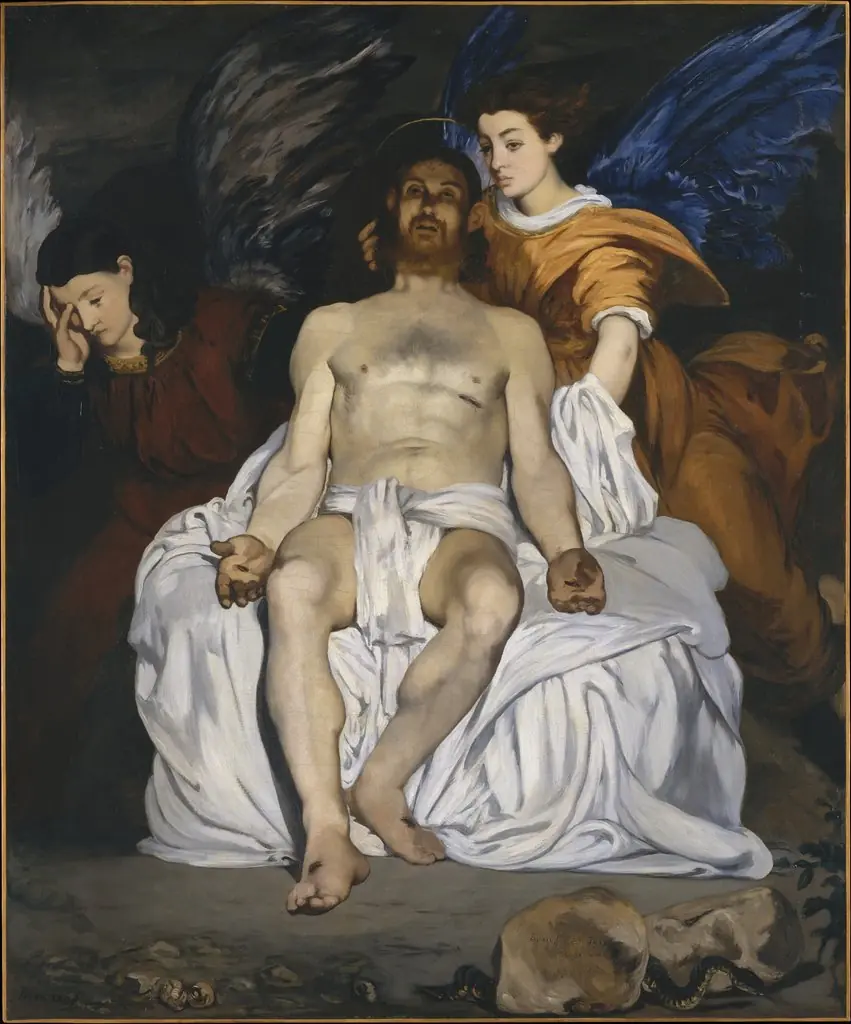
Angels carried into the dynamic theatre of the Baroque and on into the modern age. Édouard Manet's The Dead Christ with Angels (1864) scandalised the Salon by rendering its blue-winged attendants and cadaverous Christ with brusque realism, while Paul Gauguin's Ia Orana Maria (1891) transplants a haloed angel into Tahiti, fusing Christian iconography with Symbolist exoticism. From catacomb fresco to avant-garde canvas, the angel remains one of Western art's most enduring and adaptable subjects.
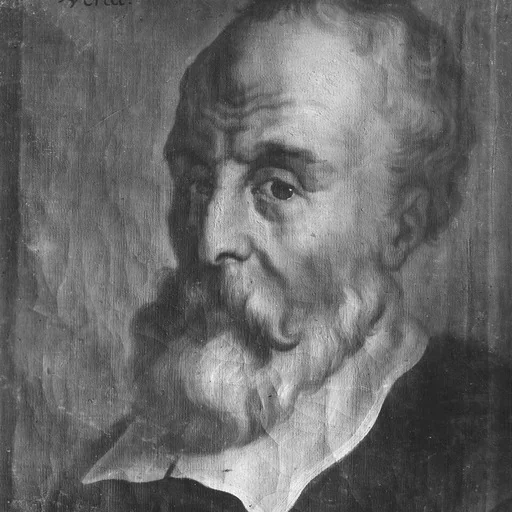
Key artists
Overview
The angel is one of the most enduring and widely depicted subjects in the history of art, appearing in 538 works within this collection alone. Derived from the Greek word angelos, meaning messenger, the angel serves as a bridge between the divine and human realms, a function that has made it indispensable to religious narrative and visual culture across millennia. While the term also exists as a given name used for both boys and girls in English-speaking countries and as Ángel in Spanish-speaking regions, its artistic significance stems from its theological role as an intermediary being. Angels appear in works ranging from intimate devotional panels to monumental altarpieces, their forms evolving from the terrifying, multi-winged creatures of early Christian and Byzantine art to the increasingly humanized, graceful figures of the Renaissance and beyond.
Iconography & meaning
The iconography of angels in art derives from complex scriptural and theological sources that distinguish between multiple orders of celestial beings. Biblical texts describe several types: cherubim, fearsome guardians with four faces and multiple wings who protected sacred spaces such as the Garden of Eden and the Ark of the Covenant; seraphim, fiery six-winged beings who worship before God's throne; archangels such as Michael and Gabriel, who serve as divine warriors and messengers; and the Angel of the LORD, a figure conveying God's own presence. Medieval theologians, notably Thomas Aquinas, systematized these into a hierarchy of nine types arranged in three orders based on proximity to God. The highest order, closest to the divine, includes seraphim, cherubim, and thrones, beings of such abstract and terrifying form, wheels covered in eyes or multi-faced creatures, that they challenged artists. The middle order comprises Dominions, Virtues, and Powers, while the lowest order, Principalities, Archangels, and Angels, interacted most directly with humanity. In visual art, this theological complexity was often simplified, with angels acquiring consistent attributes: wings signifying their celestial nature, halos indicating sanctity, and white or golden robes suggesting purity. Their roles as messengers, protectors, and intermediaries made them essential to narratives of the Annunciation, the Nativity, the Passion, and the Last Judgment.
Across movements & periods
The treatment of angels in art underwent significant transformation across movements and periods, reflecting broader shifts in theology, aesthetics, and cultural priorities. In early Christian and Byzantine art, angels retained something of their biblical strangeness, appearing as powerful, sometimes terrifying messengers. The medieval period saw the systematization of angelic hierarchy in art, with artists attempting to visualize the complex taxonomies of Pseudo-Dionysius and later Aquinas, though the more abstract orders, thrones and cherubim in their true biblical form, proved resistant to easy representation. The Renaissance humanized the angel dramatically, transforming Gabriel from a terrifying messenger into a graceful, physically beautiful youth in Annunciation scenes, and making putti, chubby winged infants derived from classical Eros figures, increasingly popular as decorative and narrative elements. Baroque art intensified angelic drama, with angels swooping through clouds, supporting collapsing saints, or bearing instruments of the Passion with theatrical emotion. The collection's inclusion of works like Gauguin's Ia Orana Maria suggests how modern artists could deploy angelic figures within new symbolic frameworks, while retaining their essential function as mediators between worlds. Across these periods, the angel proved remarkably adaptable, its core meaning as messenger and intermediary persisting even as its visual form shifted from the hieratic to the naturalistic, from the terrifying to the charming.
Legacy
The cultural afterlife of the angel extends far beyond the museum or church into popular collecting and vernacular devotion, as demonstrated by the remarkable case of the Angel Museum in Beloit, Wisconsin. Founded in 1998 by Joyce and Lowell Berg, who began collecting angel figurines in 1976, this museum housed what the Guinness Book of World Records recognized as the world's largest collection of angel-related items, numbering 13,165 pieces by 2004 and eventually exceeding 13,600. The collection's significance was amplified by a donation of 571 to 700 African American angel figurines from Oprah Winfrey, who had received them from viewers after complaining on her show about the difficulty of finding such representations. The museum occupied a former Catholic church, creating a layered sacred space where religious architecture framed popular devotional objects. Its closure in 2018 after two decades of operation, due to insufficient funding and volunteers, and the subsequent auction of its contents, marks a moment in the broader history of angel imagery, one where the ancient religious symbol found new life in mass-produced collectibles and celebrity culture. The Bergs' collection, sourced from over 60 countries and ranging from thimble-sized figurines to life-size sculptures, in materials from fine porcelain to macaroni, demonstrates the angel's remarkable capacity to migrate across cultural contexts and material forms while retaining its associations with protection, comfort, and transcendence. The museum's estimated 180,000 visitors over its lifetime suggest the enduring popular fascination with this motif, even as scholarly and devotional attention to angels in traditional religious art has waxed and waned.
Works
 The Dead Christ with Angels
 Annunciation
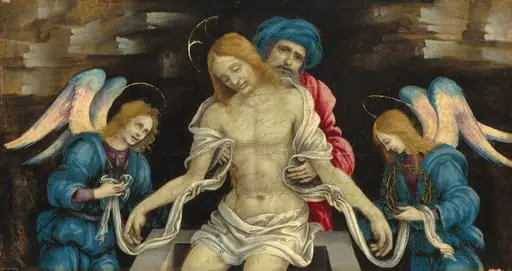 Pietà (The Dead Christ Mourned by Nicodemus and Two Angels)
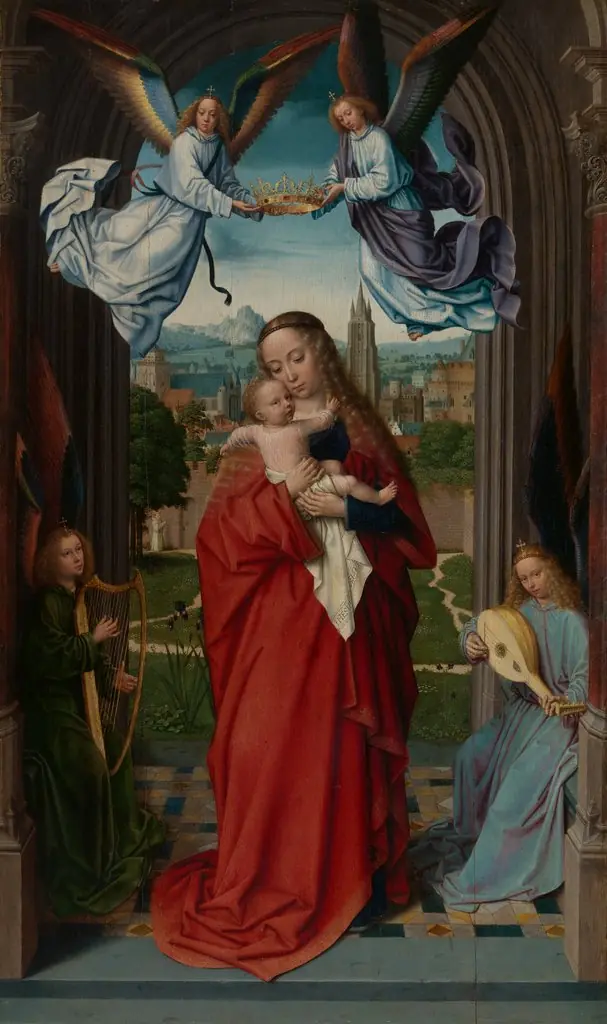 Virgin and Child with Four Angels
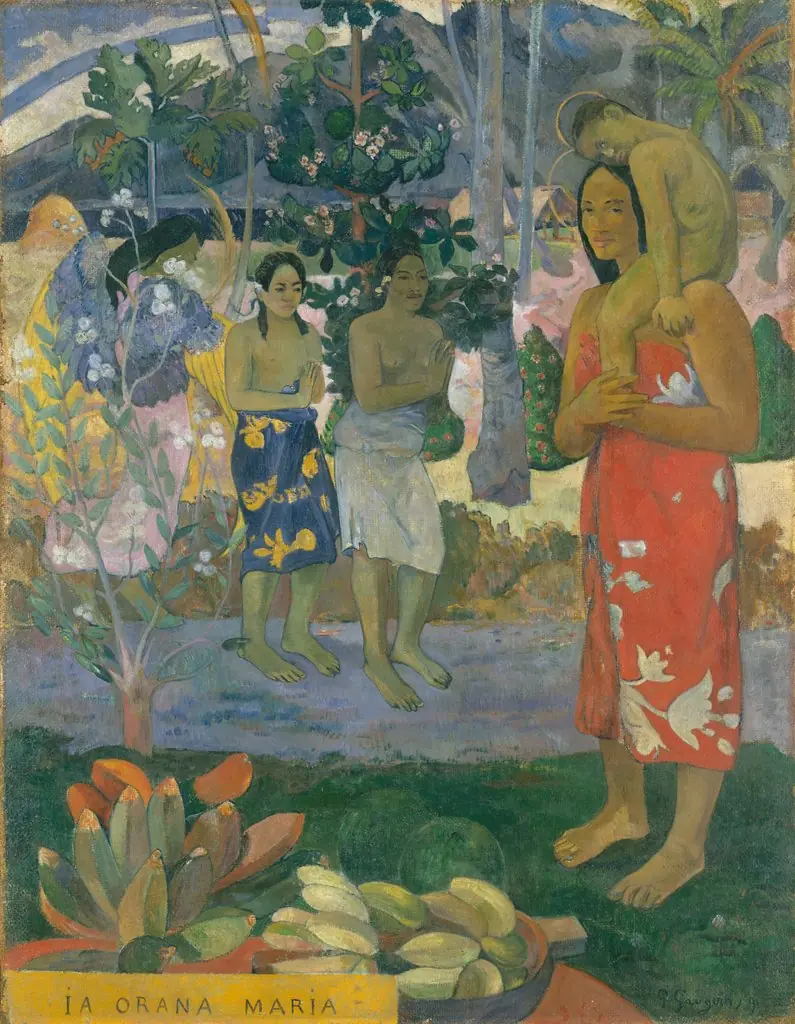 Ia Orana Maria
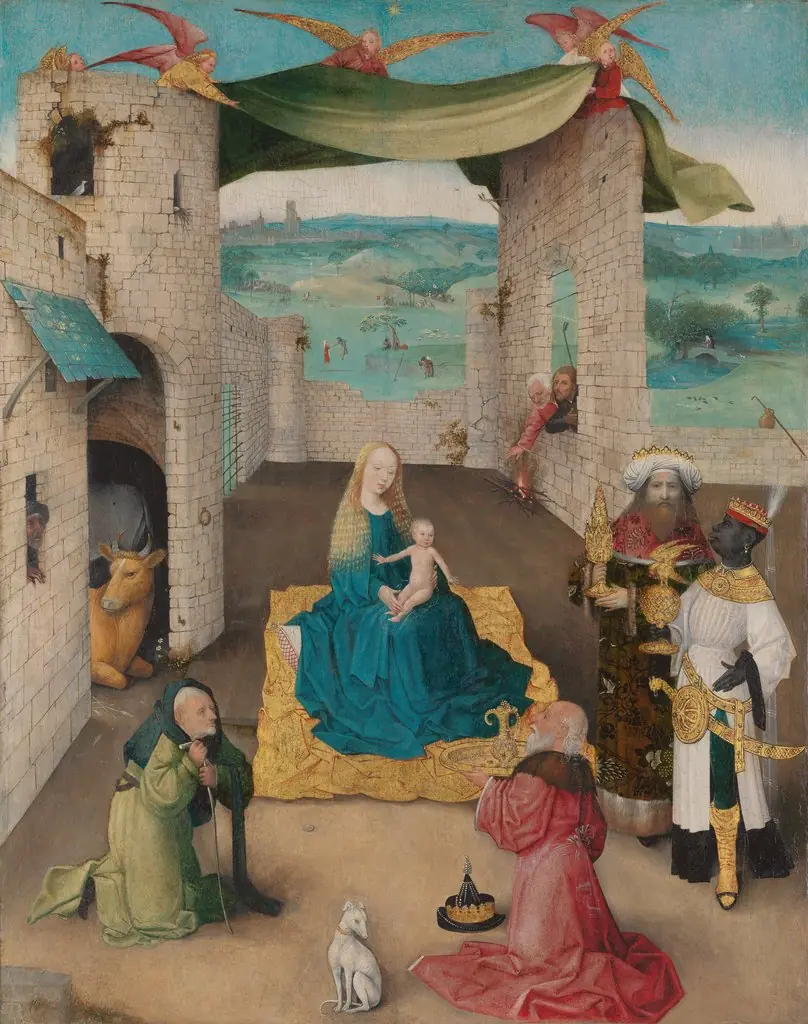 The Adoration of the Magi
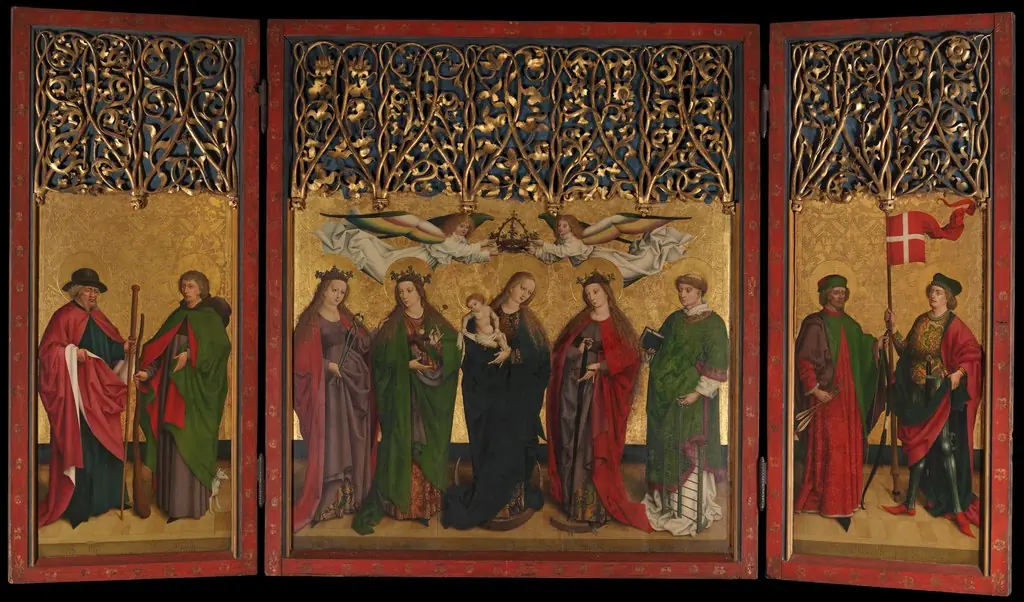 Burg Weiler Altar Triptych
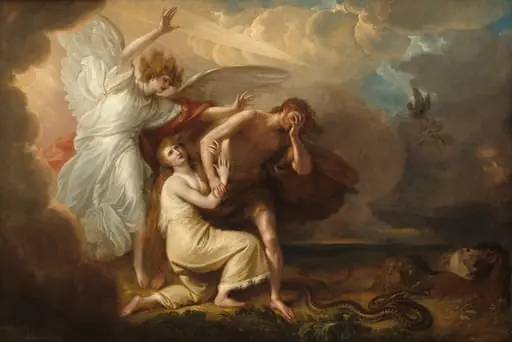 The Expulsion of Adam and Eve from Paradise
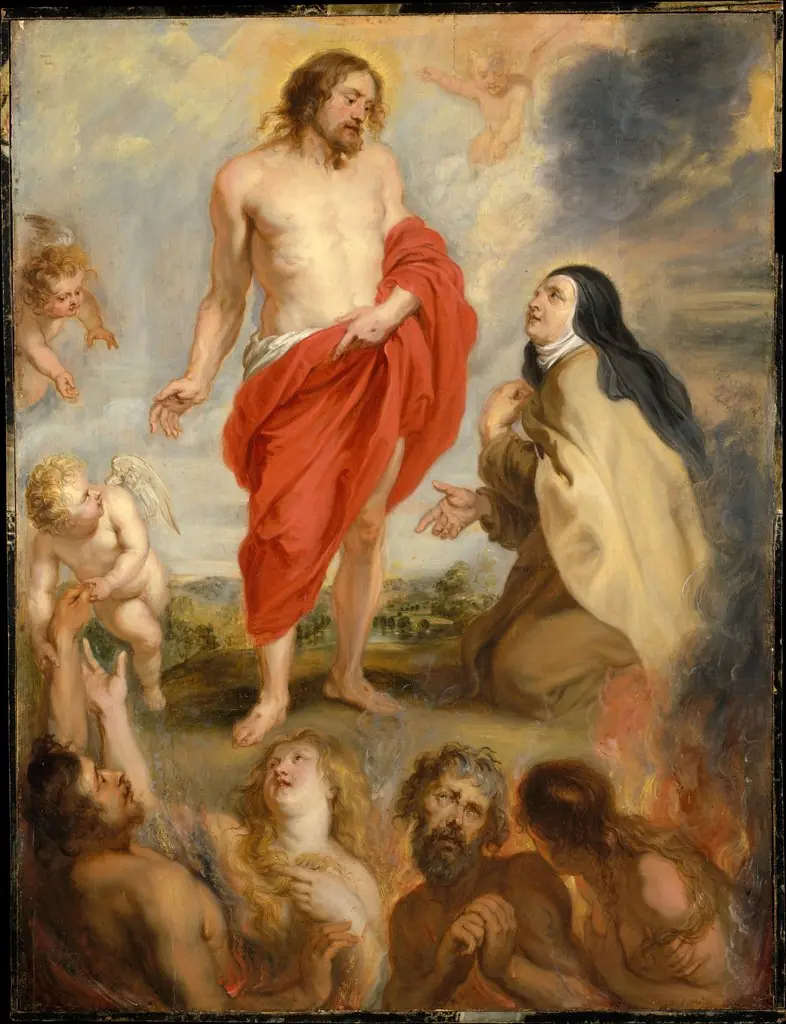 Saint Teresa of Ávila Interceding for Souls in Purgatory
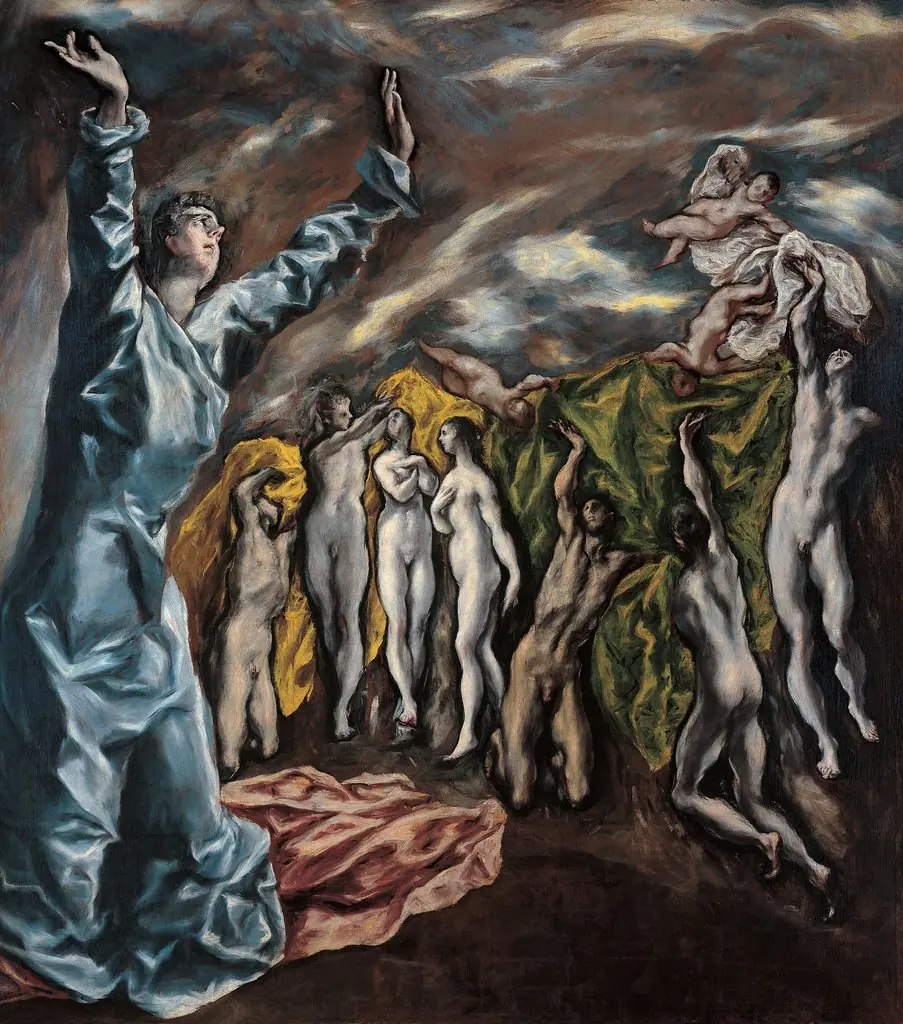 Opening of the Fifth Seal
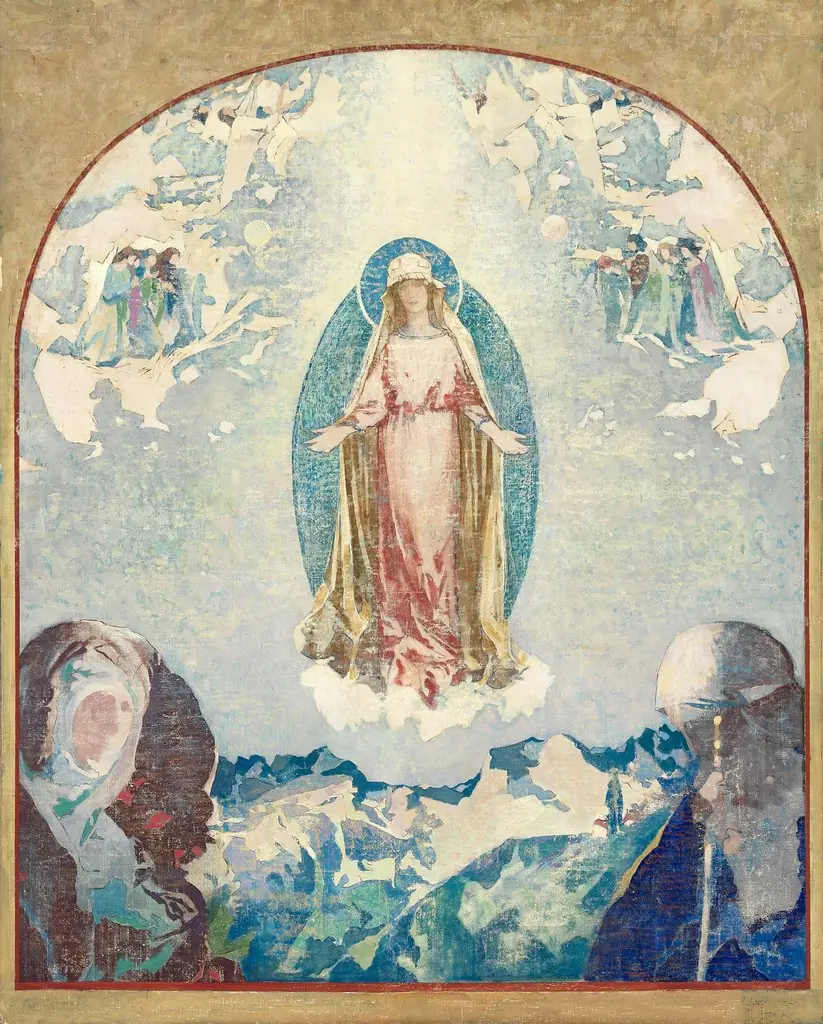 Rosa Mystica
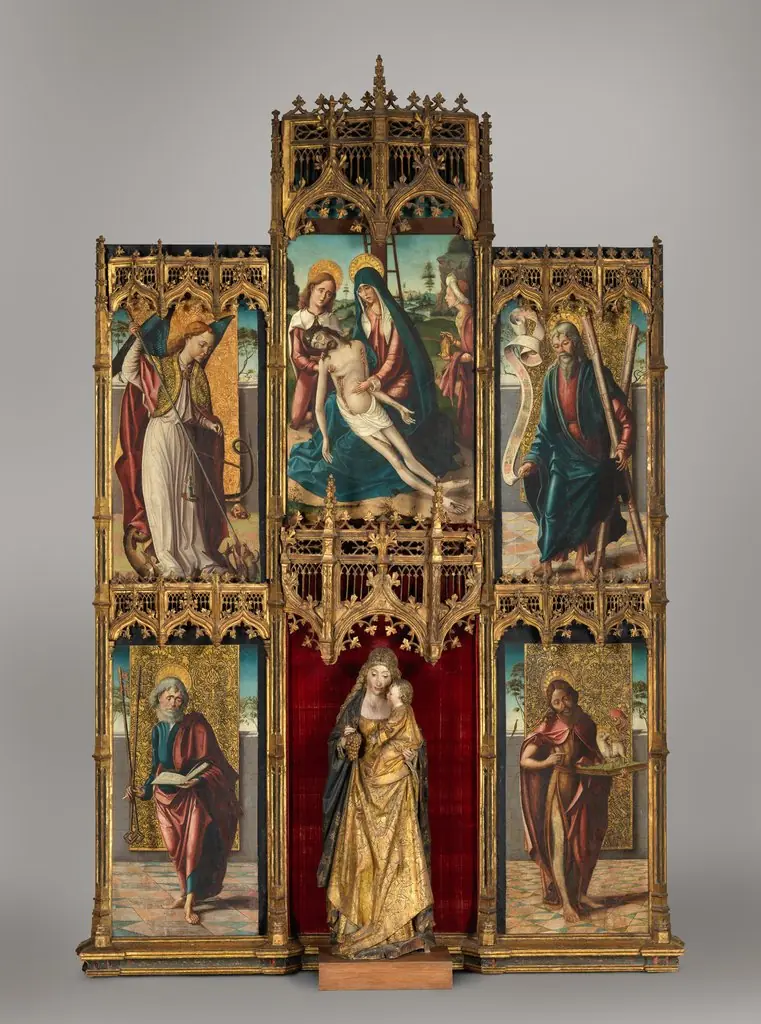 Virgin and Child with the Pietà and Saints
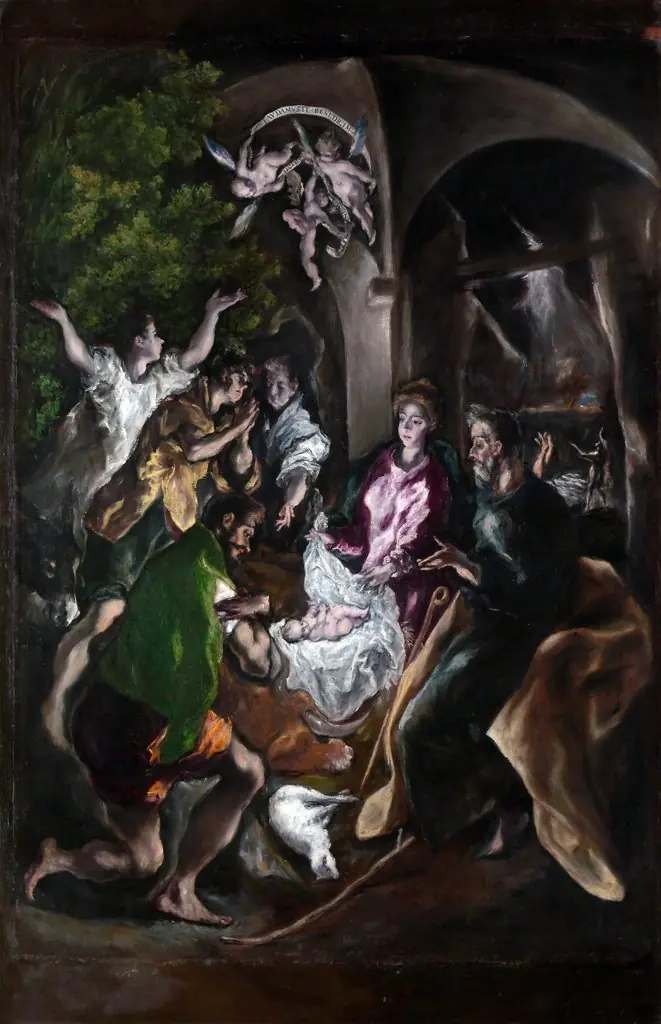 The Adoration of the Shepherds
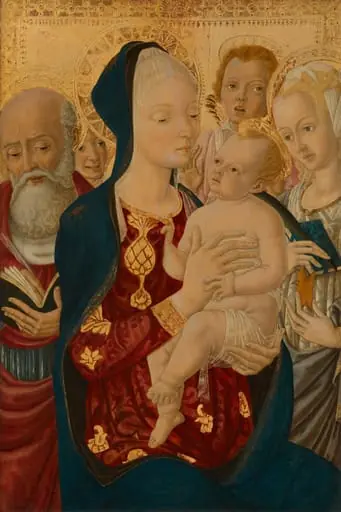 Madonna and Child with Saint Jerome, Saint Catherine of Alexandria, and Angels
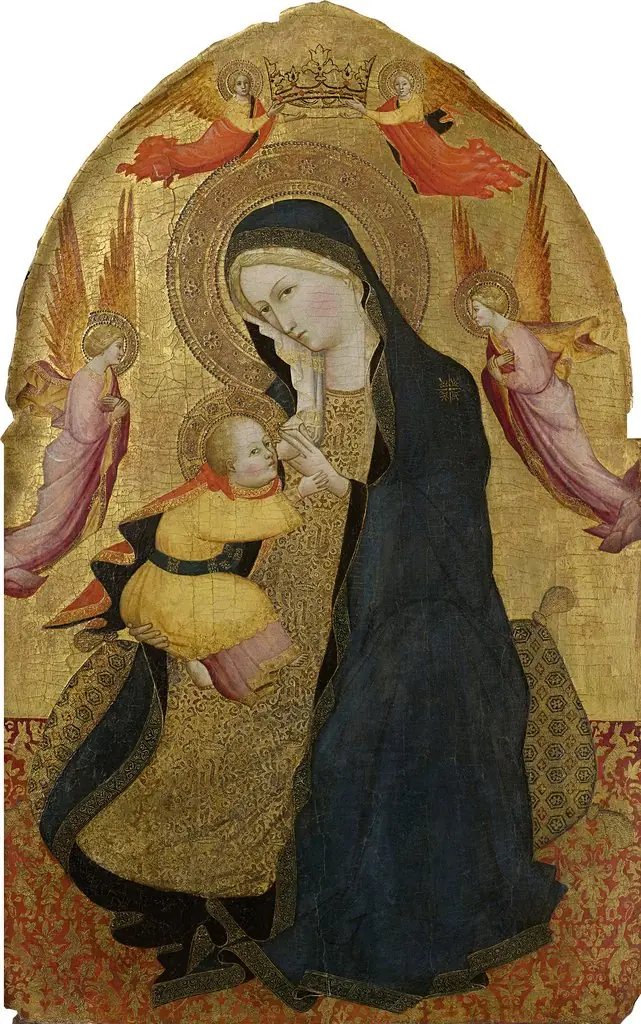 Madonna of Humility (Madonna dell'Umiltà)
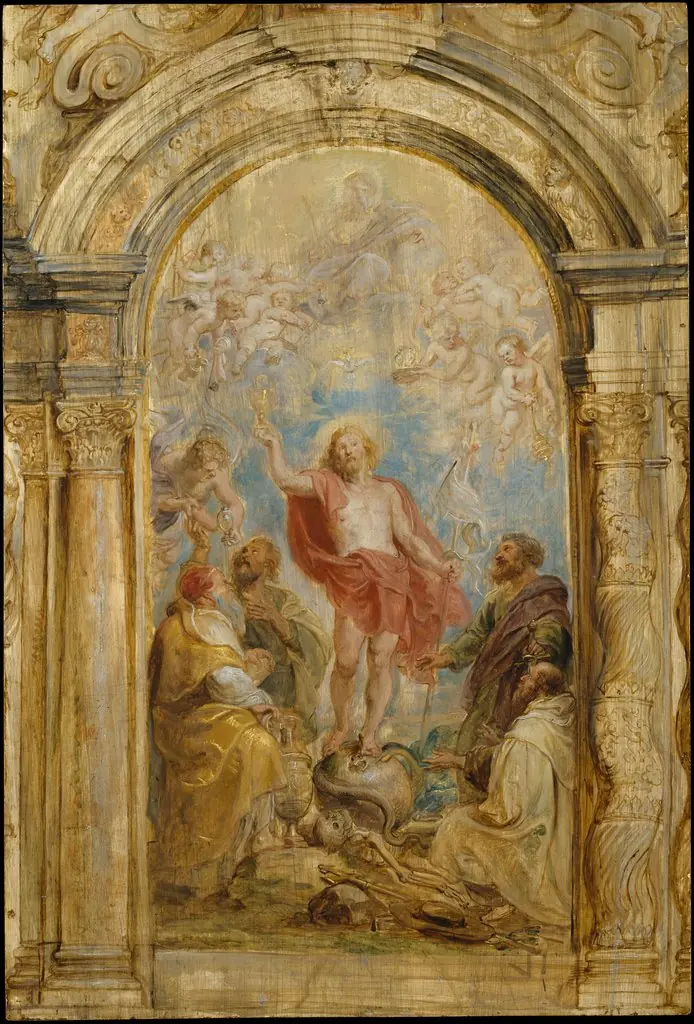 Glorification of the Eucharist
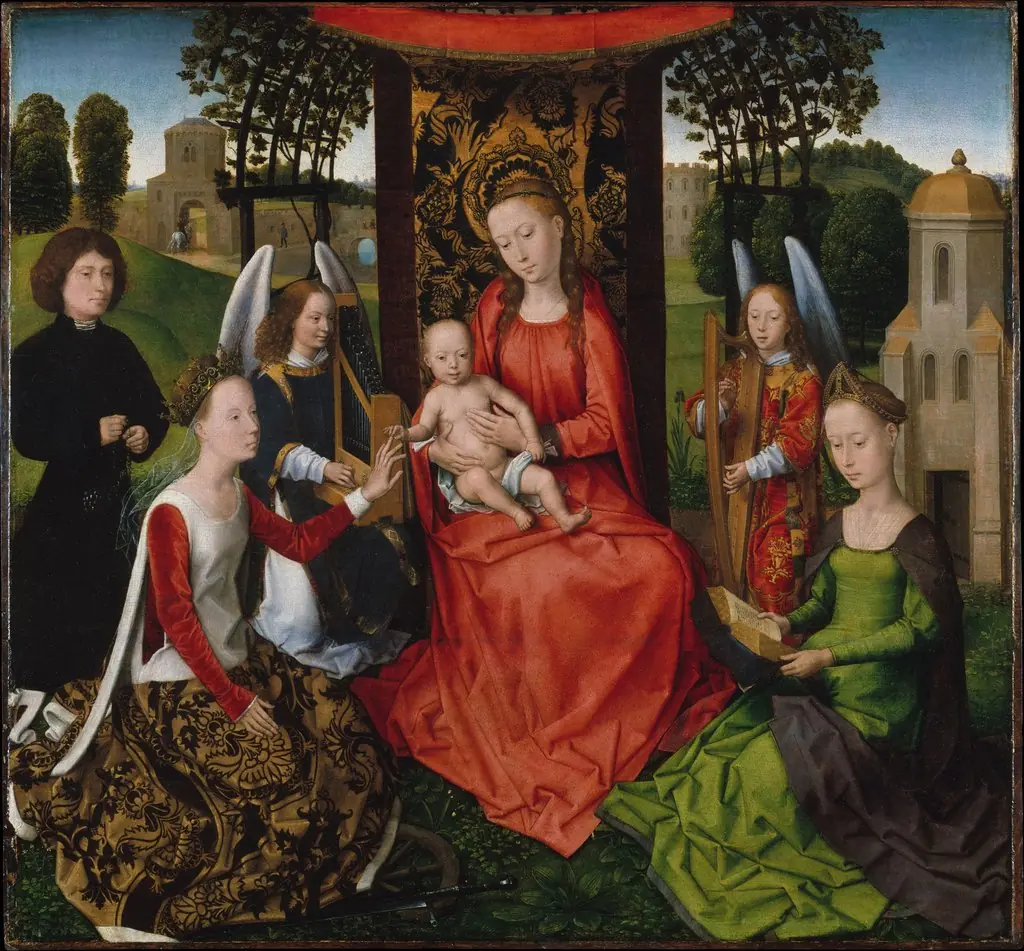 Virgin and Child with Saints Catherine of Alexandria and Barbara
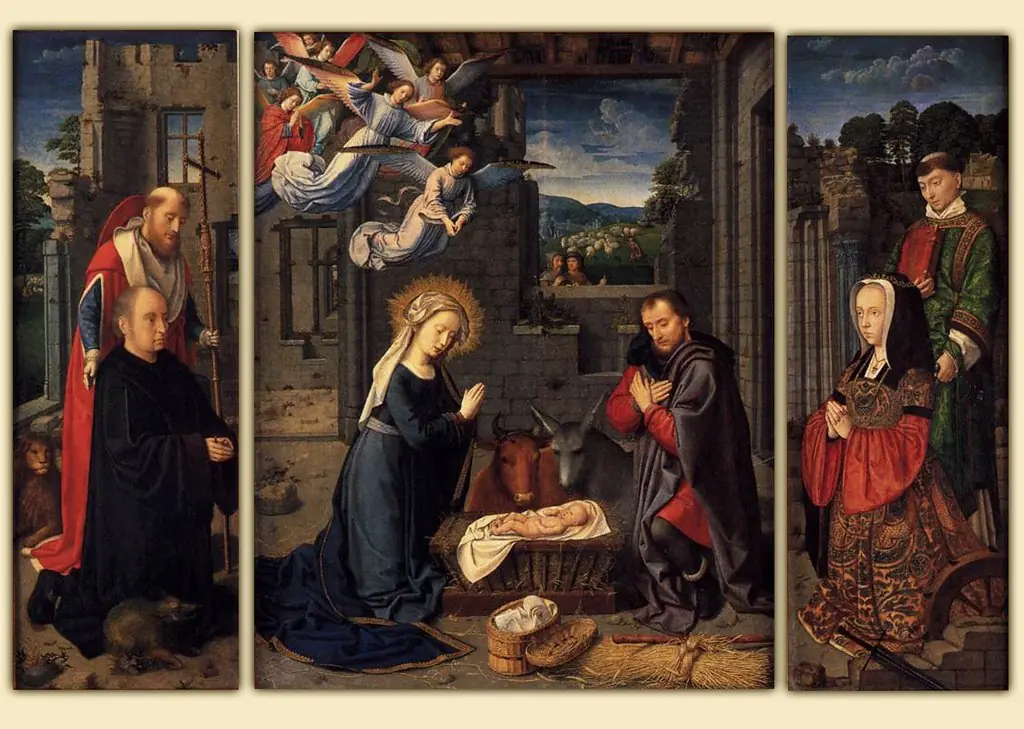 The Nativity with Donors and Saints Jerome and Leonard
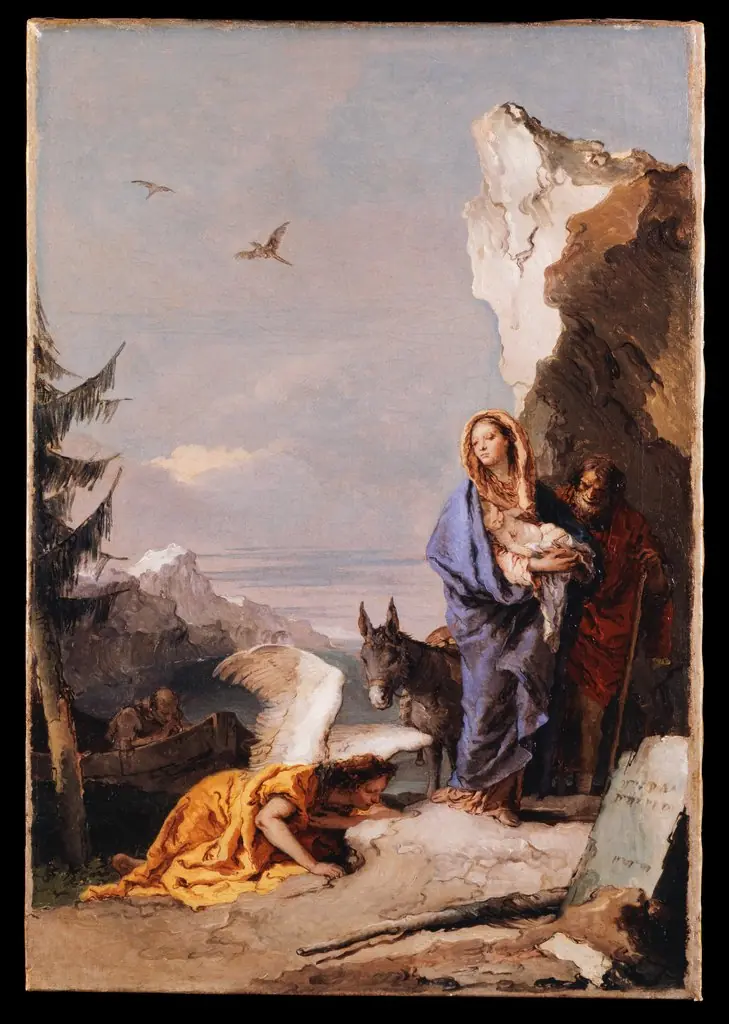 The Flight into Egypt
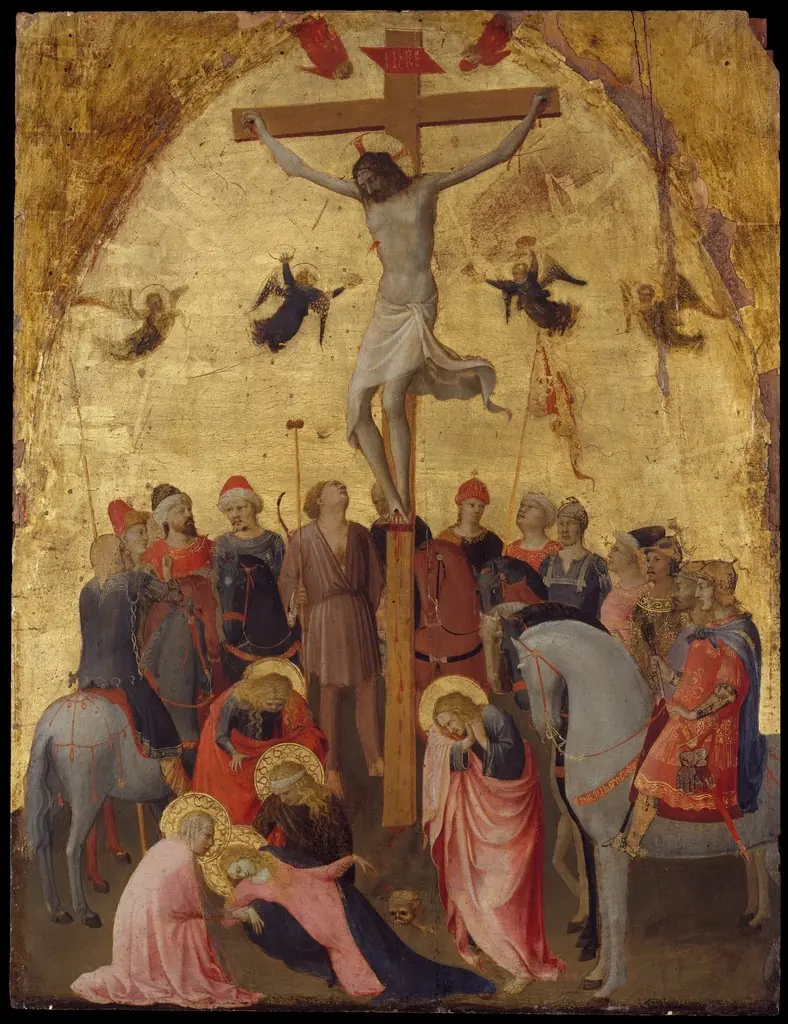 The Crucifixion
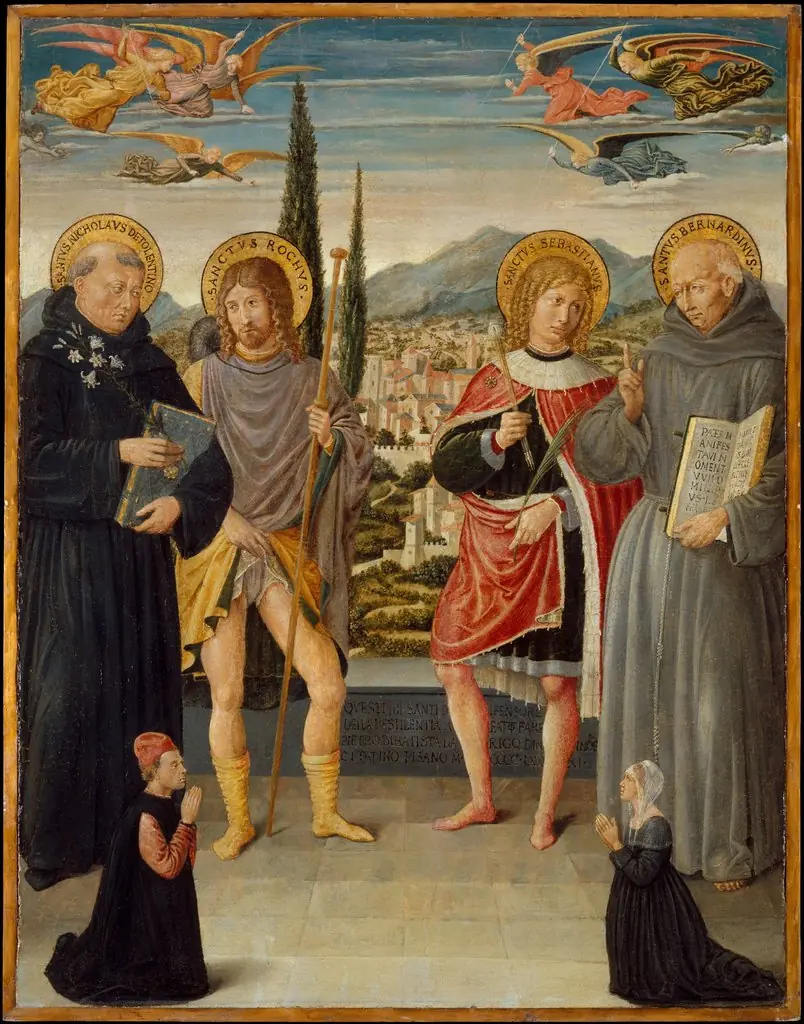 Saints Nicholas of Tolentino, Roch, Sebastian, and Bernardino of Siena, with Kneeling Donors
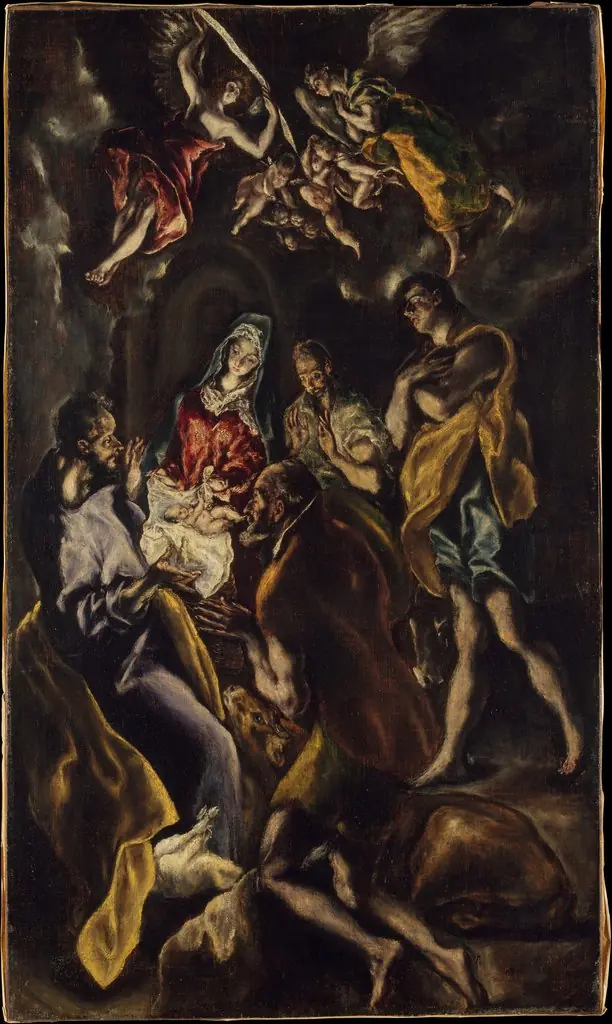 The Adoration of the Shepherds
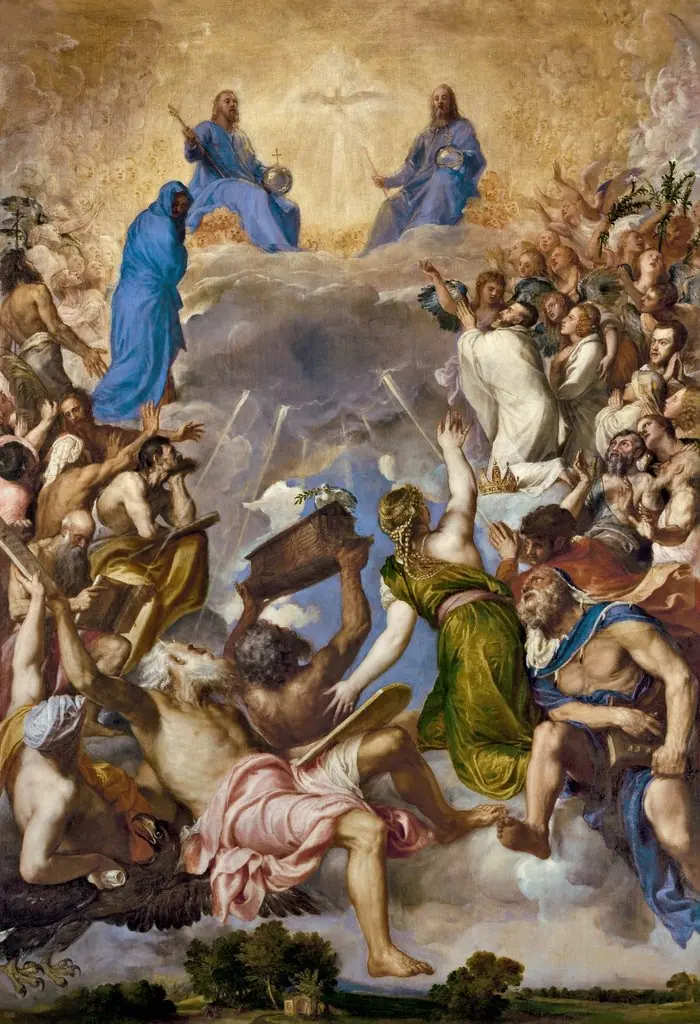 La Gloria
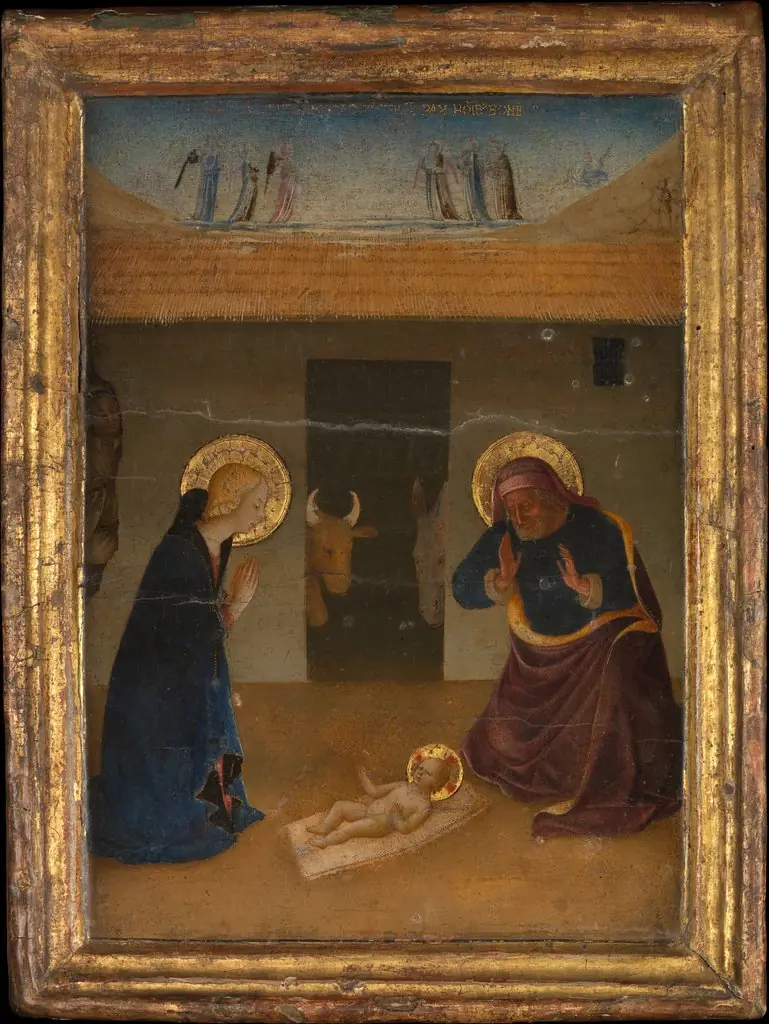 The Nativity
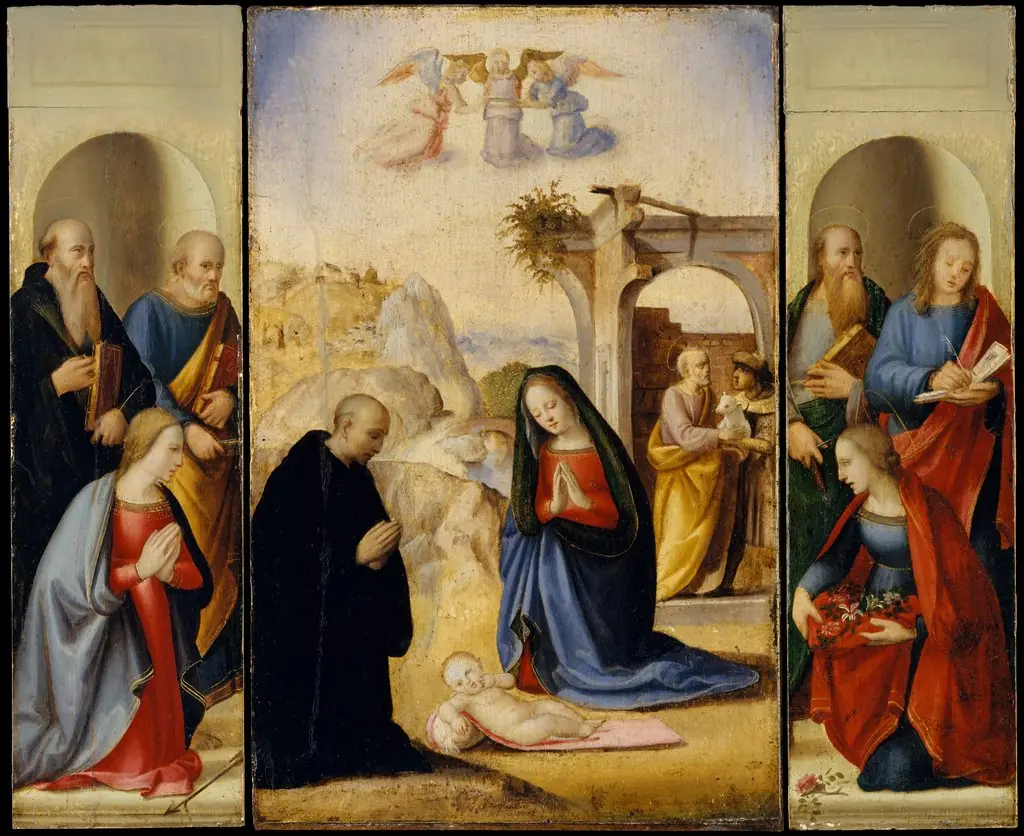 The Nativity with Saints
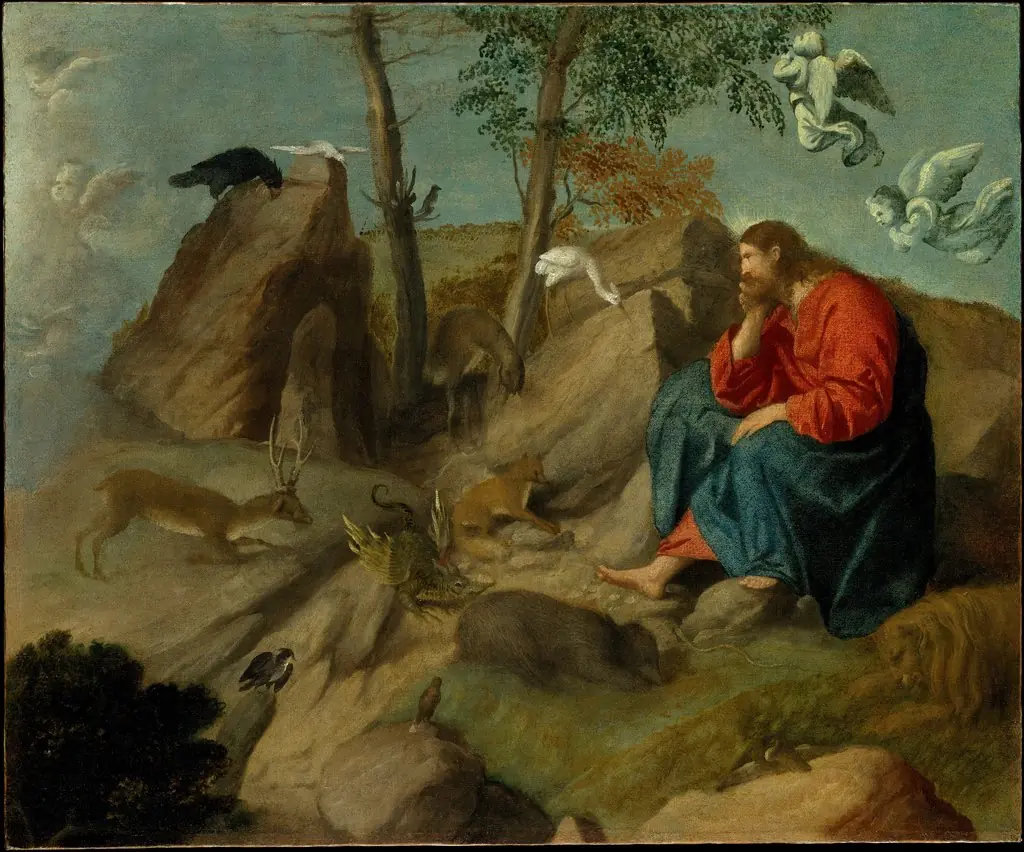 Christ in the Wilderness
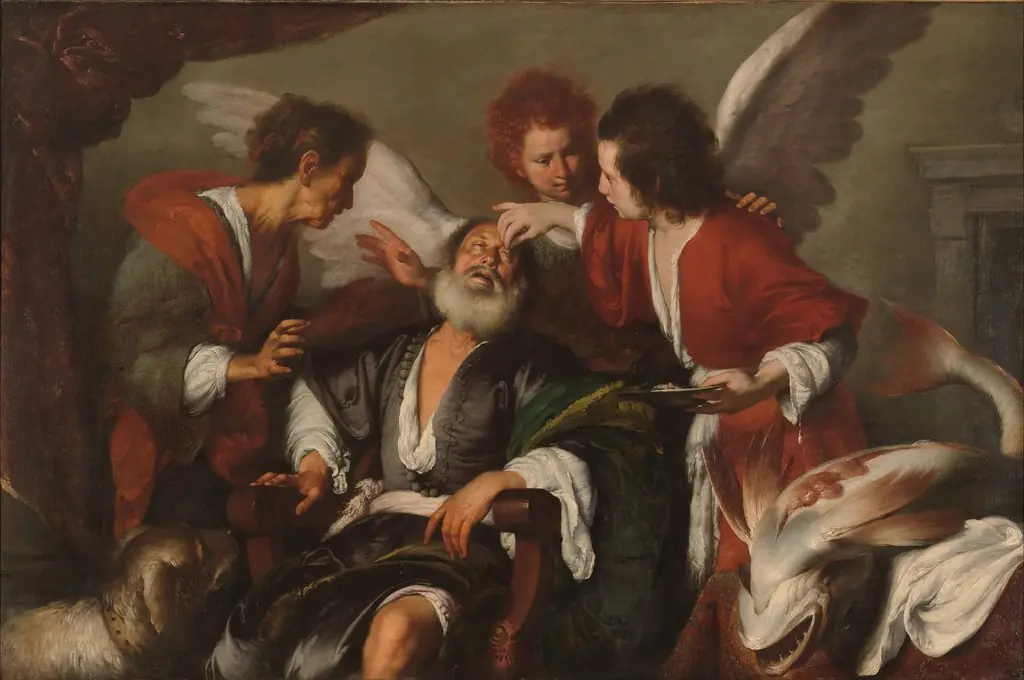 Tobias Curing His Father's Blindness
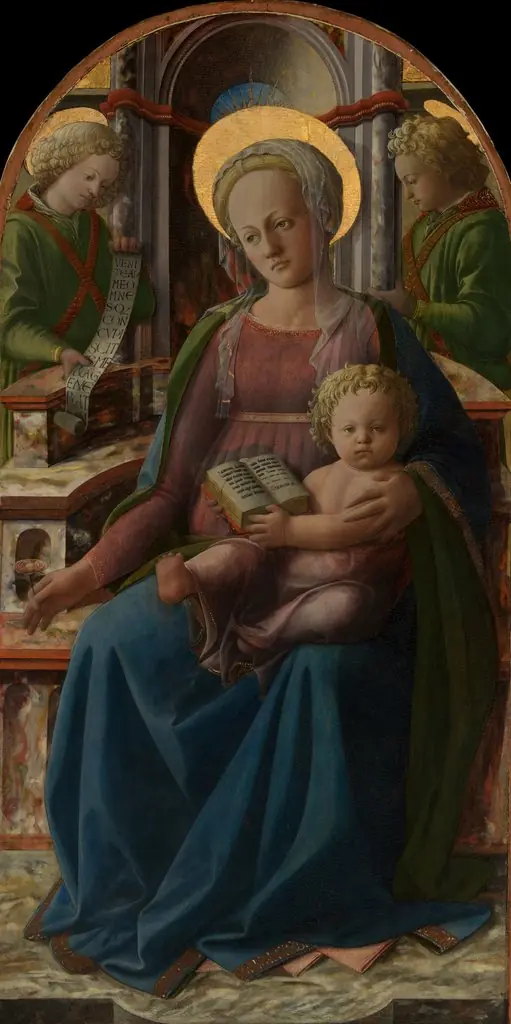 Madonna and Child Enthroned with Two Angels
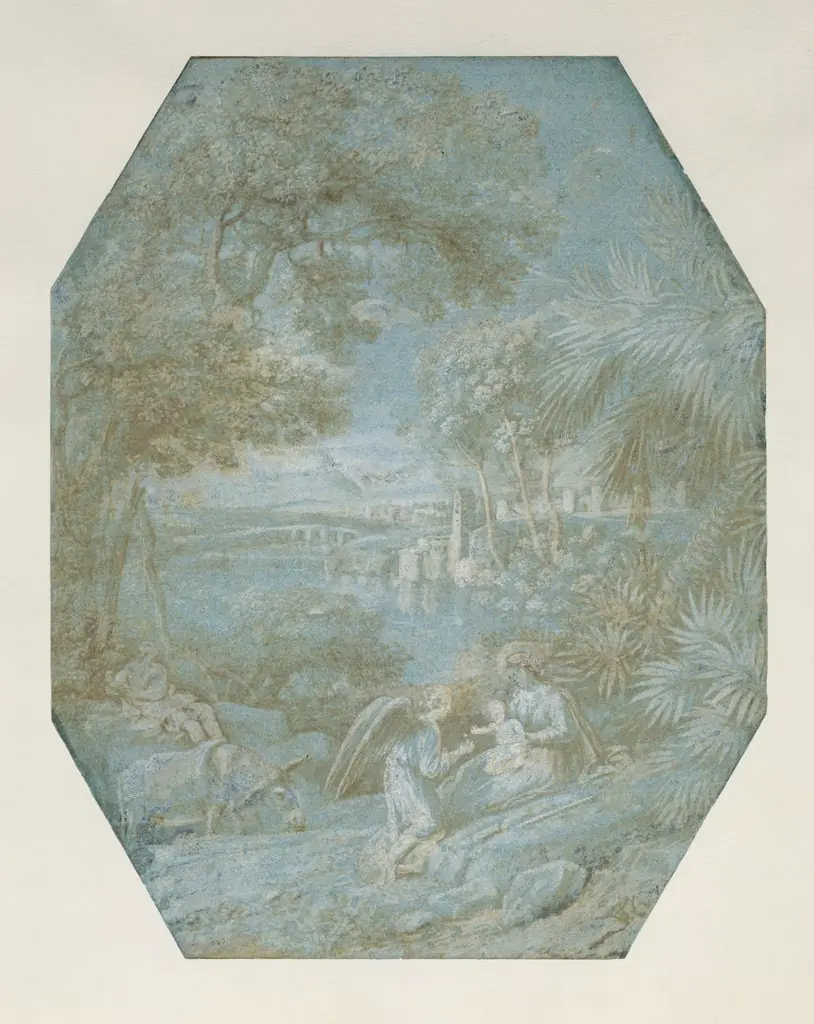 Landscape with the Rest on the Flight into Egypt
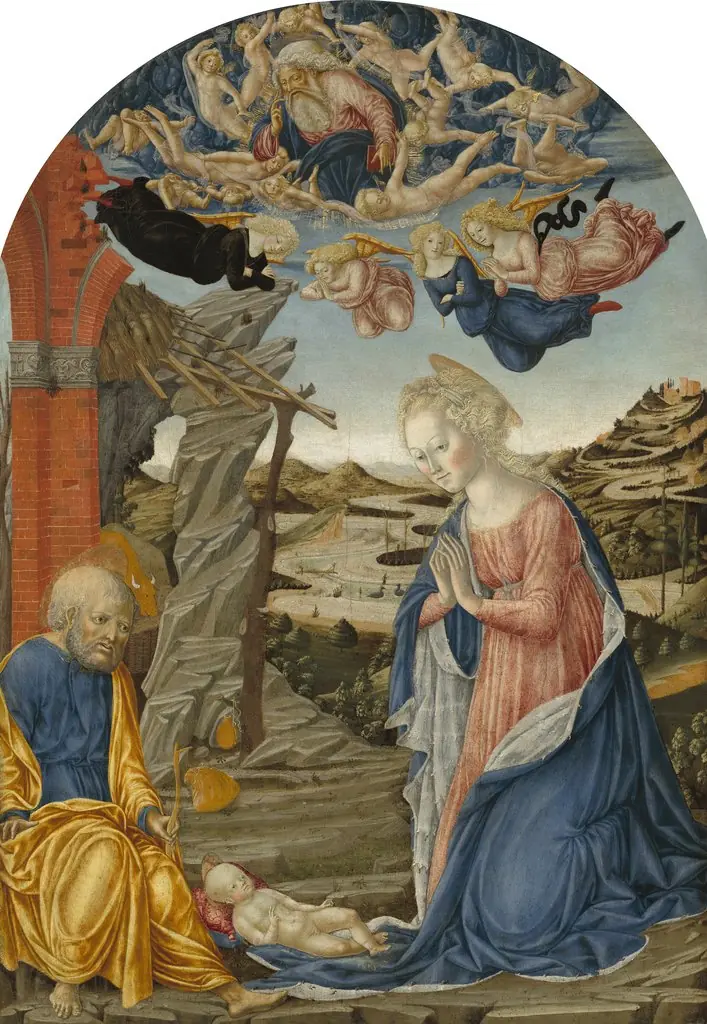 The Nativity
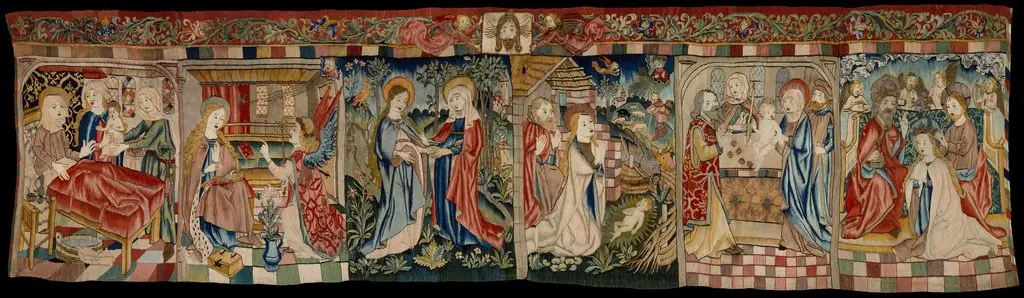 Scenes from the Life of the Virgin
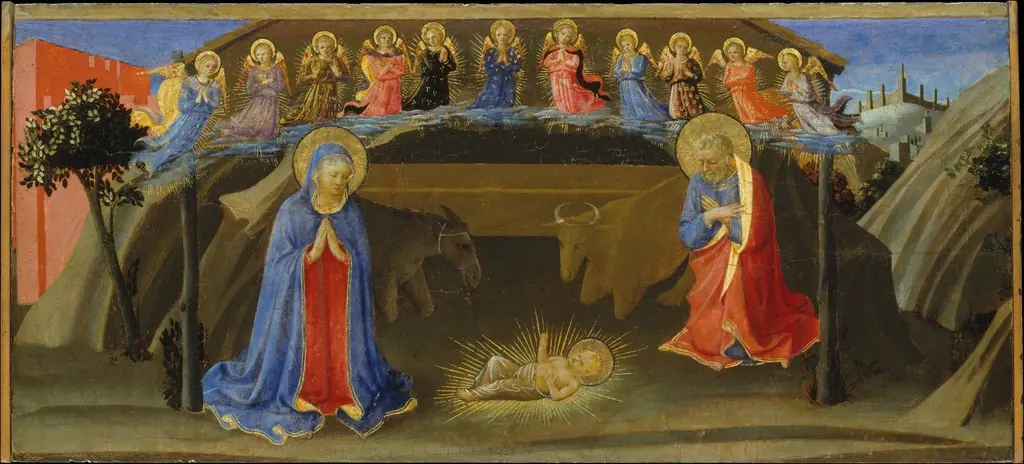 The Nativity
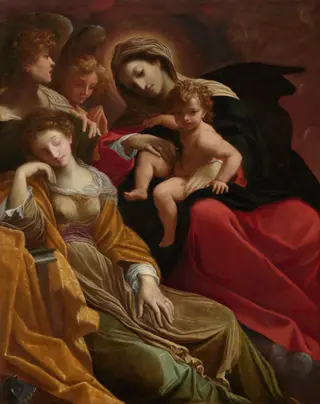 The Dream of Saint Catherine of Alexandria
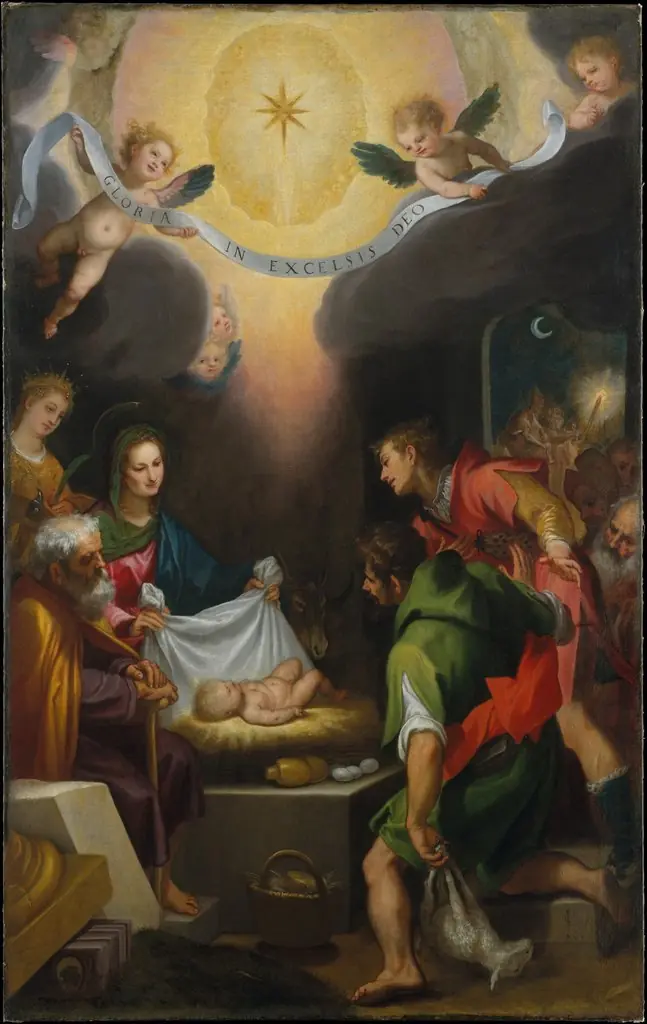 The Adoration of the Shepherds with Saint Catherine of Alexandria
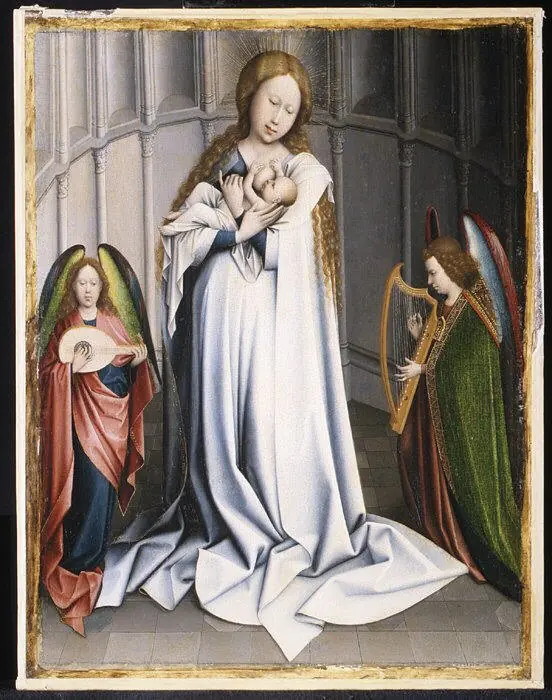 Virgin and Child in an Apse
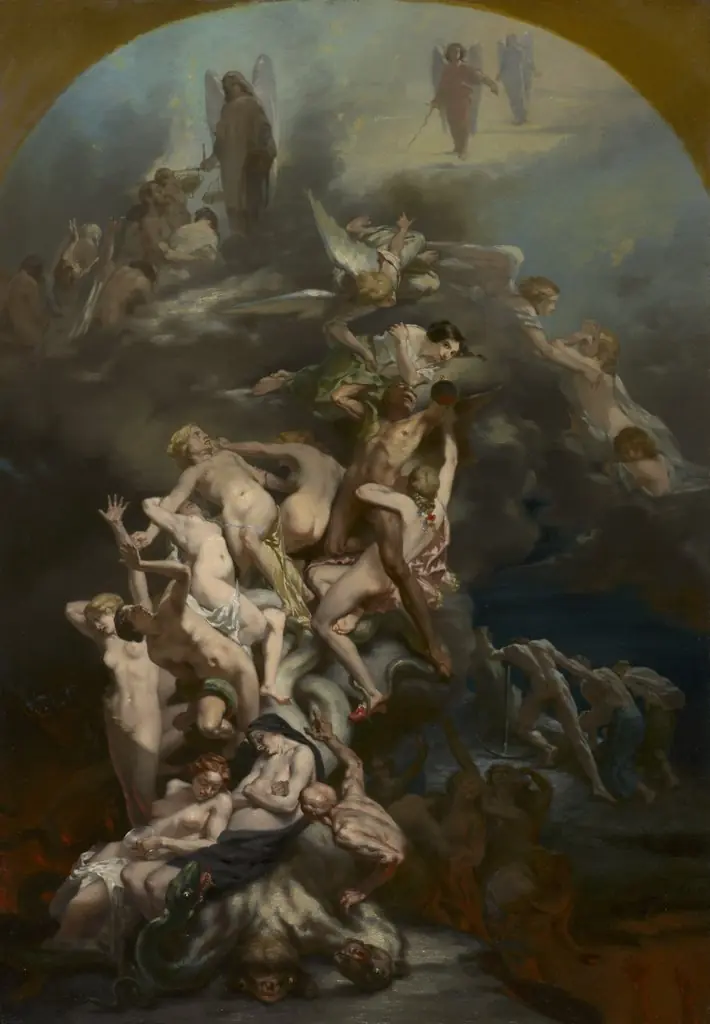 Heaven and Hell
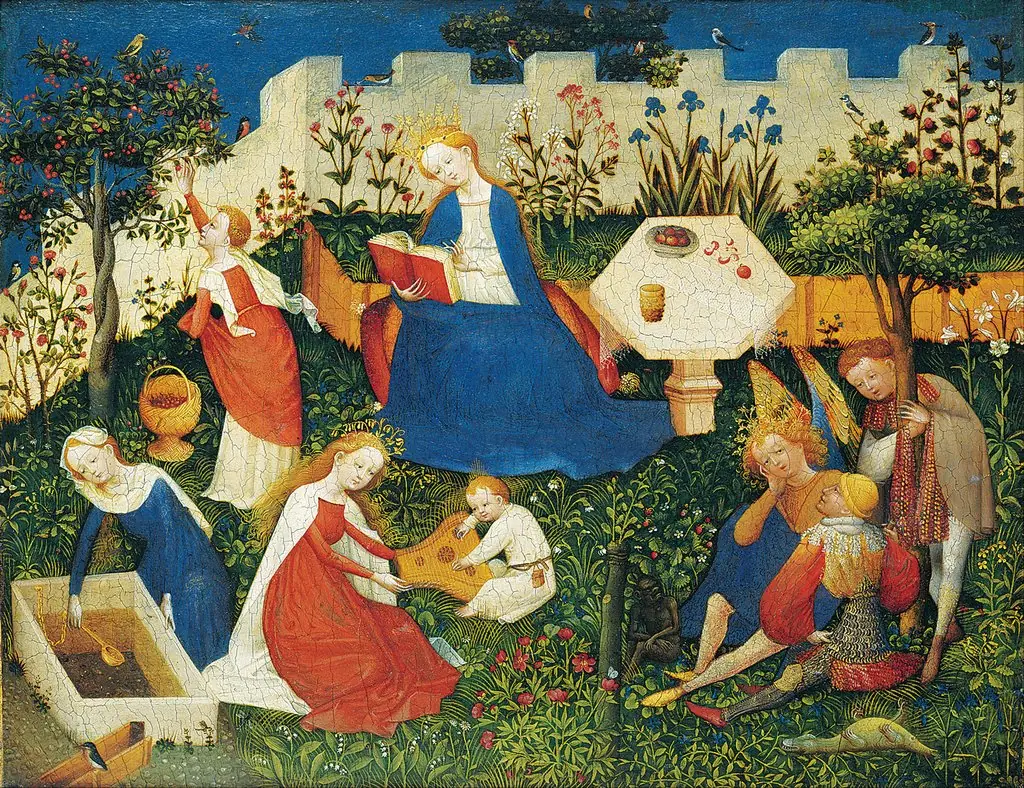 Paradiesgärtlein
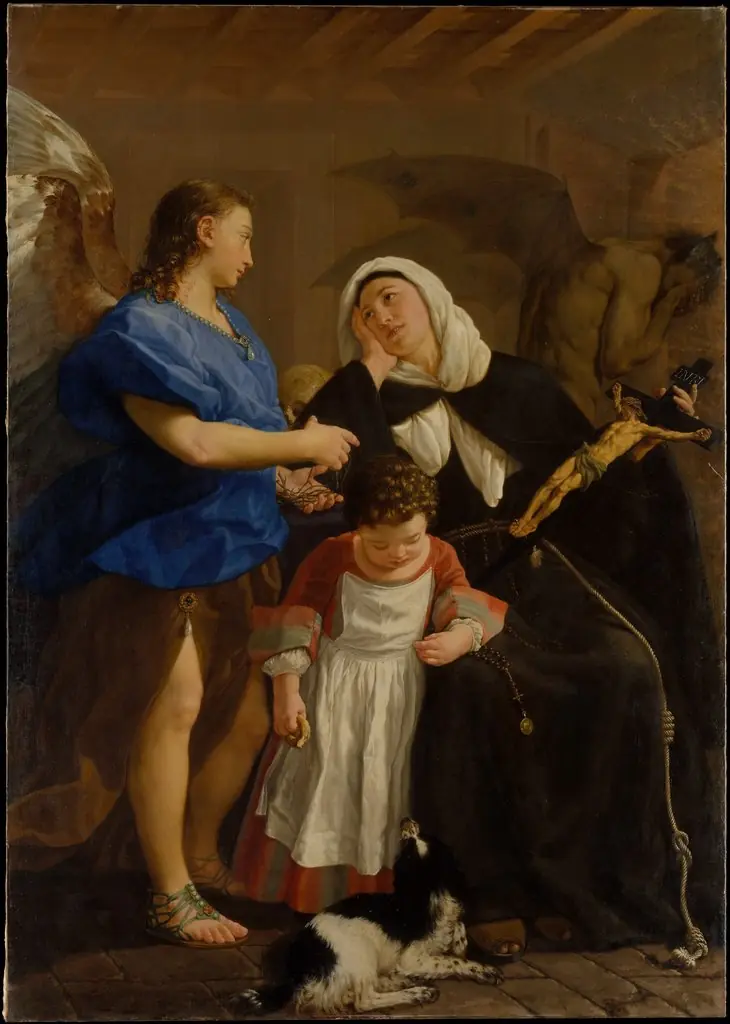 Saint Margaret of Cortona
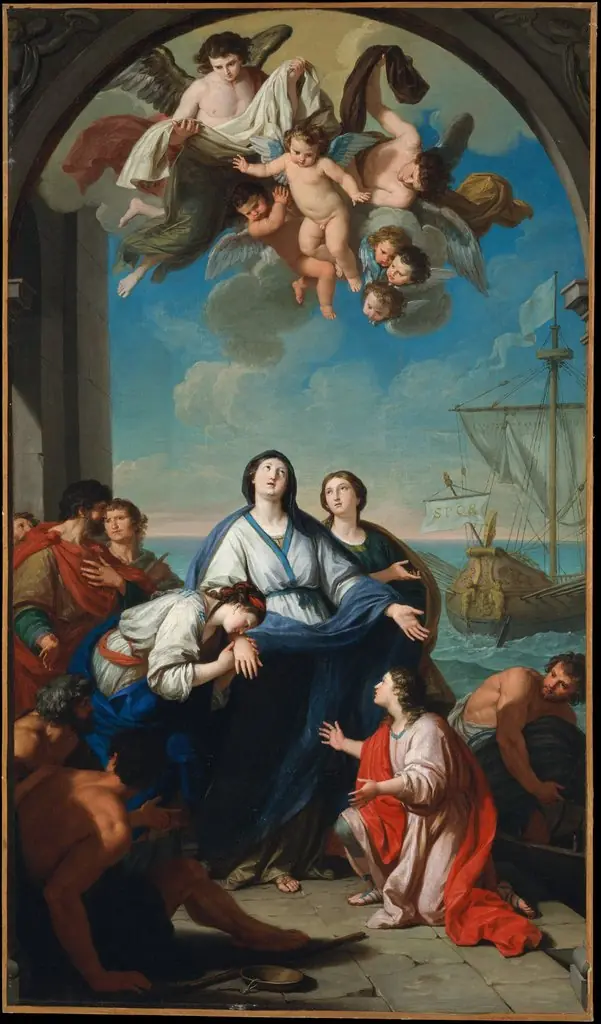 The Departure of Saints Paula and Eustochium for the Holy Land
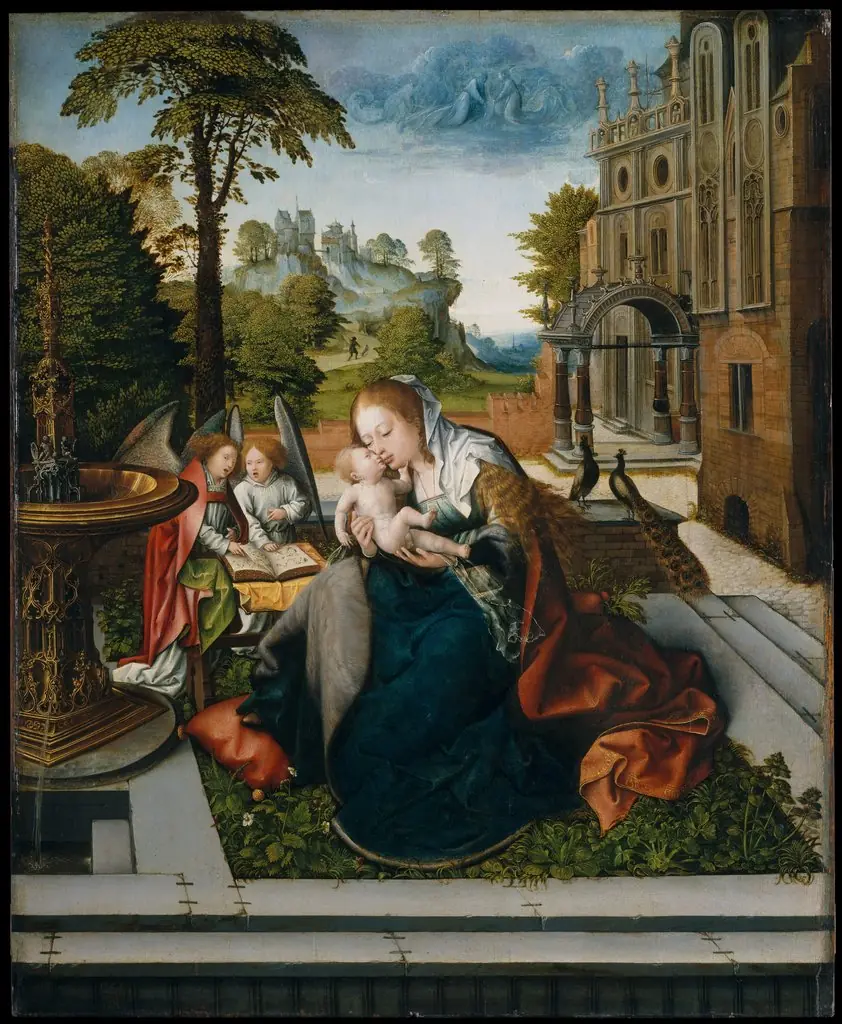 Virgin and Child with Angels
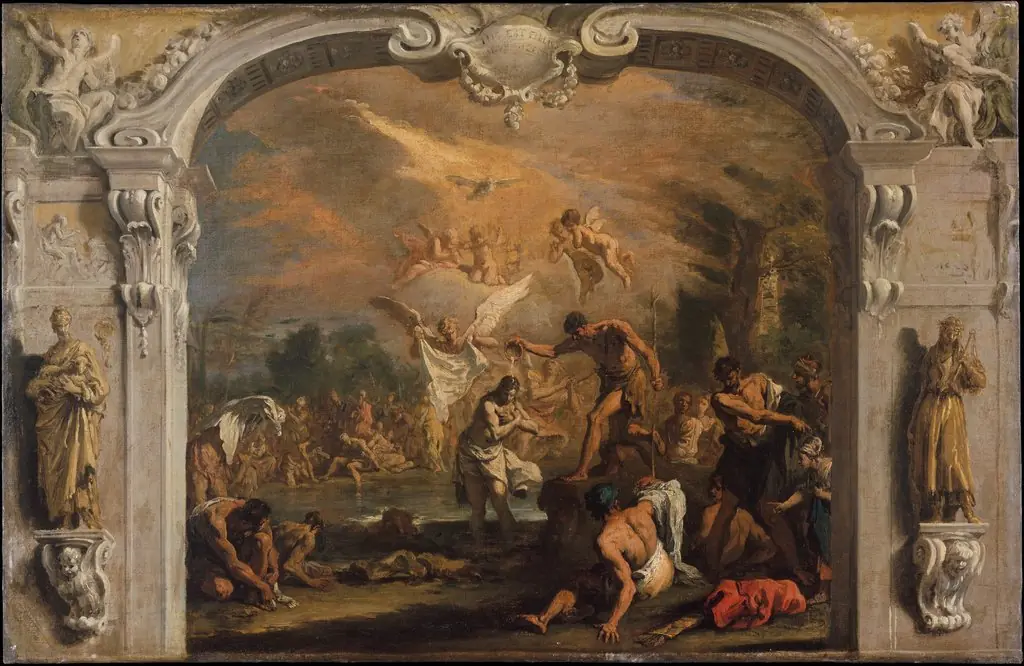 The Baptism of Christ
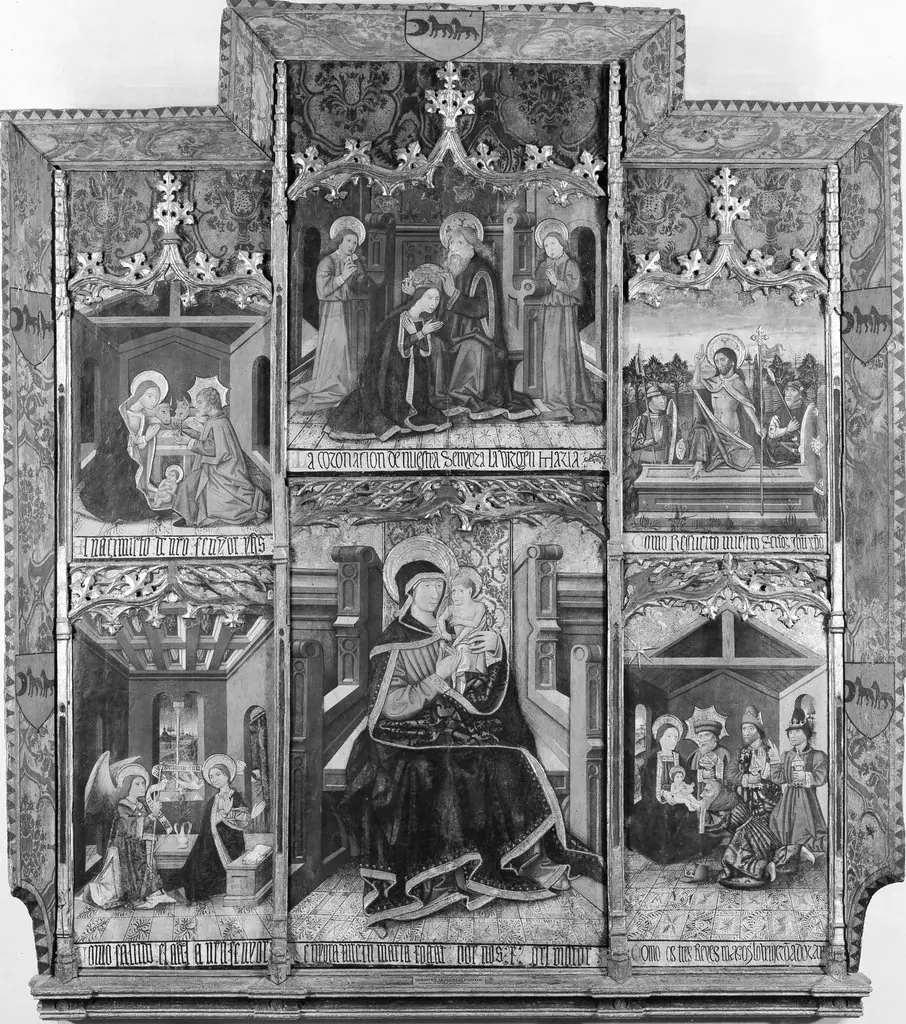 Virgin and Child Enthroned with Scenes from the Life of the Virgin
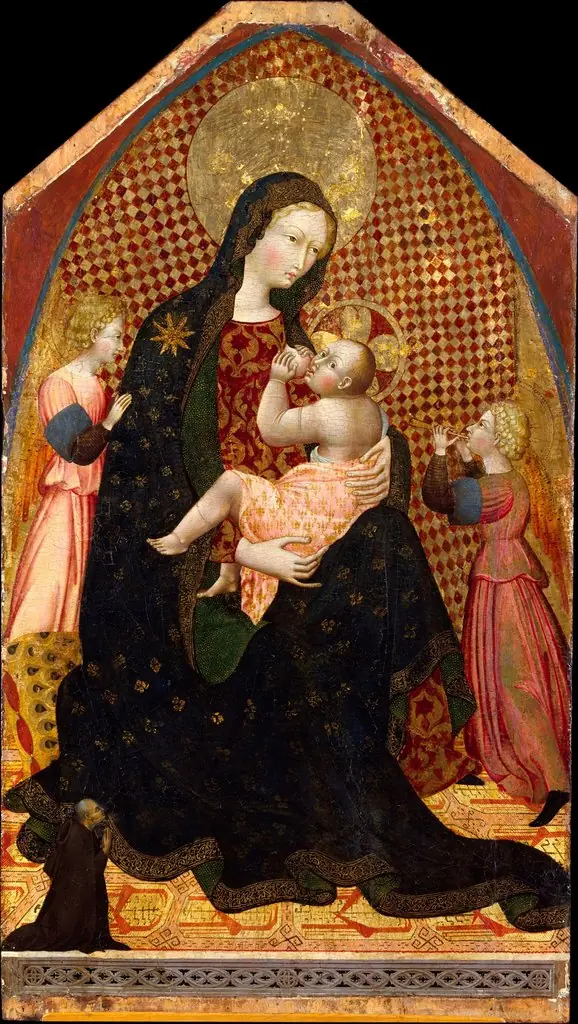 Madonna and Child with Two Angels and a Donor
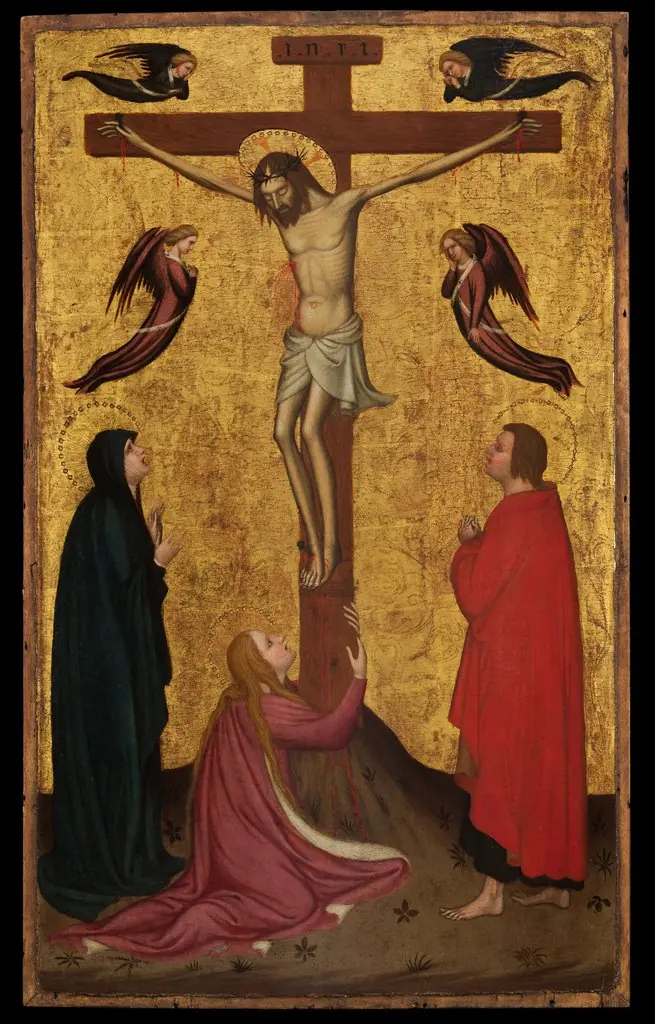 The Crucifixion
 Madonna and Child with the Infant Saint John the Baptist and Angels
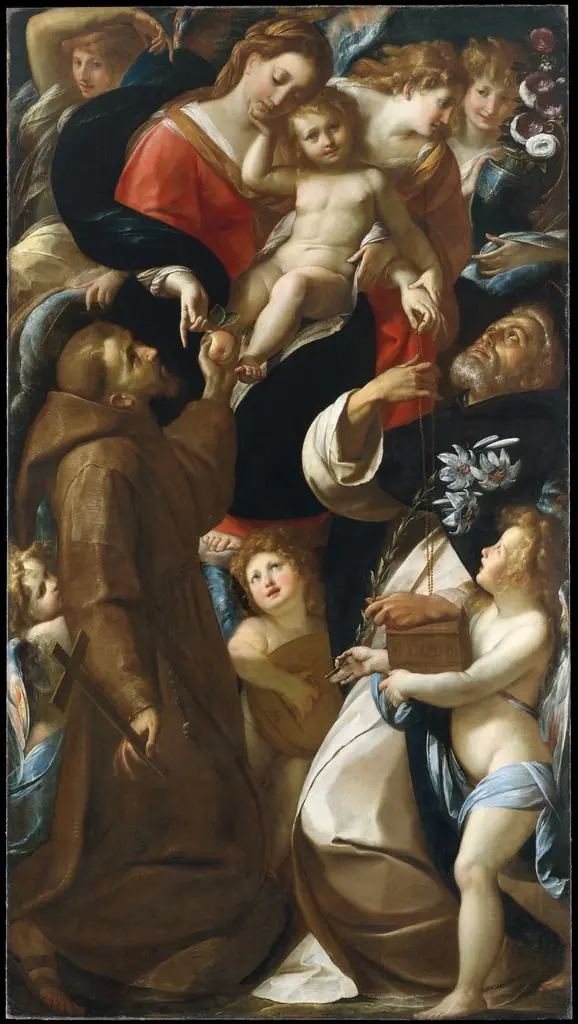 Madonna and Child with Saints Francis and Dominic and Angels
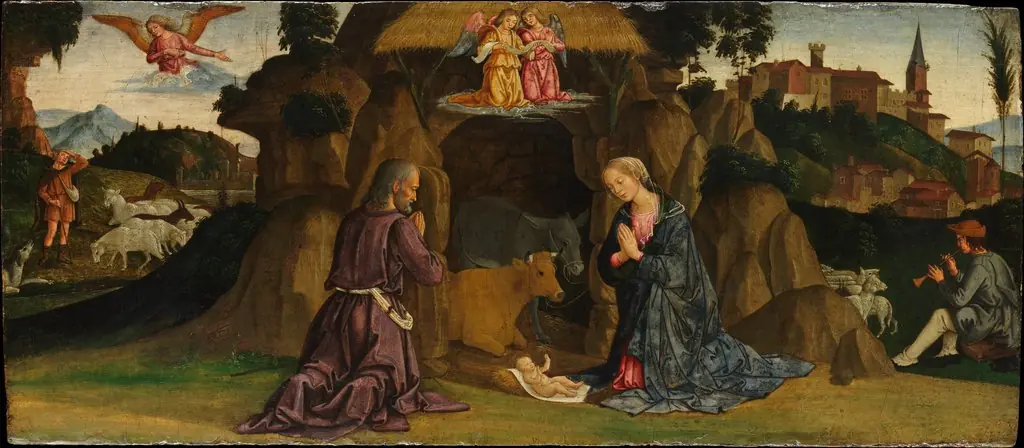 The Nativity
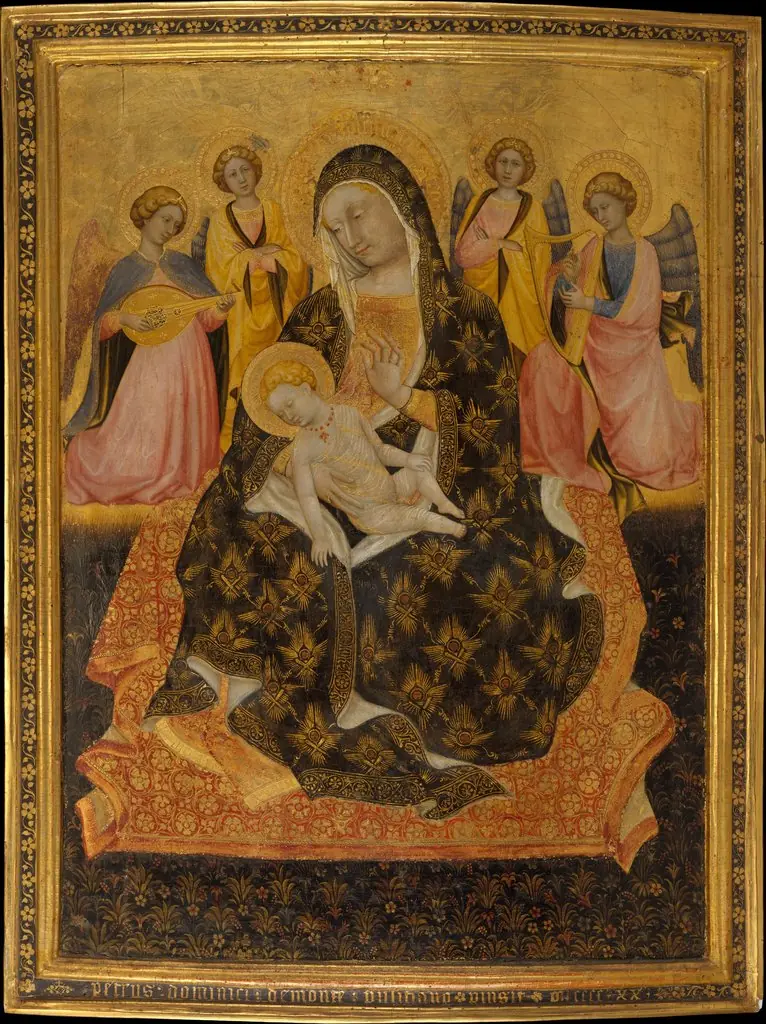 Madonna and Child with Angels
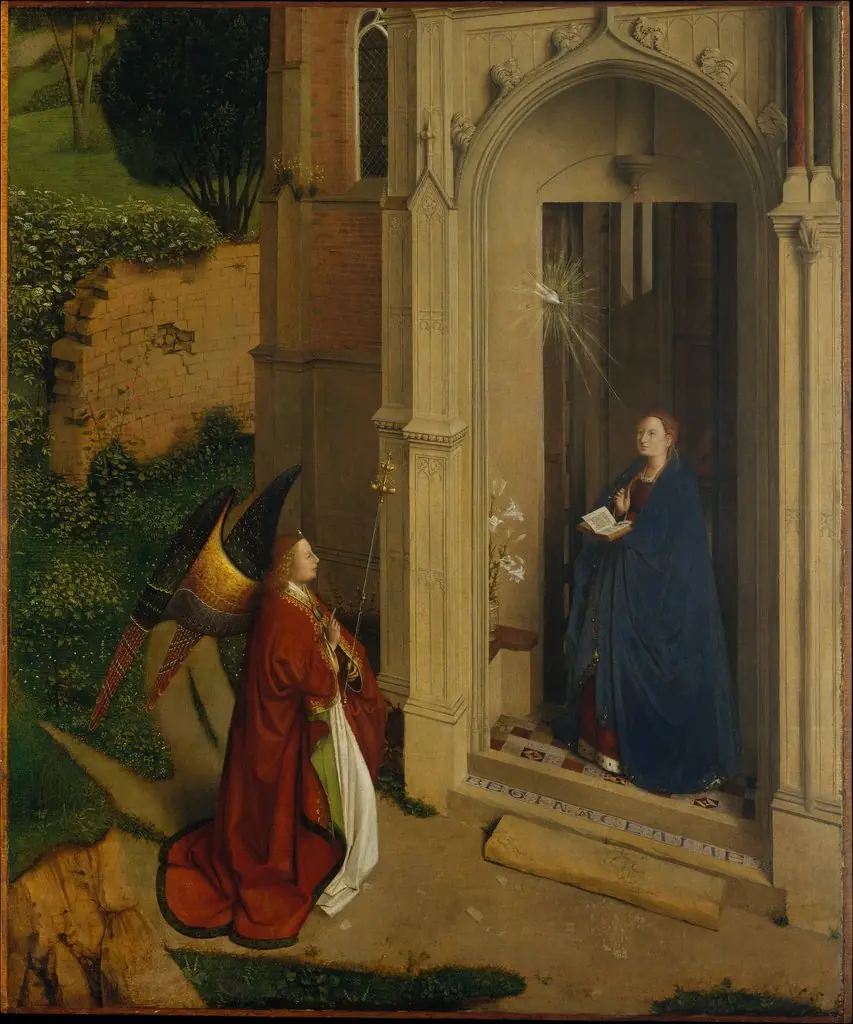 The Annunciation
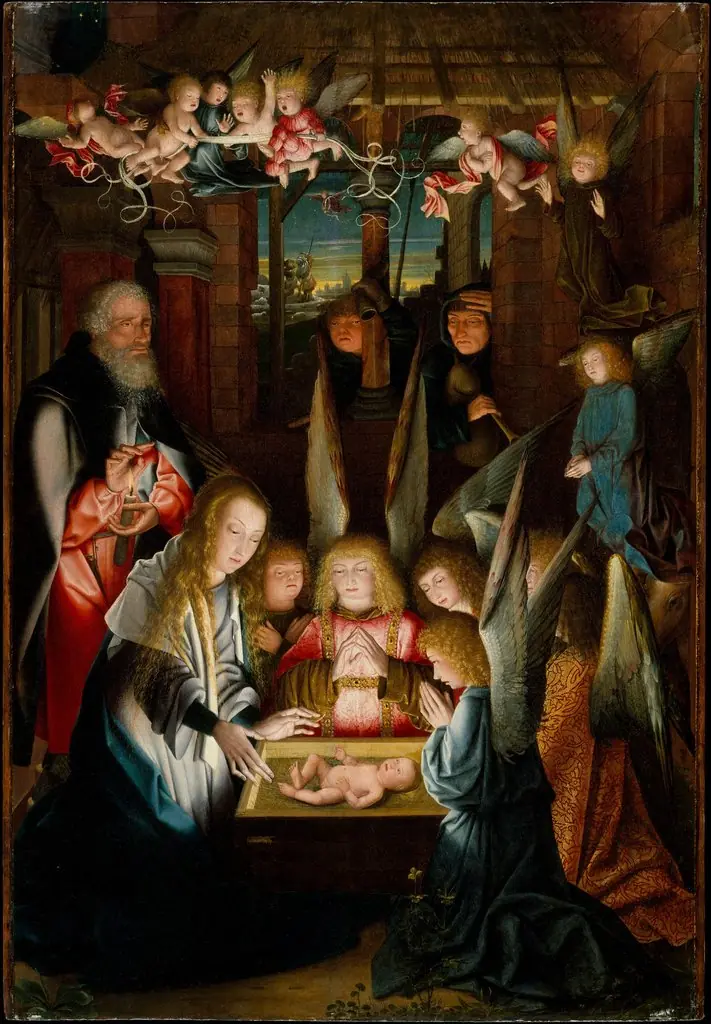 The Adoration of the Christ Child
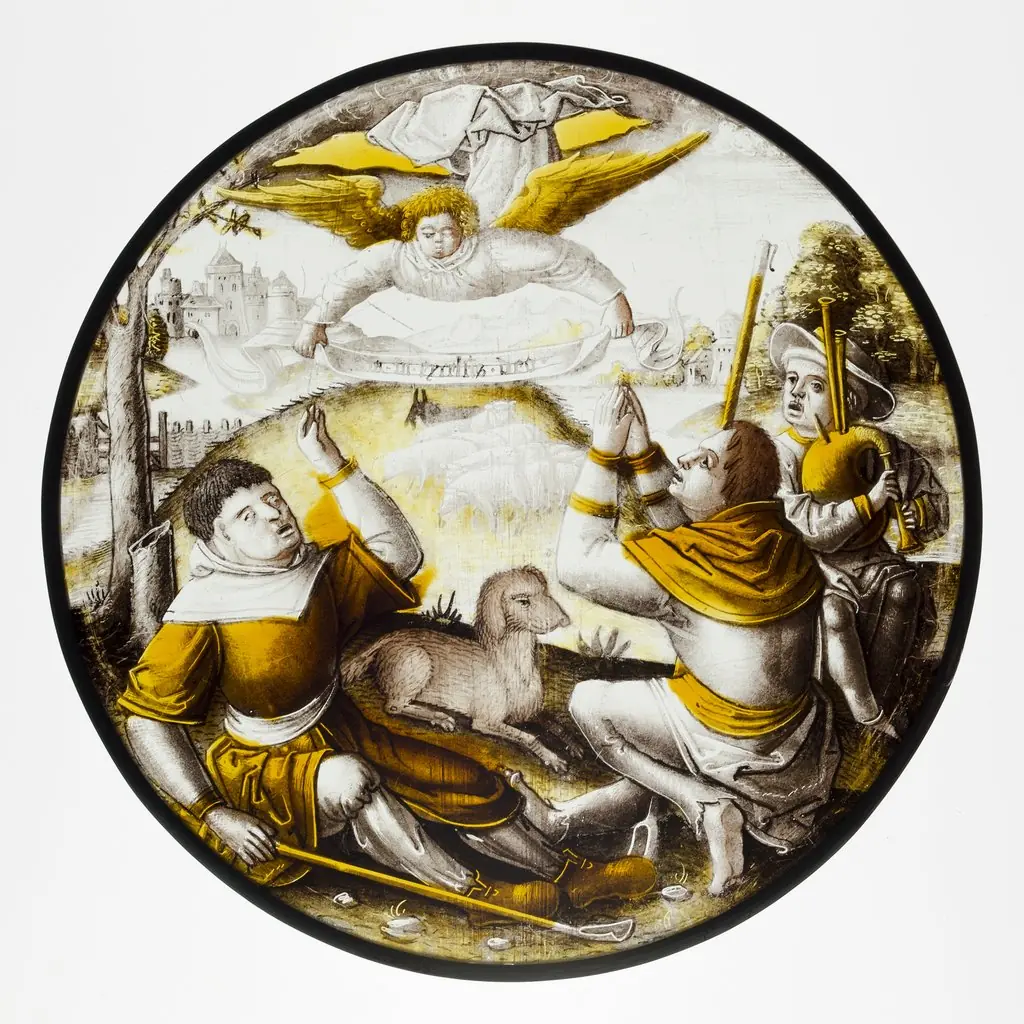 Roundel with Annunciation to the Shepherds
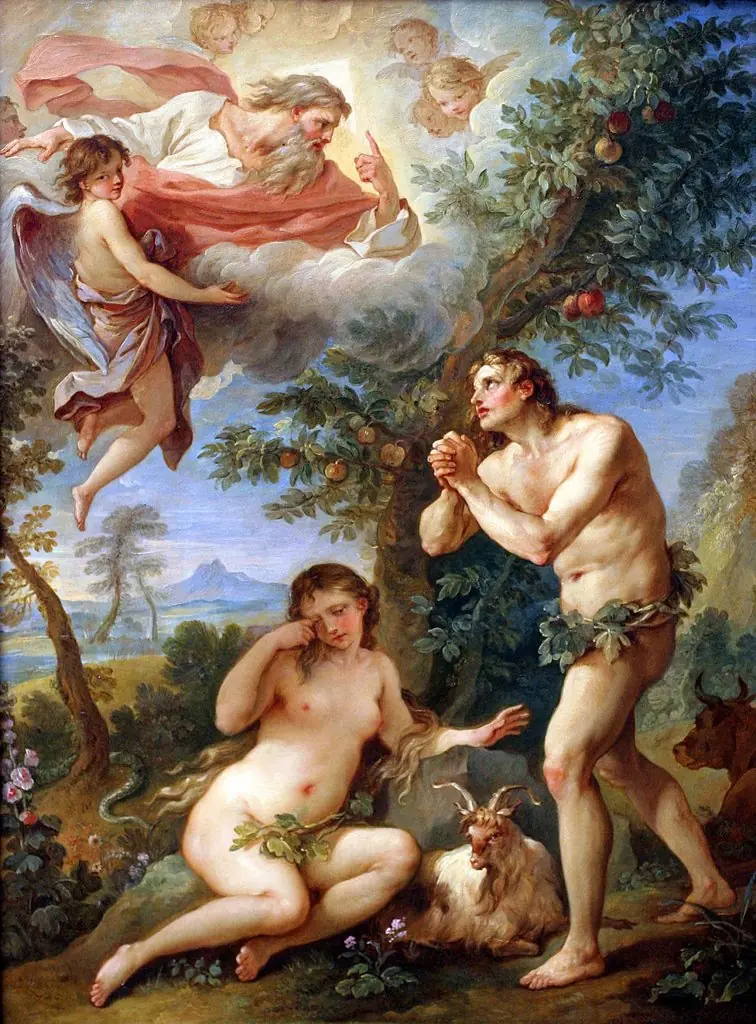 The Rebuke of Adam and Eve
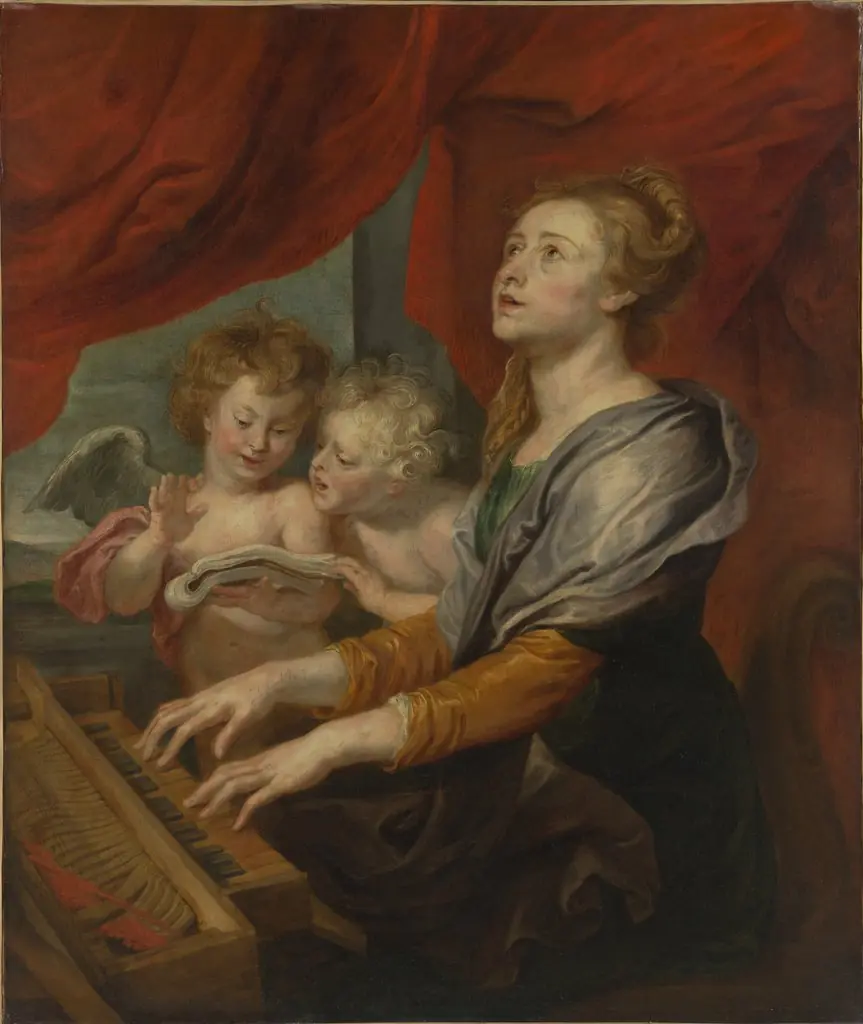 Saint Cecilia
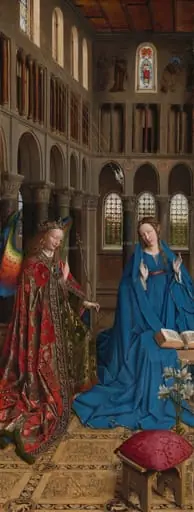 The Annunciation
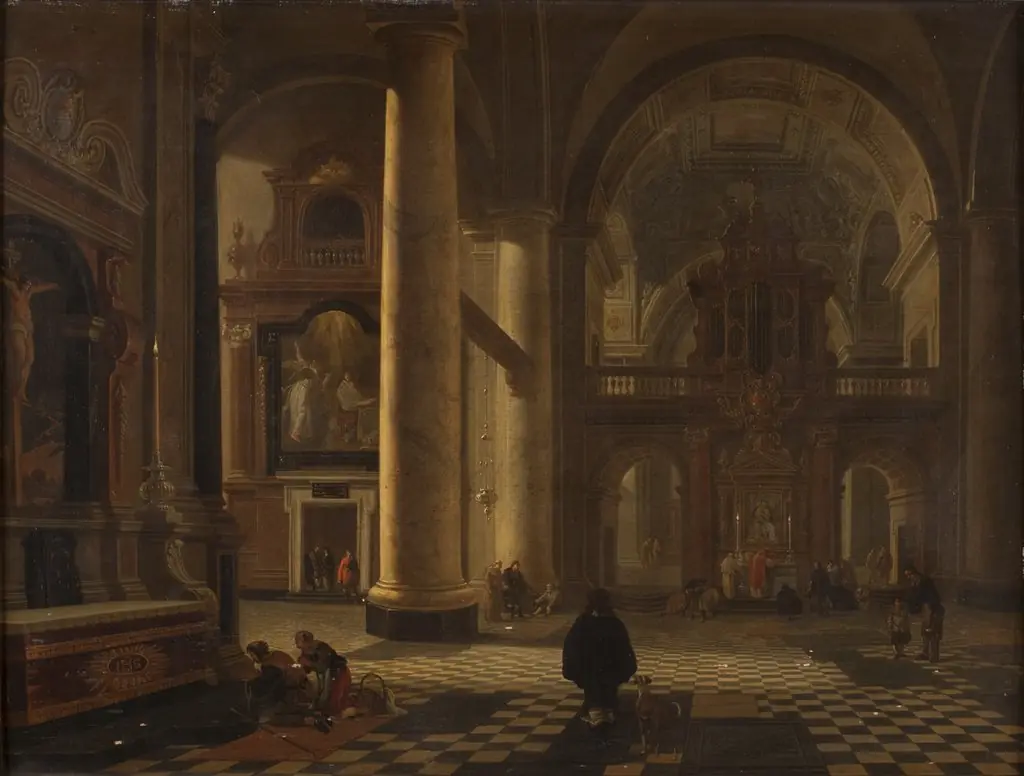 Interior of a Catholic Church
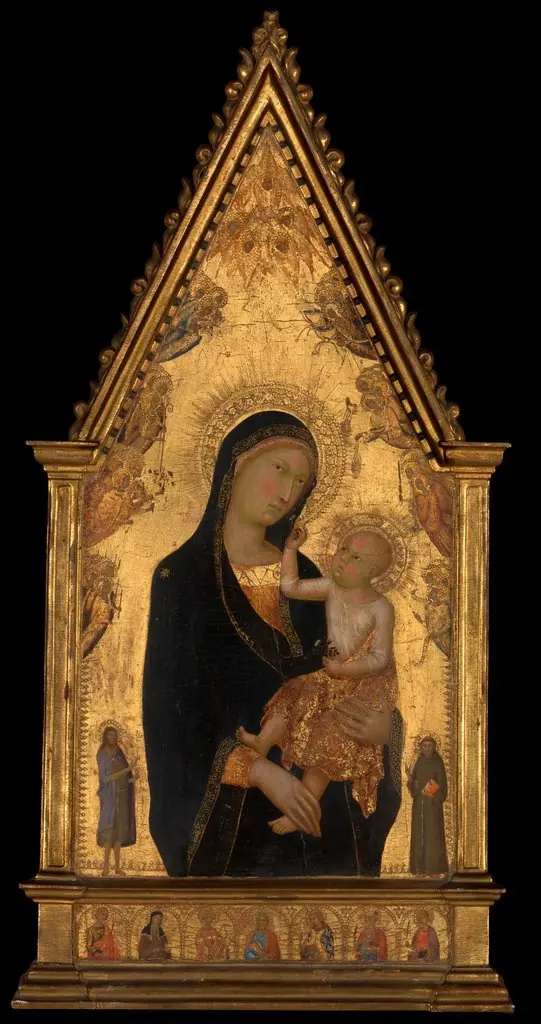 Madonna and Child with Saints and Angels
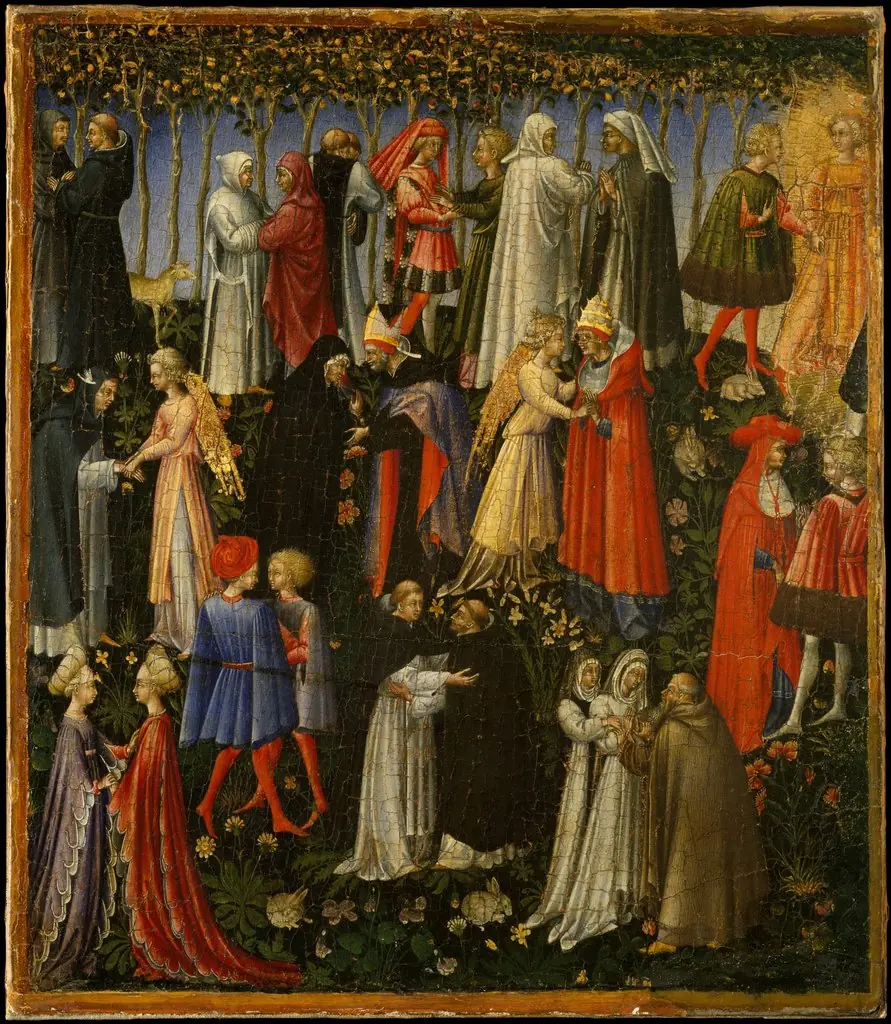 Paradise
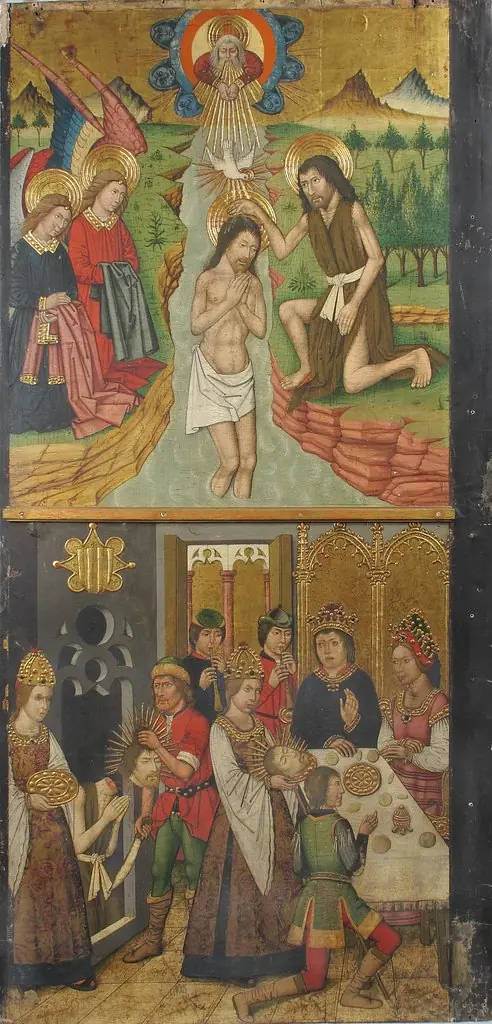 Panel from Saint John Retable
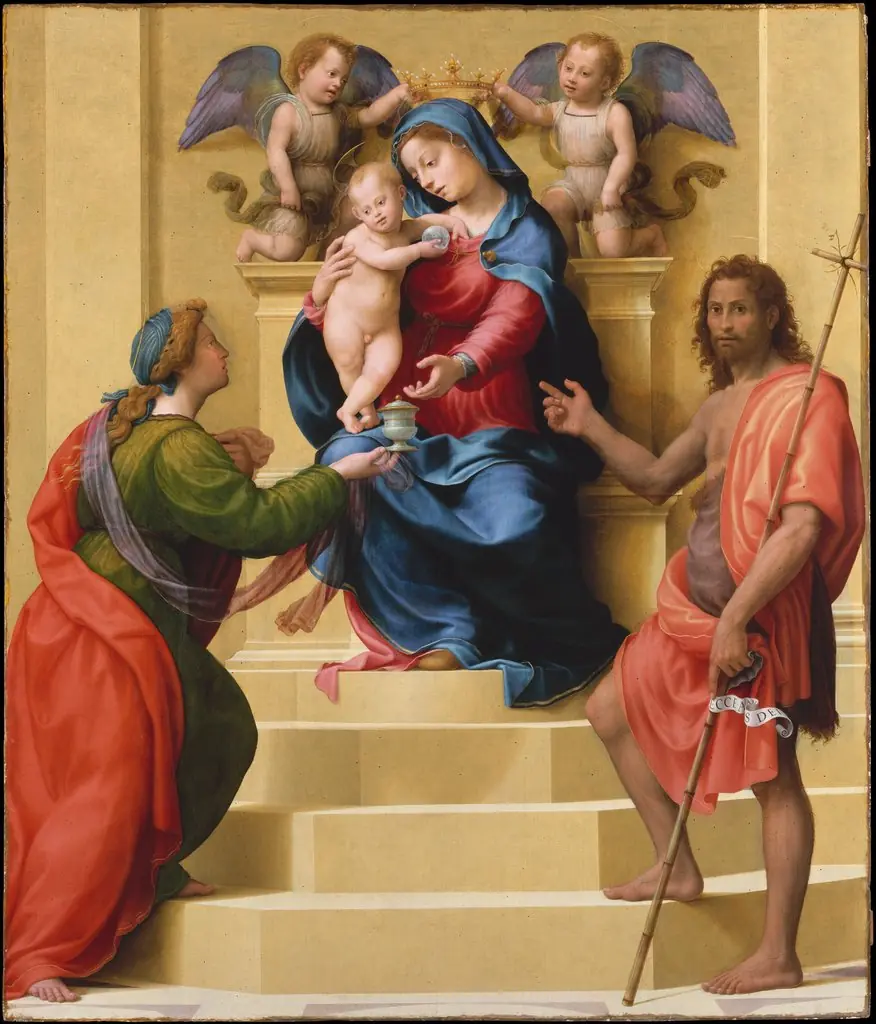 Madonna and Child Enthroned with Saints Mary Magdalen and John the Baptist
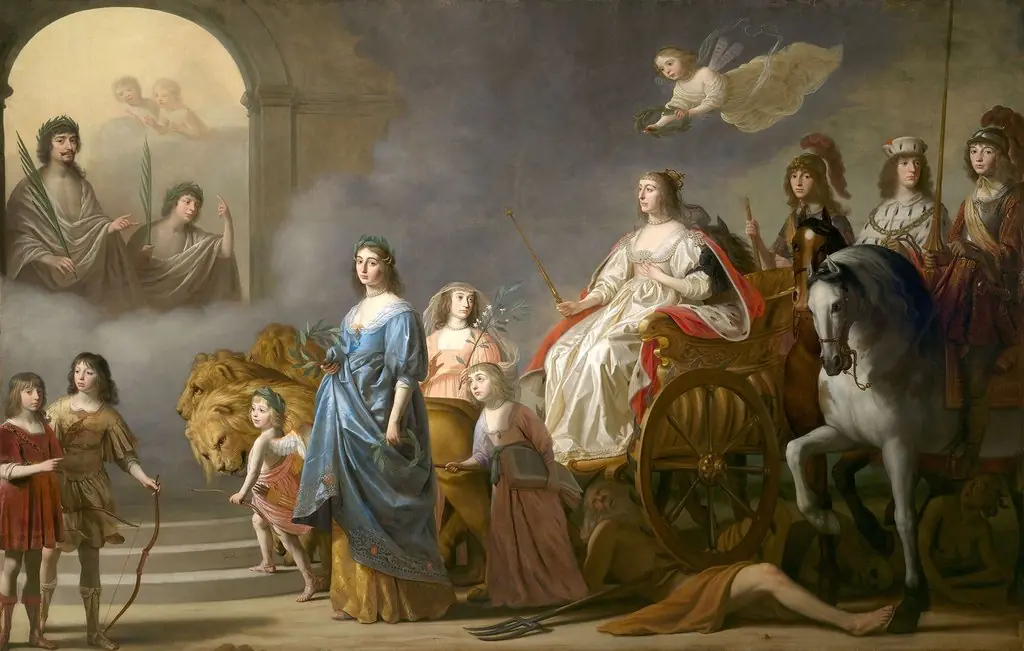 The Triumph of the Winter Queen: Allegory of the Just
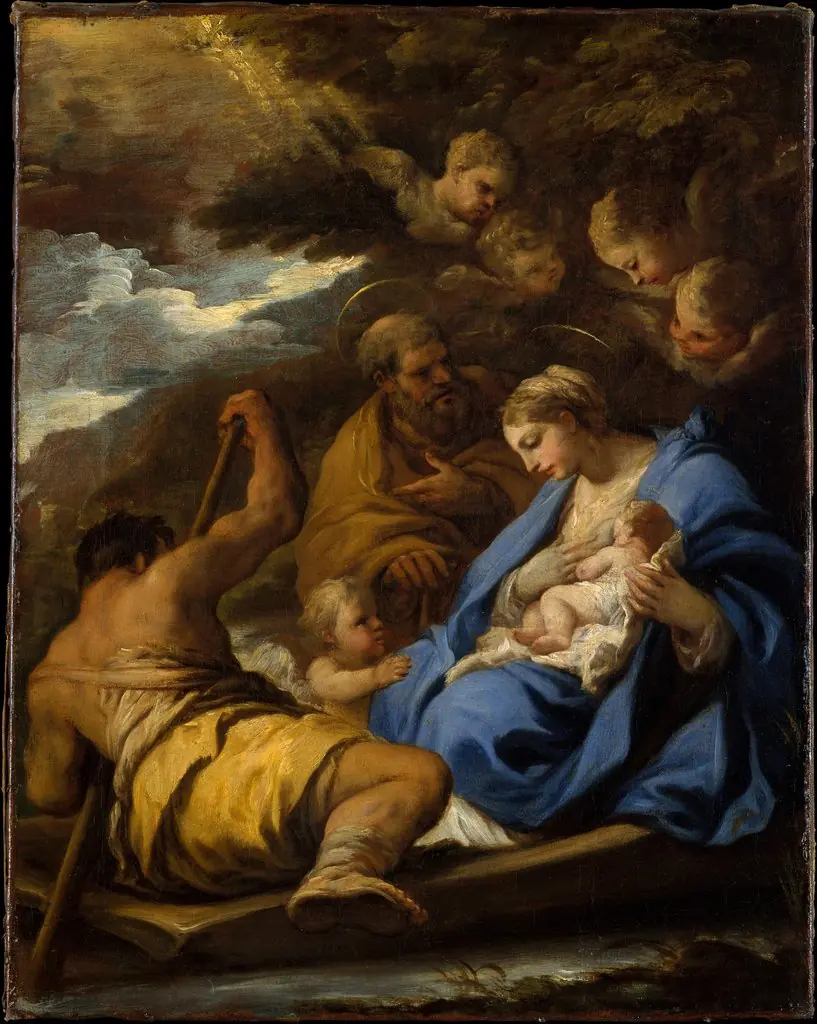 The Flight into Egypt
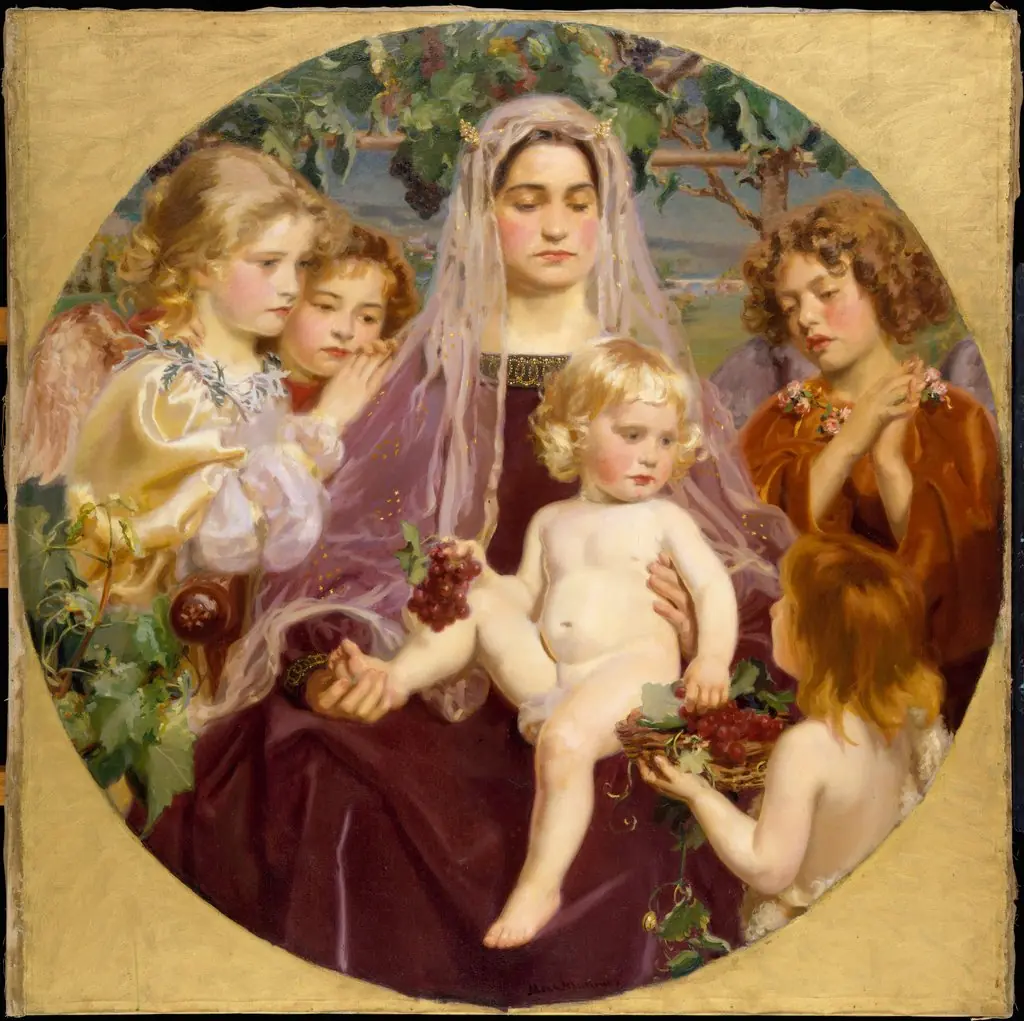 Madonna of Giverny
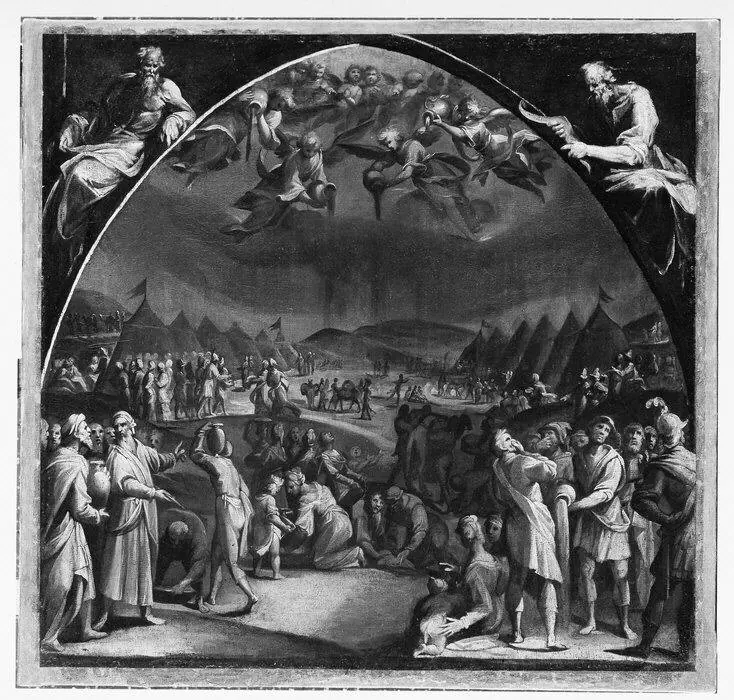 The Gathering of Manna
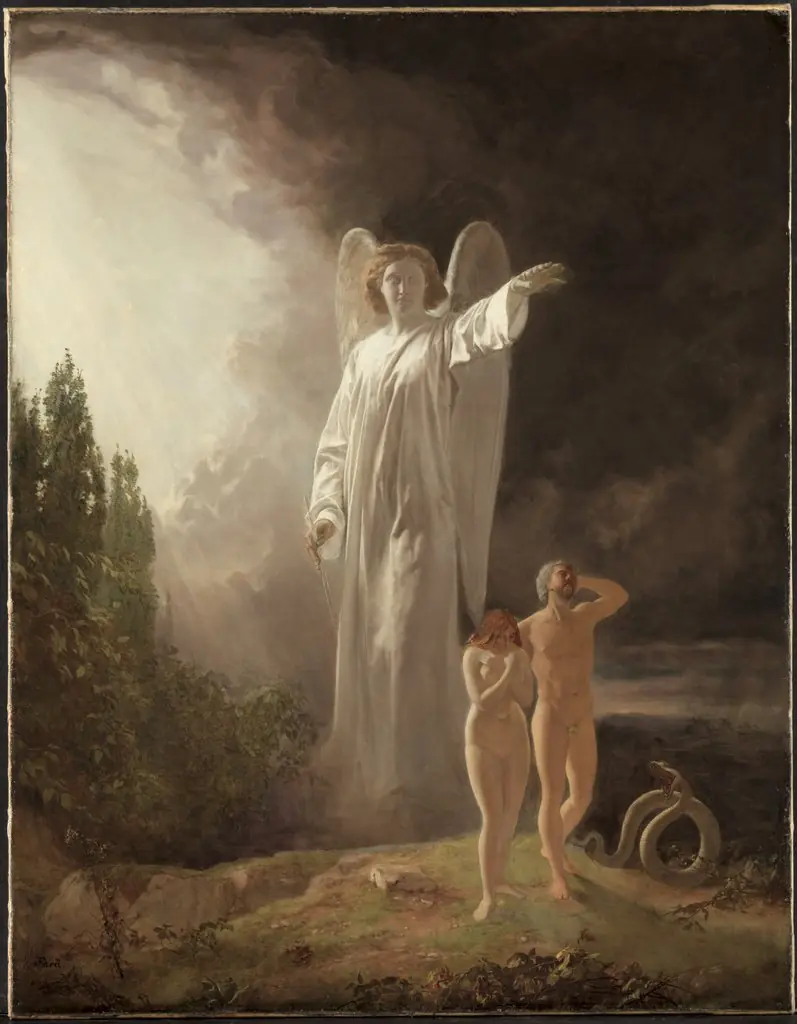 Expulsion of Adam and Eve
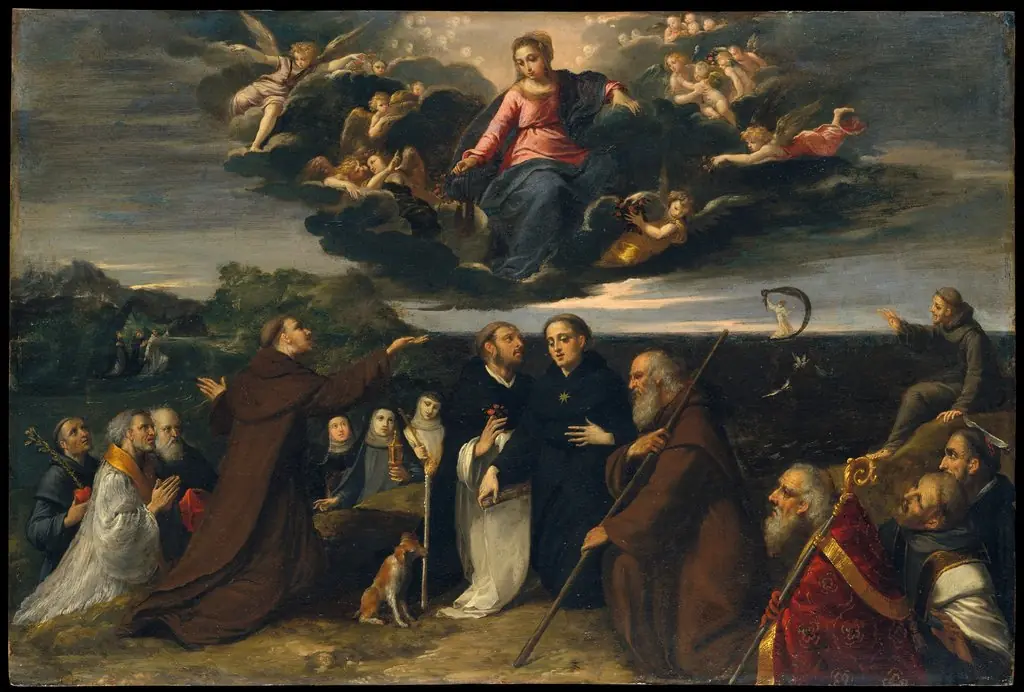 The Virgin Adored by Saints
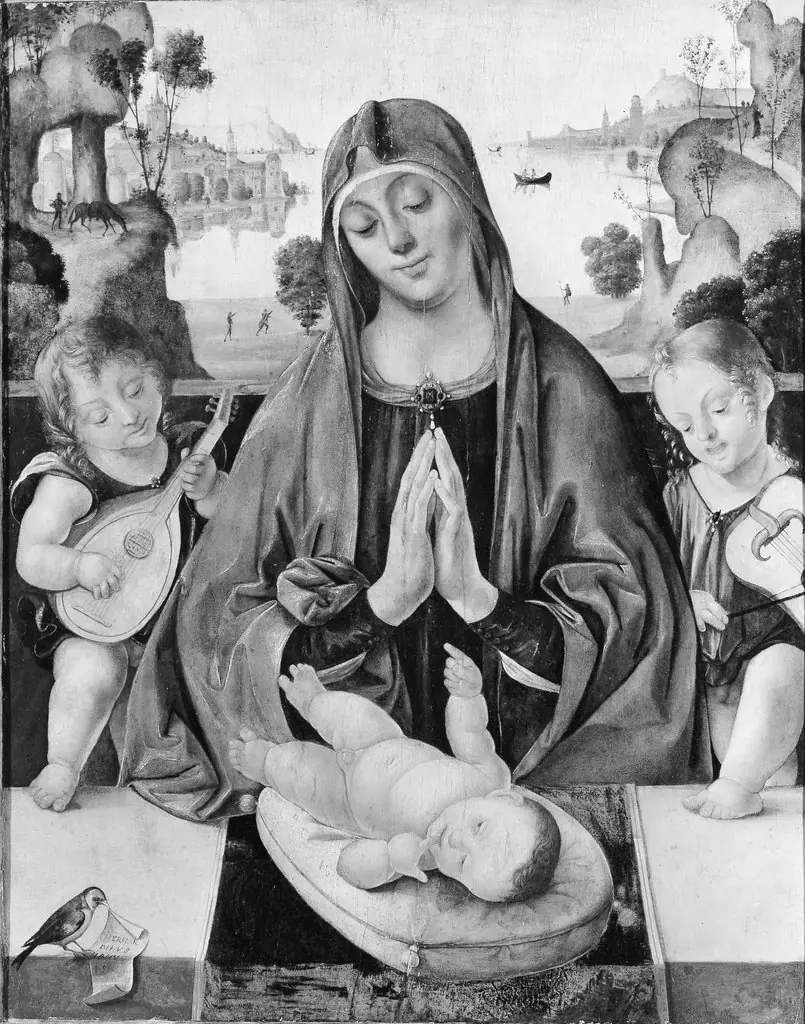 Madonna and Child with Angels
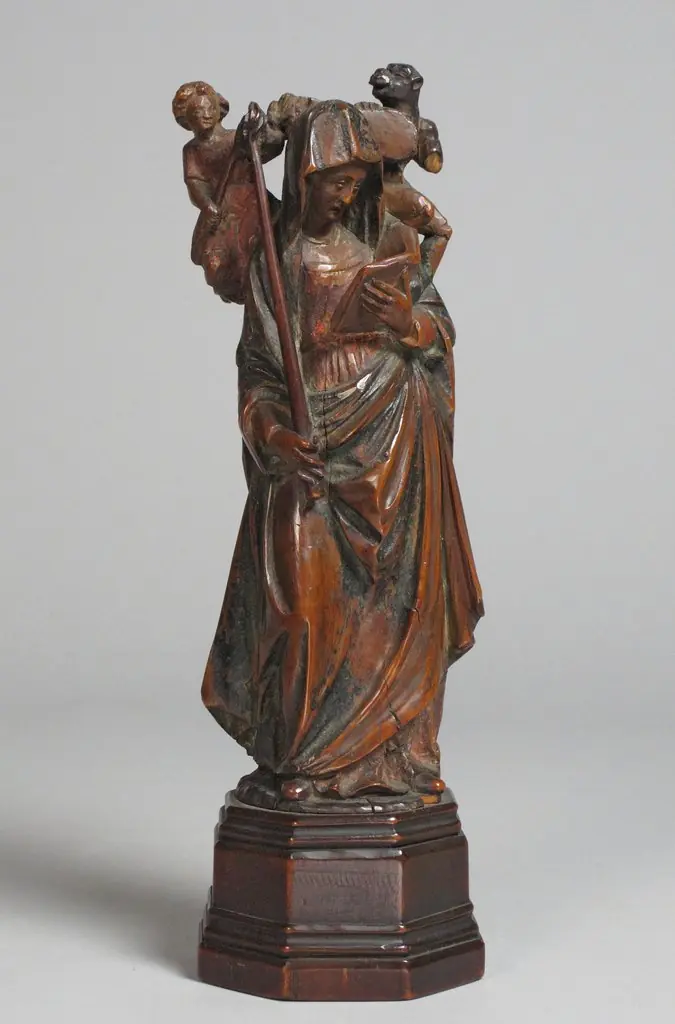 Saint Geneviève
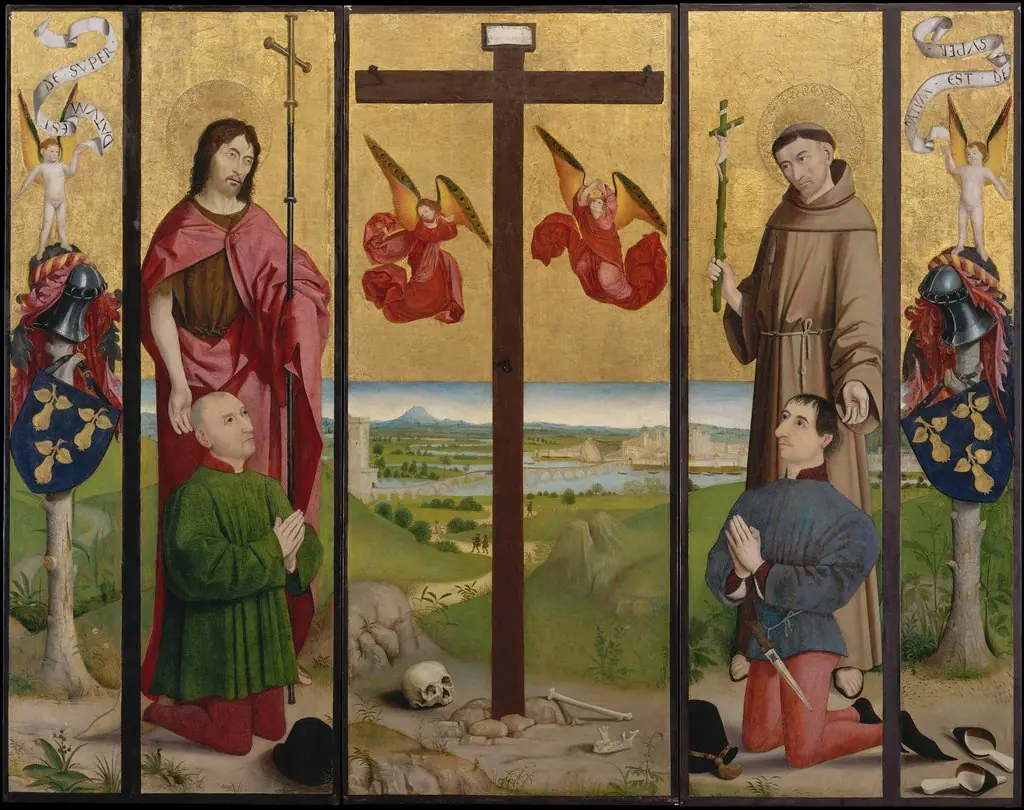 The Pérussis Altarpiece
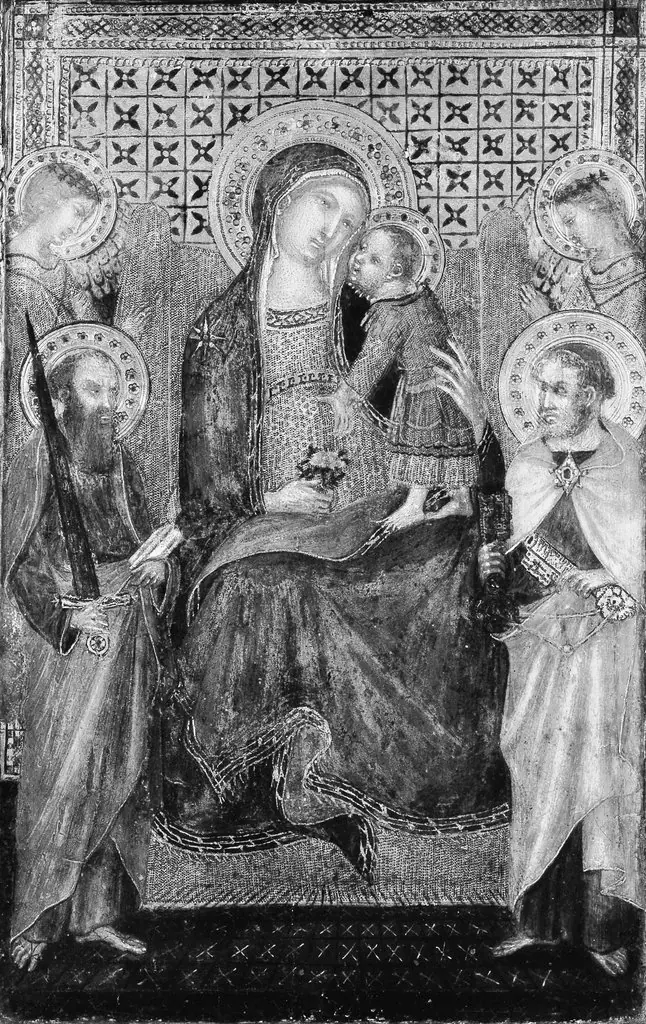 Madonna and Child Enthroned with Saints Peter and Paul and Angels
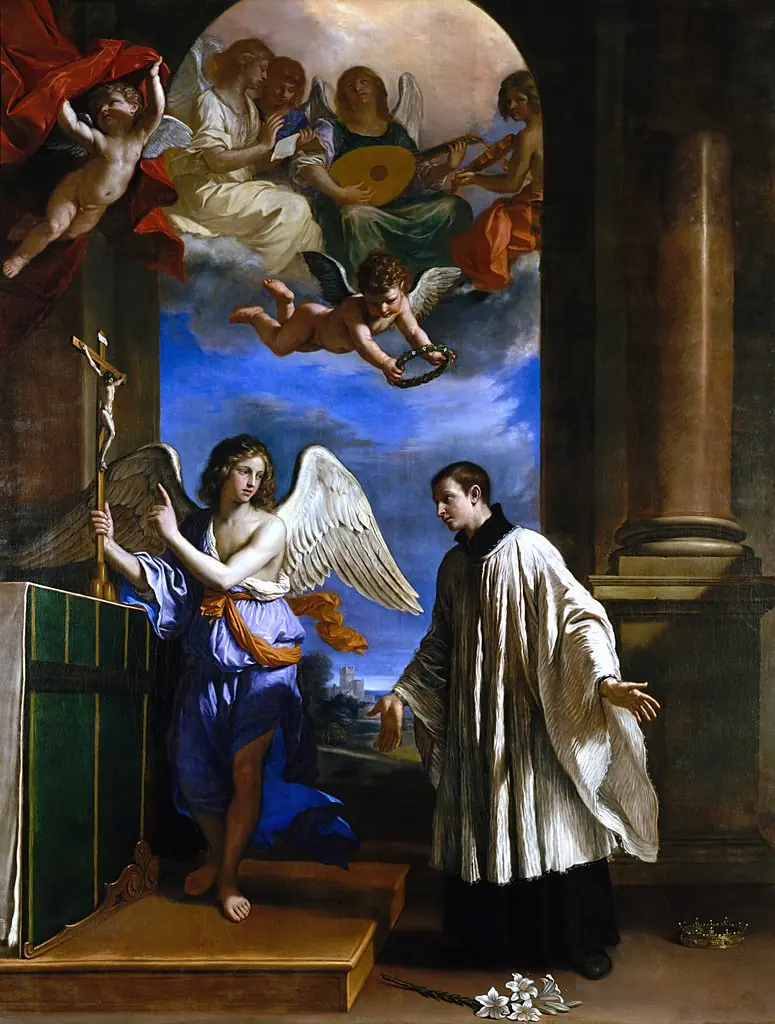 The Vocation of Saint Aloysius (Luigi) Gonzaga
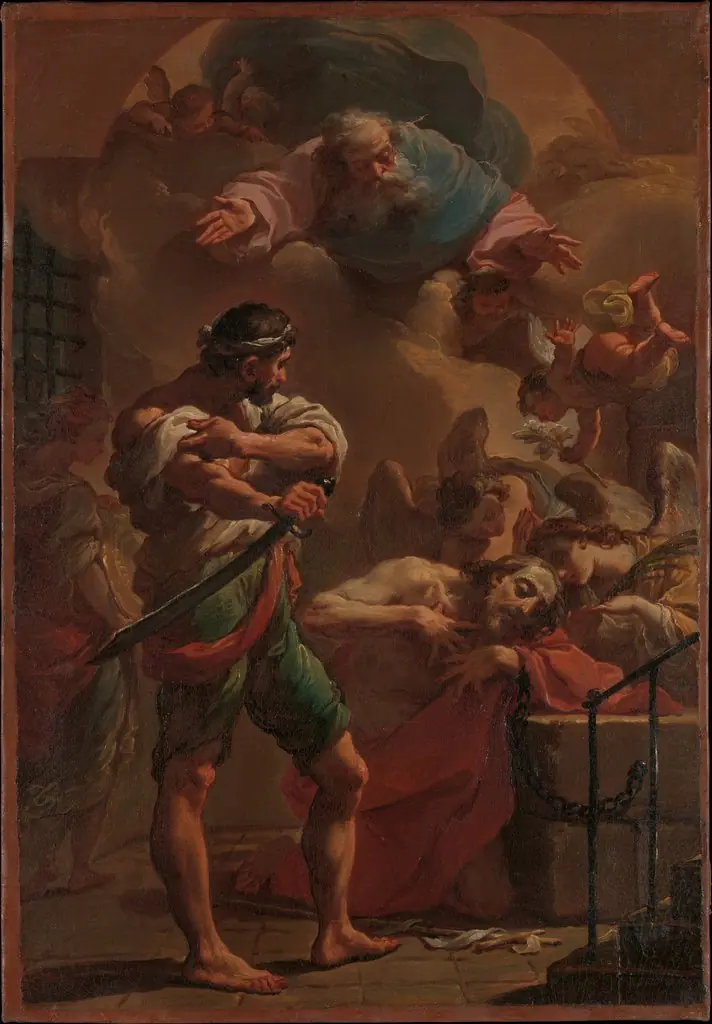 The Execution of Saint John the Baptist
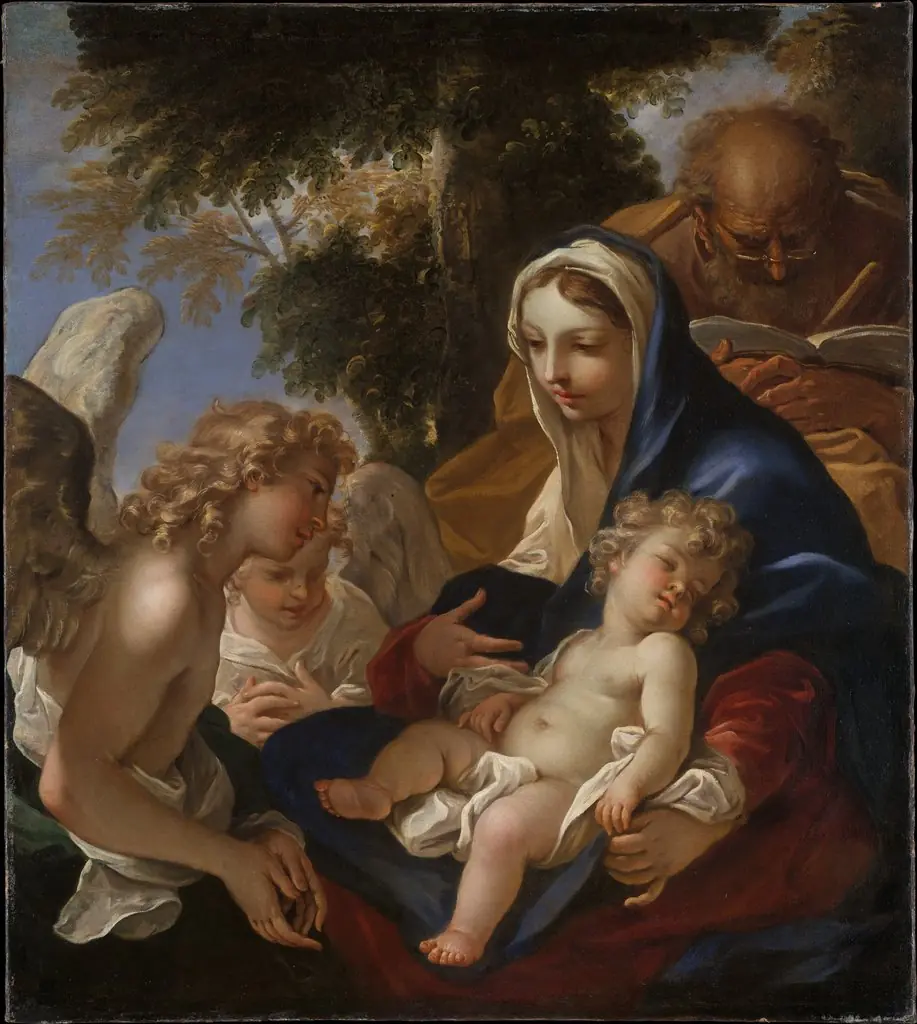 The Holy Family with Angels
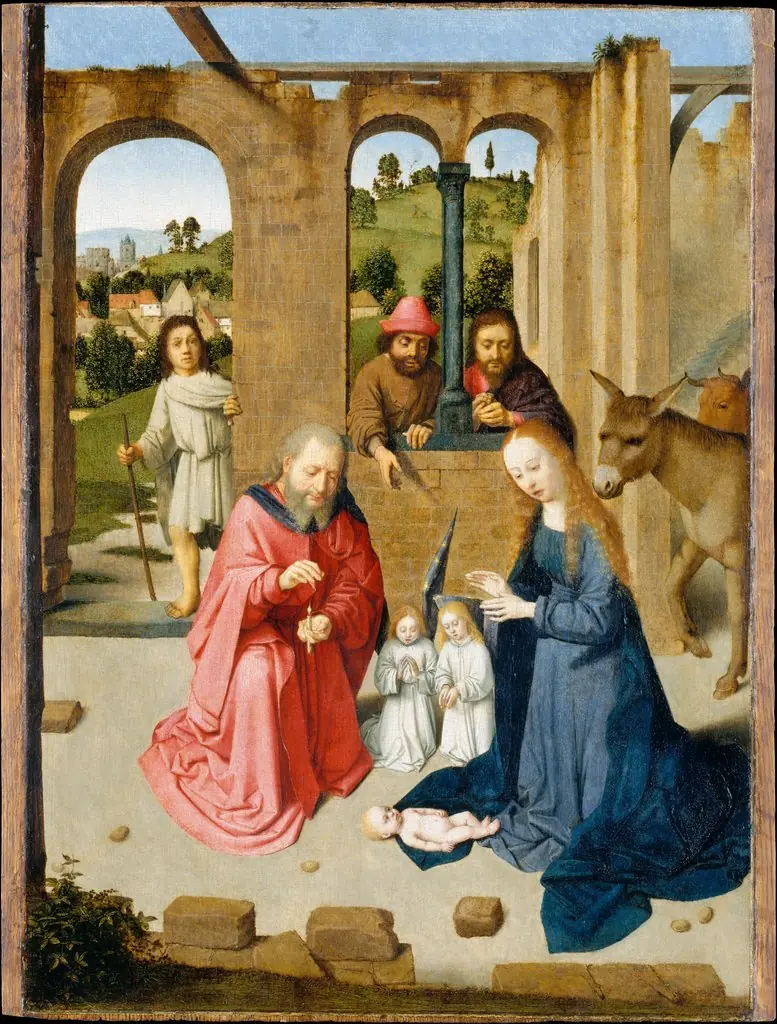 The Nativity
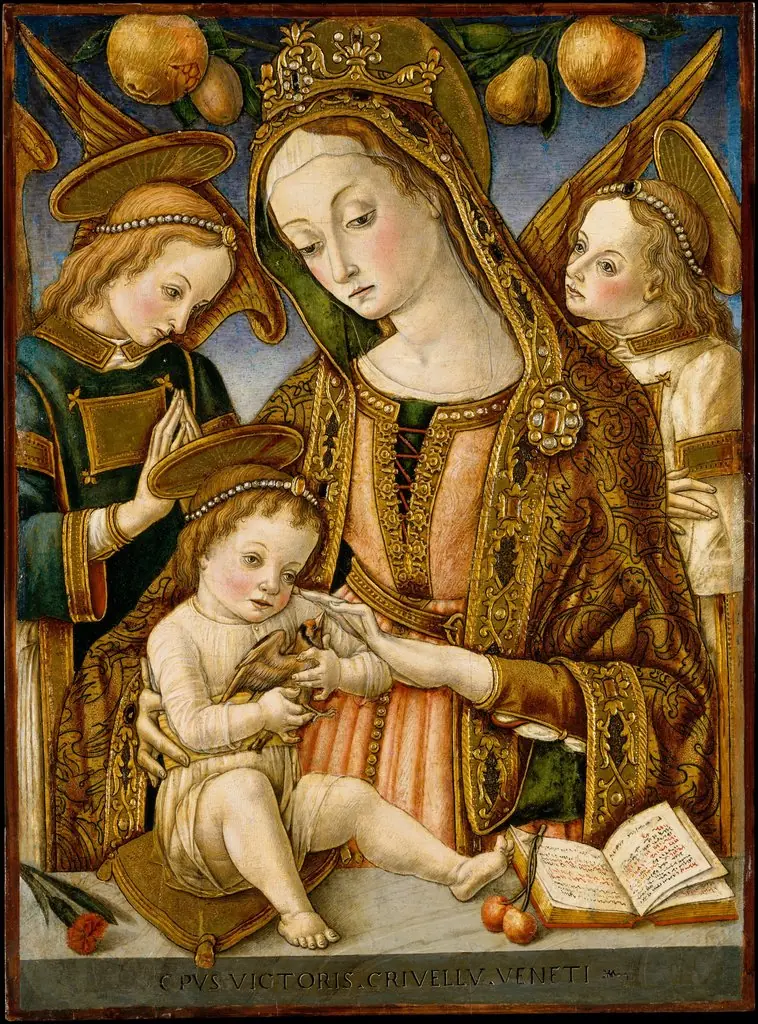 Madonna and Child with Two Angels
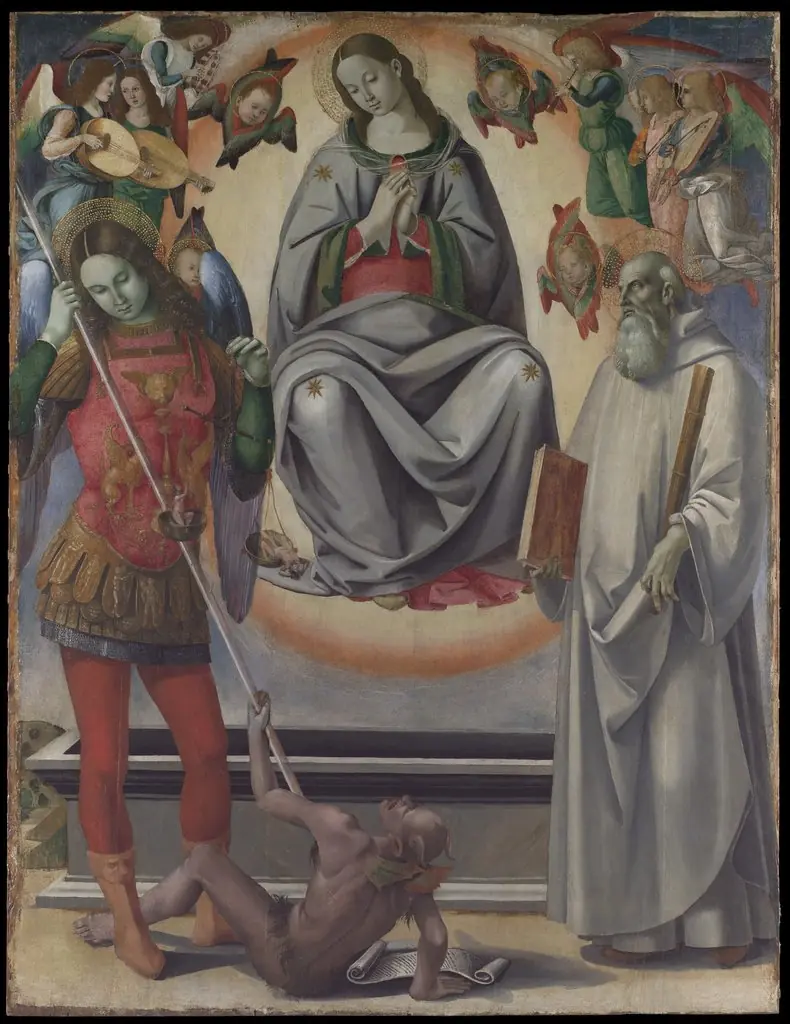 The Assumption of the Virgin with Saints Michael and Benedict
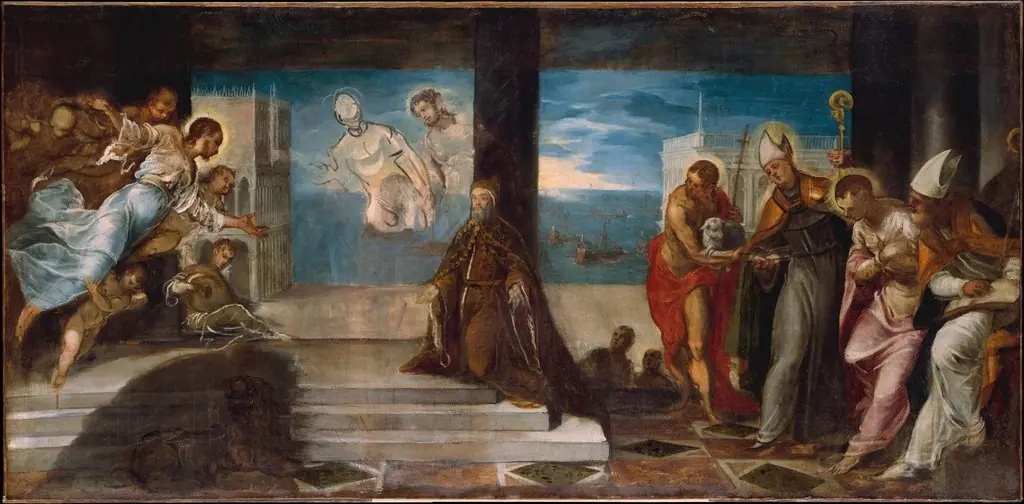 Doge Alvise Mocenigo (1507–1577) Presented to the Redeemer
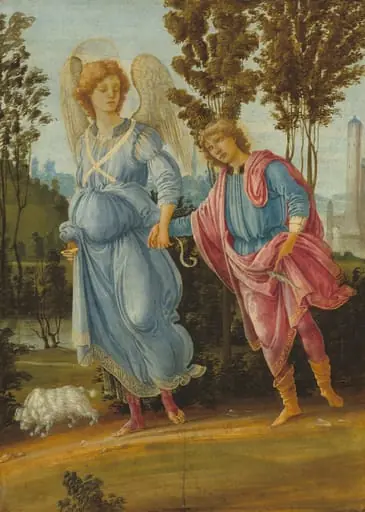 Tobias and the Angel
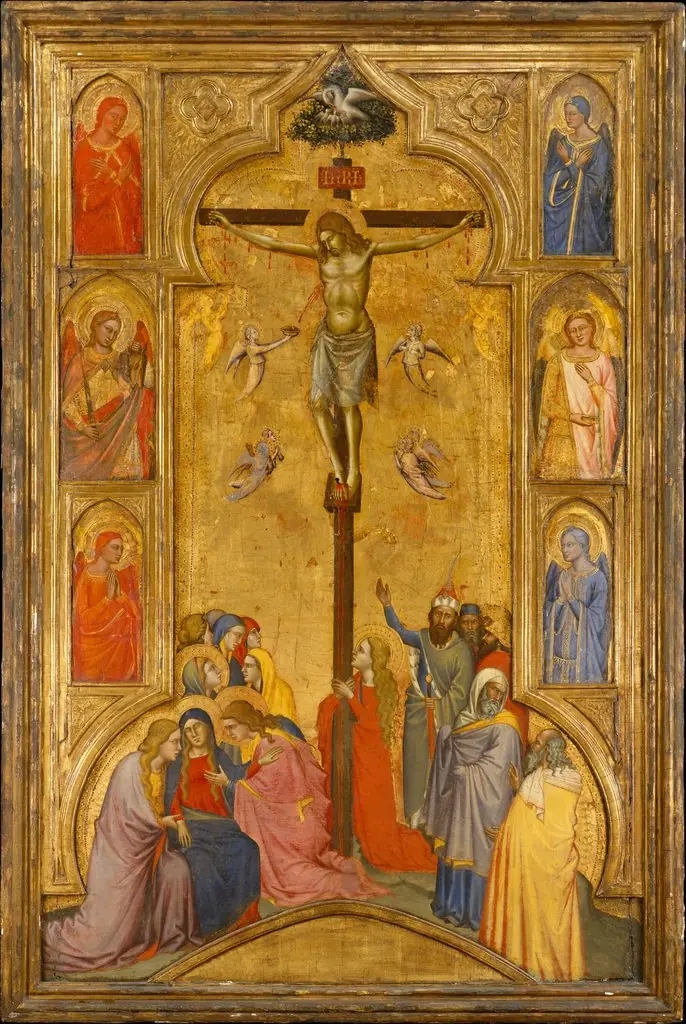 The Crucifixion
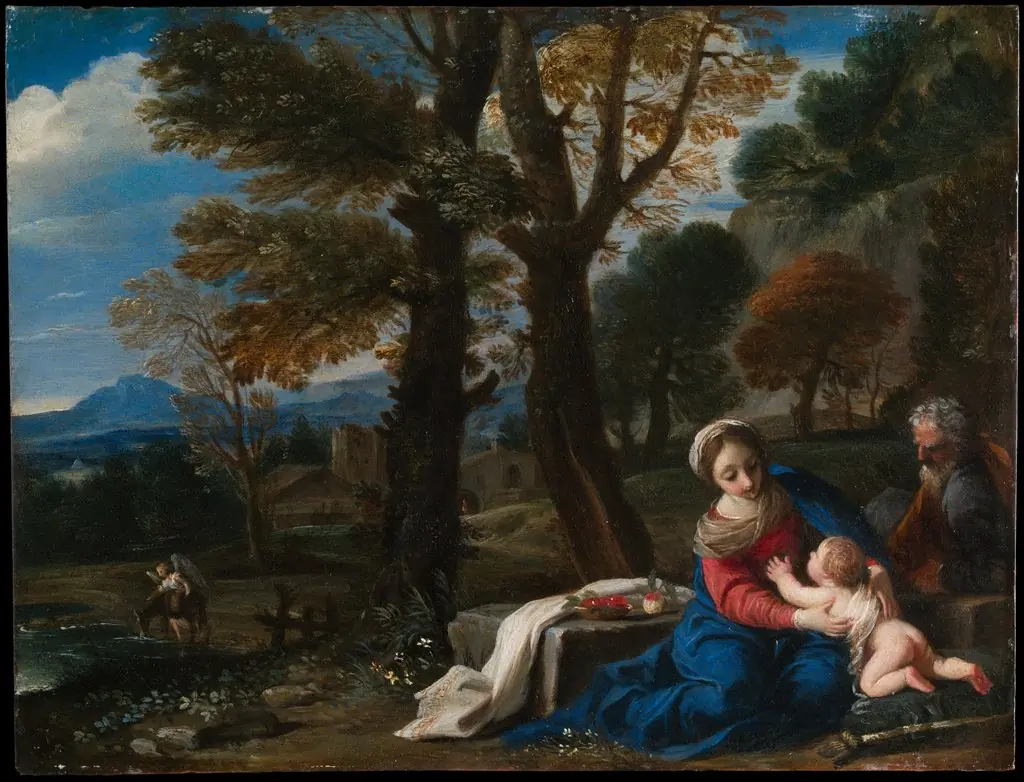 Rest on the Flight into Egypt
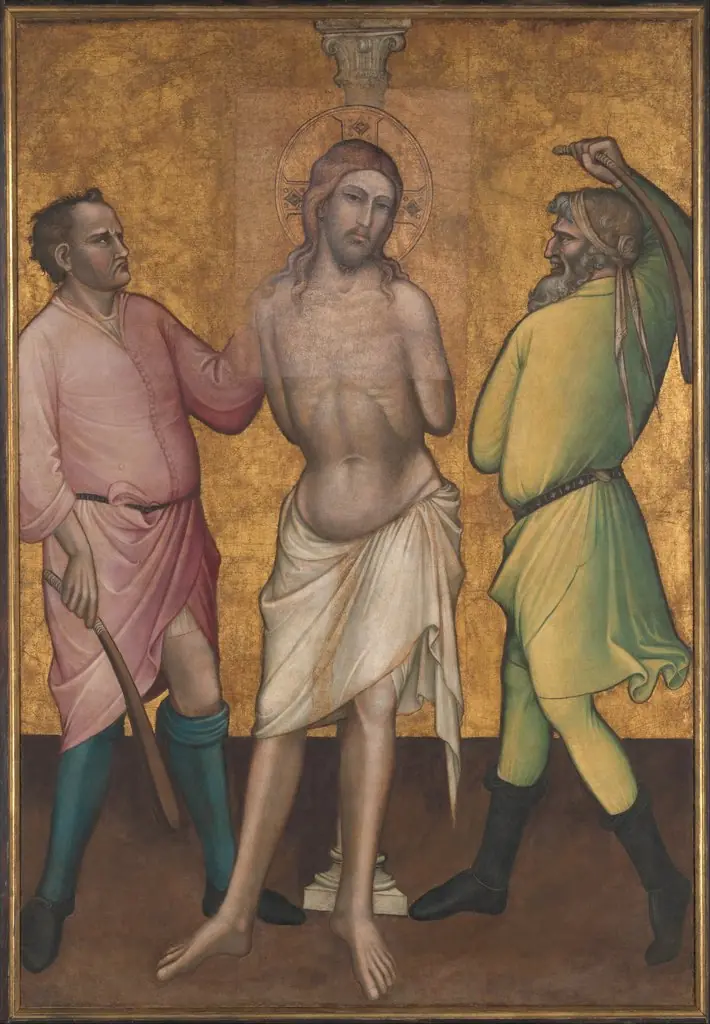 Saint Mary Magdalen Holding a Crucifix; (reverse) The Flagellation
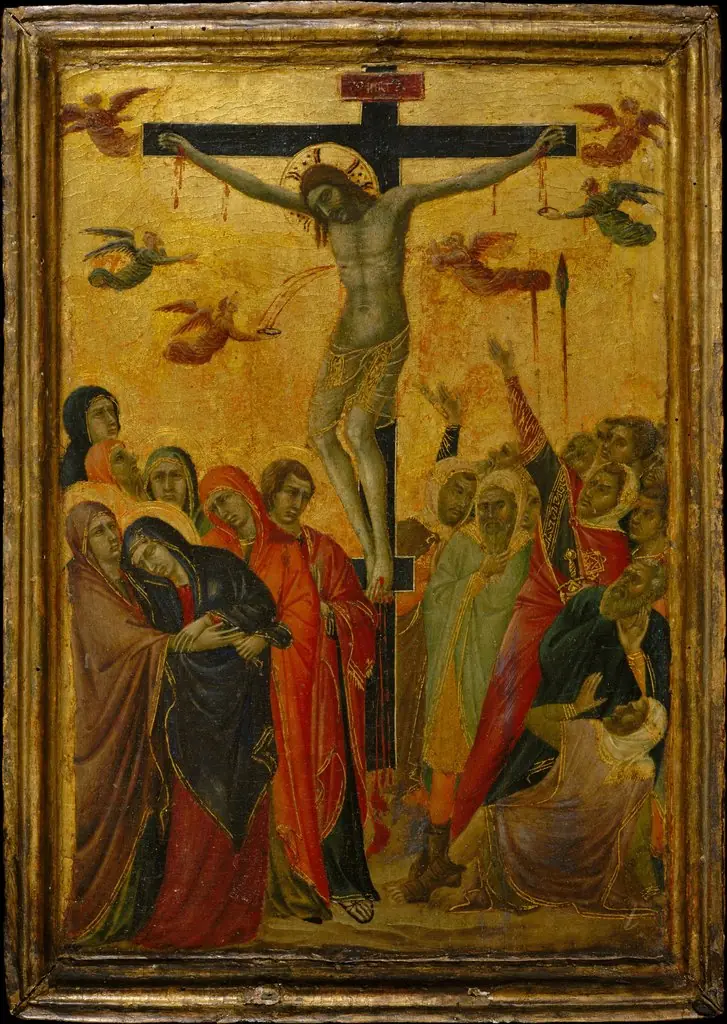 The Crucifixion
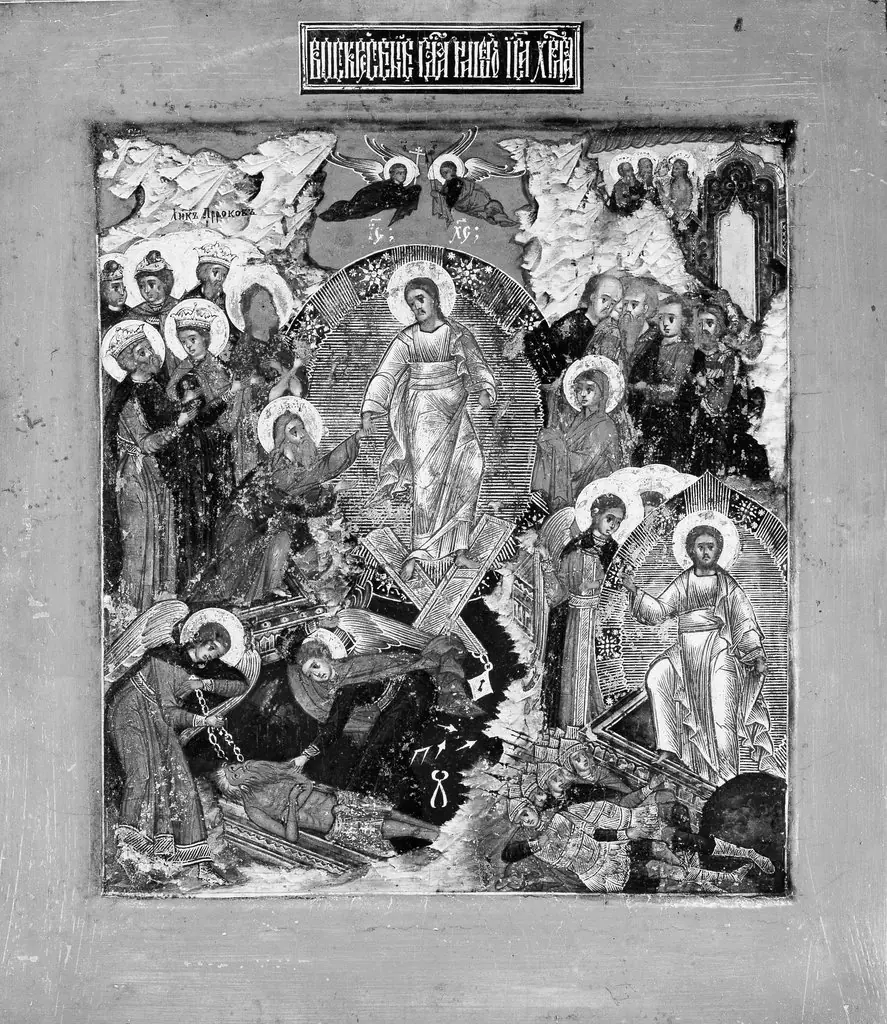 The Resurrection of Christ and the Harrowing of Hell
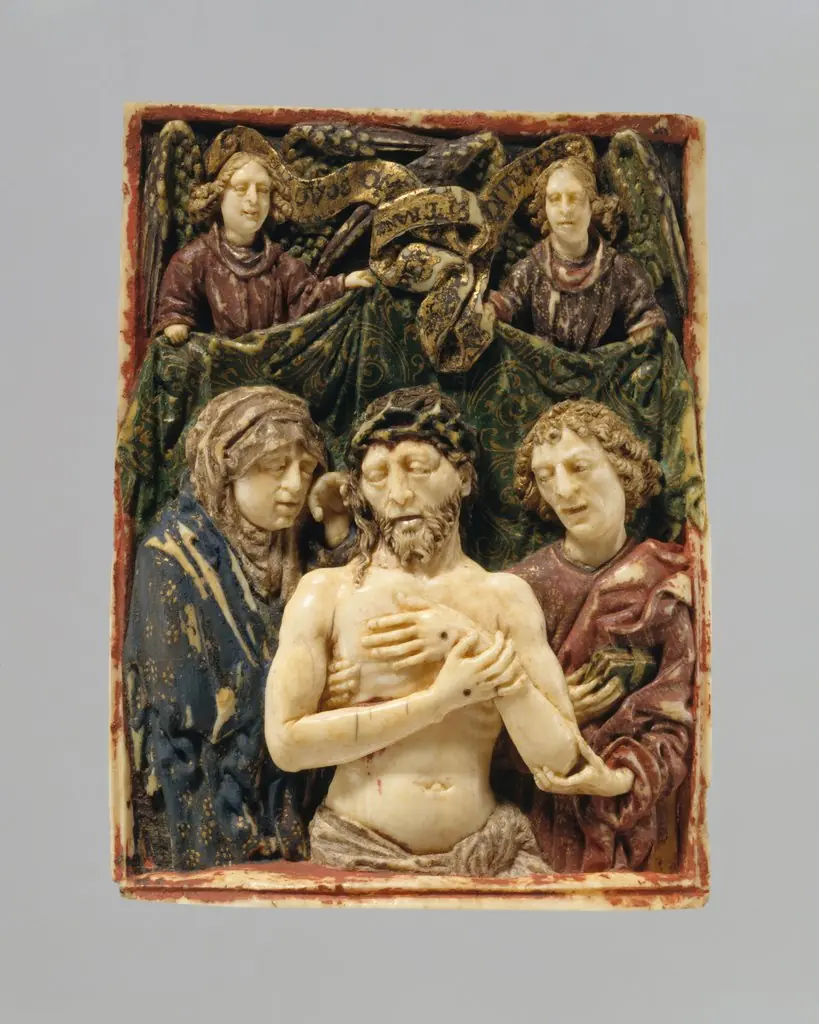 Man of Sorrows
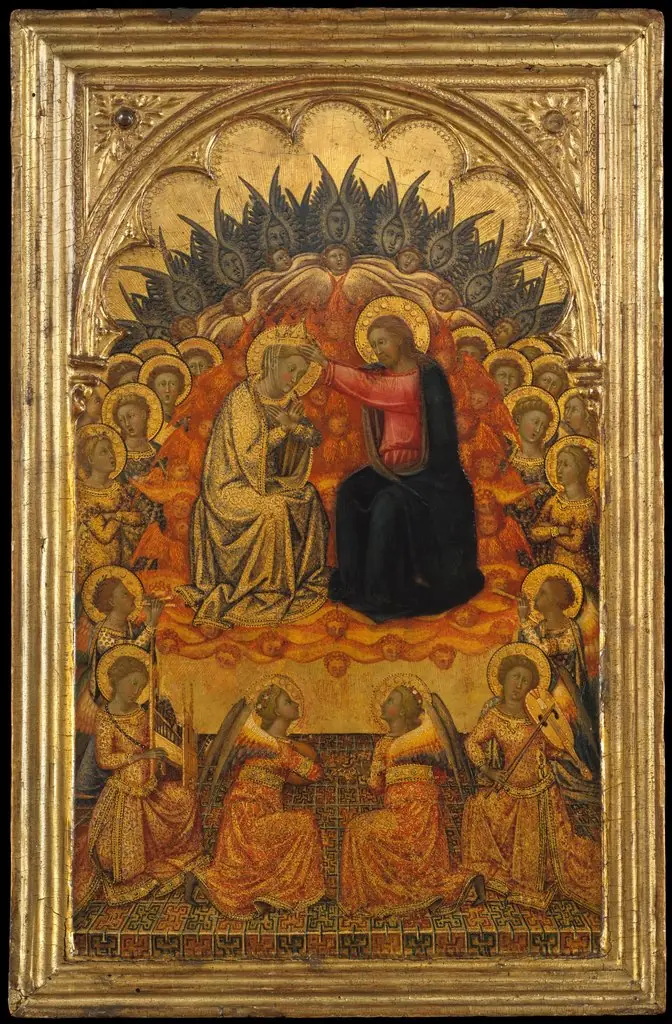 Engaged cassetta frame on a polyptych panel
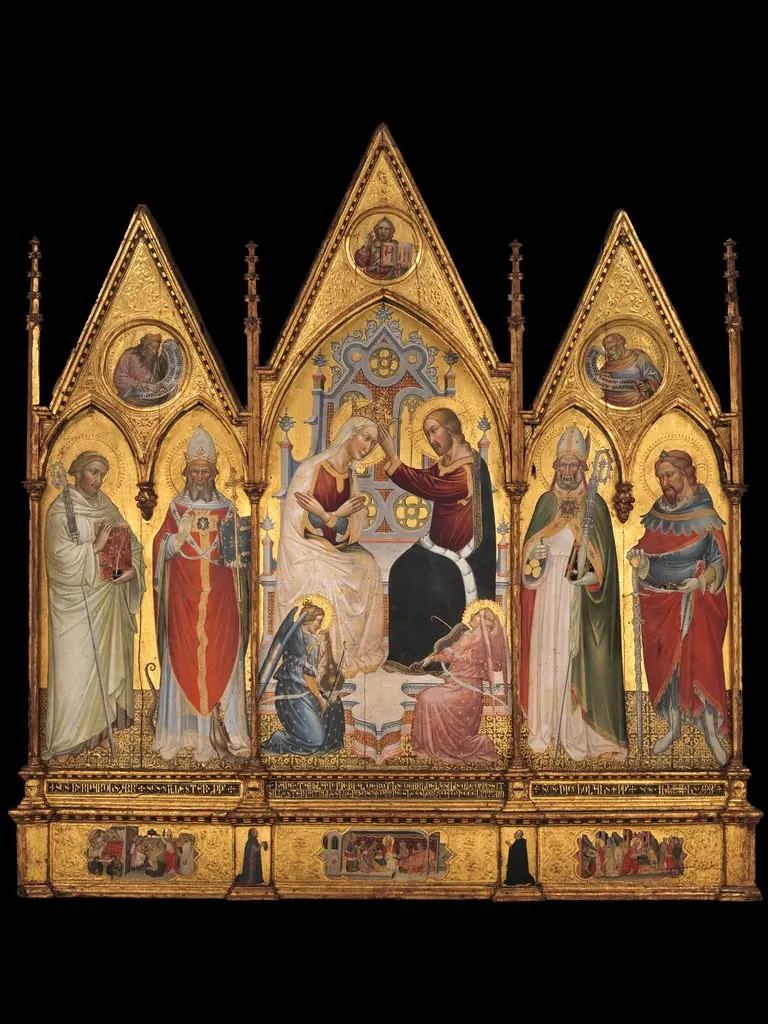 The Coronation of the Virgin, and Saints
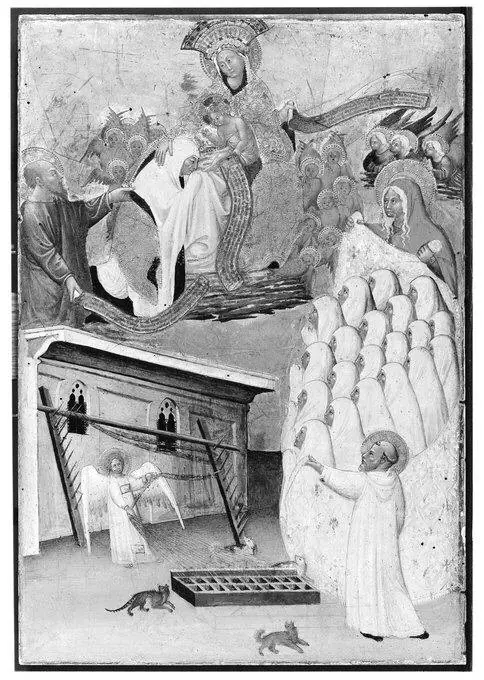 Santa Francesca Romana (1384–1440) Clothed by the Virgin
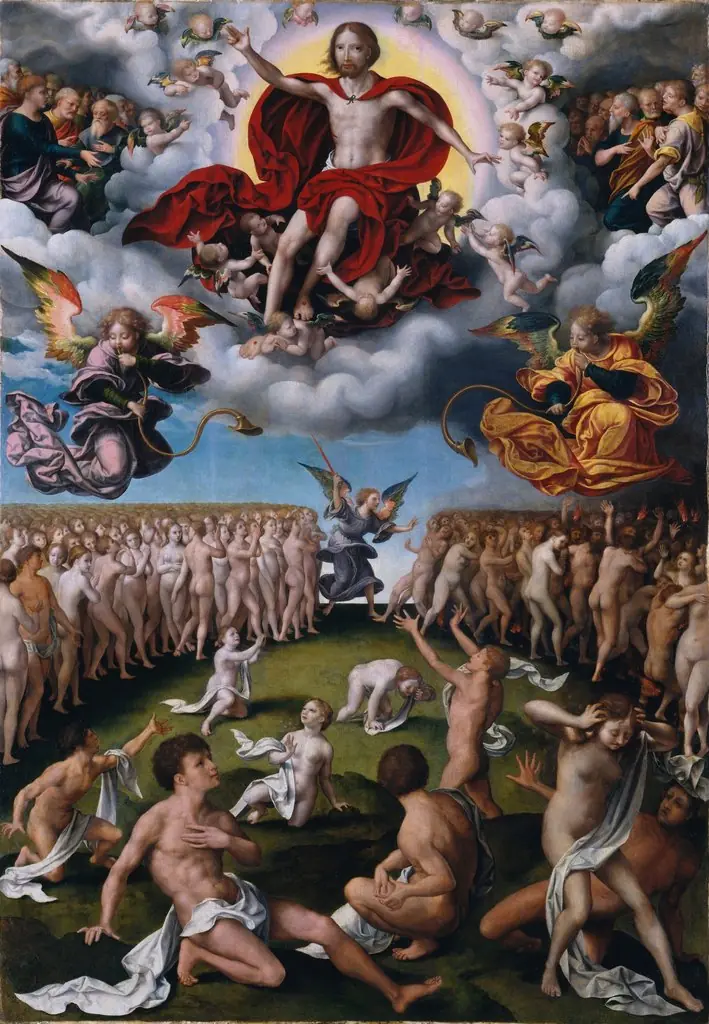 The Last Judgment
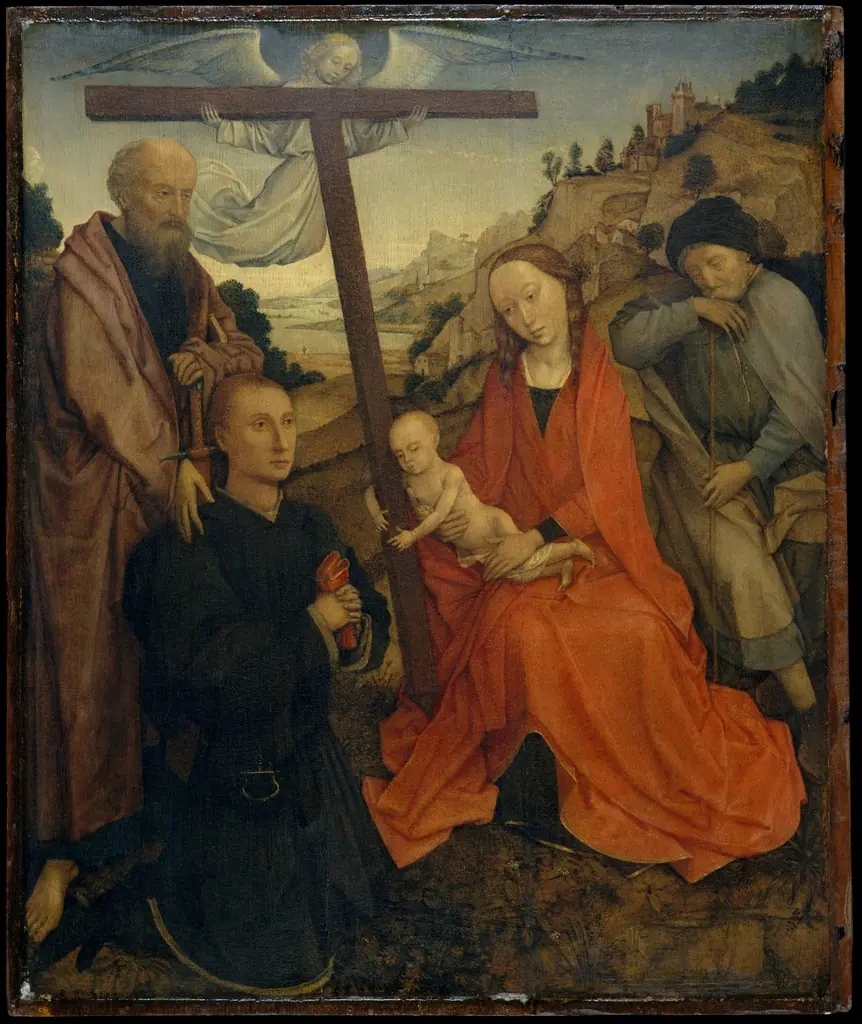 The Holy Family with Saint Paul and a Donor
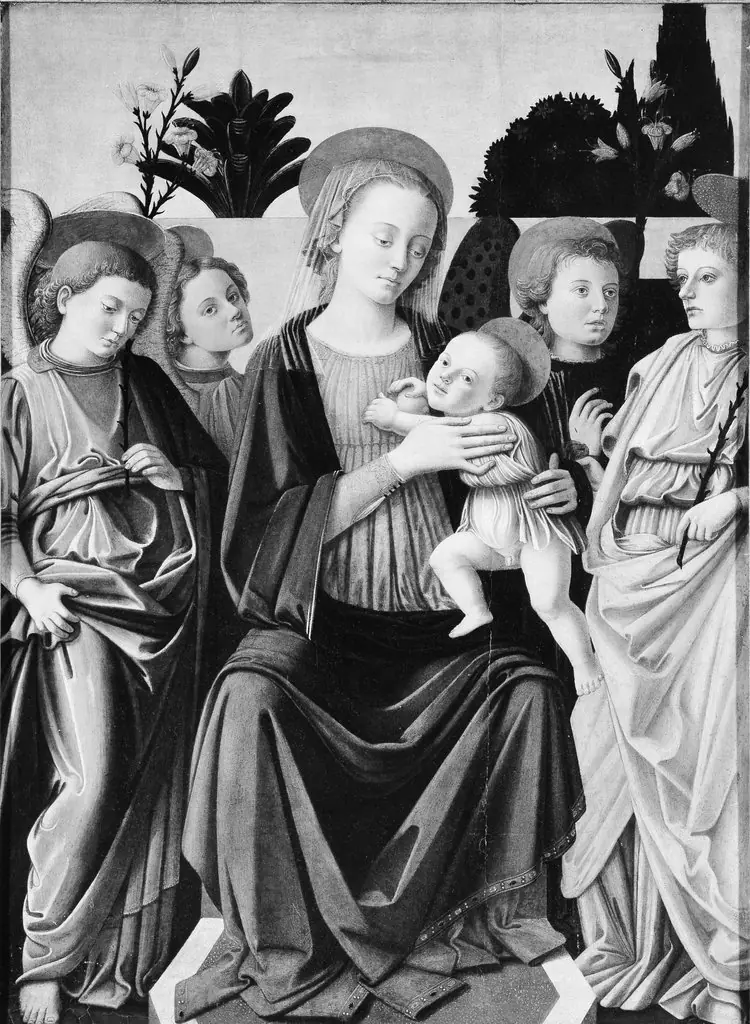 Madonna and Child with Angels
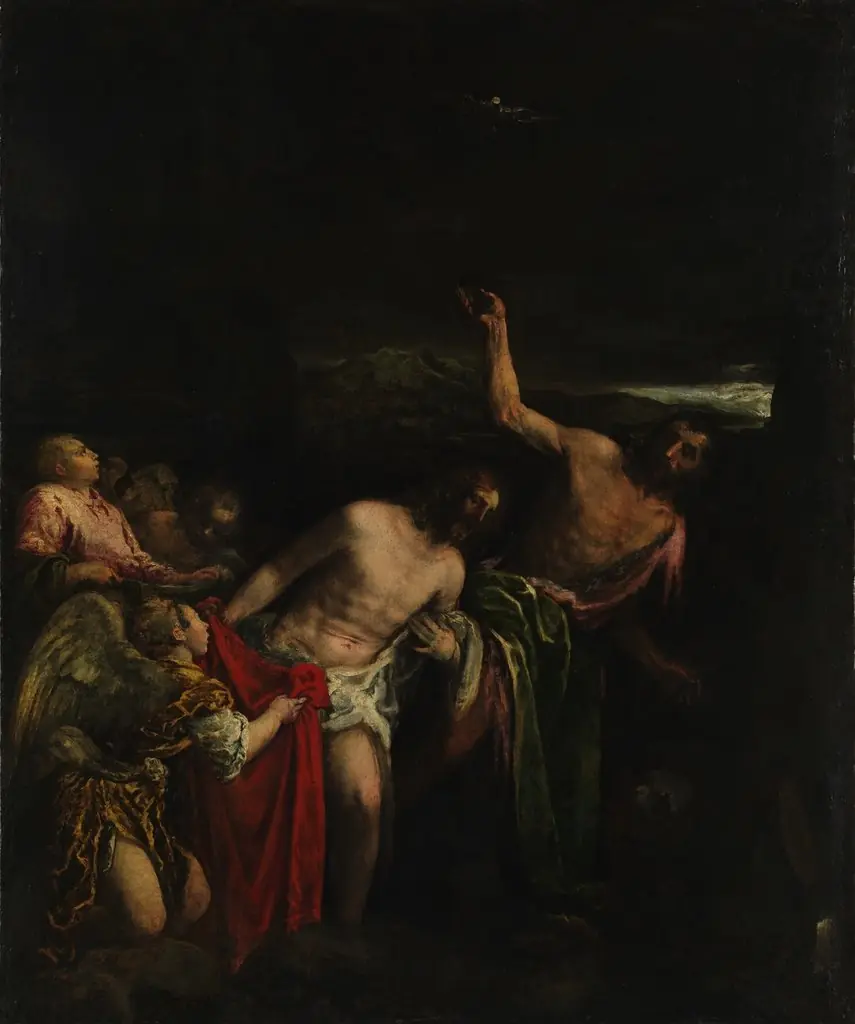 The Baptism of Christ
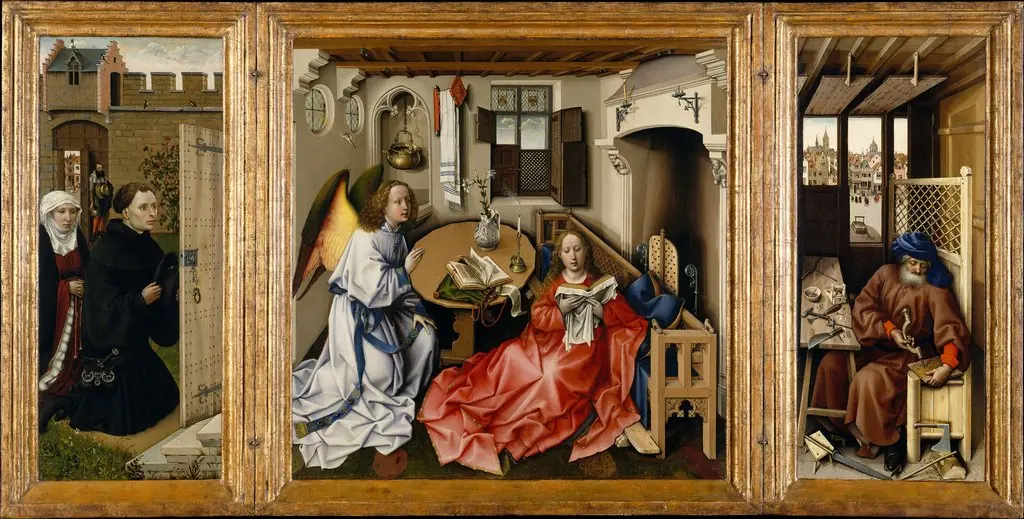 Mérode Altarpiece
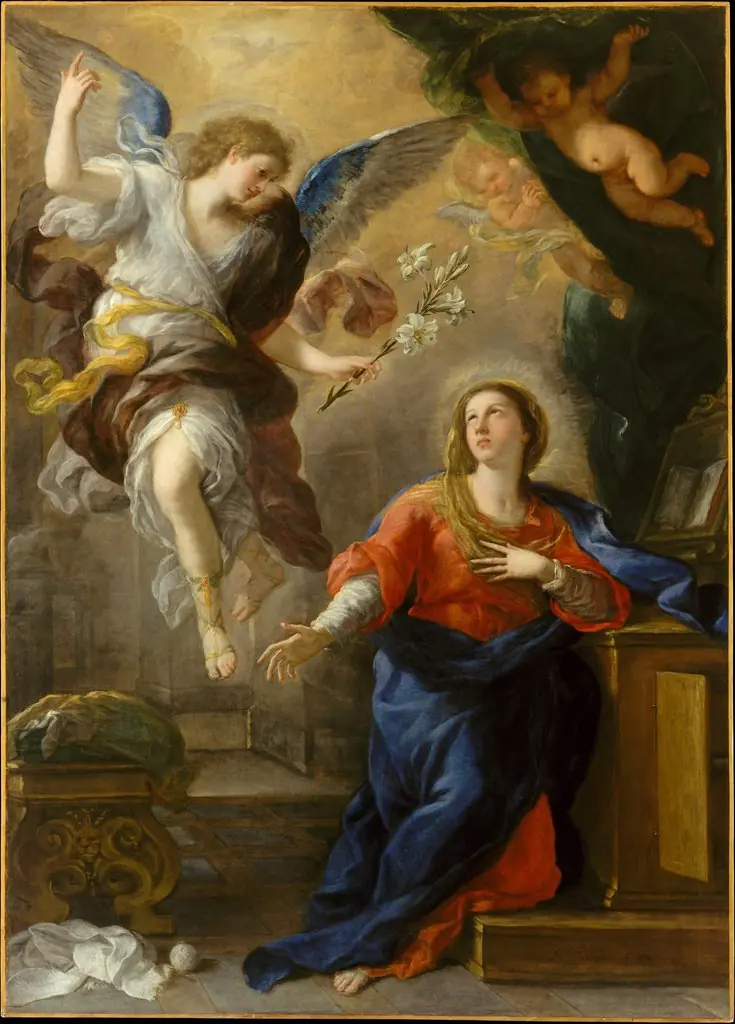 The Annunciation
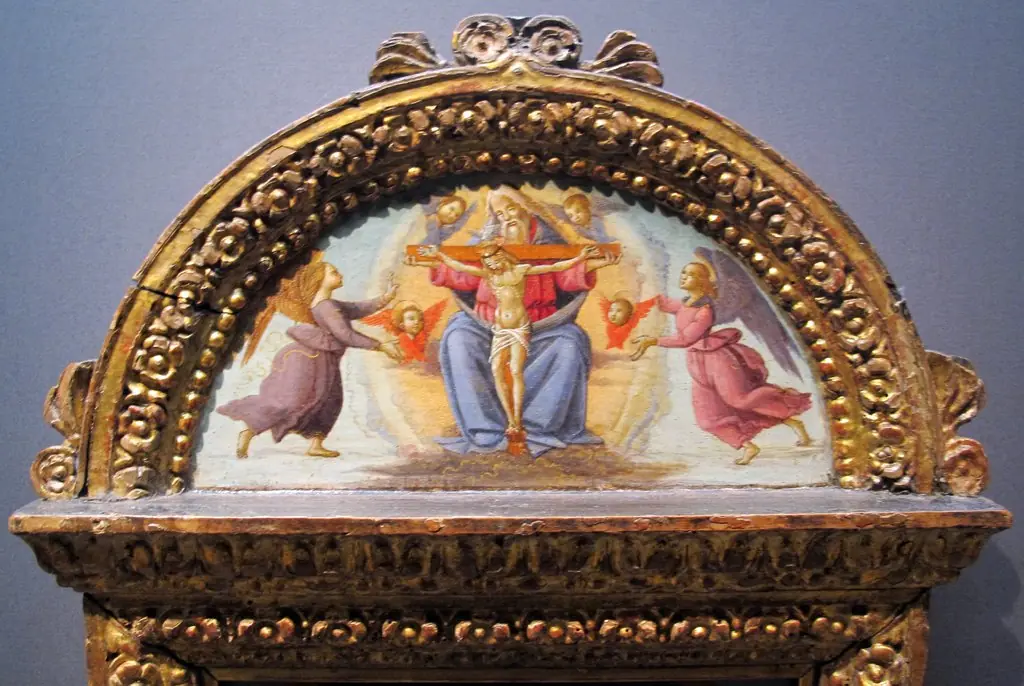 The Trinity
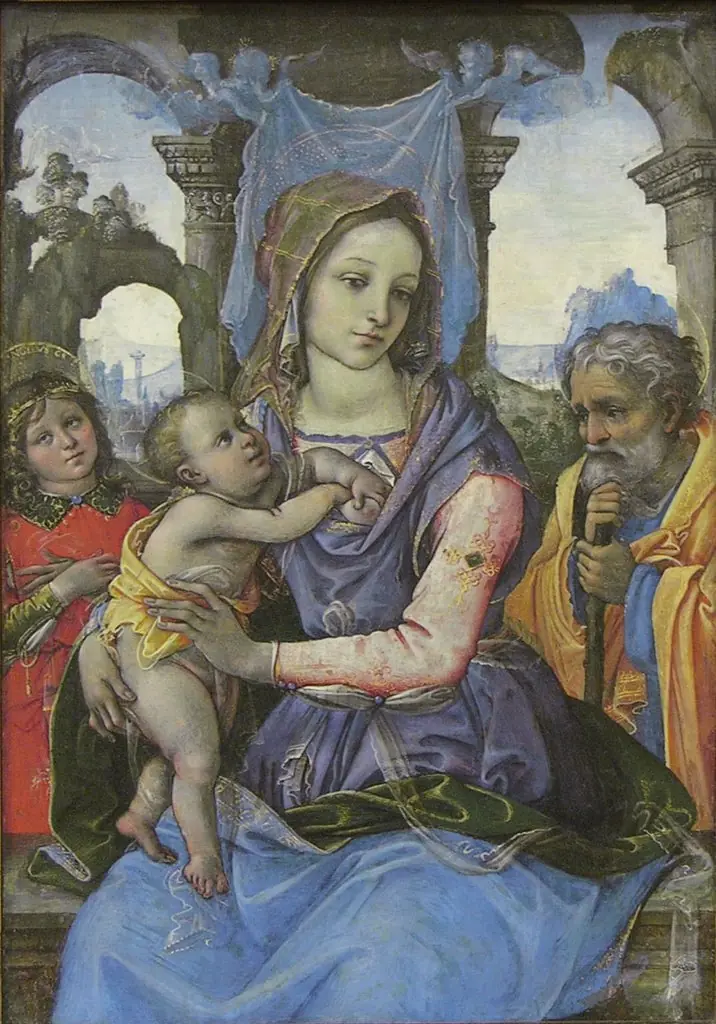 Madonna and Child with Saint Joseph and an Angel
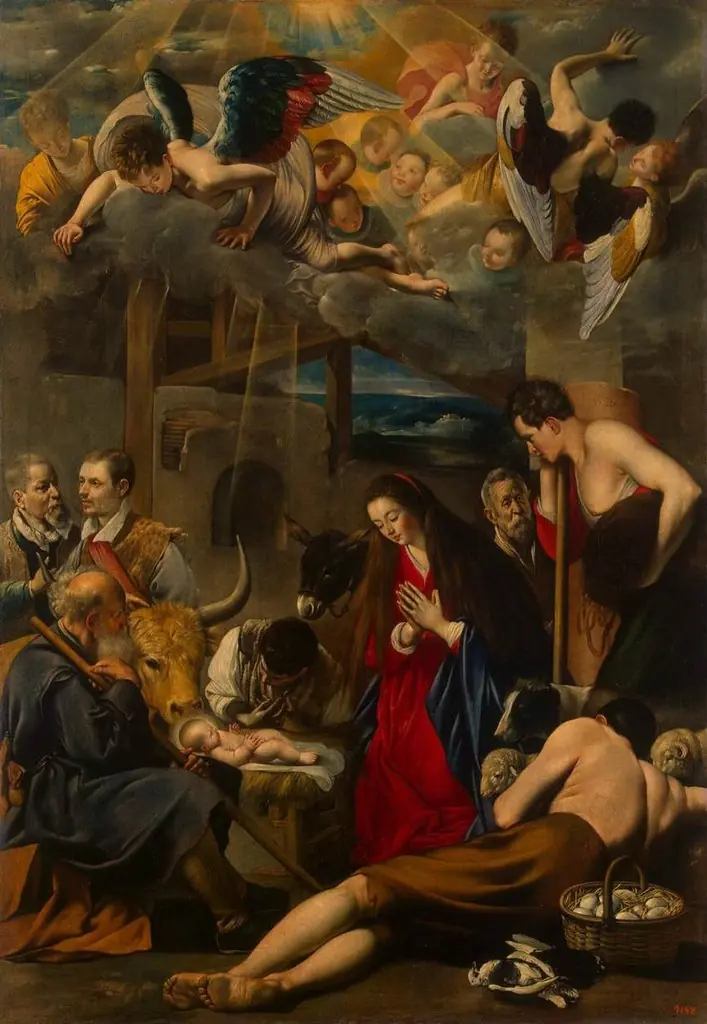 Adoration of the Shepherds
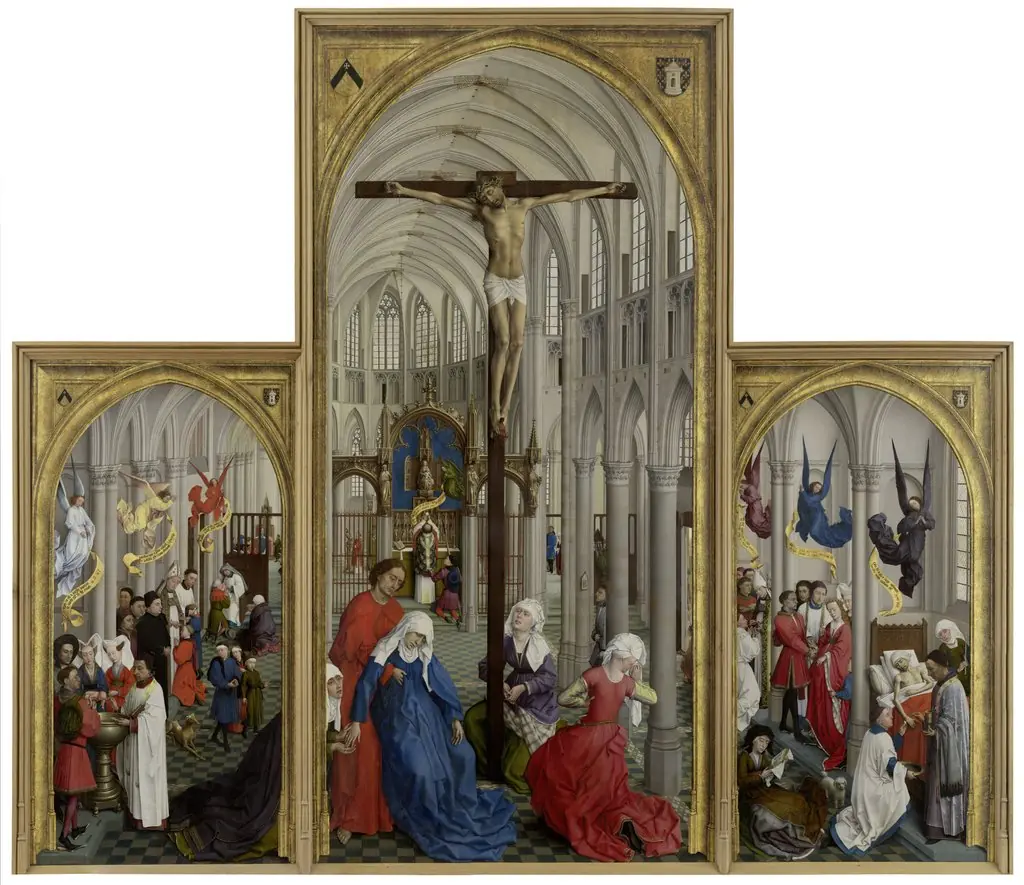 The Seven Sacraments
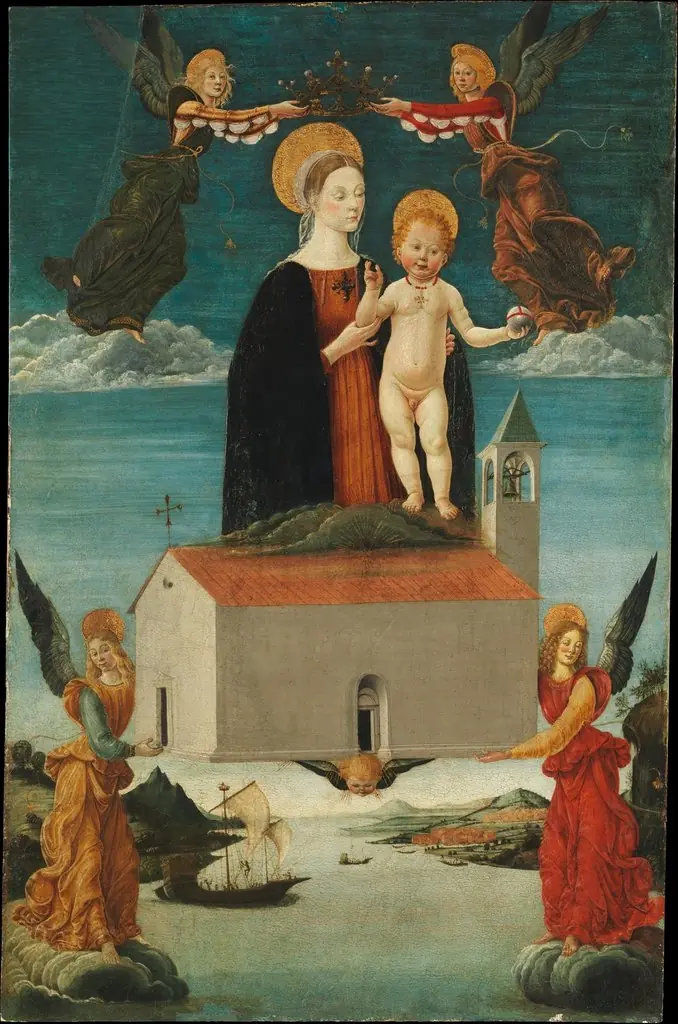 The Translation of the Holy House of Loreto
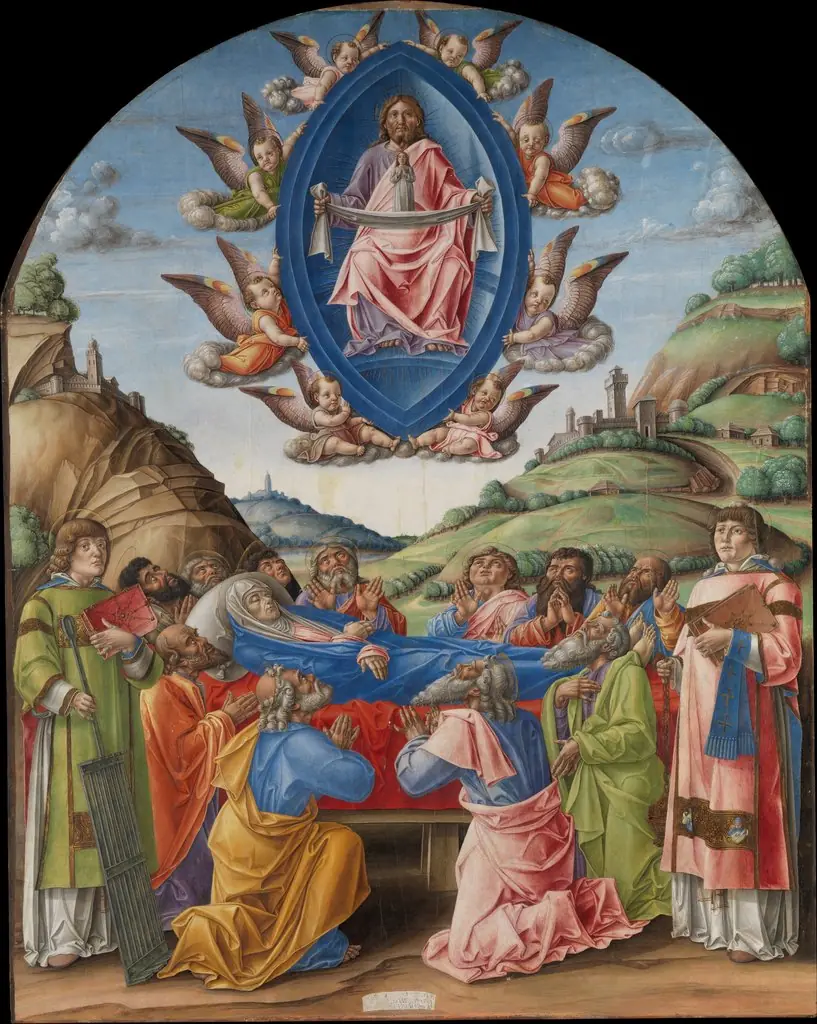 The Death of the Virgin
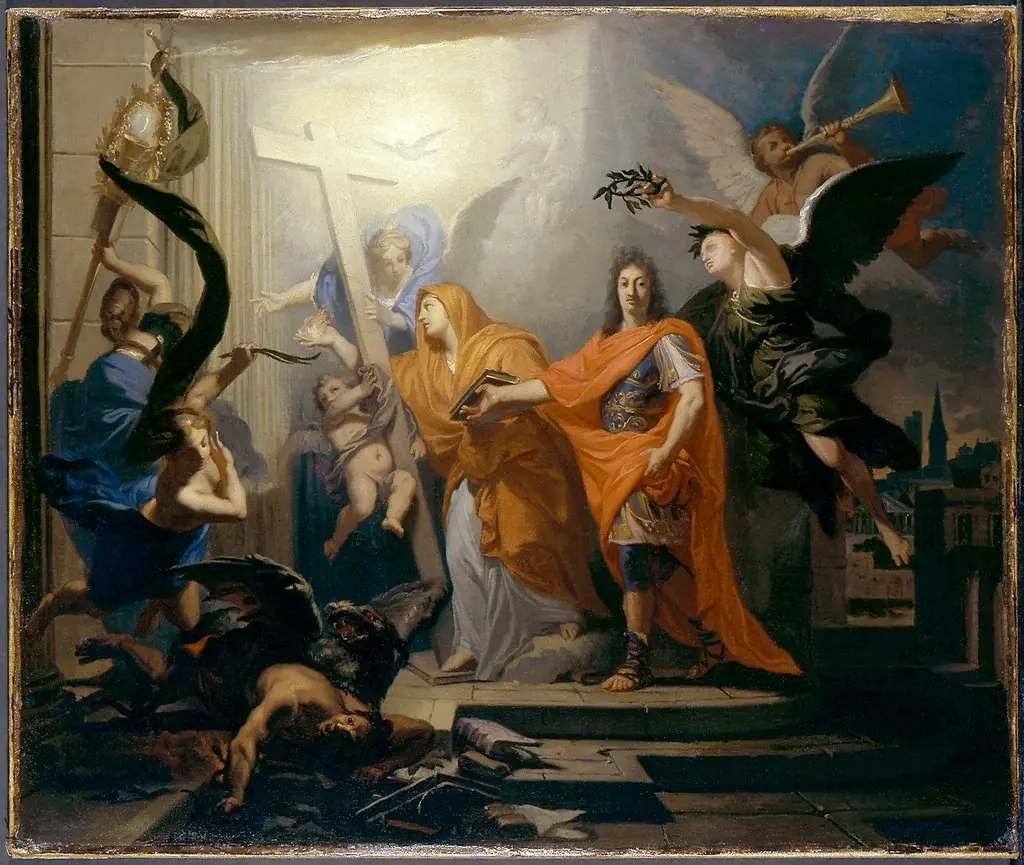 An Allegory, Probably of the Peace of Utrecht of 1713
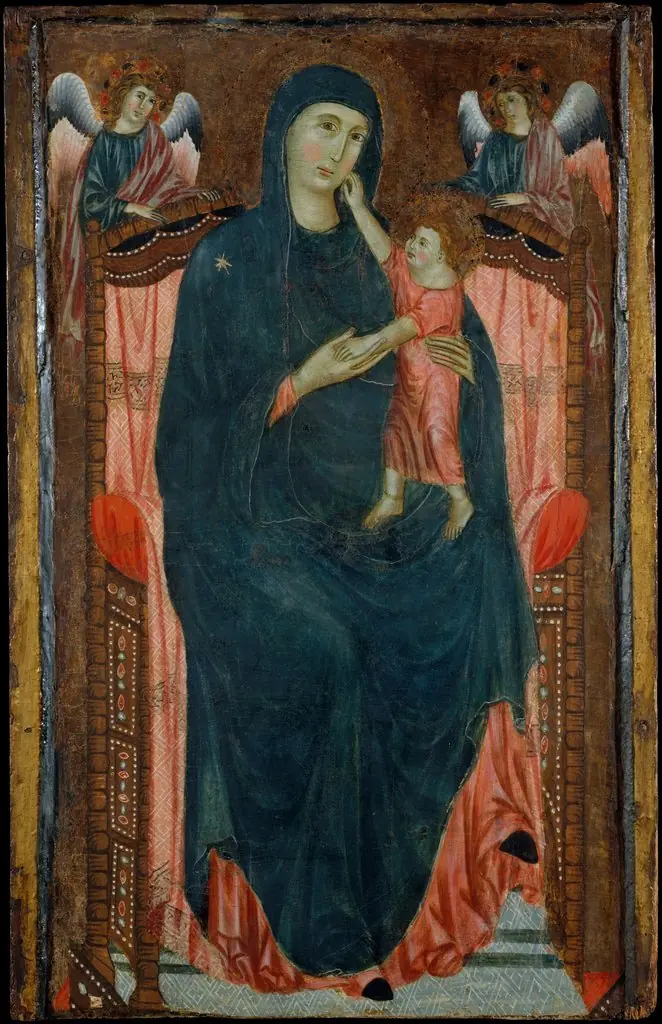 Madonna and Child Enthroned with Angels
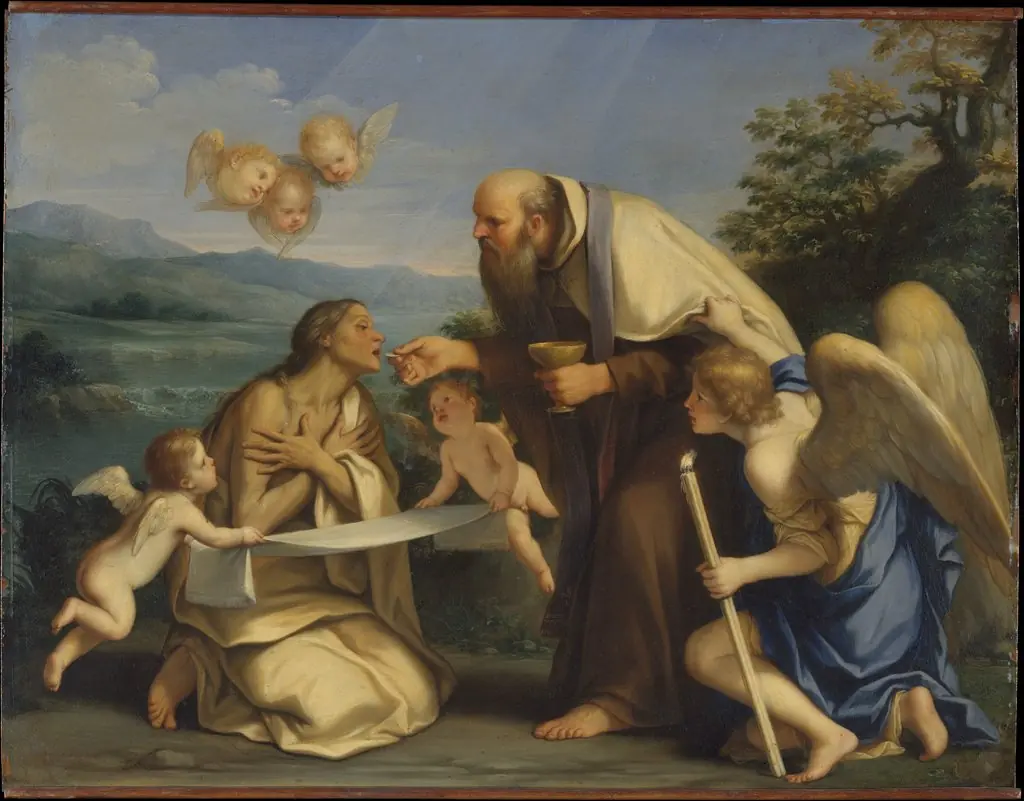 The Last Communion of Saint Mary of Egypt
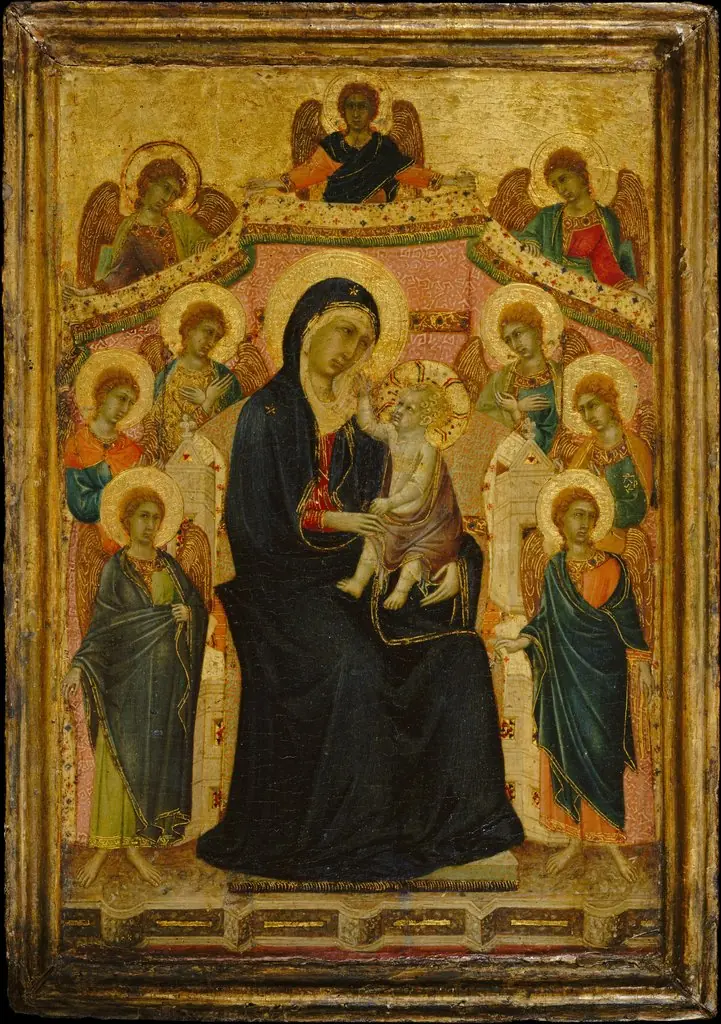 Madonna and Child with Nine Angels
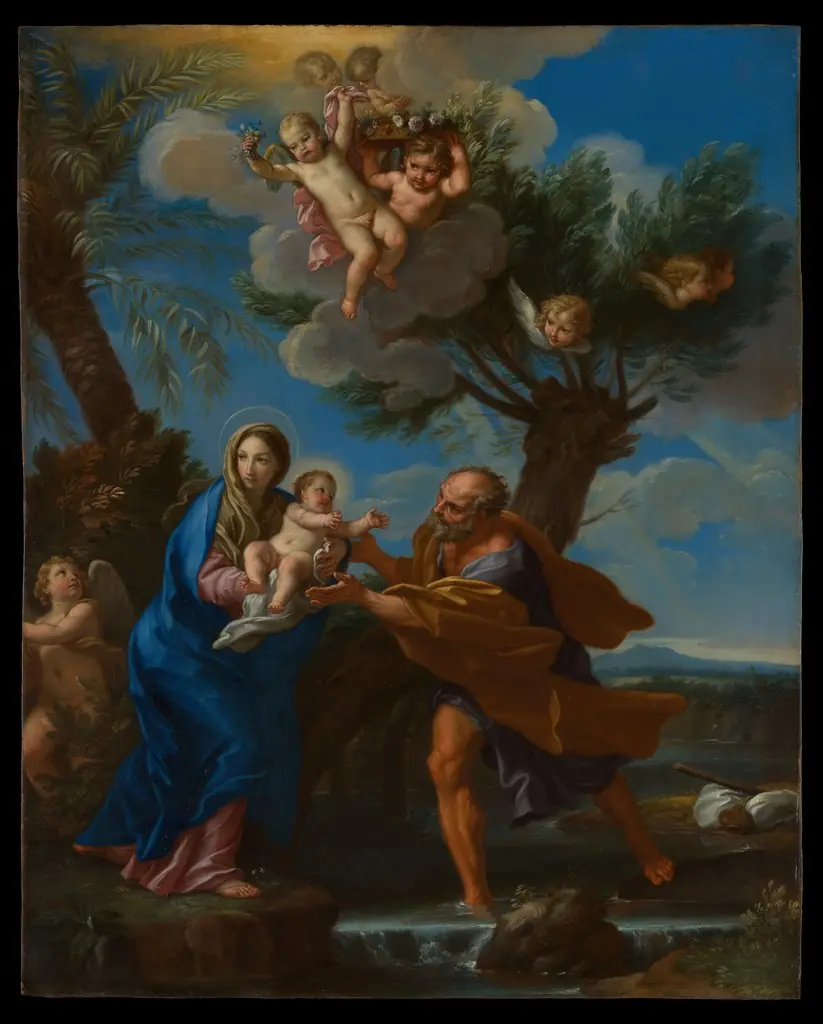 The Flight into Egypt
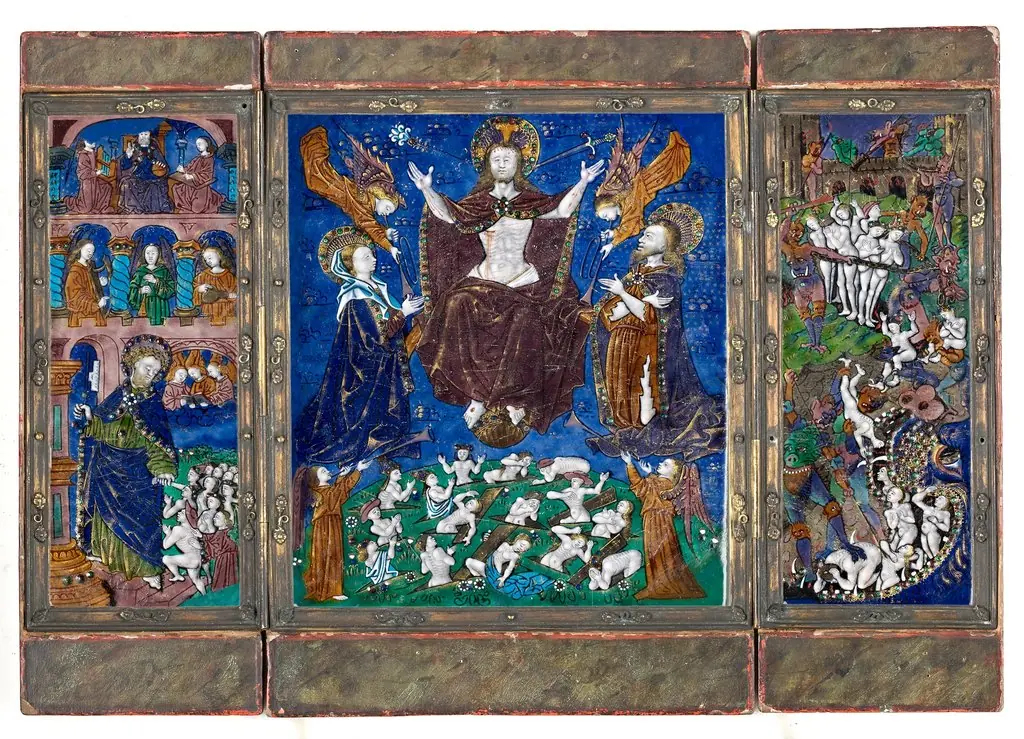 Triptych: The Last Judgment
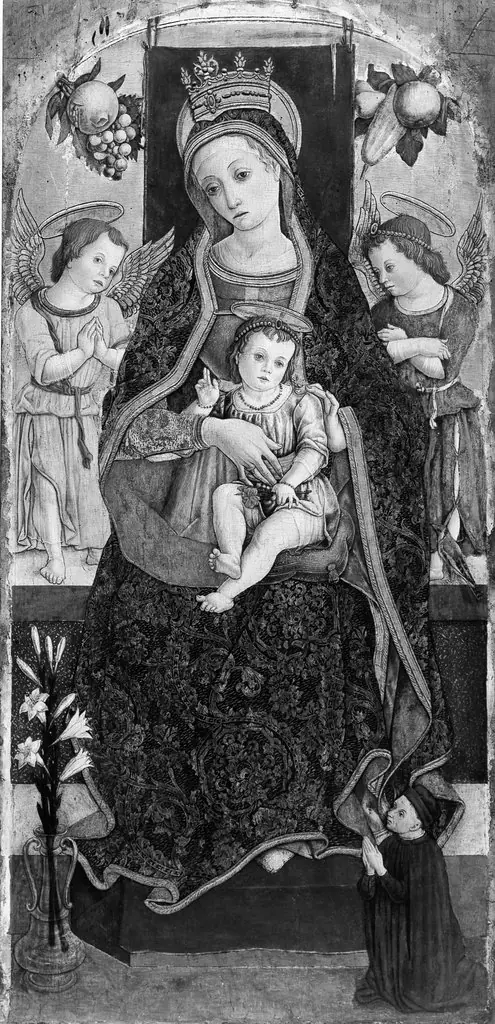 Madonna and Child Enthroned with Two Angels and a Donor
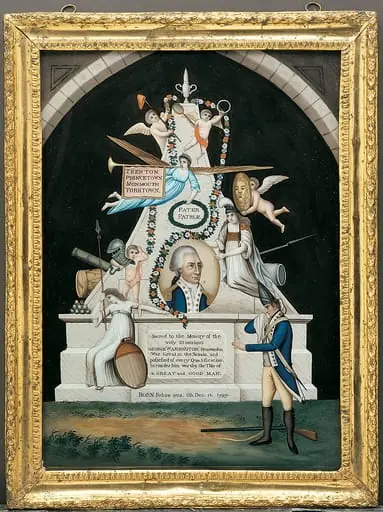 Pater Patriae
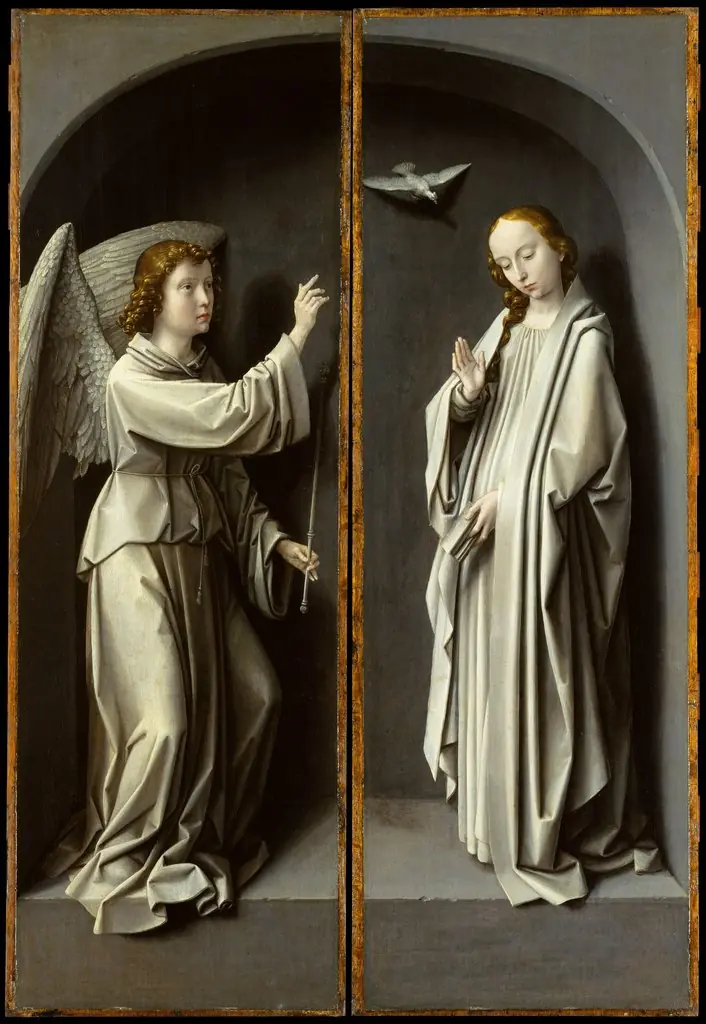 Archangel Gabriel; The Virgin Annunciate
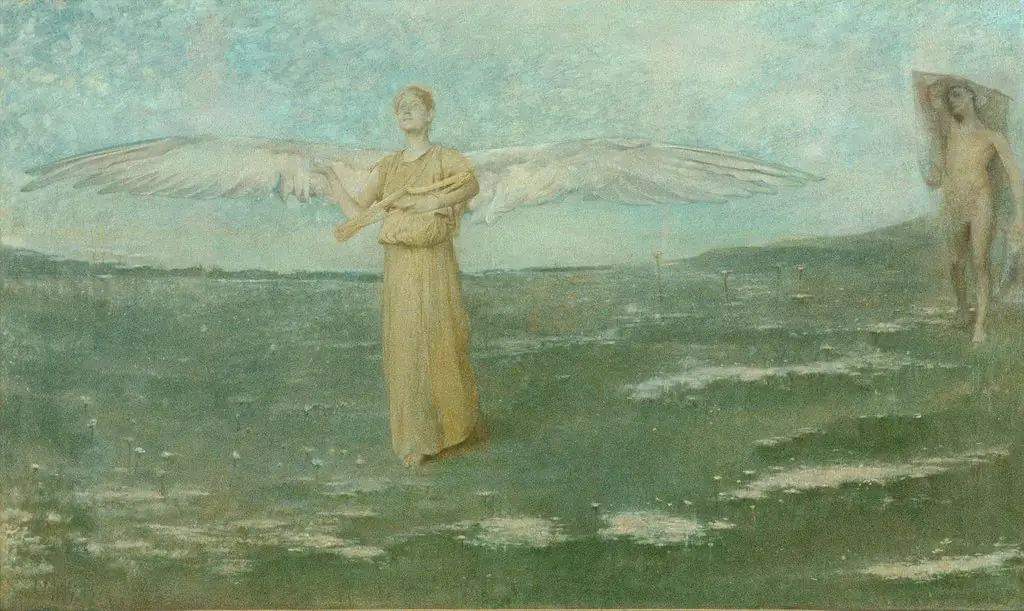 Tobias and the Angel
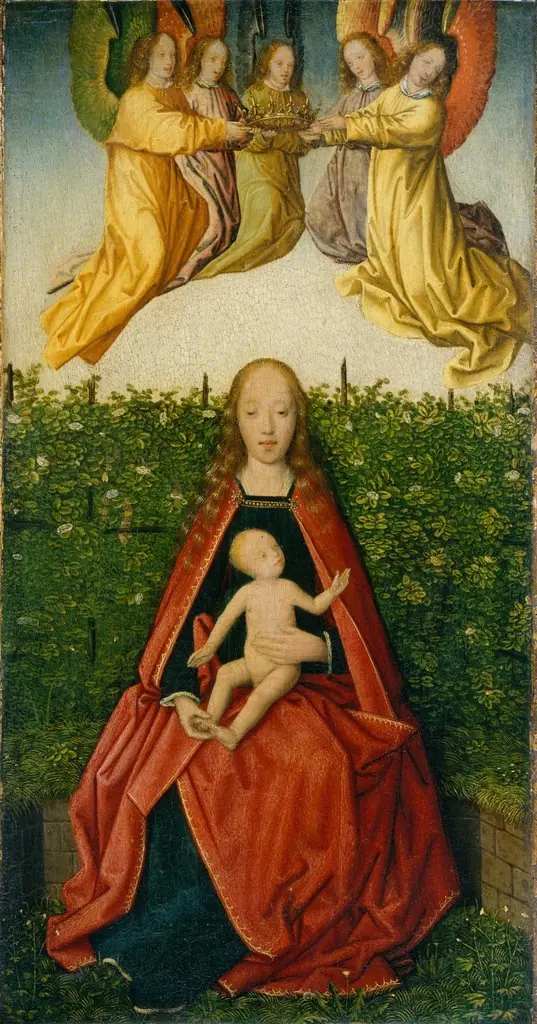 Virgin and Child
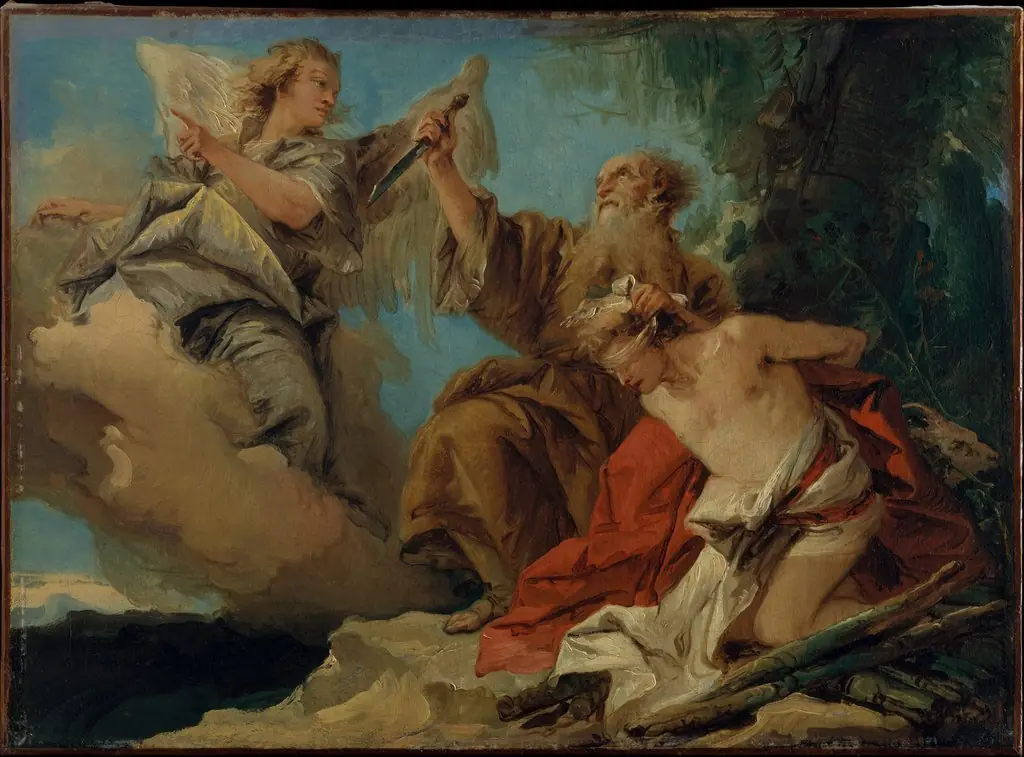 The Sacrifice of Isaac
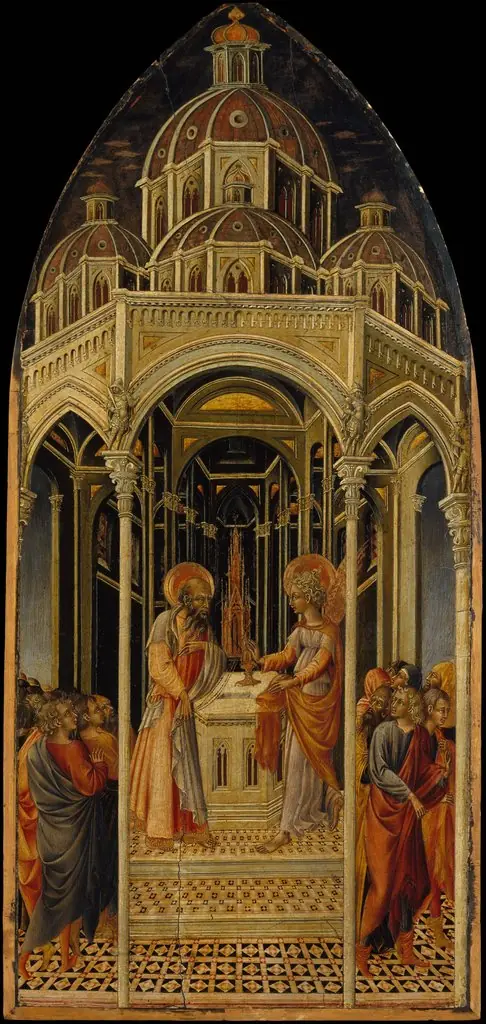 The Annunciation to Zacharias; (verso) The Angel of the Annunciation
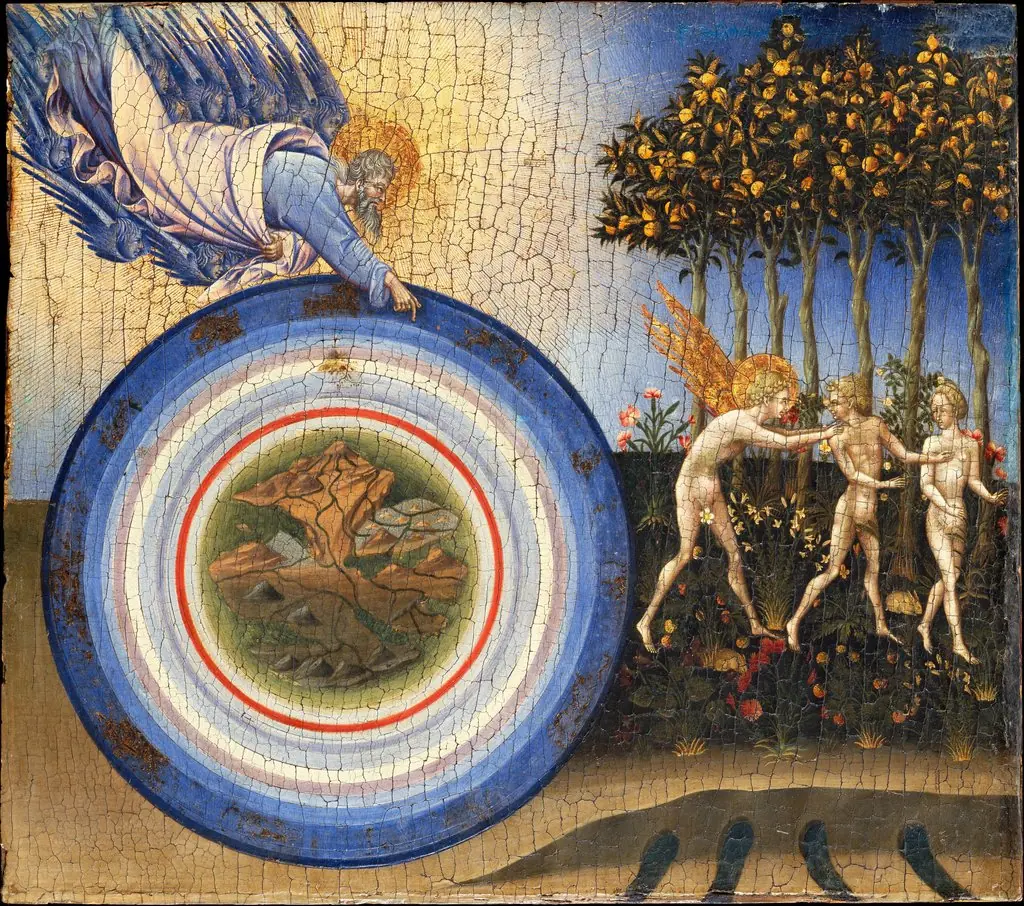 The Creation of the World and the Expulsion from Paradise
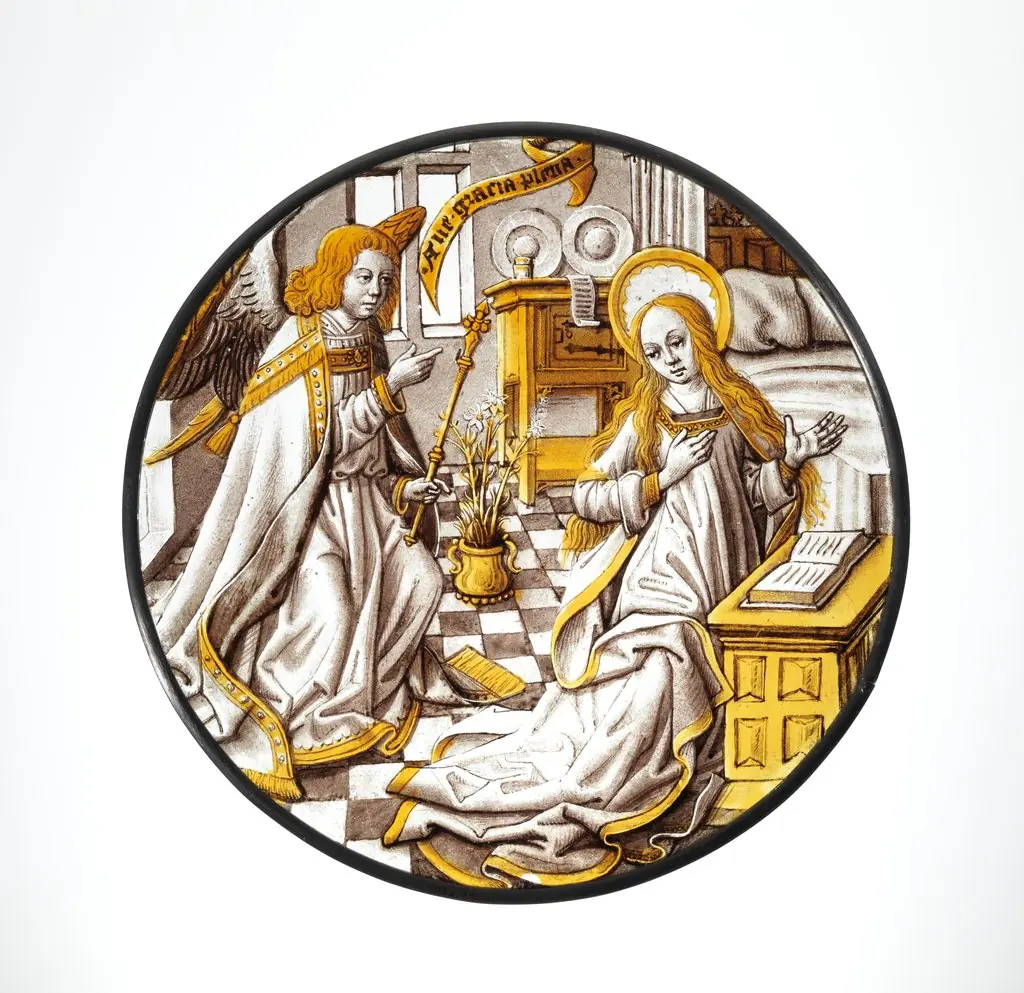 Roundel with Annunciation to the Virgin
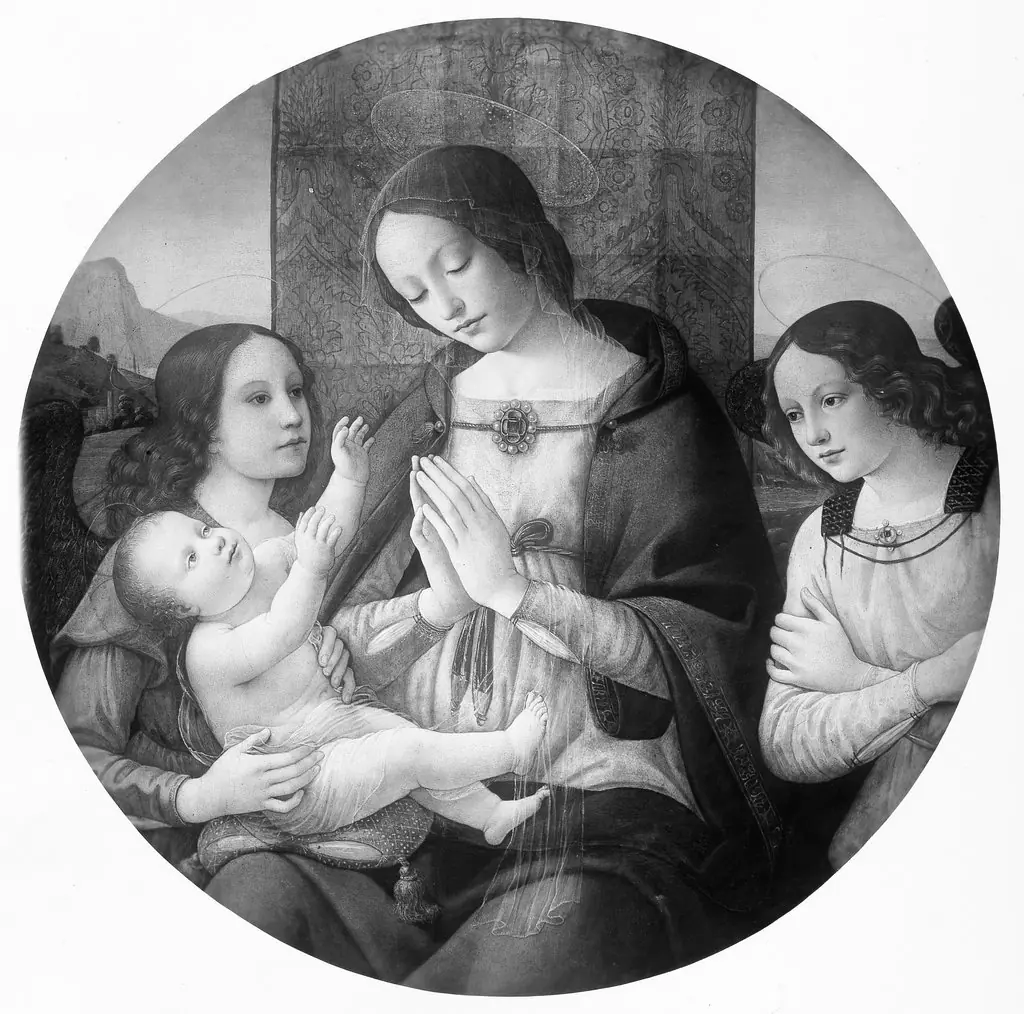 Madonna and Child with Angels
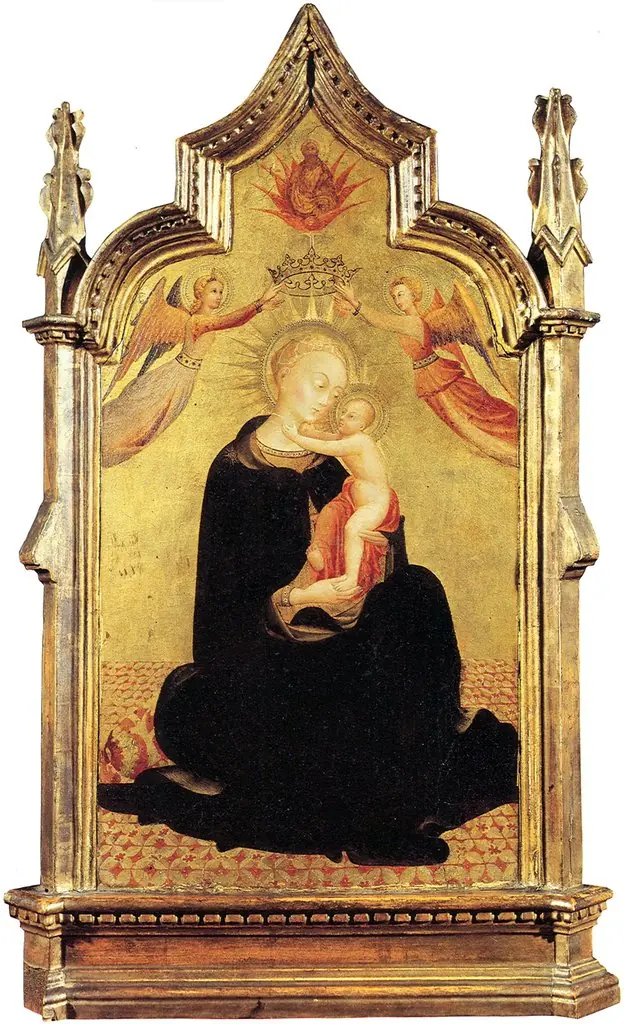 Madonna and Child with Angels
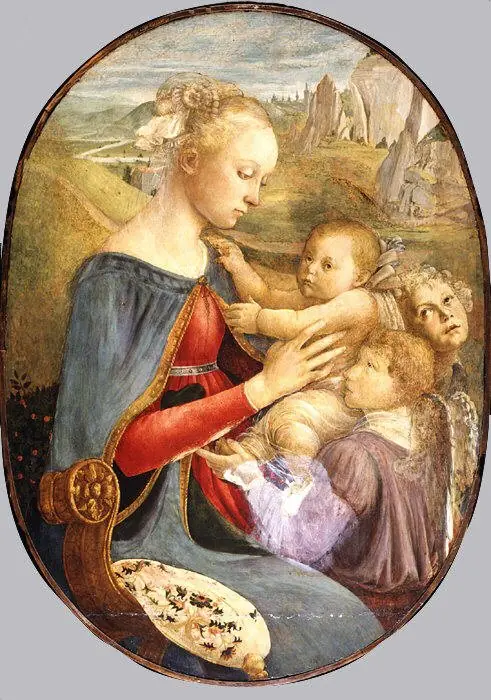 Madonna and Child with Two Angels
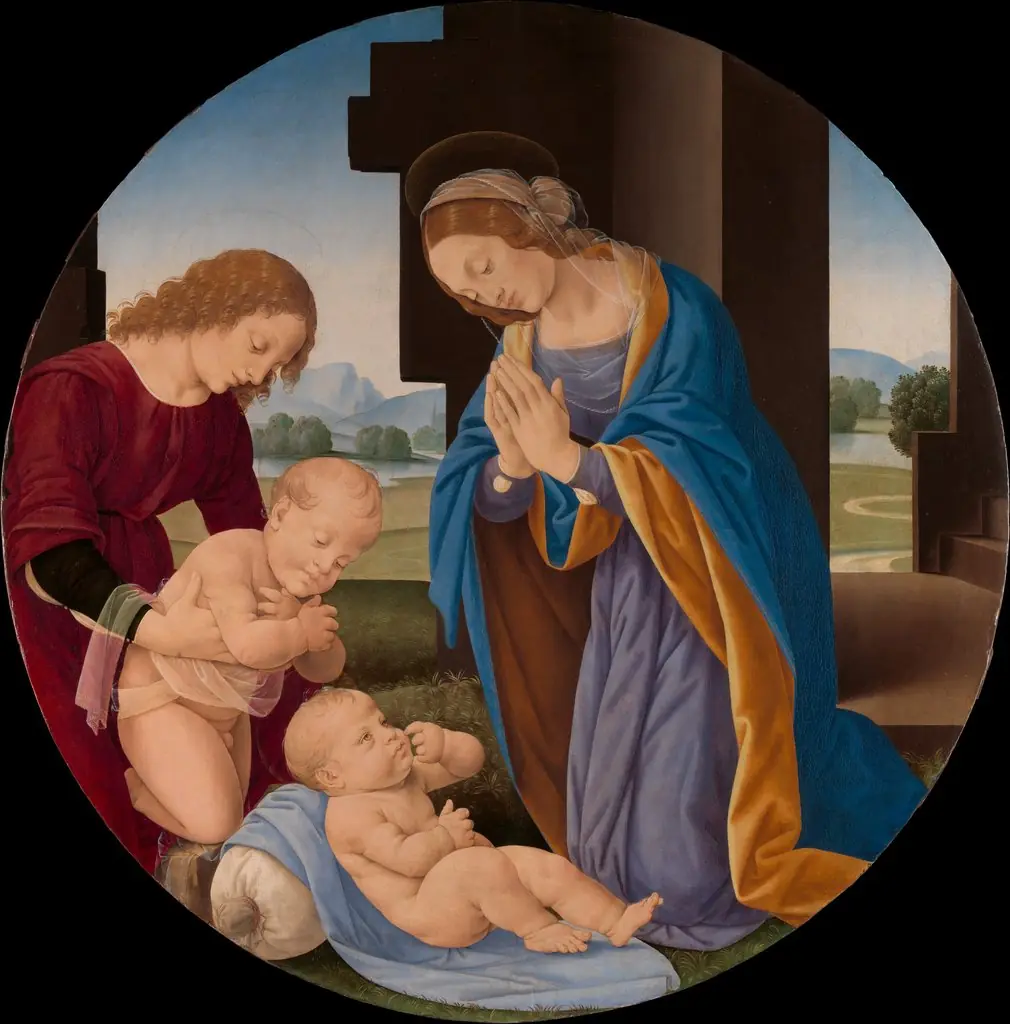 Madonna Adoring the Child with the Infant Saint John the Baptist and an Angel
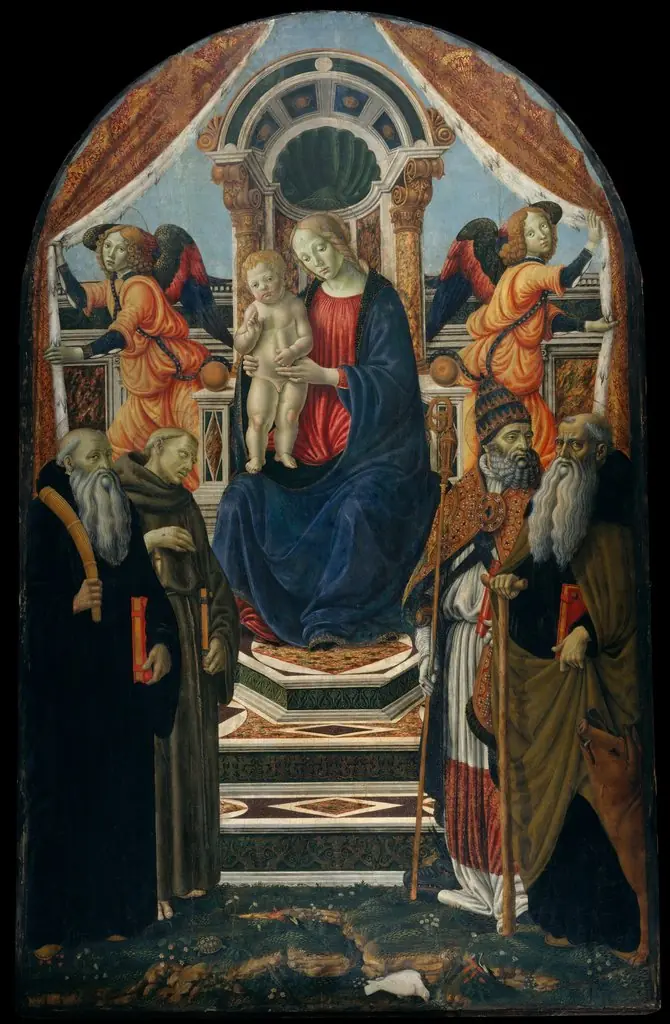 Madonna and Child Enthroned with Saints and Angels
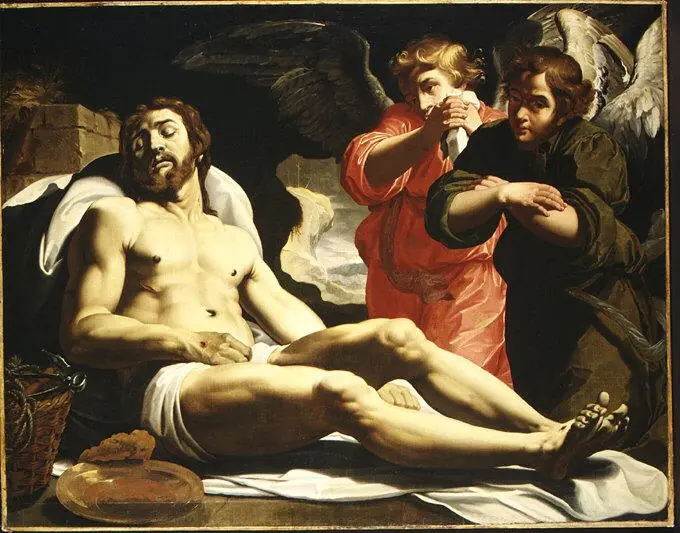 The Dead Christ in the Tomb with Two Angels
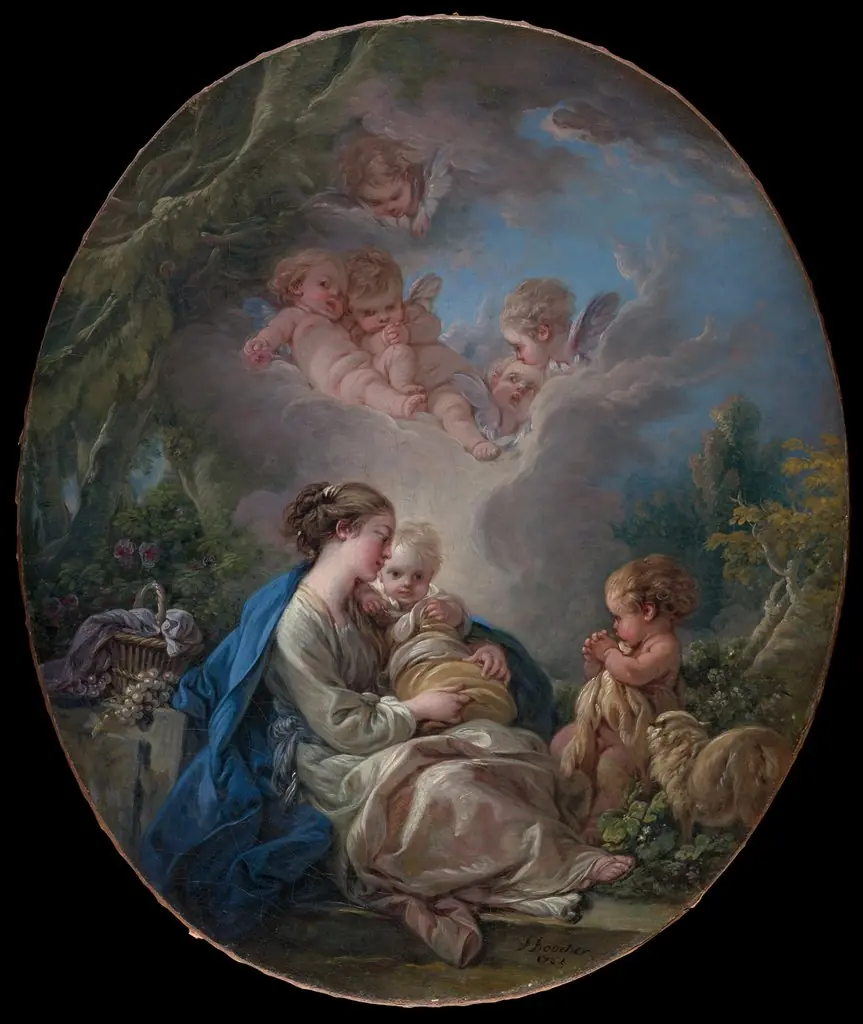 Virgin and Child with the Young Saint John the Baptist and Angels
 Madonna and Child Enthroned with Two Cherubim
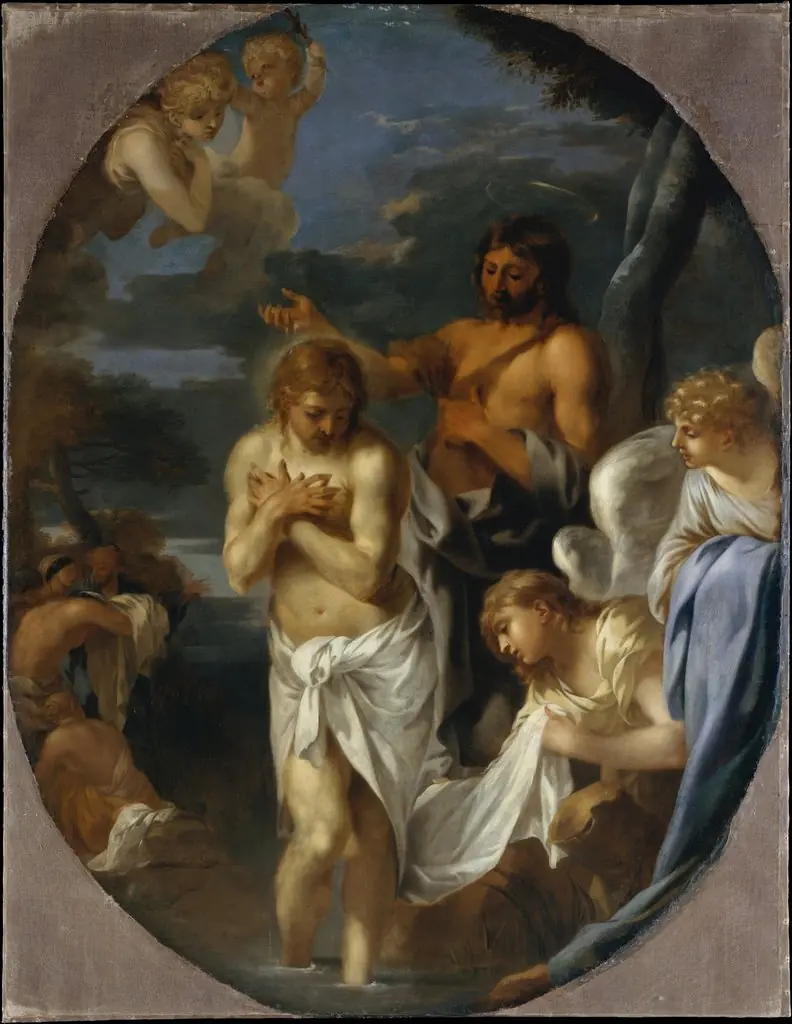 The Baptism of Christ
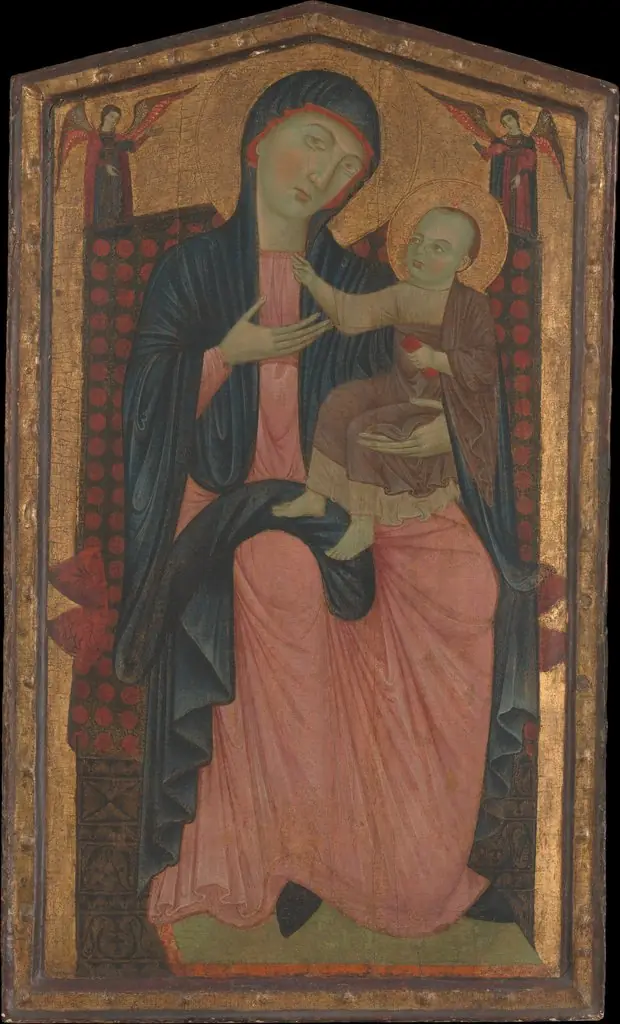 Madonna and Child Enthroned
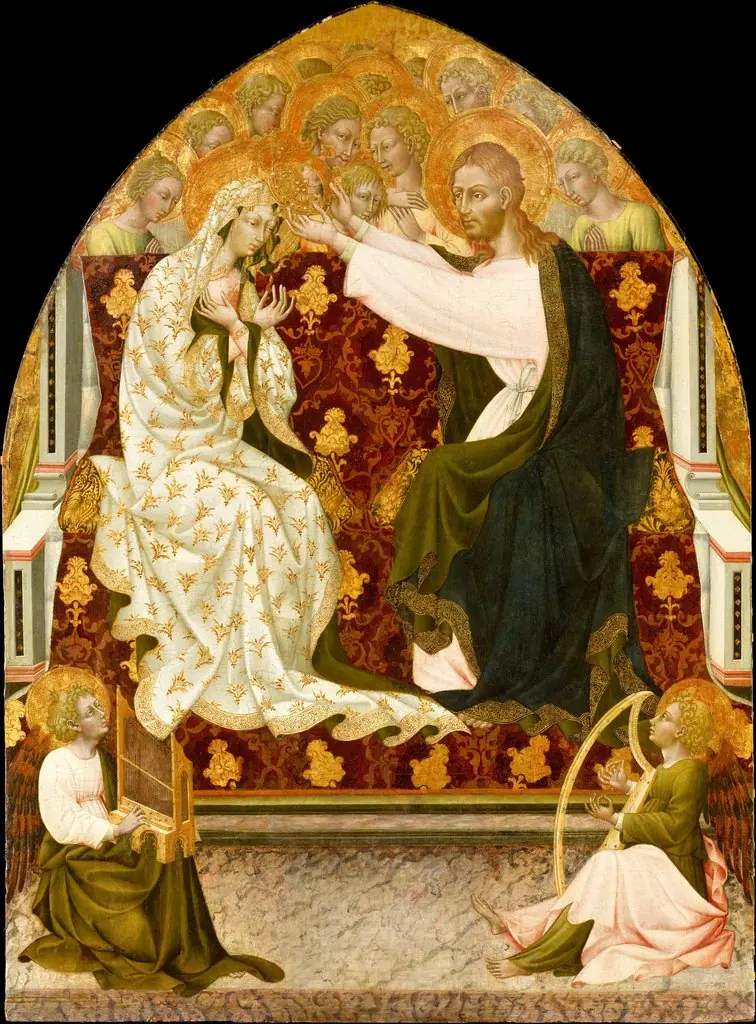 Coronation of the Virgin
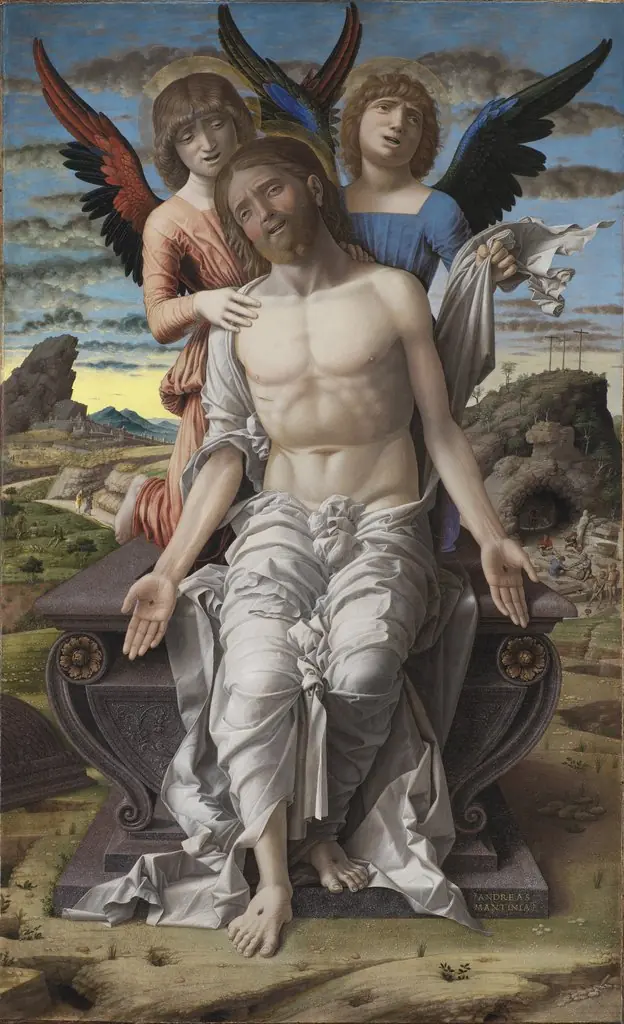 Christ as the Suffering Redeemer
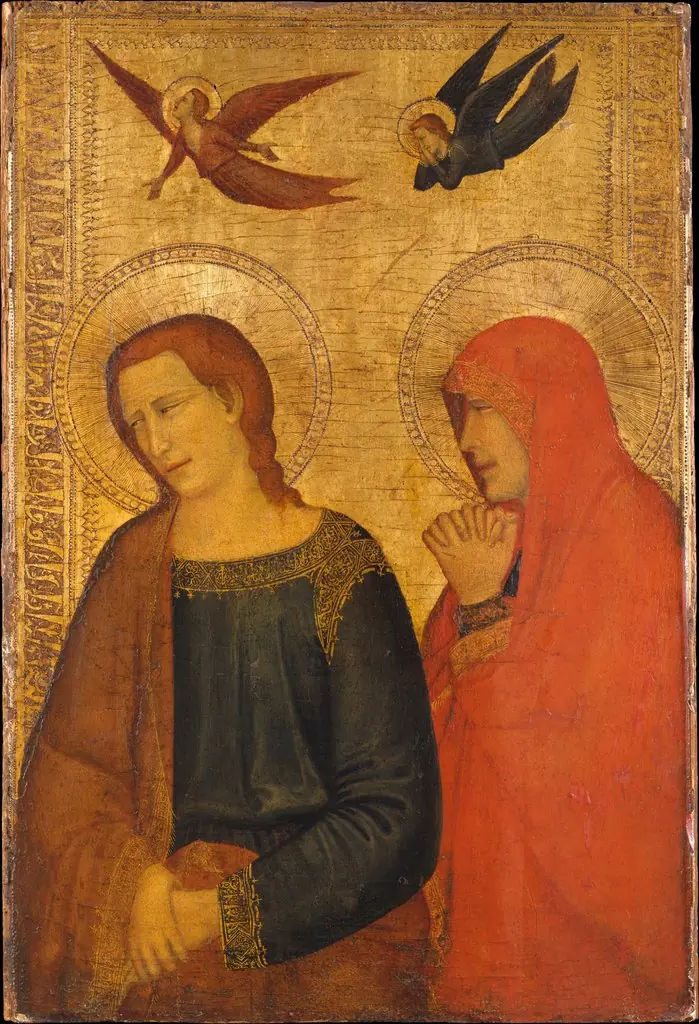 Saints John the Evangelist and Mary Magdalene
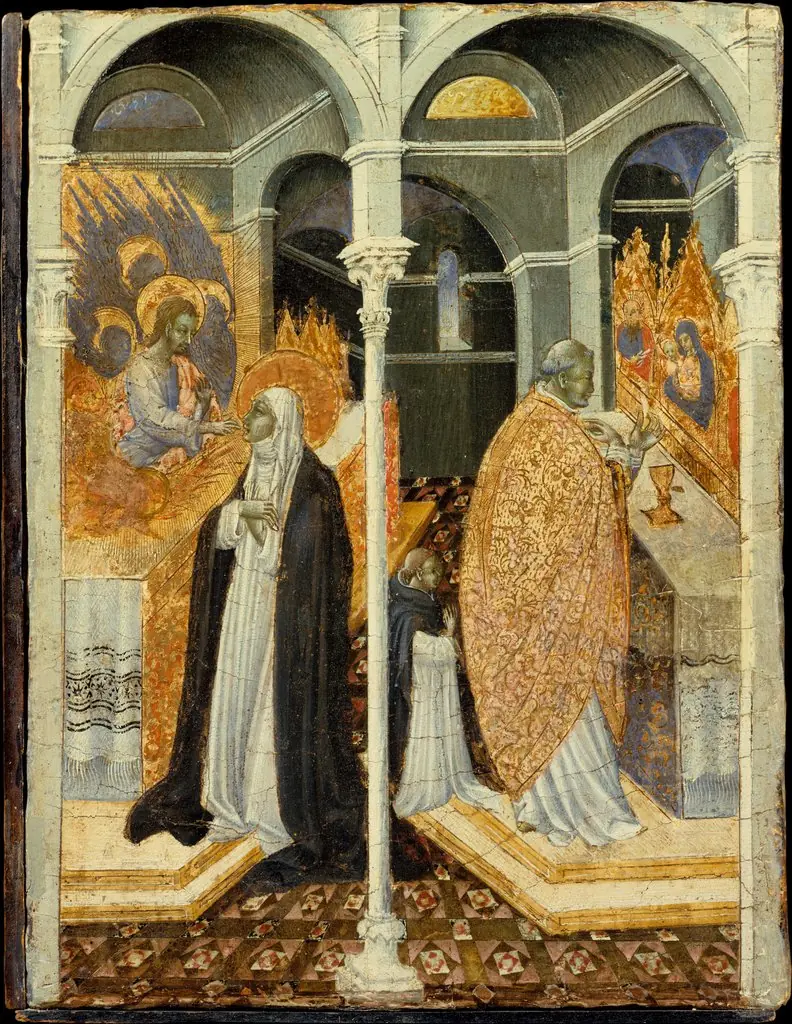 The Miraculous Communion of Saint Catherine of Siena
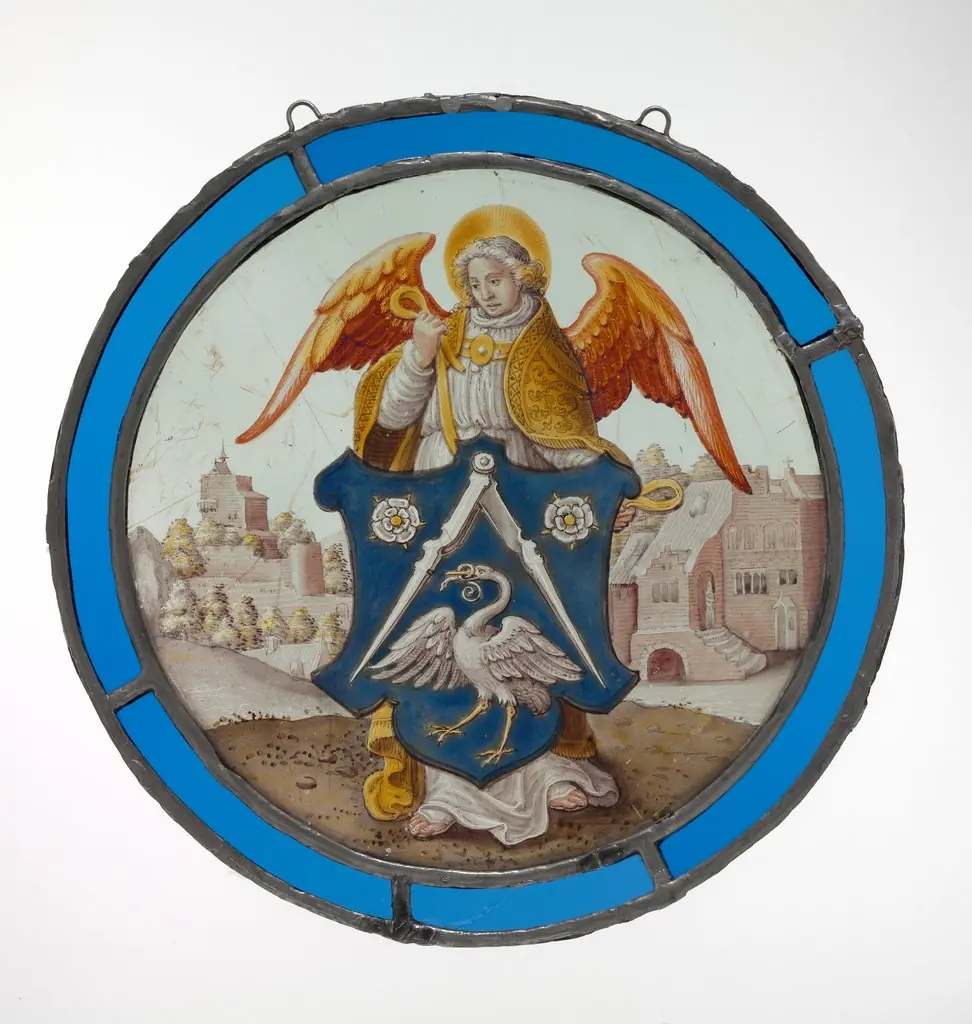 Angel Supporting a Heraldic Shield
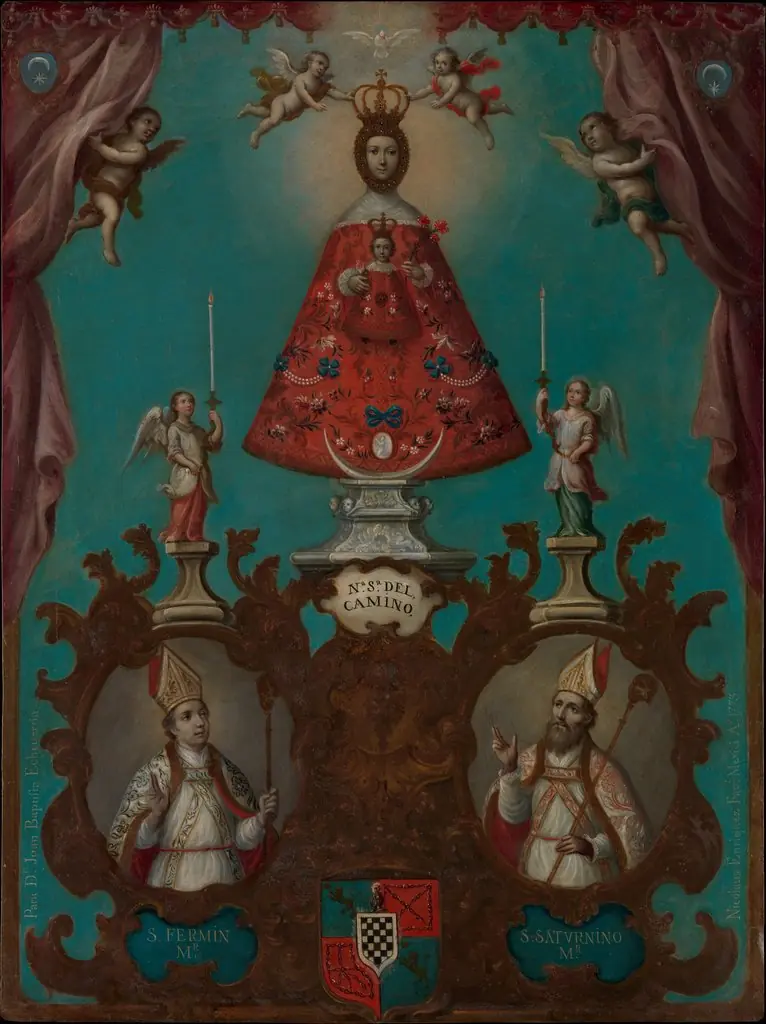 The Virgin of El Camino with St. Fermín and St. Saturnino
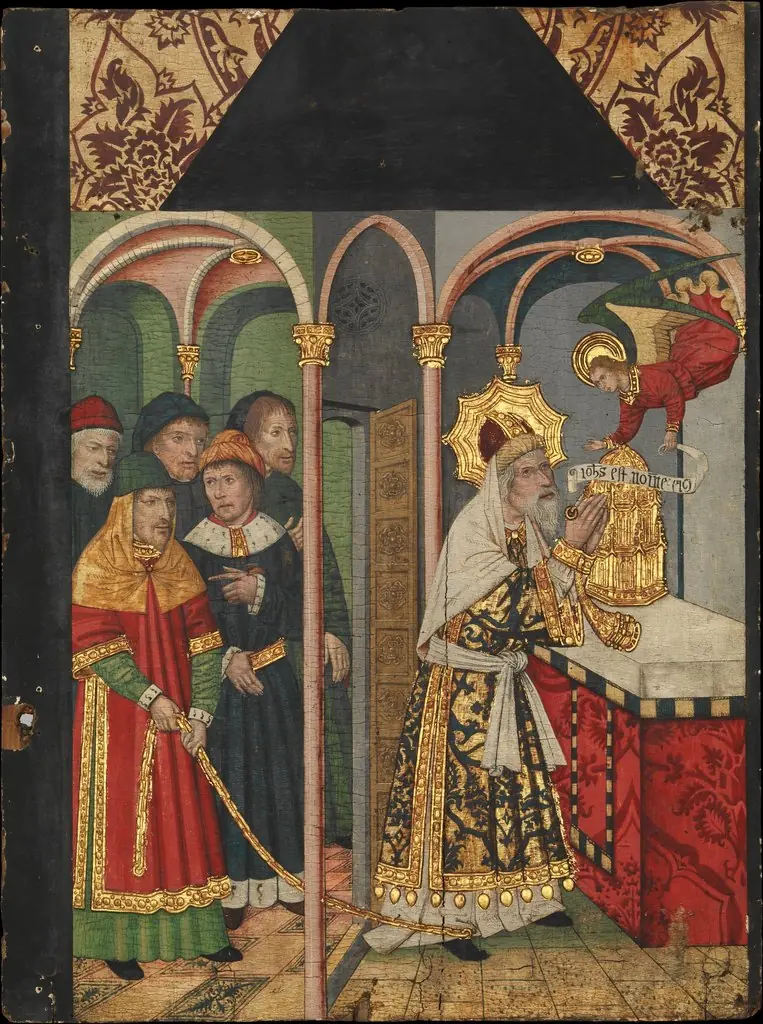 Panel with the Angel Appearing to Zacharias (from a Retable depicting Saint John the Baptist and scenes from his life)
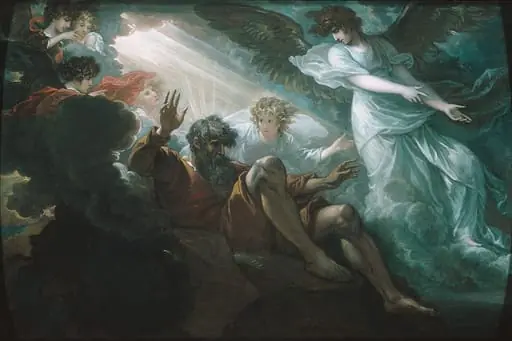 Moses Shown the Promised Land
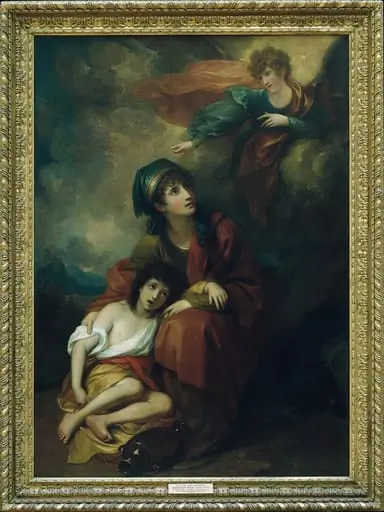 Hagar and Ishmael
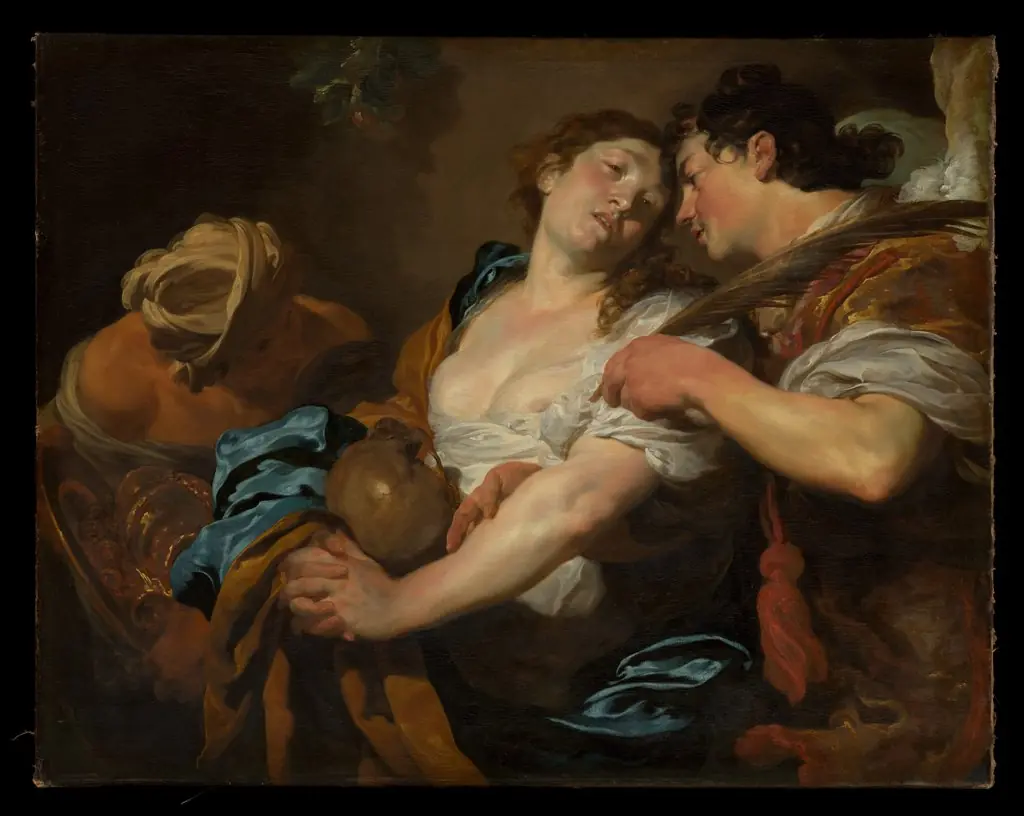 The Temptation of Saint Mary Magdalen
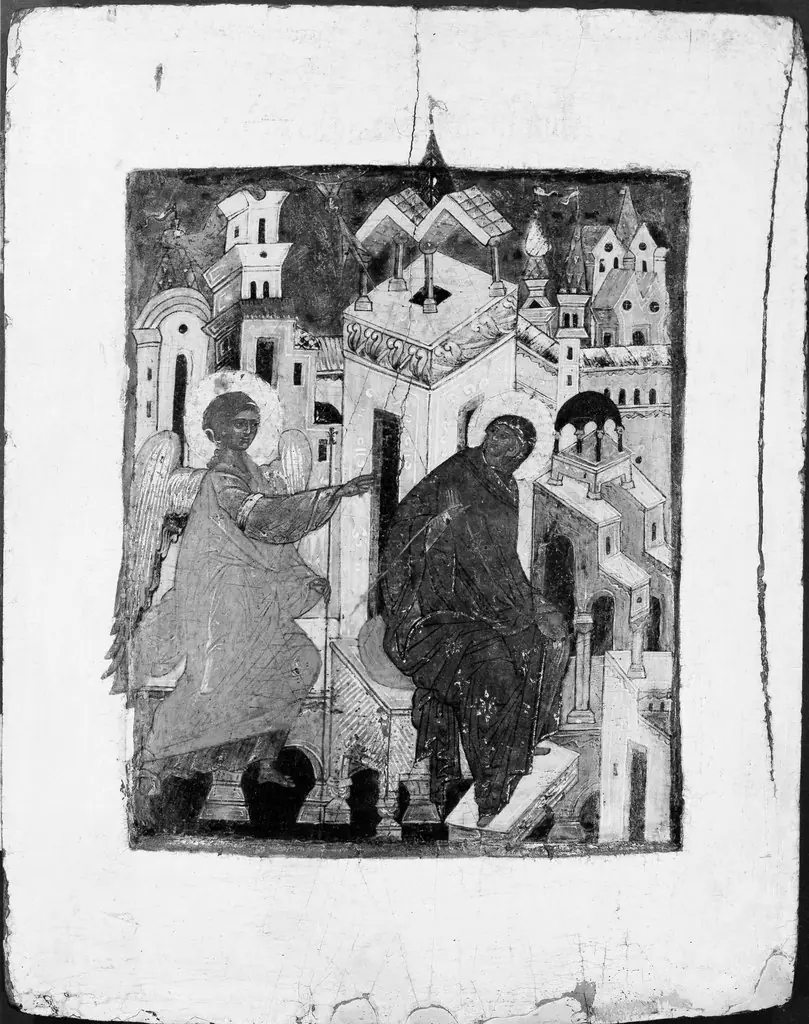 The Annunciation
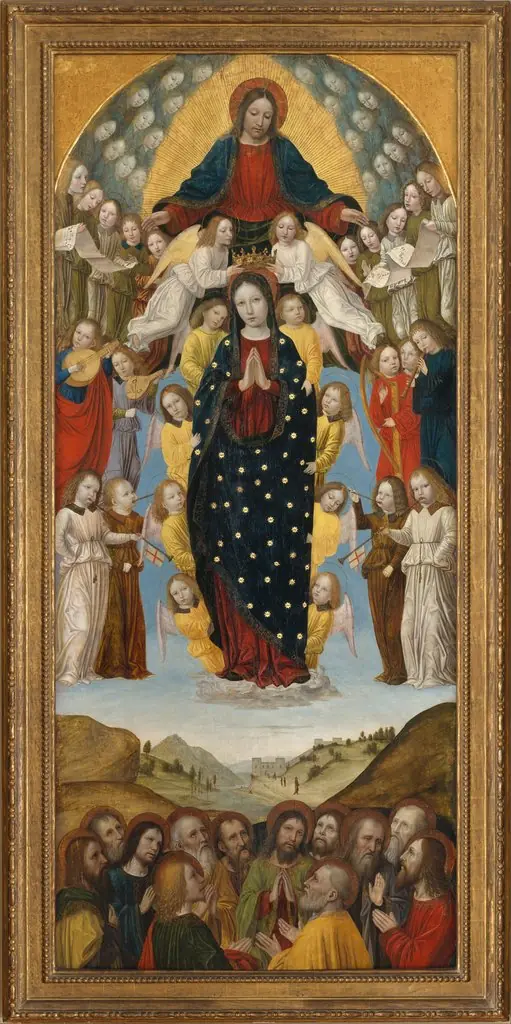 The Assumption of the Virgin
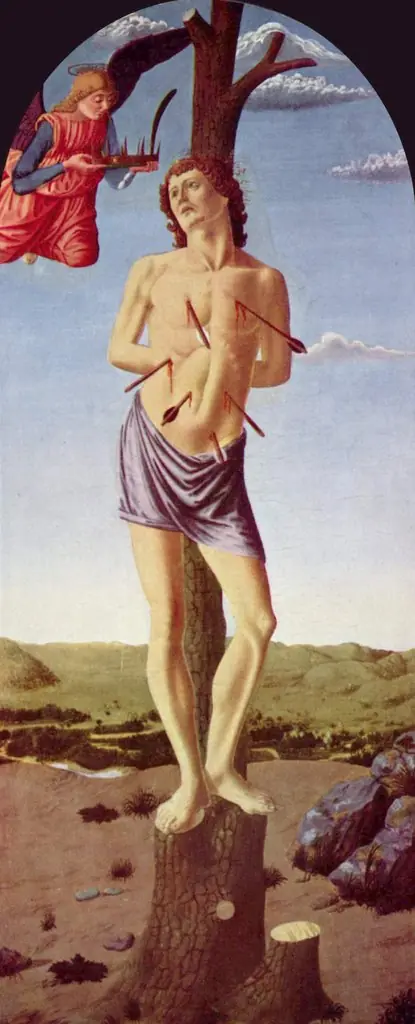 Saint Sebastian
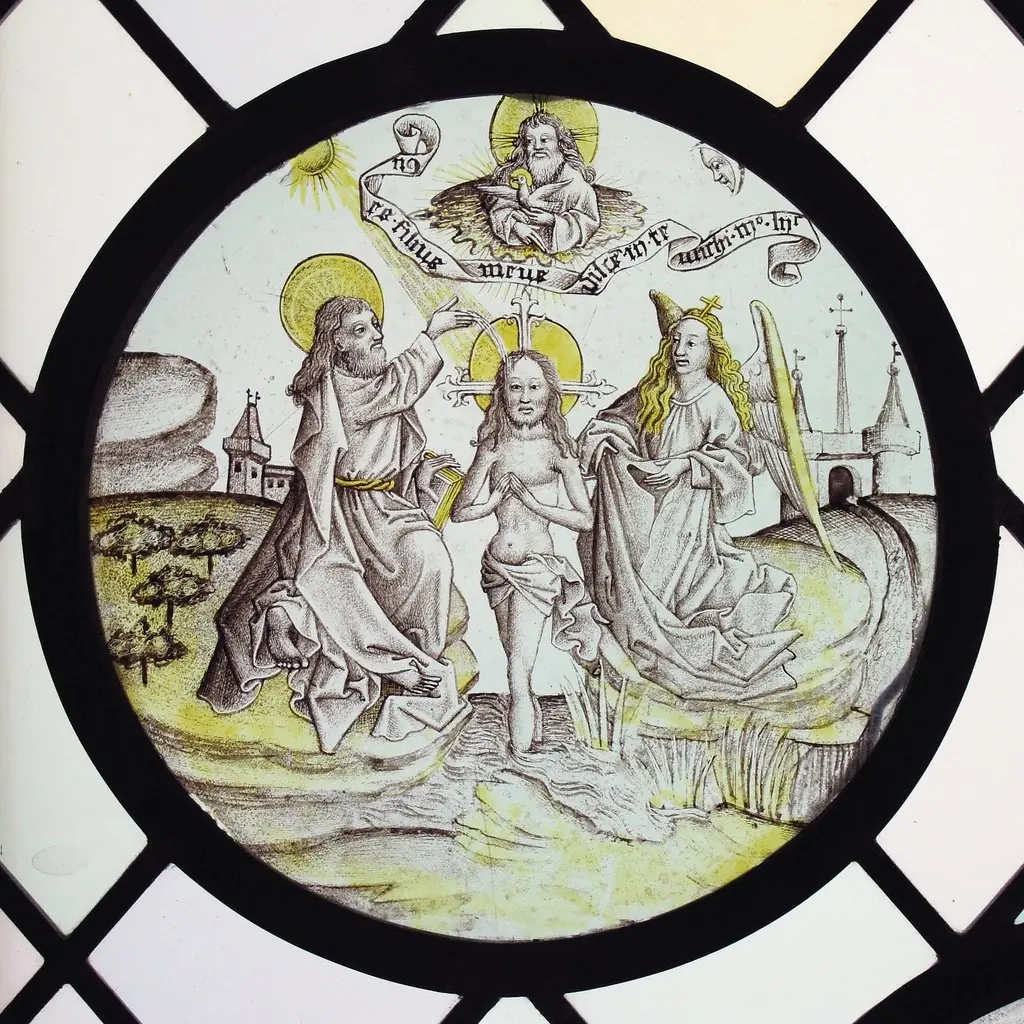 Roundel with the Baptism of Christ
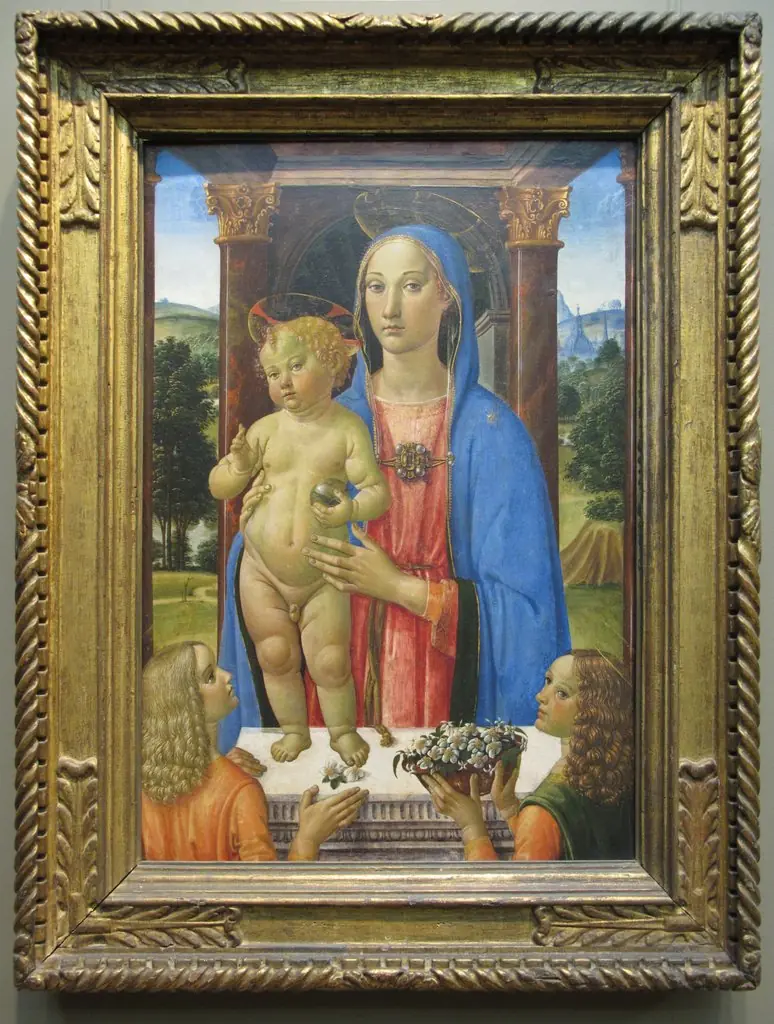 Madonna and Child with Angels
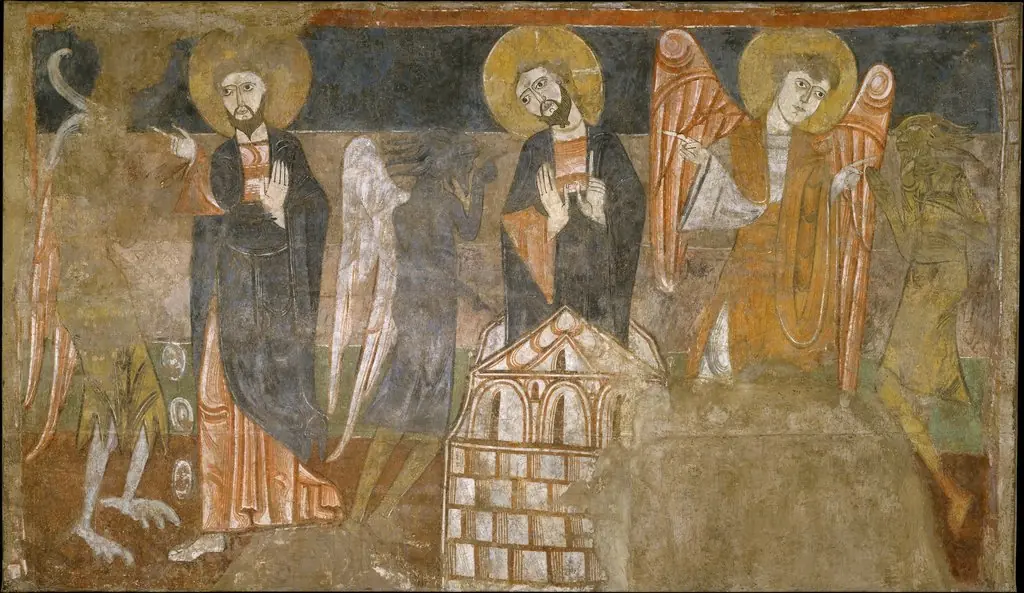 The Temptation of Christ by the Devil
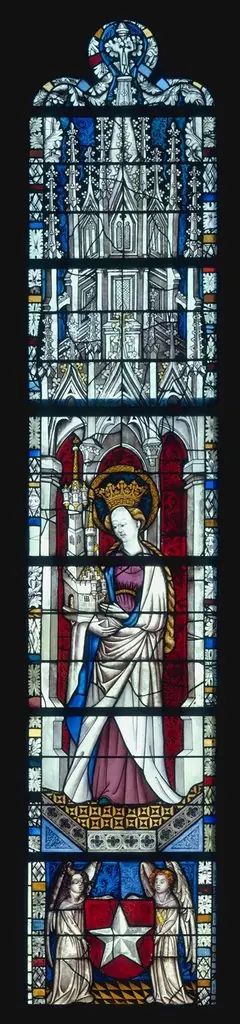 The Virgin Mary and Five Standing Saints above Predella Panels
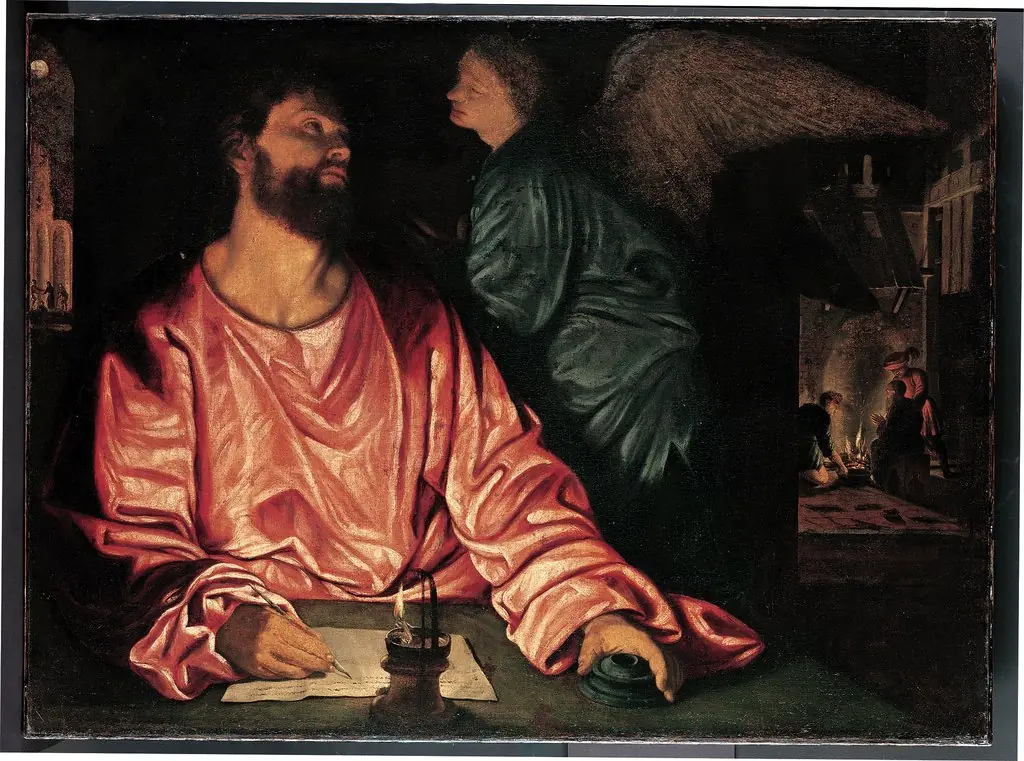 Saint Matthew and the Angel
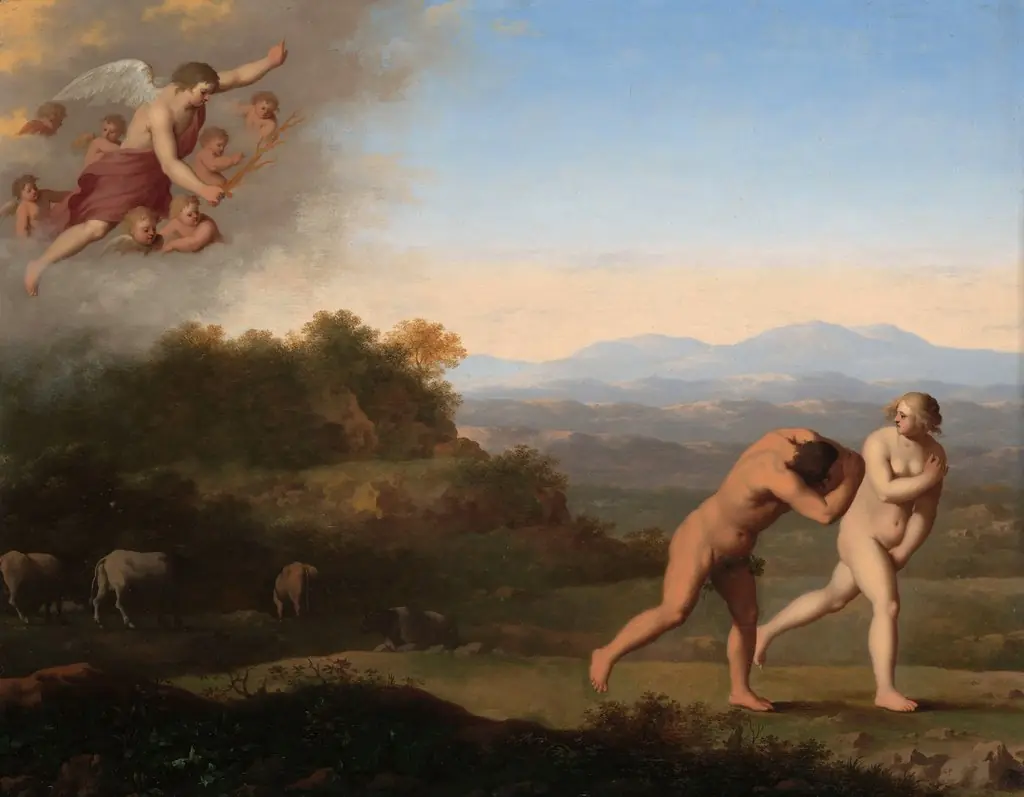 The Expulsion from Paradise
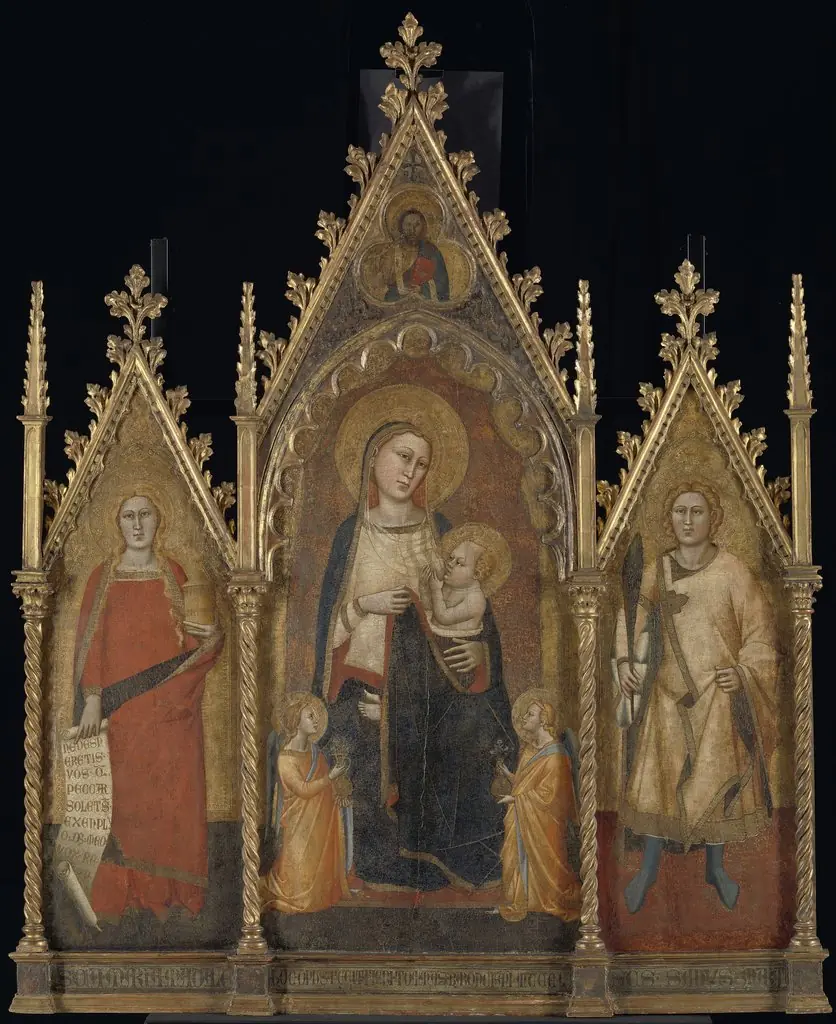 Triptych with the Virgin and Child, and Saints Mary Magdalene and Ansanus
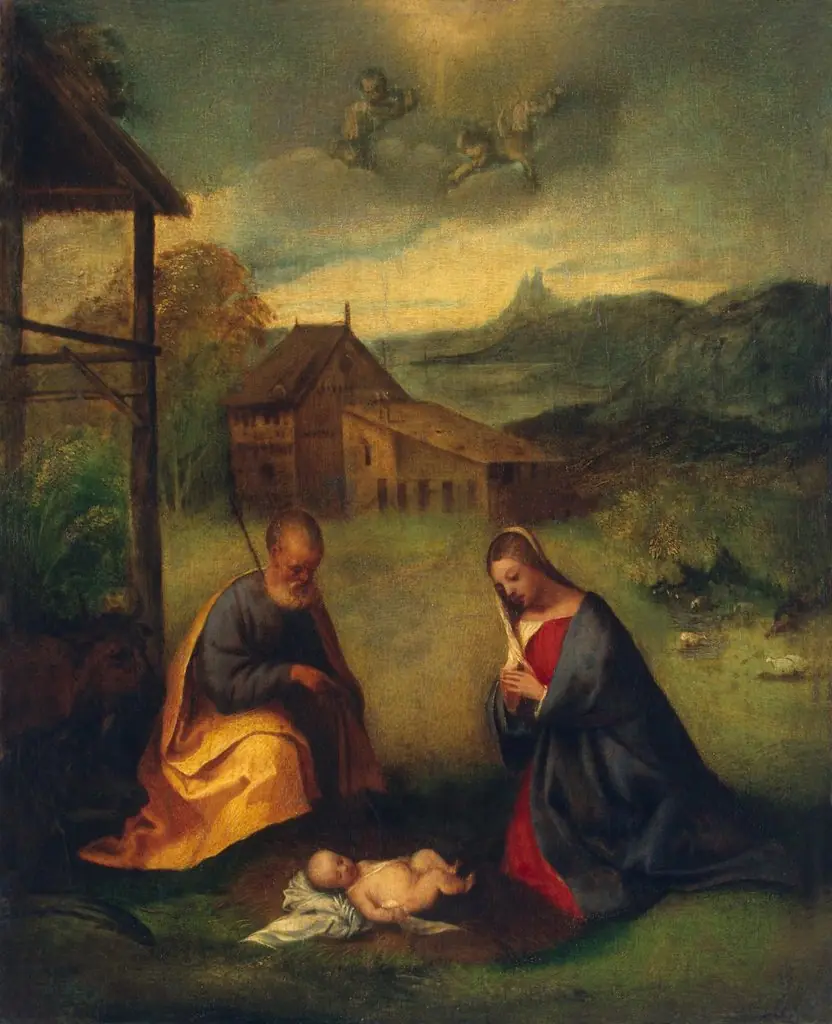 Adoration of the Christ Child
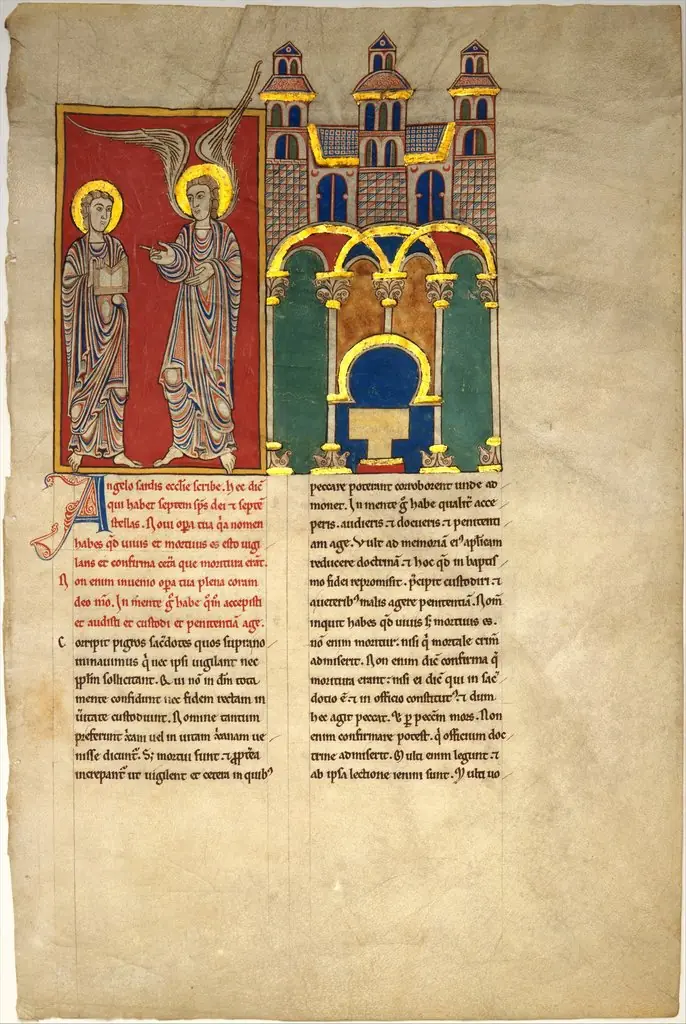 Leaf from a Beatus Manuscript: the Angel of the Church of Sardis with Saint John
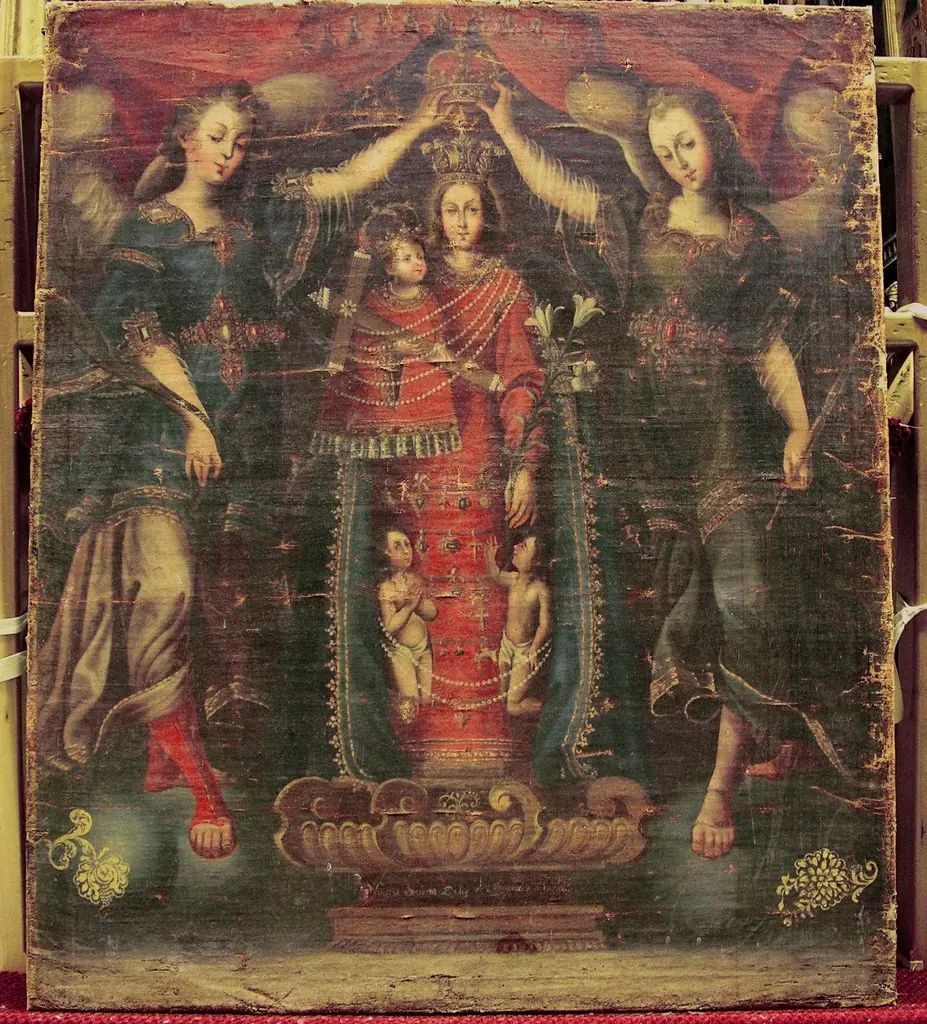 Nuestra Señora de los Desamparados (Our Lady of the Forsaken)
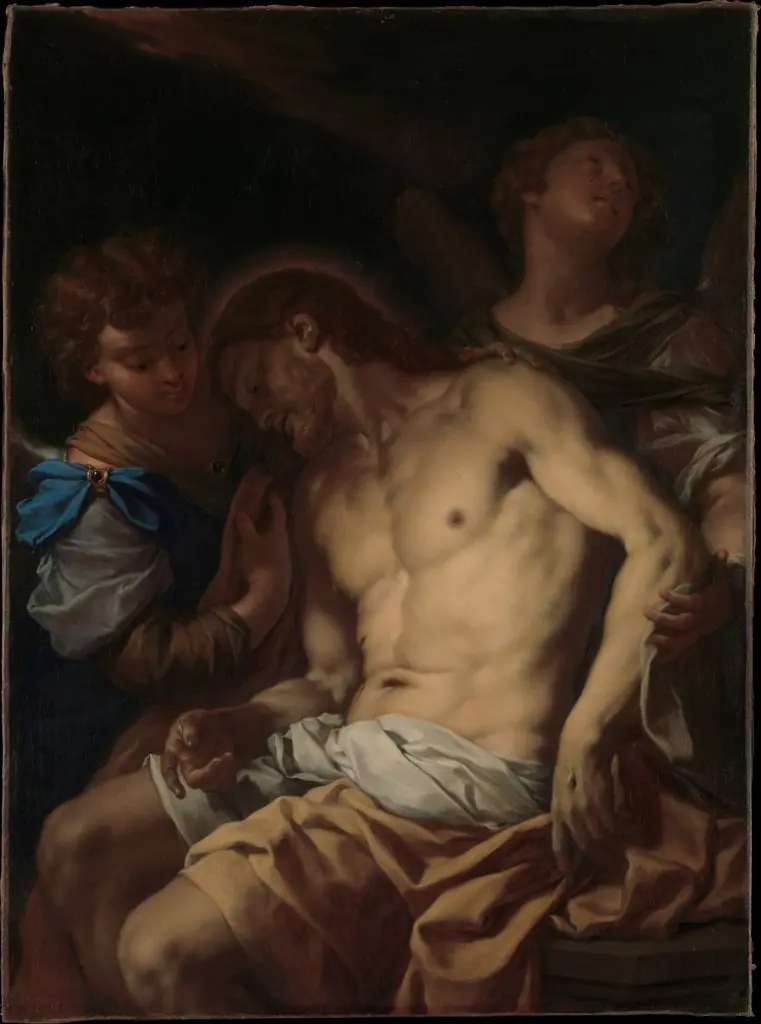 Dead Christ Supported by Angels
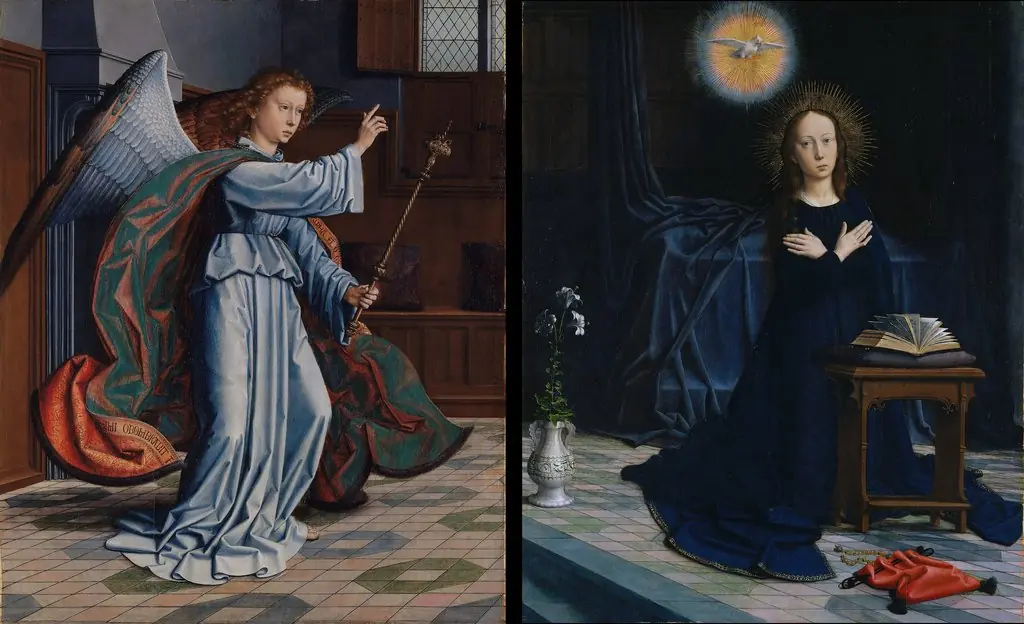 The Annunciation
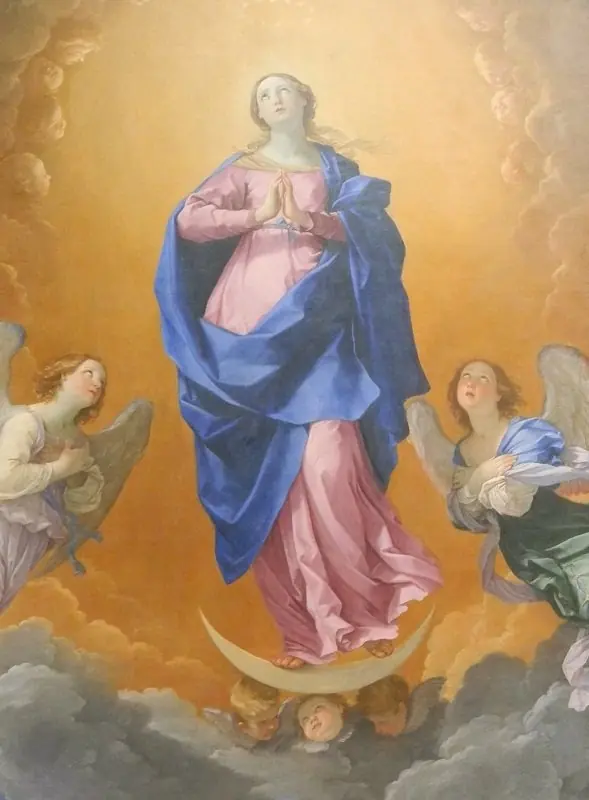 The Immaculate Conception
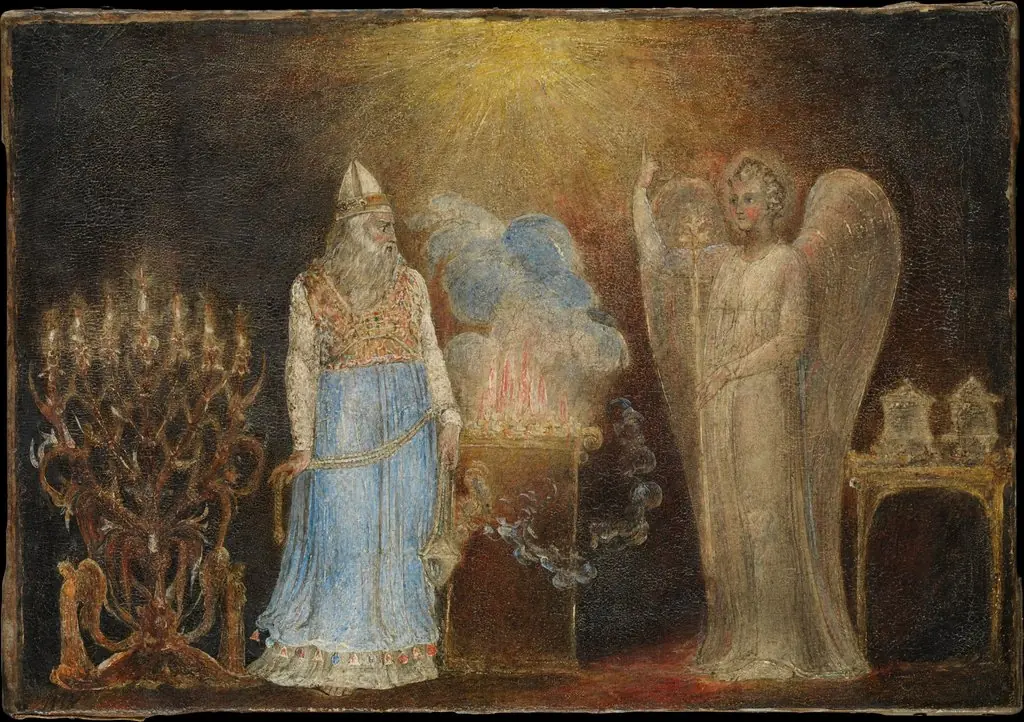 The Angel Appearing to Zacharias
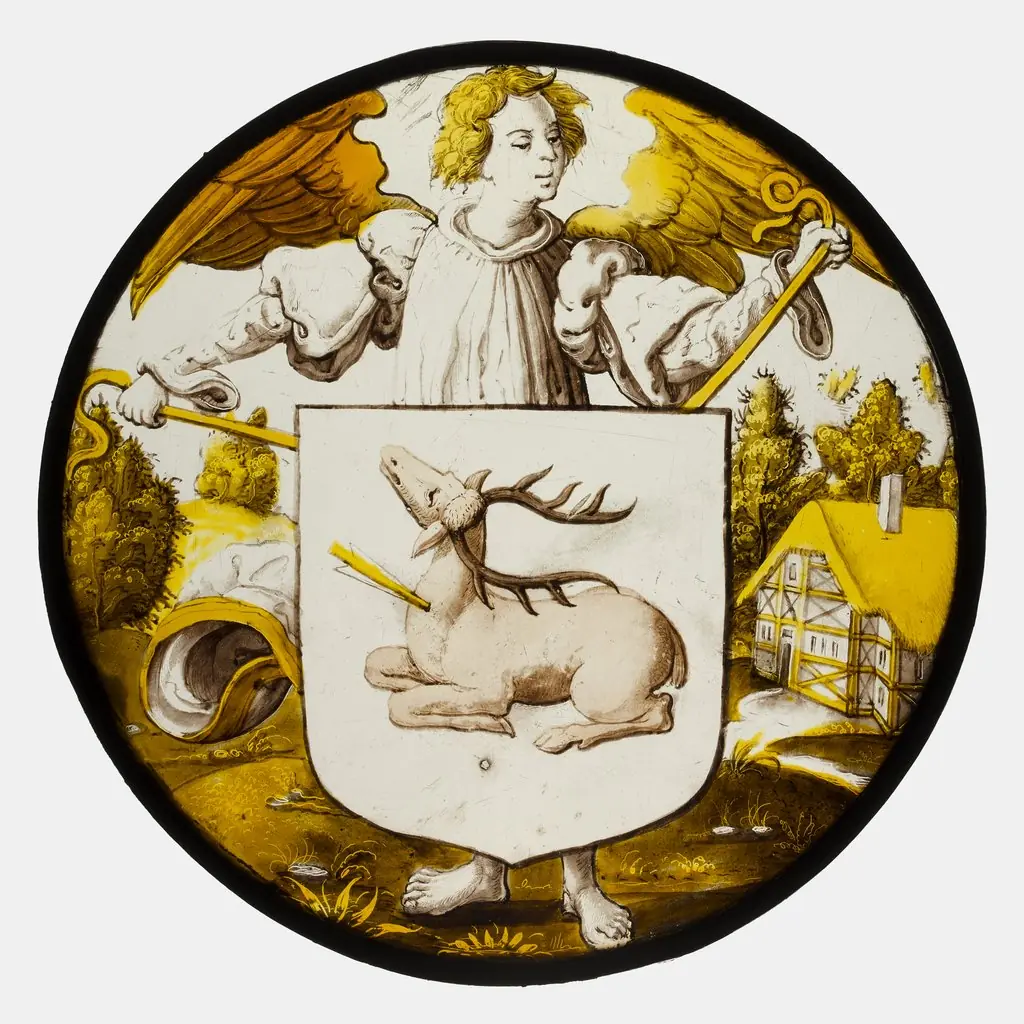 Roundel with Angel Supporting a Heraldic Shield
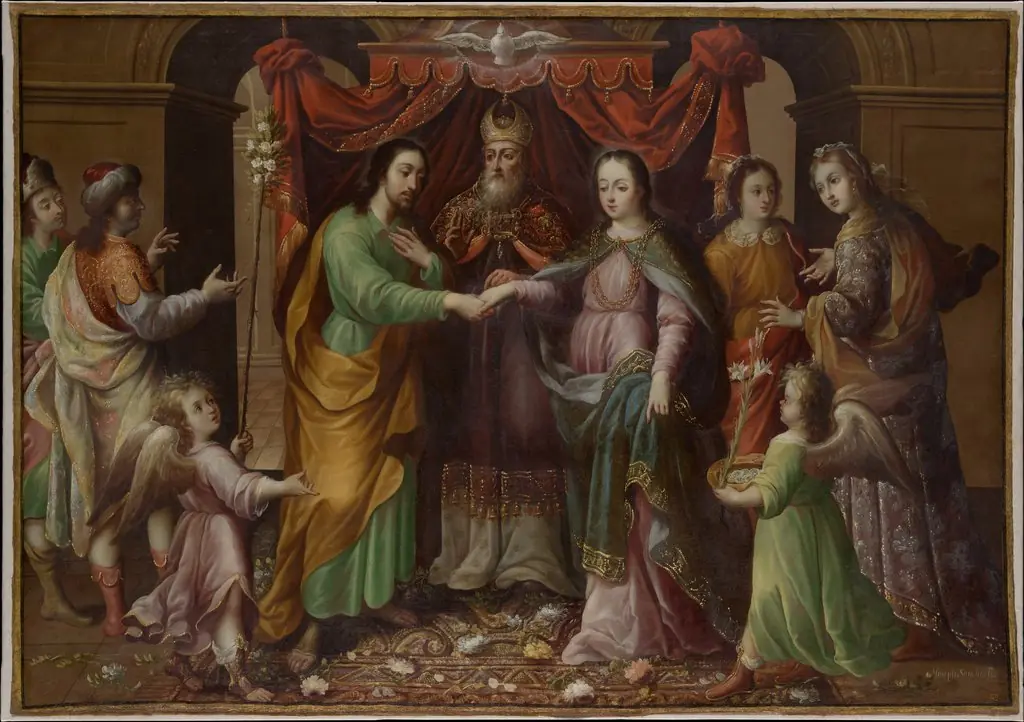 The Marriage of the Virgin
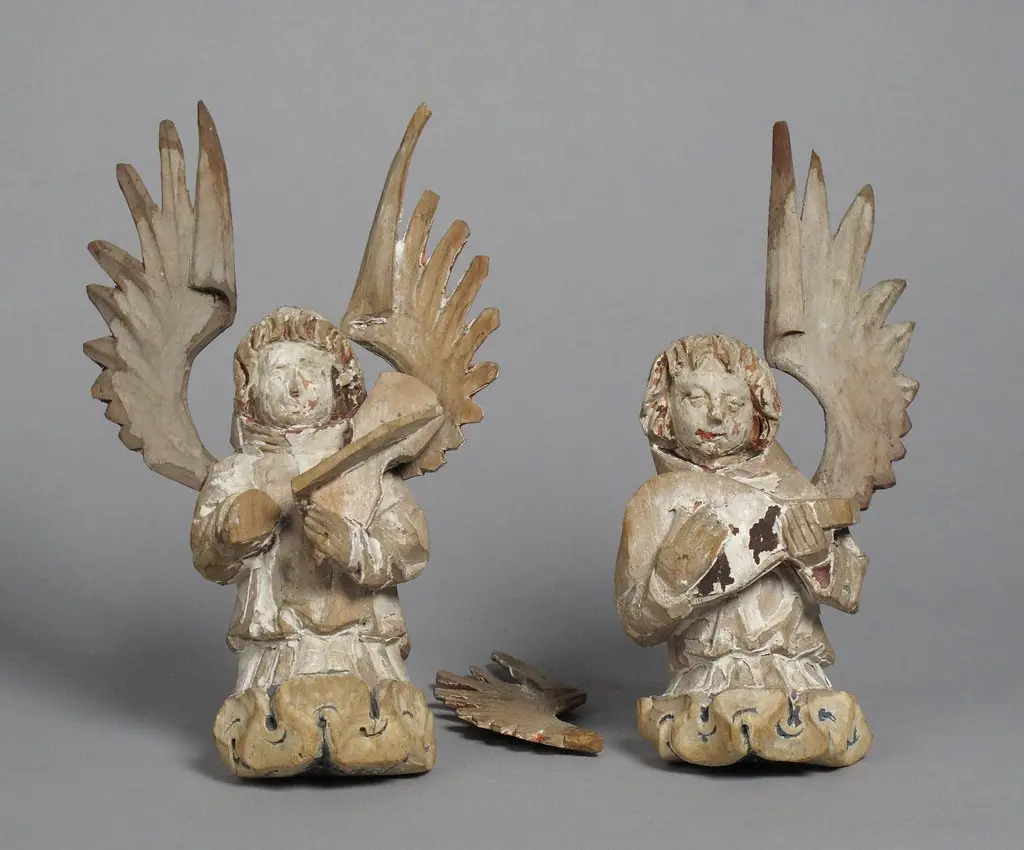 Angel Playing Instrument
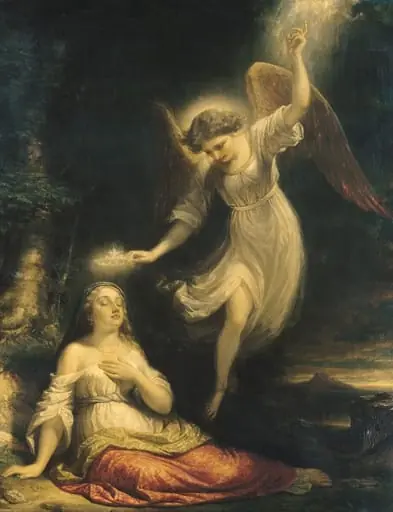 Mercy's Dream
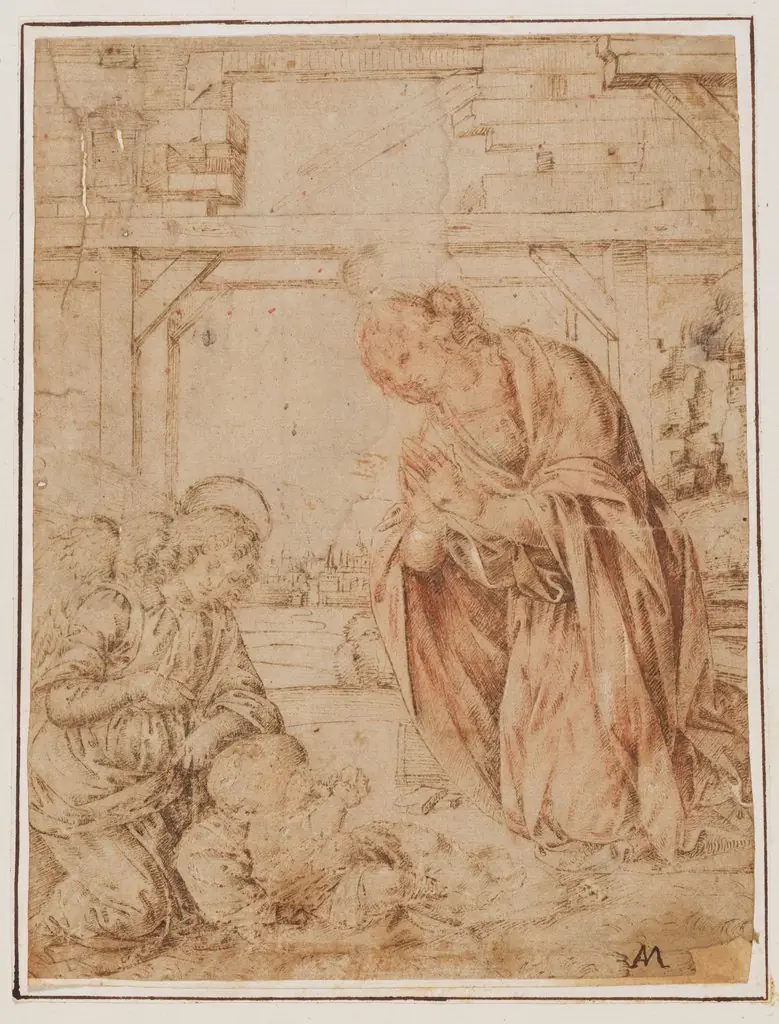 The Madonna Adoring the Child, with an Angel
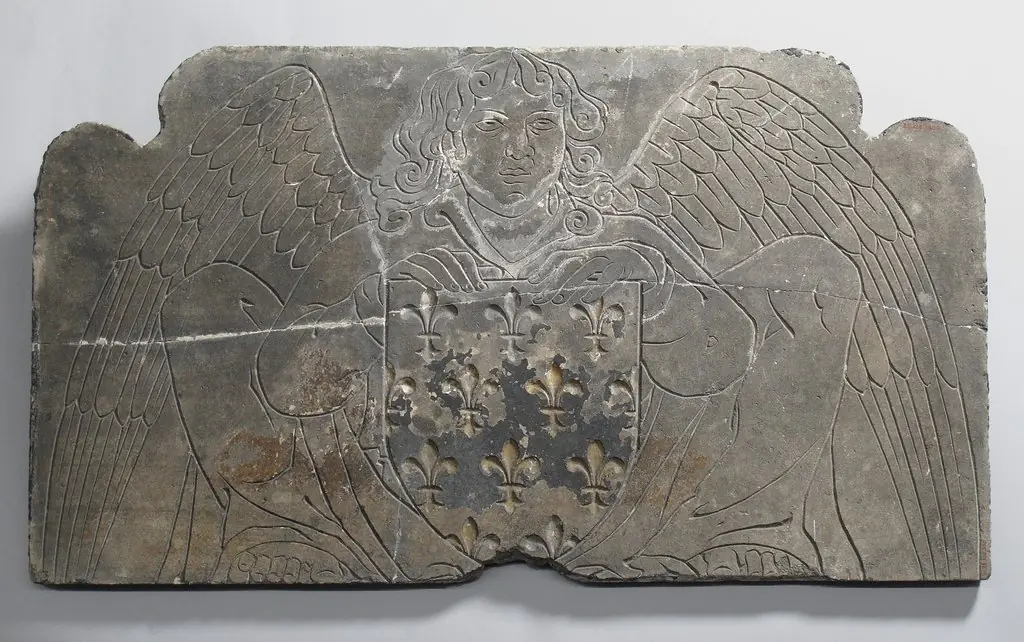 Tomb Slab of Madame Blanche of France, Duchesse d'Orléans
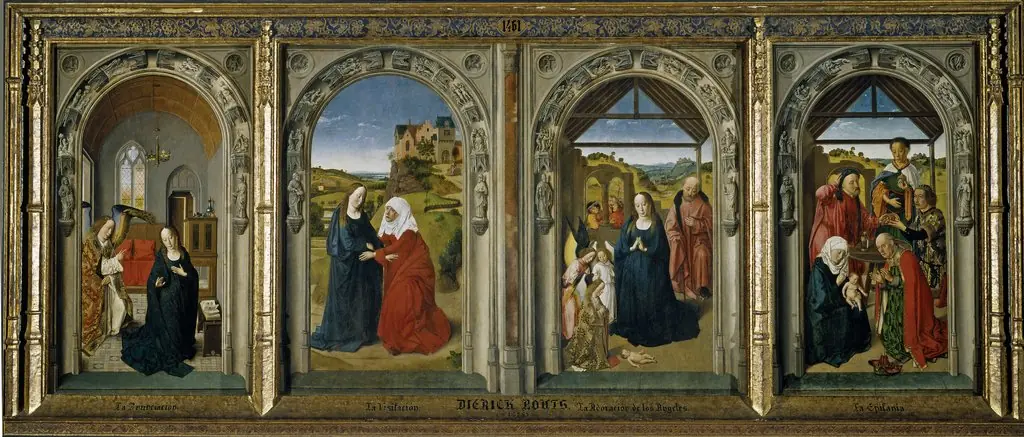 Triptych with Scenes from the Life of the Virgin
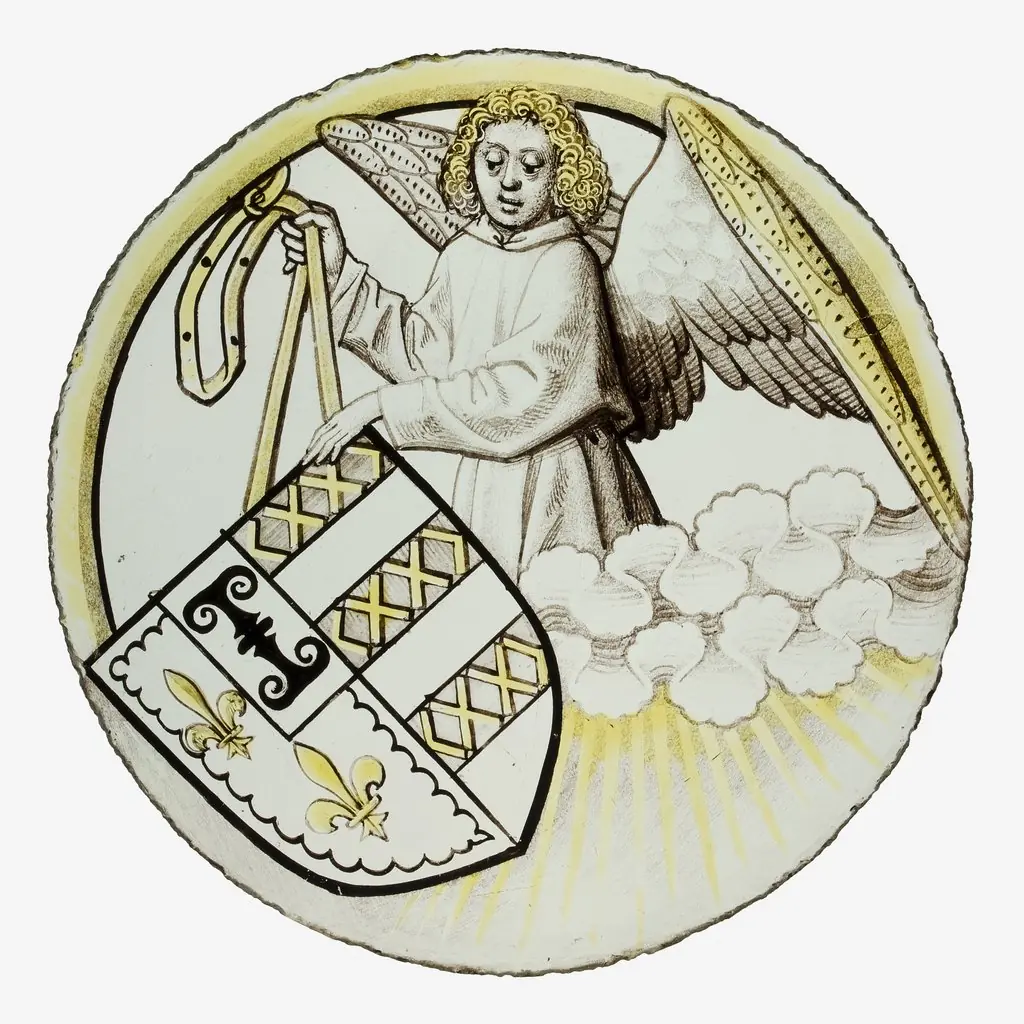 Roundel with Angel Supporting a Heraldic Shield
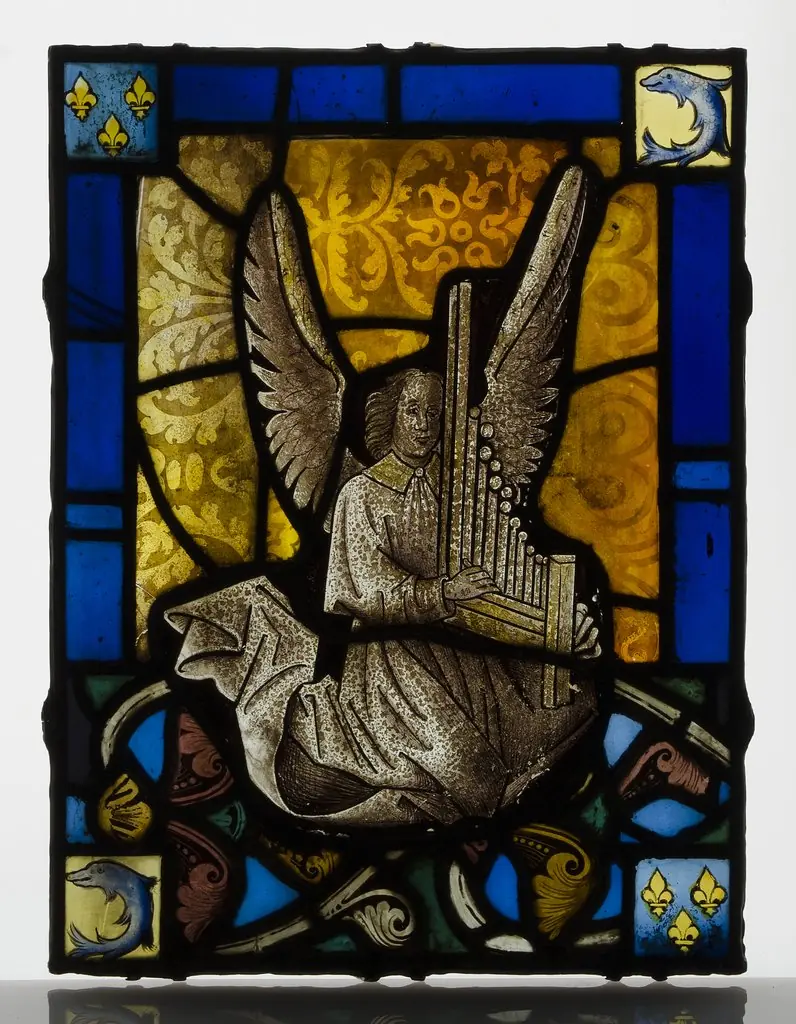 Border Fragment with Musical Angel
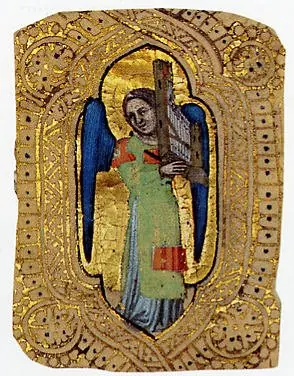 Angel with Portative Organ
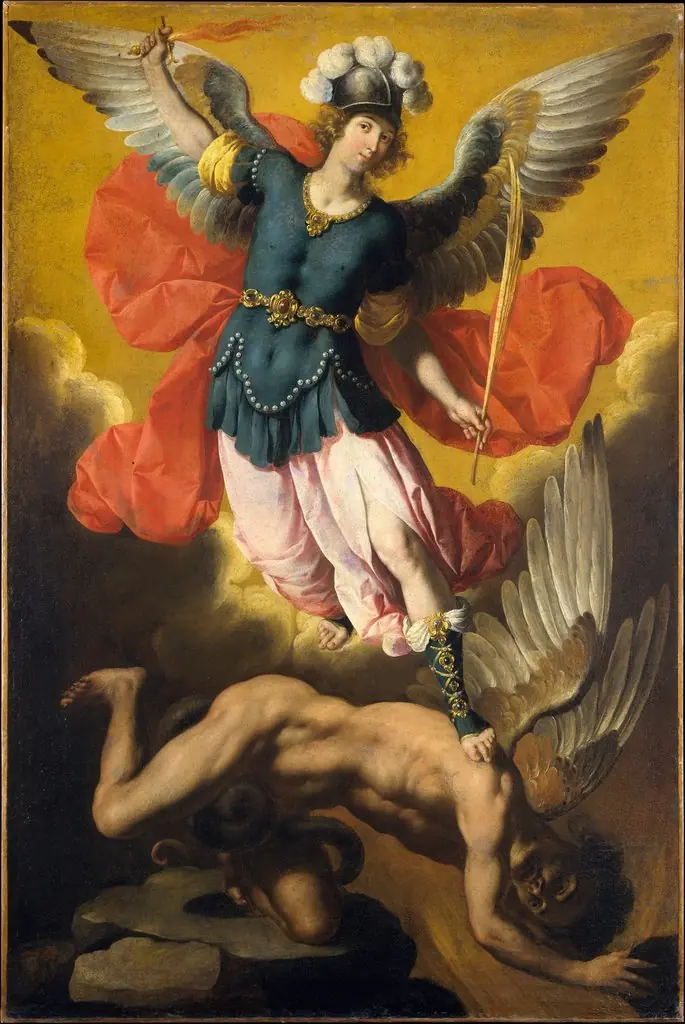 Saint Michael the Archangel
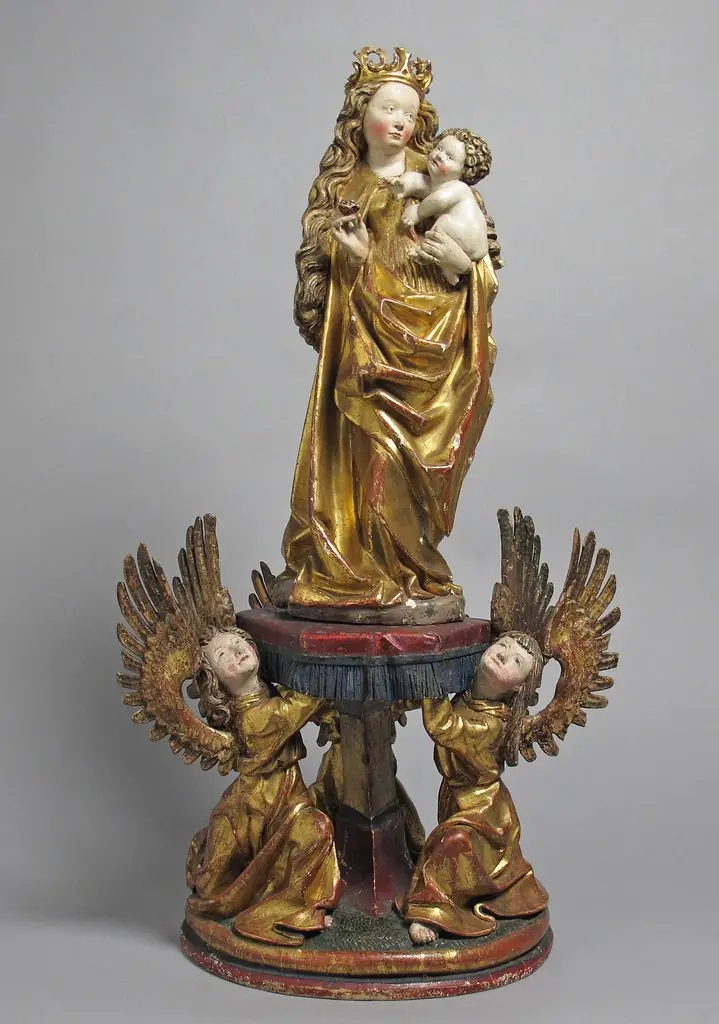 Virgin and Child Supported by Angels
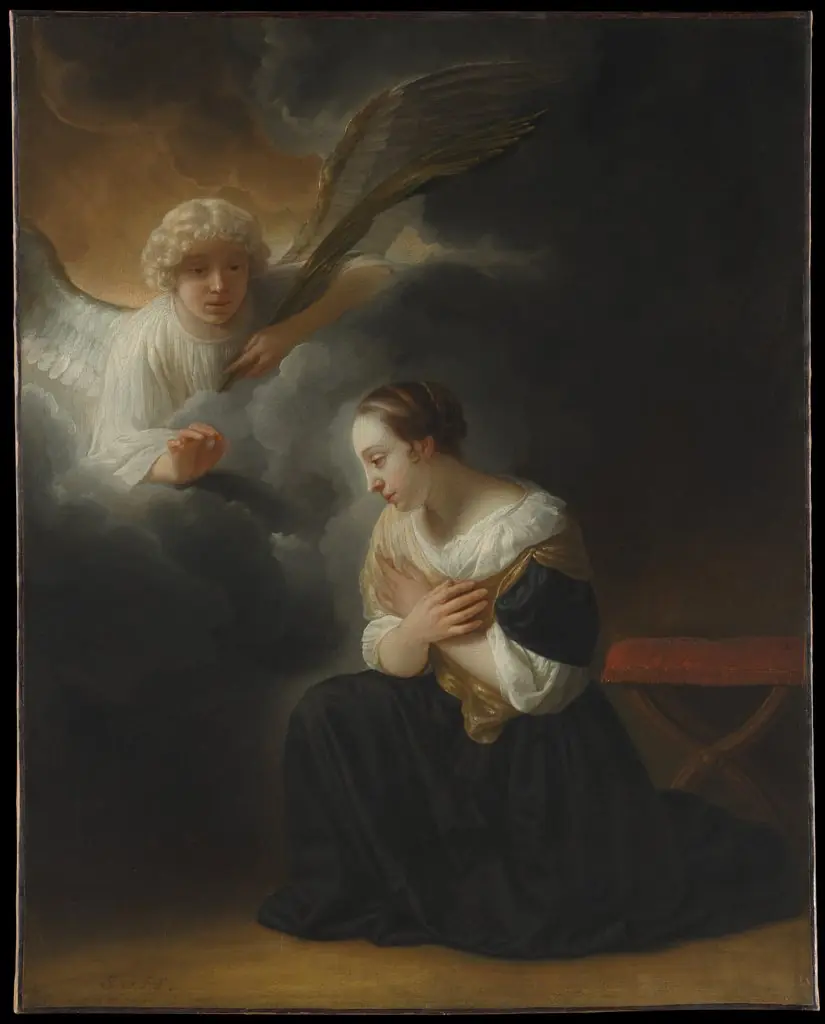 The Annunciation of the Death of the Virgin
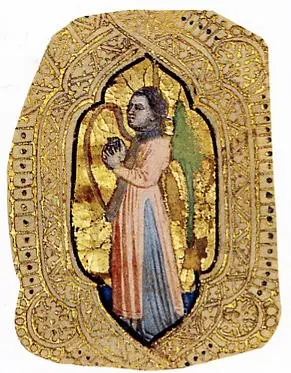 Angel with Harp
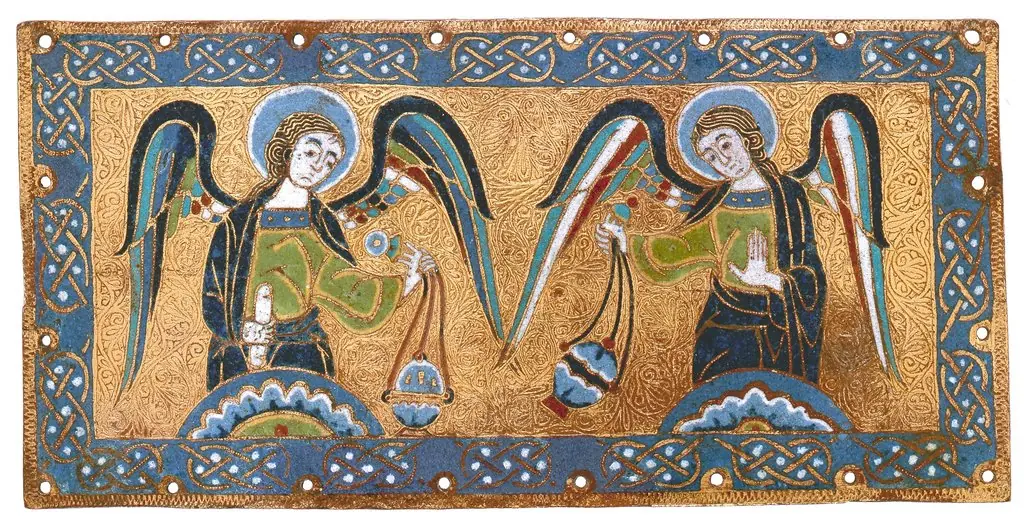 Plaque with Censing Angels
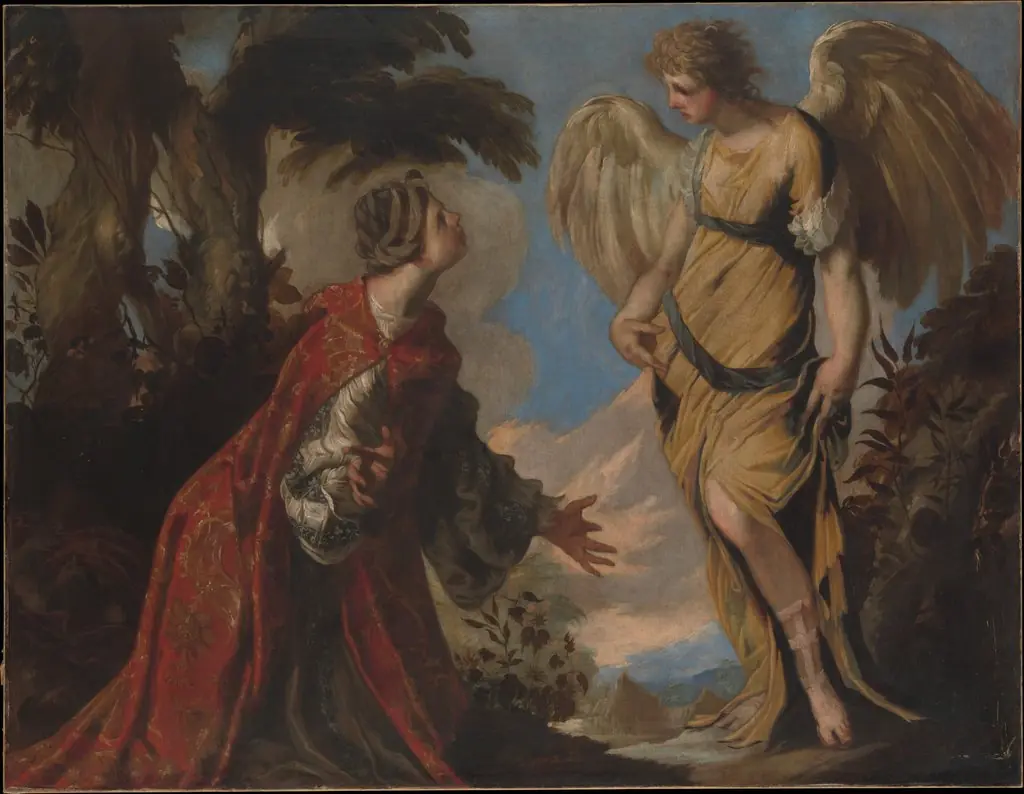 Hagar and the Angel
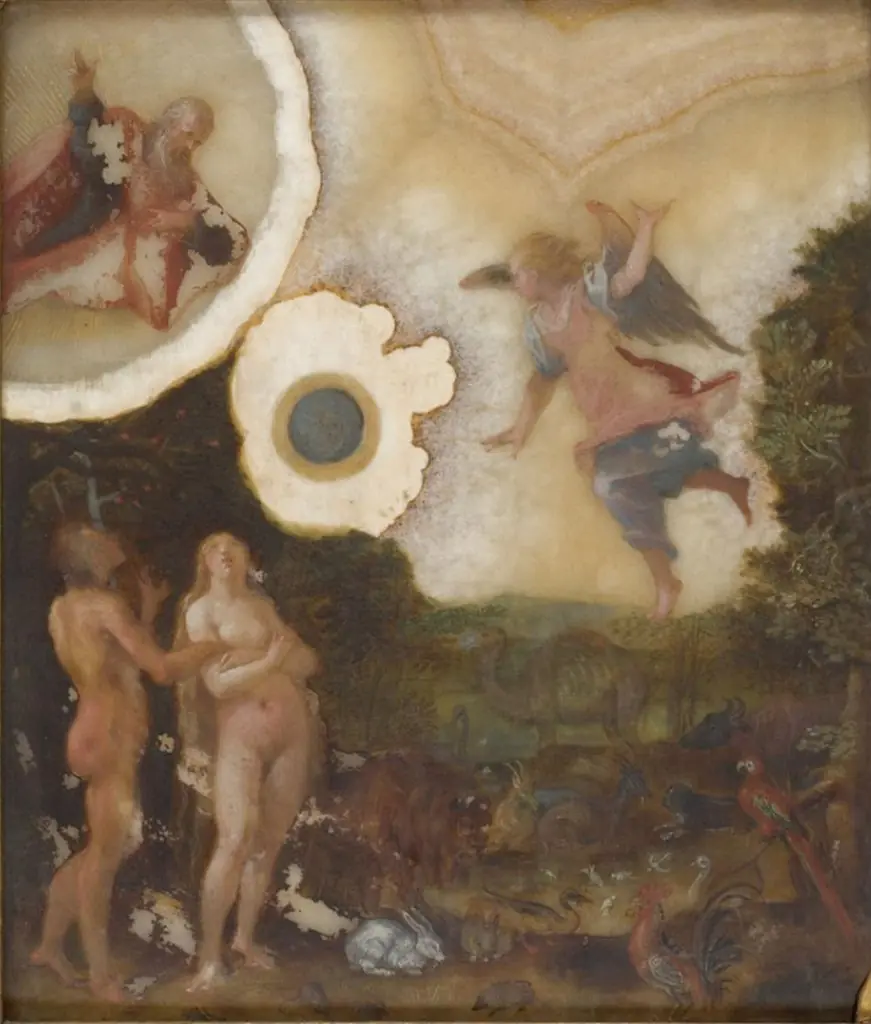 Expulsion from earthly Paradise.
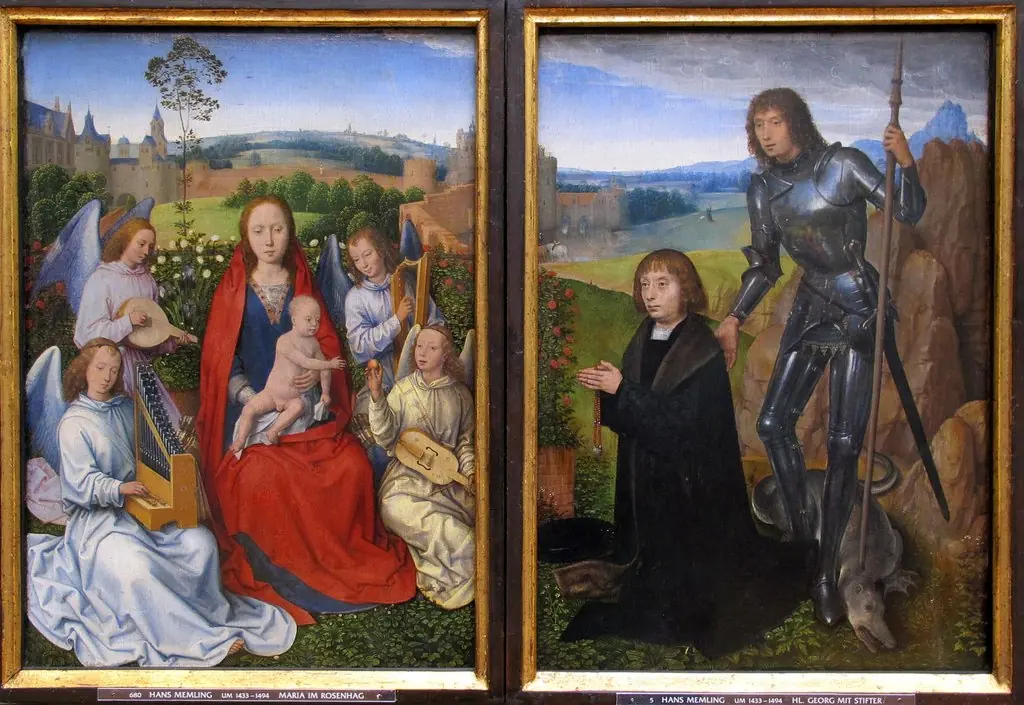 Diptych of Munich
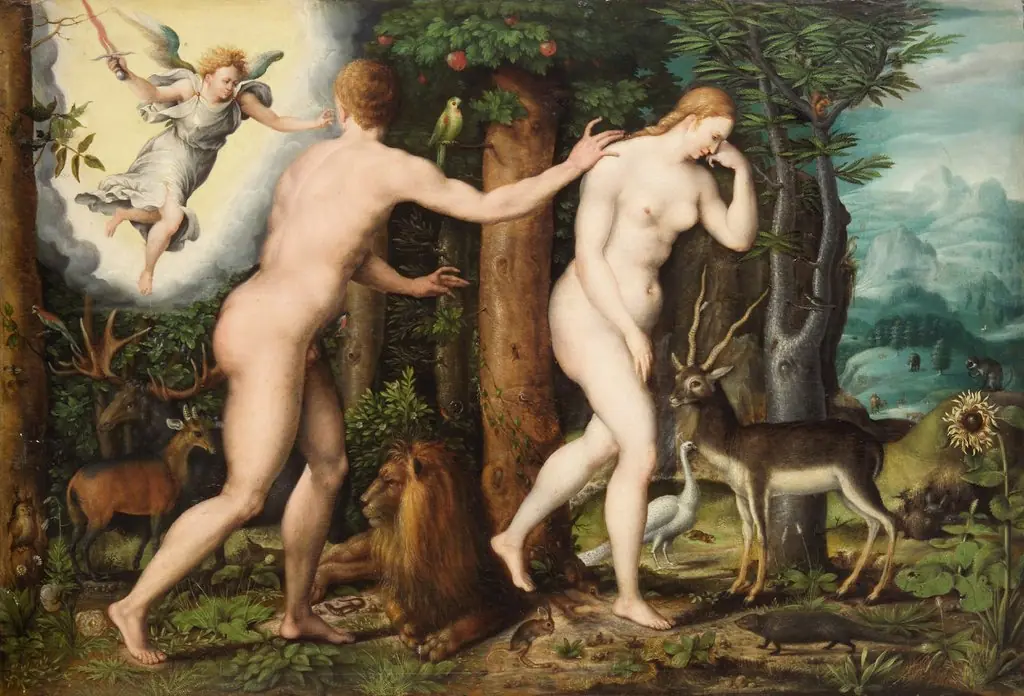 Vertreibung aus dem Paradies
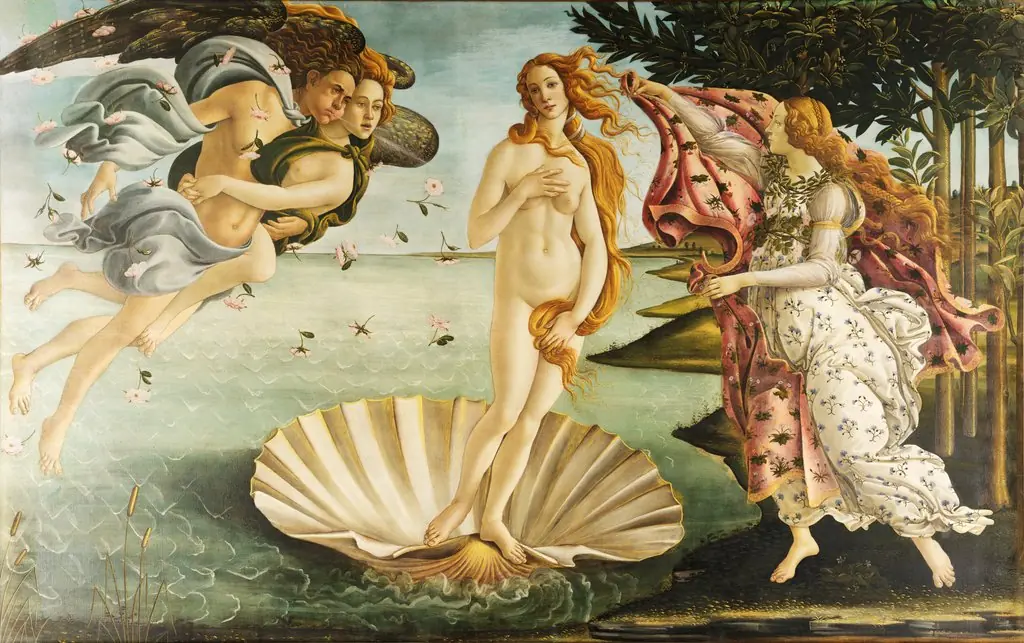 The Birth of Venus
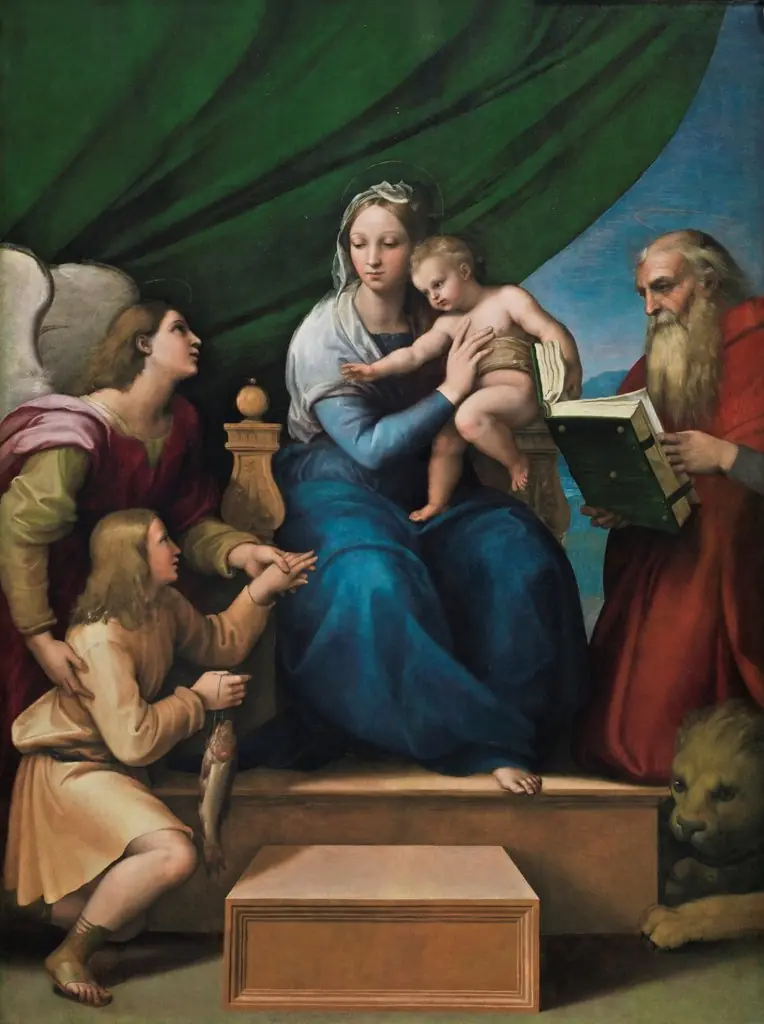 Madonna with the Fish
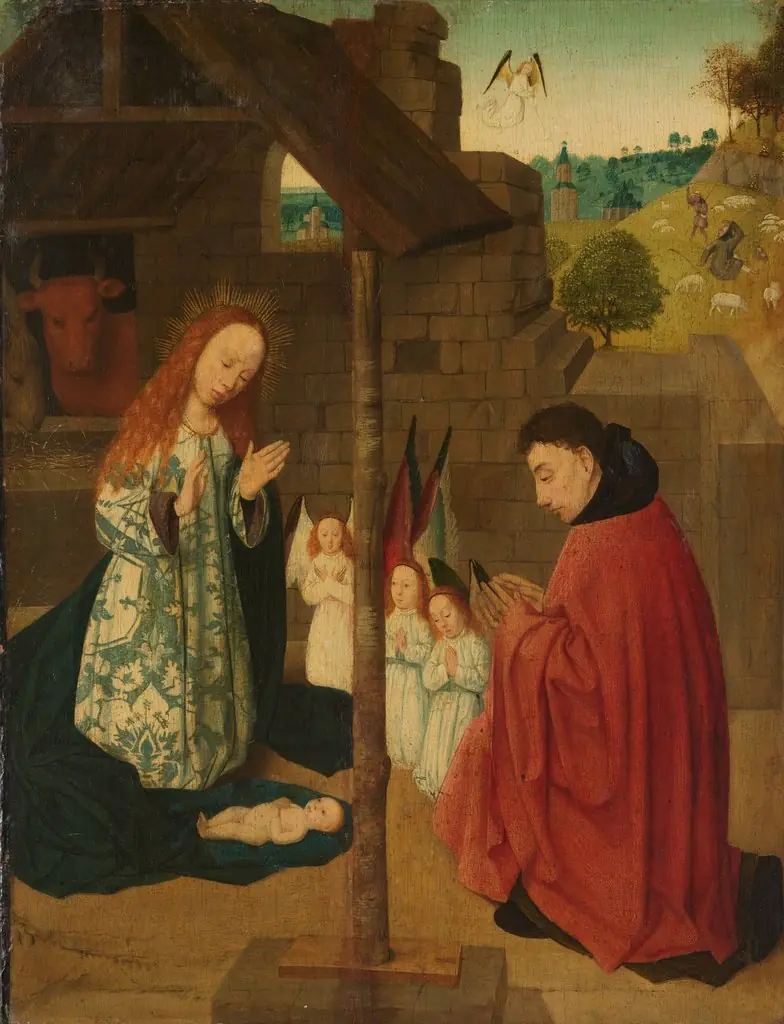 The nativity
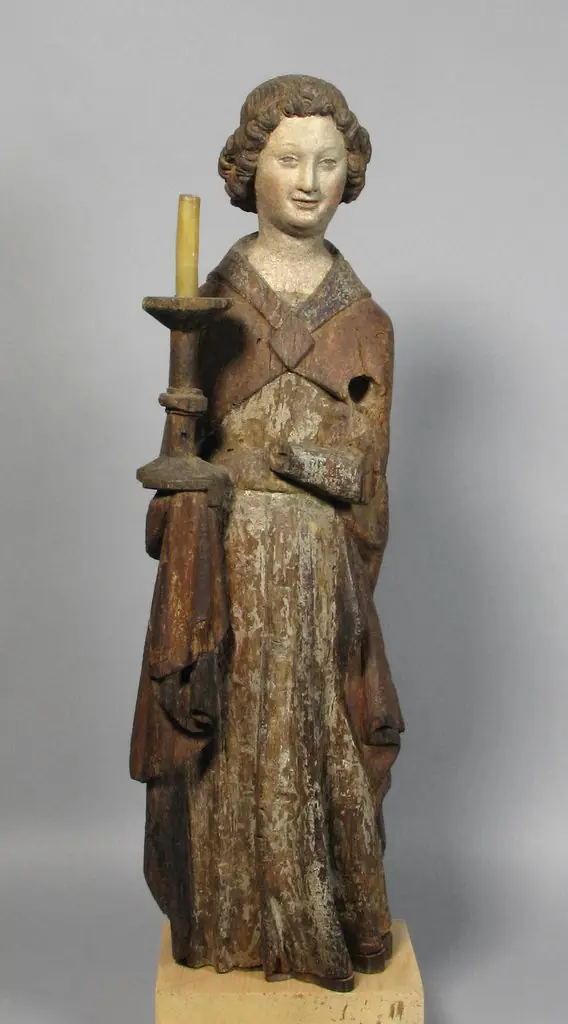 Angel
Angel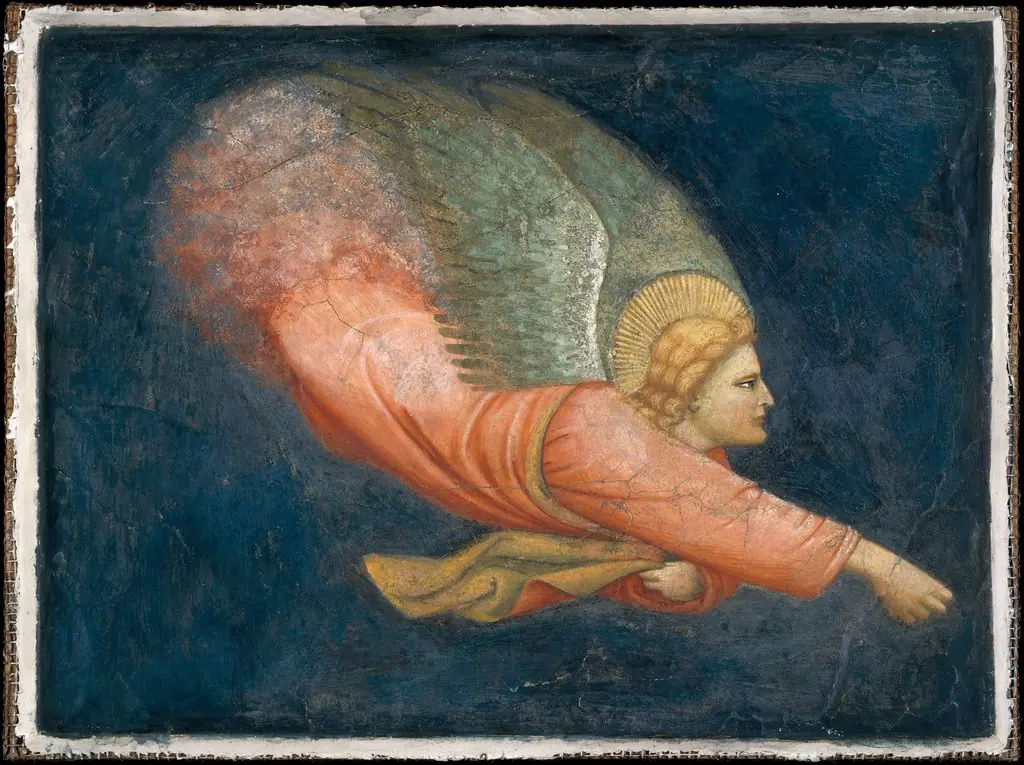 Two Angels
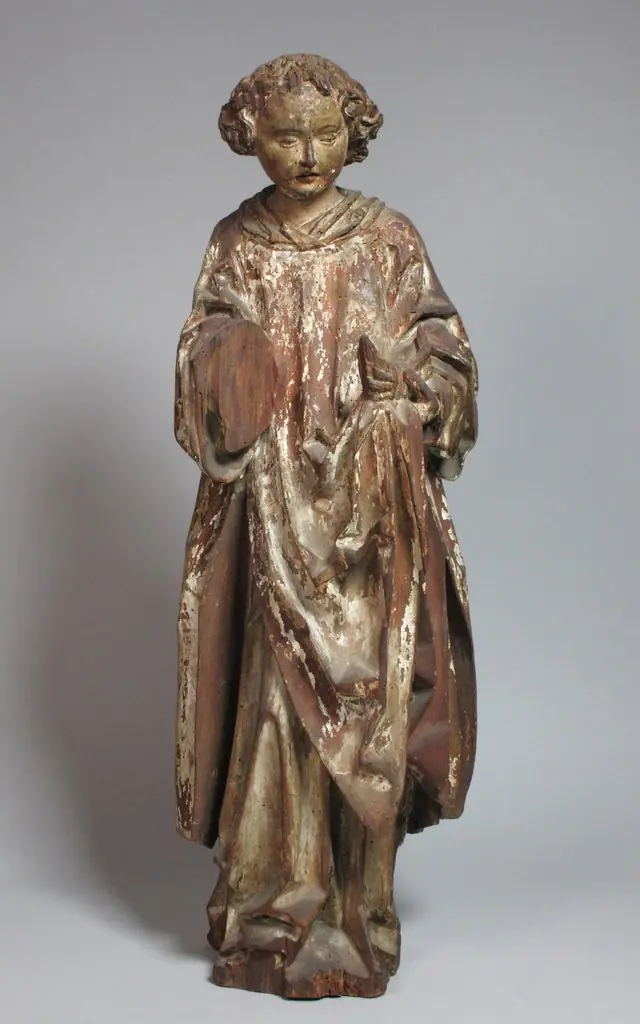 Angel
Angel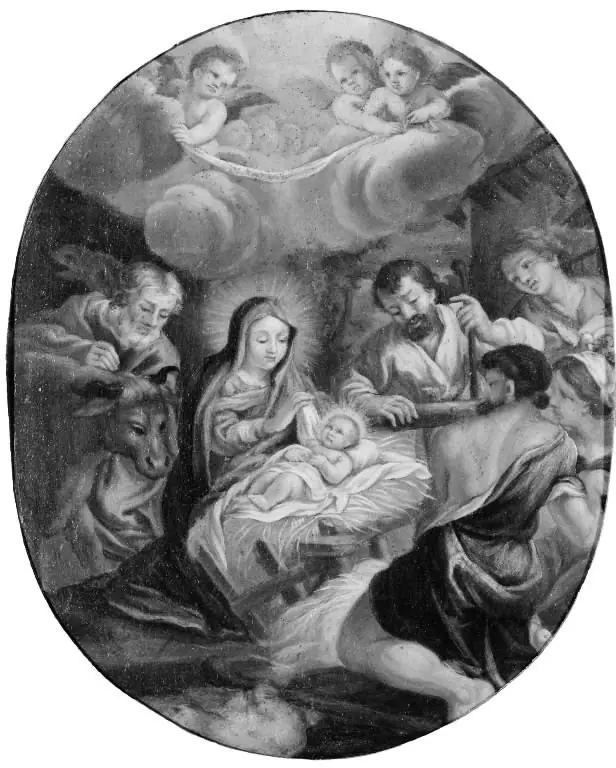 The Adoration of the Shepherds
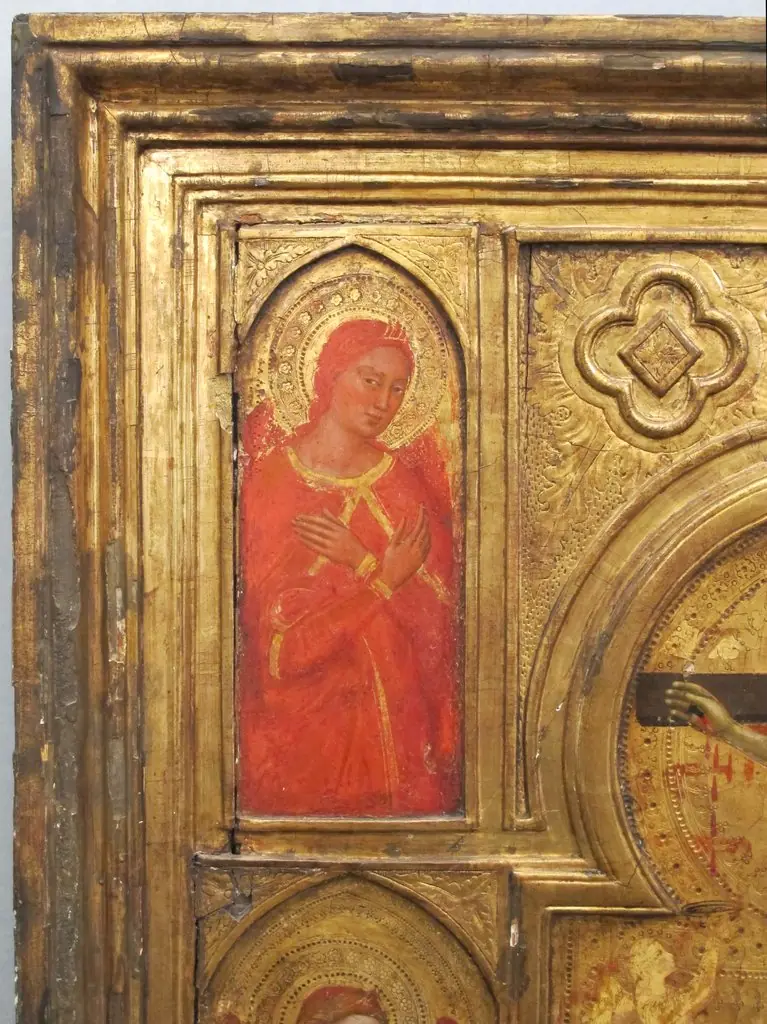 Six Angels
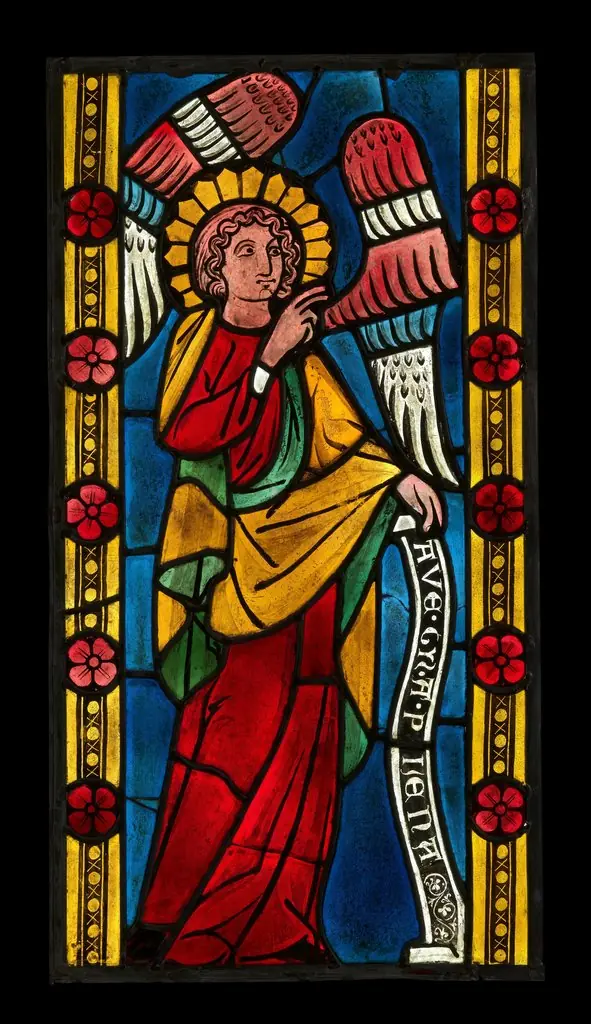 The Angel Annunciate
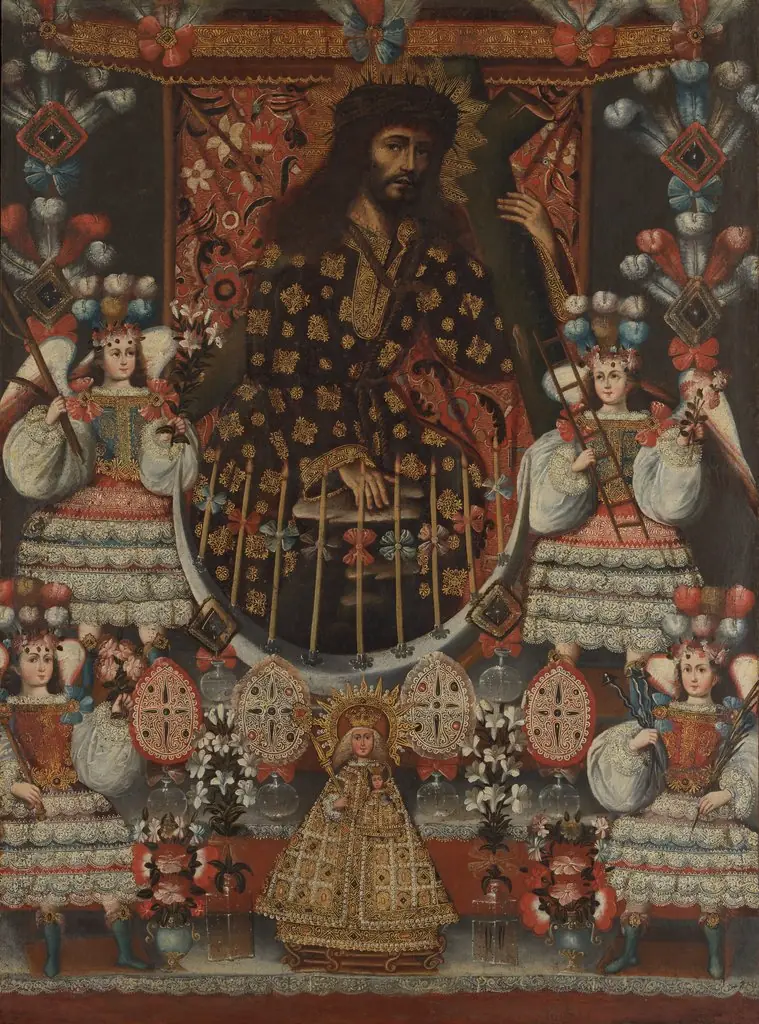 Christ Carrying the Cross, called "The Lord of the Fall"
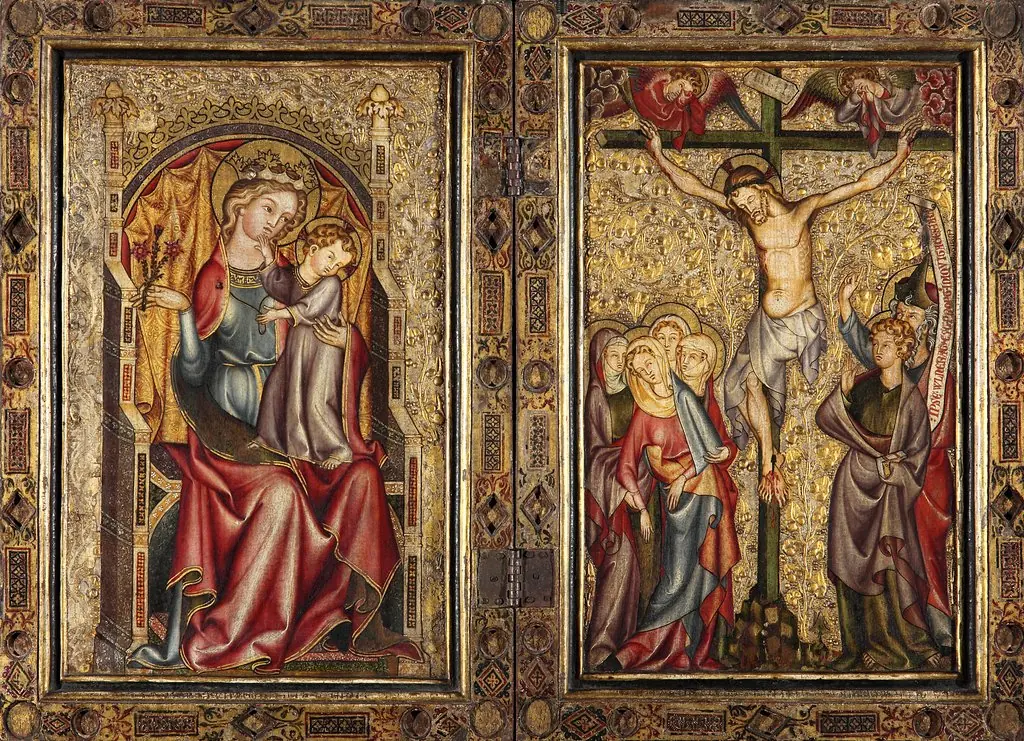 Cologne Diptych
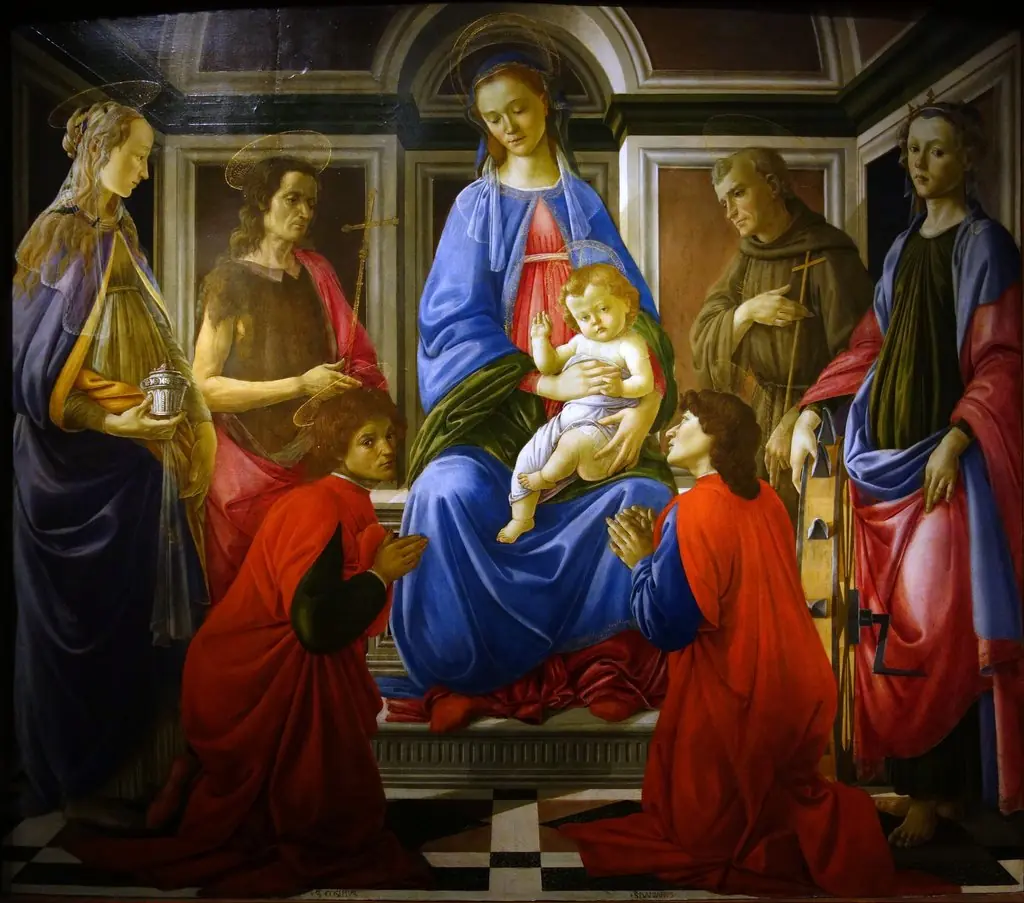 Sant'Ambrogio Altarpiece
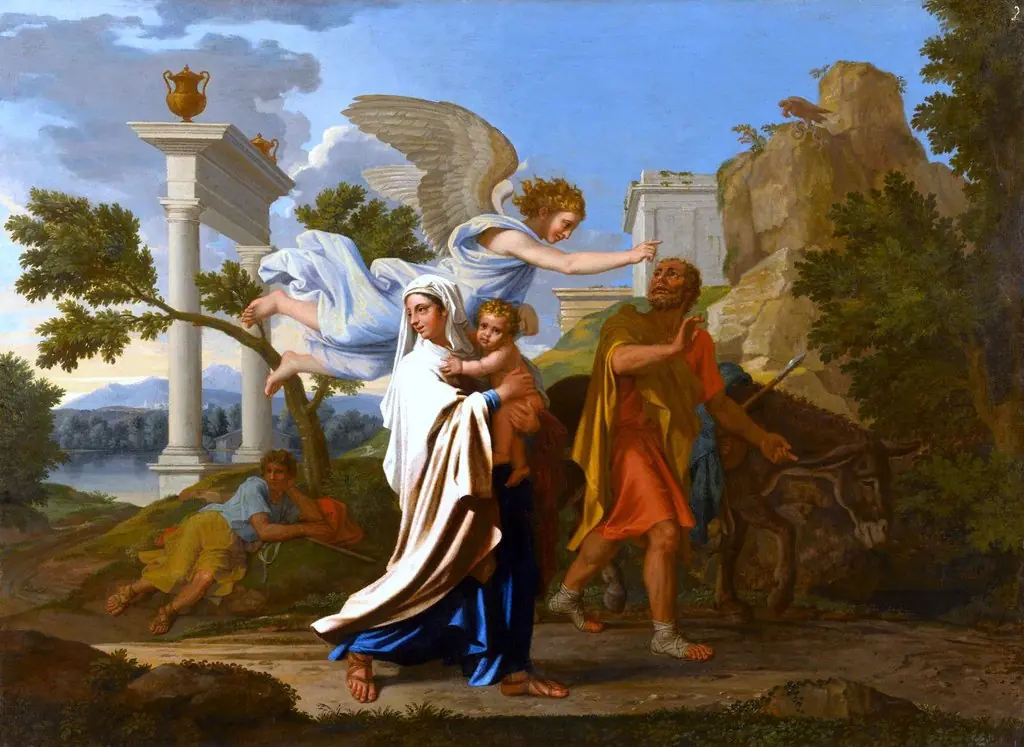 The Flight into Egypt
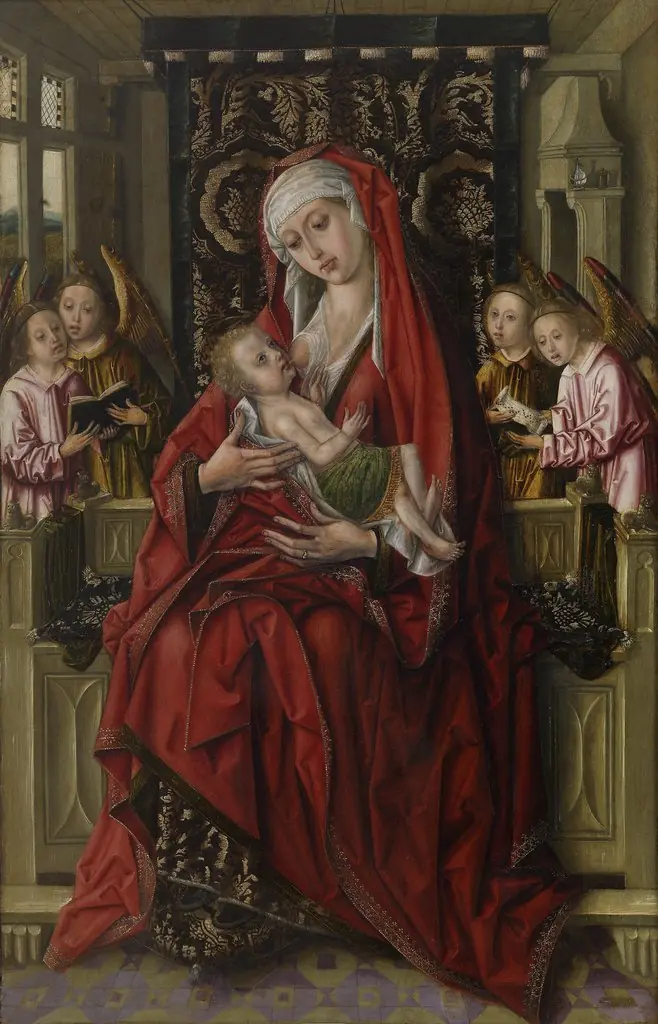 The Virgin Nursing the Child
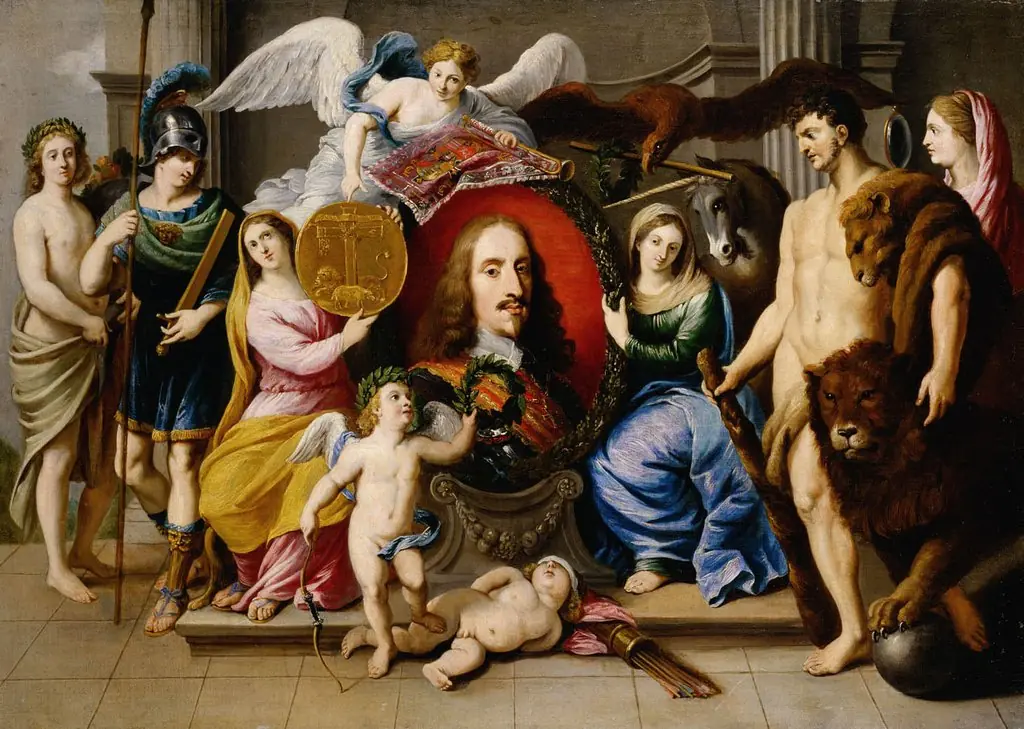 Allegory on Archduke Leopold Wilhelm (1614-1662)
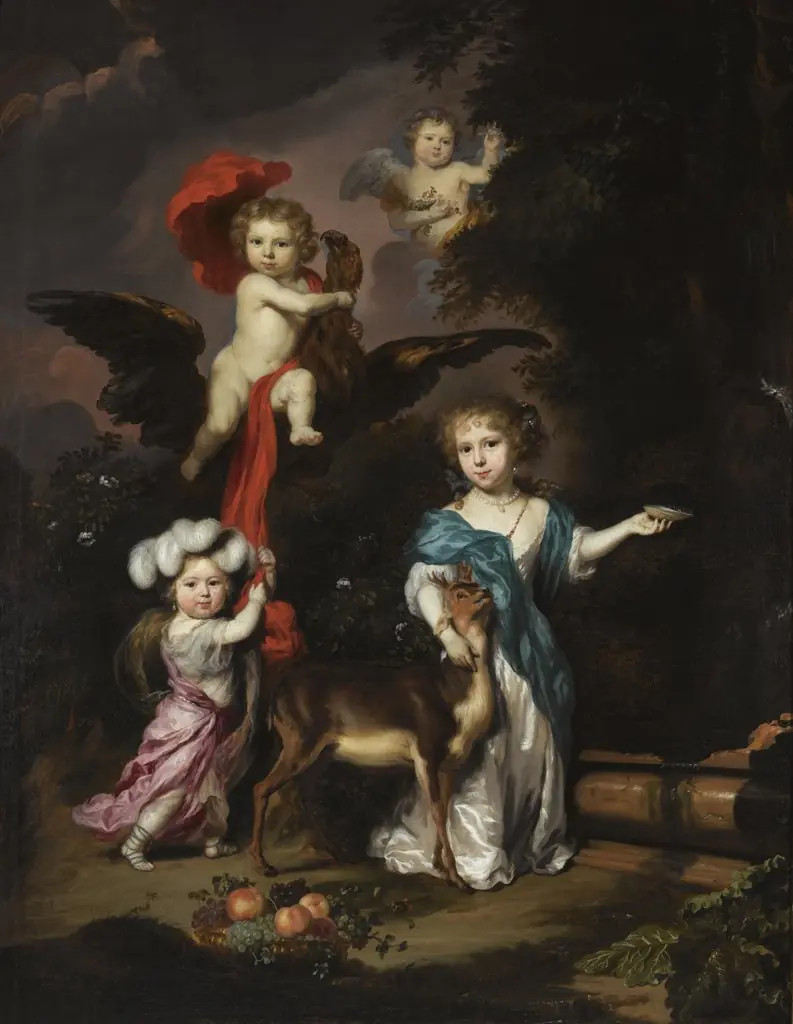 Portrait of Four Children as Ceres Ganymede Cherub and Diana
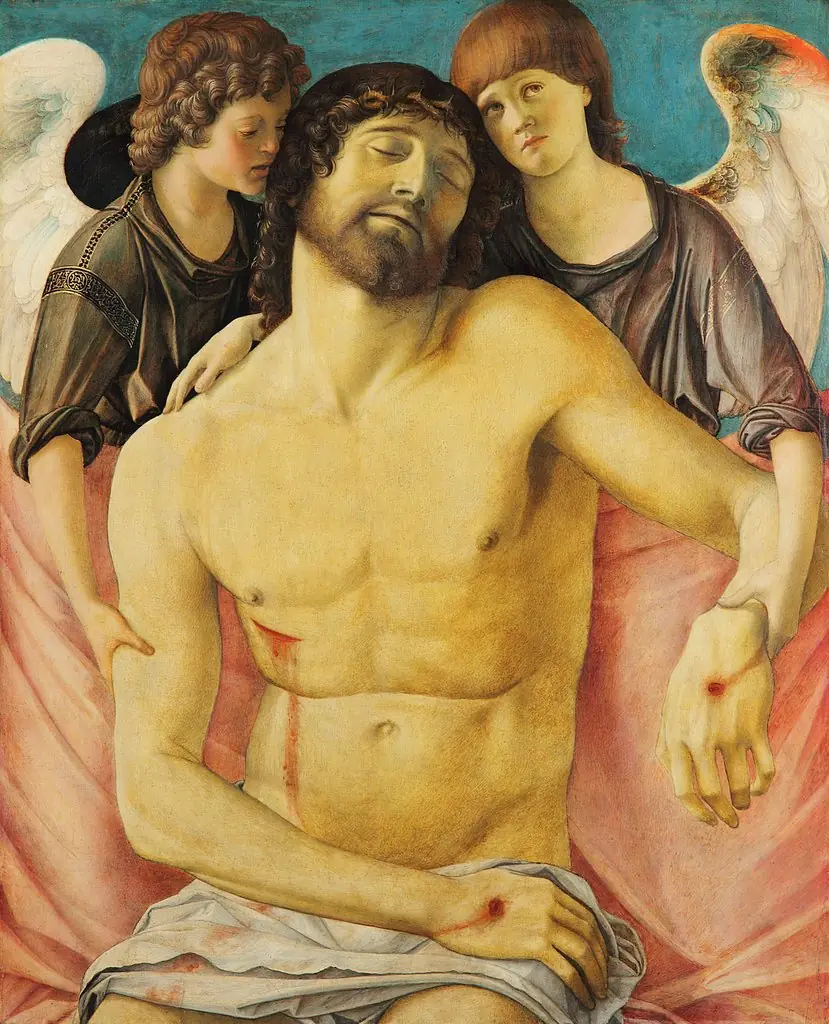 Dead Christ Supported by Two Angels
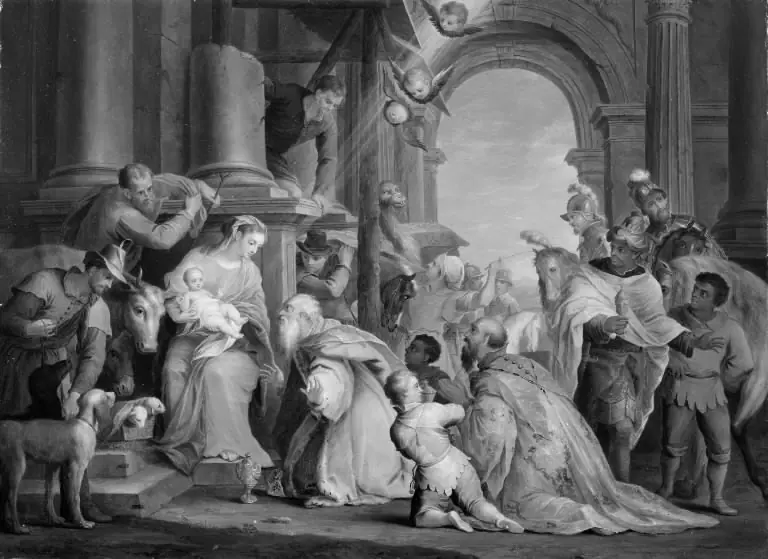 The Adoration of the Magi
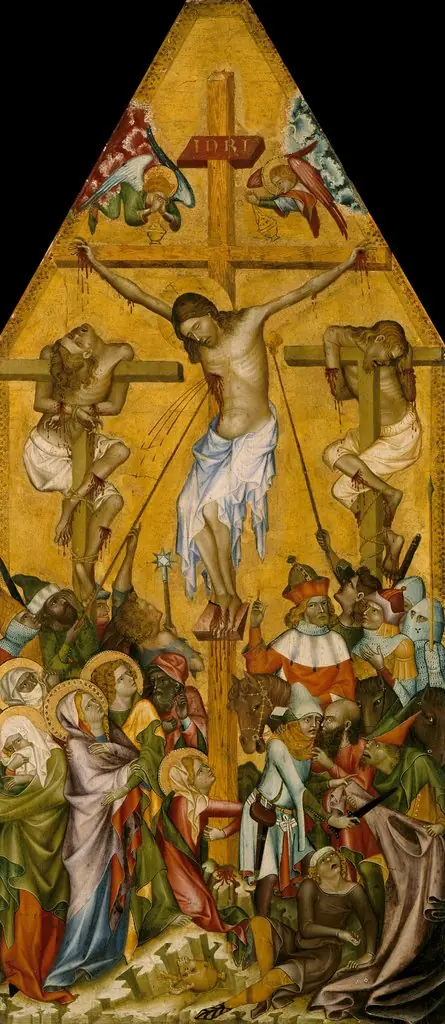 The Crucifixion of Christ
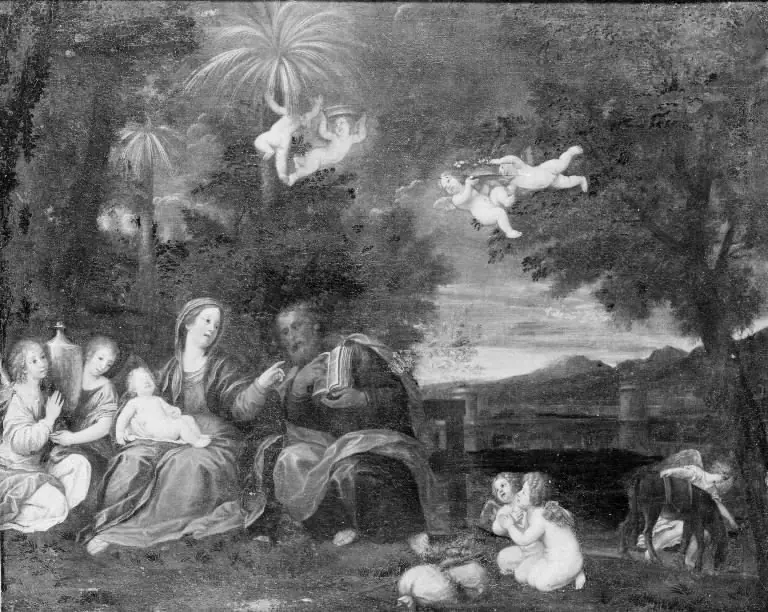 The Rest on the Flight into Egypt
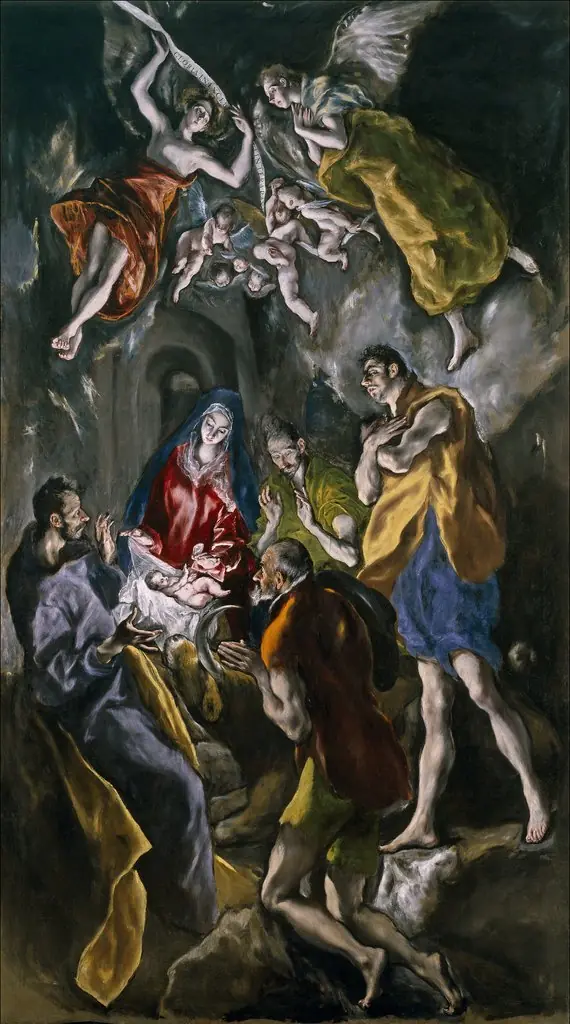 Adoration of the Shepherds
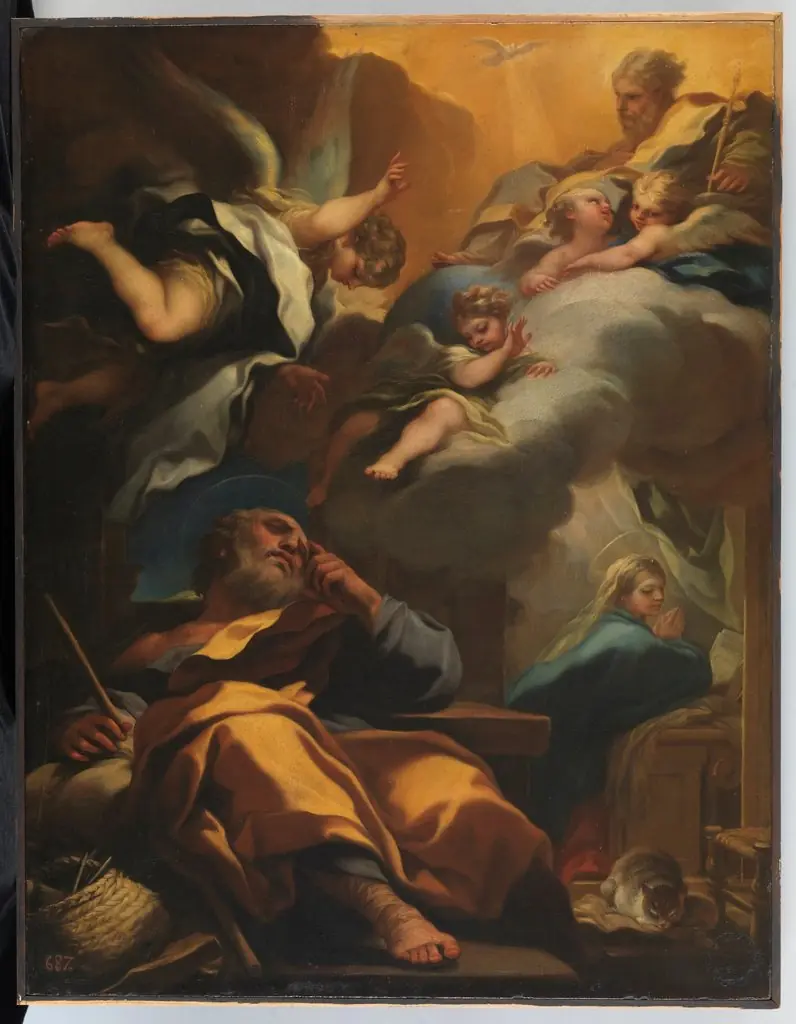 Saint Joseph’s Dream
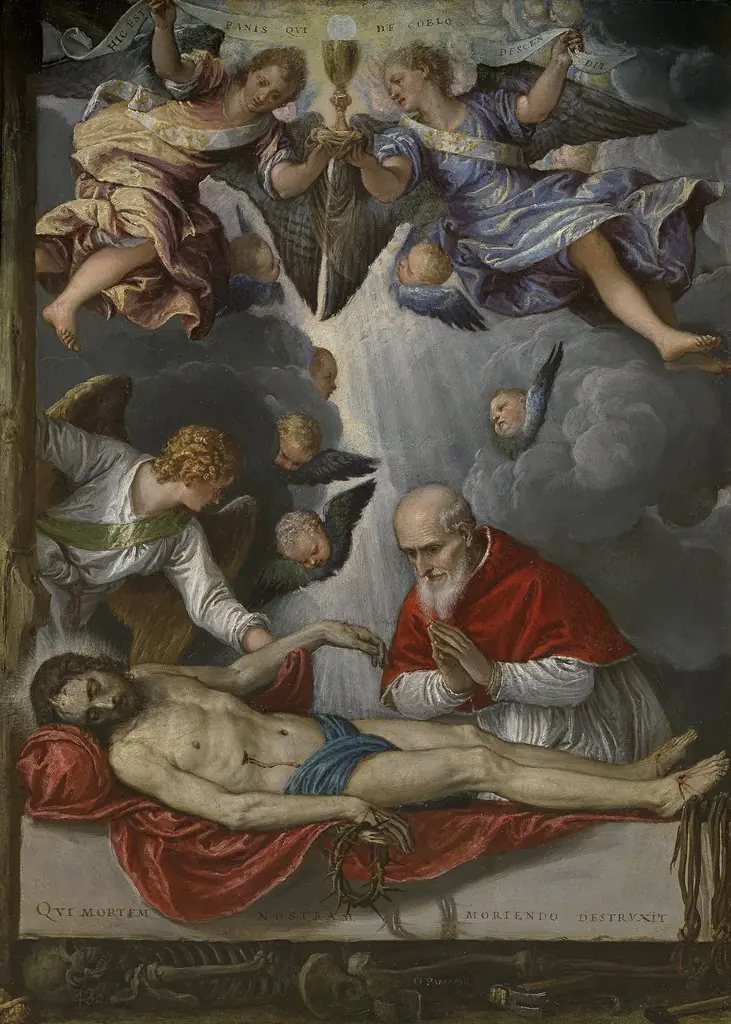 The dead Christ venerated by Pius V
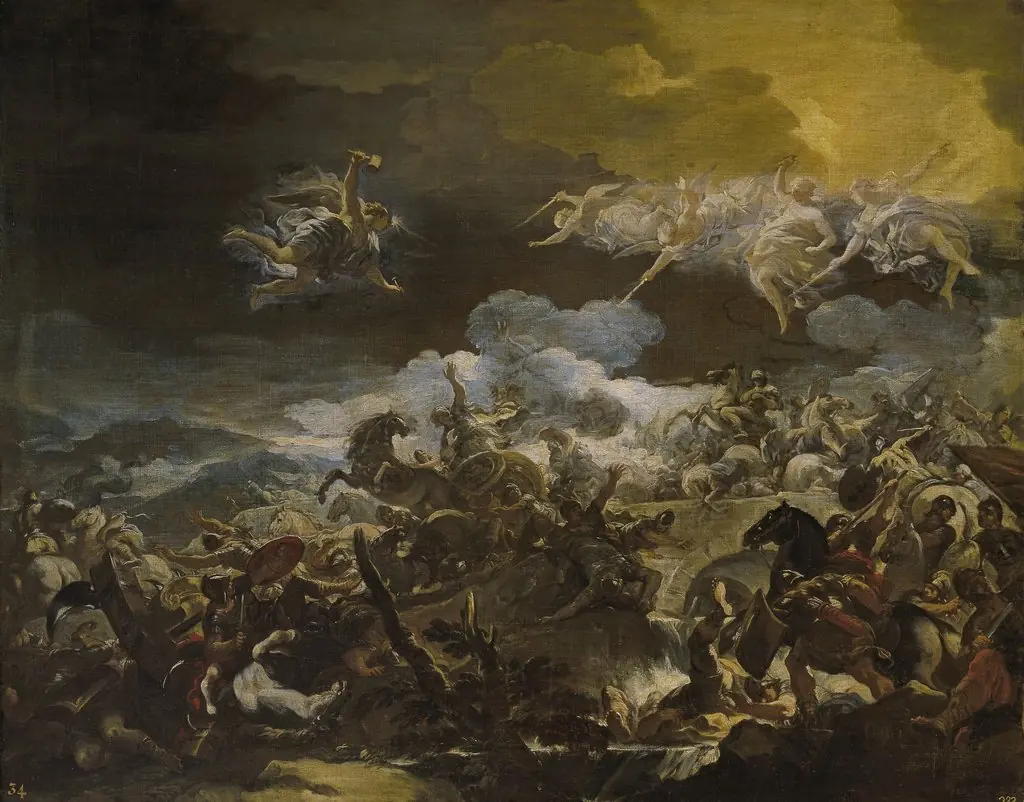 The Defeat of Sisera
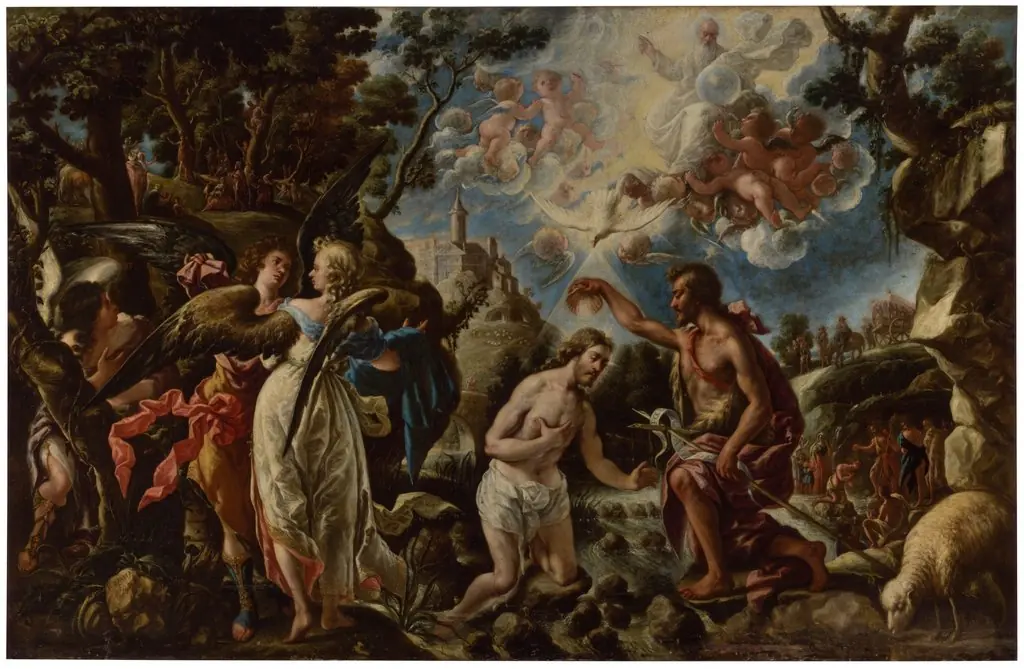 El Bautismo de Cristo
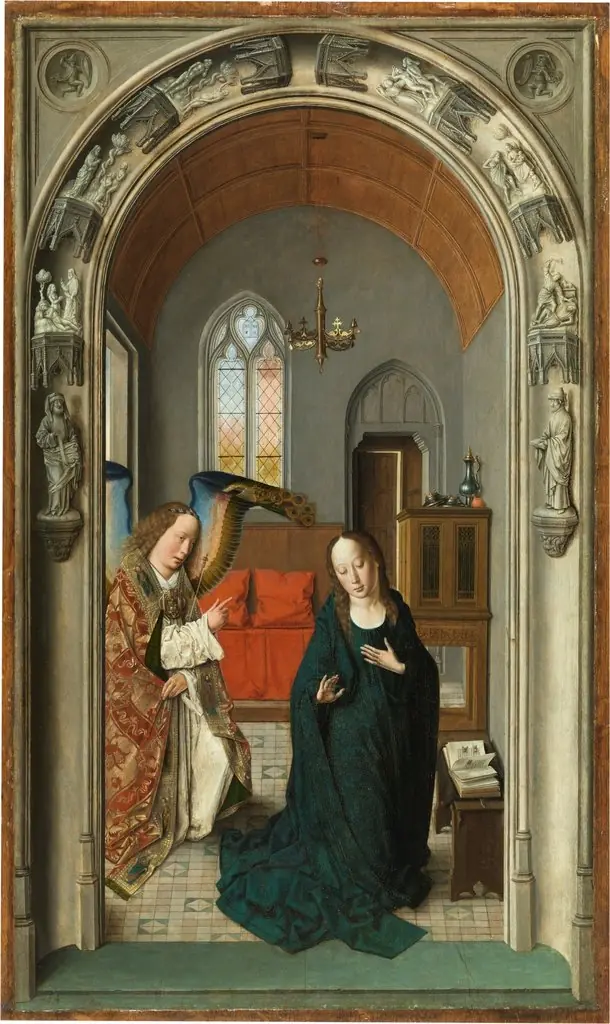 Annunciation
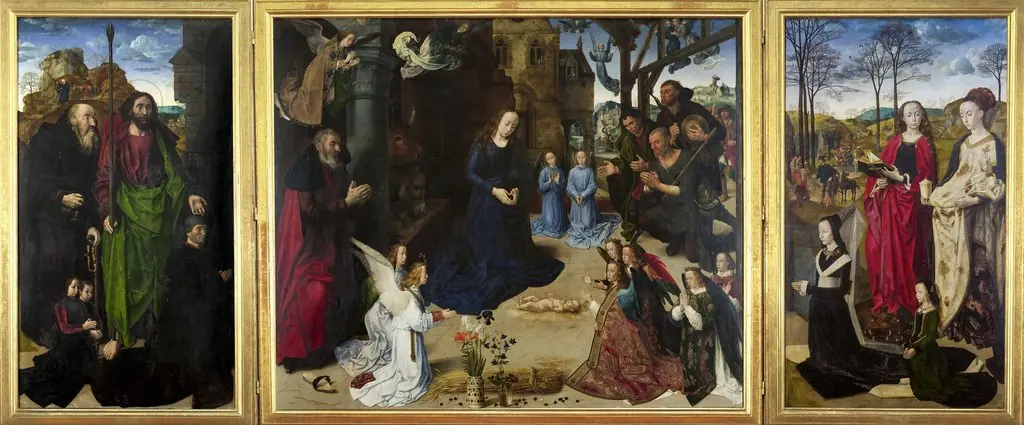 Portinari Triptych
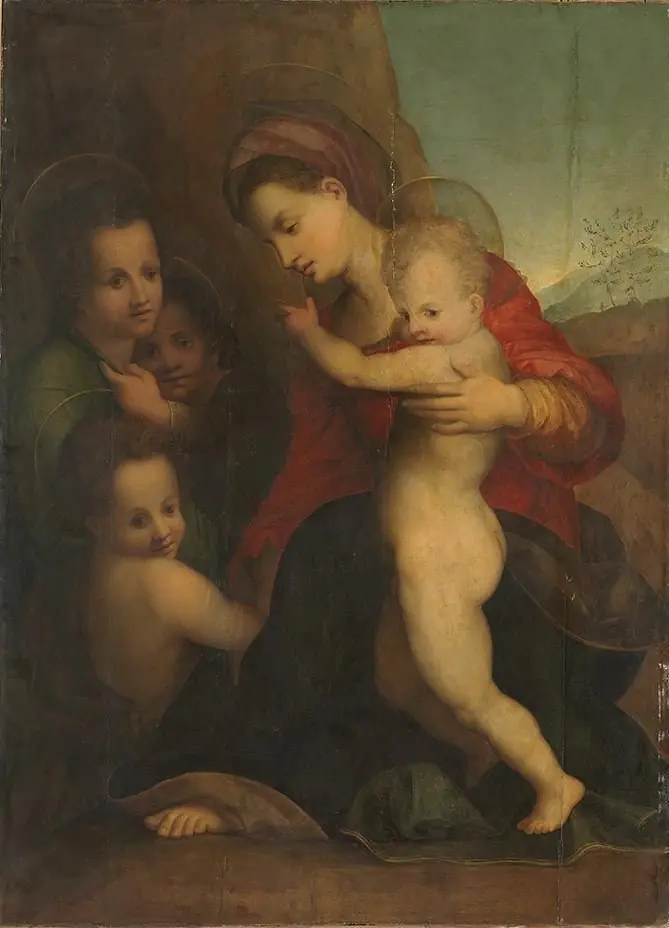 Mary with Child, John the Baptist, and Angels
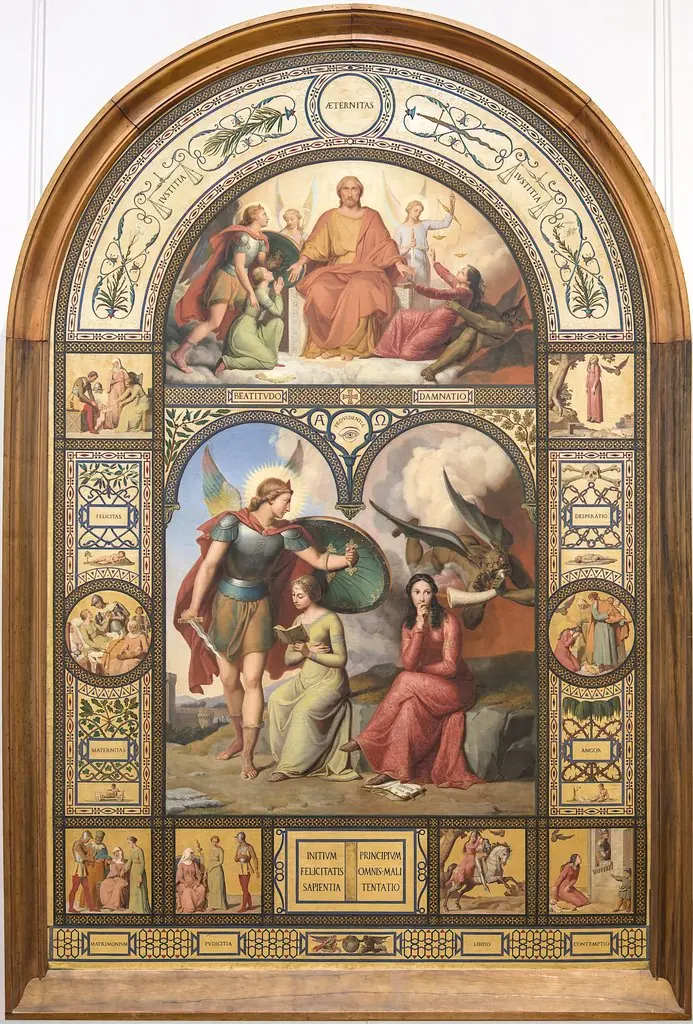 Good and Evil
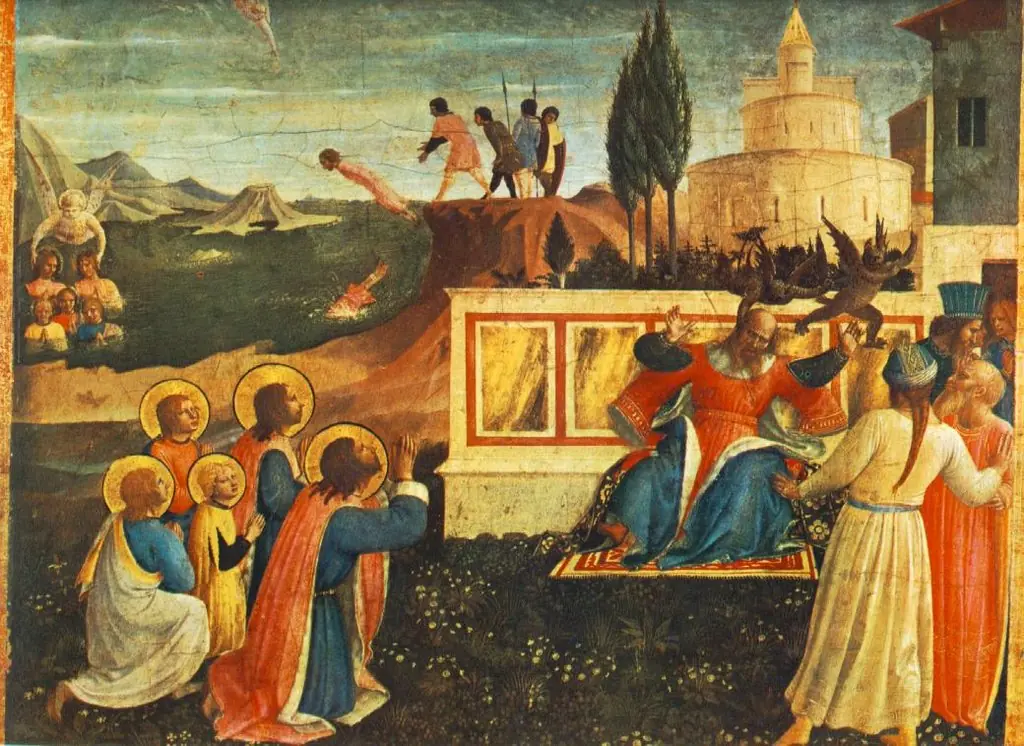 Saint Cosmas and Saint Damian Salvaged
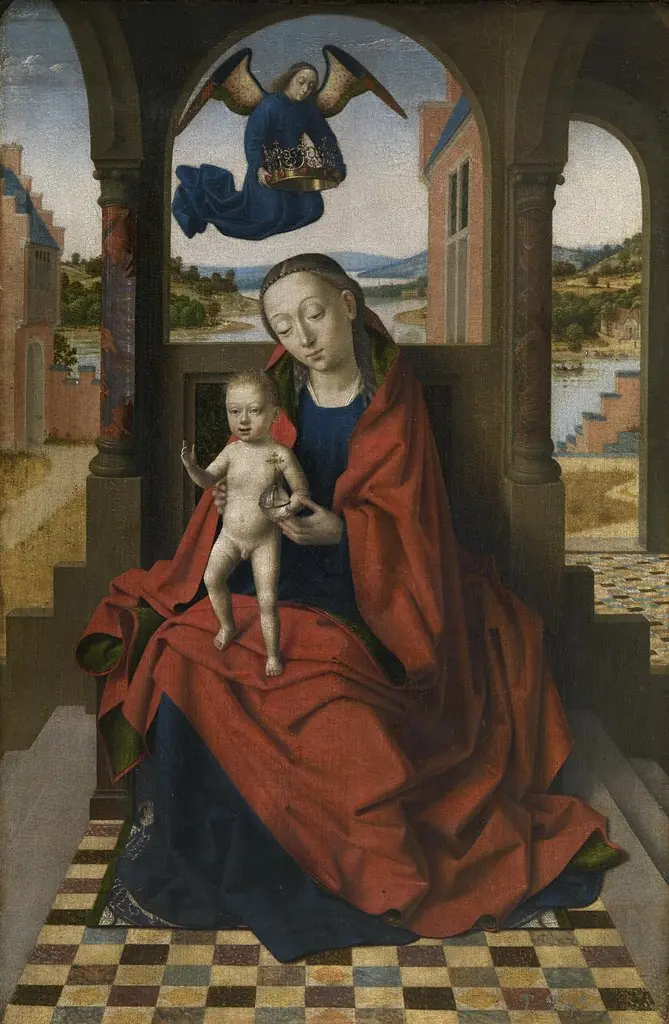 The Virgin and the Child
Frequently asked questions
What is Angel?
Angel is a given name meaning "angel".
How many Angel works does Artifact World Gallery have?
Artifact World Gallery holds 200 public-domain Angel works, all free to view and download.
Who are the key Angel artists?
Key Angel artists in the collection include Titian, Paolo Veronese and Raphael.
Where can I see Angel works?
Angel works in the collection are held by Metropolitan Museum of Art, Museo del Prado and Uffizi Gallery.