Artwork
Grotesque Dwarf Woman
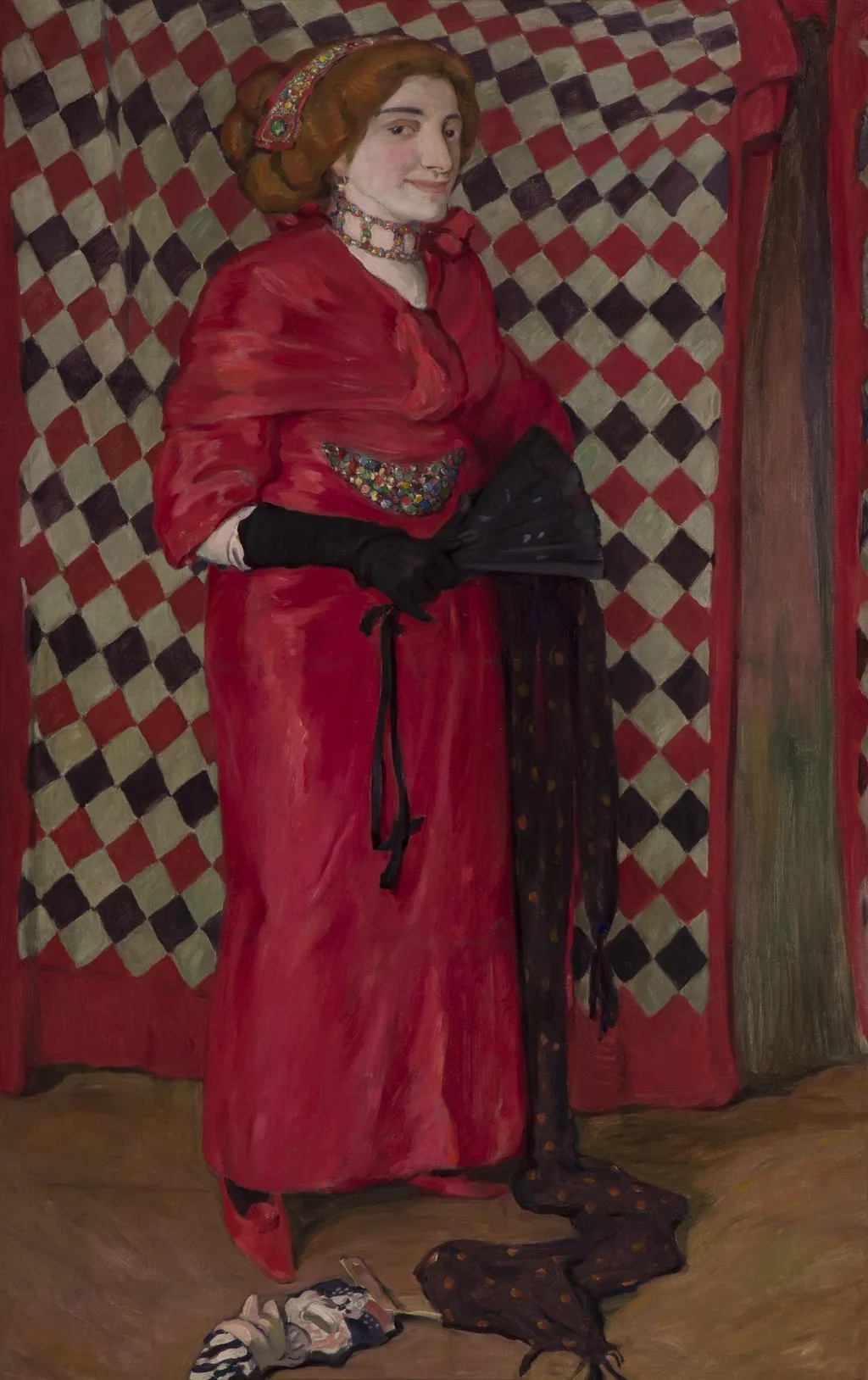
Grotesque Dwarf Woman is an oil painting by the Art Nouveau artist Włodzimierz Błocki. It dates from 1912 and is held in the collection of the National Museum in Kraków. Created in 1912, this oil on canvas portrays a solitary female figure rendered in a restrained palette.
About this work
Overview
Created in 1912, this oil on canvas portrays a solitary female figure rendered in a restrained palette. The composition is anchored by a checkered backdrop that frames the subject, whose formal attire and poised stance convey a quiet, contemplative presence.
Subject & Meaning
The woman is dressed in a long red gown complemented by a matching headband and a multicolored belt, while black gloves conceal her hands and a black fan is held before her. Her expression, slightly uneasy, combined with the somber tonalities, suggests an exploration of social formality and inner restraint.
Technique & Style
Błocki employs smooth brushwork to model the figure’s features, allowing the rich red of the dress to stand out against the muted background. The checkered pattern behind the subject provides a geometric counterpoint, while the limited color range emphasizes the painting’s restrained mood.
History & Provenance
The work entered the collection of the National Museum in Kraków, where it remains on display. Since its creation, it has been identified as a representative example of Błocki’s early twentieth‑century output, reflecting his interest in portraiture and formal composition.
Context
Painted shortly before the outbreak of World War I, the piece reflects the period’s pre‑war aesthetic, marked by a focus on individual identity within structured settings. The formal dress and subdued atmosphere align with contemporary trends in Polish portraiture that emphasized psychological nuance over overt narrative.
Own this work as a print
Artist & collection


- Portrait of Senyora Luca
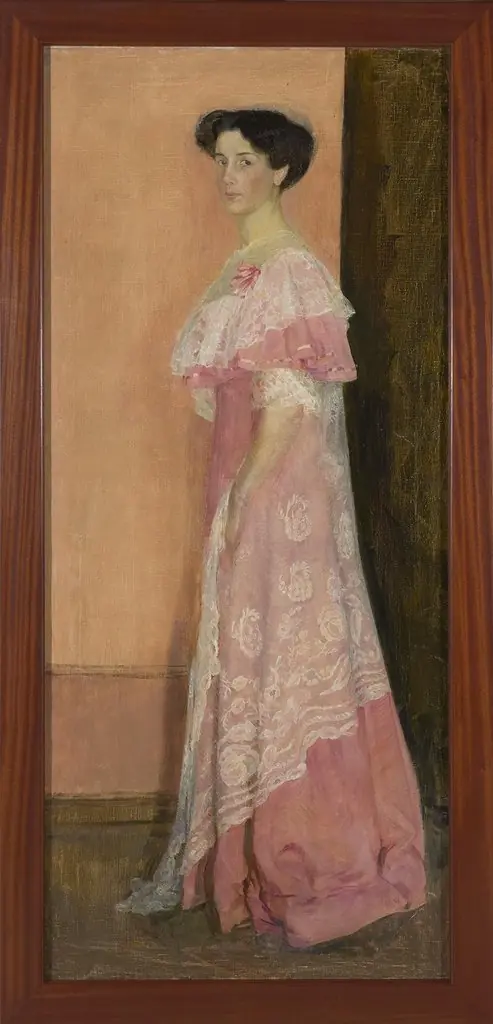 Society in the Restaurant. Revers: Study of a Lady in Pink
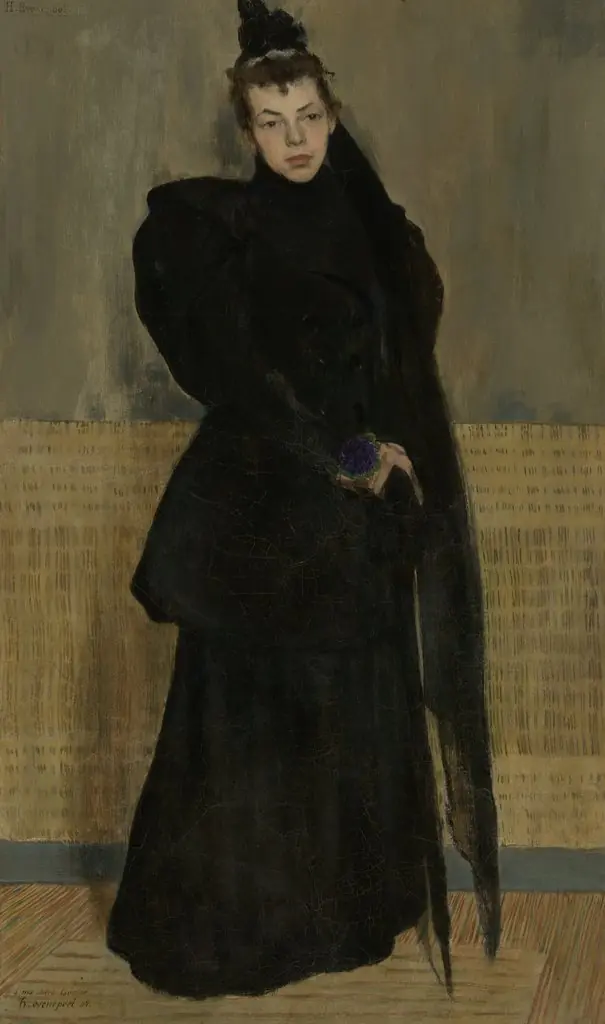 Louise in Mourning
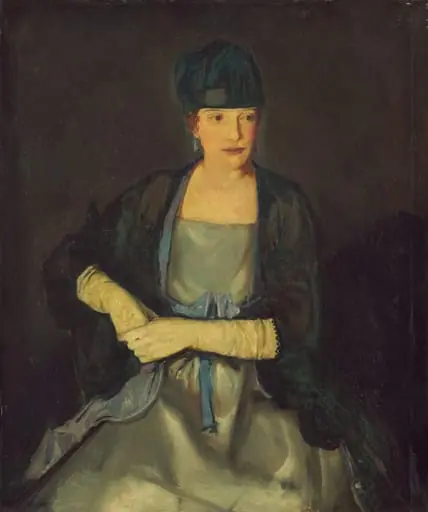 Maud Murray Dale (Mrs. Chester Dale)
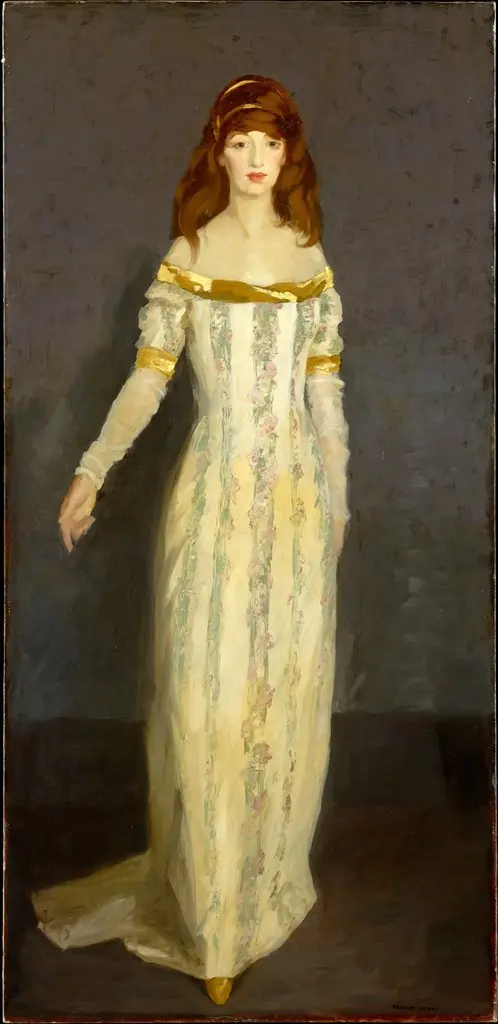 The Masquerade Dress
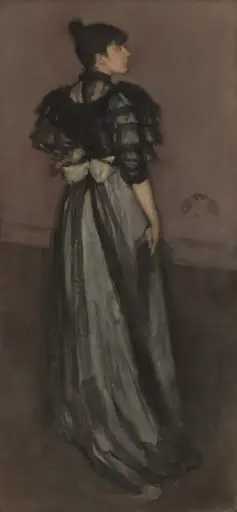 Mother of Pearl and Silver: The Andalusian
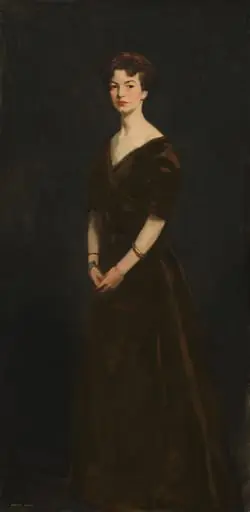 Edith Reynolds
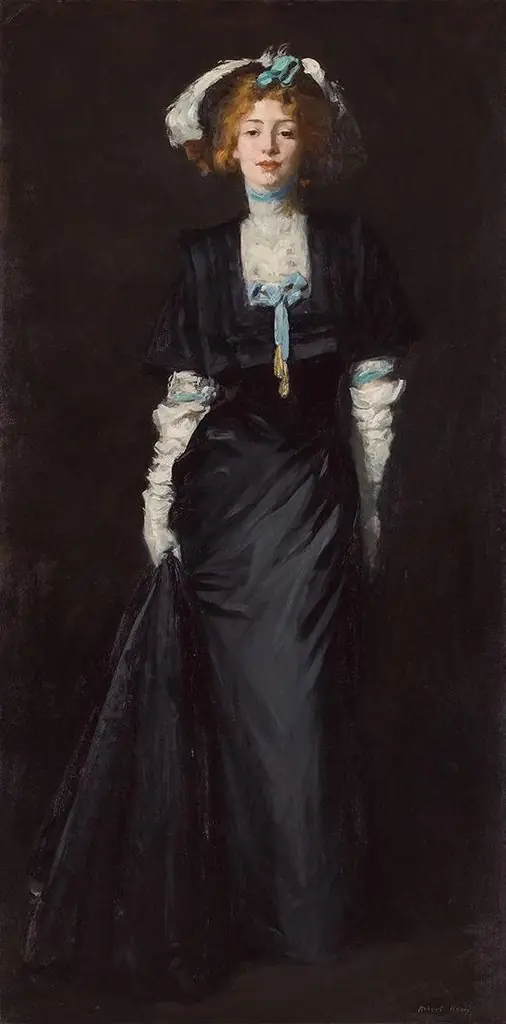 Jessica Penn in Black with White Plumes
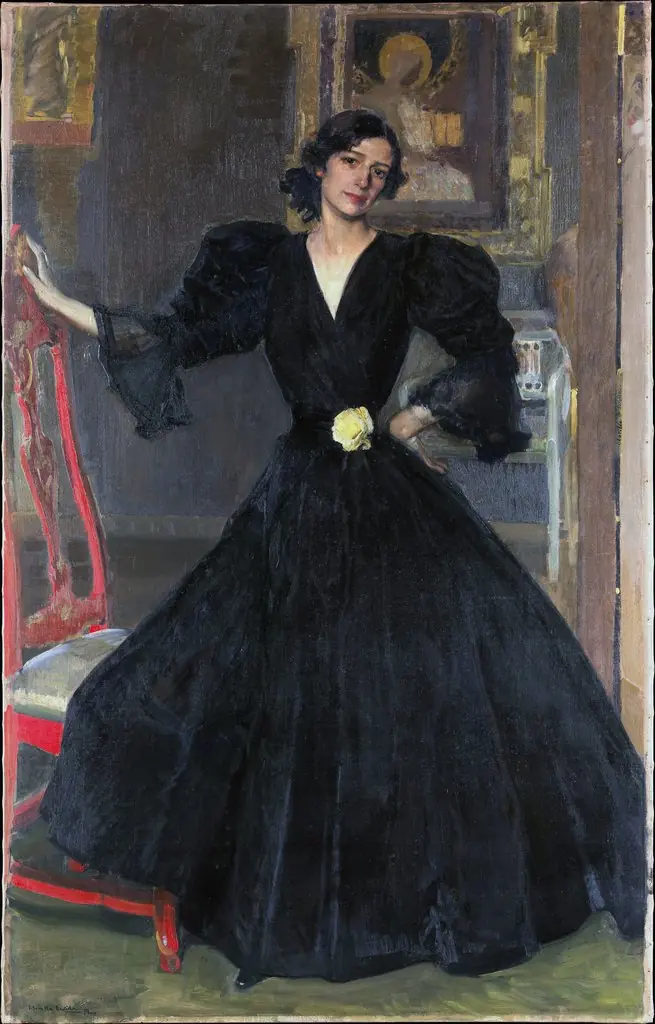 Señora de Sorolla (Clotilde García del Castillo, 1865–1929) in Black
 Young Woman in White
 Mrs. J. Randolph Coolidge, Jr. (Mary Hamilton Hill)
 Portrait of Glòria Fabrés