Artwork
Untitled
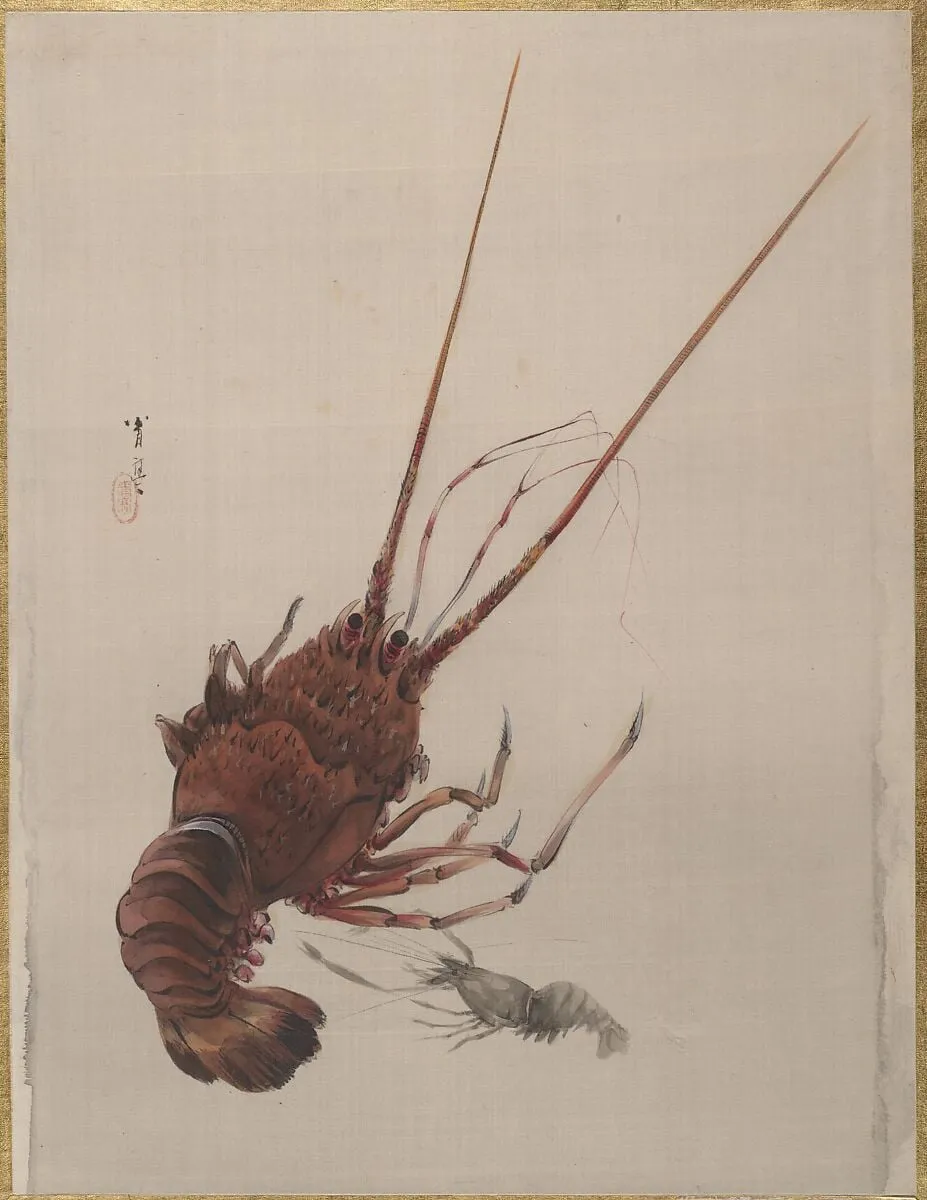
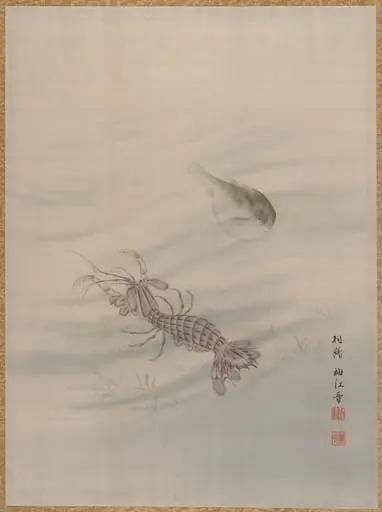
Untitled is an ink painting by the Impressionist artist Watanabe Seitei. It dates from 1887 and is held in the collection of the Metropolitan Museum of Art.
- Accession no.
- 14.76.61.37
- Credit line
- Charles Stewart Smith Collection, Gift of Mrs. Charles Stewart Smith, Charles Stewart Smith Jr., and Howard Caswell Smith, in memory of Charles Stewart Smith, 1914
About this work
Subject & Meaning
As a single-leaf painting, it reflects the tradition of capturing specific elements of the natural world for close contemplation.
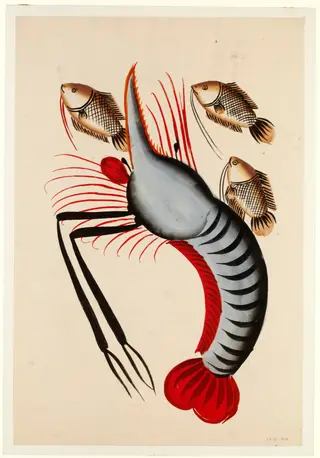
Created in 1887, this album leaf by Watanabe Seitei presents a focused study of a crayfish. Executed in ink and color on silk, the work isolates the crustacean as its sole subject, characteristic of the artist's detailed approach to natural history motifs within the landscape genre. The piece functions as a direct observation of the animal's form rather than an allegorical composition, emphasizing biological accuracy through precise brushwork.
As a single-leaf painting, it reflects the tradition of capturing specific elements of the natural world for close contemplation.
Technique & Style
Created in 1887, this album leaf by Watanabe Seitei is executed in ink and color on a silk support. The work depicts a crayfish within a landscape setting, utilizing traditional Japanese painting materials. Physically, the artwork measures 36.2 cm in height and 27.6 cm in width. It is currently held in the collection of the Metropolitan Museum of Art.
History & Provenance
The work was created by Watanabe Seitei (also known as Watanabe Shōtei) in 1887, as established by both internal records and Wikidata documentation. Executed in Japan, it originated as an album leaf composed in ink and color on silk, depicting crayfish within a landscape genre.
The painting has been part of the Metropolitan Museum of Art’s collection since at least the late 20th century. Its ownership chain prior to acquisition by the museum remains undocumented in the provided sources, and no commissioning details or earlier provenance are recorded.
The painting is held in the collection of the Metropolitan Museum of Art in New York. It carries the accession number associated with Watanabe Shōtei’s works within the museum’s holdings.
As of the available records, the work has not been documented in major public exhibitions beyond its permanent display or internal museum rotations.
Overview
Created in 1887, this album leaf by Watanabe Seitei depicts a crayfish clinging to a rock while two small fish dart below, set against a backdrop of delicate water plants. Executed in ink and color on silk, the work exemplifies the artist's mastery of the Nihonga style during the Meiji period. Seitei painted this piece at a time when Japan was actively engaging with Western trade and artistic influences, yet he maintained a commitment to traditional Japanese aesthetics.
The composition balances the solid, textured form of the crayfish with the fluid, dynamic movement of the fish and swaying vegetation, demonstrating a keen observation of natural life. As a small-scale work intended for an album, it reflects the intimate viewing practices of the era while showcasing Seitei's ability to capture the essence of aquatic subjects with refined brushwork and subtle coloration. This piece stands as a representative example of his early career output, bridging traditional themes with the evolving artistic landscape of late 19th-century Japan.
Context
During the Meiji era, subjects such as crayfish became popular among artists exploring new materials and methods introduced from Europe. The choice of silk as a support allowed for the delicate translucency that characterizes the work, aligning it with contemporary trends in both Japanese and foreign miniature art.
Artist & collection


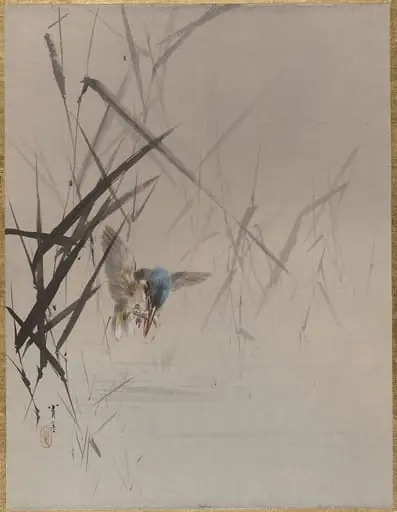
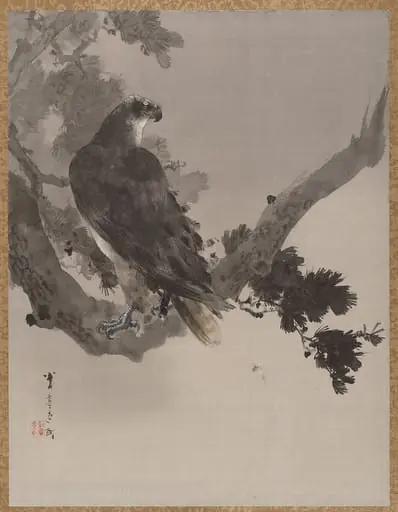
- Untitled
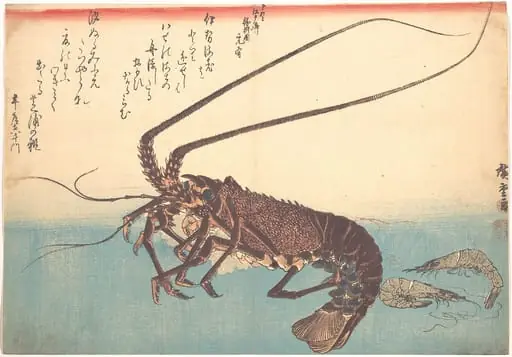 魚づくし 伊勢海老 芝蝦|Ise-ebi and Shiba-ebi, from the series Uozukushi (Every Variety of Fish)
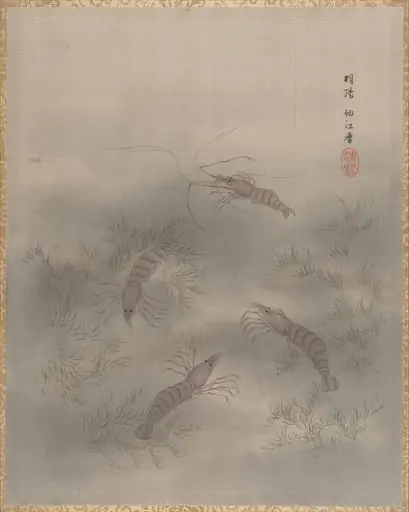 Untitled
 Untitled
 Untitled
 魚づくし 車海老 鯵にたで|Aji Fish and Kuruma-ebi, from the series Uozukushi (Every Variety of Fish)
 Crabs
Crabs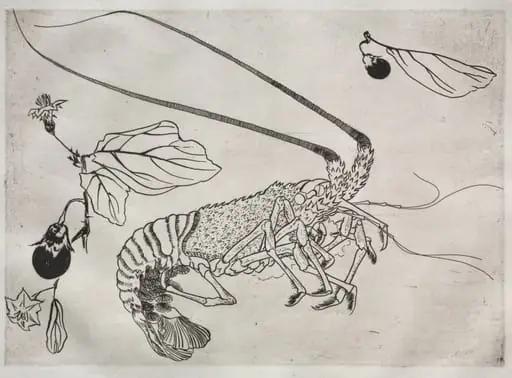 Dinner Service (Rousseau service): Large lobster with raised antenna (no. 21)
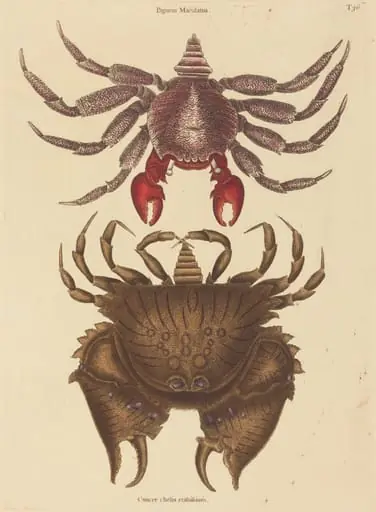 Red Mottled Rock-crab (Cancer grapsus)
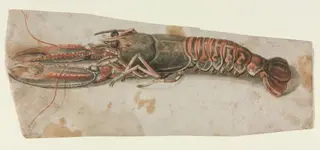 Lobster (recto)
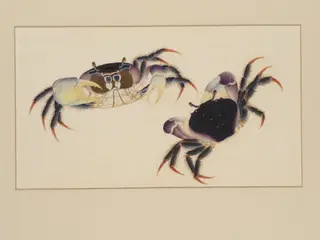 One of four natural-history drawings.
 Prawn with three fishes