Artwork
Untitled
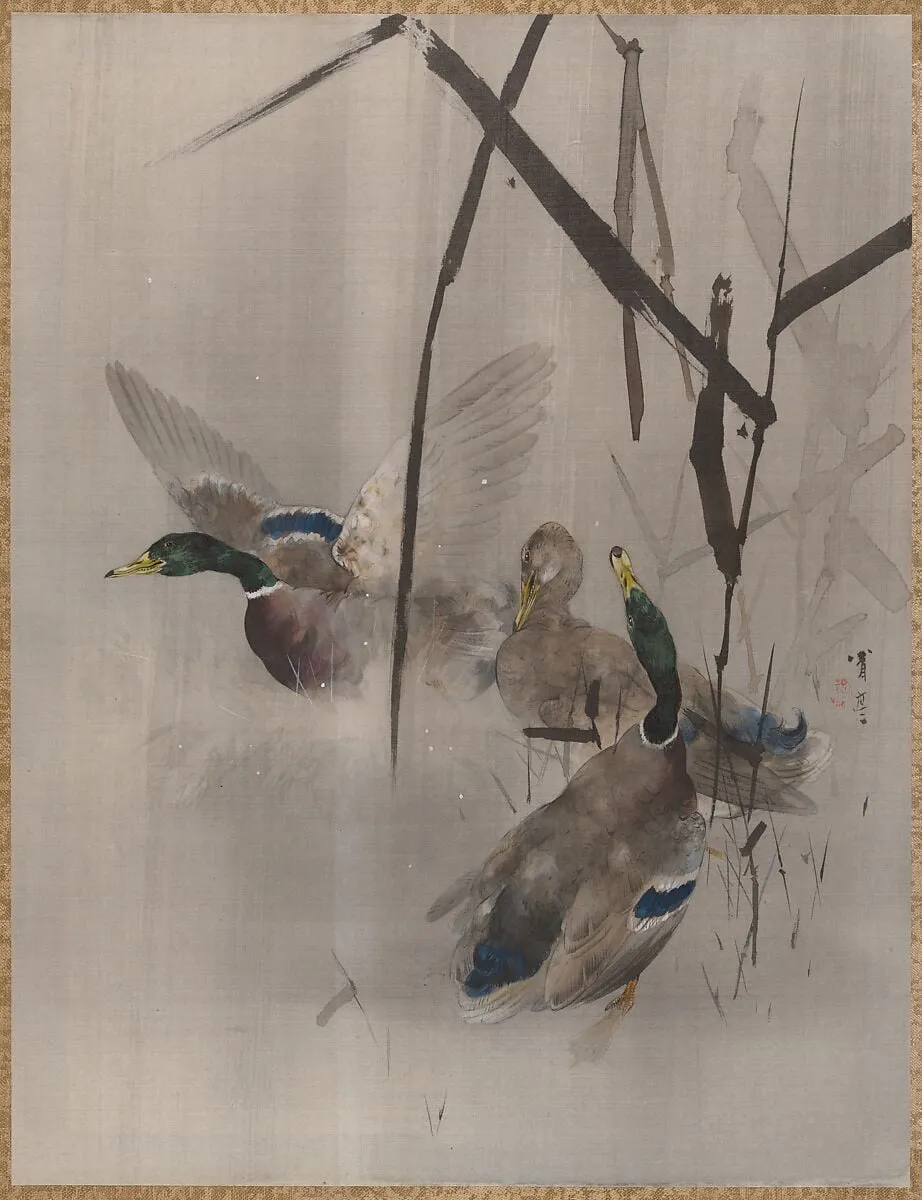
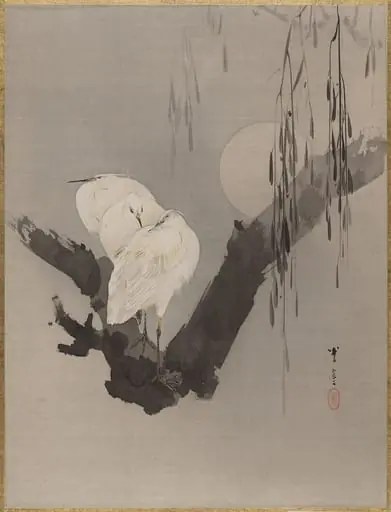
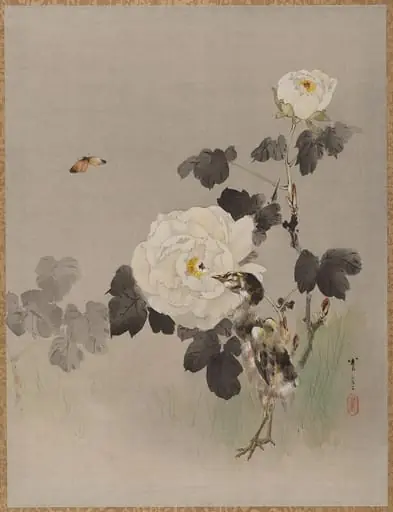
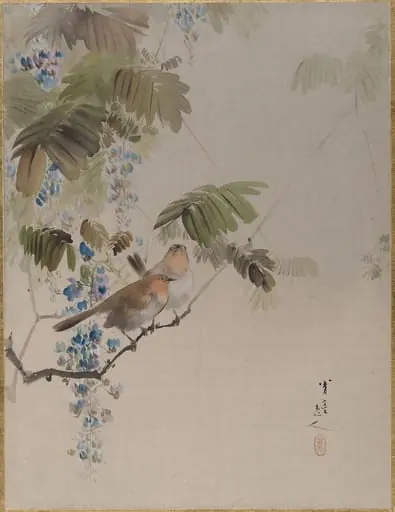
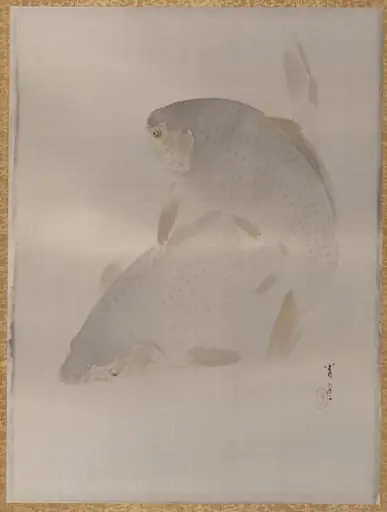
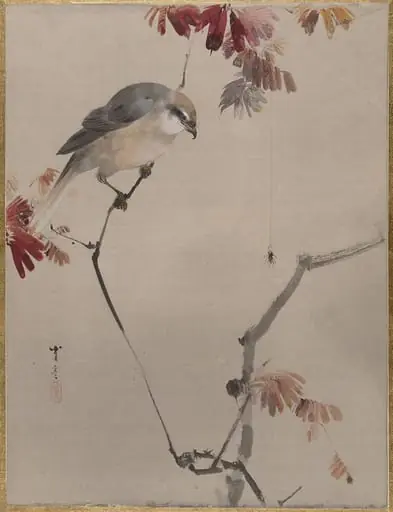
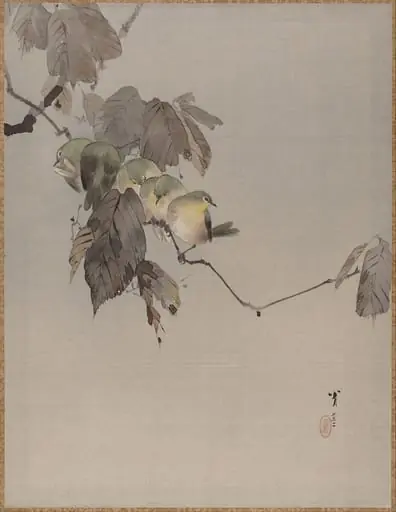
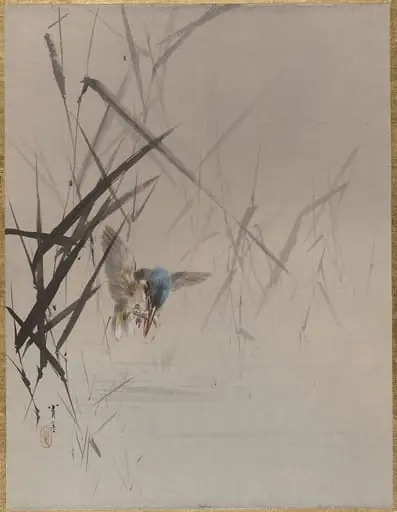
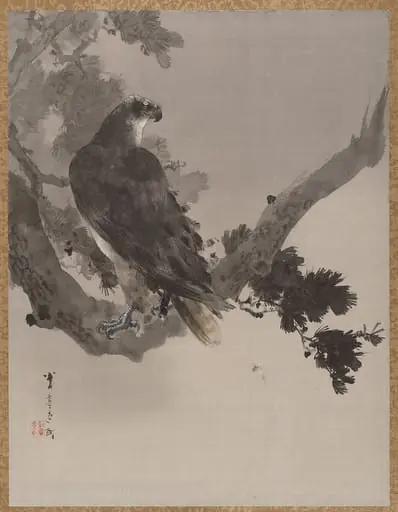
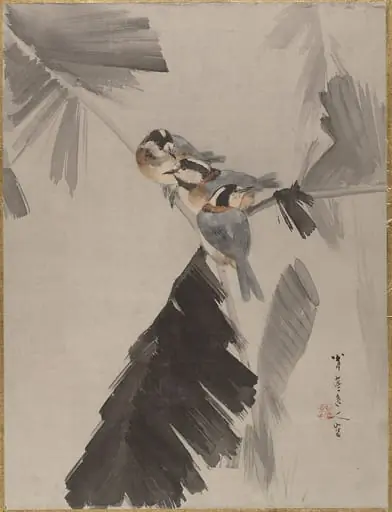
Untitled is an ink painting by the Impressionist artist Watanabe Seitei. It dates from 1887 and is held in the collection of the Metropolitan Museum of Art.
About this work
Technique & Style
The refined silk support and controlled layering of color reflect the refined tradition of Japanese painting of the late nineteenth century.
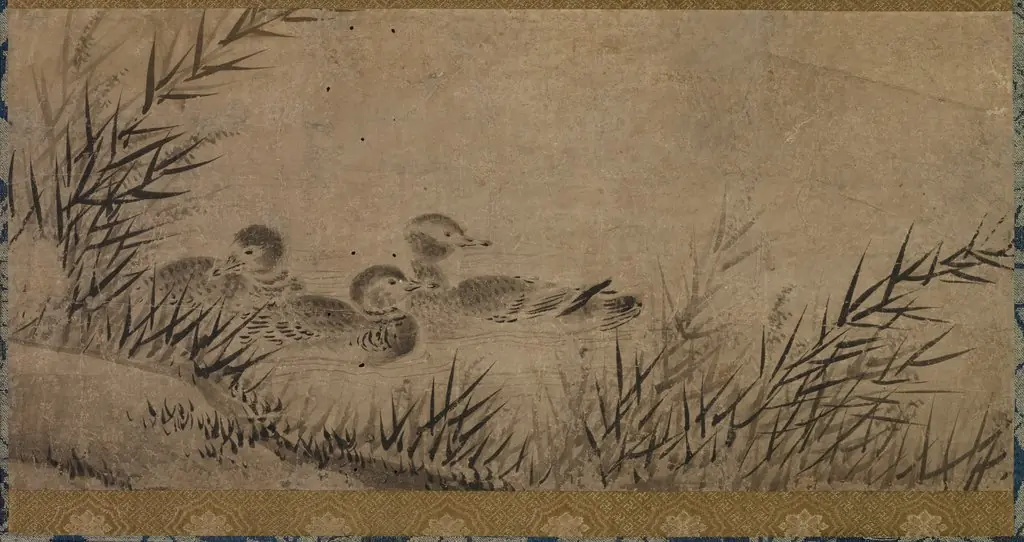
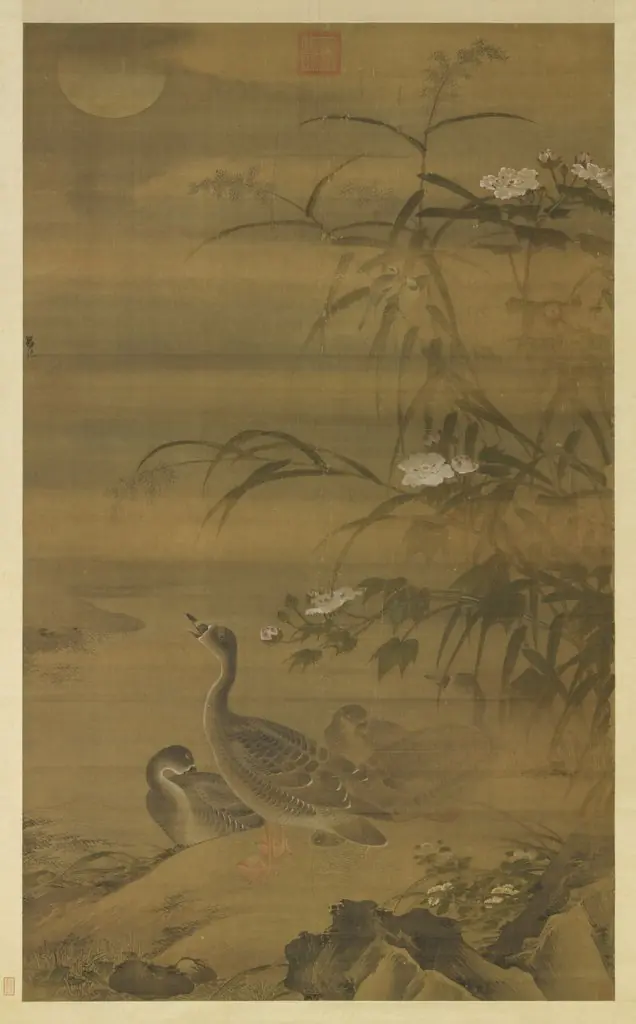
The work is executed in ink and color on silk, mounted as an album leaf. Its handling combines delicate ink washes with finely applied mineral pigments to depict a duck amid rippling water and sparse vegetation. The composition emphasizes quiet naturalism, with restrained brushwork and a muted palette to convey atmosphere and texture.
Dimensions are 35.6 cm in height by 27.3 cm in width. The refined silk support and controlled layering of color reflect the refined tradition of Japanese painting of the late nineteenth century.
History & Provenance
The album leaf titled Untitled was created by Watanabe Seitei in 1887. Executed in Japan, the work depicts a duck and is rendered in ink and color on silk. It is currently held in the collection of the Metropolitan Museum of Art. The piece measures 35.6 cm in height and 27.3 cm in width.
Untitled (1887) is an ink and color on silk painting depicting a duck by Japanese artist Watanabe Shōtei. The work is held in the Metropolitan Museum of Art's collection and is cataloged under accession number 1983.123. It has been exhibited in the museum's Japanese art galleries since its acquisition.
The painting measures 35.6 cm in height and 27.3 cm in width, and was created in Japan in 1887.
Untitled is part of the Metropolitan Museum of Art's collection of Japanese paintings and has been featured in exhibitions focused on Meiji-era art.
Legacy
Watanabe Seitei’s Untitled (1887), a landscape depicting a duck, has been recognized for its role in bridging traditional Japanese aesthetics with Western artistic sensibilities during the Meiji period. The work, housed in the Metropolitan Museum of Art, exemplifies the artist’s innovative use of ink and color on silk and has influenced subsequent discourse on cross-cultural visual dialogue. Its inclusion in major collections underscores its enduring significance in the study of East-West artistic exchange.
The painting’s composition and technique have been cited in scholarly analyses of Meiji-era art as a subtle yet profound contribution to the evolution of modern Japanese painting, reflecting both technical mastery and cultural synthesis.
Overview
Created around 1887, this small silk painting by Watanabe Seitei presents a quiet natural scene. A solitary duck drifts on dark water beneath a pale sky, rendered with ink and subtle color. The work’s modest size suggests it was intended for personal contemplation rather than public display, resembling a page from an artist’s sketchbook.
Subject & Meaning
The composition focuses on a single waterfowl, captured in a moment of stillness. Rather than serving as an allegorical emblem, the duck functions as a straightforward observation of wildlife, reflecting Seitei’s interest in portraying everyday encounters with nature in a calm, unembellished manner.
Context
During the 1880s, silk painting was a popular medium for intimate works, allowing artists to explore delicate subjects with a luminous surface. Seitei’s focus on birds aligns with a broader trend among Japanese painters who emphasized direct observation of nature, moving away from overt symbolic representation.
Artist & collection