Artwork
Oast House, Littlebourne
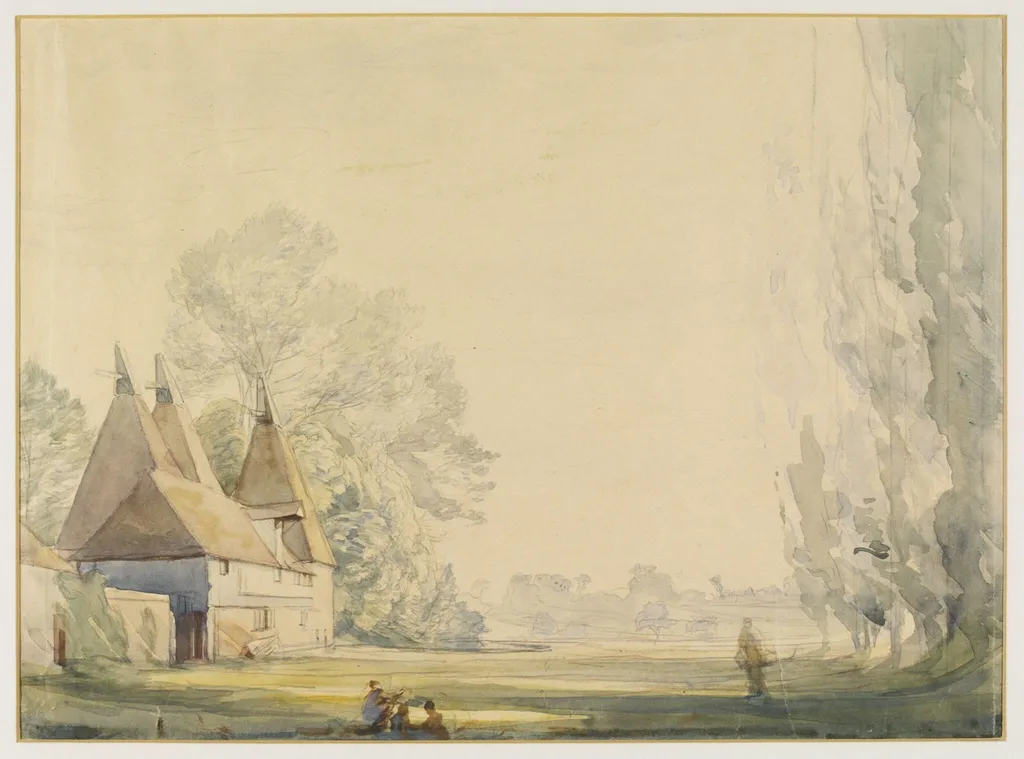
Oast House, Littlebourne is a watercolor work on paper by the Regionalist artist Waterfield. It dates from 1942 and is held in the collection of the Victoria and Albert Museum.
About this work
Overview
Oast House, Littlebourne is a 1942 watercolour by Waterfield, capturing a serene rural scene in Littlebourne, featuring distinctive oast houses, a group of seated figures, and surrounding natural elements.
Subject & Meaning
The subject is a quintessential wartime rural landscape, subtly incorporating human presence. As part of the 'Recording Britain' collection, it aims to preserve Britain's pre-war landscape and architecture, reflecting concerns over destruction and rural change during WWII.
Technique & Style
Characterized by loose, quick brushstrokes and soft colour palette (light blues, greens, pale yellows), the work prioritizes capturing light and mood. The simplicity of the buildings' shapes and the open space around them are emphasized.
History & Provenance
Commissioned under the 'Recording Britain' initiative (1940-1947), directed by Sir Kenneth Clark and funded by the Pilgrim Trust, to employ artists in documenting Britain's landscape and buildings during wartime.
Context
Created amidst WWII, the piece reflects the era's anxieties over the loss of traditional rural life and the destruction of cultural heritage, alongside the broader project to systematically record Britain's landscape.
Legacy
Now part of a significant collective archive, 'Oast House, Littlebourne' contributes to the historical record of Britain's wartime landscape preservation efforts, accessible through institutions like the Victoria and Albert Museum.
Artist & collection
Artist
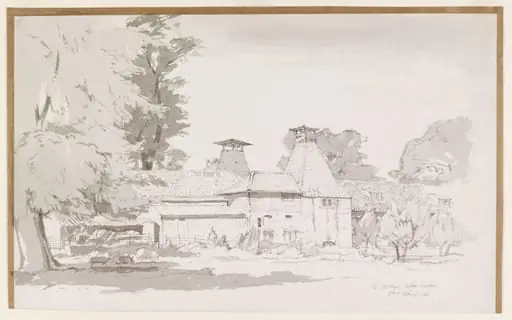
This artist left a small group of watercolours around Kent from the early 1940s, all towering brick chimneys and spinning sails against low, soft skies.

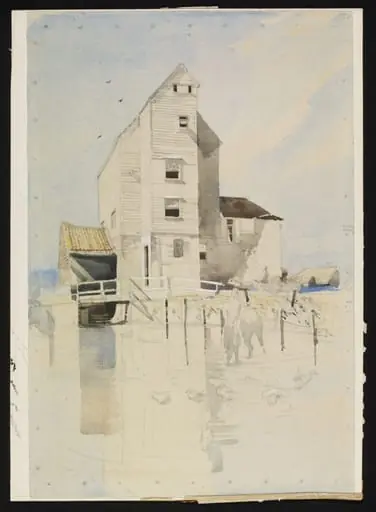
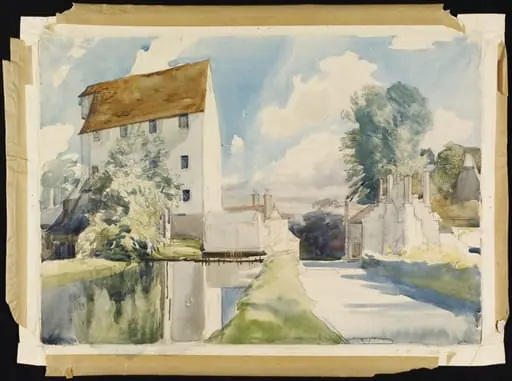
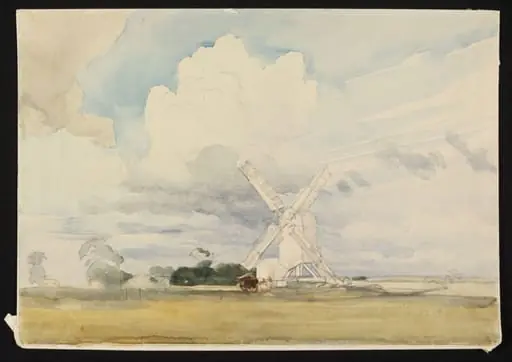
- The Maltings, Saffron Walden
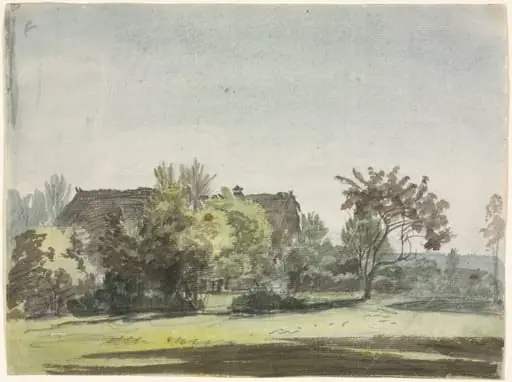 Farmhouse behind Trees
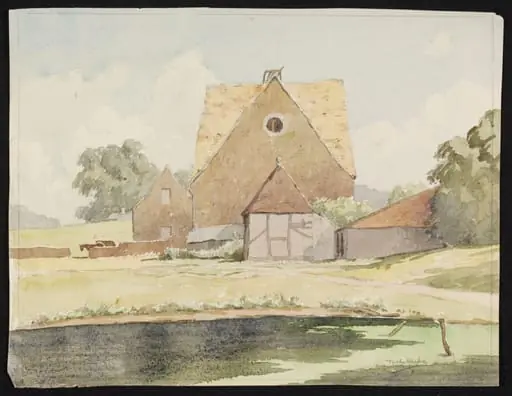 Columbarian, South Stoke
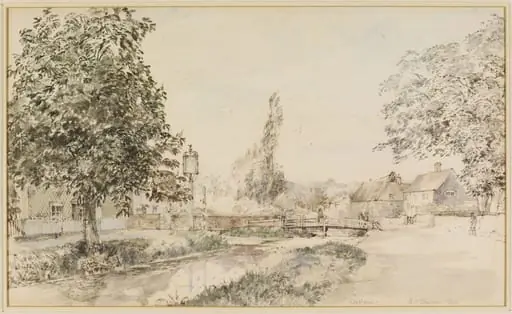 Dalham (the footbridge)
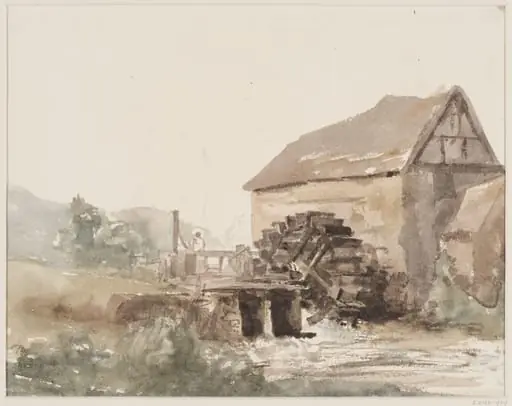 View of a water-mill near Ridware
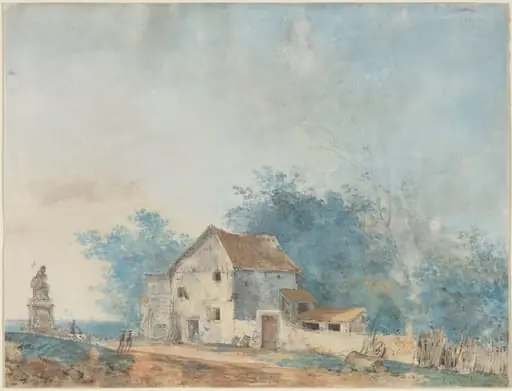 Landscape
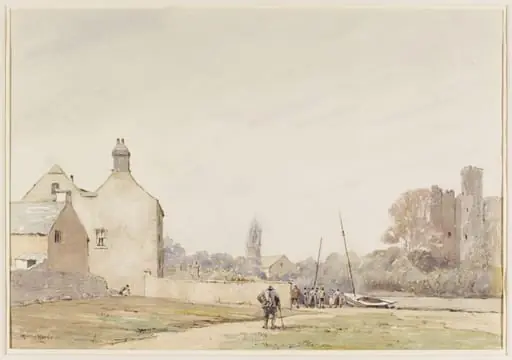 Laugharne Castle, Carmarthenshire
 Cottages and Barn beside a Road
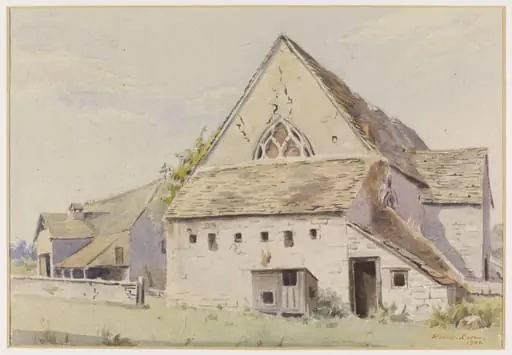 The Old Church (now a barn), Leonard Stanley
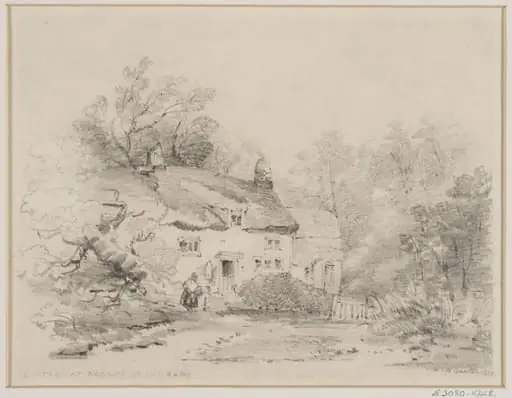 Cottage at Scalby, nr. Scarborough
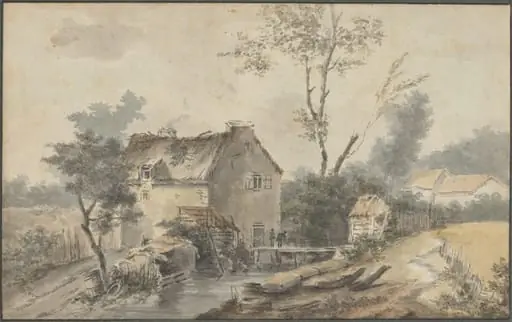 Mill with Bridge and Figures
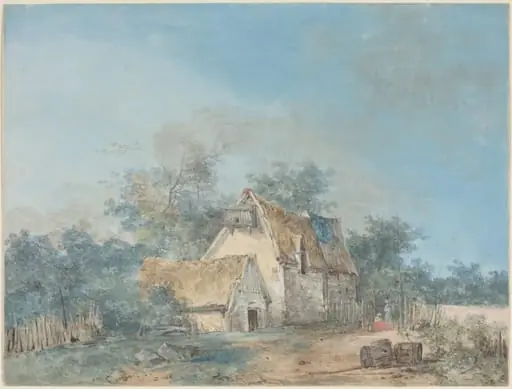 Landscape