Artwork
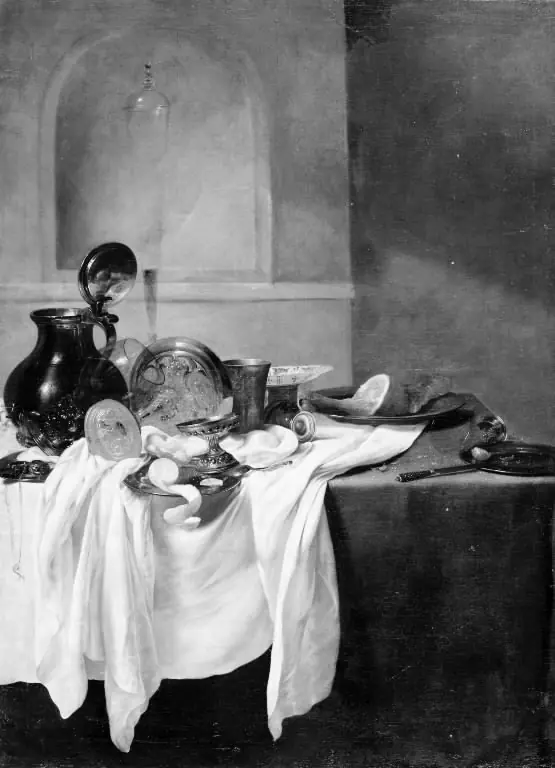
Stilleben mit Römer
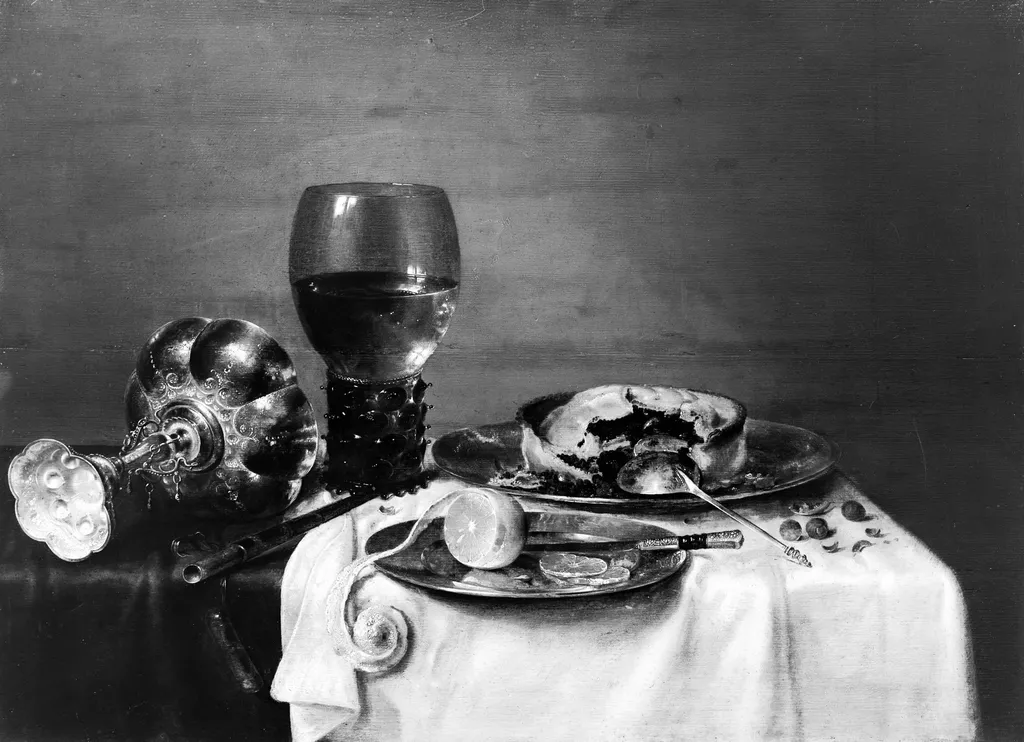
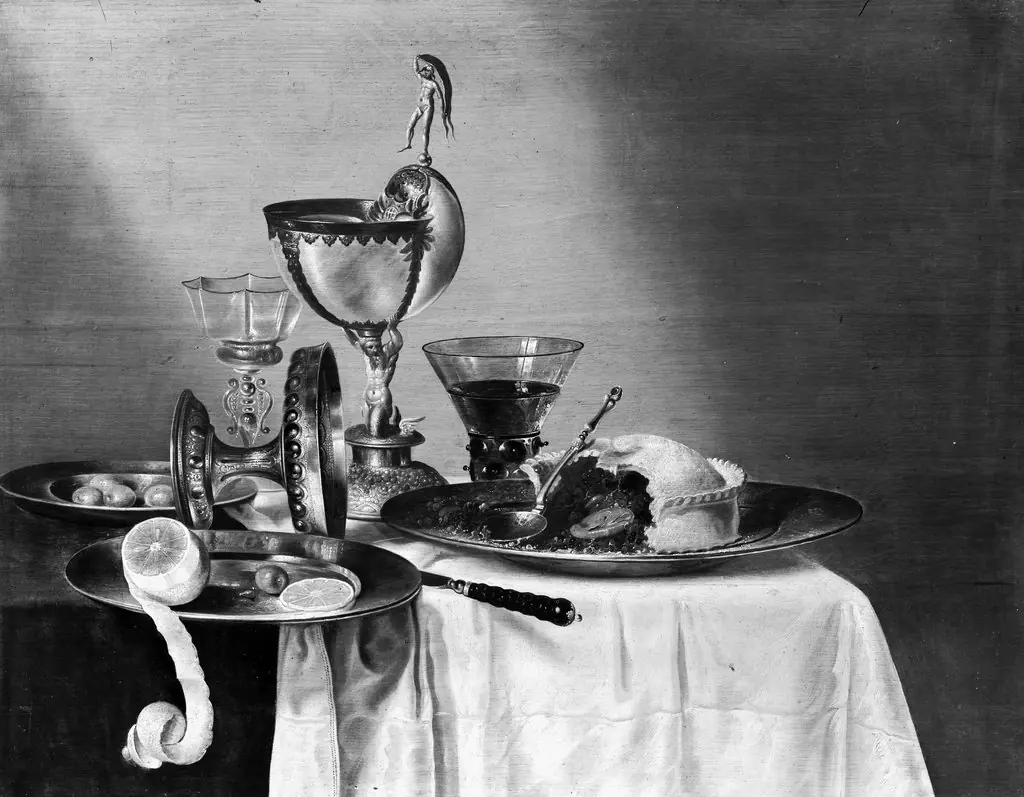
Stilleben mit Römer is an oil painting by the Dutch Golden Age artist Willem Claesz Heda. It dates from 1631 and is held in the collection of the Bode Museum.
About this work
Subject & Meaning
The inclusion of the specific glassware known as a rummer and the tazza highlights the material wealth and refined taste associated with such gatherings.
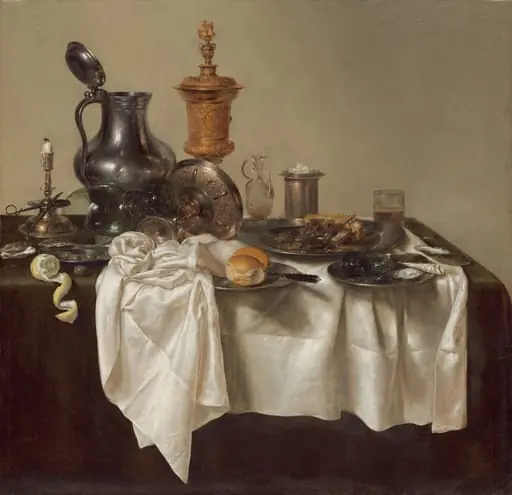
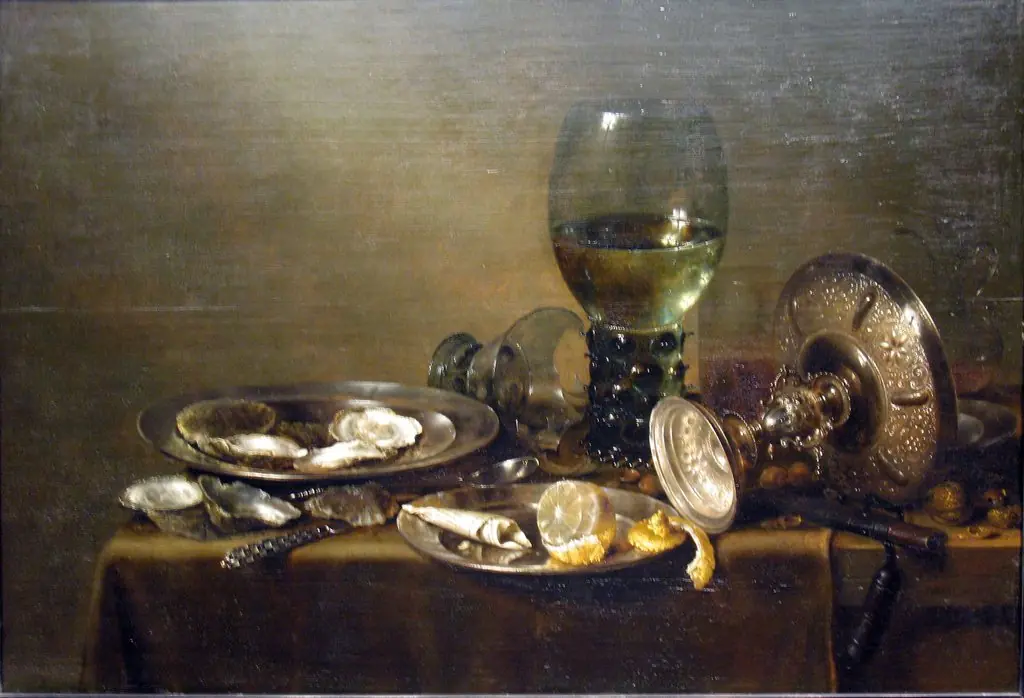
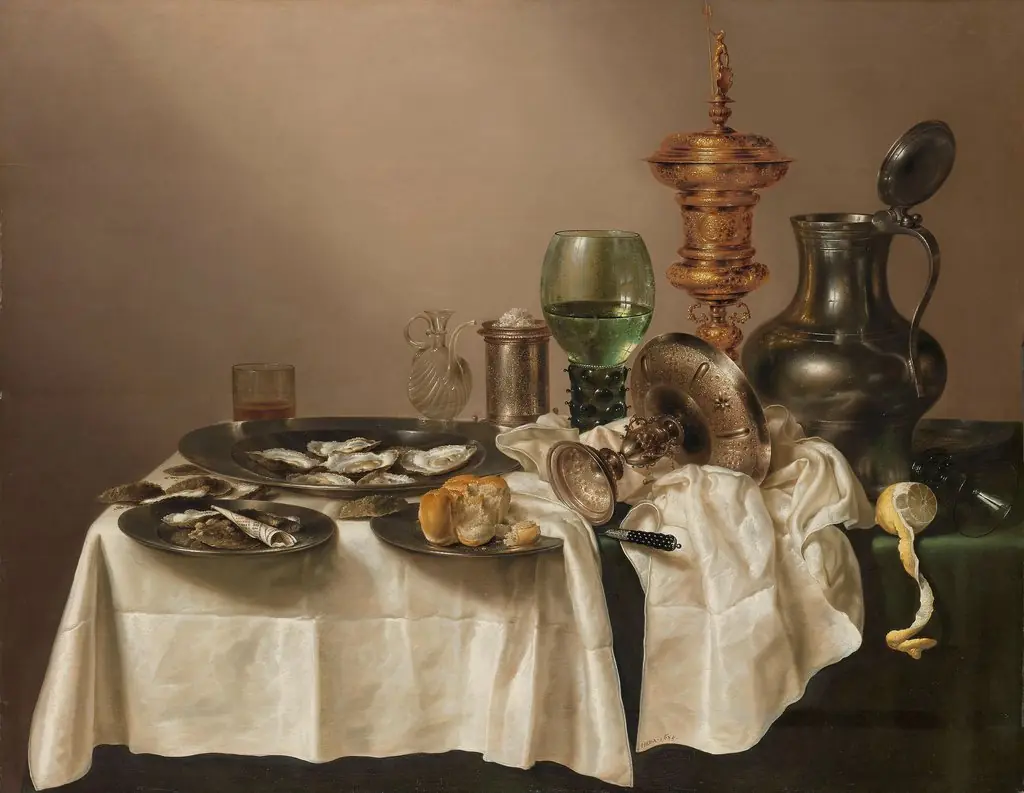
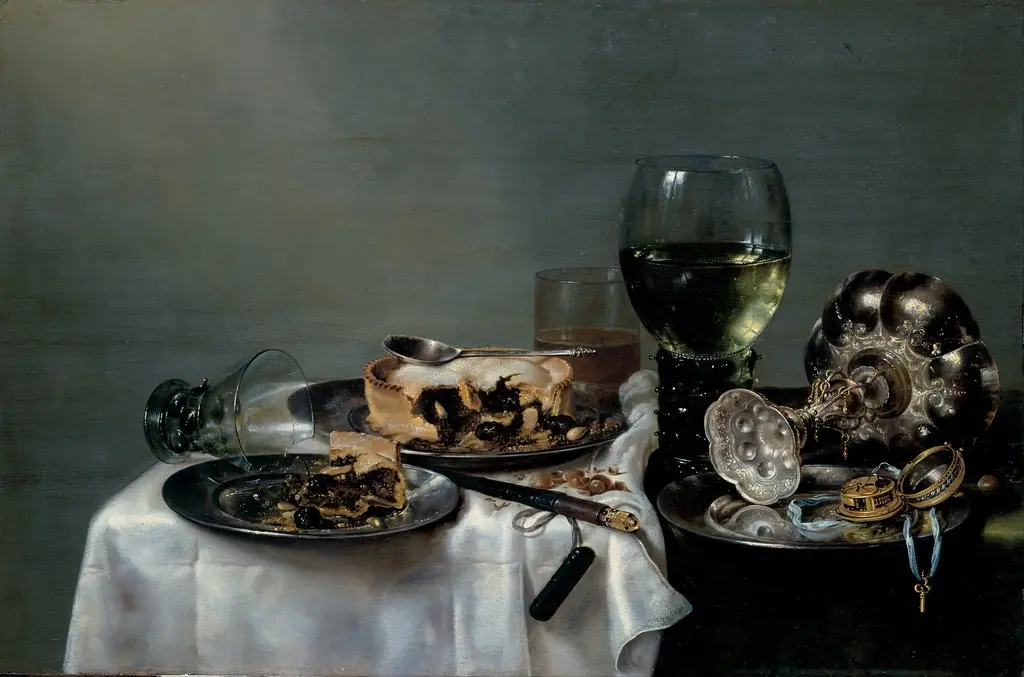
The work depicts a classic Dutch still life arrangement featuring a rummer, a pie, a spoon, a tablecloth, and a tazza, alongside a lemon. These objects are set upon a table, creating a composition focused on luxury items and foodstuffs typical of the genre. The inclusion of the specific glassware known as a rummer and the tazza highlights the material wealth and refined taste associated with such gatherings.
The presence of the lemon, often partially peeled, and the pie suggests themes of transience and the sensory pleasures of the table.
Technique & Style
Executed in 1631, this still life by Willem Claesz. Heda is an oil painting created on a wooden panel support. The work depicts a characteristic arrangement of objects including a rummer, a pie, a spoon, a tablecloth, a tazza, and a lemon.
While the specific handling and current physical condition cannot be detailed due to the work's status as a lost painting, its material composition is established as oil paint applied to panel. The composition adheres to the monochromatic banquet style typical of the artist's output during this period, focusing on the textural interplay between the metallic vessels, foodstuffs, and draped fabrics.
History & Provenance
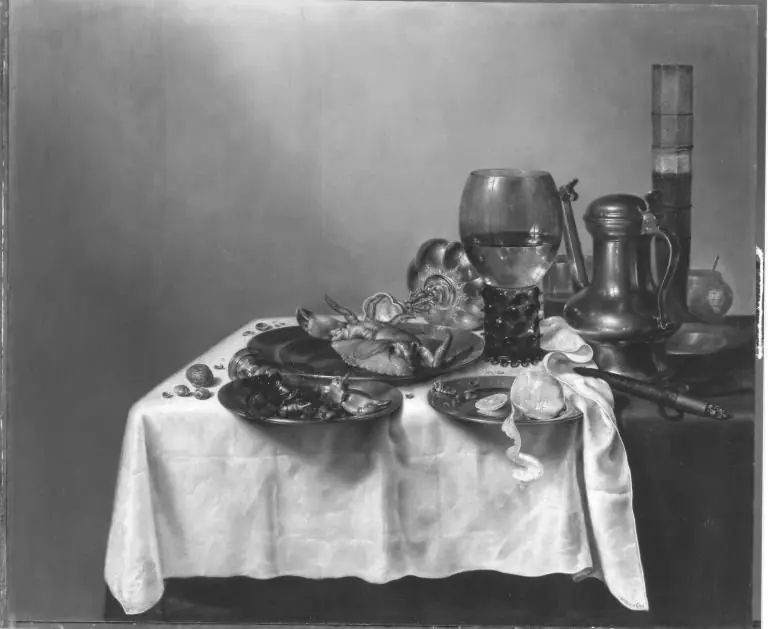
Stilleben mit Römer is a lost still life painting by Willem Claesz Heda, dated to 1631. The work was created as an independent composition and is documented only through historical records of the artist's oeuvre. It entered a German private collection before being acquired by the Gemäldegalerie Berlin, where it remained until its destruction during World War II.
The painting was later deaccessioned and is now considered lost, with no surviving provenance beyond its documented ownership history in Berlin institutions.
Stilleben mit Römer, a 1631 still life by Willem Claesz. Heda, is documented as belonging to the Gemäldegalerie Berlin, housed within the Bode Museum. According to Wikidata, the work is catalogued as part of that collection.
The same entry, however, describes the painting as a lost work, indicating that it no longer survives as a physical object in the museum's holdings. No inventory or accession number is recorded in the available sources, and no exhibition history is documented.
Legacy
The painting's reputation as a lost work contributed to its mystique, and its presumed status as a prototype for later Dutch still-life compositions has been cited in scholarly discussions of 17th-century banquet imagery. Its influence is traced through stylistic parallels in the oeuvre of later painters such as Pieter Claesz, who adopted similar tabletop arrangements and motifs like the lemon and silver tazza. The work's legacy is anchored in its documented presence in the Gemäldegalerie Berlin collection before its disappearance, a fact that has spurred research into its provenance and the broader context of Dutch Golden Age still-life painting.
Overview
Created in 1631 by Haarlem painter Willem Claesz Heda, this oil work presents a carefully arranged still life. A lemon, a slice of pie, a silver spoon, a large glass rummer, and a decorative tazza rest upon a white‑clothed table against a deep, muted backdrop. The composition exemplifies the quiet, contemplative atmosphere typical of Heda’s oeuvre and is currently housed in Berlin’s Gemäldegalerie.
Own this work as a print
Artist & collection
Artist
Willem Claeszoon Heda (December 14, 1593/1594 – c. 1680/1682) was a Dutch Golden Age painter from the city of Haarlem devoted exclusively to the painting of still life. He is known for his innovation of the late…