Artwork
A Breakfast-piece
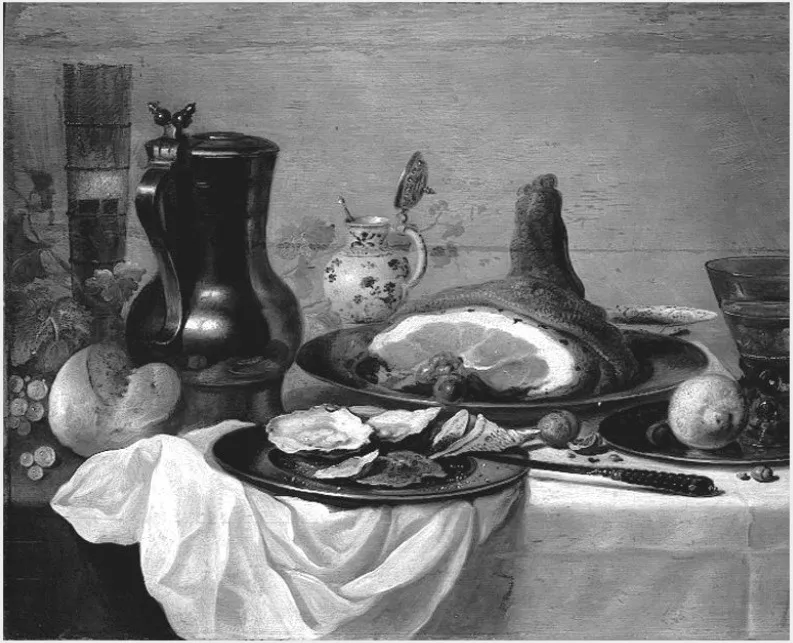
A Breakfast-piece is an oil painting by the Dutch Golden Age artist Pieter Claesz. It dates from 1651 and is held in the collection of the National Gallery of Ireland.
About this work
Subject & Meaning
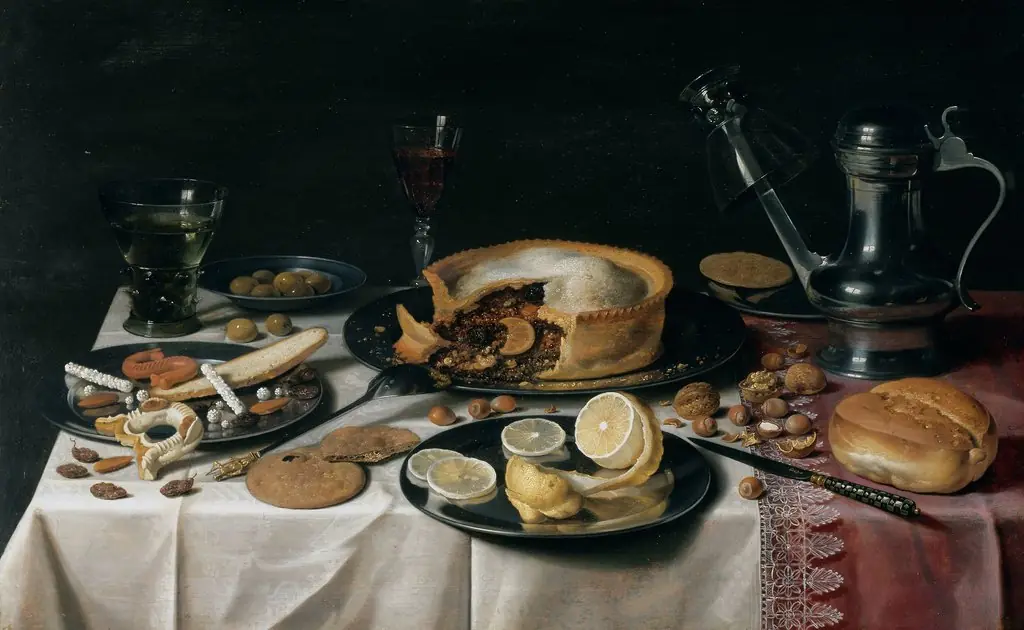
A Breakfast-piece is a still life by Pieter Claesz that arranges an array of foodstuffs and tableware across a modest meal setting.
A Breakfast-piece is a still life by Pieter Claesz that arranges an array of foodstuffs and tableware across a modest meal setting. The depicted objects include a jug, a ham, a mustard pot, bread, an oyster, a knife, a lemon, and a berkemeyer, the faceted Roemer-style glass typical of Dutch still life painting. The grouping of bread, ham, and condiments alongside a partially peeled lemon and an oyster reflects the standard iconography of the Haarlem "ontbijtje" or breakfast piece, a sub-genre that Claesz helped define in the 17th century.
Such compositions carried layered symbolic meanings drawn from common still-life conventions. Oysters and lemons signified luxury and sensual indulgence, while bread and ham evoked everyday sustenance, together suggesting the pleasures and transience of earthly life. The tipped knife and disordered arrangement of vessels introduce a note of informality, hinting at the recently interrupted meal and reinforcing the genre's meditation on use, consumption, and the fleeting nature of material enjoyment.
Technique & Style
The painting is executed in oil on a wooden panel support, a common choice for Dutch still-life specialists of the period. Claesz’s handling emphasizes precise, almost photographic rendering of reflective metal and glass, contrasted with the matte surfaces of bread and ham. The muted palette, dominated by ochres, browns, and silvery highlights, aligns with mid-17th-century Haarlem tonal still-life conventions.
Subtle glazes model form while preserving the crispness of edges, particularly in the reflections on the glass and the gleam of the knife blade.
The composition centers on a diagonal axis formed by the jug and the oyster dish, guiding the eye toward the lemon and mustard pot. The still-life’s small scale and tightly framed objects underscore Claesz’s mastery of texture and light rather than dramatic spatial illusion.
History & Provenance
The painting titled A Breakfast-piece was created by Pieter Claesz in 1651. Executed in oil on panel, the work measures 49.6 cm in height and 68.8 cm in width. The piece depicts a still life arrangement featuring a jug, ham, mustard pot, bread, oyster, knife, lemon, and a berkemeyer glass.
Historical records indicate that the artwork was owned by Alfred Chester Beatty prior to its acquisition by the National Gallery of Ireland, where it is currently held.
Pieter Claesz's A Breakfast-piece is held in the collection of the National Gallery of Ireland. The work, dated 1651, was acquired by the gallery through the bequest of Alfred Chester Beatty. The painting is cataloged as an oil on panel still life depicting various breakfast items including a jug, ham, and oysters.
No specific inventory or accession number is provided in the available records. Furthermore, the provided sources do not contain information regarding any past or future exhibitions of this specific work.
Overview
Pieter Claesz’s oil painting dated 1651 presents a meticulously arranged still‑life that centers on a modest breakfast setting. The composition rests on a white‑covered table and includes a tall berkemeyer cup, a loaf of bread, a substantial ham, a plate of oysters, a lemon, and a knife. The work is part of the collection of the National Gallery of Ireland.
Context
During the Dutch Golden Age, still‑life compositions served both decorative and moral purposes, often illustrating the wealth of the merchant class while subtly reminding viewers of mortality. Claesz, a leading practitioner of the “breakfast piece” sub‑genre, contributed to this tradition by focusing on modest, everyday fare rather than opulent banquet scenes.
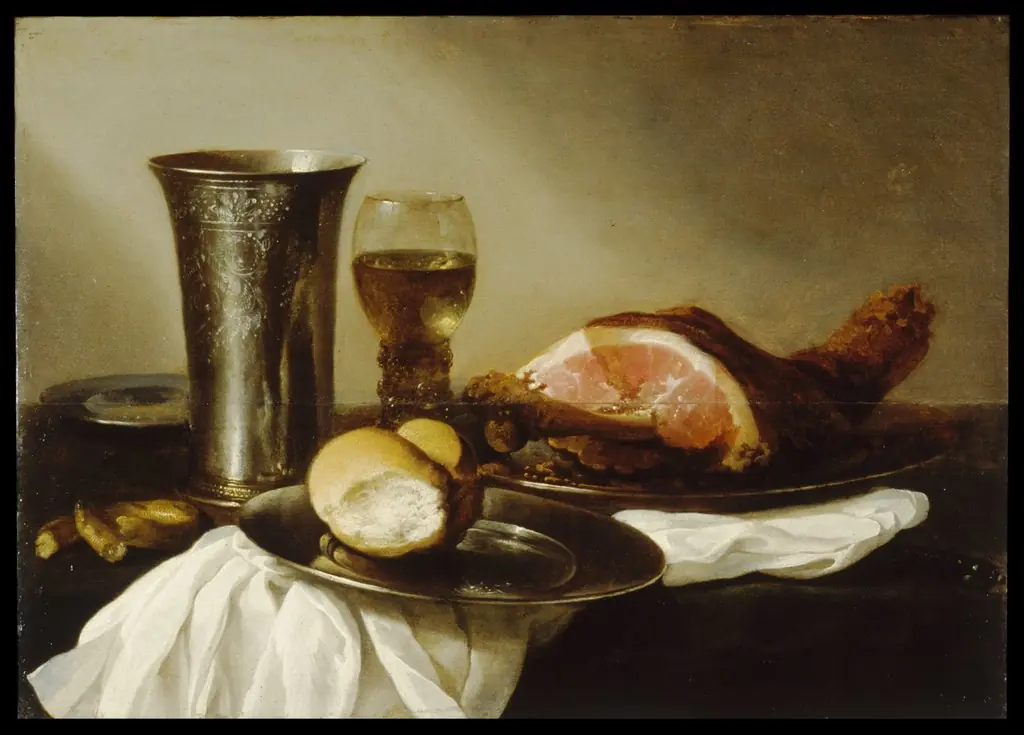
Artist & collection

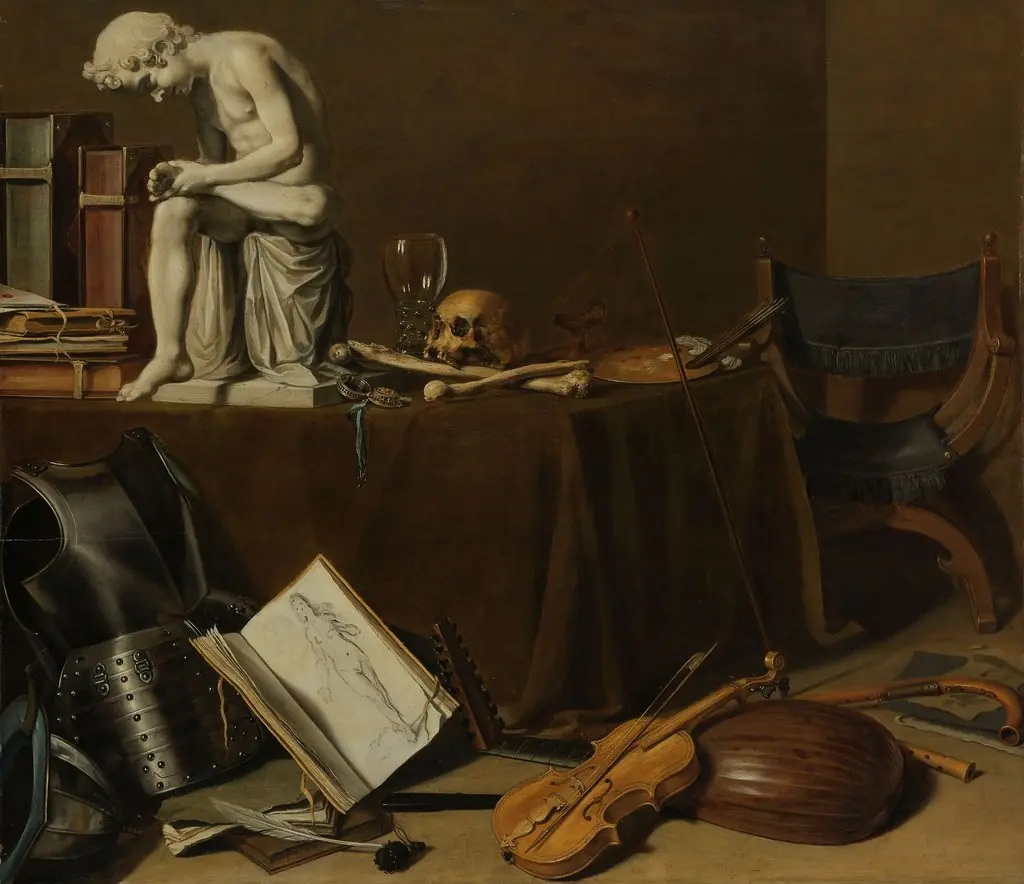
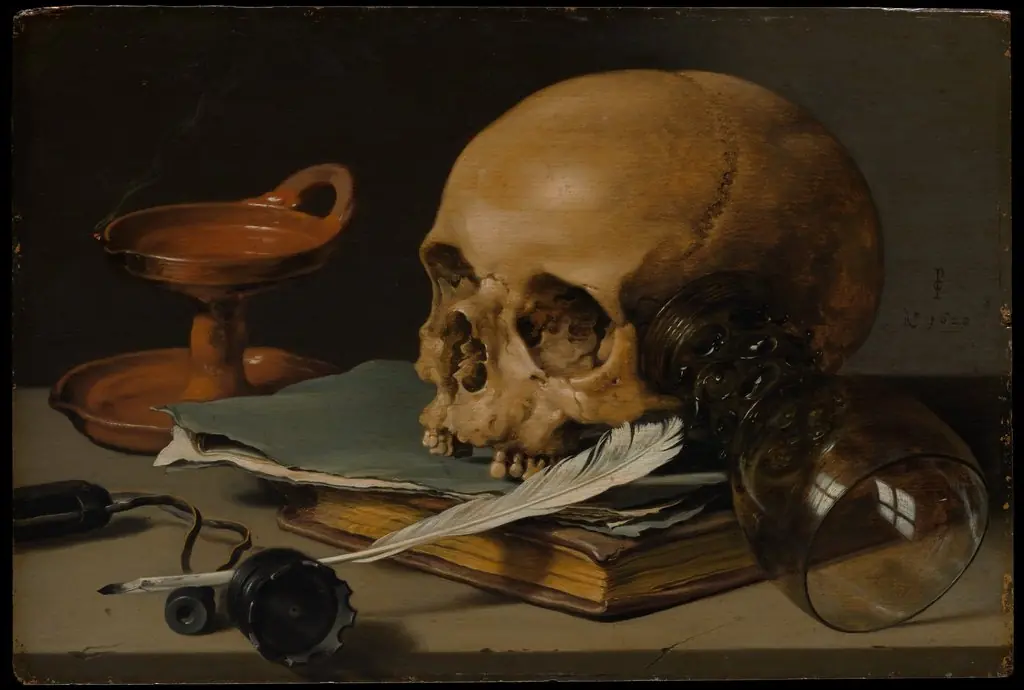
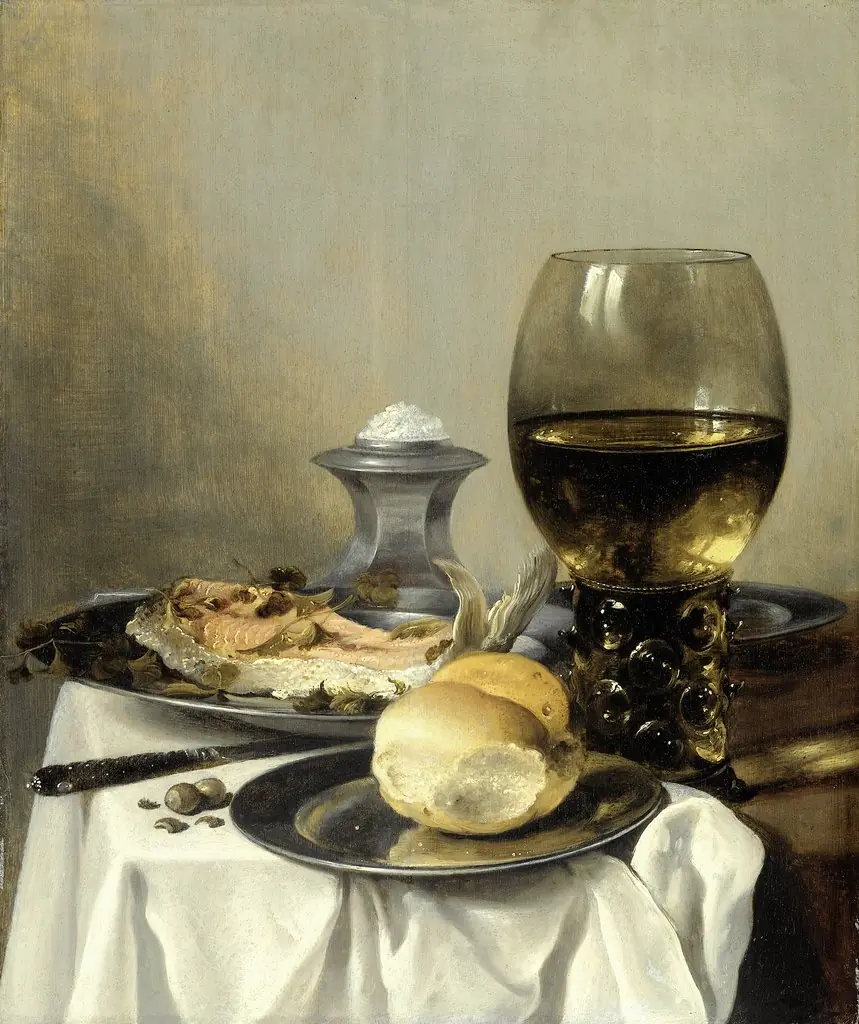
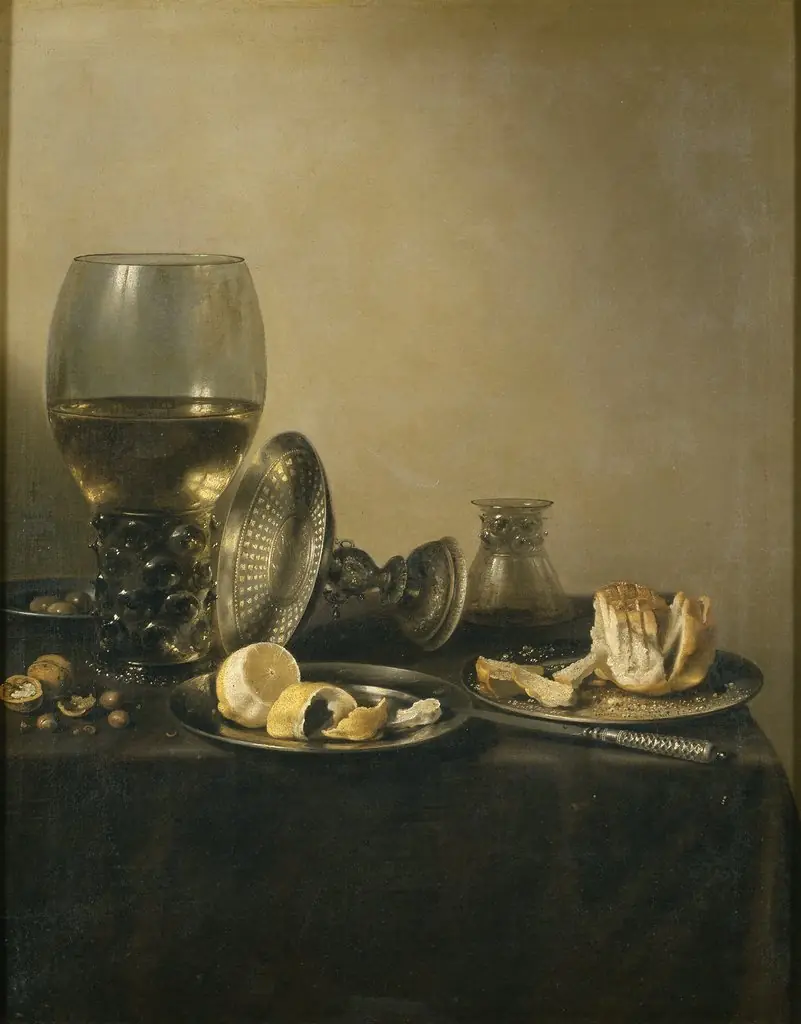
 Still life with berkemeyers, salmon, fruit and oysters on a laid table
 Früchtestück
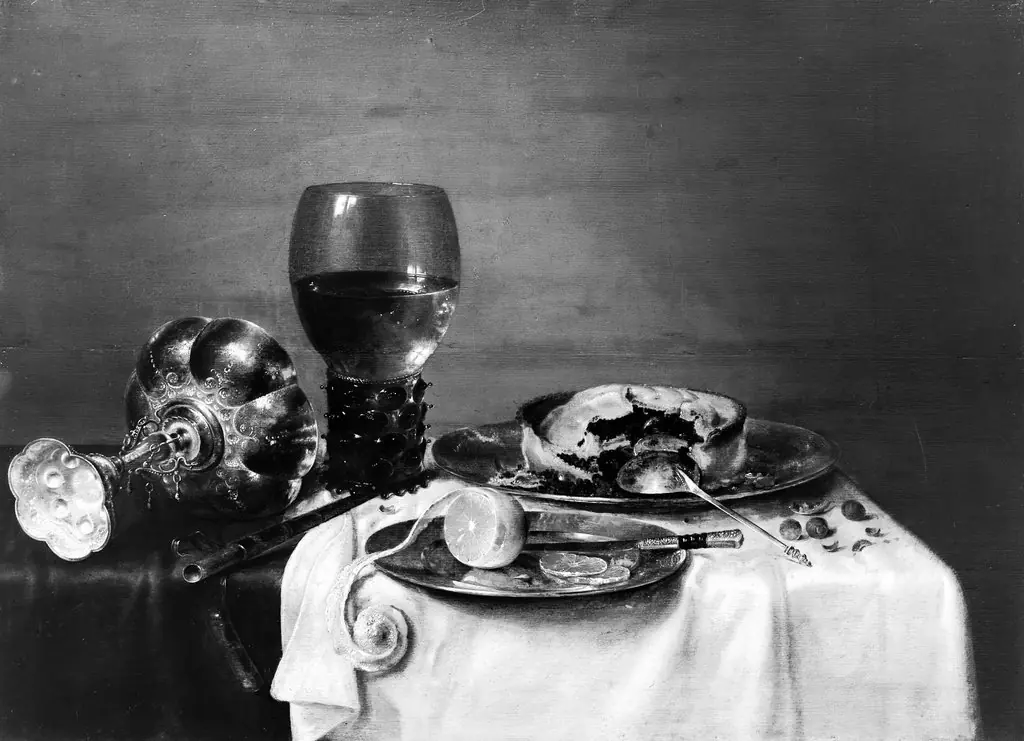 Stilleben mit Römer
 Still Life
 Früchtestück
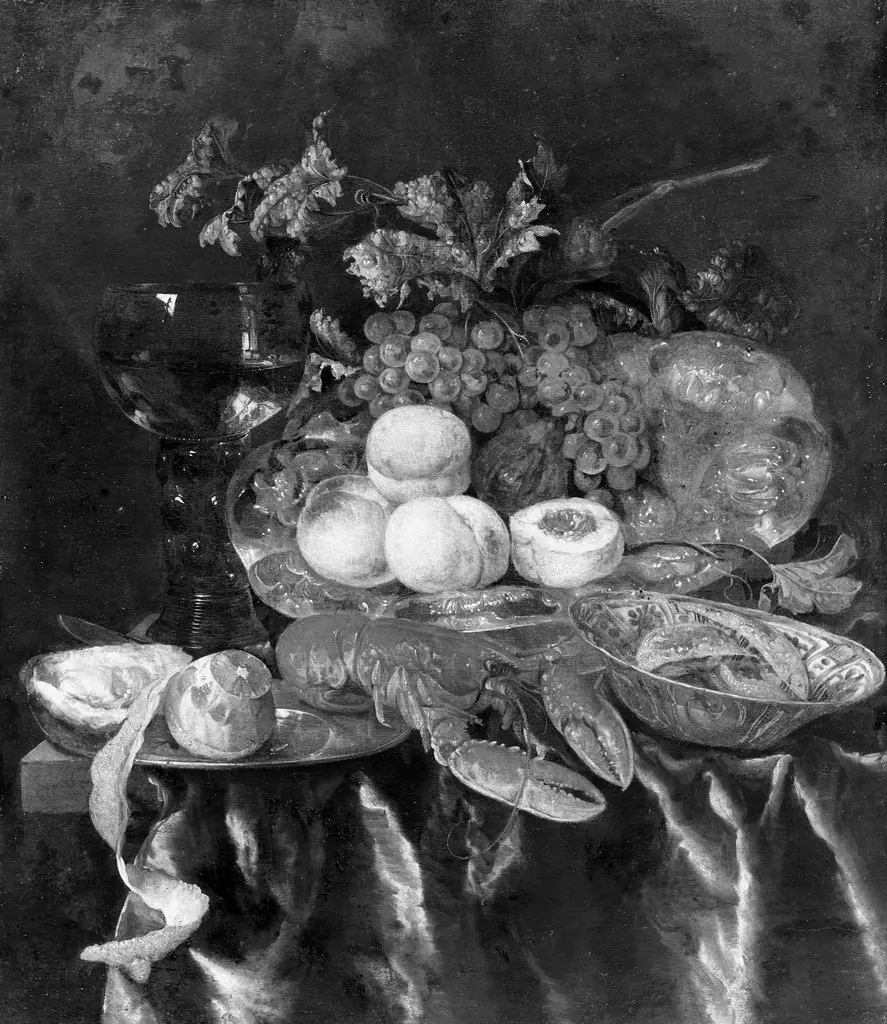 Still life with lobster, fruit, peeled lemon, rummer, silver dish and faience dish on a dark tablecloth
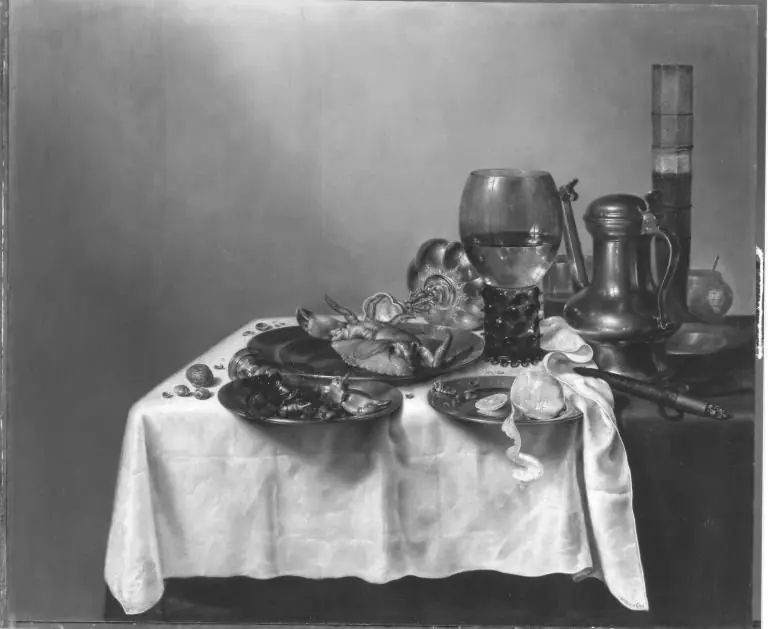 Still life with passglass, Jan Steen pitcher and roemer
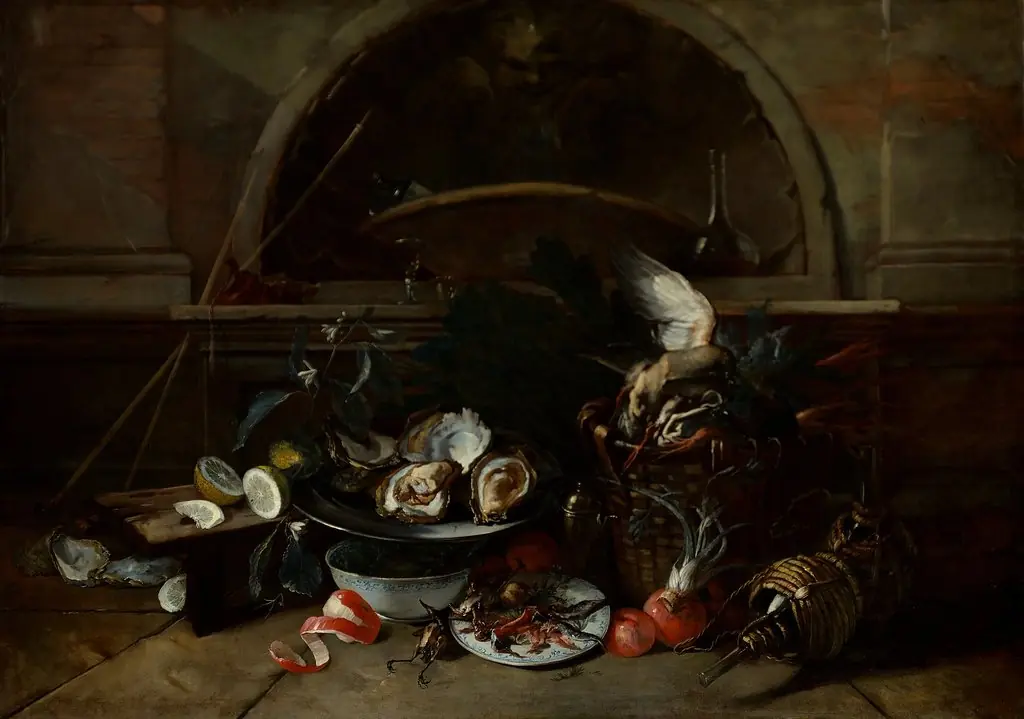 Still Life with Bottles and Oysters
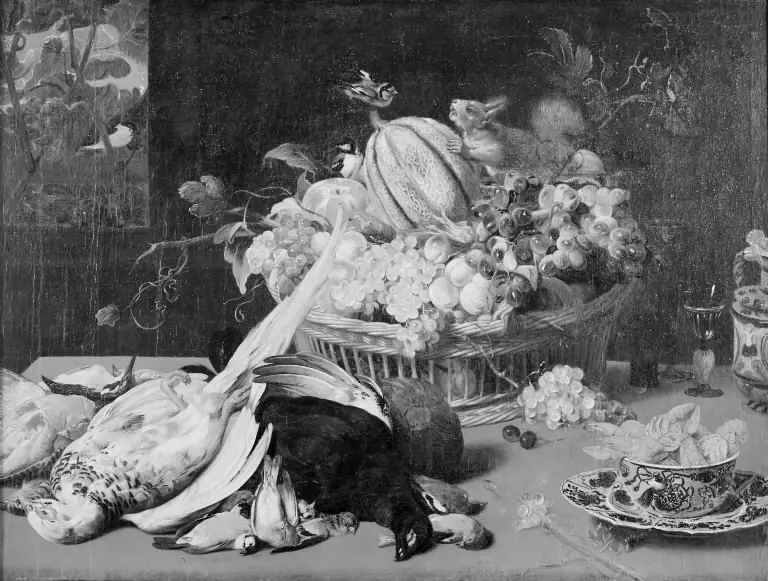 Still Life with Small Game, Basket of Fruit, Goldfinches and a Squirrel