Artwork
Portrait of Antoine Perrenot, Cardinal de Granvelle, Minister to Charles V and Philip II
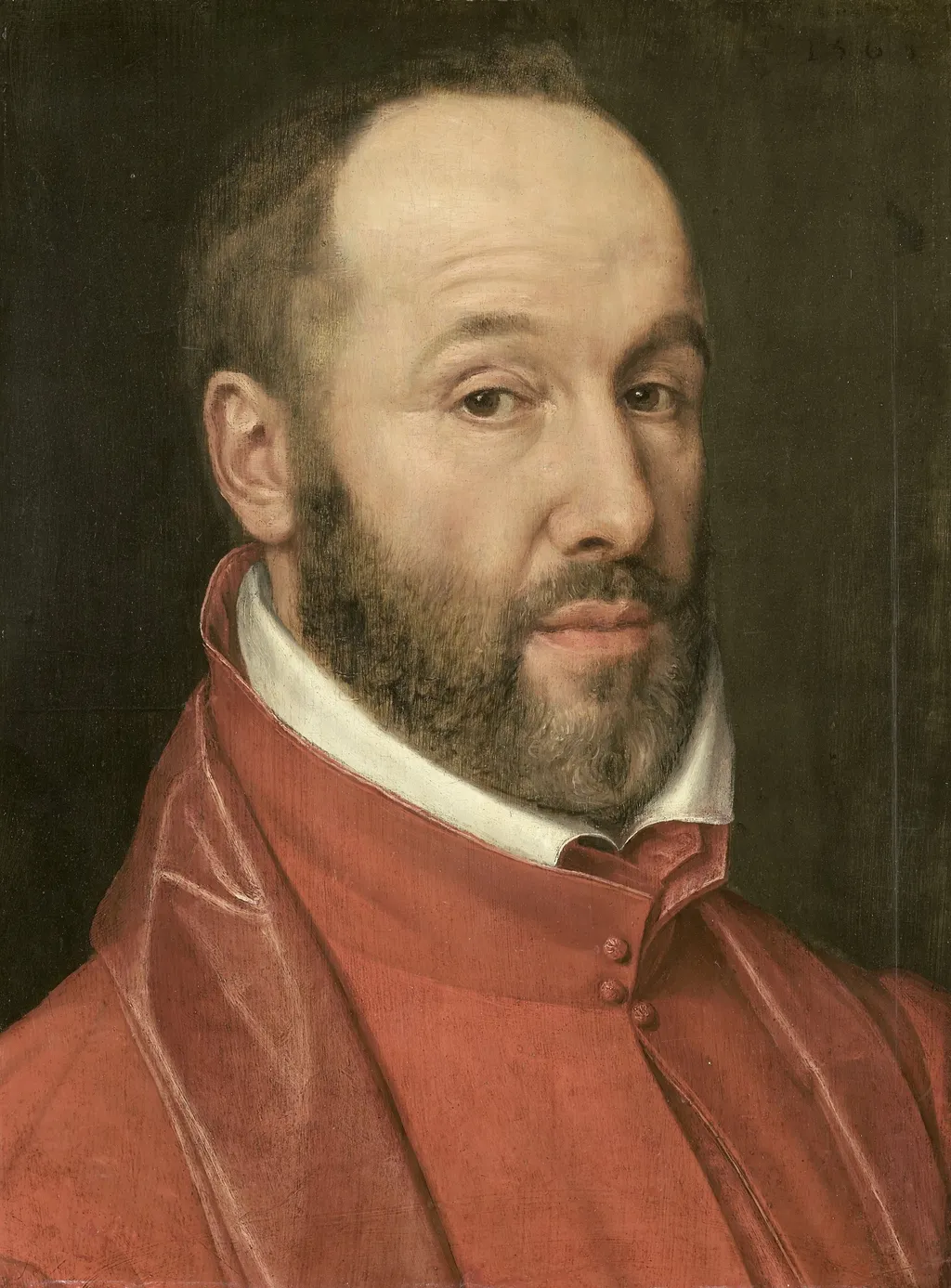
Portrait of Antoine Perrenot, Cardinal de Granvelle, Minister to Charles V and Philip II is an oil painting by the Northern Renaissance artist Willem Key. It dates from 1565 and is held in the collection of the Rijksmuseum.
About this work
Technique & Style
Willem Key executed this portrait in 1565 using oil paint applied to a wooden panel support.
Willem Key executed this portrait in 1565 using oil paint applied to a wooden panel support. The work measures 47.5 cm in height and 35.6 cm in width, originating from the Southern Netherlands. As a formal portrait, the piece depicts Antoine Perrenot de Granvelle with the specific materiality characteristic of mid-16th-century Netherlandish portraiture. The painting is currently held in the collection of the Rijksmuseum.
History & Provenance
The work was created in 1565 in the Southern Netherlands by Willem Key as a portrait of Antoine Perrenot de Granvelle, who served as minister to both Charles V and Philip II. It was painted on panel using oil paint and measures 47.5 cm by 35.6 cm. The painting entered the collection of the Rijksmuseum, where it remains on display.
Overview
Willem Key’s oil portrait, executed in 1565, presents Antoine Perrenot de Granvelle, a prominent cardinal and diplomatic figure of the Habsburg courts. The work is part of the Rijksmuseum’s collection and measures as a close‑up depiction that emphasizes the sitter’s dignified bearing through restrained composition and careful modeling of light.
Subject & Meaning
Antoine Perrenot de Granvelle served as chief minister to both Emperor Charles V and his son Philip II, a role that placed him at the centre of European politics in the mid‑16th century. The portrait conveys his authority and intellect, highlighted by the solemn expression and the cardinal’s red vestments, symbols of ecclesiastical rank and political power.
Context
The portrait belongs to a period when Flemish artists increasingly catered to elite patrons, combining Northern realism with Italianate lighting effects. Key’s work aligns with contemporary court portraiture that sought to document political stature while adhering to the visual conventions of the Counter‑Reformation, emphasizing solemnity and piety.
Own this work as a print
Artist & collection

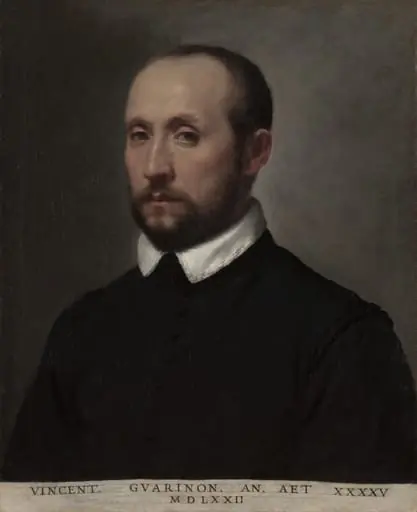 Portrait of Vincenzo Guarignoni
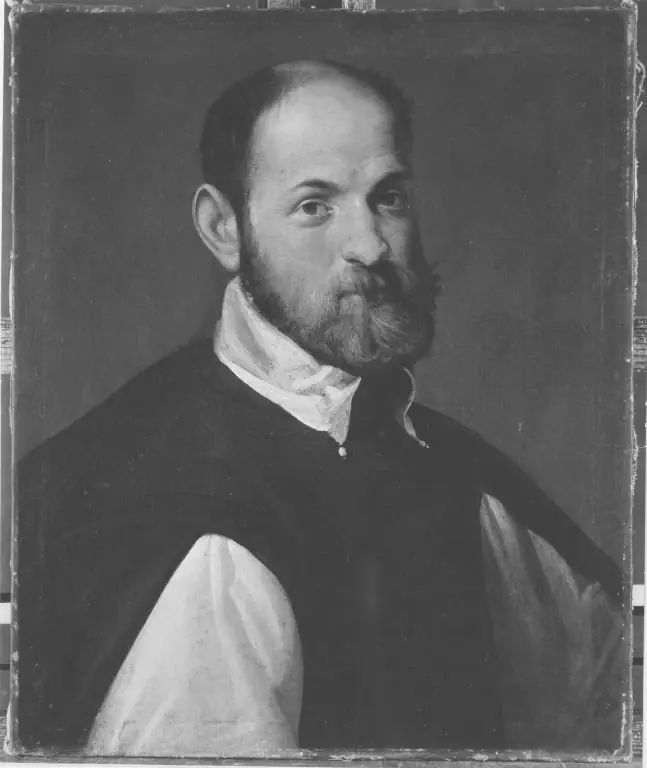 Bildnis eines Mannes
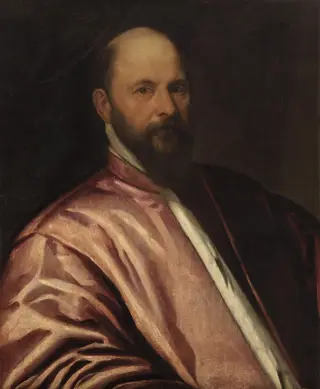 Bildnis eines Prokurators
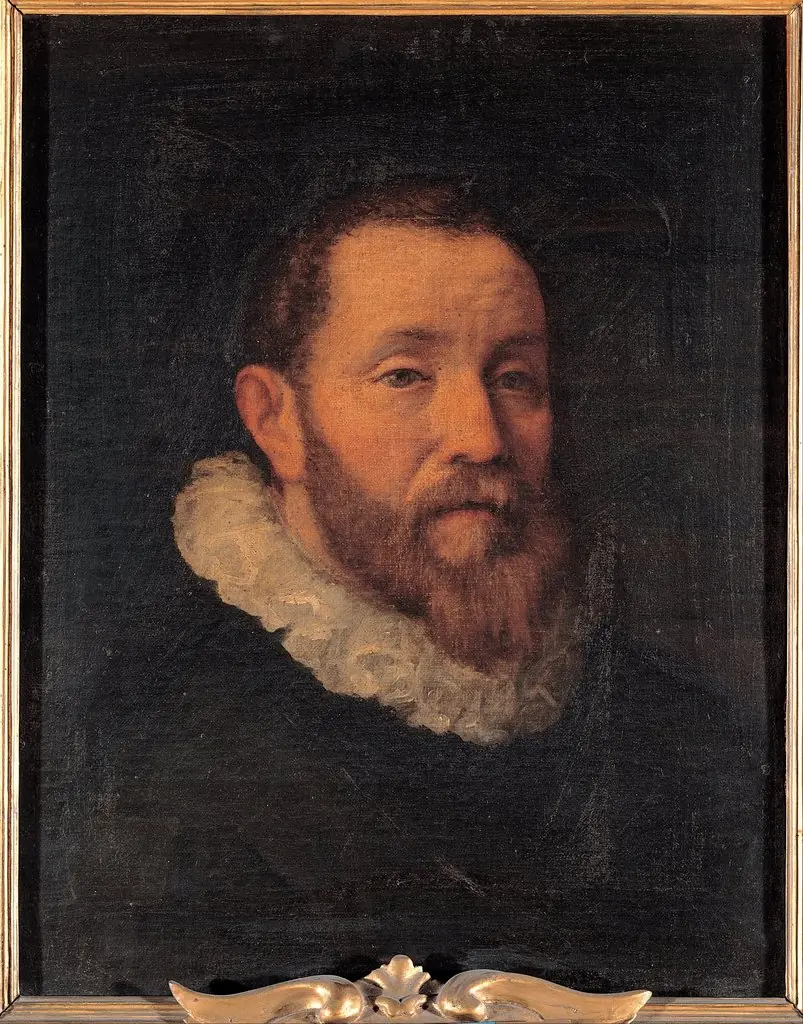 Self-portrait
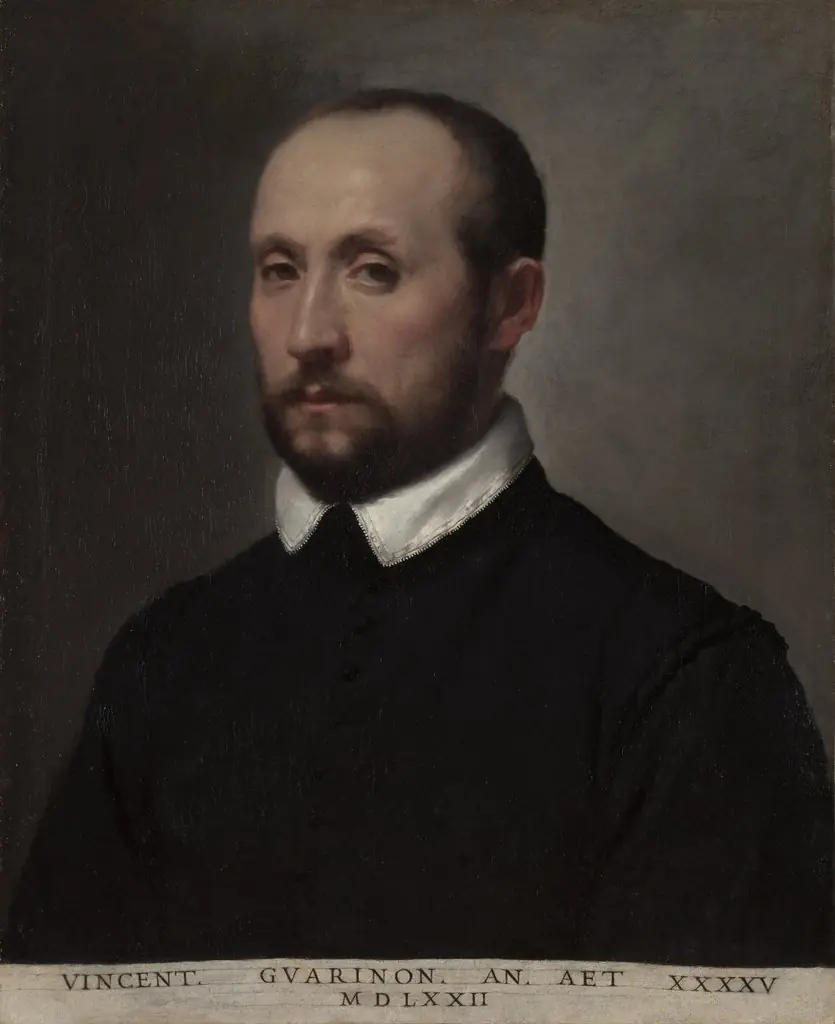 Portrait of Vincenzo Guarignoni
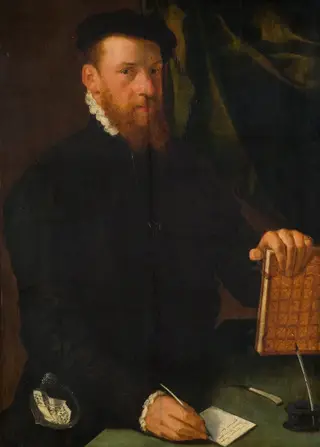 Männliches Bildnis
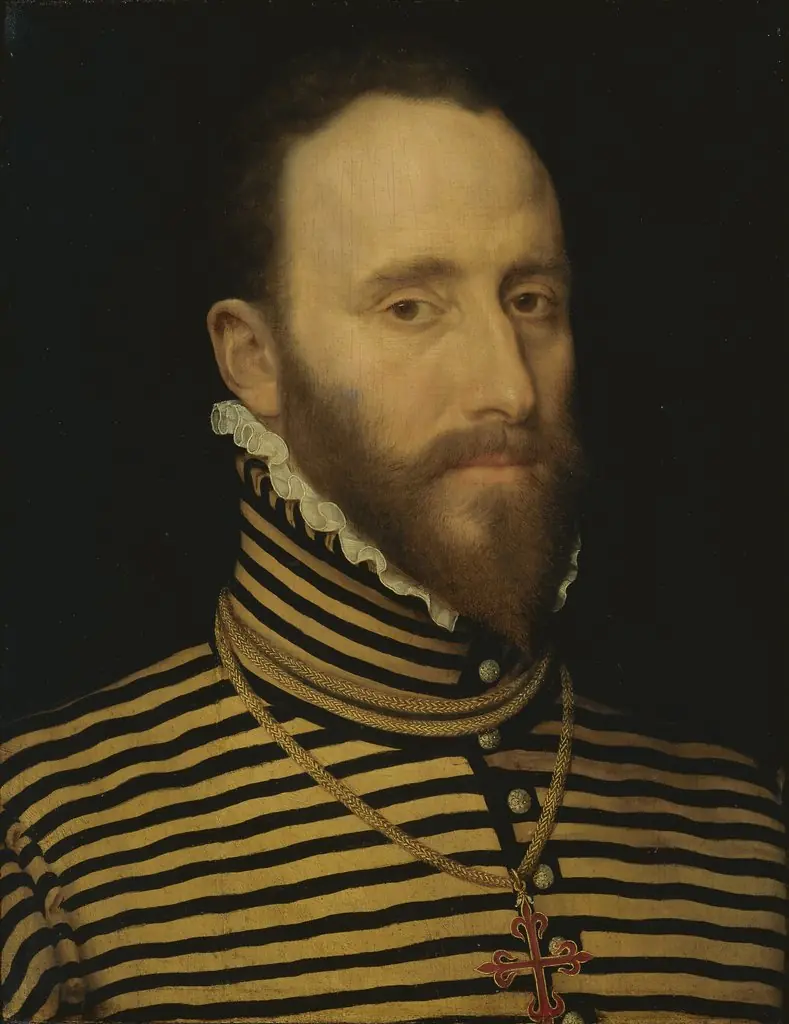 Portrait of a Knight of the Order of Calatrava, probably of the Sorias or Soreau Lineage (Sorel)
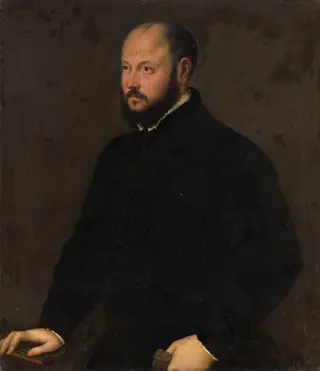 Bildnis eines Mannes
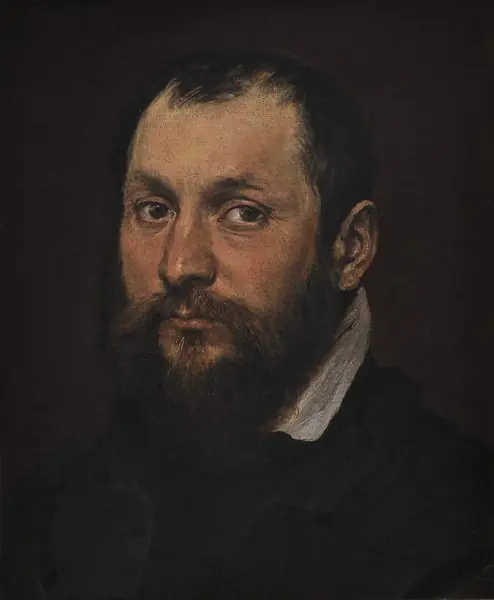 Portrait of a Man
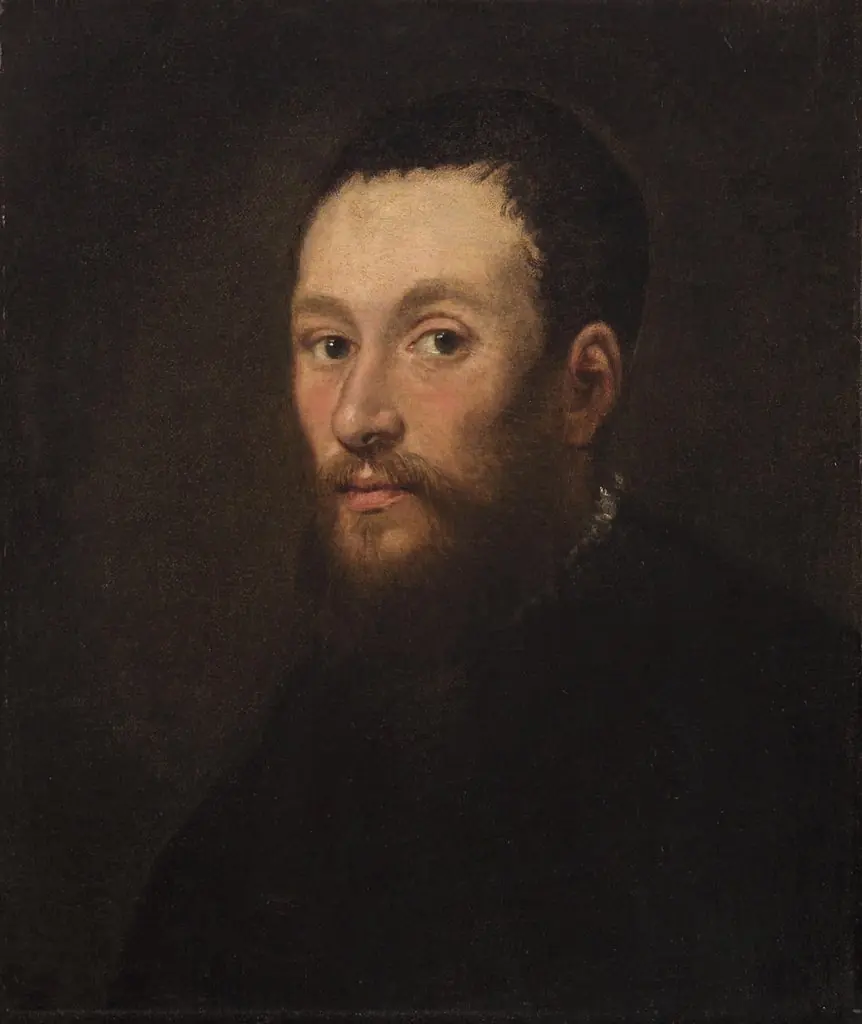 Bildnis eines jungen bärtigen Mannes
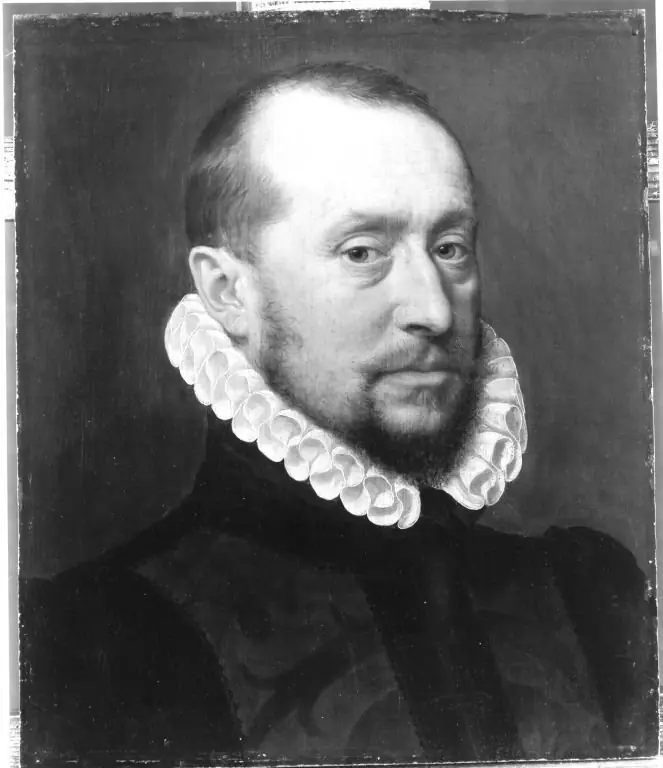 Brustbild eines braunbärtigen Mannes
- Portrait of Anton Perrenot de Granvelle