Artwork
Appelles painting Campaspe
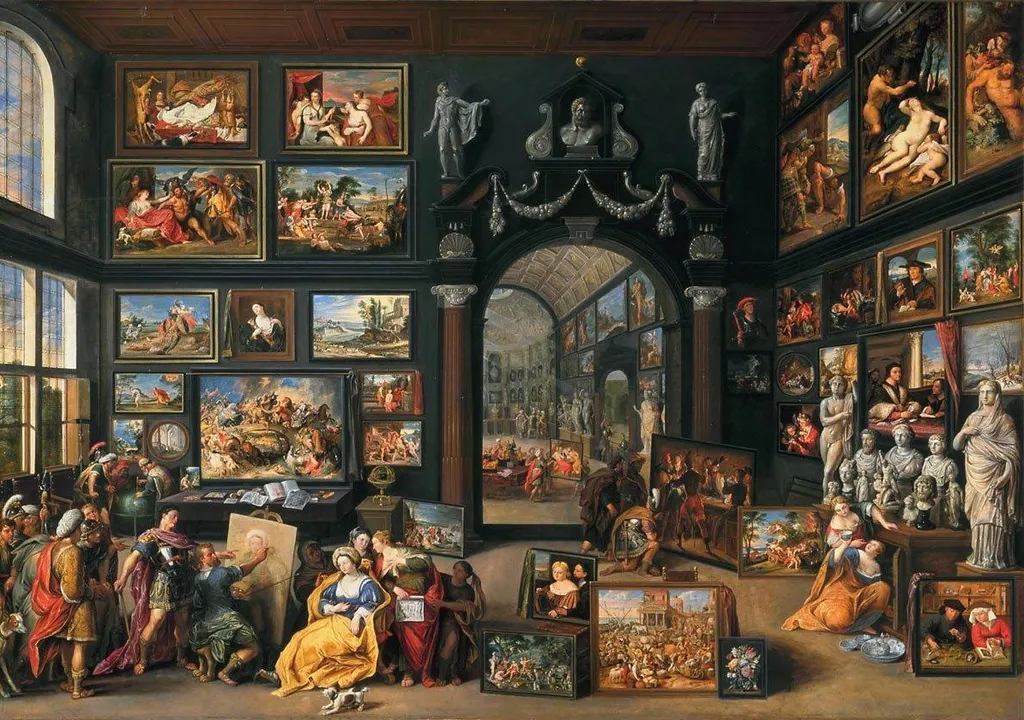
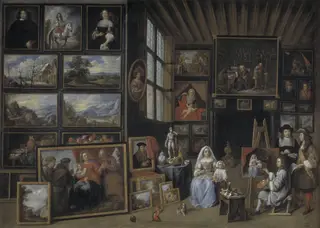
Appelles painting Campaspe is an oil painting by the Flemish Baroque painting artist Willem van Haecht. It dates from 1630 and is held in the collection of the Mauritshuis.
About this work
Technique & Style
Stylistically, the piece functions as an interior view and a genre scene, depicting a complex art collection environment.
Willem van Haecht created Appelles painting Campaspe in 1630 using oil paint applied to a panel support. The work measures 104.9 cm in height and 148.7 cm in width. Stylistically, the piece functions as an interior view and a genre scene, depicting a complex art collection environment.
The composition includes numerous specific artworks within the scene, such as The Battle of the Amazons, The Death of Cleopatra, and Venus Blindfolding Cupid, alongside figures like Diana and her nymphs. This dense arrangement of depicted paintings and sculptures characterizes the formal approach of the piece, situating it within the tradition of gallery paintings that showcase the breadth of a collector's holdings.
History & Provenance
The work was created in 1630 by Willem van Haecht as an oil painting on panel, commissioned by Prince Maurice of Orange and later entered the collection of Prince Willem V of Orange, who housed it in the Mauritshuis gallery. After the prince's death the painting remained in the Dutch royal collection before being transferred to the Mauritshuis where it has been displayed since the mid‑19th century. The work measures 104.9 cm by 148.7 cm and depicts a richly detailed interior view of an art collector's gallery, showing several paintings and objects that reflect the owner's taste and the artistic milieu of the Dutch Golden Age.
The painting is currently held at the Mauritshuis. Prior to entering the museum, the work passed through several notable collections. Historically, it was owned by Cornelis van der Geest, followed by the collection of Willem V, Prince of Orange-Nassau.
It was also part of the Gallery Prince Willem V and the Department of Paintings of the Louvre before its present location at the Mauritshuis.
Overview
Willem van Haecht’s oil painting Apelles painting Campaspe, executed in 1630, belongs to the Flemish Baroque tradition and is classified as a genre scene. The canvas presents an imagined gallery filled with framed artworks and statues, populated by elegantly dressed figures. It is part of the Mauritshuis collection in The Hague.
Subject & Meaning
The composition references several classical myths: the love of Apollo for the courtesan Campaspe, the chase of Daphne by Apollo, and the huntress Diana with her nymphs, alongside a still‑life of flowers in a vase. By gathering these narratives together, van Haecht creates a visual catalogue of antiquity’s favorite themes.
Context
Van Haecht was known for works that staged imagined galleries, a popular motif among Flemish painters who catered to a market of connoisseurs and collectors. The inclusion of the artist himself holding a sketch underscores the self‑referential nature of the piece, linking the act of painting to the act of collecting.
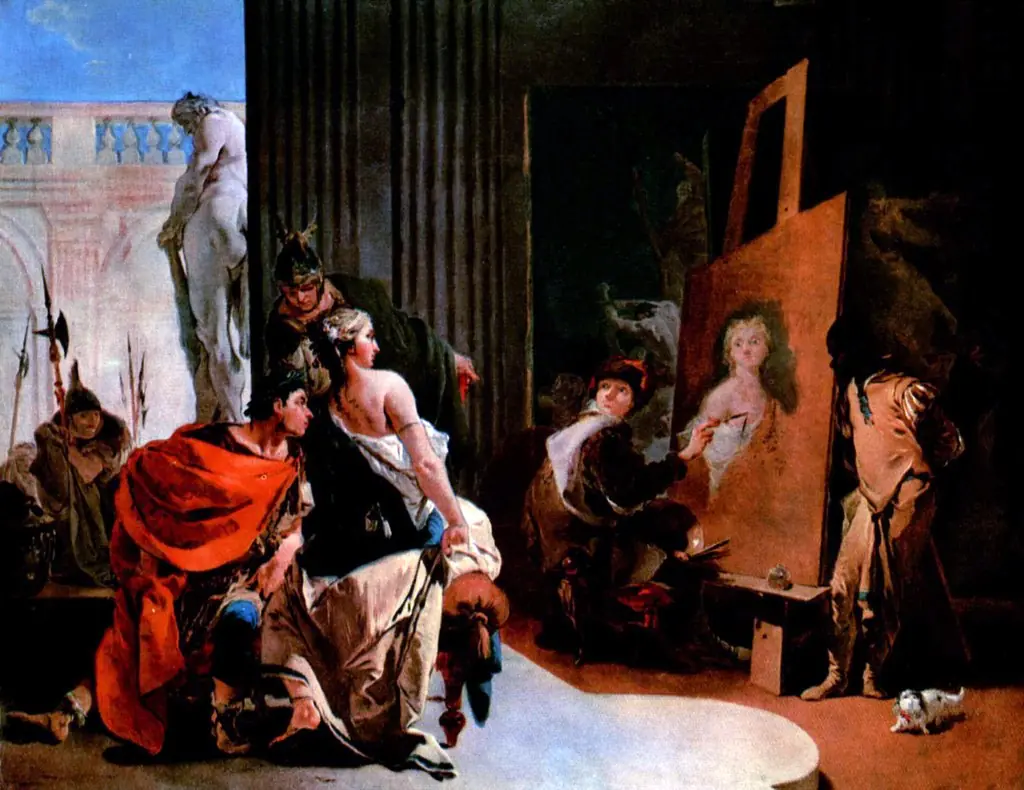
Artist & collection
Artist
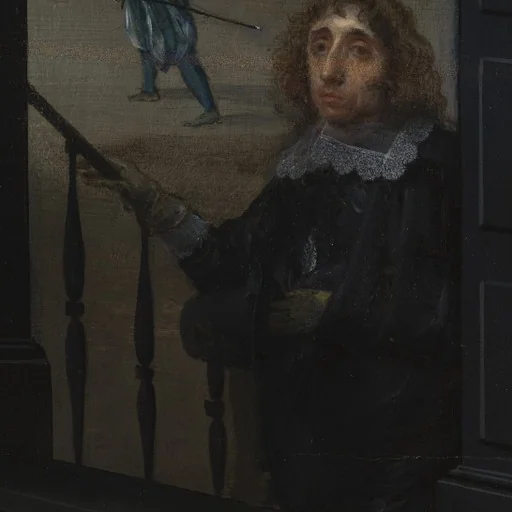
Willem van Haecht (1593 – 12 July 1637) was a Flemish painter best known for his pictures of art galleries and collections.

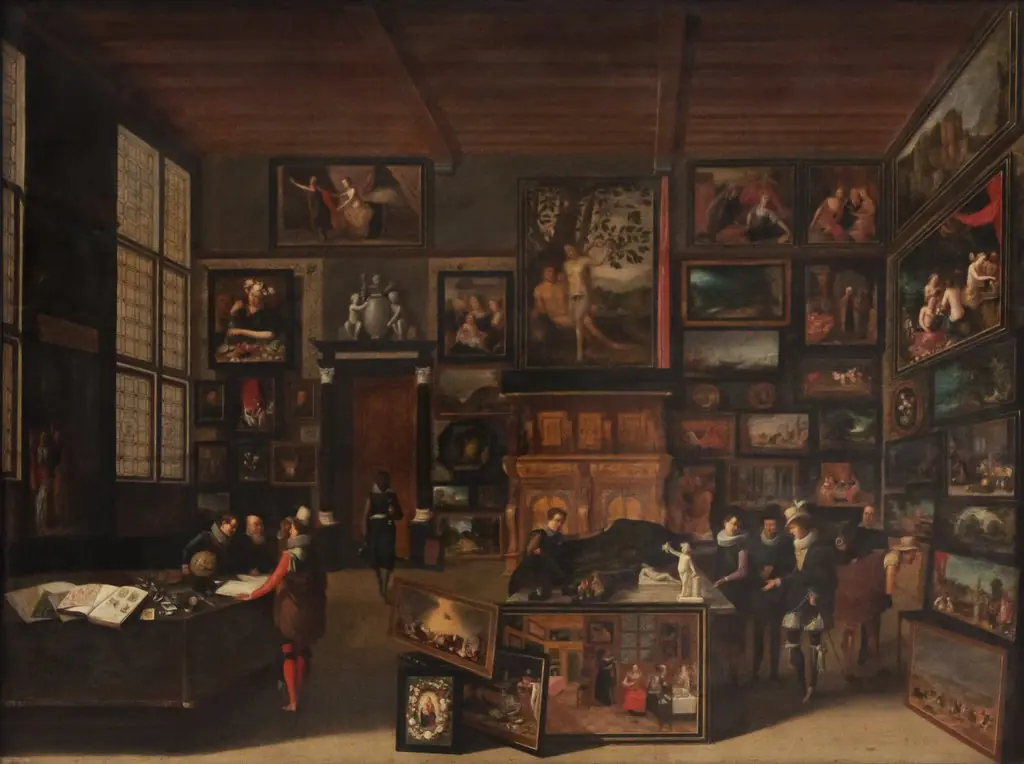 The Art Gallery of Jan Snellinck
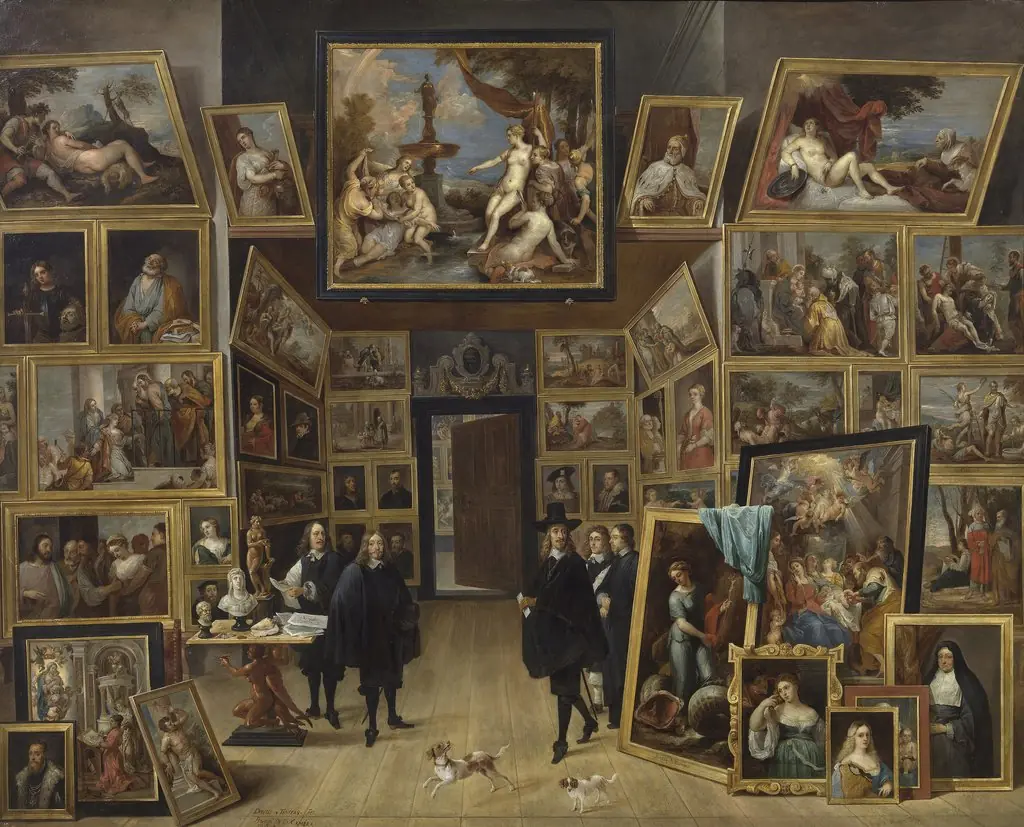 Archduke Leopold Wilhelm in his Gallery
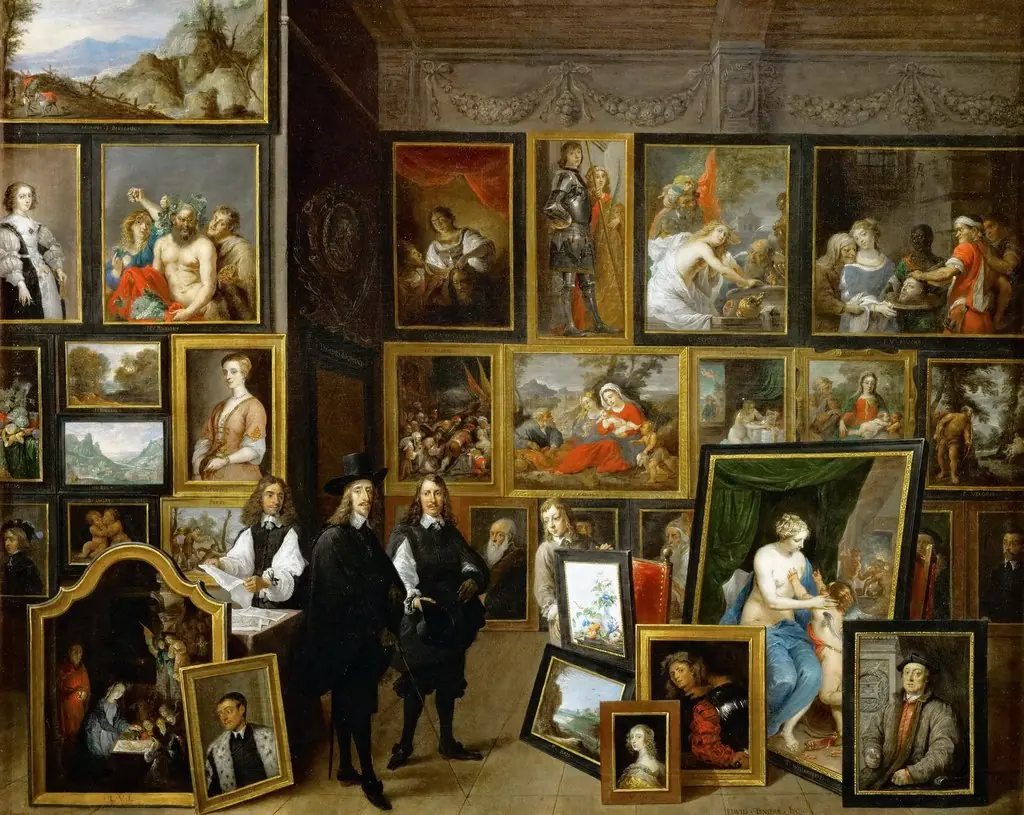 Archduke Leopold Wilhelm in his Gallery in Brussels
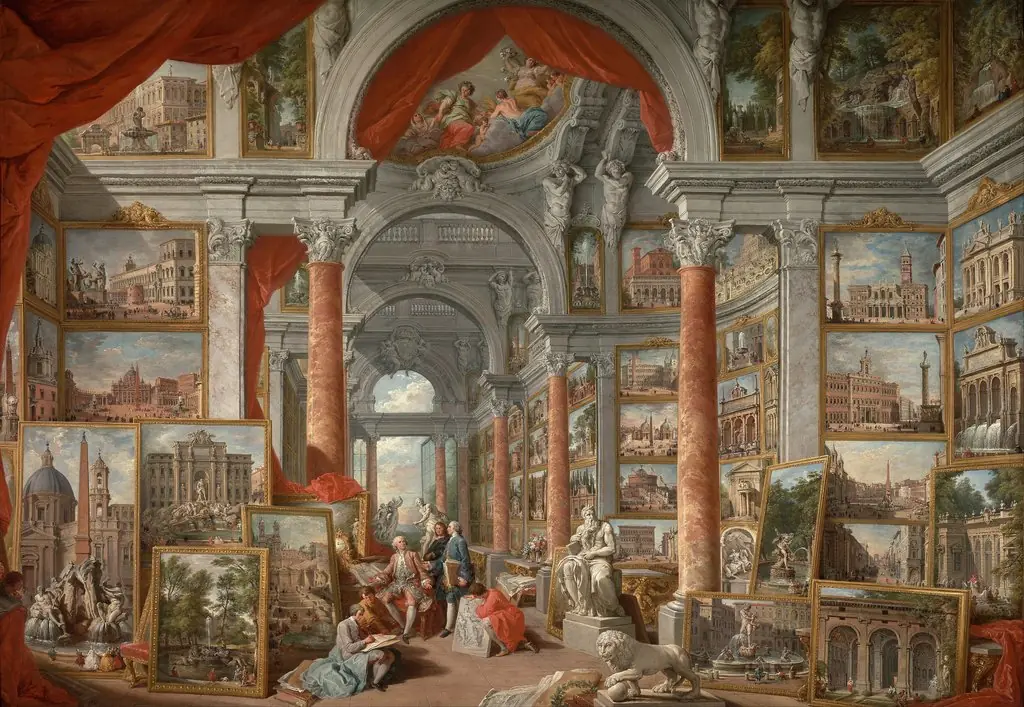 Picture Gallery with Views of Modern Rome
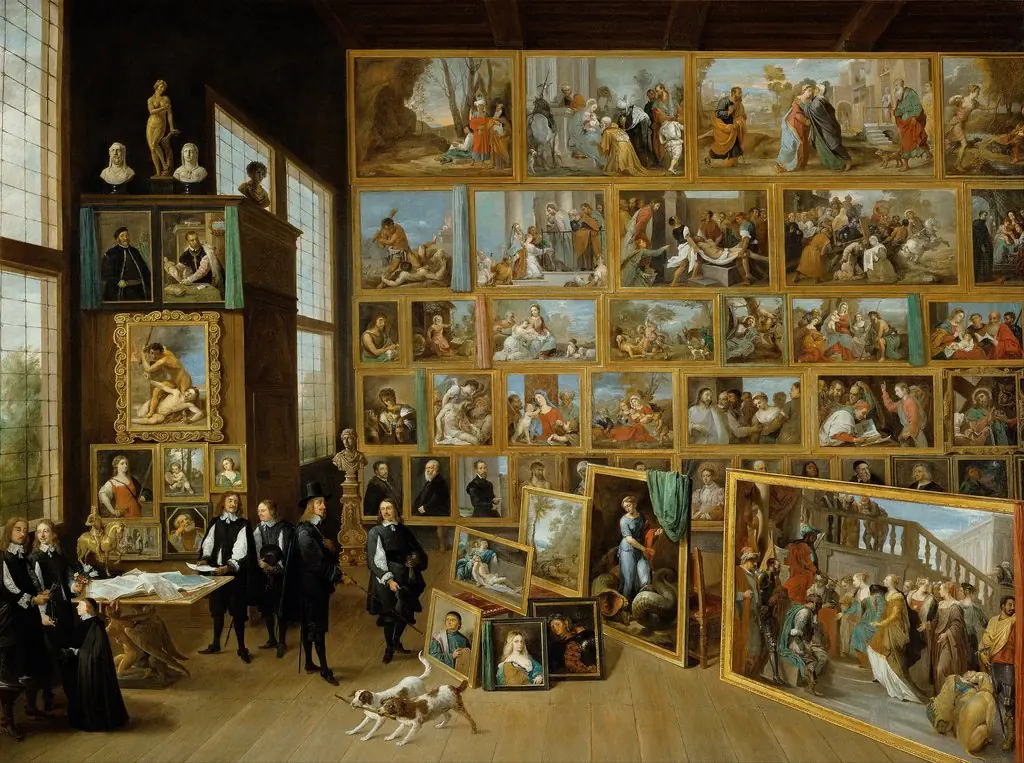 Archduke Leopold Wilhelm in his Gallery in Brussels
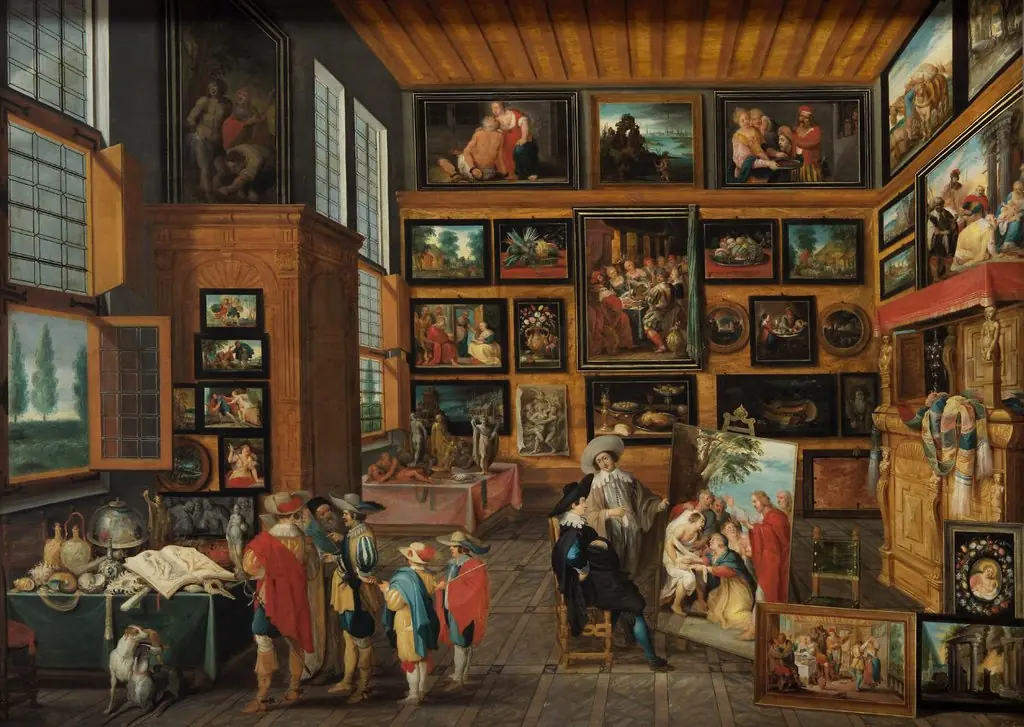
 A Picture Gallery with an Artist Painting a Woman and a Girl. Allegory of the Art of Painting
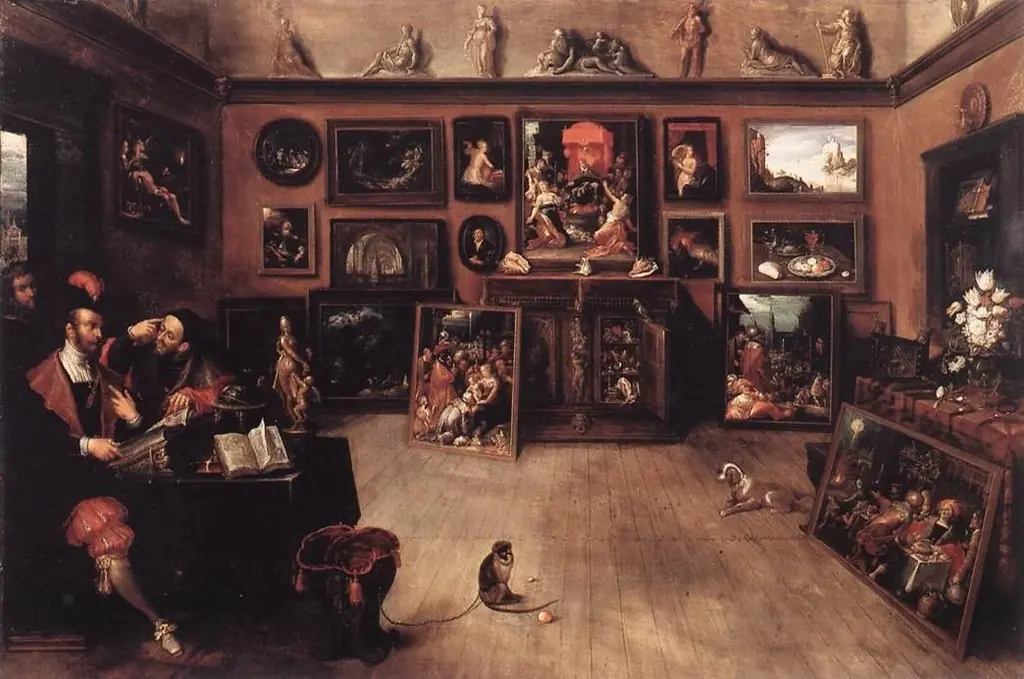
 Art and Rarity Cabinet
 An Antique Dealer's Gallery
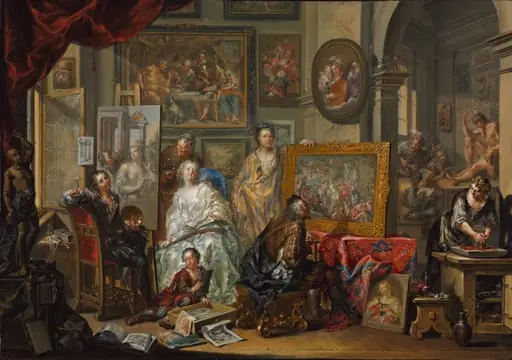 The Artist's Studio
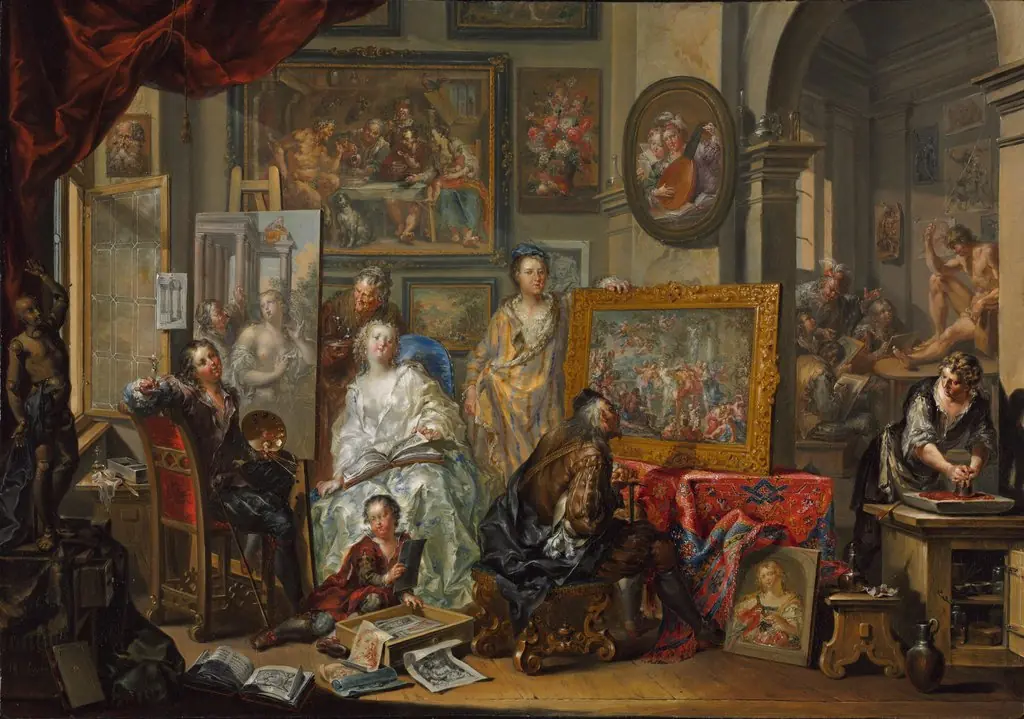 The Artist's Studio
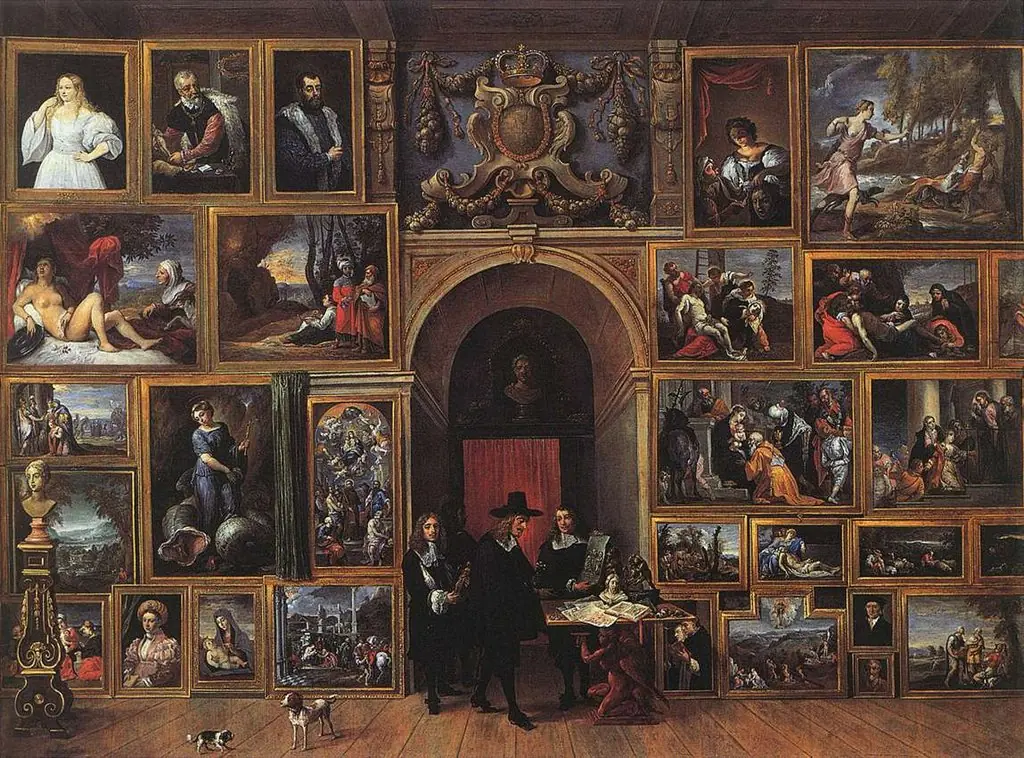 Archduke Leopold Wilhelm of Austria in his Gallery
- Apelles Painting Campaspe