Artwork
Autumn Crocus
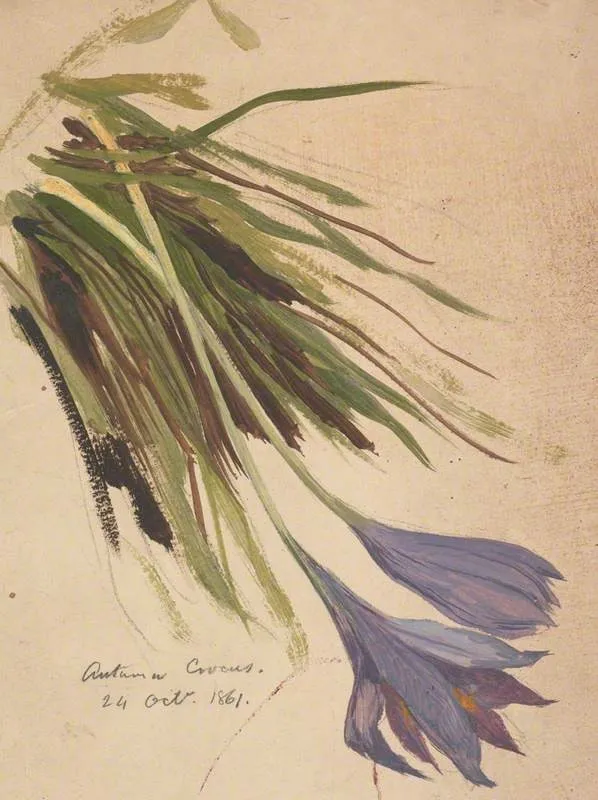
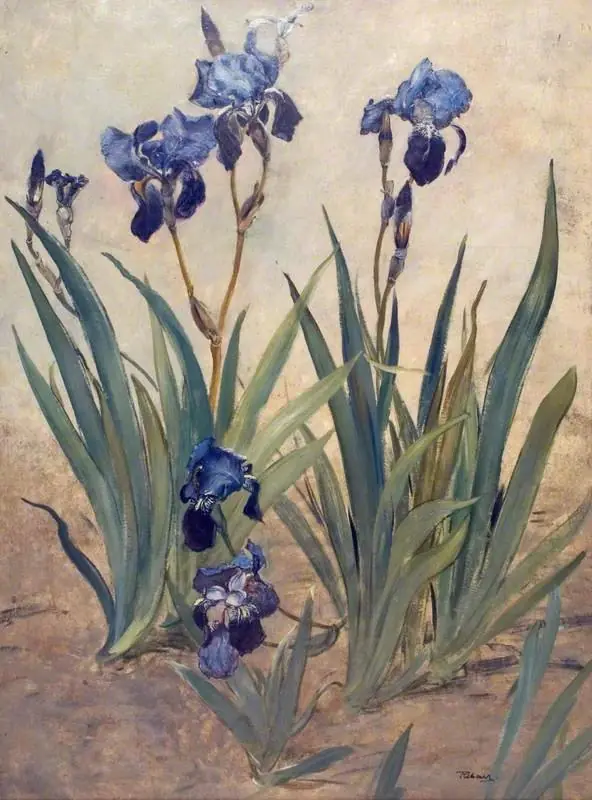
Autumn Crocus is an unspecified painting by the British Romanticist artist William Bell Scott. It dates from 1861 and is held in the collection of the Scottish National Gallery.
About this work
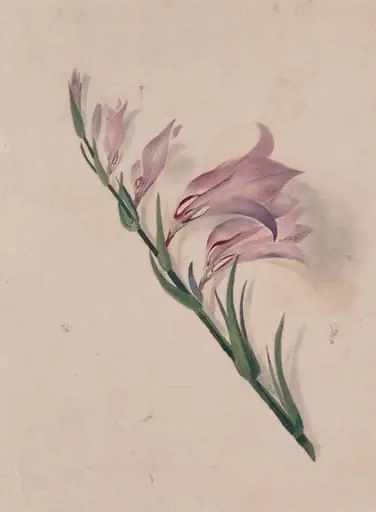
The artist has used gentle brushstrokes to create a sense of movement and texture in the painting.
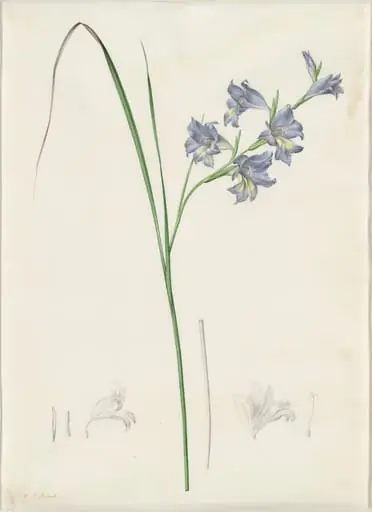
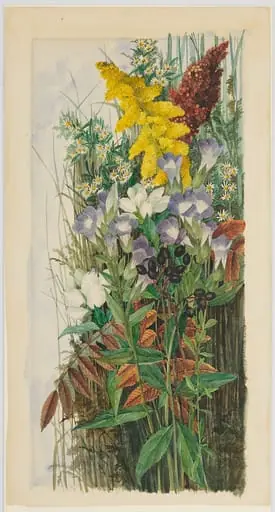
This painting shows a bunch of long, thin green leaves with purple flowers at the bottom. The flowers have long, thin petals that are a light purple color. The background of the painting is a light brown color.
The painting is done in a style that makes the flowers and leaves look soft and delicate. The artist has used gentle brushstrokes to create a sense of movement and texture in the painting.
The painting is called "Autumn Crocus" and was made by William Bell Scott in 1861. If you want to learn more about the technique of impasto, which involves applying thick layers of paint to create a textured effect, you could start by looking up examples of this technique.
Overview
Created in 1861, Autumn Crocus is an oil painting by Scottish artist William Bell Scott. The work is part of the collection of the Scottish National Gallery and exemplifies the Romantic sensibility that prevailed in mid‑nineteenth‑century Britain. It presents a modest botanical study, rendered with a quiet, lyrical tone that reflects the artist’s broader interests in poetry and teaching.
Subject & Meaning
The composition centers on a cluster of slender green leaves supporting delicate, light‑purple crocus blossoms. The flowers, with their elongated petals, emerge from a muted, earth‑toned background, suggesting the fleeting emergence of autumnal flora. The gentle arrangement conveys a sense of transience and quiet observation, inviting viewers to contemplate the subtle beauty of seasonal change.
Technique & Style
Scott employs soft, fluid brushwork that gives the foliage and petals a supple, almost tactile quality. While the surface remains largely smooth, the handling of paint suggests a restrained impasto, allowing light to catch the raised areas and enhance the sense of movement. The overall effect is one of delicacy, aligning the piece with the refined naturalism associated with the Pre‑Raphaelites.
History & Provenance
After its completion, the painting entered the holdings of the Scottish National Gallery, where it remains on display. Scott’s career later led him to become principal of the government School of Art in Newcastle upon Tyne, a position that reinforced his influence on regional art education and collection practices.
Context
Although primarily known for his work in oils, watercolours, and printmaking, Scott maintained close ties to the Pre‑Raphaelite circle, notably through his friendship with Dante Gabriel Rossetti. This connection informed his attention to botanical detail and his preference for clear, luminous colour, situating Autumn Crocus within the broader Romantic and early Victorian artistic currents.
Artist & collection
Artist
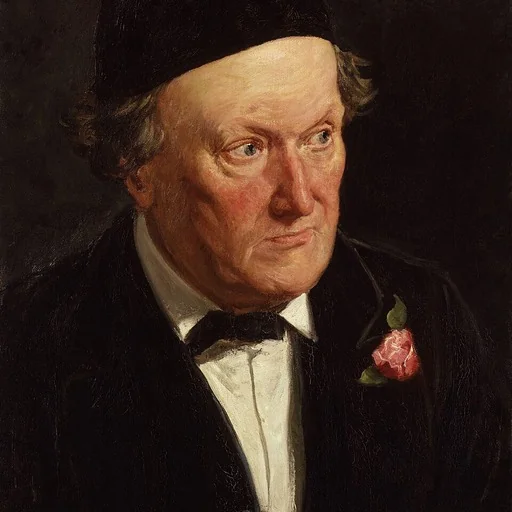
William Bell Scott (12 September 1811 – 22 November 1890) was a Scottish artist in oils and watercolour and occasionally printmaking.