Artwork
John Adams Conant
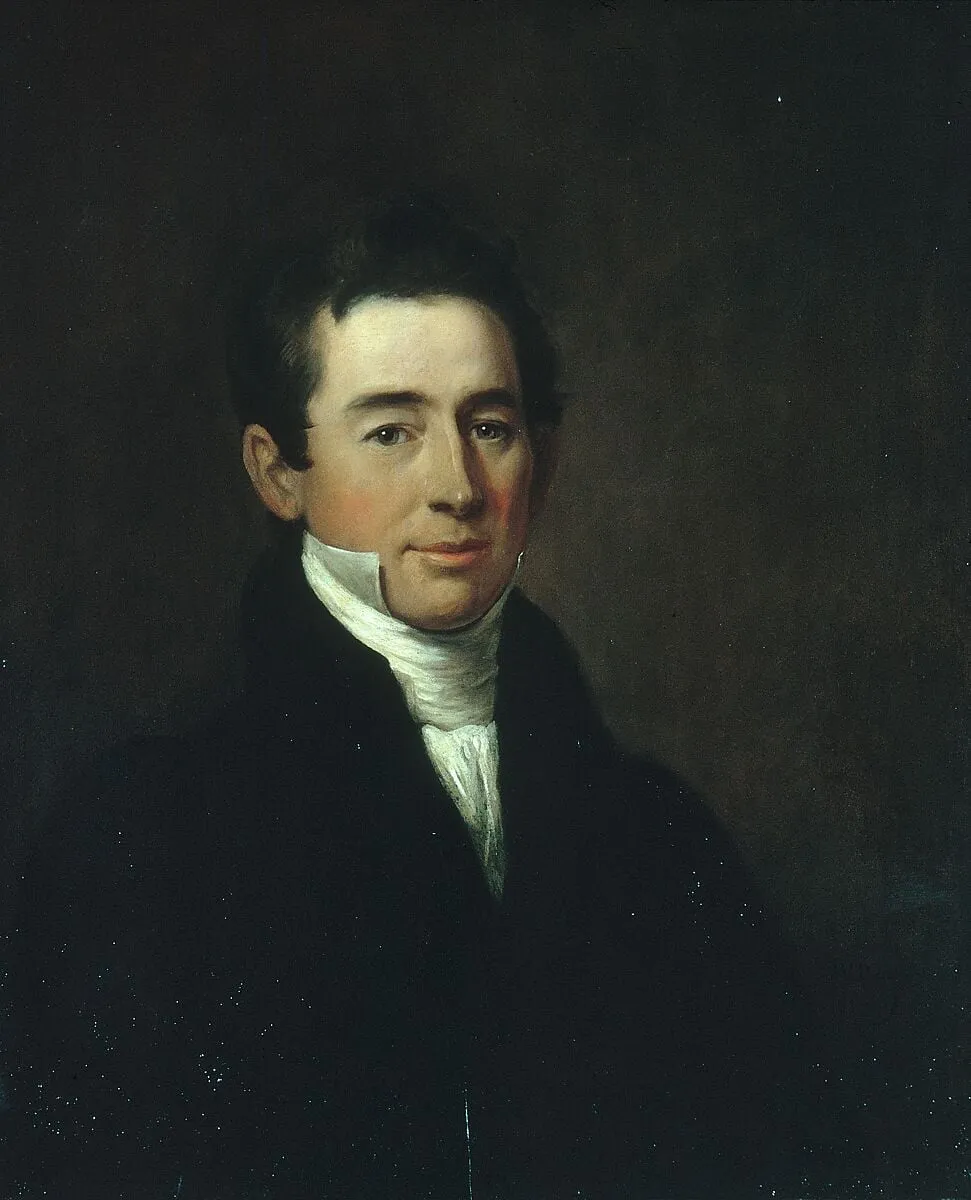
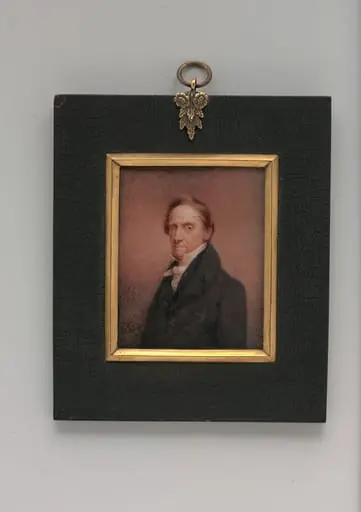
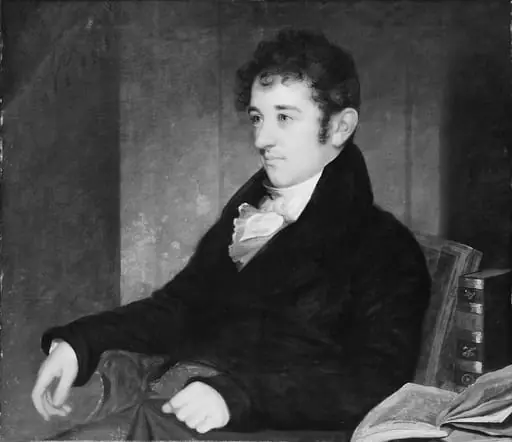
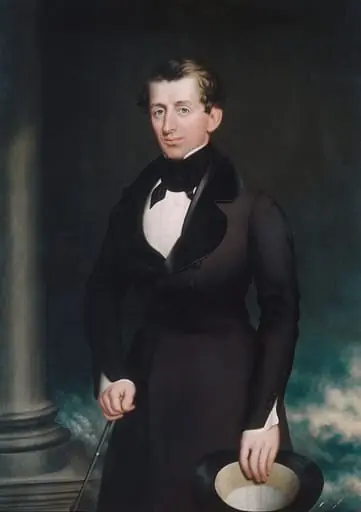
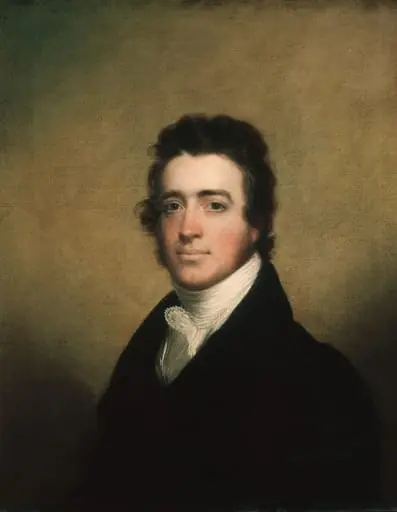
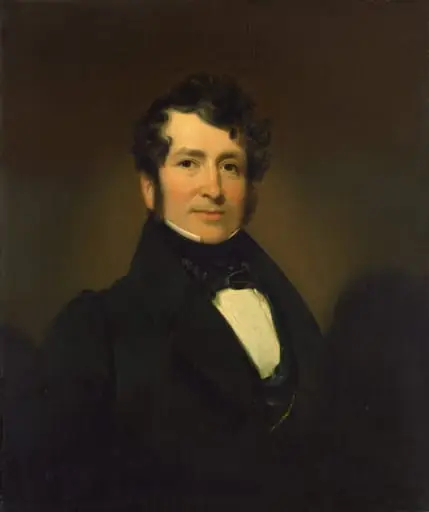
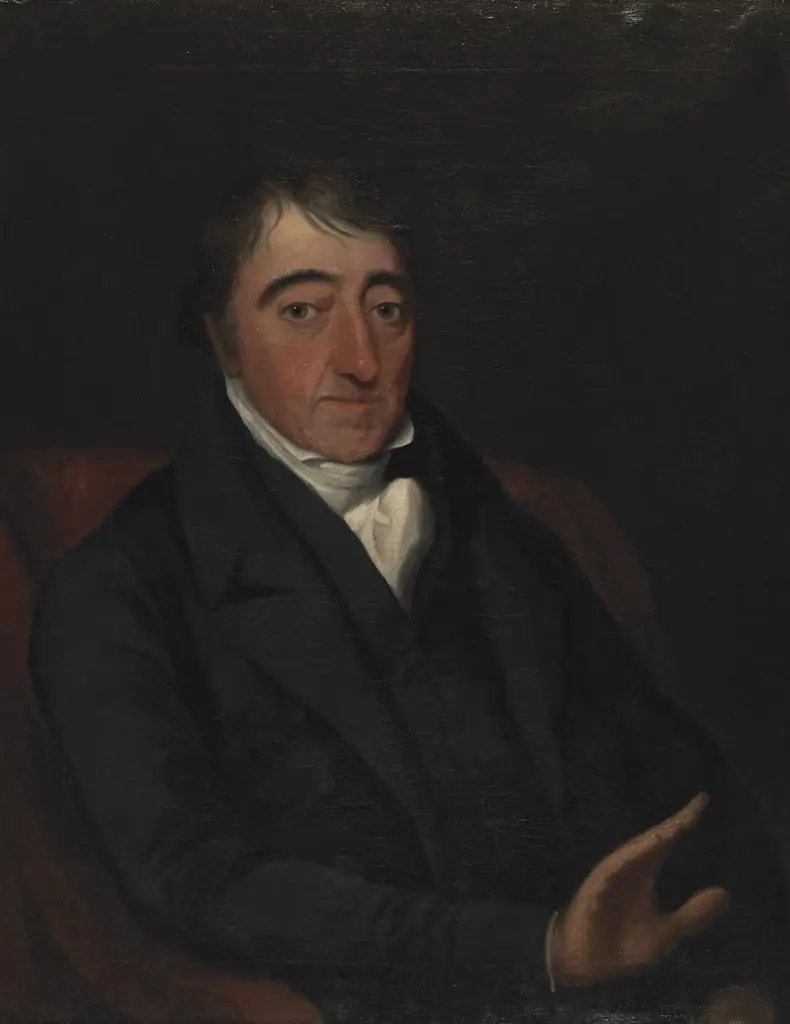
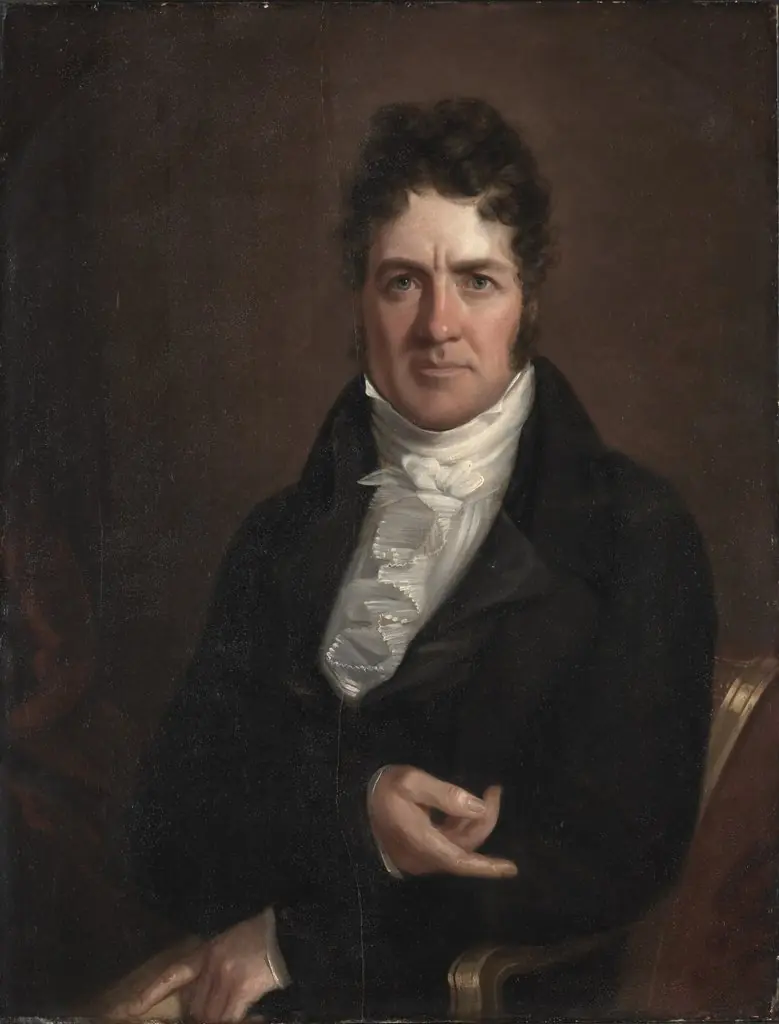
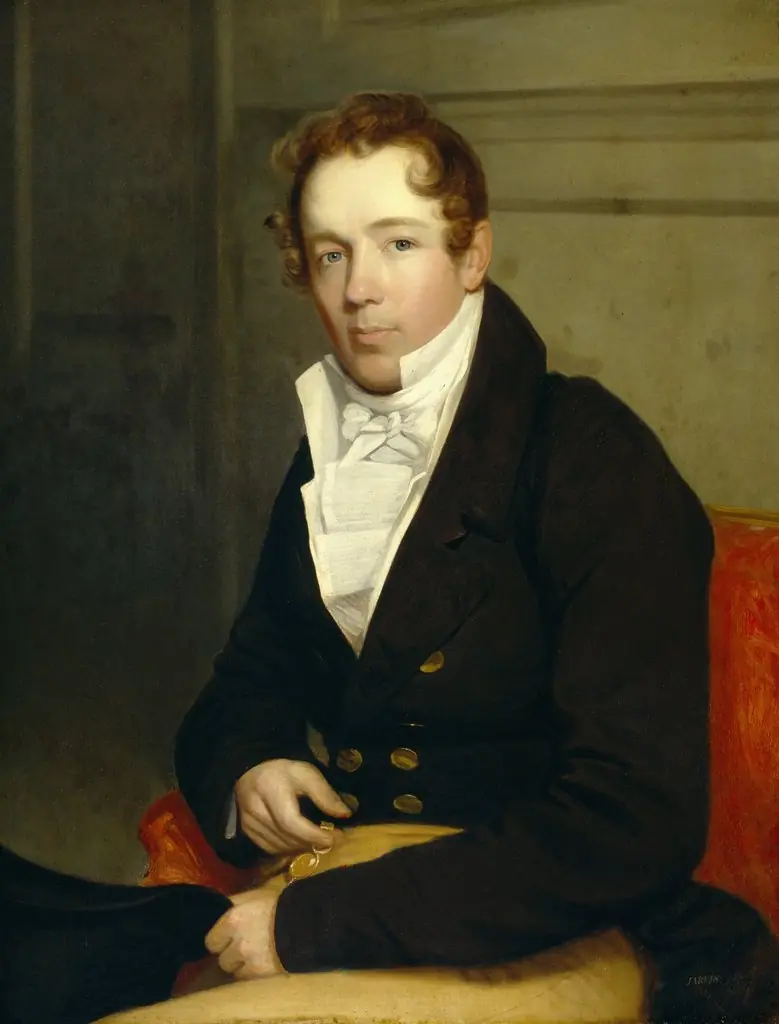
John Adams Conant is an oil painting by the American Folk Art artist William Dunlap. It dates from 1829 and is held in the collection of the Metropolitan Museum of Art.
About this work
It’s a quiet picture, but it tells you something about early America: regular people wanted their faces saved too.
A man in a dark coat looks straight at you. His face is lit softly, like candlelight. The background is plain brown.
This is John Adams Conant, painted in 1829. Back then, portraits like this were how people remembered each other, no photos, just paint. Dunlap made a living traveling to paint people like Conant, who wasn’t famous.
It’s a quiet picture, but it tells you something about early America: regular people wanted their faces saved too.
If you like this, look up other early American portraits at The Metropolitan Museum of Art.
Technique & Style
The portrait of John Adams Conant is executed in oil on a wooden panel. Its support is a single wood board and the medium is oil, applied in a conventional portrait format. The painting measures 76.5 cm in height by 63.5 cm in width and was created in 1829.
It belongs to the portrait genre and portrays a male sitter, consistent with its classification within the Metropolitan Museum of Art's American Wing. No condition issues are noted in the available documentation.
History & Provenance
John Adams Conant is an oil-on-wood portrait painted by William Dunlap in 1829. The work entered the Metropolitan Museum of Art's collection and is catalogued within The American Wing. No further details regarding the original commission, intermediate ownership, or chain of custody prior to the museum's acquisition are documented in the available sources.
Overview
William Dunlap's 1829 oil-on-wood portrait depicts John Adams Conant, an ordinary citizen of early America. This work exemplifies American folk art, a category often characterized by its directness and the self-taught nature of its practitioners. Though Dunlap is primarily recognized for his contributions to theater as a producer, playwright, and historian, he also sustained himself through portraiture, capturing the likenesses of individuals across various social strata.
Subject & Meaning
The painting presents John Adams Conant in a traditional formal pose, his gaze directed forward. Before the advent of photography, painted portraits served as crucial records of personal appearance and identity, allowing individuals to be remembered. Conant, not a public figure, represents the broader populace who sought to preserve their image, reflecting a democratic impulse in American portraiture of the era.
Context
William Dunlap, a New Jersey native, maintained a varied career that extended beyond his primary renown in the theatrical world. Despite losing an eye in childhood, he developed skills as a painter, even portraying figures like George Washington. He traveled to execute commissions such as this one, supplementing his income from managing early New York City theaters and his literary pursuits, a common practice for artists in the nascent American republic.
Artist & collection

Artist
William Dunlap (February 19, 1766 – September 28, 1839) was a pioneer of American theater.