Artwork
Self-portrait
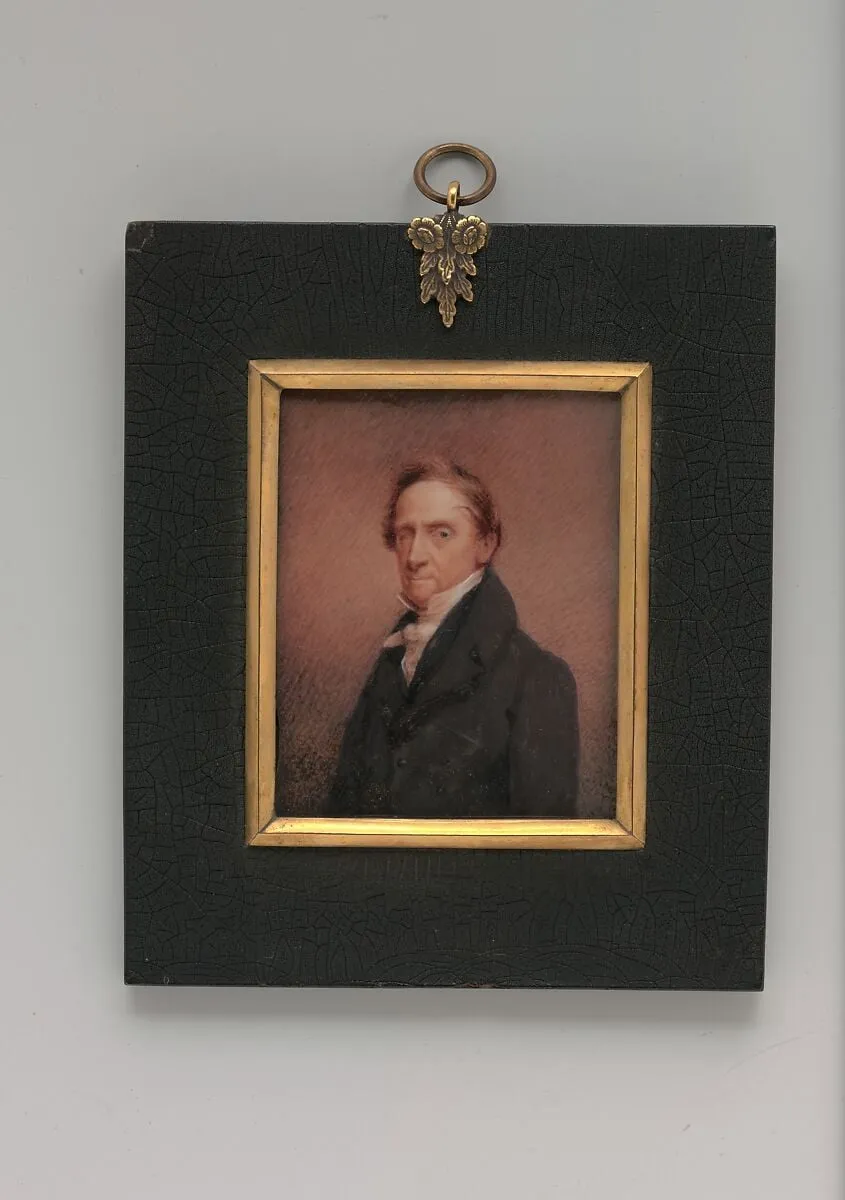
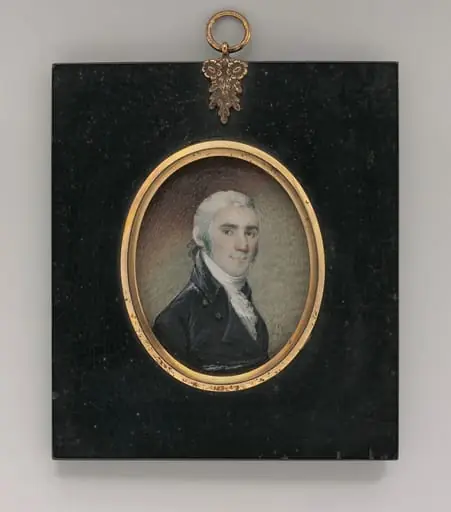
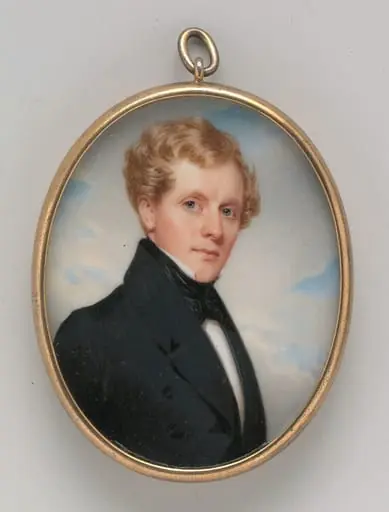
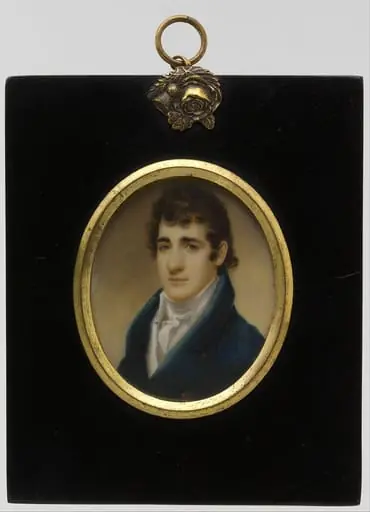
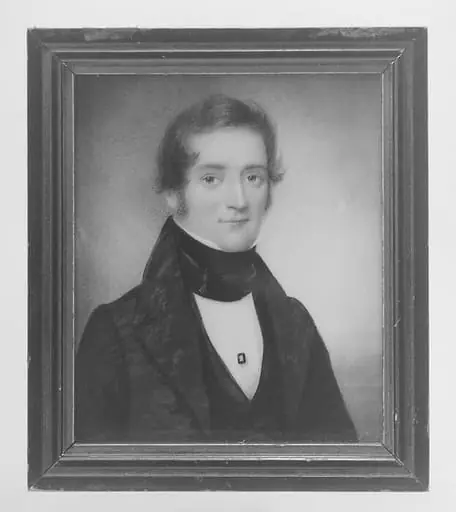
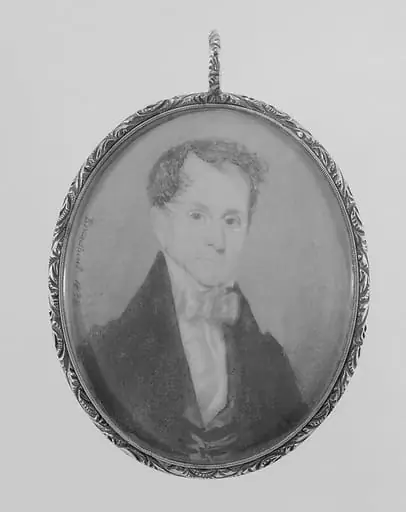
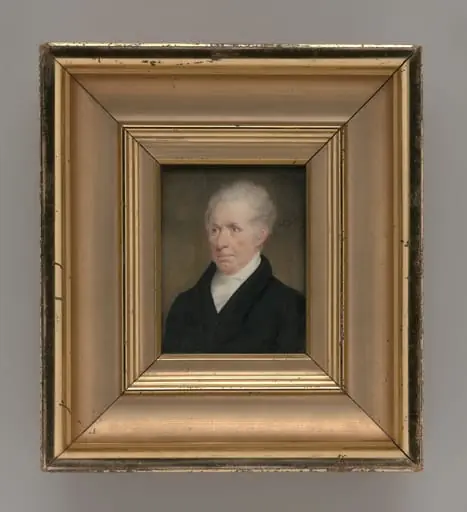
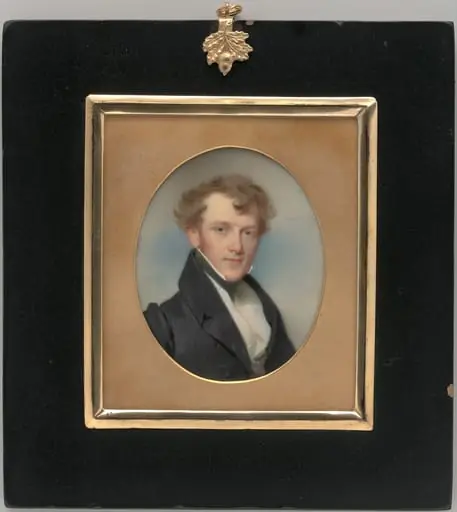
Self-portrait is a watercolor painting by the American Folk Art artist William Dunlap. It dates from 1825 and is held in the collection of the Metropolitan Museum of Art.
About this work
Subject & Meaning
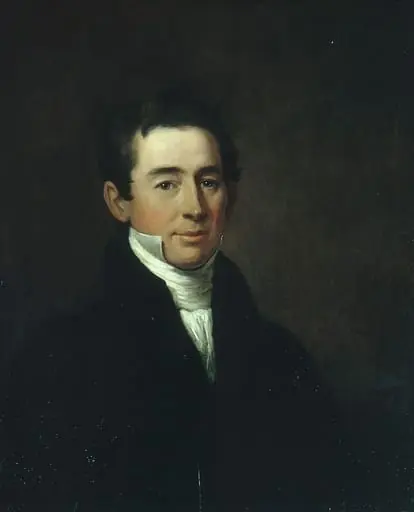
According to the catalog entry, the painting shows a man identified as Dunlap, emphasizing his role as both subject and artist.
The work is a self-portrait that presents its creator, William Dunlap, as the sole figure portrayed. According to the catalog entry, the painting shows a man identified as Dunlap, emphasizing his role as both subject and artist. By representing himself in this manner, the piece functions as a visual declaration of artistic identity and personal presence within the collection of The American Wing.
The depiction underscores the tradition of self-representation in early American portraiture, where the artist documents his own appearance and professional status through a direct, unadorned likeness.
Technique & Style
The work is executed in watercolor on a thin ivory support, a technique documented in the museum's record. Its modest dimensions, approximately 7.6 cm by 5.1 cm, fit the intimate scale of a personal likeness. The surface shows delicate washes that render the sitter's facial features with fine linework, while the muted tonal range emphasizes the reflective quality of the ivory ground.
Held in the Metropolitan Museum of Art's American Wing, the piece combines realistic rendering with a restrained composition that foregrounds the artist's self-identification.
History & Provenance
The Self-portrait by William Dunlap is dated 1825 and executed in watercolor on ivory, a common medium for miniature portraiture of the period. It is held in the collection of the Metropolitan Museum of Art, classified within The American Wing, and measures 7.6 cm in height by 5.1 cm in width. The work depicts Dunlap himself, in keeping with his documented practice of self-representation in portraiture. The available records do not provide a specific accession number, earlier provenance, or exhibition history.
Context
William Dunlap's 1825 watercolor self-portrait exemplifies early American self-portraiture in a modest, technically refined medium. Its inclusion in the Metropolitan Museum of Art's American Wing situates Dunlap within a generation that documented personal identity through small-scale portraiture. The work's dimensions (7.6 × 5.1 cm) and ivory support highlight the intimate scale typical of early nineteenth-century American miniatures.
Legacy
The self-portrait by William Dunlap, painted in 1825, is held in the Metropolitan Museum of Art's American Wing, a placement that reflects its recognized place within early American art. Its cataloguing and preservation in a major museum have helped sustain attention to Dunlap and to the tradition of American portrait miniatures.
Overview
This watercolor on ivory, titled Self-portrait, depicts the artist, William Dunlap. The small-scale work presents a man in a dark coat, his face illuminated by a soft light, gazing directly forward with a calm, focused expression. Dunlap, primarily recognized for his contributions as an art historian and writer, created this piece, which offers a rare glimpse into his own artistic practice.
Artist & collection

Artist
William Dunlap (February 19, 1766 – September 28, 1839) was a pioneer of American theater.