Artwork
Gulian Verplanck
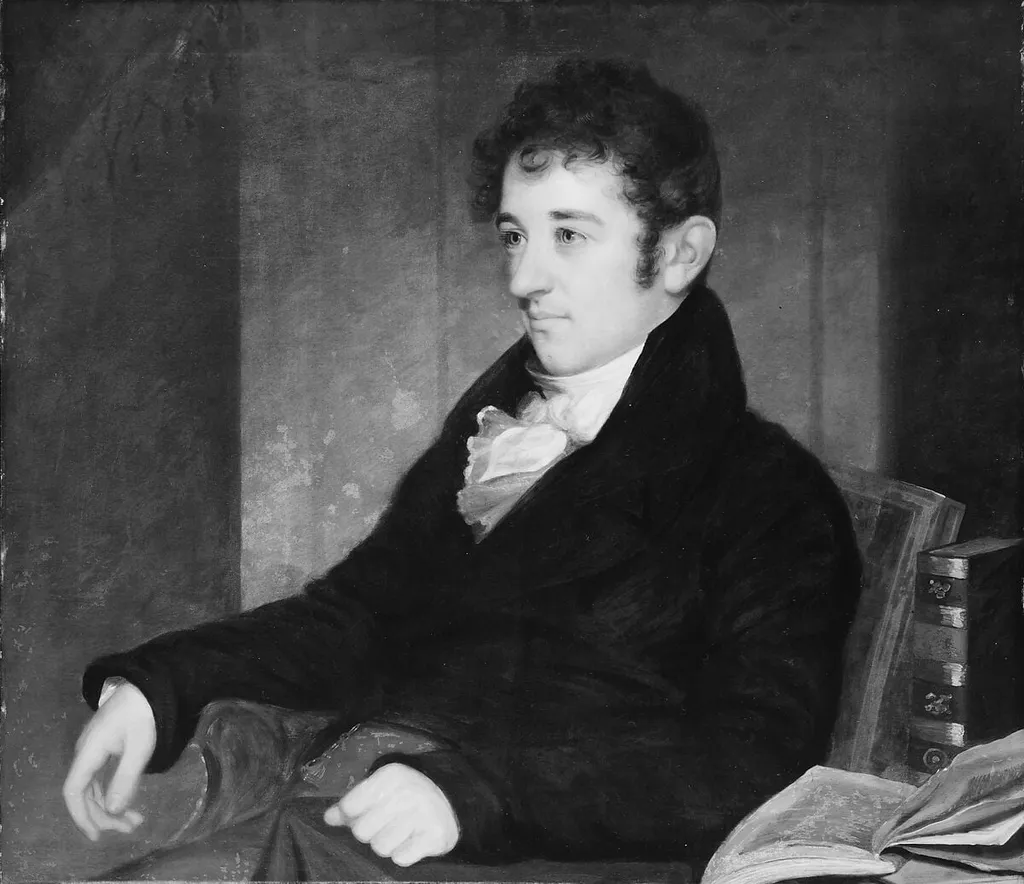
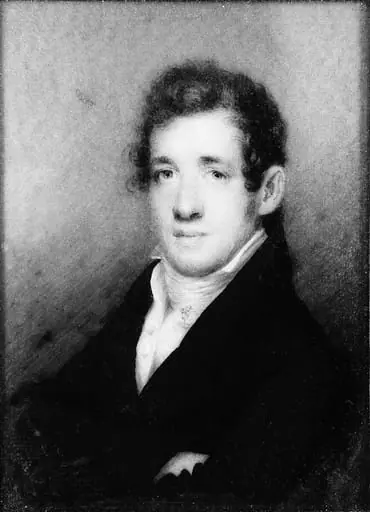
Gulian Verplanck is an oil painting by the American Folk Art artist John Wesley Jarvis. It dates from 1811 and is held in the collection of the Metropolitan Museum of Art.
About this work
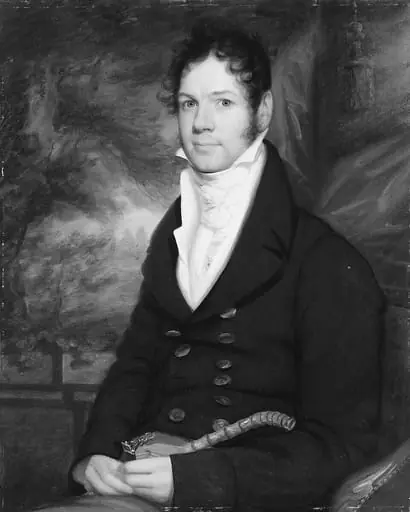
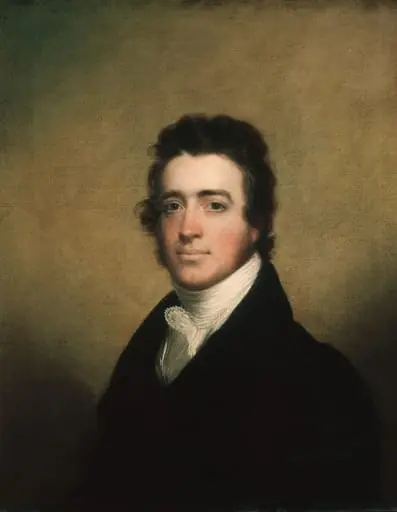
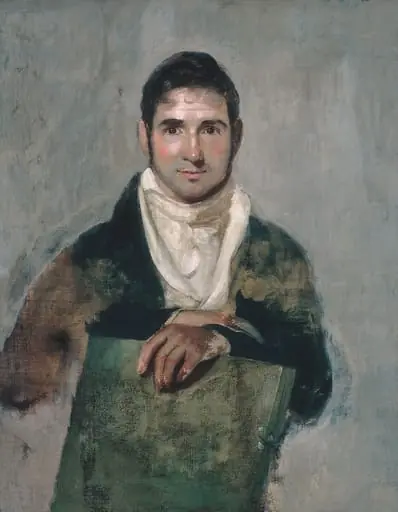
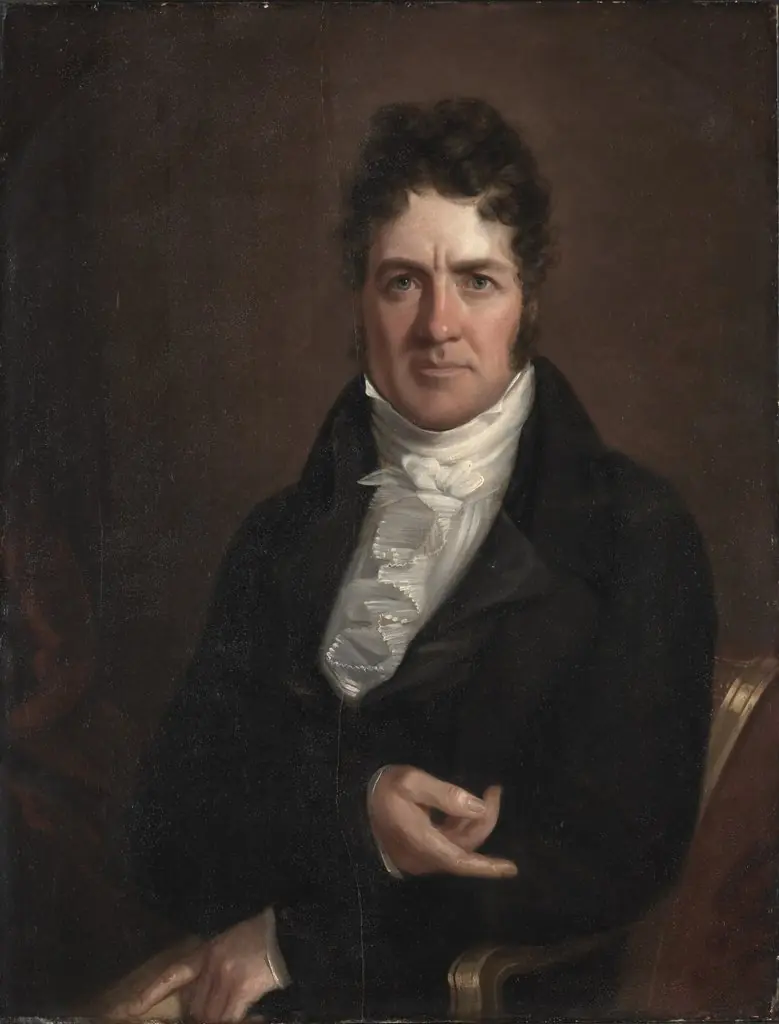
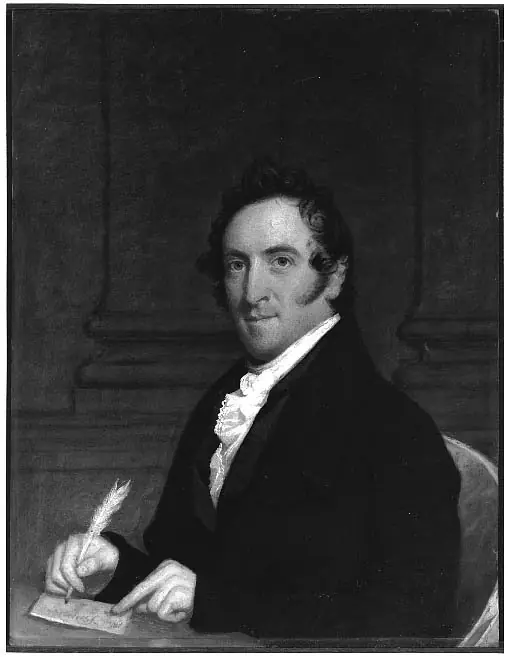
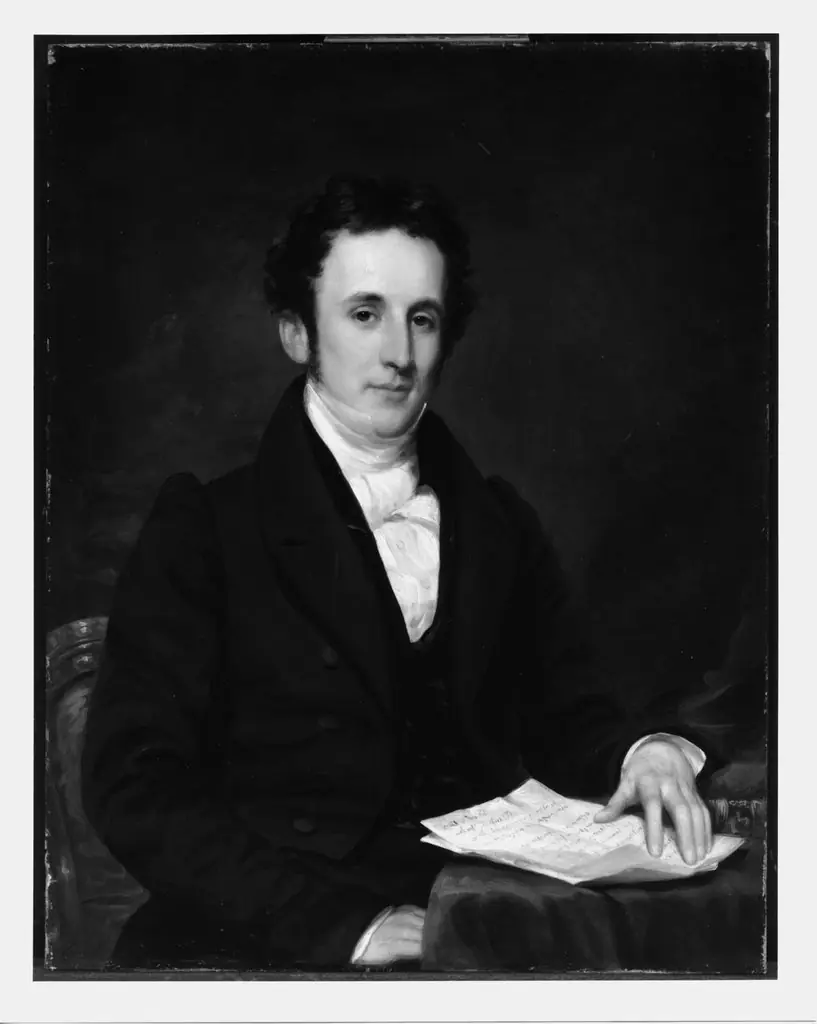
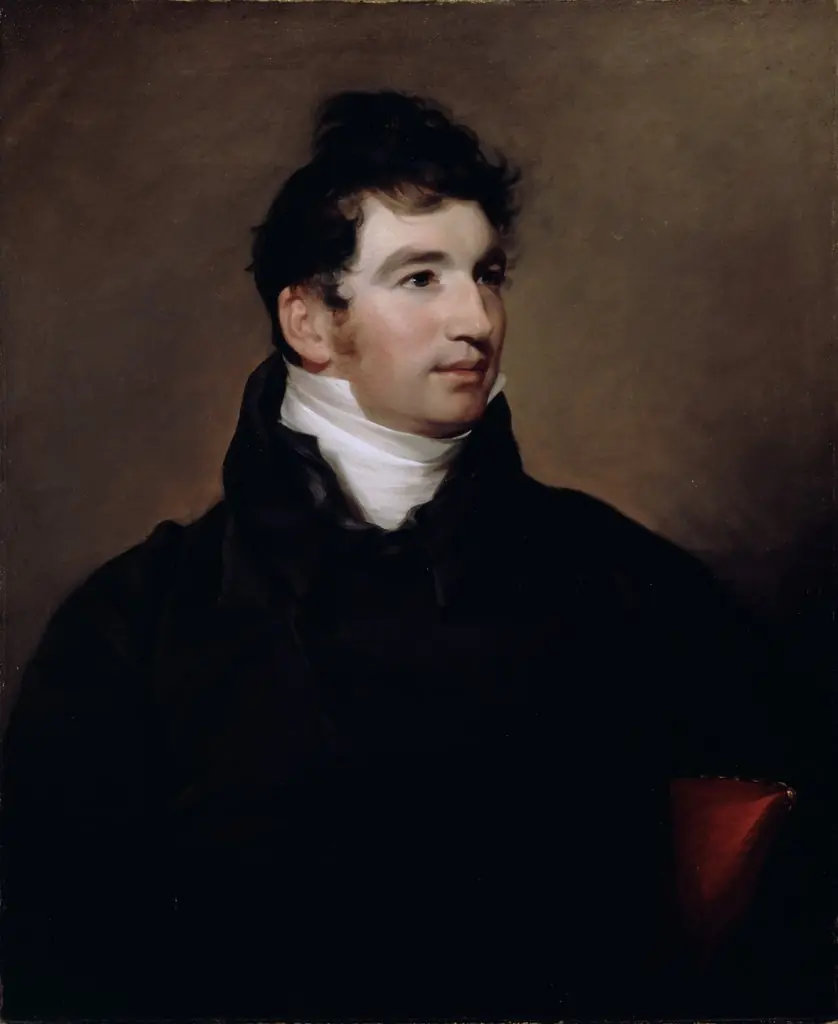
Gulian Verplanck, a New York politician and writer, sits in a dark coat with one hand on a book and a quill in the other. John Wesley Jarvis painted him in 1811, when American artists were still defining their own kind of portrait. The soft light and bare background keep the focus on the man himself.
Technique & Style
The portrait of Gulian Verplanck is executed in oil on a wooden panel, a common support in early nineteenth-century American portraiture.
The portrait of Gulian Verplanck is executed in oil on a wooden panel, a common support in early nineteenth-century American portraiture. The handling is precise and linear, characteristic of John Wesley Jarvis’s polished academic style, with careful delineation of facial features and crisp rendering of the sitter’s attire. The composition emphasizes symmetry and clarity, aligning with conventional portrait conventions of the period.
The sitter’s direct gaze and formal attire, suggesting status, are rendered with smooth brushwork and restrained modeling, avoiding the looser handling seen in later American genre works. The condition appears stable, with no significant losses or abrasions noted in institutional records.
History & Provenance
The portrait of Gulian C. Verplanck was created by the artist John Wesley Jarvis in 1811. Executed as an oil painting on panel, the work measures 72.4 cm in height and 84.1 cm in width. It currently resides in the collection of the Metropolitan Museum of Art, specifically within its American Wing.
While the specific commission details and the exact chain of ownership prior to its museum acquisition are not detailed in the provided records, the work is firmly dated to 1811. The painting serves as a formal depiction of Verplanck, capturing the subject in a genre typical of early 19th-century American portraiture.
Overview
This oil on panel portrait, created by Jarvis in 1811, depicts Gulian Verplanck, a prominent New York politician and writer. The artwork captures Verplanck seated, presenting him as an intellectual figure engaged with his work. It is housed within The American Wing, reflecting its significance in early American art collections.
Subject & Meaning
The painting presents Gulian Verplanck, a significant figure in early 19th-century New York, known for his contributions to both politics and literature. His pose, with one hand resting on a book and the other holding a quill, emphasizes his identity as an educated individual and a man of letters. These attributes visually communicate his intellectual engagement and professional life.
Context
Painted in 1811, this work emerged during a formative period for the United States, when the young nation was actively shaping its cultural identity. American artists, including Jarvis, were exploring new ways to represent their subjects, moving away from established European traditions. This portrait contributes to the ongoing artistic dialogue about what constituted an "American" style of portraiture, reflecting a desire for a distinct national aesthetic.
Artist & collection

Artist
John Wesley Jarvis (1781–1839) was an American artist, born in South Shields.