Artwork
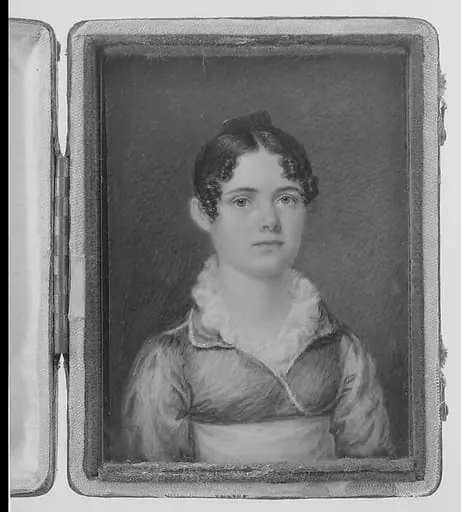
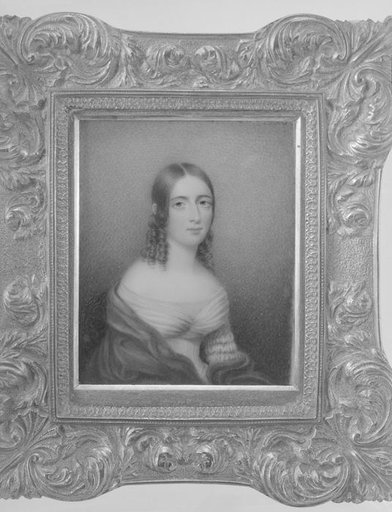
Portrait of a Lady
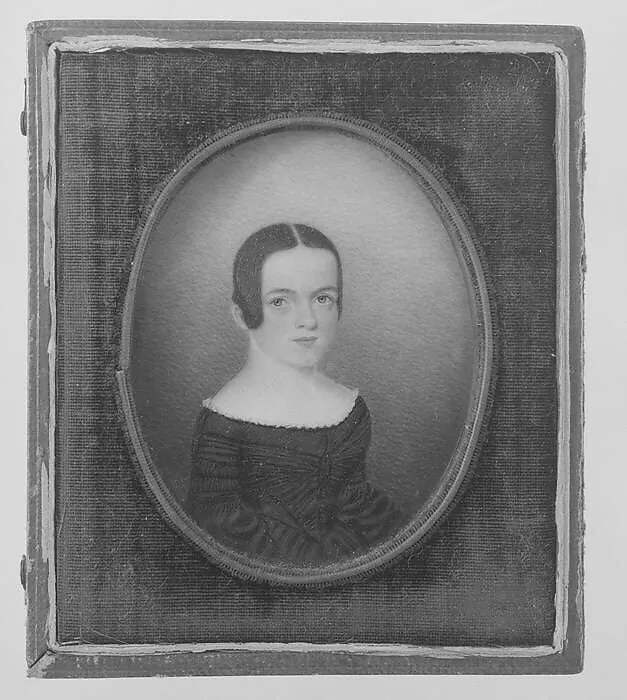
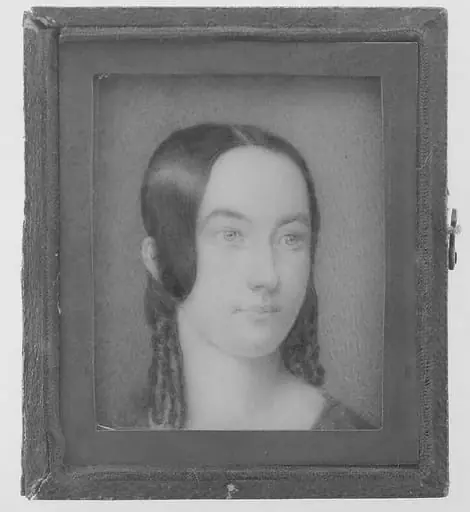
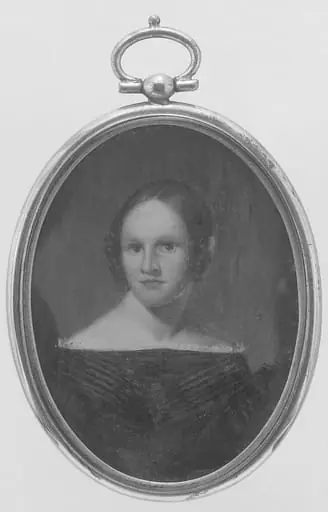
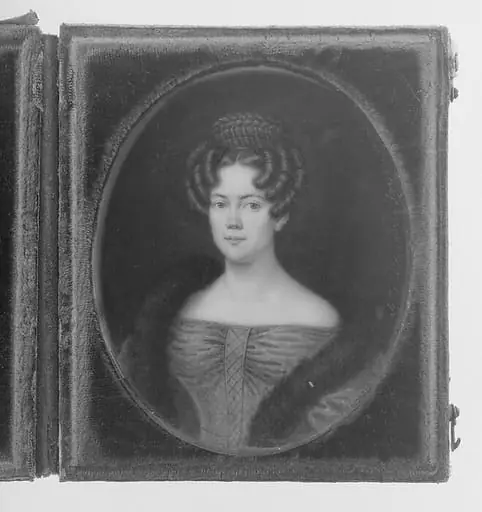
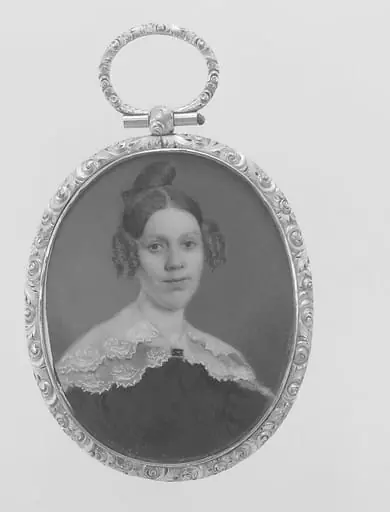
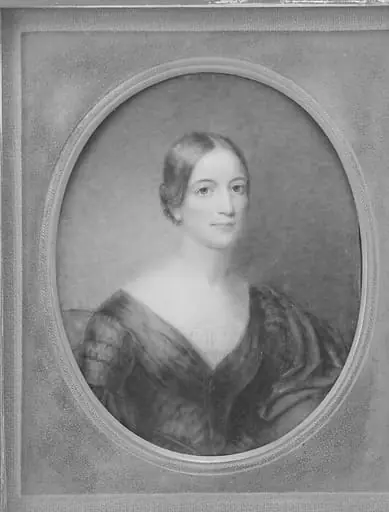
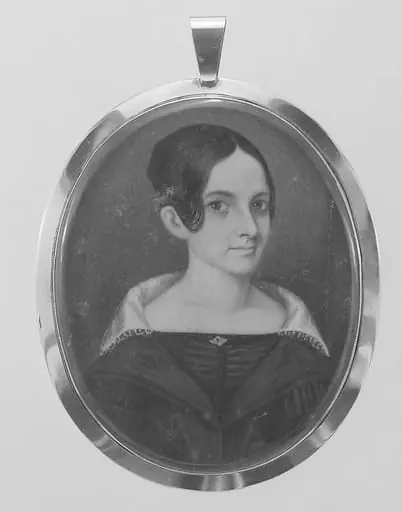
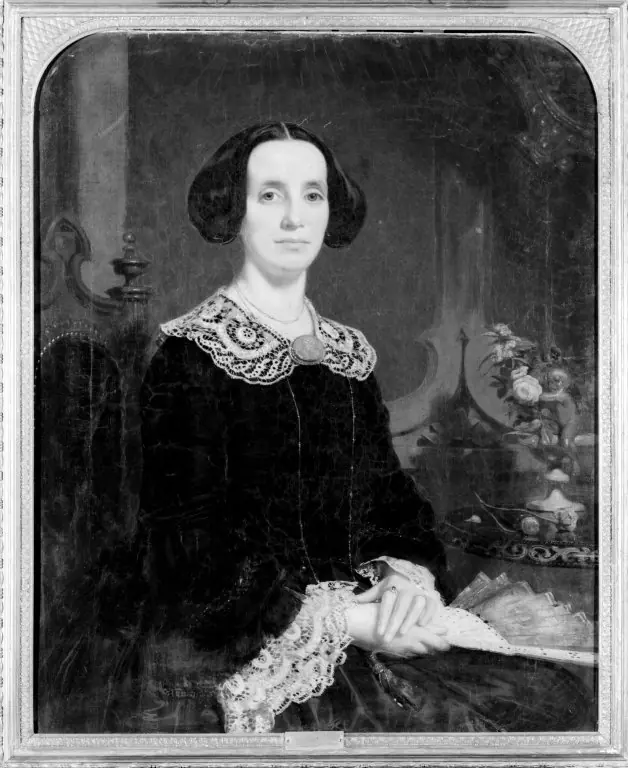
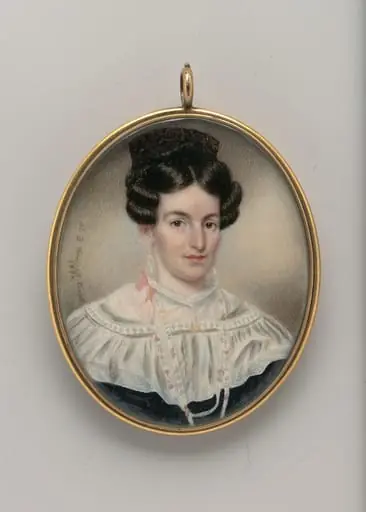
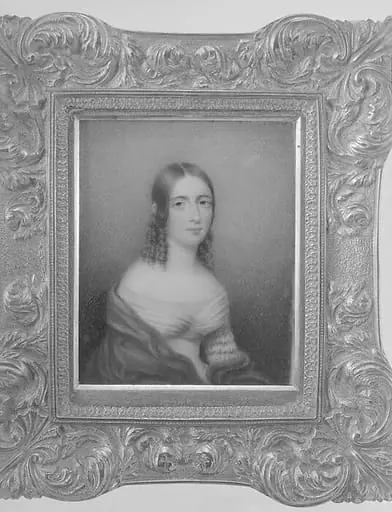
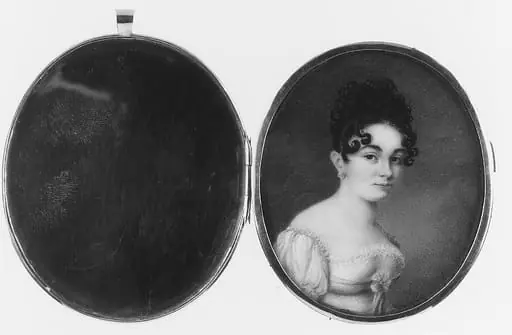
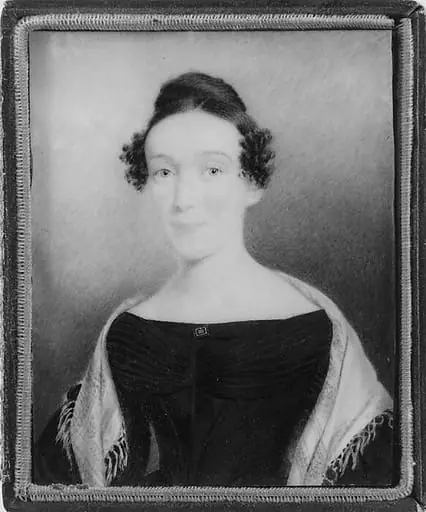
Portrait of a Lady is a watercolor painting by the American Folk Art artist William Harrison Scarborough. It dates from 1840 and is held in the collection of the Metropolitan Museum of Art.
- Accession no.
- 2006.235.184
- Credit line
- Fletcher Fund, 2006
About this work
Subject & Meaning
The work is understood primarily through its formal genre and subject matter rather than through any specific symbolic program.
The work titled Portrait of a Lady, painted by William Harrison Scarborough in 1840, is classified as an American portrait and depicts a single female sitter; the Metropolitan Museum of Art records the subject simply as "woman," with no additional identifying details provided. Iconographic or symbolic attributes associated with the figure are not mentioned in the documented sources, and the painting's meaning is therefore limited to its function as a conventional 19th-century portrait of a woman. The work is understood primarily through its formal genre and subject matter rather than through any specific symbolic program.
Technique & Style
Portrait of a Lady (1840) is executed in watercolor on a thin ivory support, a technique documented in the work's catalogue entry. The small dimensions, approximately 7.3 × 5.7 cm, characterize it as a modest, intimate portrait typical of early American miniature practice. As a portrait, the composition centers a solitary female sitter, emphasizing likeness through restrained brushwork and subtle tonal modulation.
The medium's translucency allows delicate modeling of flesh and fabric, while the ivory ground provides a smooth, slightly luminous surface that enhances the fine detail of the sitter's attire and features. The work is housed in the Metropolitan Museum of Art's American Wing collection.
History & Provenance
The Portrait of a Lady by William Harrison Scarborough was created in 1840 as a watercolor on ivory, a medium commonly used for miniature portraits during this period. The work's date is firmly recorded as 1840, aligning with Scarborough's active career as a portraitist in the United States. The portrait entered the collection of the Metropolitan Museum of Art in 2006, where it is cataloged under accession number 2006.235.184.
Prior to its acquisition by the museum, the ownership history of the work remains undocumented in available sources, leaving the commissioning patron and any intermediate private collectors unidentified.
Overview
William Harrison Scarborough, an American portraitist active primarily in South Carolina, created this Portrait of a Lady around 1840. Rendered in watercolor on a small piece of ivory, the work exemplifies the intimate scale of miniature painting. These delicate portraits were often designed to be held or worn, serving as personal mementos and cherished keepsakes during the period.
Context
Created during a period when American folk art flourished, this portrait embodies the movement's core values. It prioritizes a clear, unidealized depiction of the individual, reflecting a cultural emphasis on personal identity and community. The accessible nature of its craftsmanship also speaks to the broader democratic spirit of American art production in the early 19th century.
Artist & collection
Artist
William Harrison Scarborough was an American portrait painter active chiefly in South Carolina.