Artwork
Portrait of a Lady
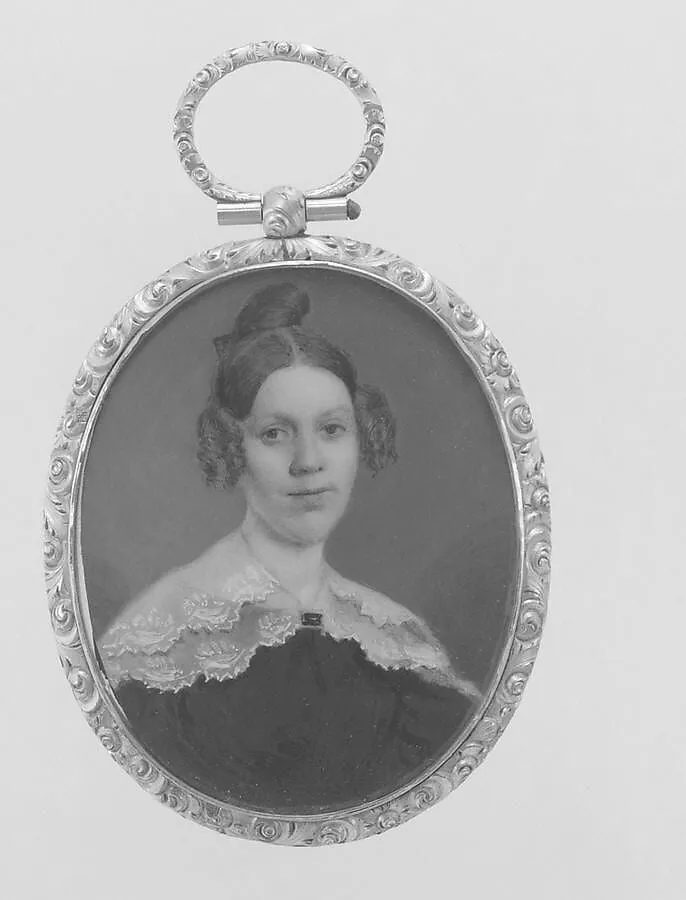
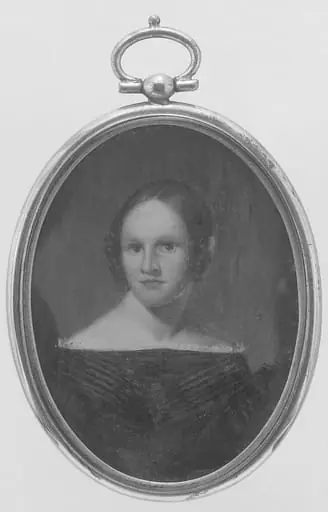
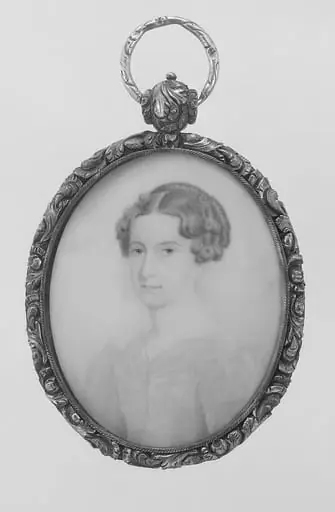
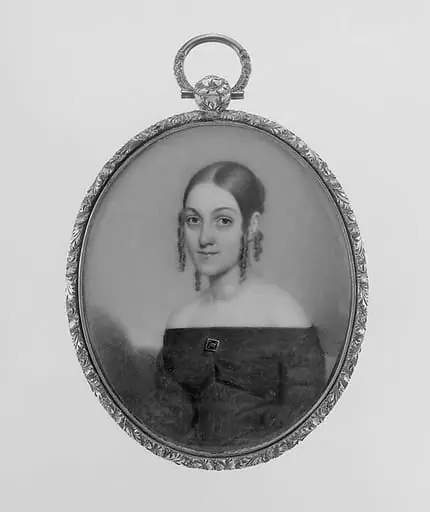
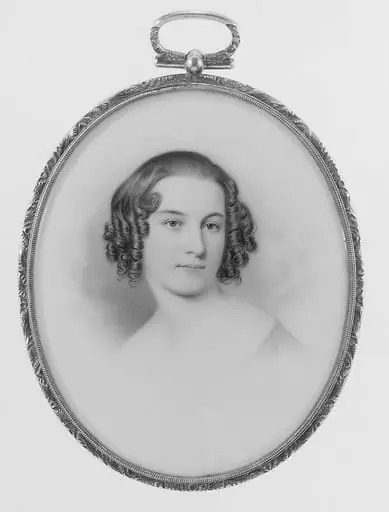
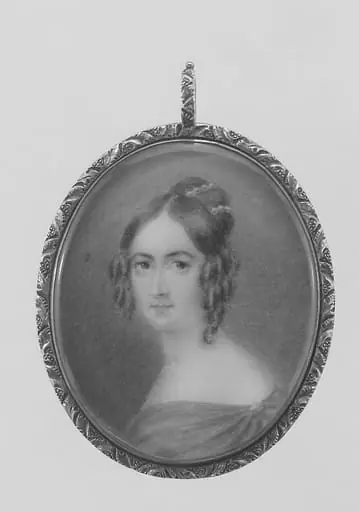
Portrait of a Lady is a watercolor painting. It dates from 1835 and is held in the collection of the Metropolitan Museum of Art.
- Accession no.
- 2006.235.99
- Credit line
- Fletcher Fund, 2006
About this work
If you like this, look up watercolor to see how artists used thin, layered paint to create delicate effects.
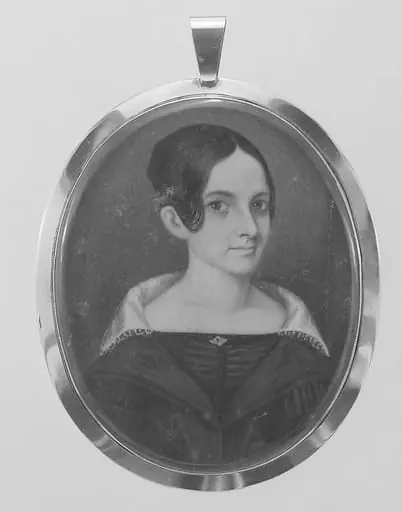
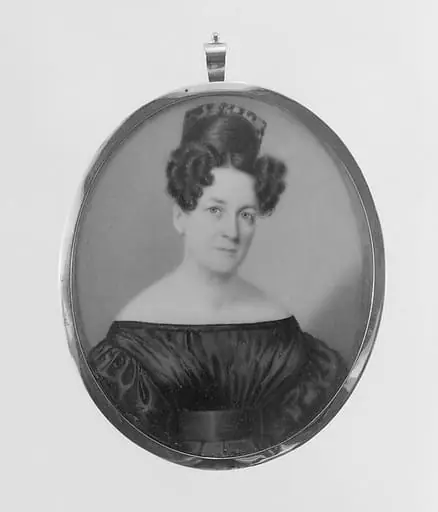
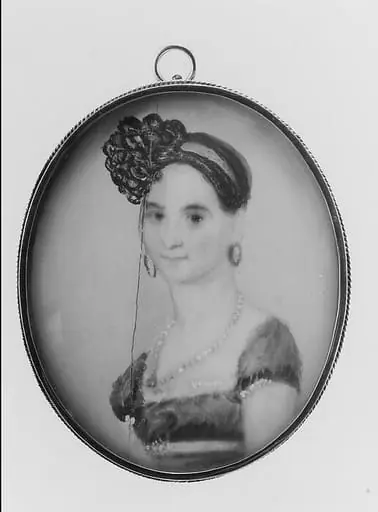
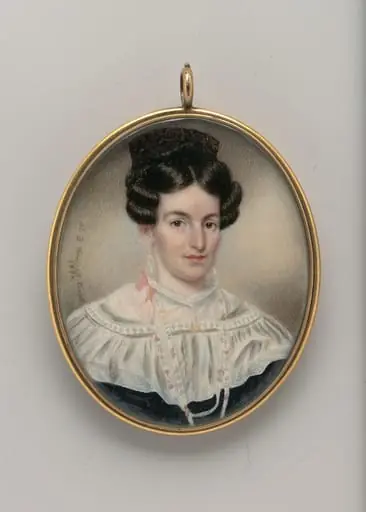
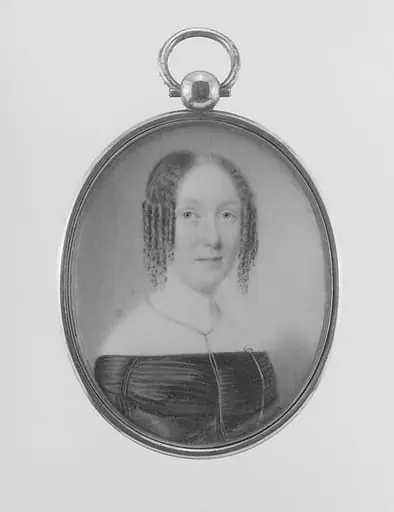
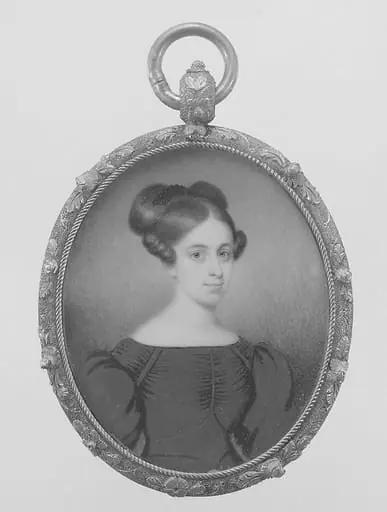
A woman in a dark dress sits against a plain background. Her hair is pulled back, and her hands rest in her lap. The colors are soft, pinks, browns, and a little white.
This tiny painting is a miniature, meant to be held in your hand or worn as jewelry. Watercolor on ivory gives it a smooth, almost glowing look. It was made around 1835, when portraits like this were keepsakes, not just art.
If you like this, look up watercolor to see how artists used thin, layered paint to create delicate effects.
Subject & Meaning
The work shows a solitary female sitter rendered in watercolor on ivory, dated 1835. No identifying accessories or attributes accompany the figure, and the sources note only her status as a generic portrait of a woman without further iconographic detail. The painting's meaning therefore rests on its formal qualities and the tradition of early American portraiture, suggesting an emphasis on modest dignity rather than personalized symbolism.
The absence of documented emblematic elements indicates that the subject is presented primarily as an idealized representation of respectable femininity of the period.
Technique & Style
Created in 1835, this portrait uses watercolor applied to an ivory support, a medium combination characteristic of the miniature-painting tradition. The work is classified as a portrait depicting a female subject. While the artist is unidentified, the technique involves the handling of opaque and translucent watercolor layers on the smooth, non-absorbent ivory surface.
This material choice dictates a formal style reliant on fine brushwork to achieve detail, as the support does not allow the broad impasto or textural manipulation possible in oil on canvas. The piece is held in the American Wing of the Metropolitan Museum of Art.
History & Provenance
Portrait of a Lady, an anonymous watercolor on ivory dating to 1835, is held in the Metropolitan Museum of Art, New York (accession 2006.235.99), within the American Wing, where it is classified among the museum's portrait miniatures. It entered the collection in 2006. No documentation of a specific commission or earlier ownership is provided in the available records.
Overview
This small-scale work, titled Portrait of a Lady, is a watercolor on ivory, created around 1835. As a miniature, it was designed for intimate viewing, often held in the hand or worn as a personal adornment. Such portraits served as cherished keepsakes, embodying sentimental value rather than purely artistic display during the period.
Context
Created in the mid-1830s, this miniature exemplifies a popular form of portraiture during a time when photography was not yet widespread. These small paintings functioned primarily as personal objects, cherished for their sentimental value and often exchanged between loved ones. Their portability and intimate scale made them ideal for private contemplation or as wearable tokens of affection.
Artist & collection