Artwork
Portrait of a Lady
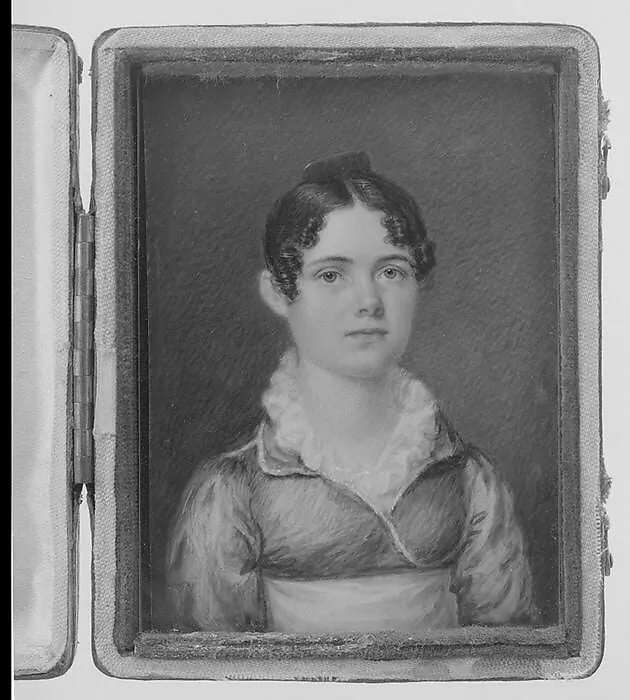
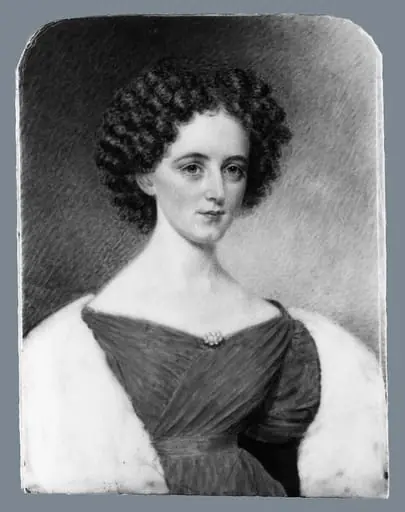
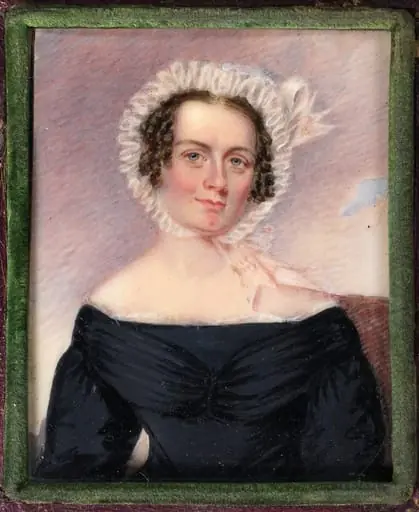
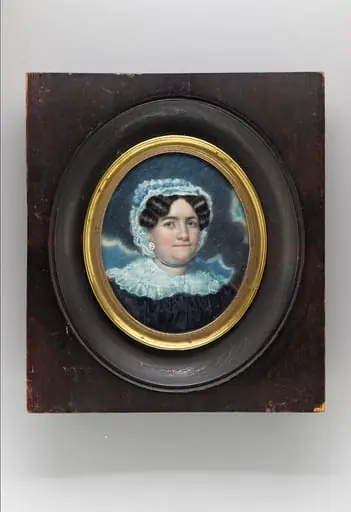
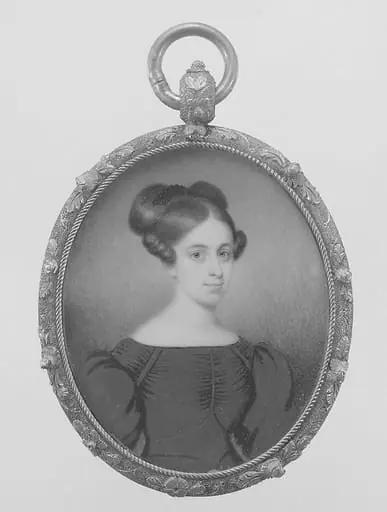
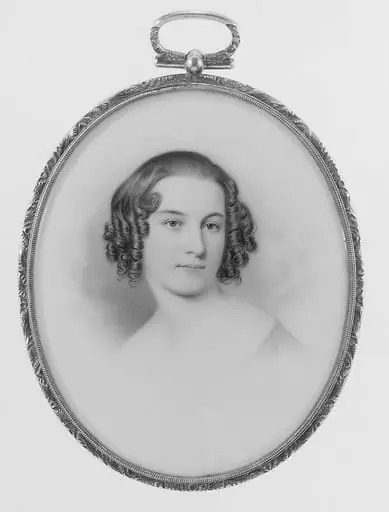
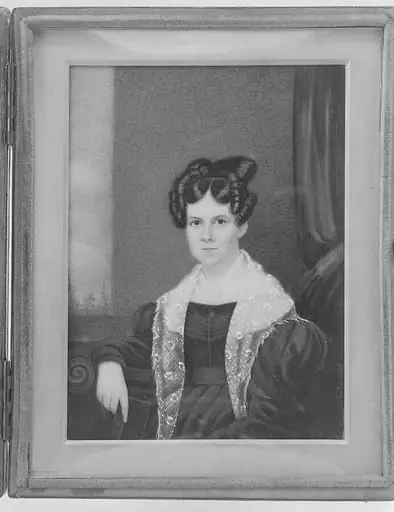
Portrait of a Lady is a watercolor painting by the American Folk Art artist Sarah Goodridge. It dates from 1820 and is held in the collection of the Metropolitan Museum of Art.
About this work
Technique & Style
The watercolor technique yields fine brushwork that renders the sitter's facial features and the intricate textile details with a soft, luminous quality.
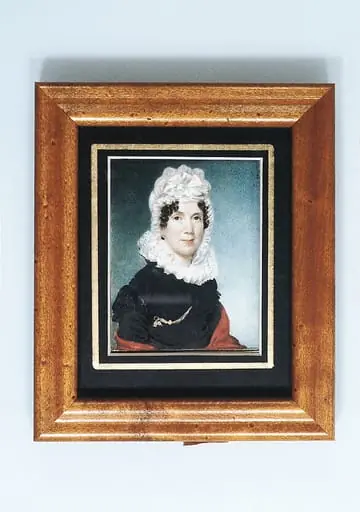
The work is a watercolor portrait created on an ivory support, a format typical of early-19th-century miniature paintings. Executed in 1820, the piece measures approximately 8.3 × 6.1 cm and portrays a young woman adorned with a lace collar, a delicate lace garment, and a small locket, as recorded in the museum's classification and Wikidata entry. The watercolor technique yields fine brushwork that renders the sitter's facial features and the intricate textile details with a soft, luminous quality. No specific conservation notes are provided, but the medium's fragility suggests careful handling.
History & Provenance
Portrait of a Lady is a watercolor on ivory miniature painted by Sarah Goodridge in 1820. The work remained in private hands after its creation before entering the collection of the Metropolitan Museum of Art, where it is catalogued as accession 2006.235.75. The accession number indicates the painting was acquired by the MET in 2006, and it has since been housed in the museum's American Wing.
No records of a specific commission survive, but the portrait's intimate scale and delicate medium are characteristic of Goodridge's miniature practice during the early nineteenth century.
Overview
This small artwork, titled Portrait of a Lady, depicts a woman directly engaging the viewer. Rendered in watercolor on a thin piece of ivory, the painting is remarkably small, approximately the size of a playing card. The subject wears a plain dress and a white lace cap, with a subtle blush on her cheeks, characteristic of these intimate works.
Subject & Meaning
The anonymous sitter in Portrait of a Lady is depicted with a direct gaze, wearing a modest dress and a white lace cap. Such miniature portraits often served as deeply personal keepsakes, intended for private viewing. Their small scale made them ideal for intimate display, frequently carried in pockets or set into lockets, allowing individuals to keep images of loved ones close at hand.
Context
Historically, miniature portraits held a significant place as personal mementos. Their compact size facilitated portability, making them suitable for carrying discreetly or wearing as jewelry. This particular example, housed in The American Wing, reflects a common practice of the era, where individuals commissioned these small, detailed images to commemorate family members or cherished acquaintances, serving as tangible links to personal relationships.
Artist & collection
Artist
Sarah Goodridge spent her life in Boston, teaching herself to paint miniatures on ivory, tiny portraits so sharp you could count the threads in a lace collar.