Artwork
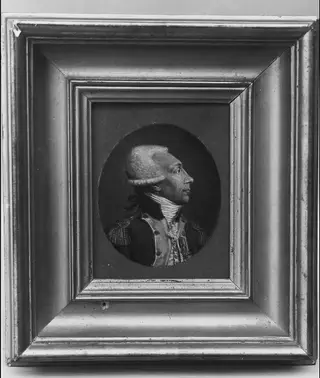
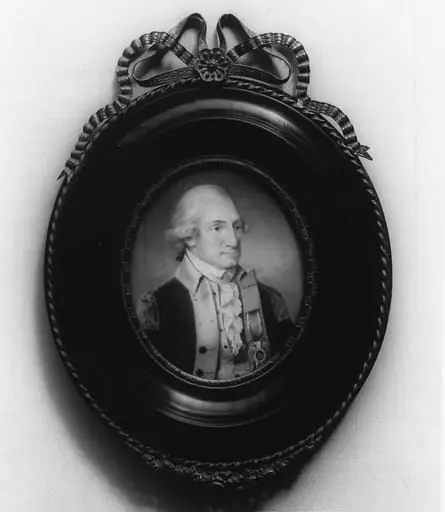
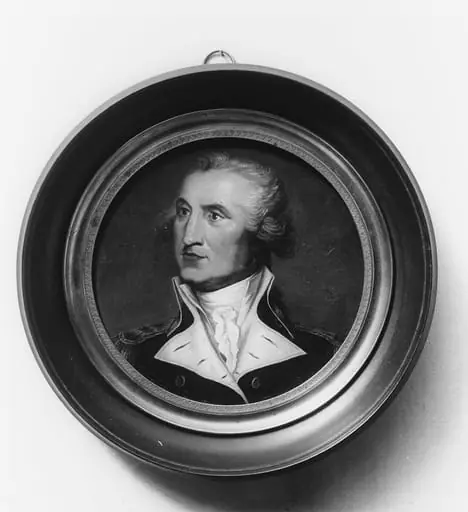
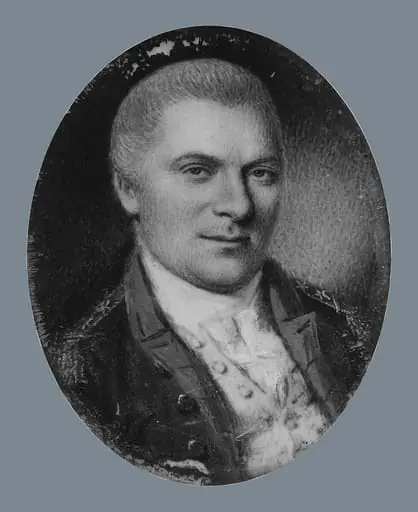
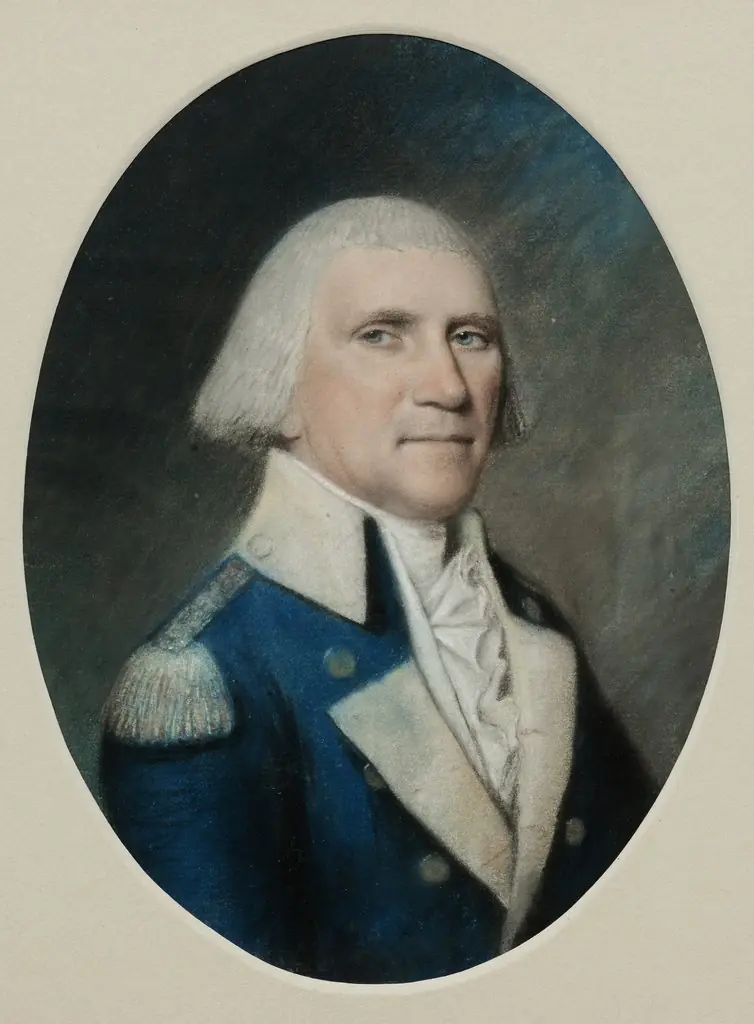
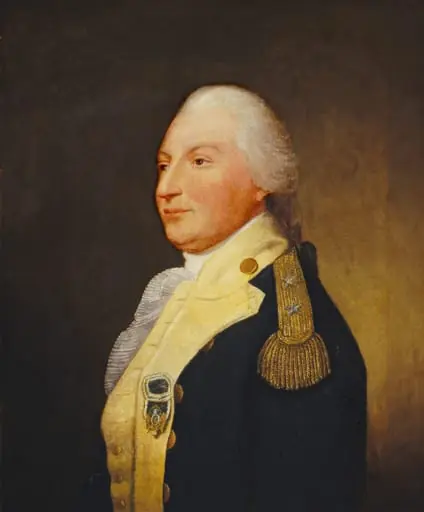
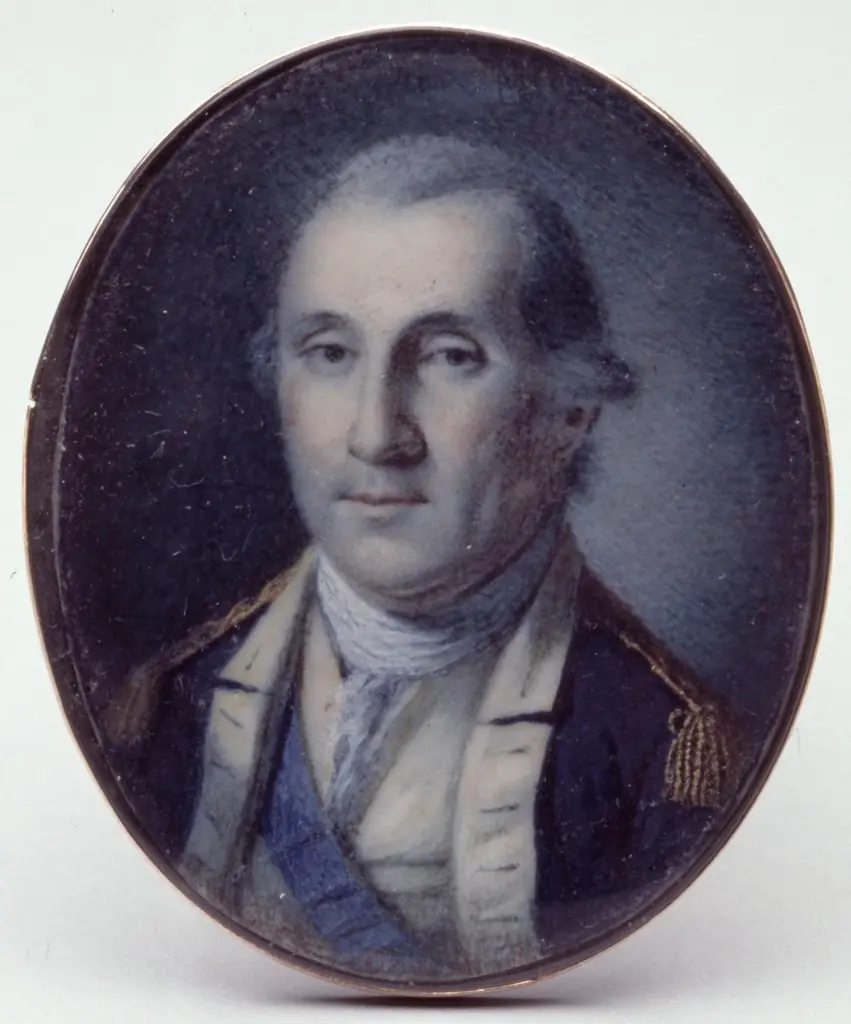
Panel of George Washington
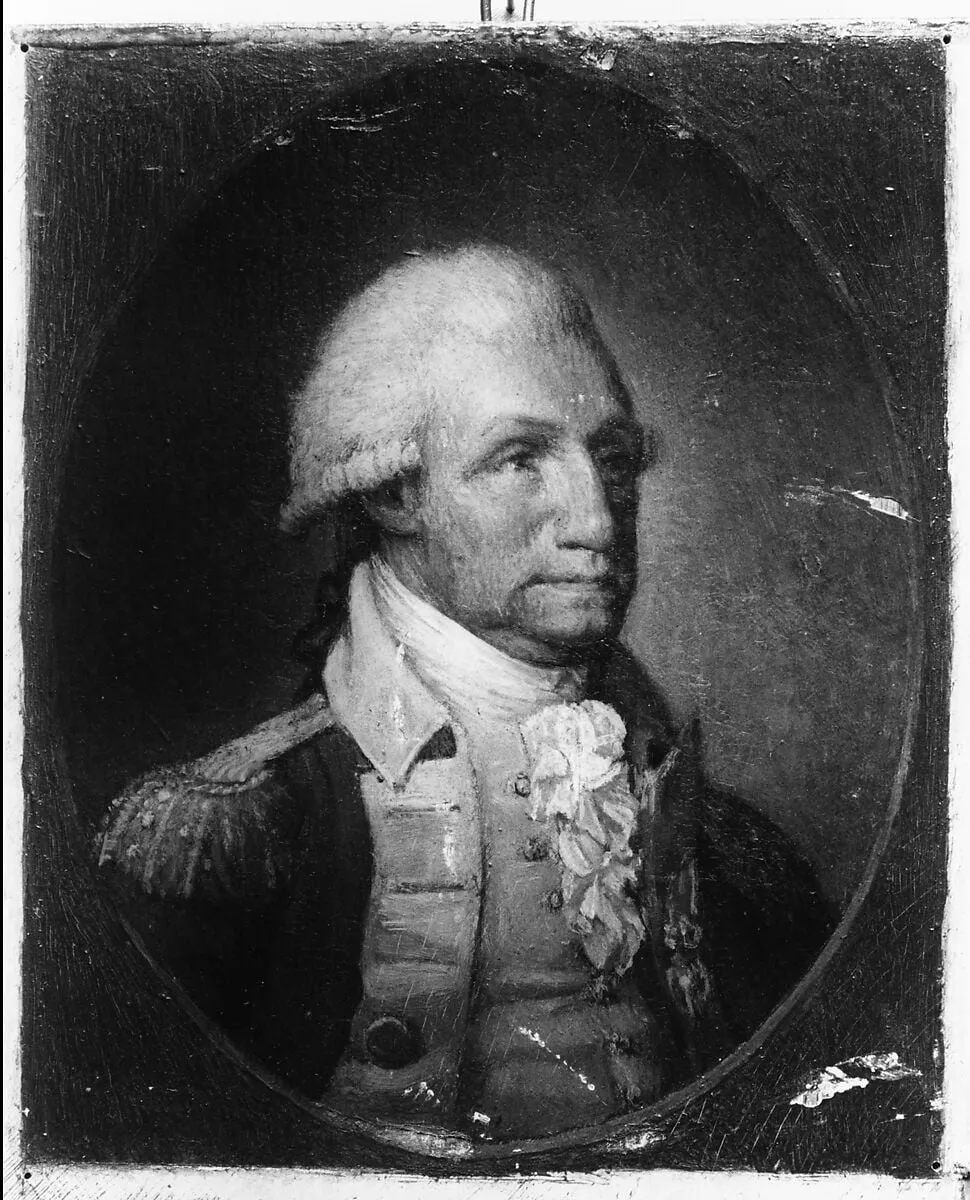
Panel of George Washington is an unspecified painting by the American Folk Art artist William Perkins Babcock. It dates from 1864 and is held in the collection of the Metropolitan Museum of Art. William P.
About this work
Subject & Meaning
The work's iconography is centered entirely on the likeness of the man, identified specifically as the first U.
Created in 1864 by William P. Babcock, this panel functions as a formal portrait depicting George Washington. The work's iconography is centered entirely on the likeness of the man, identified specifically as the first U.S. president, without additional allegorical figures or complex symbolic attributes noted in available records. As a genre portrait, the piece represents Washington through a direct visual presentation of his features, serving as a commemorative image of the historical figure.
The composition focuses on the subject's identity as a man and leader, adhering to traditional portraiture conventions of the mid-nineteenth century to preserve and honor his legacy within the American historical canon.
Technique & Style
Created in 1864 by William P. Babcock, the Panel of George Washington is a portrait executed on a wooden panel support. The work measures 14 inches in height and 11.4 inches in width, classifying it as a small-scale portrait. As a panel painting, the medium consists of pigments applied directly to the rigid wood surface, a technique distinct from canvas-based portraiture of the era.
The formal qualities focus on the depiction of George Washington, rendered in a traditional portrait genre style. The piece is housed in The American Wing of the Metropolitan Museum of Art, where its compact dimensions and panel construction define its physical presence within the collection.
History & Provenance
The panel of George Washington was created in 1864 by William P. Babcock as a portrait work intended for The American Wing collection. It entered the Metropolitan Museum of Art’s holdings shortly after its execution and has remained in the museum’s collection continuously, serving as part of the museum’s portrait genre within the American Wing. The work’s creation history is documented through its inception date of 1864, its classification as a panel portrait, and its attribution to Babcock, who is recorded as the creator in contemporary records and the museum’s catalog.
No subsequent owners or sales are noted, indicating a direct commission and ownership chain from the artist to the Metropolitan Museum of Art.
The Panel of George Washington by William P. Babcock, painted in 1864, is held in the collection of the Metropolitan Museum of Art, classified within the institution's American Wing. The work is documented in the museum's records as a portrait panel and is identified in the Wikidata entry for the object as belonging to that collection. No specific inventory or accession number, nor any record of past exhibitions, is provided in the available sources.
Overview
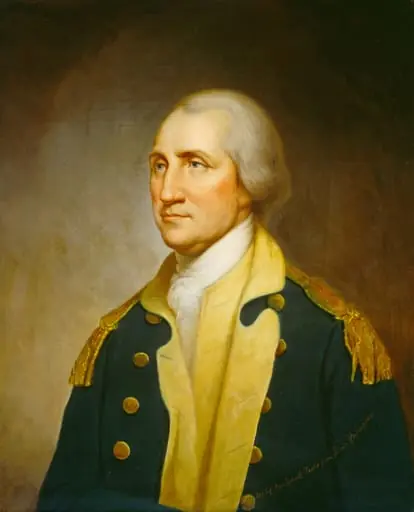
William P. Babcock's "Panel of George Washington," created in 1864, presents a portrait of the first American president. This work, rendered on a panel, is part of The American Wing collection. It depicts Washington in a dark coat, with a distinct light source illuminating one side of his face.
Artist & collection
Artist
William Perkins Babcock painted quiet 19th-century scenes where figures gather or pause—look at *Girl with a Pink Bonnet* (1865) or the musicians in *The Quartet* (1861).