Artwork
Arthur St. Clair
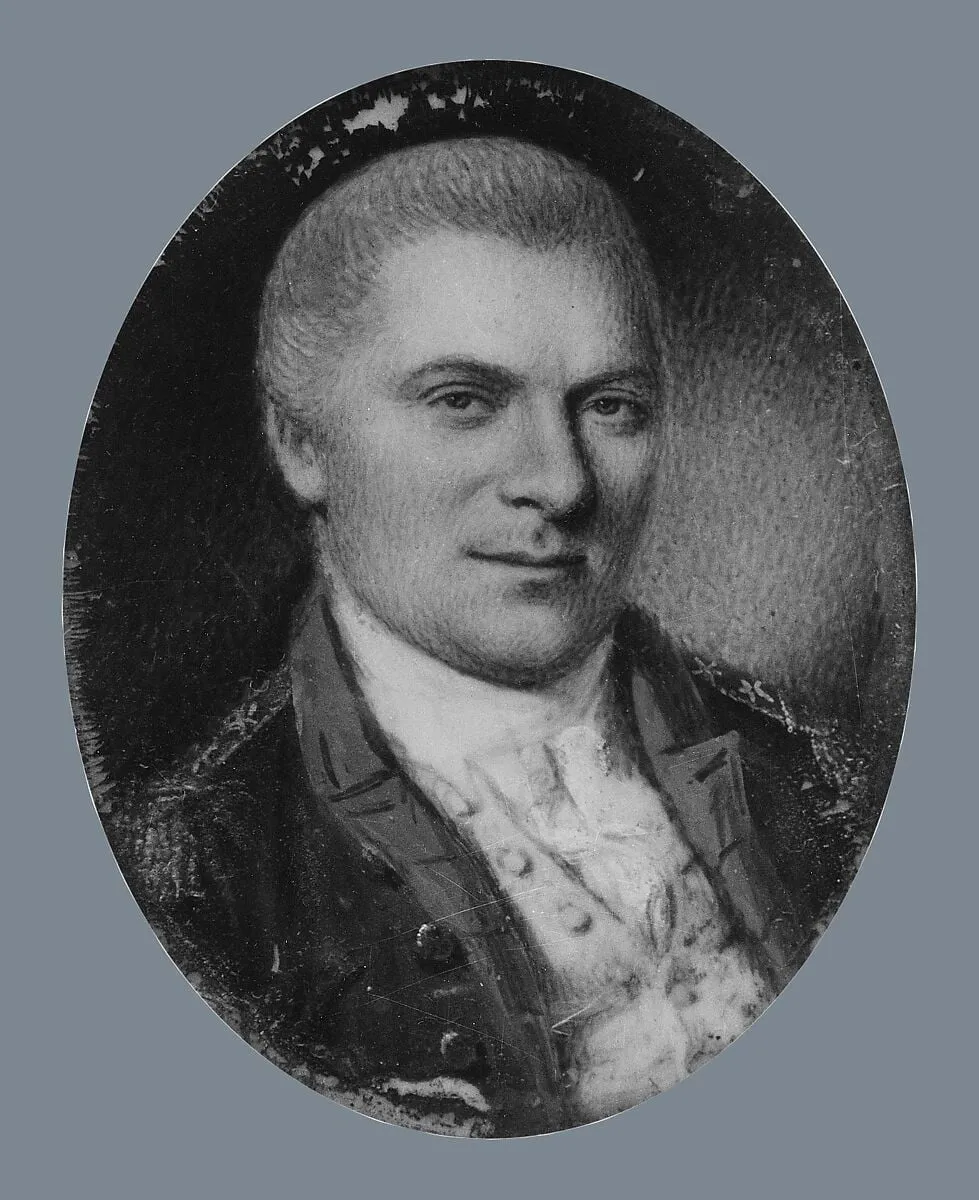
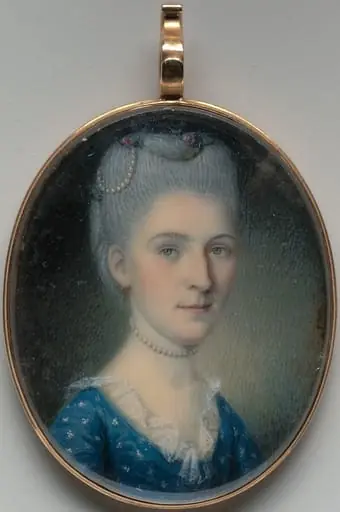
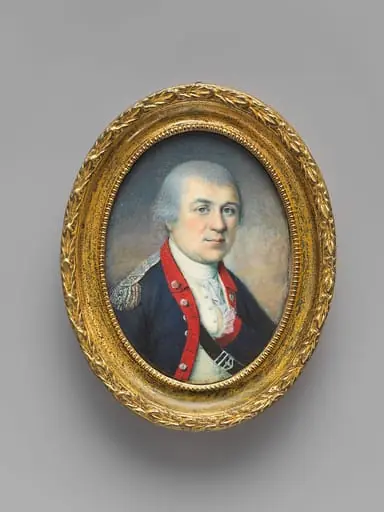
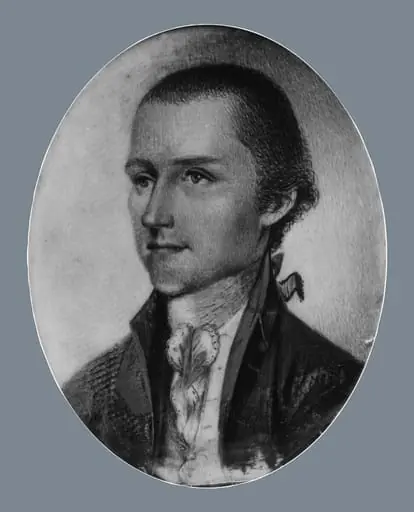
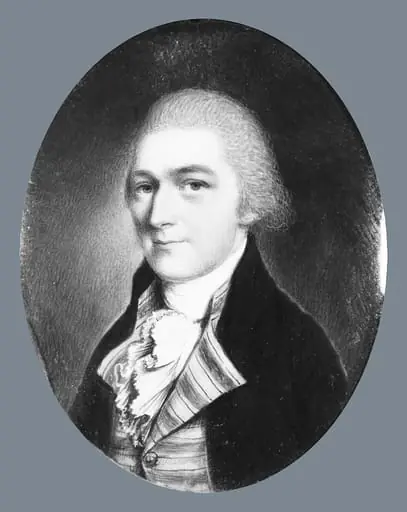
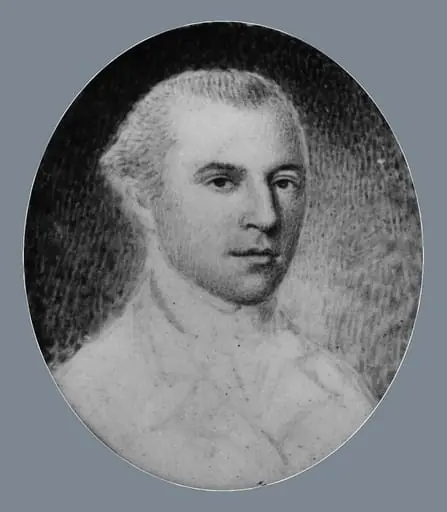
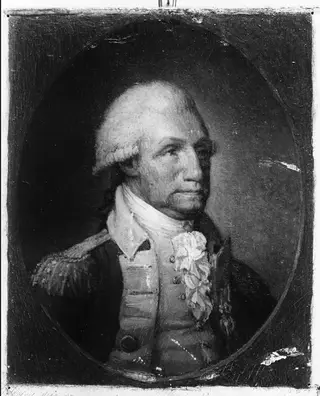
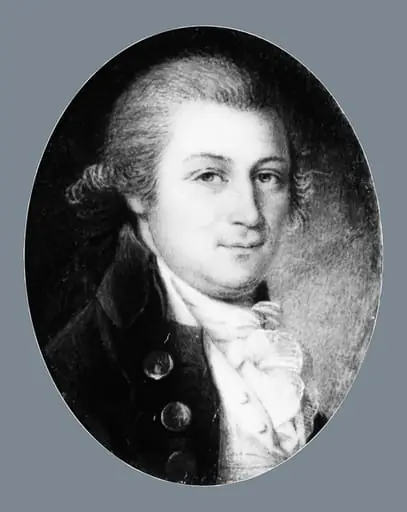
Arthur St. Clair is a watercolor painting by the American Impressionist artist Charles Willson Peale. It dates from 1780 and is held in the collection of the Metropolitan Museum of Art. This miniature portrait depicts Arthur St.
About this work
Subject & Meaning
Its classification within The American Wing and inclusion in the portrait genre underscore its role as a visual record of early American political leadership.
The watercolor portrait by Charles Willson Peale, executed in 1780 and housed in the Metropolitan Museum of Art, depicts Arthur St. Clair as a dignified gentleman, characteristic of late-18th-century portraiture. Its classification within The American Wing and inclusion in the portrait genre underscore its role as a visual record of early American political leadership. The work's modest dimensions and medium on ivory convey a sense of refinement, reflecting the subject's status and the emerging national identity.
Technique & Style
Arthur St. Clair is rendered in watercolor on a thin ivory support, a technique typical of late-18th-century American portrait miniatures that Peale employed to achieve delicate tonal gradations. The small dimensions (approximately 4.4 × 3.5 cm) suggest a private, intimate format rather than a grand public commission. Peale's handling emphasizes fine line work and subtle shading, producing a realistic yet idealized likeness consistent with neoclassical conventions of dignified expression.
The work is held in the Metropolitan Museum of Art's American Wing collection, where controlled environmental conditions preserve the fragile medium.
History & Provenance
Charles Willson Peale painted the watercolor portrait Arthur St. Clair in 1780, using watercolor on ivory and measuring 4.4 by 3.5 cm; the work is classified within The American Wing as a portrait. It entered the collection of the Metropolitan Museum of Art, where it remains, and its provenance reflects continuous museum ownership since acquisition. Its creation is documented to 1780, and the subject is the military and political figure Arthur St. Clair.
Context
The 1780 watercolor portrait of Arthur St. Clair by Charles Willson Peale, measuring approximately 4.4 × 3.5 cm, is part of the Metropolitan Museum of Art's American Wing collection. Classified as a portrait, the work exemplifies early American portraiture and Peale's role in shaping the genre during the post-Revolutionary period. Its subject, a prominent military and political figure, reflects how elite individuals were commemorated through visual media in the young United States.
Its use of watercolor on ivory highlights its significance within both the artist's oeuvre and the broader narrative of American art history.
Overview
This miniature portrait depicts Arthur St. Clair, a prominent figure in American history. Rendered with watercolor on ivory, the artwork captures St. Clair with a solemn expression, dressed in period attire. Housed within The American Wing, this piece serves as both an artistic representation and a historical document, offering insight into the individuals who shaped the early United States.
Artist & collection
Artist
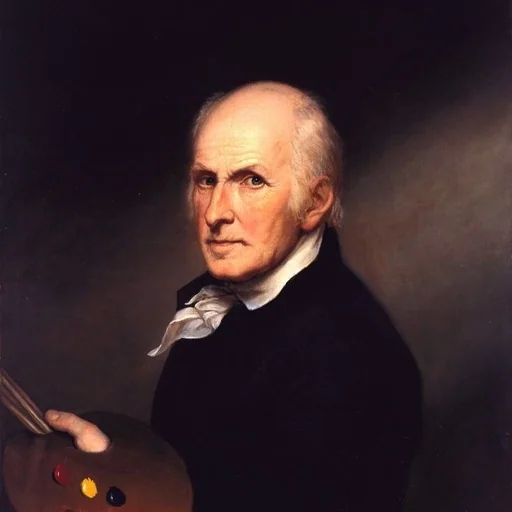
Charles Willson Peale (April 15, 1741 – February 22, 1827) was an American painter, military officer, scientist, and naturalist.