Artwork
Sylvia, a Courtesan
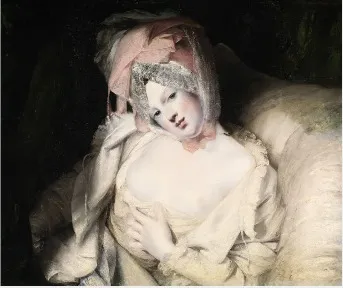
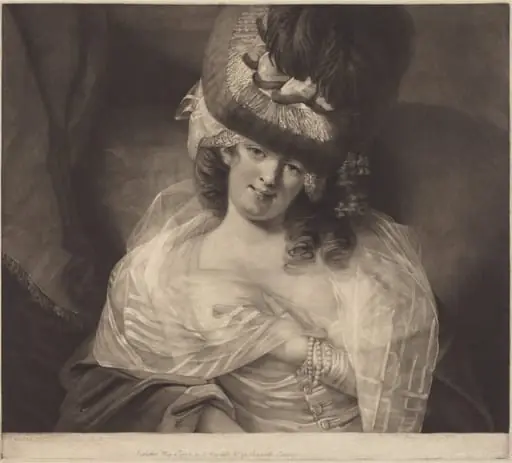
Sylvia, a Courtesan is an unspecified painting by the Rococo painting artist William Peters. It dates from 1790 and is held in the collection of the National Gallery of Ireland.
About this work
Overview
Its intimate scale and subdued palette align with the waning influence of Rococo sensibilities in British art, emphasizing personal presence over theatricality.
Painted in 1790 by Matthew William Peters, this work portrays a woman identified as Sylvia, a figure associated with courtesan culture in late 18th-century England. The painting reflects Peters’s early career as a genre painter before his later ordination as an Anglican clergyman. Its intimate scale and subdued palette align with the waning influence of Rococo sensibilities in British art, emphasizing personal presence over theatricality.
Subject & Meaning
The subject, labeled Sylvia, is depicted in a moment of quiet stillness, seated with hands crossed over her chest. Her expression is gentle, avoiding overt eroticism, which suggests a nuanced portrayal rather than a stereotypical depiction of a courtesan. The title implies social status, yet the composition invites contemplation of individual dignity, possibly reflecting Peters’s interest in psychological nuance over moral judgment.
Technique & Style
Peters employs soft brushwork to render the woman’s skin and fabric, creating a tactile delicacy. The white dress flows loosely, its texture left ambiguous, enhancing the sense of intimacy. A pink hat adds a subtle chromatic contrast against the dark, undefined background, which isolates the figure and directs focus to her posture and gaze. The lighting is even, avoiding dramatic chiaroscuro, consistent with restrained British portraiture of the period.
History & Provenance
The painting’s early ownership is undocumented, but it emerged in public collections in the 20th century. Peters, who abandoned painting for the clergy in the 1790s, left behind a limited oeuvre, making this work one of the few surviving genre pieces from his pre-clerical period. Its survival suggests it was retained by private collectors who valued its quiet realism over sensational subject matter.
Context
In late 18th-century England, depictions of courtesans often carried moral or satirical overtones. Peters’s approach diverges from caricature, aligning instead with a growing trend toward empathetic portraiture of marginalized women. The painting reflects broader cultural shifts toward psychological depth in visual representation, even as it retains the formal conventions of domestic genre scenes popular among the middle class.
Legacy
Though Peters is primarily remembered for his clerical role, Sylvia, a Courtesan remains a rare example of his artistic sensitivity to interiority and social nuance. It contributes to scholarly understanding of how British painters negotiated themes of gender and class without overt moralizing. The work is occasionally referenced in studies of gendered representation in Georgian art, valued for its understated humanity.
Artist & collection
Artist
Matthew William Peters (1742 – 20 March 1814) was an English portrait and genre painter who later became an Anglican clergyman and chaplain to George IV. He became known as "William" when he started signing his works as "W. Peters".

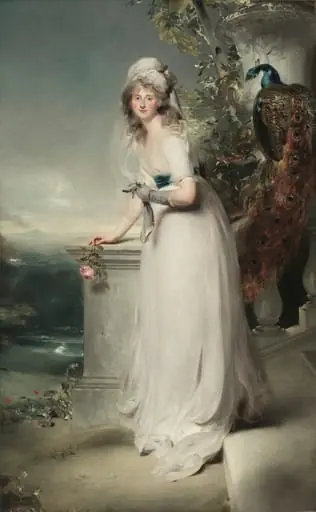
- Portrait of Catherine Grey, Lady Manners
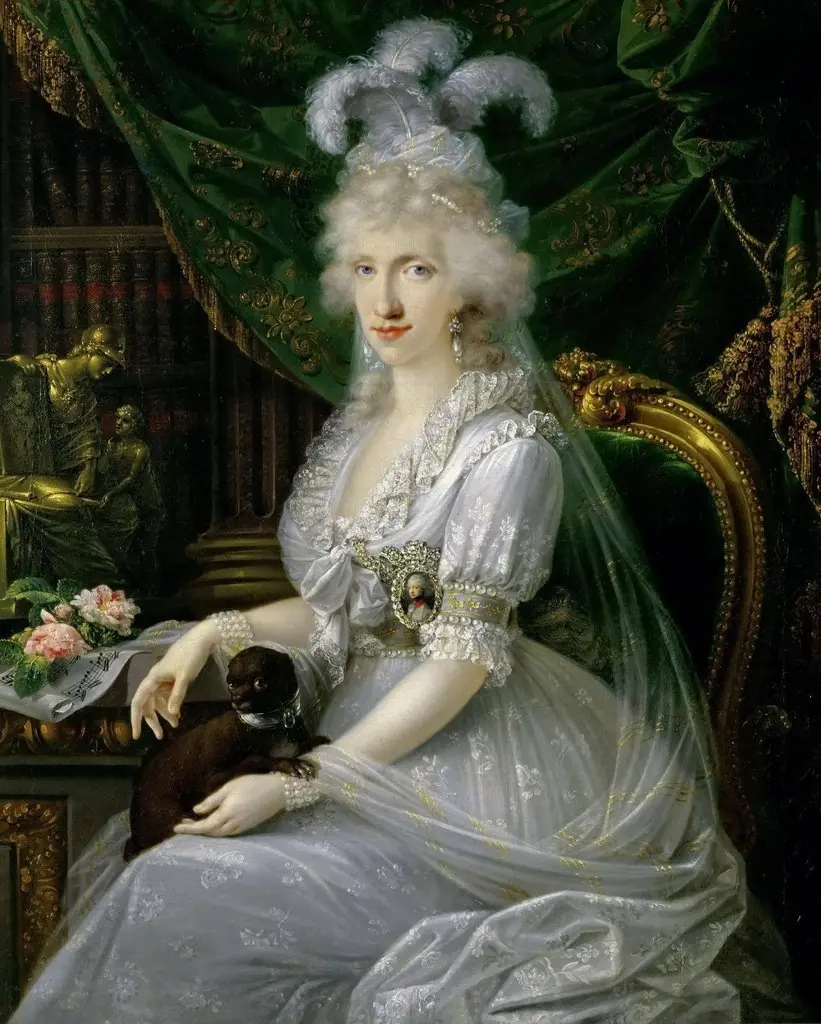 Luisa Maria Amelia Teresa of Naples and Sicily, Princess of Naples and Sicily (1773-1802), Grand Duchess Consort of Tuscany, wife of Archduke Ferdinand III of Tuscany
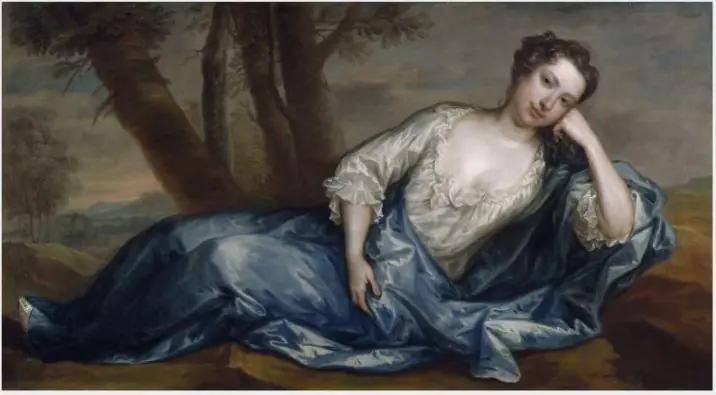 Portrait of the Honourable Jane Seymour Conway (c.1711-1749)
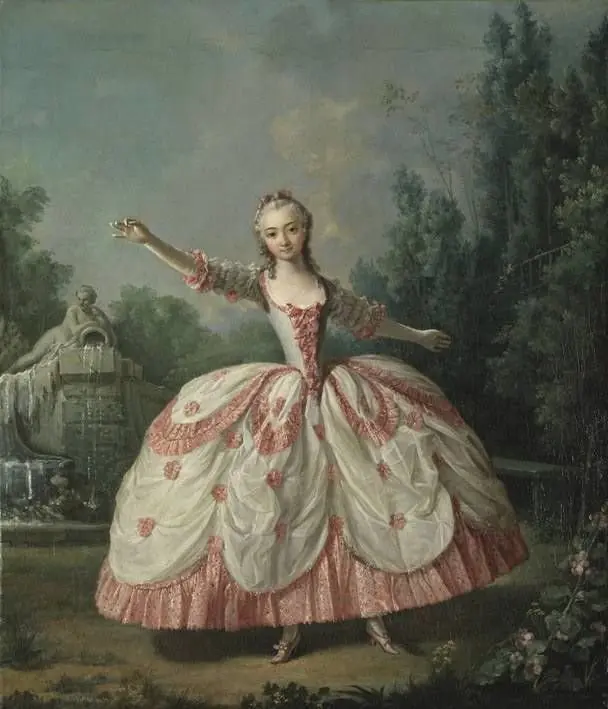 Die Tänzerin Marianne Cochois (zugeschrieben)
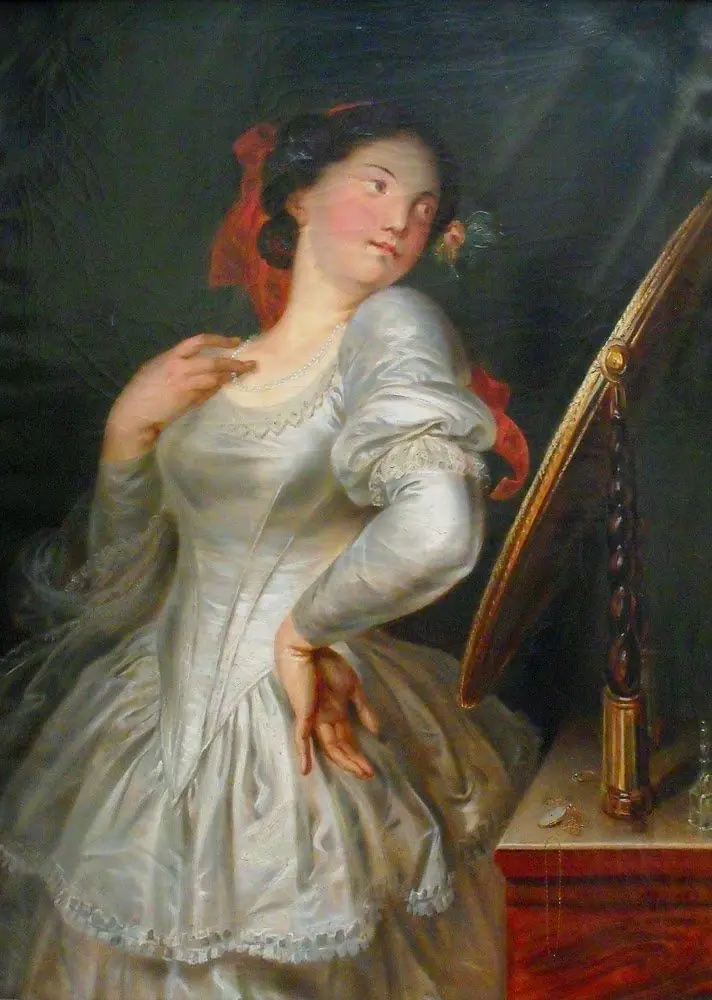 Coquette Dress (The Devil's Mirror)
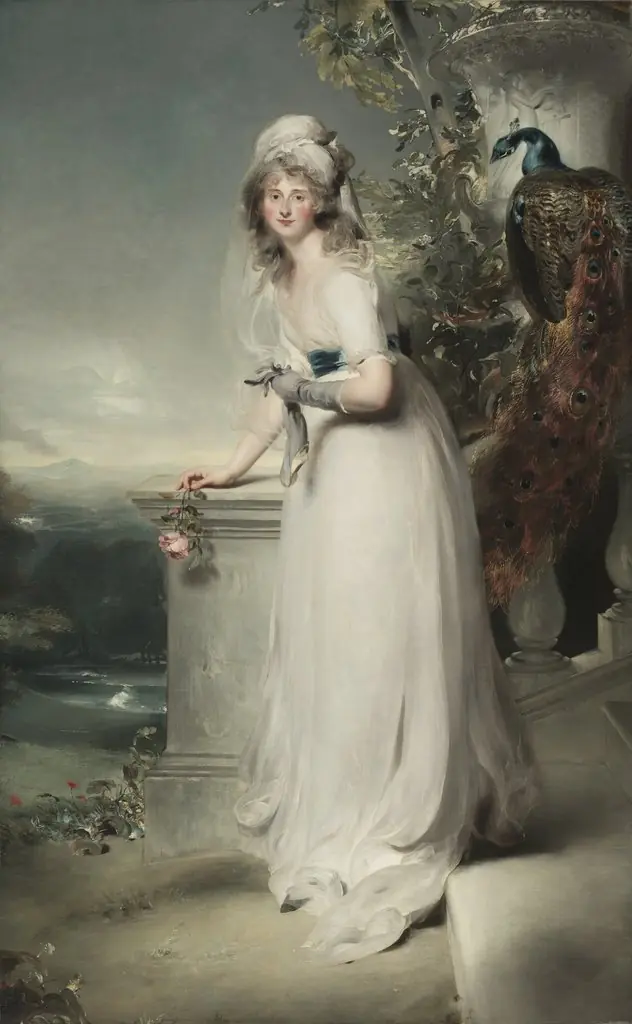 Portrait of Catherine Grey, Lady Manners
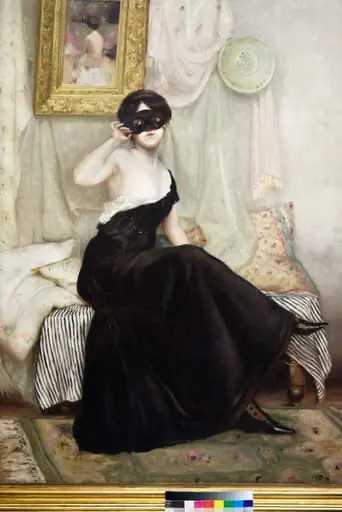 Femeie cu mască
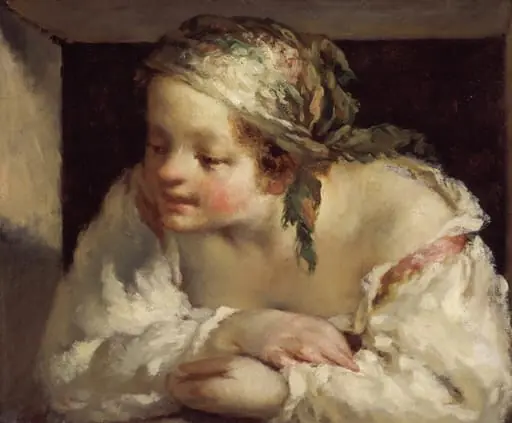 Young Woman
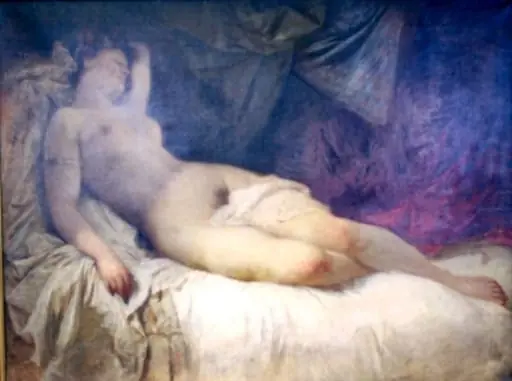 Venus dormind
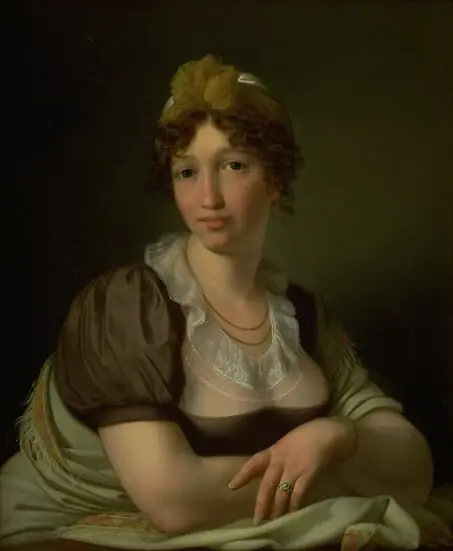 Mrs. Grønland
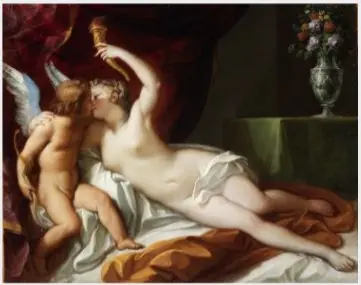 Venus and Cupid
 Love in Her Eyes Sits Playing