Artwork
Portrait of Mrs Milnes
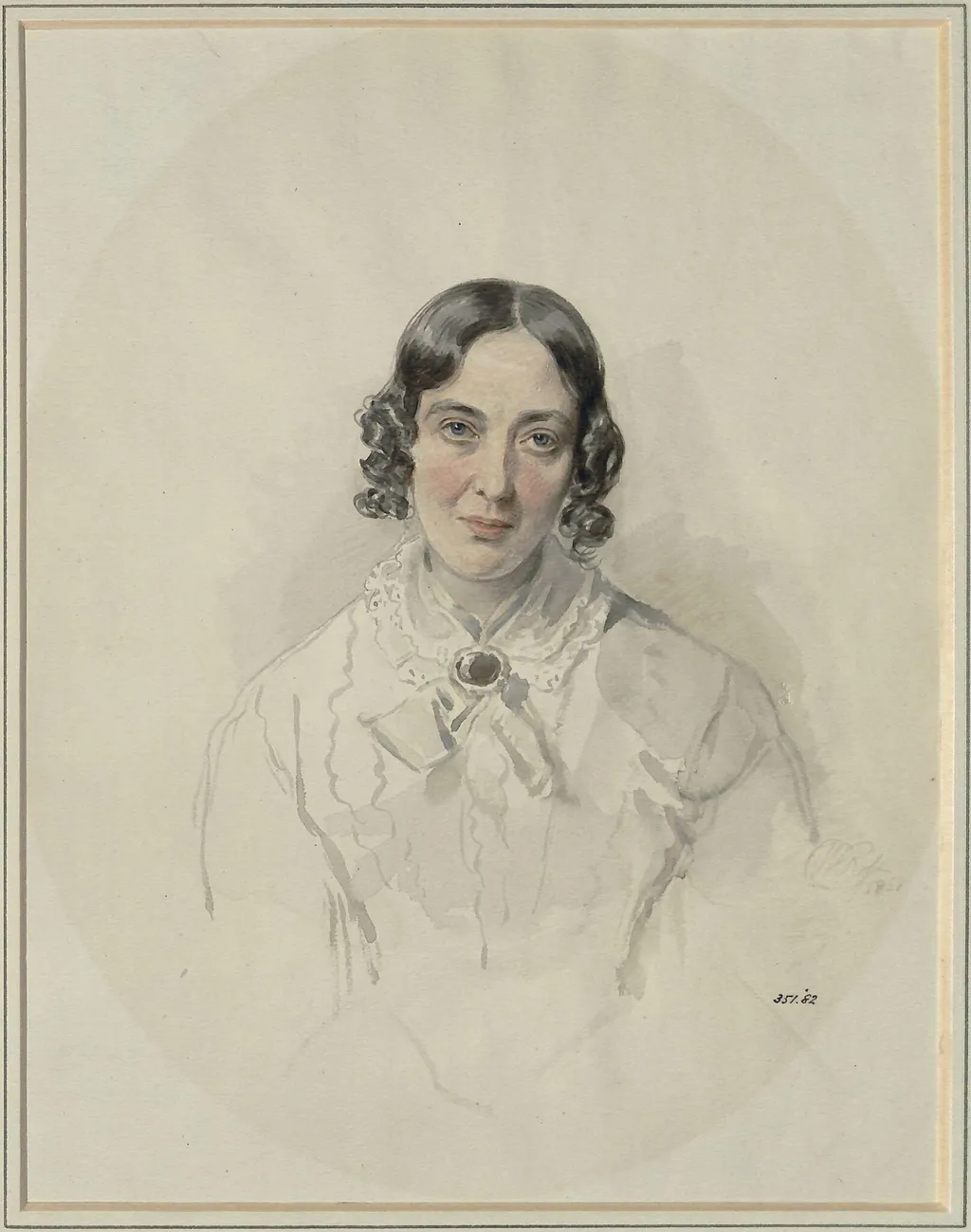
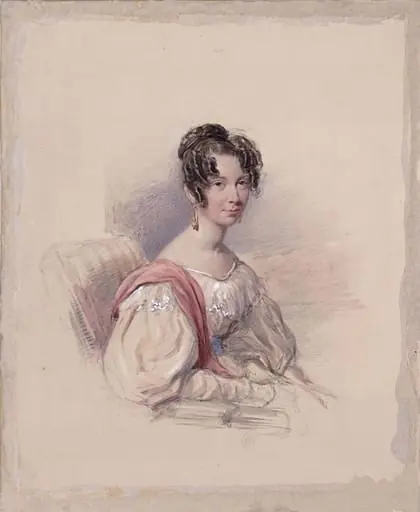
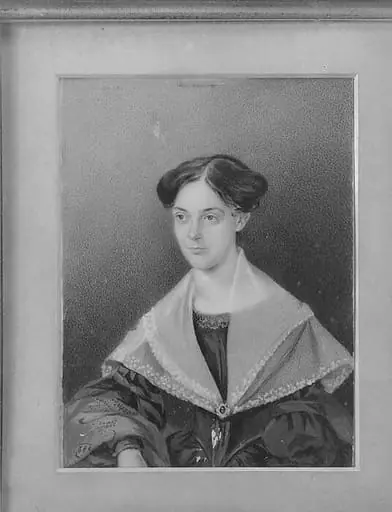
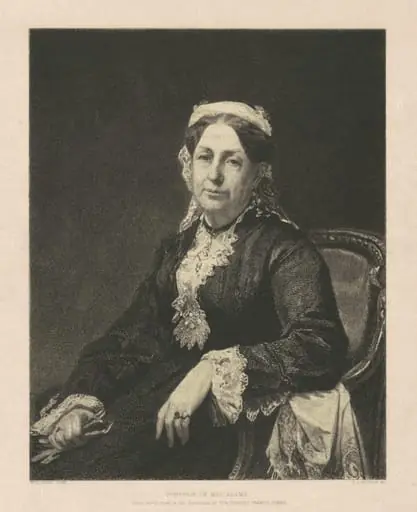
Portrait of Mrs Milnes is a watercolor work on paper by the British Romanticist artist William Charles Ross. It dates from 1820 and is held in the collection of the Victoria and Albert Museum. Painted in 1820 by William Ross, this watercolour portrait depicts Mrs Milnes in a quiet, intimate format.
About this work
Overview
Painted in 1820 by William Ross, this watercolour portrait depicts Mrs Milnes in a quiet, intimate format.
Painted in 1820 by William Ross, this watercolour portrait depicts Mrs Milnes in a quiet, intimate format. The work is executed with delicate brushwork, emphasizing the sitter’s presence without elaborate detail. Its modest scale and restrained palette reflect the conventions of private portraiture in early 19th-century Britain, where watercolour was often chosen for its subtlety and personal tone.
Subject & Meaning
Mrs Milnes is portrayed with a calm, unadorned expression, suggesting a preference for dignity over theatricality. Her attire, a high-necked white gown with lace and a minimal brooch, conveys modesty and refinement, aligning with contemporary ideals of feminine propriety. The absence of symbolic objects or setting directs attention to her individuality, making the portrait a quiet assertion of personal identity rather than social status.
Technique & Style
Ross employed transparent watercolour washes to build form gently, allowing the paper’s white to suggest highlights on the cheekbones and neck. Edges are deliberately soft, with some areas left sketchy to imply texture without definition. The technique avoids heavy outlines, relying instead on tonal gradations and controlled wet-on-wet applications to create a sense of quiet realism and immediacy.
History & Provenance
The portrait was completed in 1820, during a period when watercolour portraiture flourished among amateur and professional artists alike. While its early ownership is undocumented, it entered the Victoria and Albert Museum’s collection as part of a broader effort to preserve domestic art forms. Its survival reflects its value as an example of intimate, non-commissioned portraiture from the era.
Context
In the early 1800s, watercolour was increasingly used for private portraits, especially among the middle and upper classes who valued discretion and refinement. Unlike oil paintings intended for public display, these works were often kept in albums or small frames, shared among family and friends. Ross’s portrait fits within this tradition, embodying the era’s preference for understated elegance in domestic settings.
Legacy
Though not widely exhibited, the portrait contributes to the understanding of watercolour’s role in British portraiture beyond landscape and topographical art. It exemplifies how artists like Ross used the medium’s fragility and immediacy to capture personal presence. Its preservation in a major museum underscores its significance as a representative work of a quieter, yet enduring, artistic practice.
Own this work as a print
Artist & collection
Artist
Sir William Charles Ross (3 June 1794 – 20 January 1860) was an English portrait and portrait miniature painter of Scottish descent; early in his career, he was known for historical paintings.