Artwork
「諸國名橋寄覧 東海道岡崎 矢はぎのはし」|Yahagi Bridge at Okazaki on the Tōkaidō (Tōkaidō Okazaki Yahagi no hashi), from the series Remarkable Views of Bridges in Various Provinces (Shokoku meikyō kiran)
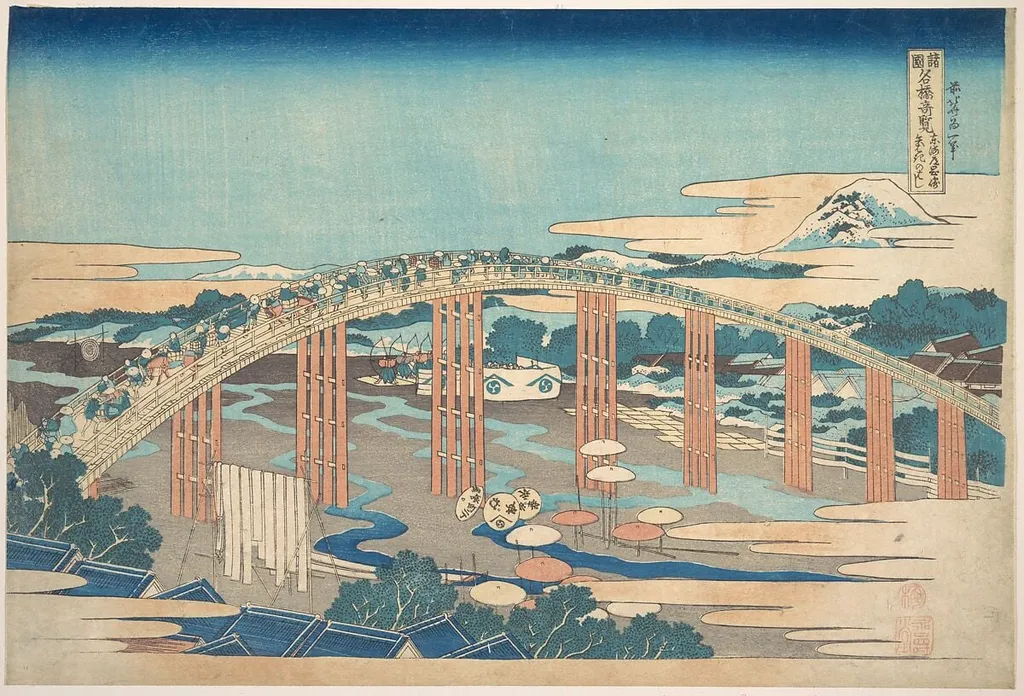
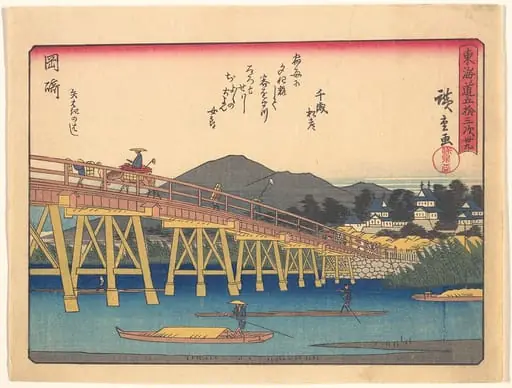
「諸國名橋寄覧 東海道岡崎 矢はぎのはし」|Yahagi Bridge at Okazaki on the Tōkaidō (Tōkaidō Okazaki Yahagi no hashi), from the series Remarkable Views of Bridges in Various Provinces (Shokoku meikyō kiran) is an ink print by the Japonisme artist Katsushika Hokusai. It dates from 1834 and is held in the collection of the Metropolitan Museum of Art. Created around 1834, this woodblock print depicts the Yahagi Bridge at Okazaki, a crossing on the historic Tōkaidō route.
- Accession no.
- JP1851
- Credit line
- H. O. Havemeyer Collection, Bequest of Mrs. H. O. Havemeyer, 1929
About this work
Overview
Created around 1834, this woodblock print depicts the Yahagi Bridge at Okazaki, a crossing on the historic Tōkaidō route. Executed in ink and color on paper, the image presents a long, arched bridge spanning a tranquil river, flanked by distant mountains and scattered trees. The scene is populated by a variety of travelers, some bearing loads, others strolling, while small boats drift below.
Subject & Meaning
The composition records a typical moment of travel along the Tōkaidō, emphasizing the bridge as a focal point of movement and exchange. By portraying diverse figures, merchants, pilgrims, and laborers, the print conveys the social mix encountered on Japan’s principal highway, while the serene river and surrounding landscape suggest a harmonious relationship between infrastructure and nature.
Technique & Style
Katsushika Hokusai employed the multicolor woodblock method (nishiki-e), layering pigments such as blues, reds, and earth tones to achieve depth and vibrancy. Fine carving renders the bridge’s numerous pillars and the delicate outlines of distant mountains, while the use of flat color planes and bold outlines reflects the ukiyo-e aesthetic of the late Edo period.
History & Provenance
The print belongs to the series Shokoku meikyō kiran, a collection of views of notable bridges across Japan’s provinces. It entered the collection of The Metropolitan Museum of Art, where it is catalogued as part of the museum’s extensive holdings of Edo‑period prints, providing scholars access to Hokusai’s later work.
Context
Produced during Hokusai’s mature phase, the image reflects the artist’s ongoing interest in travel scenes and infrastructural landmarks. The Tōkaidō, linking Edo and Kyoto, was a popular subject for ukiyo-e artists, who documented its bridges, post towns, and scenery for a growing market of travelers and urban collectors.
Artist & collection

Artist
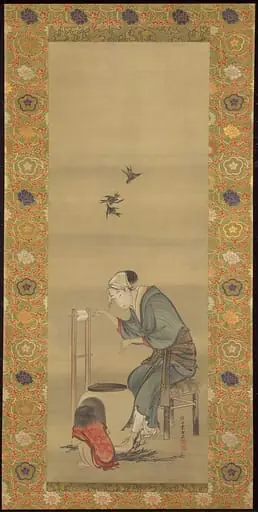
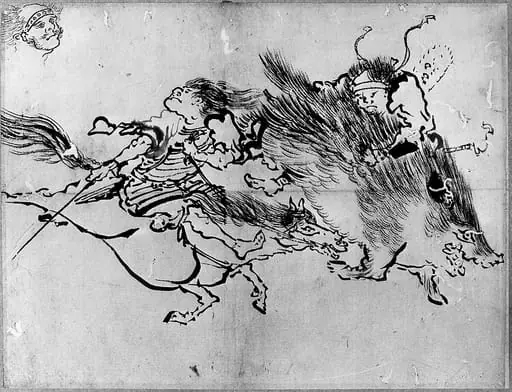
Katsushika Hokusai spent his life in Edo, now Tokyo, where he drew and carved prints for a living.

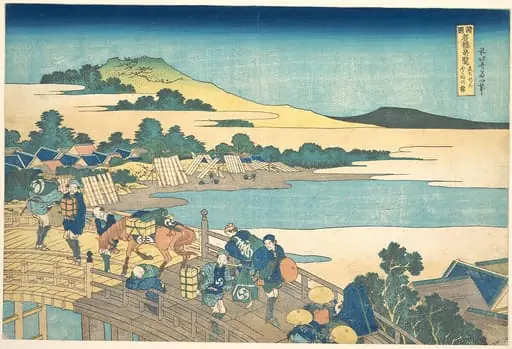
- 諸國名橋奇覧 ゑちぜんふくゐの橋|Fukui Bridge in Echizen Province (Echizen Fukui no hashi), from the series Remarkable Views of Bridges in Various Provinces (Shokoku meikyō kiran)
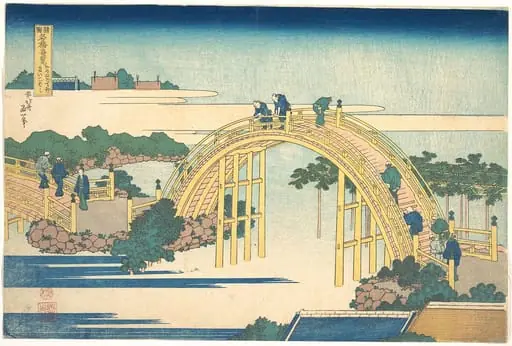 諸國名橋奇覧 かめゐど天神たいこはし|The Arched Bridge at Kameido Tenjin Shrine (Kameido Tenjin Taikobashi), from the series Remarkable Views of Bridges in Various Provinces (Shokoku meikyō kiran)
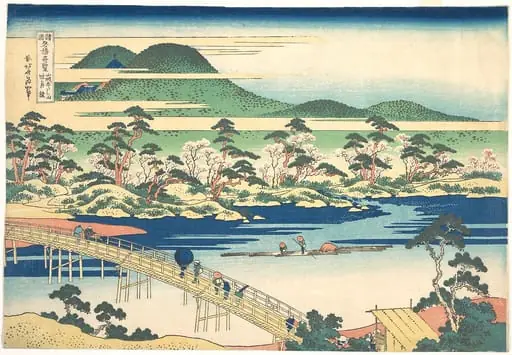 諸國名橋奇覧 山城あらし山吐月橋 |Togetsu Bridge at Arashiyama in Yamashiro, from the series Remarkable Views of Bridges in Various Provinces (Shokoku meikyō kiran)
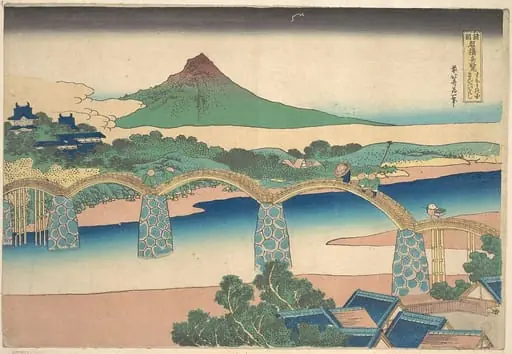 諸國名橋奇覧 すほうの国きんたいはし|Kintai Bridge in Suō Province (Suō no kuni Kintaibashi), from the series Remarkable Views of Bridges in Various Provinces (Shokoku meikyō kiran)
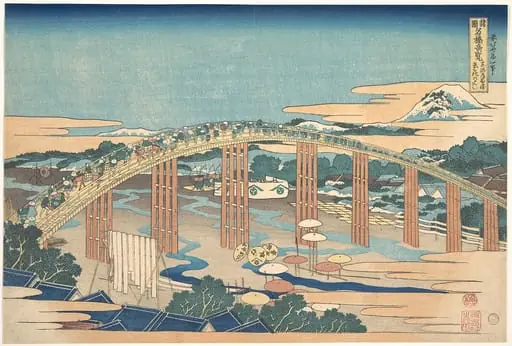 諸國名橋奇覧 東海道岡崎矢はぎのはし|Yahagi Bridge at Okazaki on the Tōkaidō (Tōkaidō Okazaki Yahagi no hashi), from the series Remarkable Views of Bridges in Various Provinces (Shokoku meikyō kiran)
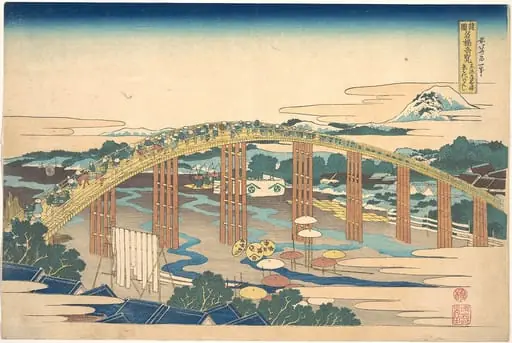 諸國名橋奇覧 東海道岡崎矢はぎのはし|Yahagi Bridge at Okazaki on the Tōkaidō (Tōkaidō Okazaki Yahagi no hashi), from the series Remarkable Views of Bridges in Various Provinces (Shokoku meikyō kiran)
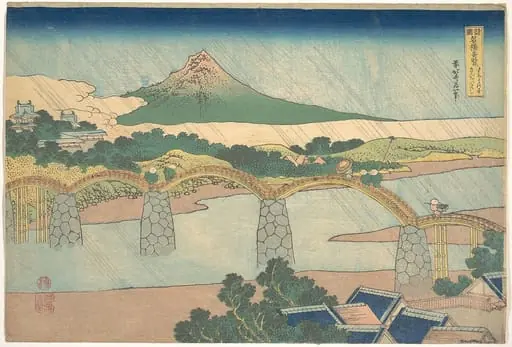 諸國名橋奇覧 すほうの国きんたいはし|Kintai Bridge in Suō Province (Suō no kuni Kintaibashi), from the series Remarkable Views of Bridges in Various Provinces (Shokoku meikyō kiran)
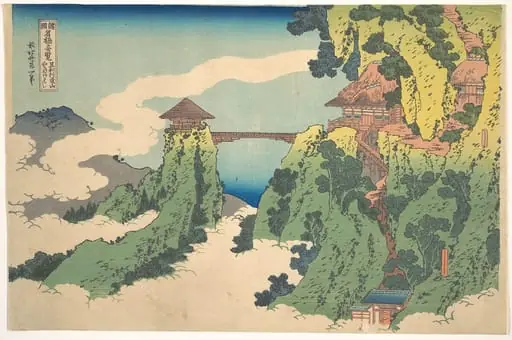 諸國名橋奇覧 足利行道山くものかけはし|The Hanging-cloud Bridge at Mount Gyōdō near Ashikaga (Ashikaga Gyōdōzan kumo no kakehashi), from the series Remarkable Views of Bridges in Various Provinces (Shokoku meikyō kiran)
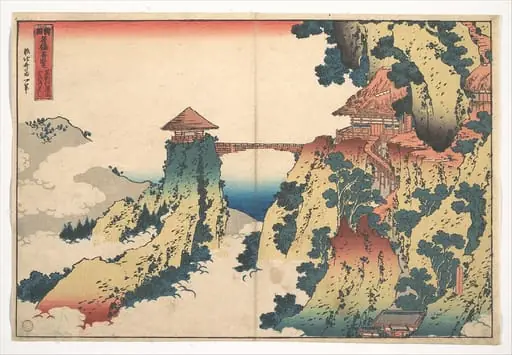 諸國名橋奇覧 足利行道山くものかけはし|The Hanging-cloud Bridge at Mount Gyōdō near Ashikaga (Ashikaga Gyōdōzan kumo no kakehashi), from the series Remarkable Views of Bridges in Various Provinces (Shokoku meikyō kiran)
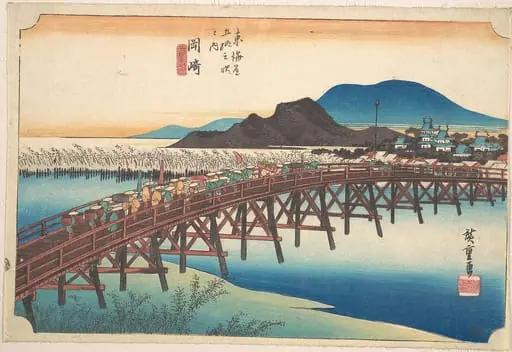 東海道五十三次之内 岡崎 矢矧の橋|Okazaki, Tenshin no Hashi
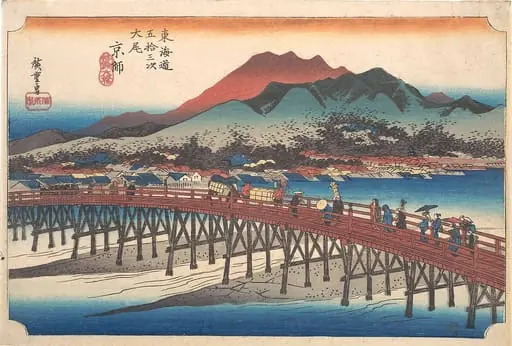 歌川広重画 「東海道五十三次 大尾 京師 三条大橋」|Kyoto: The Great Bridge at Sanjō (Taibi, Keishi, Sanjō Ōhashi), from the series Fifty-Three Stations of the Tōkaidō (Tōkaidō gojūsan tsugi)
 東海道五十三次 岡崎|Okazaki, from the series The Fifty-three Stations of the Tōkaidō Road