Artwork
諸國名橋奇覧 東海道岡崎矢はぎのはし|Yahagi Bridge at Okazaki on the Tōkaidō (Tōkaidō Okazaki Yahagi no hashi), from the series Remarkable Views of Bridges in Various Provinces (Shokoku meikyō kiran)
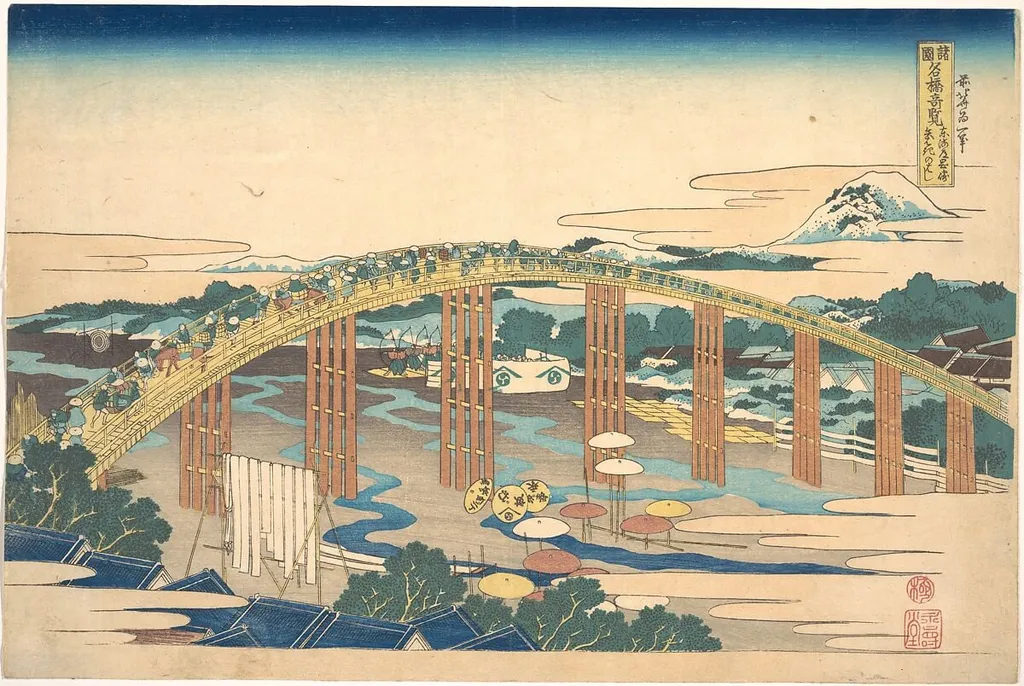
諸國名橋奇覧 東海道岡崎矢はぎのはし|Yahagi Bridge at Okazaki on the Tōkaidō (Tōkaidō Okazaki Yahagi no hashi), from the series Remarkable Views of Bridges in Various Provinces (Shokoku meikyō kiran) is an ink print by the Japonisme artist Katsushika Hokusai. It dates from 1830 and is held in the collection of the Metropolitan Museum of Art.
About this work
Overview
Katsushika Hokusai’s woodblock print, created around 1830, depicts the Yahagi Bridge at Okazaki along the historic Tōkaidō route. The composition centers on a large, arched wooden bridge spanning a river, framed by distant hills and scattered trees beneath a light‑blue, cloud‑dotted sky. A flow of figures traverses the bridge, lending the scene a sense of everyday movement.
Subject & Meaning
The image records a functional yet picturesque element of Edo‑period travel infrastructure, emphasizing the bridge’s role as a conduit for pedestrians and merchants. By populating the span with numerous travelers, Hokusai highlights the bridge’s importance in connecting communities and facilitating commerce along the Tōkaidō, one of Japan’s principal highways.
Technique & Style
Executed in ink and color on paper, the print employs traditional ukiyo‑e woodblock methods. Hokusai balances bold outlines with subtle gradations of hue to render the wooden arches and surrounding landscape. The use of layered color blocks and fine line work creates depth, while the airy sky and distant foliage soften the composition.
History & Provenance
The print belongs to the series Shokoku meikyō kiran (Remarkable Views of Bridges in Various Provinces), a collection that documented notable bridges across Japan. It entered the collection of the Metropolitan Museum of Art, where it is currently conserved and displayed as part of the museum’s Japanese prints holdings.
Context
Produced during the late Edo period, the work reflects a broader interest in travel and regional topography among urban audiences. Bridges, as symbols of engineering and connectivity, were frequent subjects in ukiyo‑e, aligning with contemporary guidebooks and pilgrim literature that celebrated the Tōkaidō’s scenic landmarks.
Artist & collection

Artist
Katsushika Hokusai spent his life in Edo, now Tokyo, where he drew and carved prints for a living.

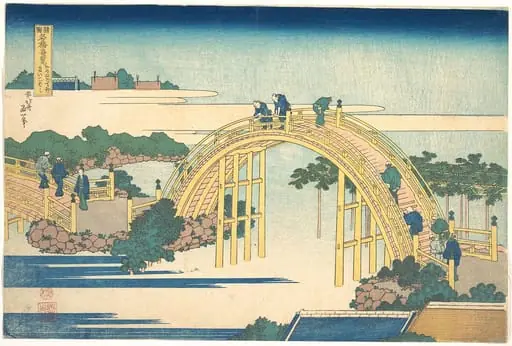
- 諸國名橋奇覧 かめゐど天神たいこはし|The Arched Bridge at Kameido Tenjin Shrine (Kameido Tenjin Taikobashi), from the series Remarkable Views of Bridges in Various Provinces (Shokoku meikyō kiran)
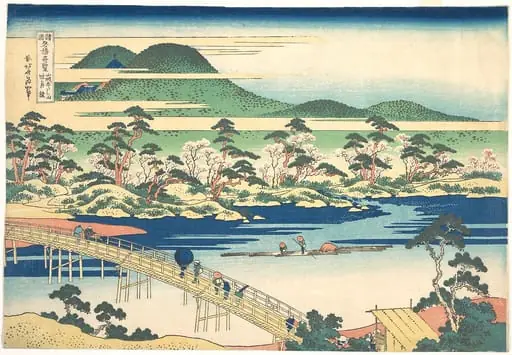 諸國名橋奇覧 山城あらし山吐月橋 |Togetsu Bridge at Arashiyama in Yamashiro, from the series Remarkable Views of Bridges in Various Provinces (Shokoku meikyō kiran)
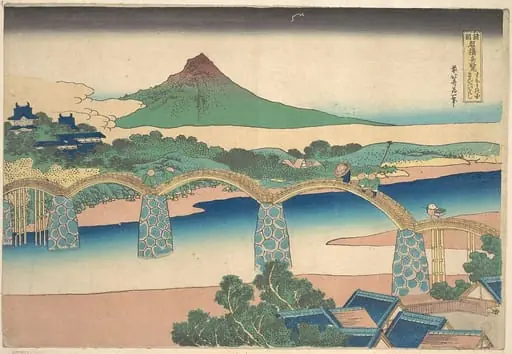 諸國名橋奇覧 すほうの国きんたいはし|Kintai Bridge in Suō Province (Suō no kuni Kintaibashi), from the series Remarkable Views of Bridges in Various Provinces (Shokoku meikyō kiran)
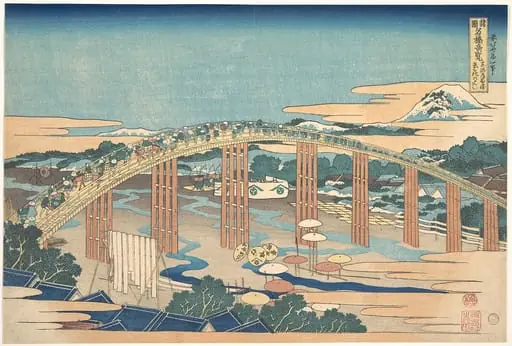 諸國名橋奇覧 東海道岡崎矢はぎのはし|Yahagi Bridge at Okazaki on the Tōkaidō (Tōkaidō Okazaki Yahagi no hashi), from the series Remarkable Views of Bridges in Various Provinces (Shokoku meikyō kiran)
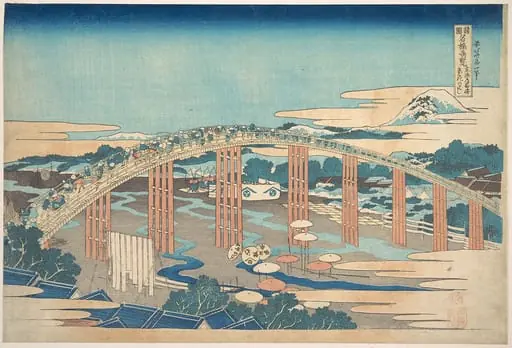 「諸國名橋寄覧 東海道岡崎 矢はぎのはし」|Yahagi Bridge at Okazaki on the Tōkaidō (Tōkaidō Okazaki Yahagi no hashi), from the series Remarkable Views of Bridges in Various Provinces (Shokoku meikyō kiran)
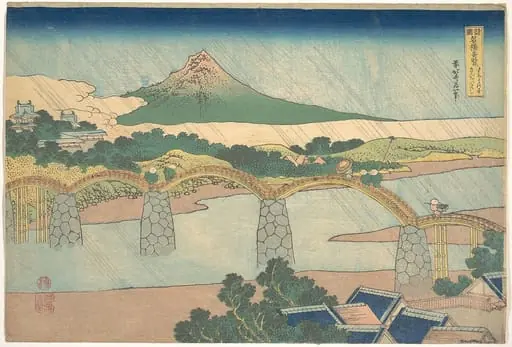 諸國名橋奇覧 すほうの国きんたいはし|Kintai Bridge in Suō Province (Suō no kuni Kintaibashi), from the series Remarkable Views of Bridges in Various Provinces (Shokoku meikyō kiran)
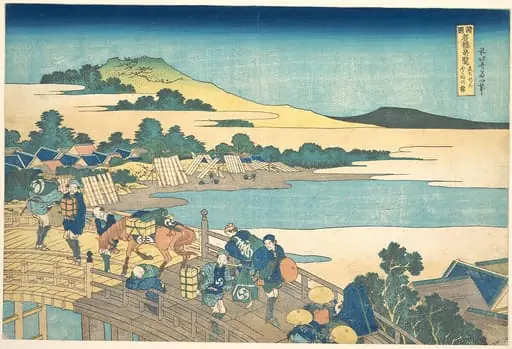 諸國名橋奇覧 ゑちぜんふくゐの橋|Fukui Bridge in Echizen Province (Echizen Fukui no hashi), from the series Remarkable Views of Bridges in Various Provinces (Shokoku meikyō kiran)
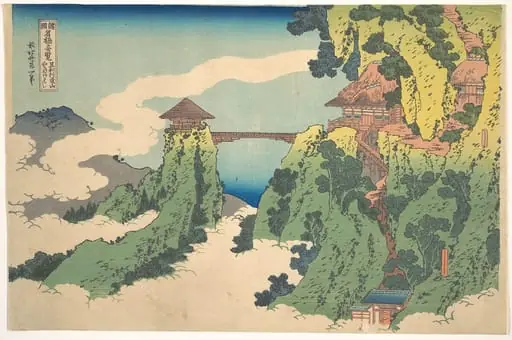 諸國名橋奇覧 足利行道山くものかけはし|The Hanging-cloud Bridge at Mount Gyōdō near Ashikaga (Ashikaga Gyōdōzan kumo no kakehashi), from the series Remarkable Views of Bridges in Various Provinces (Shokoku meikyō kiran)
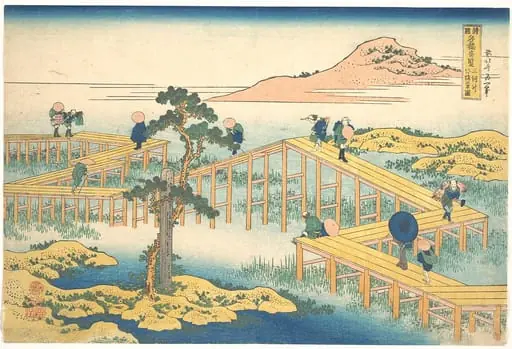 諸國名橋奇覧 三河の八ツ橋の古図|Ancient View of Yatsuhashi in Mikawa Province (Mikawa no Yatsuhashi no kozu), from the series Remarkable Views of Bridges in Various Provinces (Shokoku meikyō kiran)
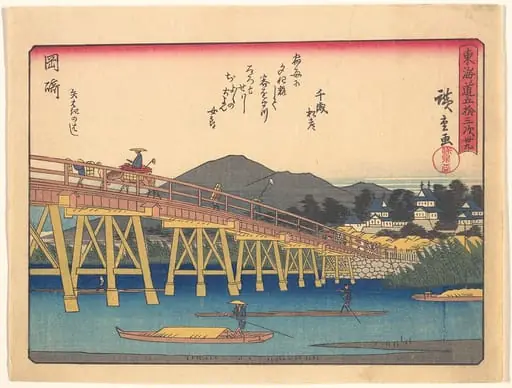 東海道五十三次 岡崎|Okazaki, from the series The Fifty-three Stations of the Tōkaidō Road
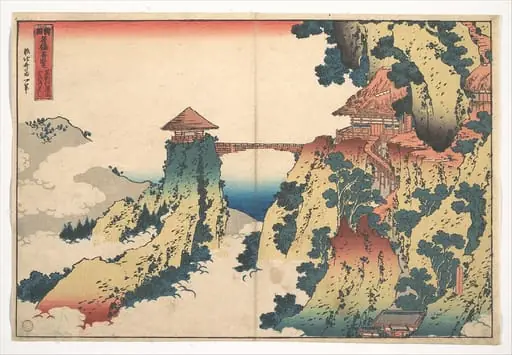 諸國名橋奇覧 足利行道山くものかけはし|The Hanging-cloud Bridge at Mount Gyōdō near Ashikaga (Ashikaga Gyōdōzan kumo no kakehashi), from the series Remarkable Views of Bridges in Various Provinces (Shokoku meikyō kiran)
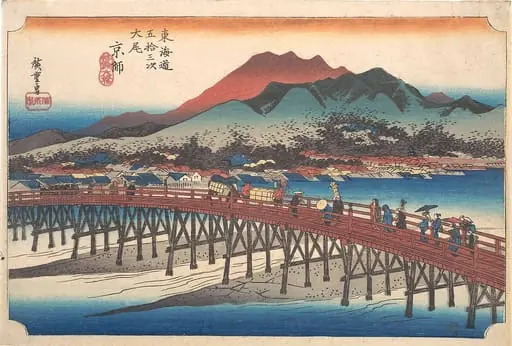 歌川広重画 「東海道五十三次 大尾 京師 三条大橋」|Kyoto: The Great Bridge at Sanjō (Taibi, Keishi, Sanjō Ōhashi), from the series Fifty-Three Stations of the Tōkaidō (Tōkaidō gojūsan tsugi)