Artwork
이유원 매화도 조선|李裕元 梅花圖 朝鮮|Plum Branch
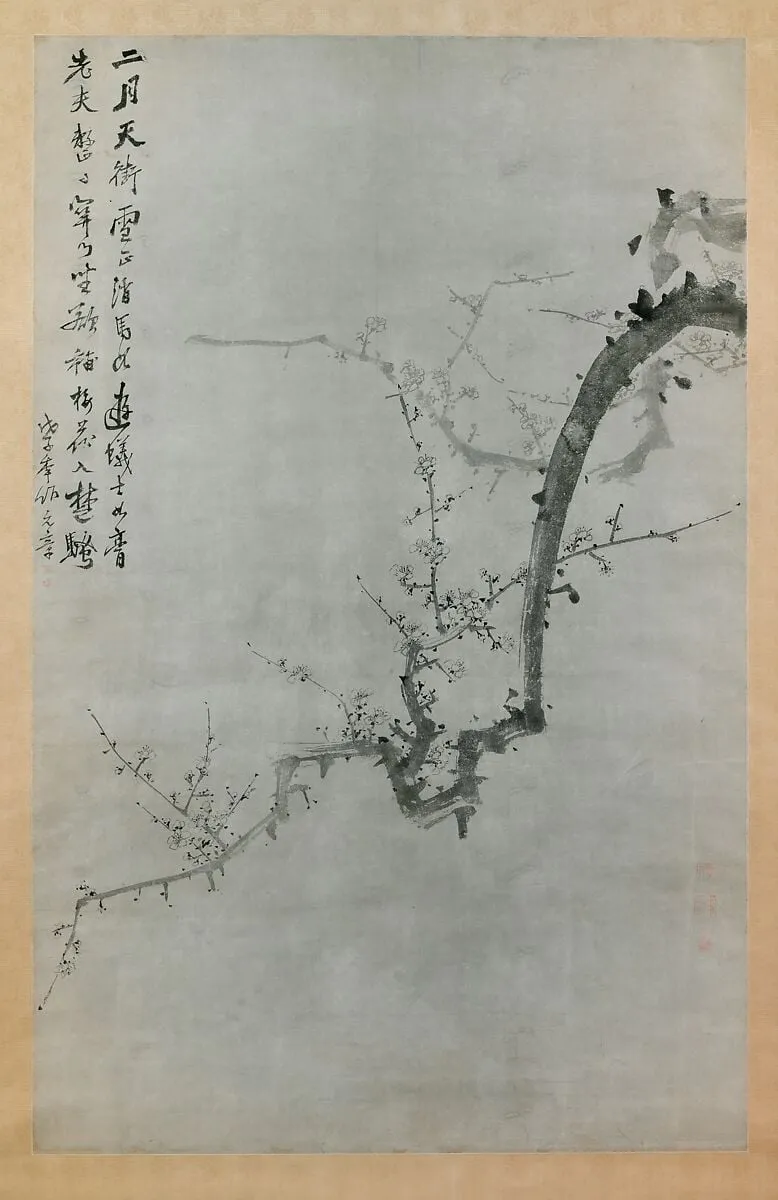
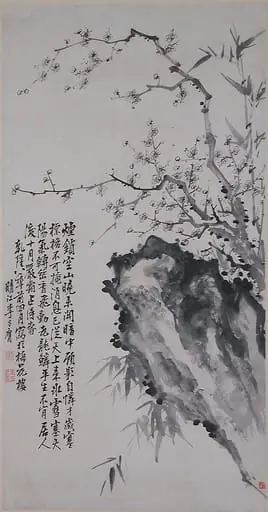
이유원 매화도 조선|李裕元 梅花圖 朝鮮|Plum Branch is an ink painting by the Impressionist artist Yi Yu-won. It dates from 1888 and is held in the collection of the Metropolitan Museum of Art.
About this work
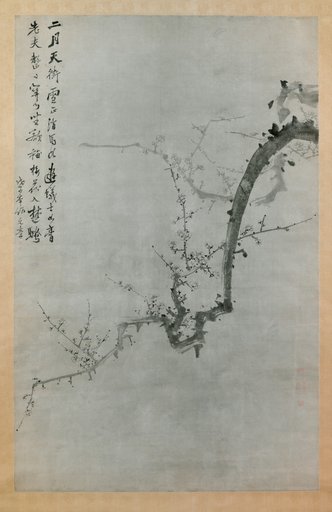
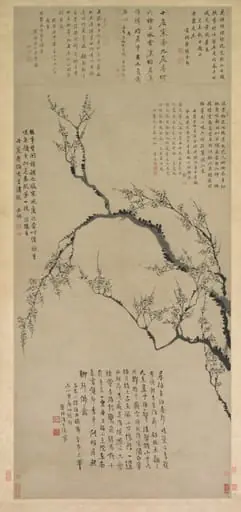
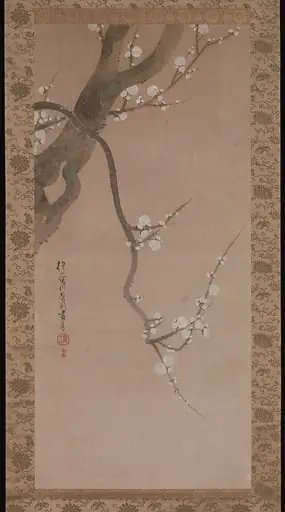
A single plum branch arches across soft paper, its dark twigs dotted with tiny white blossoms.
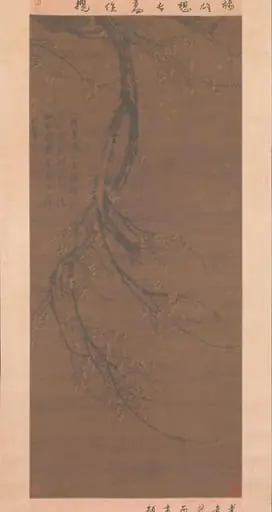
A single plum branch arches across soft paper, its dark twigs dotted with tiny white blossoms. The ink is so light in places it almost disappears.
This isn’t just a pretty flower study. The artist signed it in 1888, a time when Korea was opening to the world. The plum tree was a symbol of resilience, blooming in winter, standing firm. Here, it feels quiet, like a private moment in a changing country.
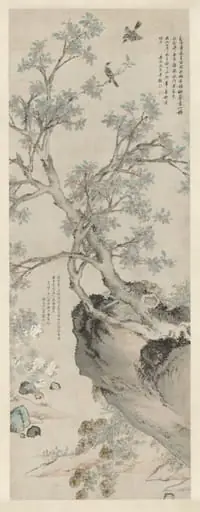
If you like this, look up trees in Korean art, there’s a whole tradition of them.
Subject & Meaning
The painting depicts a plum tree branch in full bloom, rendered with delicate ink lines and subtle washes on paper. In East Asian art, the plum blossom carries layered symbolism: it blooms in late winter, heralding the arrival of spring and renewal, while its resilience against cold mirrors Confucian ideals of steadfastness and moral integrity. The choice of plum in Korean painting of the late Joseon period often aligned with scholarly values, celebrating endurance and the refined aesthetic of unassuming beauty amid adversity.
Technique & Style
The work is executed as an ink painting on paper mounted as a hanging scroll. The artist employs monochrome ink to depict a plum branch with delicate, controlled brushwork, varying line weight to articulate twigs and blossoms. The composition remains close to the picture plane, emphasizing the organic structure of the bough against a blank background.
The scroll measures 147.5 cm in height by 94.5 cm in width. The handling favors fluid, rapid strokes for petals and branches, with denser ink reserved for defining volume and negative space.
History & Provenance
The hanging scroll titled Plum Branch was created by the Korean artist Yi Yu-won in 1888. Executed in ink on paper, the work measures 147.5 cm in height and 94.5 cm in width. The painting currently resides in the collection of the Metropolitan Museum of Art.
No specific details regarding the original commission, the chain of ownership prior to the museum, or the precise circumstances of its creation are provided in the available records. No accession number or exhibition history is documented in the available sources.
Overview
Yi Yu-won’s 1888 hanging scroll presents a solitary plum branch rendered in ink on paper. The composition is minimal: dark, sinuous twigs stretch across a light background, punctuated by delicate white blossoms. The brushwork varies from faint washes that nearly vanish to denser strokes that define the branch, creating a quiet, contemplative atmosphere.
Context
Created during a period of opening and modernization, the painting aligns with a broader Korean tradition of tree studies that convey moral and philosophical ideas. The plum branch, in particular, served as a visual metaphor for steadfastness, resonating with contemporary concerns about cultural identity and adaptation.
Artist & collection