Artwork
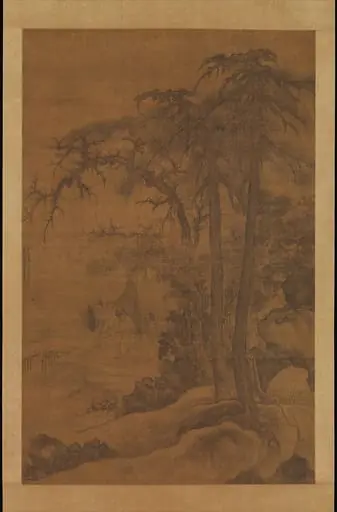
南宋 佚名 賞梅圖 軸|Scholar admiring plum blossoms
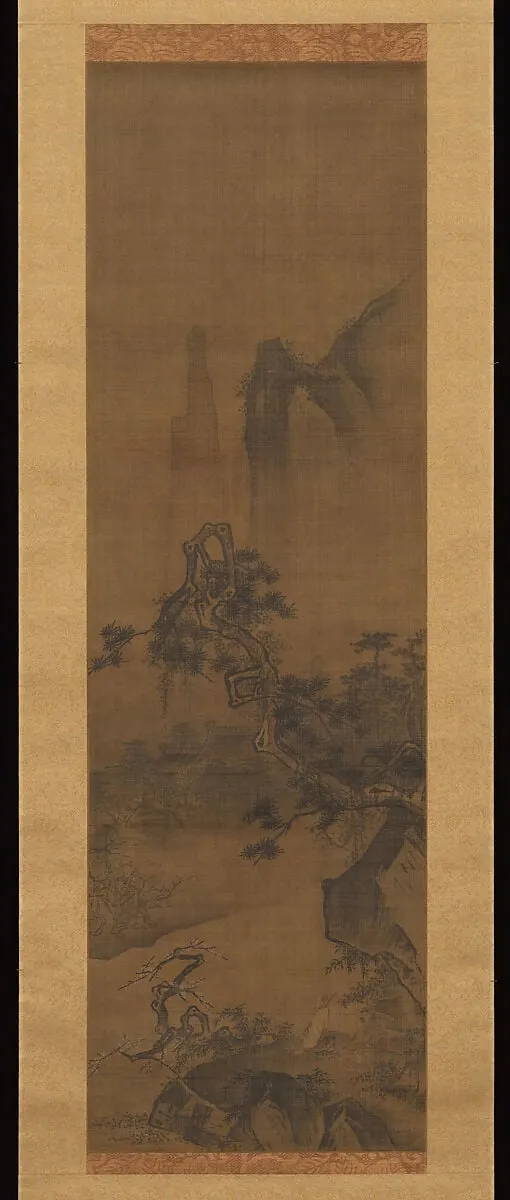
南宋 佚名 賞梅圖 軸|Scholar admiring plum blossoms is an ink painting. It dates from 1300 and is held in the collection of the Metropolitan Museum of Art.
About this work
Technique & Style
The painting is executed in ink and color on silk, mounted as a traditional hanging scroll.
The painting is executed in ink and color on silk, mounted as a traditional hanging scroll. This support and medium combination is characteristic of Southern Song painting practice, where silk provided a smooth ground suited to refined brushwork and subtle tonal washes. The work is classified as a landscape painting.
Beyond these basic material facts, the available sources do not supply further detail on brush technique, pigment composition, mounting construction, current condition, or specific stylistic features such as compositional structure or handling of ink.
History & Provenance
The hanging scroll titled Scholar admiring plum blossoms, attributed to an unknown artist of the Southern Song period, is currently held in the collection of the Metropolitan Museum of Art. The museum lists the work as a landscape painting created around the year 1300 in China. While the artwork is part of the institution's permanent holdings, the provided sources do not specify a unique accession or inventory number for this piece.
Furthermore, the available documentation does not record any specific exhibitions where the painting has been displayed, limiting the historical record of its public presentation to its general status within the museum's collection.
Overview
This anonymous Southern Song dynasty painting, titled "Scholar admiring plum blossoms," is rendered as a hanging scroll using ink and color on silk. It depicts a solitary scholar immersed in contemplation amidst a tranquil mountain landscape. The artwork captures a moment of quiet reflection, inviting viewers into a serene natural environment.
Subject & Meaning
The artwork portrays a lone scholar captivated by plum blossoms within a mountainous Chinese landscape. This peaceful scene emphasizes the figure's deep contemplation, suggesting an appreciation for nature's beauty and the symbolic significance of the plum, which often represents endurance and purity in East Asian culture. The composition evokes a sense of quietude and intellectual engagement.
Artist & collection

 明 佚名 舊傳夏珪 長江萬里圖 卷 (後半)|Second half of Ten Thousand Li of the Yangzi River
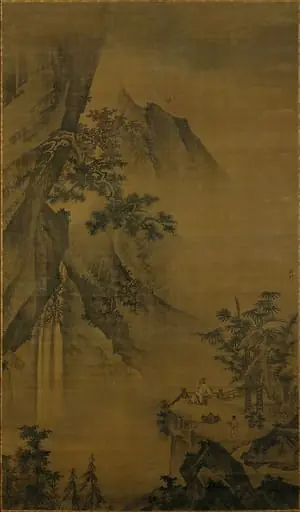 明 鍾禮 觀瀑圖 軸|Li Bai gazing at the waterfall on Mount Lu
 Untitled
 Untitled
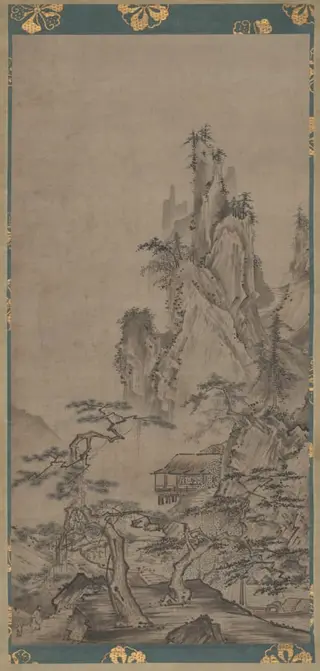 Scholar's Visit
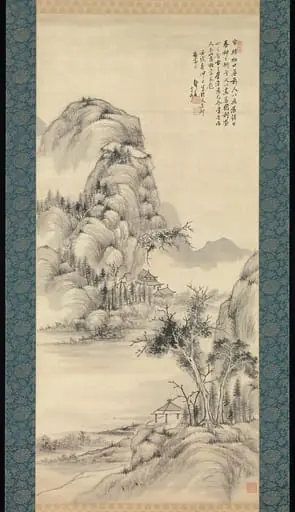 Untitled
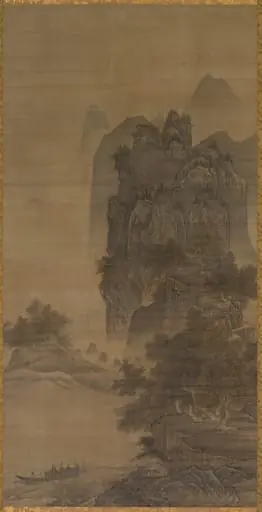 Sunset Glow over a Fishing Village, from Eight Views of Xiao-Xiang
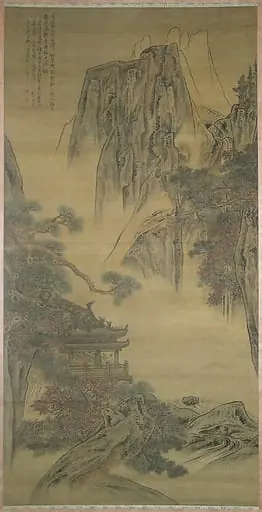 清 李寅 高閣觀瀑圖 軸|Viewing a waterfall from a mountain pavilion
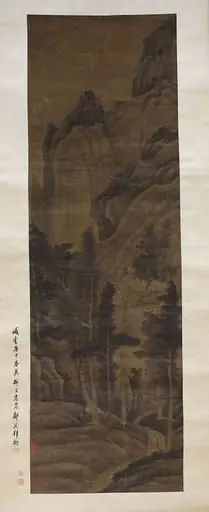 明/清 佚名 董源(僞款) 高樹叠嶂圖 軸|Mountain Landscape
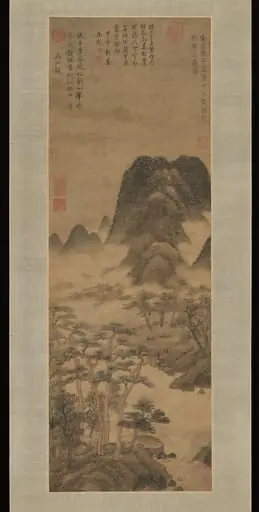 元 張羽 松軒春靄圖 軸|Spring Clouds at the Pine Studio
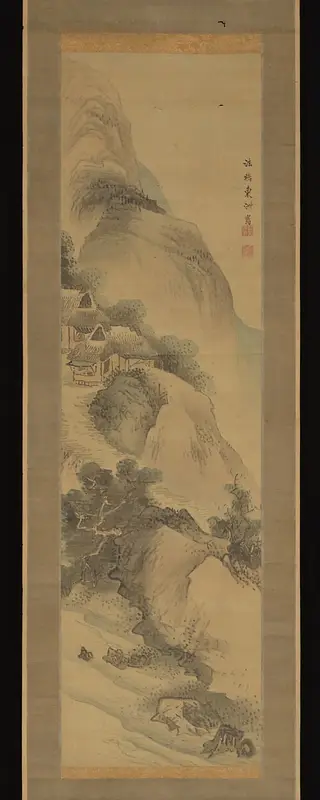 Untitled
- 元 唐棣 松溪歸漁圖 軸|Returning Fishermen