Artwork
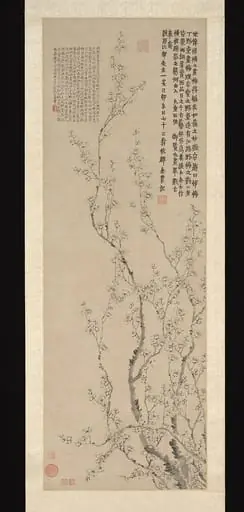
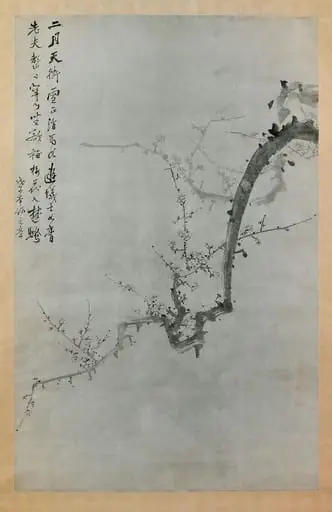
A Prunus in the Moonlight
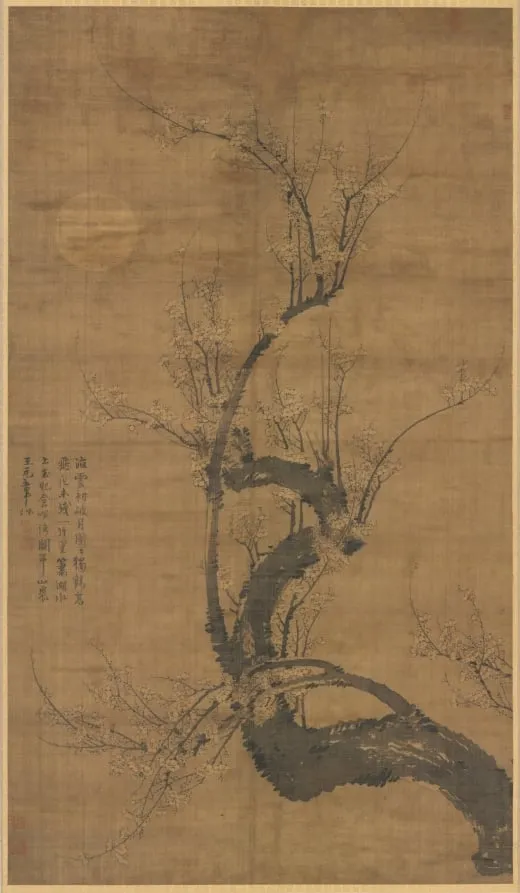
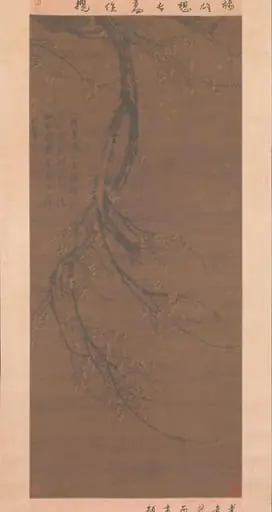
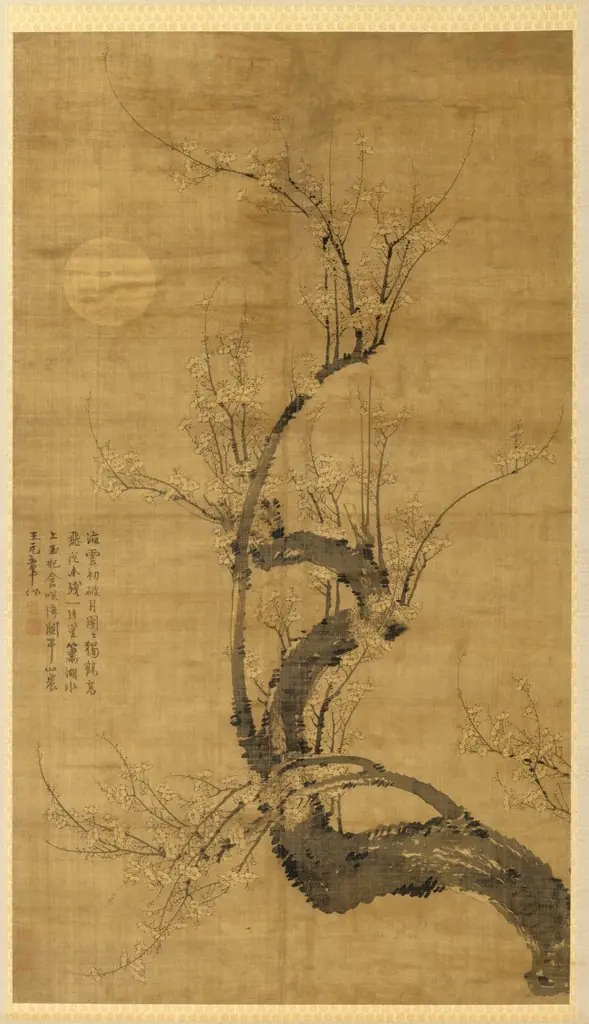
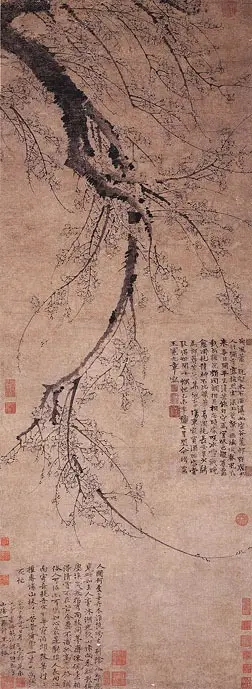
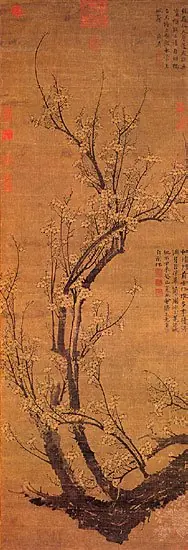
A Prunus in the Moonlight is an unspecified painting by the Yuan dynasty literati painting artist Wang Mian. It dates from 1304 and is held in the collection of the Cleveland Museum of Art. Created in the thirteenth century during the Yuan dynasty, this ink painting depicts a solitary plum branch set against an empty field.
- Accession no.
- 1974.26
- Credit line
- Leonard C. Hanna Jr. Fund
About this work
You see a single plum branch against a blank background, ink strokes so light they almost glow in the dark.
You see a single plum branch against a blank background, ink strokes so light they almost glow in the dark.
Wang Mian painted this in the 1300s, when Mongol rulers controlled China. He turned down government jobs and sold his paintings instead, plums were his specialty. The branch looks simple, but the ink is so thin it feels like moonlight on wet bark.
For more quiet ink paintings like this, look up the subject: china, yuan dynasty (1271-1368).
Overview
Created in the thirteenth century during the Yuan dynasty, this ink painting depicts a solitary plum branch set against an empty field. The composition relies on a delicate, almost translucent application of black ink that suggests the soft illumination of moonlight on bark. The work exemplifies the artist’s focus on a single botanical subject rendered with restrained elegance.
Subject & Meaning
The plum branch, a motif that gained popularity among southern Chinese painters after the Six Dynasties, symbolizes resilience and purity in adverse conditions. By isolating the branch, the artist emphasizes the plant’s inherent strength and its capacity to flourish despite the harshness implied by the stark background.
Technique & Style
Executed with exceptionally fine brushwork, the ink strokes are applied so lightly that they appear to glow in low light. The artist employs a minimal palette of ink and paper, allowing the negative space to define the composition. This approach aligns with the ink‑plum (momei) tradition, where subtle gradations convey texture and atmosphere.
History & Provenance
The painting is attributed to Wang Mian, a Zhejiang native who lived under Mongol rule. After failing the civil and military examinations and refusing official posts offered by the Mongol administration, he earned a livelihood by selling plum paintings. Although only a few of his works survive, they attest to the mature development of the ink‑plum genre in his era.
Context
During the Yuan period, many Chinese scholars turned to artistic pursuits as a form of personal expression amid foreign domination. Wang Mian’s choice to specialize in plum imagery reflects a broader cultural turn toward subjects that conveyed moral integrity and quiet resistance, resonating with contemporaneous literati values.
Artist & collection

Artist
Wang Mian (Chinese: 王冕; pinyin: Wáng Miǎn; Wade–Giles: Wang Mien; 1287–1359), courtesy name Yuanzhang (元章), also known as Zhushi Shannong, was a Chinese painter and poet active during the Yuan dynasty.