Artwork
Couplet
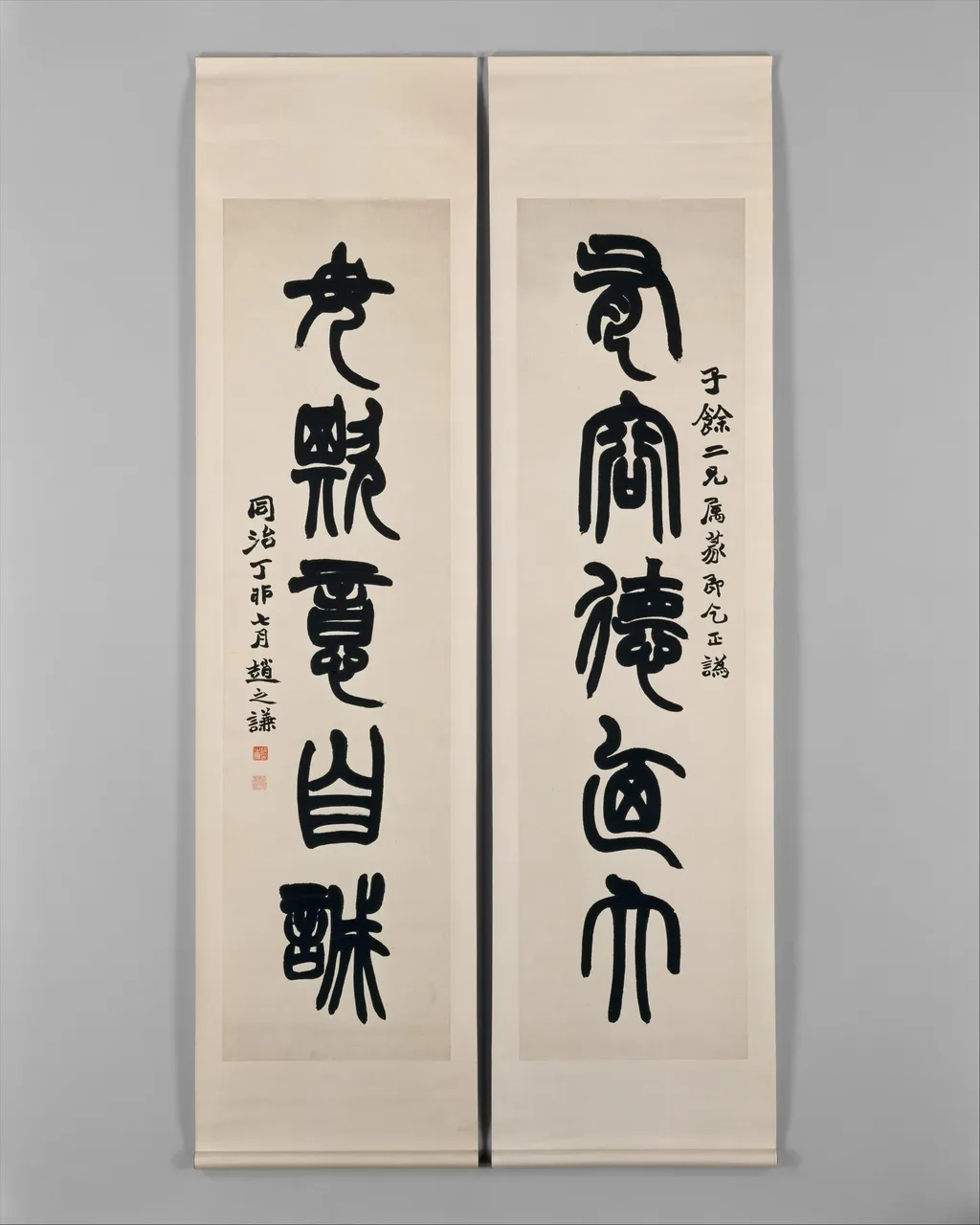
Couplet is an unspecified painting by the Chinese Orthodox School artist Zhao Zhiqian. It dates from 1867 and is held in the collection of the Metropolitan Museum of Art.
About this work
History & Provenance
The pieces currently reside in the collection of the Metropolitan Museum of Art, where they are cataloged under the accession numbers 2000.
The artwork titled Couplet was created in 1867 by the Chinese artist Zhao Zhiqian. Classified as a pair of hanging scrolls featuring calligraphy, the work dates to the mid-19th century. The pieces currently reside in the collection of the Metropolitan Museum of Art, where they are cataloged under the accession numbers 2000.345.1 and 2000.345.2.
While the specific circumstances of the original commission or the detailed ownership chain prior to the museum's acquisition are not specified in the available records, the work's inception is firmly established as 1867.
Legacy
Zhao Zhiqian's Couplet (1867) exemplifies his mature synthesis of calligraphic brushwork within the late Qing literati tradition. The work pairs two classical poetic couplets rendered in a distinctive personal script, reflecting his contribution to the integration of calligraphy and painting in 19th-century Chinese art. Its presence in the Metropolitan Museum of Art's collection has ensured continued scholarly attention to Zhao's role in bridging calligraphy and painting, securing his reputation as a significant figure in the evolution of Chinese artistic expression.
Overview
Couplet, executed by Zhao Zhiqian in 1867, consists of two slender vertical panels rendered in black ink on a light, off‑white paper. The composition is dominated by bold, irregular characters that run the length of each panel, creating a striking contrast between the dense black strokes and the subtle paper tone.
Subject & Meaning
The work presents a pair of calligraphic lines, a traditional Chinese couplet that juxtaposes two complementary phrases. Though the exact wording is not transcribed here, the format suggests a balanced dialogue, often used to convey moral or poetic ideas in a concise, mirrored structure.
Technique & Style
Zhao employs a range of brush pressures, producing thick, emphatic strokes alongside delicate, tapering lines. The ink is applied with a fluid, spontaneous hand, allowing the characters to vary in density and rhythm, a hallmark of literati calligraphy that emphasizes the artist’s personal expression.
Context
In the mid‑19th century, calligraphy remained a central scholarly pursuit in China, serving both as a medium of literary communication and as a vehicle for aesthetic refinement. Zhao Zhiqian, a noted scholar‑artist, contributed to this tradition by integrating personal brushwork into the formal structure of a couplet.
![For a hundred years [I have been] a person with no attachments](https://artifactworldgallery.com/img/jiun--for-a-hundred-years-i-have-been-a-person-with-no-attachments--b29f06e3a79d2459-w320.webp)
Own this work as a print
Artist & collection

- For a hundred years [I have been] a person with no attachments
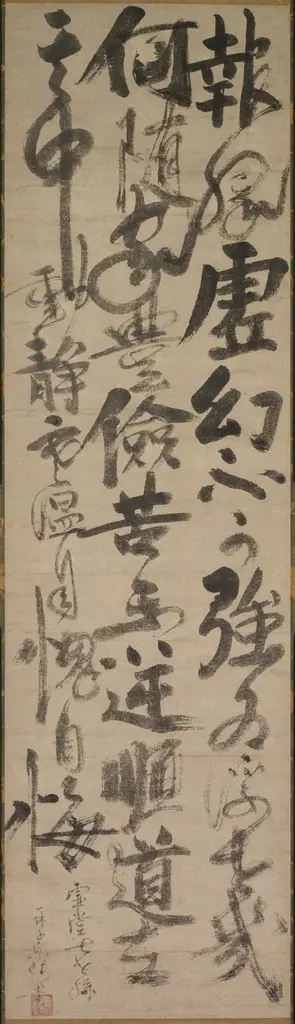 Reflections of Priest Foyen
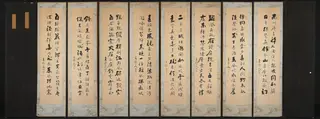 Calligraphy (reverse)
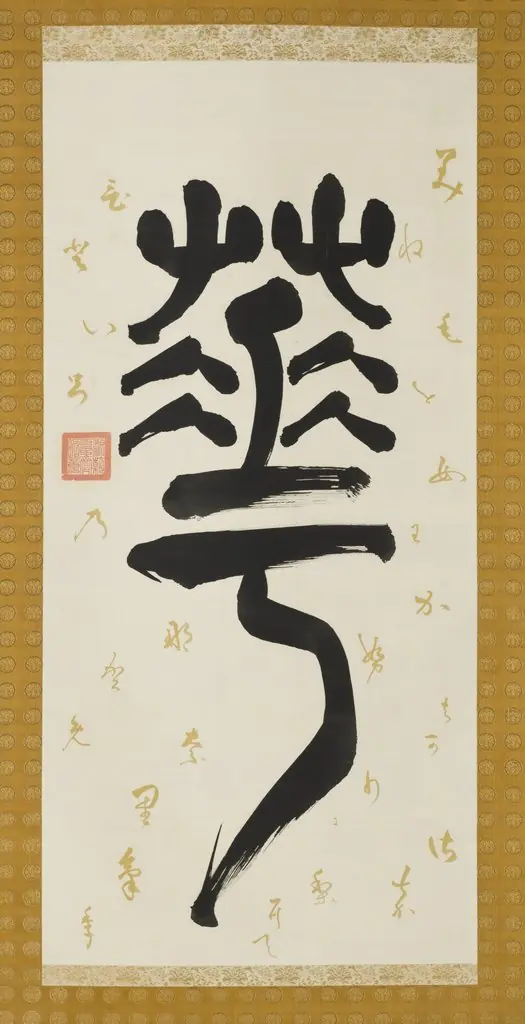 Snow, Moon, Flower Calligraphy
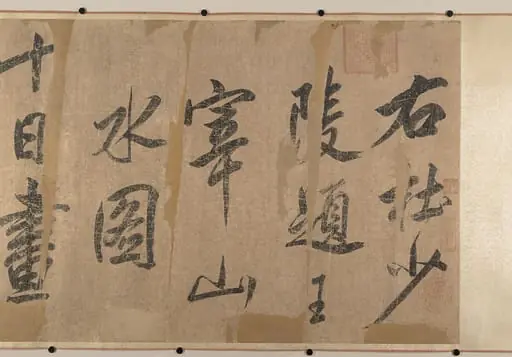 Untitled
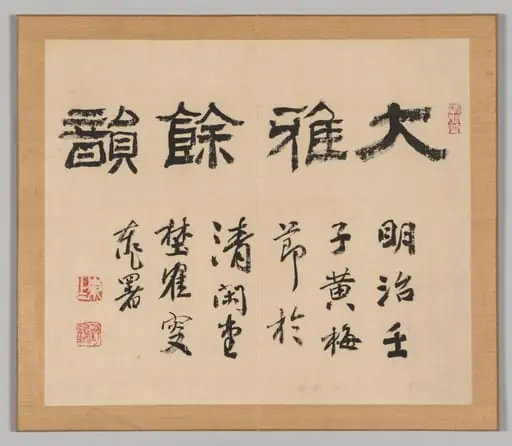 Title from "Reverberations of Taiga"
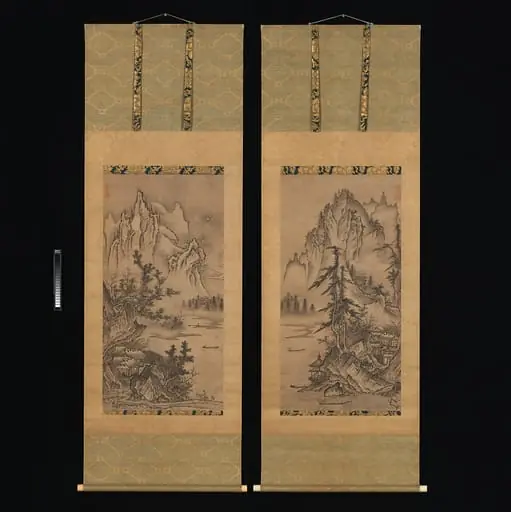 啓孫筆 四季山水図|Landscapes of the Four Seasons
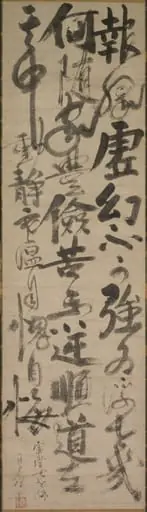 Reflections of Priest Foyen
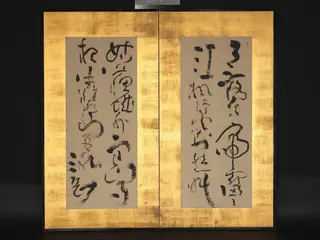 池大雅書 「楓橋夜泊」屏風|"Maple Bridge Night Mooring"
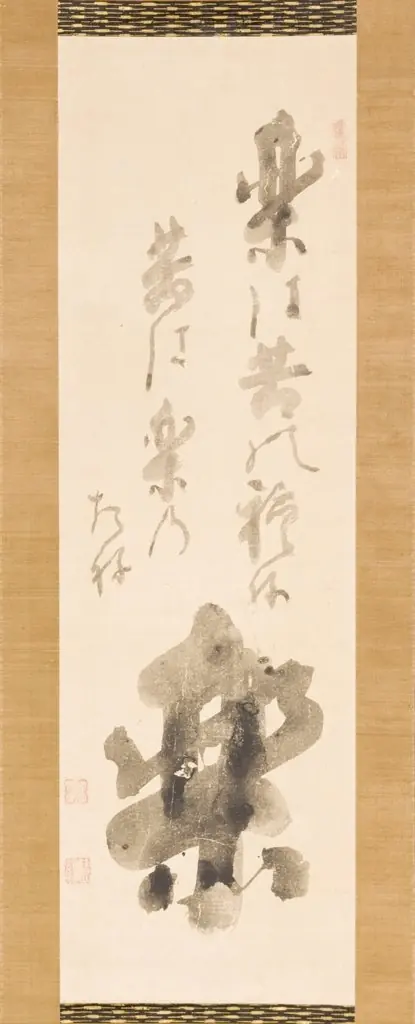 'JOY: In joy lie the seeds of sufferings; in sufferings lie the seeds of joy (RAKU: Raku wa kū no tane; Kū wa raku no tane)'
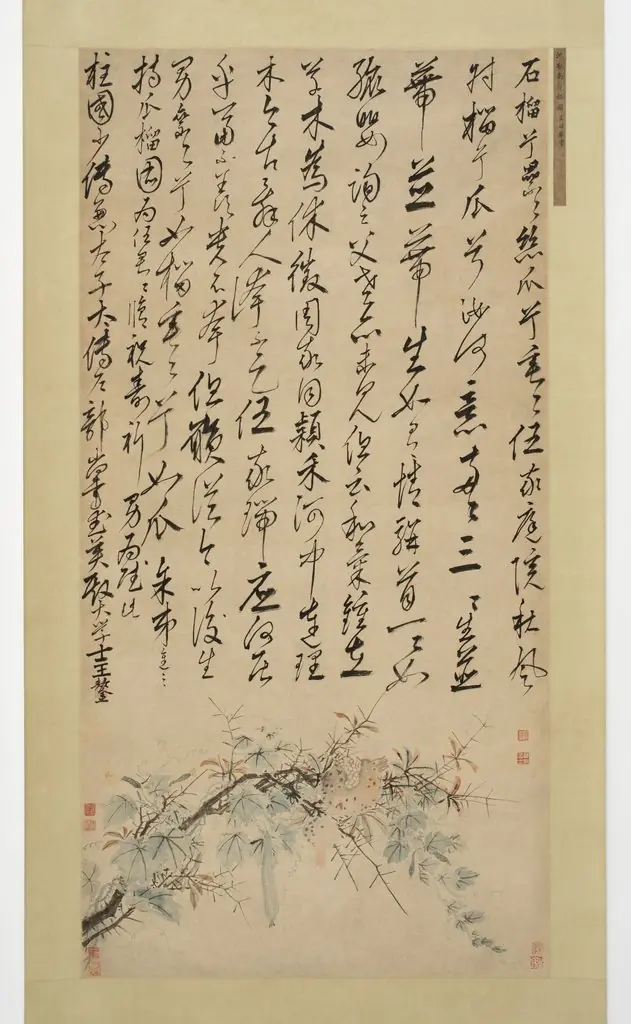 Ode to the Pomegranate and Melon Vine
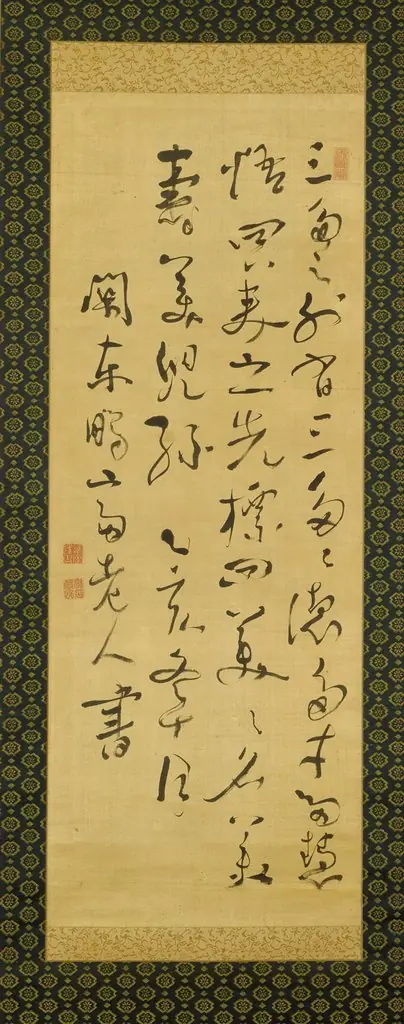 Confucian Poem