Artwork
明 佚名 朱德潤 怡樂堂圖 卷|Hall of Harmony and Joy
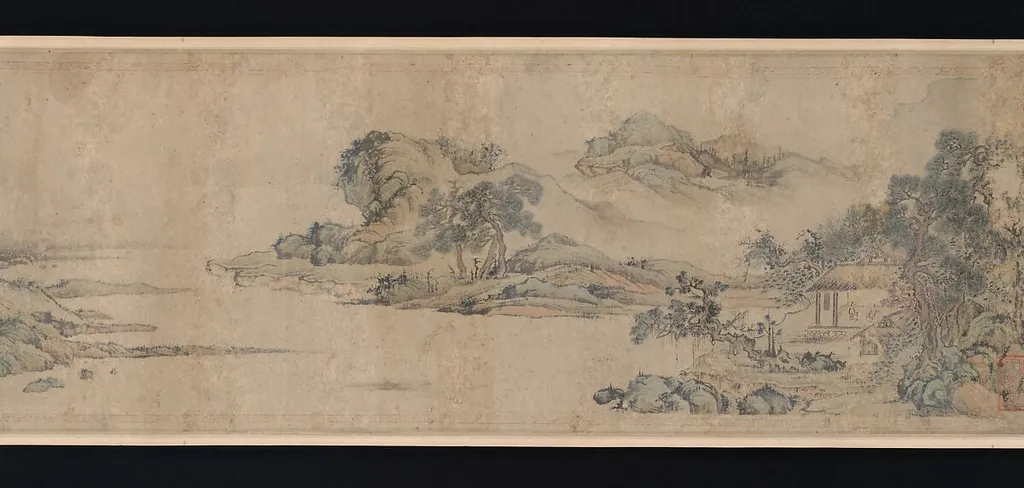
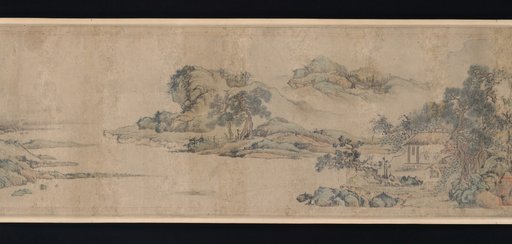
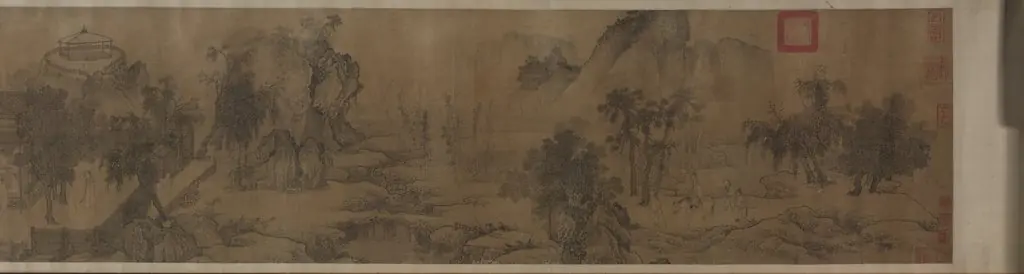
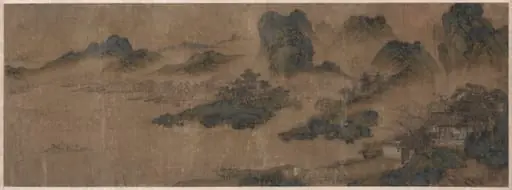
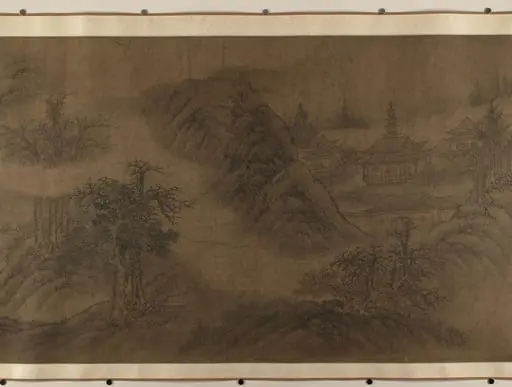
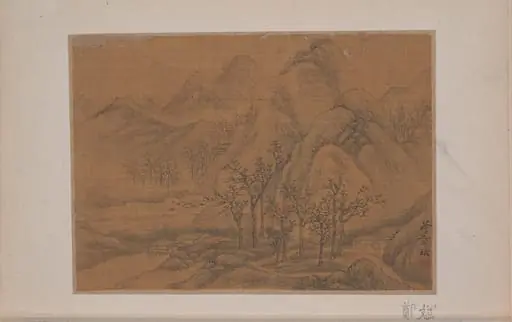
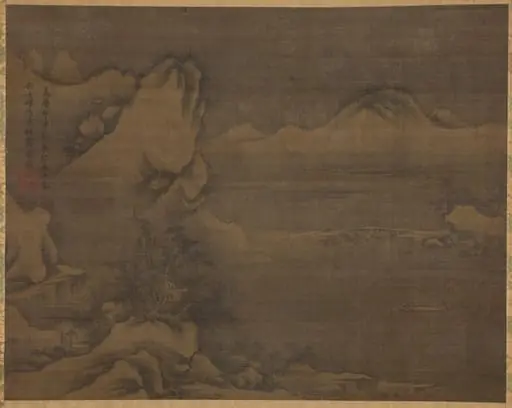
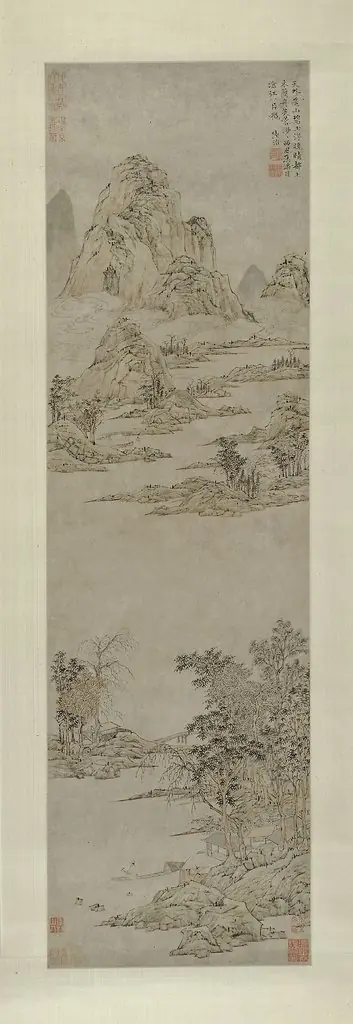
明 佚名 朱德潤 怡樂堂圖 卷|Hall of Harmony and Joy is an ink painting by the Baroque artist Zhu Derun. It dates from 1649 and is held in the collection of the Metropolitan Museum of Art.
About this work
Subject & Meaning
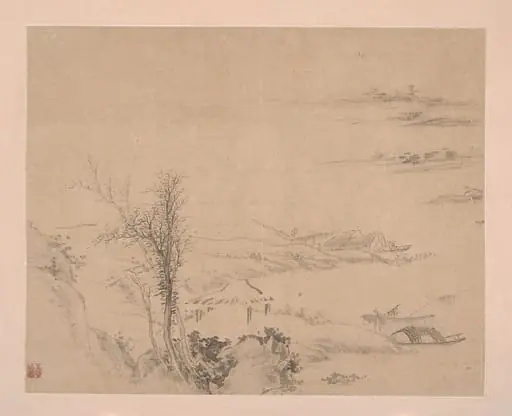
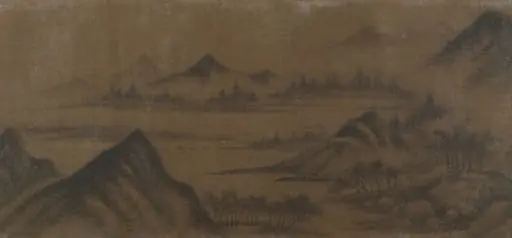
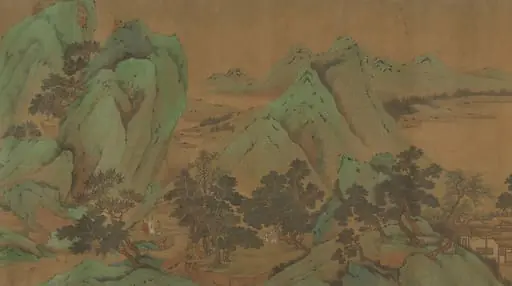
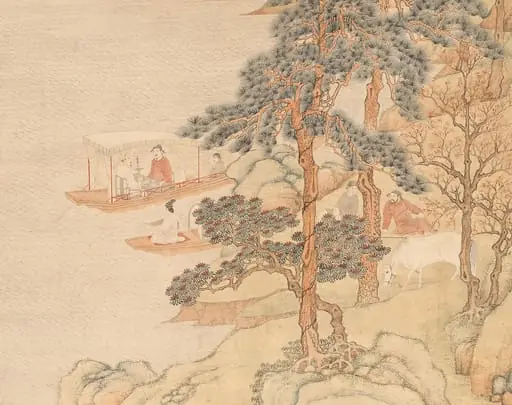
The handscroll titled Hall of Harmony and Joy, dated 1649 and attributed to Zhu Derun or an unidentified artist, depicts an architectural space that embodies the concepts of harmony and joy. As a landscape painting produced in China and now housed in the Metropolitan Museum of Art, the work uses the traditional genre to render a ceremonial hall, a motif that in Chinese visual culture symbolizes social concord and auspicious celebration. The composition’s iconography, rooted in the title, conveys a symbolic setting rather than a literal narrative, reflecting the cultural valuation of harmony as an aesthetic and moral ideal.
Technique & Style
The work belongs to the landscape painting genre and was produced by an anonymous artist, as recorded in the Metropolitan Museum of Art collection.
The handscroll titled Hall of Harmony and Joy was created in 1649 in China as an ink and polychrome painting on paper. Measuring roughly 155.6 cm in height and 24.8 cm in width, it functions as a traditional Chinese handscroll that presents a landscape scene. The work belongs to the landscape painting genre and was produced by an anonymous artist, as recorded in the Metropolitan Museum of Art collection.
Its formal composition follows the handscroll format, employing layered ink washes and subtle color accents to convey spatial depth.
History & Provenance
The handscroll titled Hall of Harmony and Joy was produced in 1649 in China by an anonymous painter, historically linked to the name Zhu Derun, using ink and color on paper. As recorded in the Metropolitan Museum of Art’s catalogue, the work entered the museum’s collection and has remained there since its acquisition. Its creation is documented as part of the landscape painting genre, reflecting contemporary Ming‑era artistic practice.
No further details about the commission or specific ownership transfers prior to the museum’s acquisition are available in the cited records.
Overview
The Hall of Harmony and Joy, a handscroll by Zhu Derun, was created in 1649 using ink and color on paper. This painting presents an expansive landscape, inviting viewers to engage with a serene natural world. The work exemplifies traditional Chinese landscape art, offering a contemplative journey through its carefully composed scenes. It reflects a common practice of depicting idealized natural environments for personal reflection and appreciation.
Context
Hall of Harmony and Joy stands within the rich tradition of Chinese landscape painting, a genre highly esteemed for its philosophical depth and aesthetic refinement. Such works often served as objects for quiet contemplation, allowing viewers to mentally escape urban life and immerse themselves in idealized natural settings. Zhu Derun's scroll contributes to this lineage, showcasing the enduring appeal of nature as a subject for artistic expression and introspection.
Artist & collection