Artwork
明/清 佚名 劉松年 偽款 山水人物圖|Garden estate
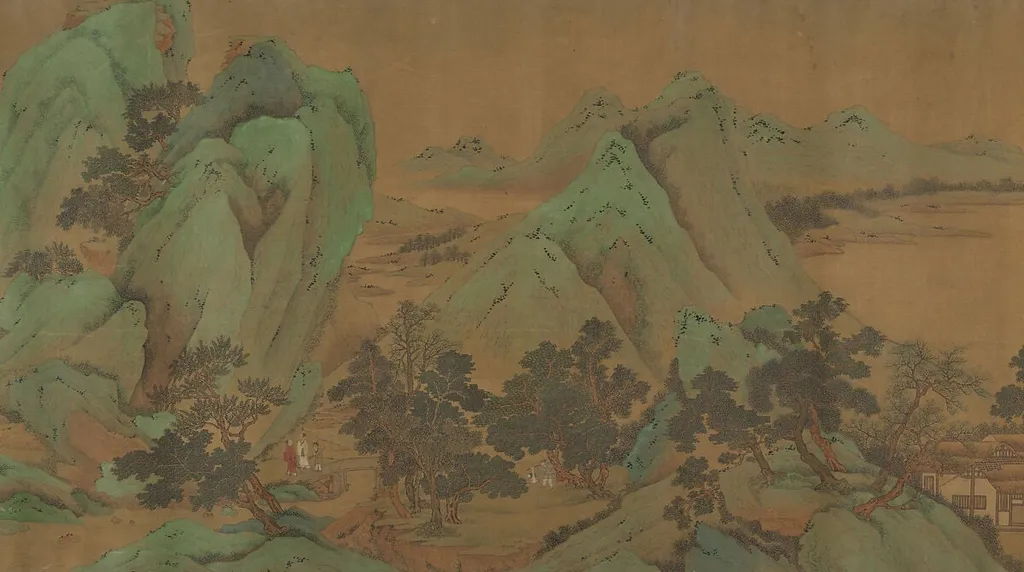
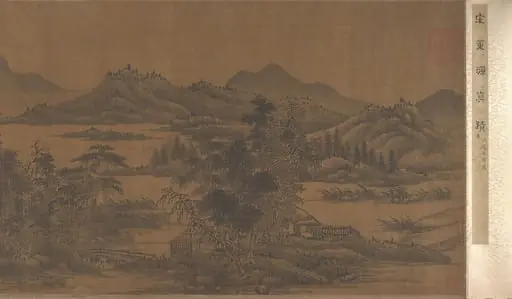
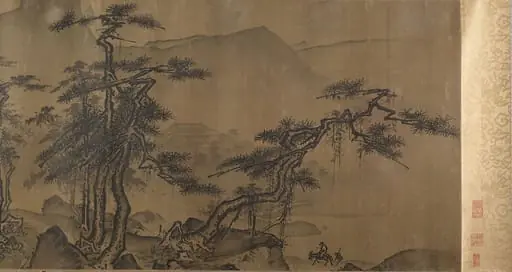
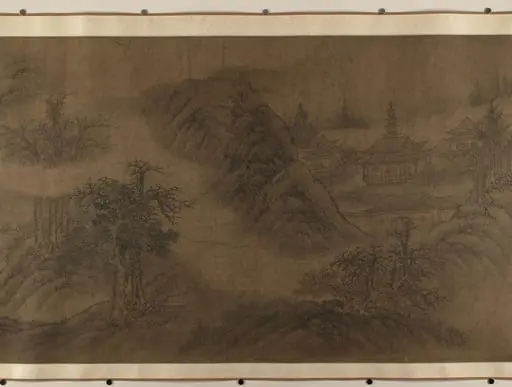
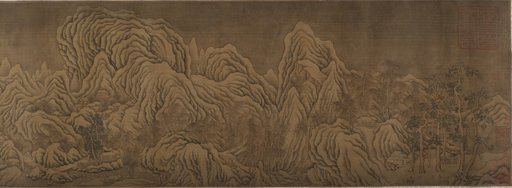
明/清 佚名 劉松年 偽款 山水人物圖|Garden estate is an ink painting by the Baroque artist After Liu Songnian. It dates from 1639 and is held in the collection of the Metropolitan Museum of Art. This handscroll, created during the Ming or Qing dynasty by an unknown artist, presents a detailed landscape.
About this work
Technique & Style
The painting's formal qualities include a balanced vertical rhythm, layered spatial depth, and a restrained palette that conveys quiet contemplation.
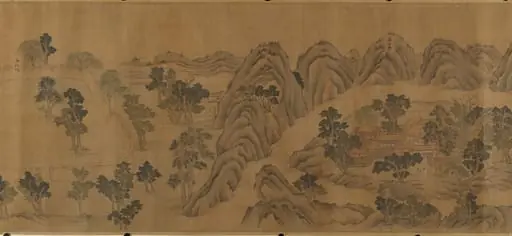
The work is executed as a handscroll on silk, employing ink with subtle polychrome washes typical of Ming‑Qing painting; the brushwork follows the refined line of Liu Songnian's compositions, emphasizing delicate contours and atmospheric perspective. Its subject, a secluded garden estate rendered with mountain and tree motifs, exemplifies the landscape genre prevalent in 17th‑century Chinese art. The painting's formal qualities include a balanced vertical rhythm, layered spatial depth, and a restrained palette that conveys quiet contemplation.
The support's flexibility suggests careful handling as a portable scroll, while the surface shows typical wear consistent with age, though detailed condition reports are absent.
History & Provenance
Created in 1639 in China, this handscroll painting on silk is attributed to an anonymous artist working in the style of Liu Songnian, though it bears a spurious signature of the master. The work, depicting a garden estate with mountains and trees, entered the collection of the Metropolitan Museum of Art. While the specific circumstances of its original commission and the intermediate ownership chain prior to its museum acquisition are not detailed in the available records, the piece is formally dated to the mid-17th century, placing its production in the late Ming or early Qing dynasty period.
Context
This handscroll, dated 1639, is attributed to an anonymous artist working during the Ming or Qing transition who employed a false signature of the Southern Song master Liu Songnian. While stylistically evoking Song dynasty landscape traditions through its depiction of mountains and trees, the work is recognized as a later imitation rather than an authentic creation by Liu. Currently held in the collection of the Metropolitan Museum of Art, the piece exemplifies the historical practice of attributing works to revered predecessors to enhance their prestige.
Its inclusion in major institutional holdings underscores its value as a document of later artistic reception and the enduring influence of Liu Songnian's style, even when the physical object is a later fabrication by an unknown hand.
Overview
This handscroll, created during the Ming or Qing dynasty by an unknown artist, presents a detailed landscape. Rendered with ink and color on silk, it depicts a serene garden estate populated by small figures. Although bearing the false signature of the Song dynasty master Liu Songnian, the painting offers a glimpse into the enduring tradition of Chinese landscape art.
Subject & Meaning
The scroll unfolds a panoramic view of towering mountains, interspersed with red-roofed pavilions nestled within the natural setting. Tiny scholarly figures are depicted strolling beneath ancient pine trees, suggesting a contemplative and leisurely existence. The overall composition evokes the tranquil atmosphere of a private garden, a common motif representing withdrawal and intellectual pursuits in Chinese art.
Artist & collection
Artist
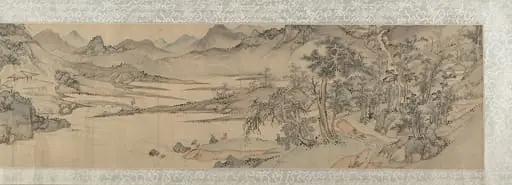
This designation identifies an anonymous painter who worked in the manner of Liu Songnian rather than the Song master himself.