Art Glossary
Still Life
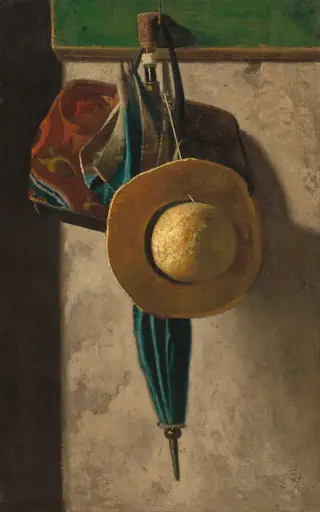
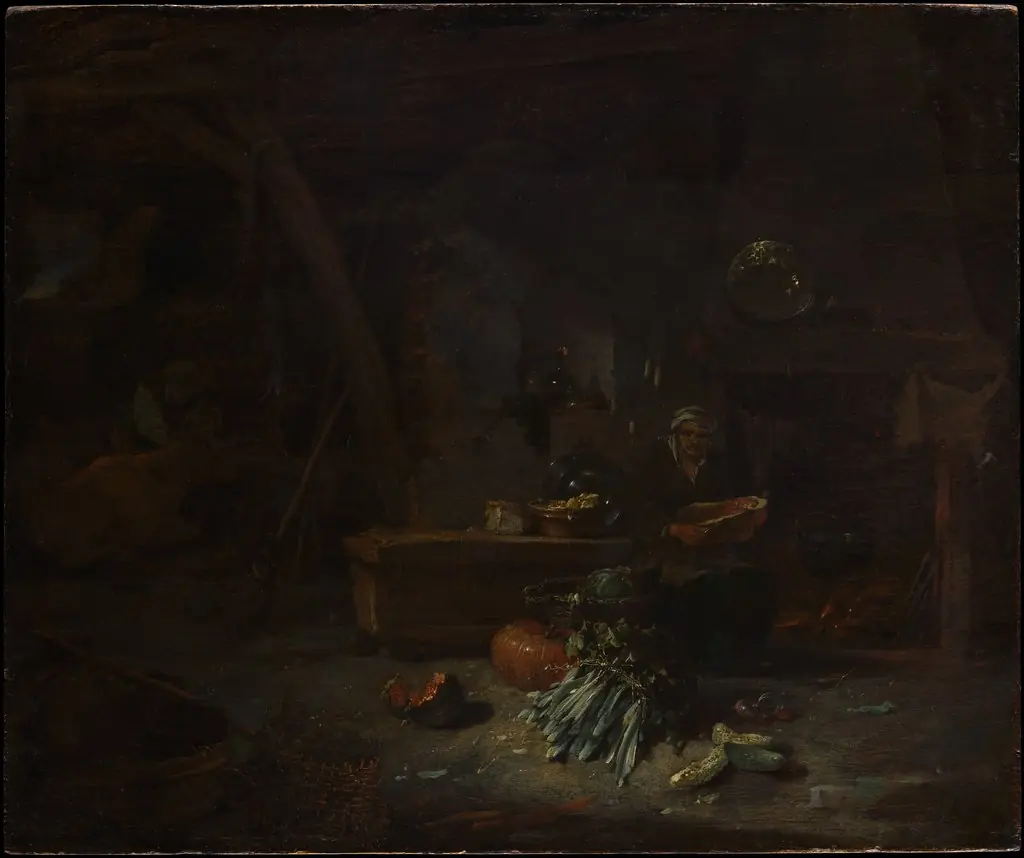
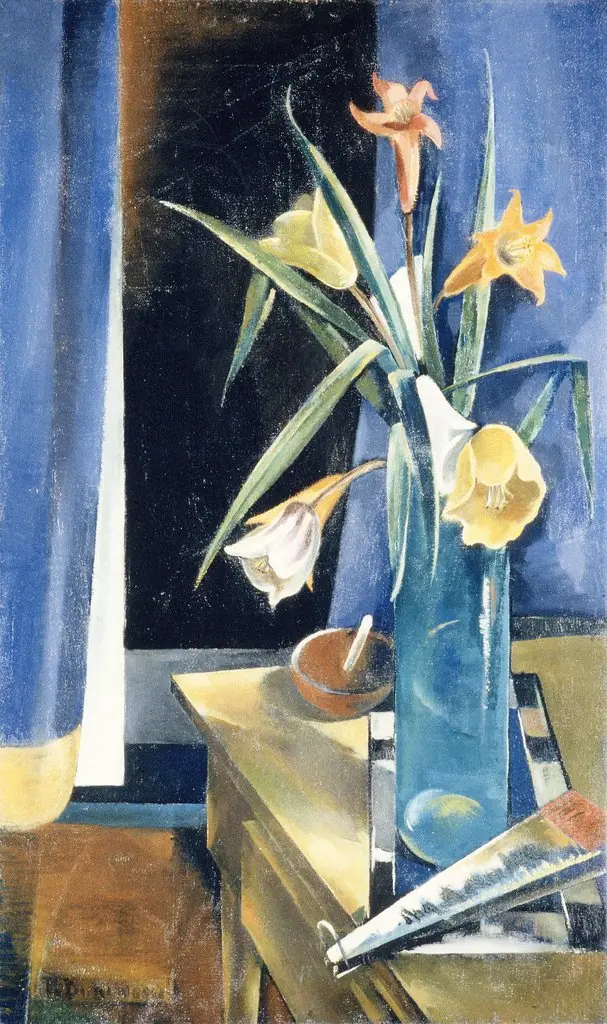
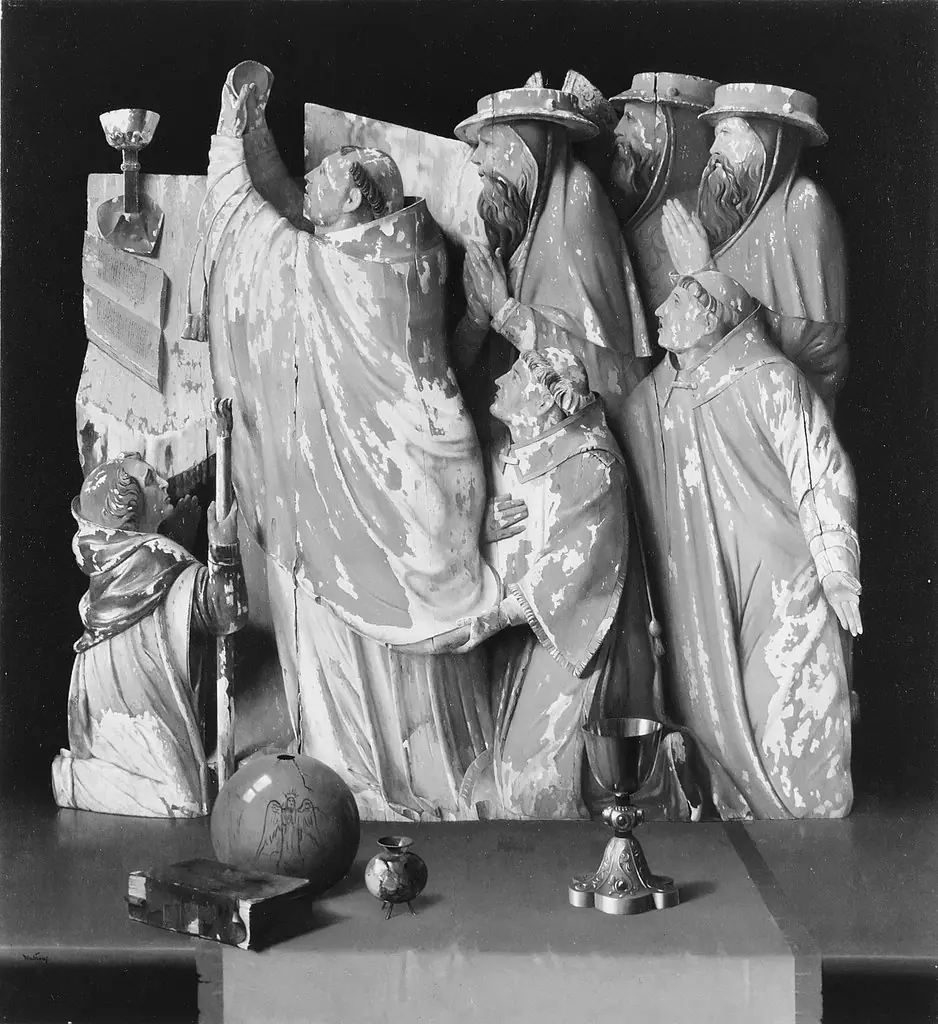
A still life is a painting of inanimate objects — typically arranged things such as fruit, flowers, vessels, food or everyday items — studied for their form, colour, texture and meaning.
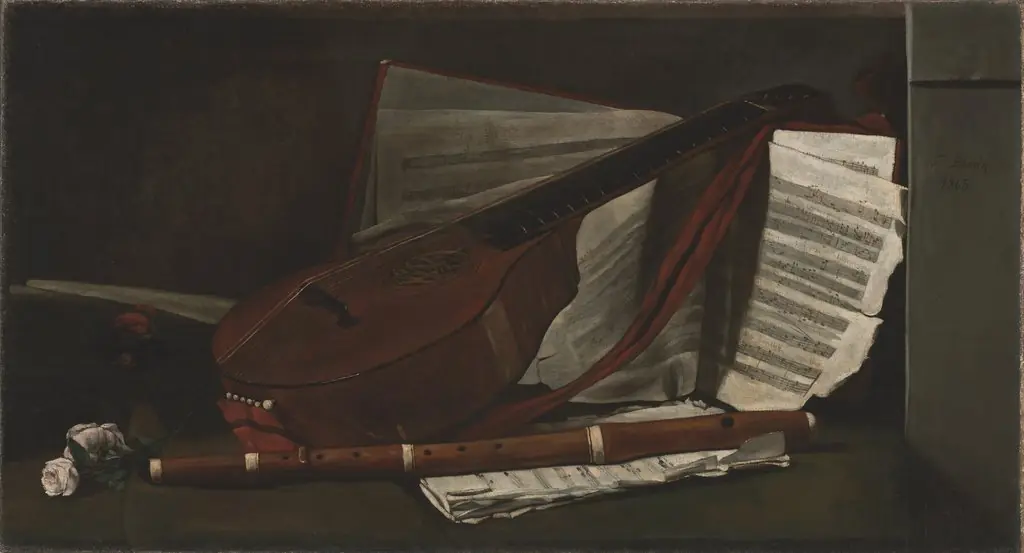
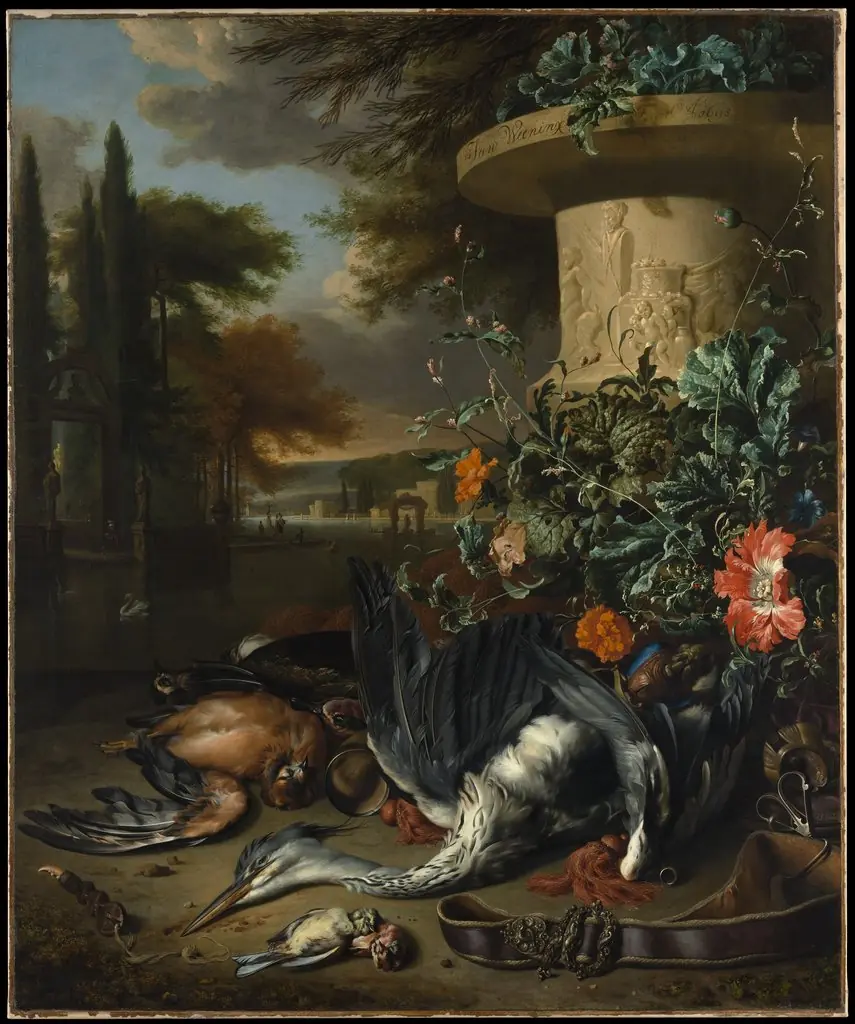
A still life depicts inanimate, mostly natural or man-made objects: flowers, fruit, dead game, glassware, tableware, books, instruments. The term comes from the Dutch stilleven, 'still (motionless) life', coined in the seventeenth century when the genre became a major specialism. The French equivalent, nature morte ('dead nature'), gives the subject a darker tinge.
Like genre painting, still life ranked low in the academic hierarchy because it lacked elevated human action — yet it became a vehicle for some of the most concentrated painting ever made. Freed from narrative, the still-life painter could devote total attention to the rendering of surfaces: the bloom on a grape, the dew on a petal, the reflection in a silver cup, the translucence of glass. The Dutch and Flemish masters turned this into virtuosity; in flower painting, in the lavish pronkstilleven of luxury goods, and in the moralising vanitas, objects carried symbolic as well as visual weight.
Still life has remained a laboratory for painters ever since. Chardin gave humble kitchen objects a grave, ordered calm; Cézanne used apples and a tablecloth to rebuild the structure of seeing itself; and the Cubists returned again and again to the bottles and guitars of the studio table. Stripped of incident, the genre lets the painter address the most basic questions of form, colour and space.
To read a still life, look first at the handling of light on different materials, then at the arrangement — and, where the objects are symbolic, at what their selection and condition are quietly telling you about time, plenty or mortality.
In the collection
Frequently asked
What is a still life?
A still life is a painting of inanimate objects such as fruit, flowers, vessels and food, studied for their form, colour, texture and symbolic meaning.
Why is it called still life?
The term comes from the Dutch stilleven, meaning "still (motionless) life"; the French nature morte means "dead nature".