Art Glossary
Vanitas /VAN-ih-tas/
A vanitas is a type of symbolic still-life painting that uses objects such as skulls, guttering candles and decaying flowers to remind the viewer of the certainty of death and the emptiness of worldly things.
Vanitas takes its name from the opening of Ecclesiastes — Vanitas vanitatum, omnia vanitas, 'Vanity of vanities, all is vanity' — and names a moralising branch of still-life painting that flourished in the Netherlands and Flanders in the seventeenth century. At a moment of unprecedented Dutch wealth and a strongly Protestant moral culture, the vanitas offered a way to enjoy the depiction of beautiful objects while warning against attachment to them.
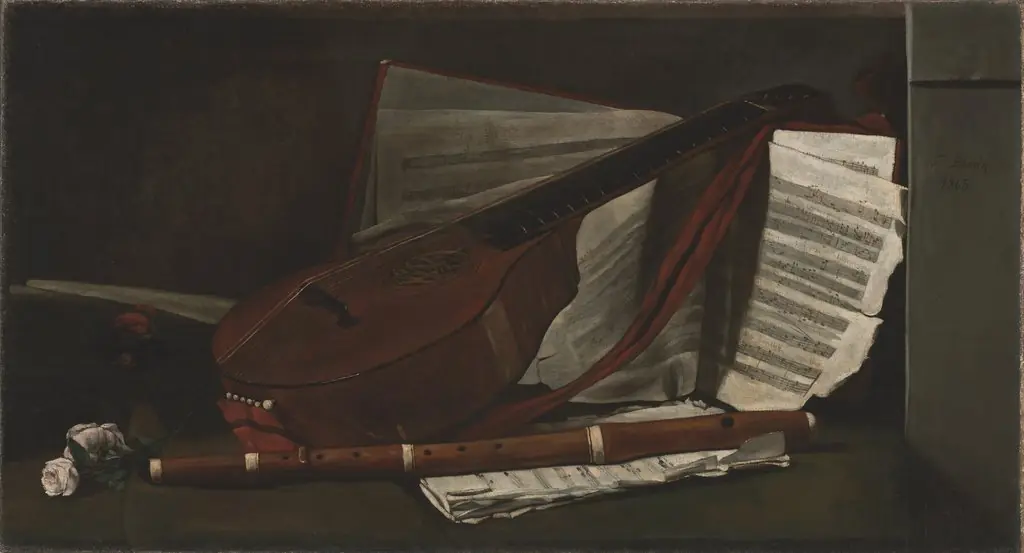
The genre works through a settled vocabulary of symbols. A skull is the plainest memento mori; a snuffed or guttering candle marks the passage of time; an hourglass or watch measures it; bubbles and cut flowers stand for the brevity of life; books, instruments and coins represent the vanity of learning, art and wealth, all of which death renders meaningless. The painter's skill in rendering these objects — the gleam on glass, the bloom on a fruit — is itself part of the message, since that very beauty is what will pass.
Vanitas overlaps with the related pronkstilleven (the sumptuous still life of luxury goods) but reverses its values: where the pronk picture celebrates abundance, the vanitas undercuts it. The mood is contemplative and melancholic by design.
To read a vanitas, look past the obvious skull to the smaller signs of decay — a fly on the fruit, a fallen petal, an extinguished wick. These quiet interruptions are the painting's argument, addressed directly to the viewer who will one day share their fate.
In the collection

Frequently asked
What is a vanitas painting?
A vanitas is a symbolic still life that uses objects like skulls, candles and wilting flowers to remind viewers of death and the transience of earthly things.
Where did vanitas painting come from?
Vanitas flourished in the seventeenth-century Netherlands and Flanders, combining Protestant moral seriousness with a new appetite for depicting objects.