Art Glossary
Genre Painting
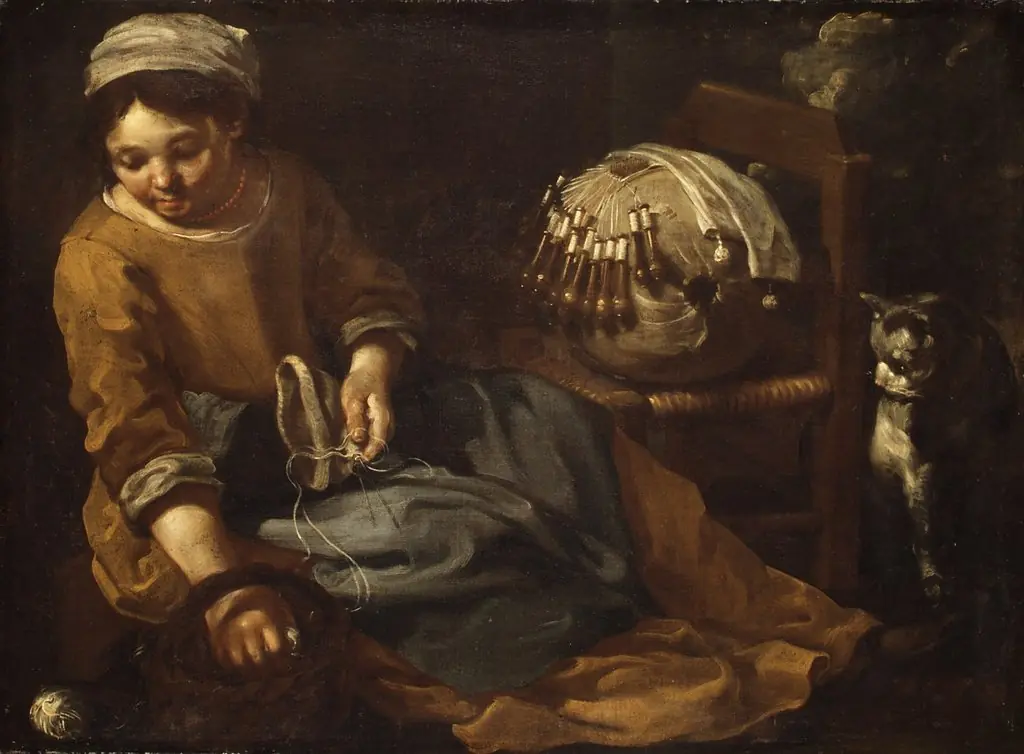
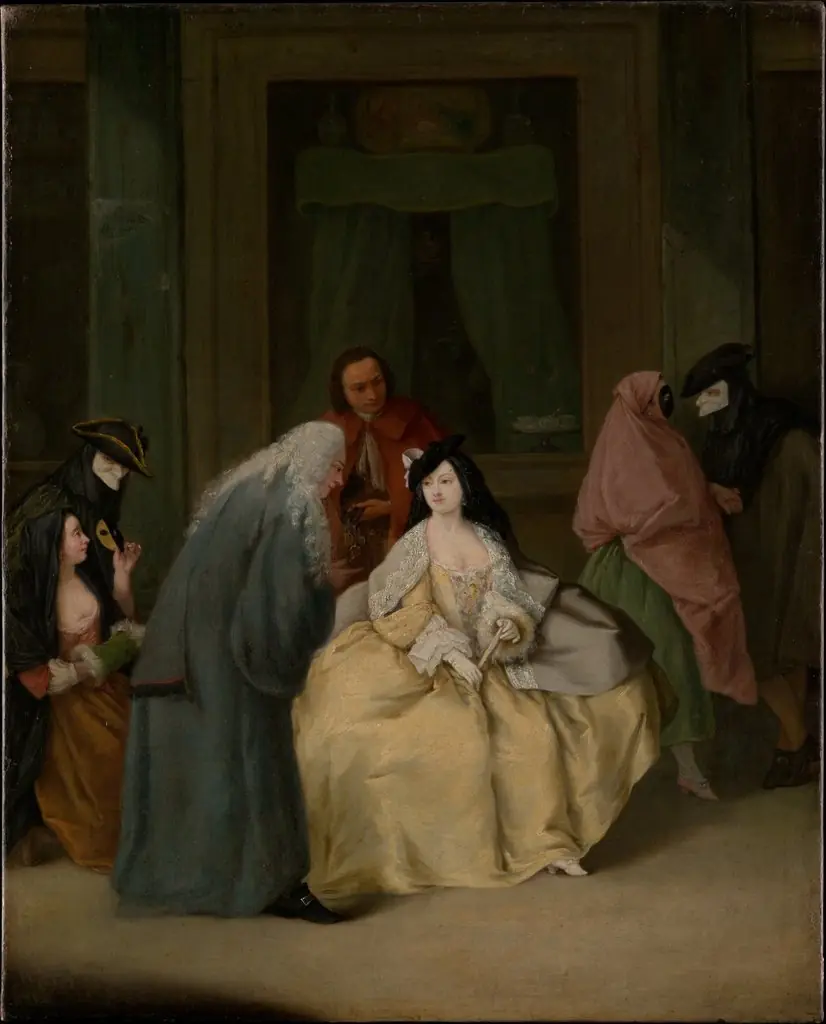
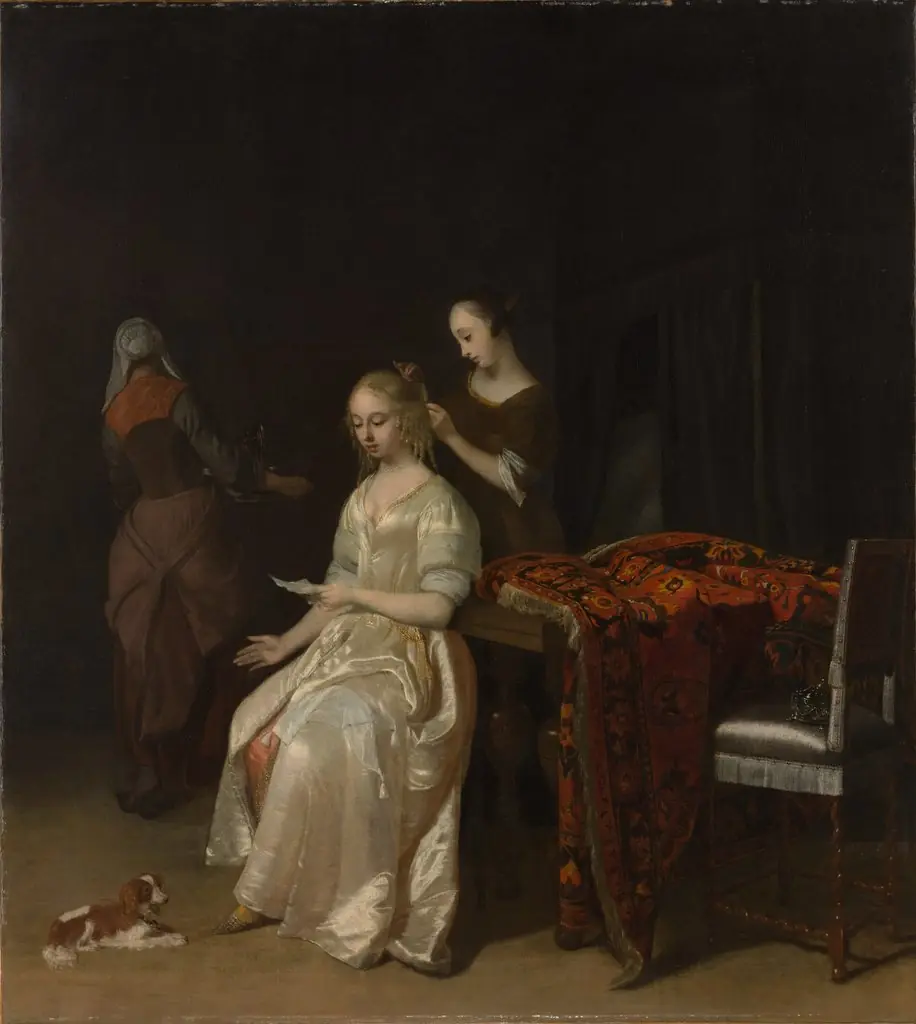
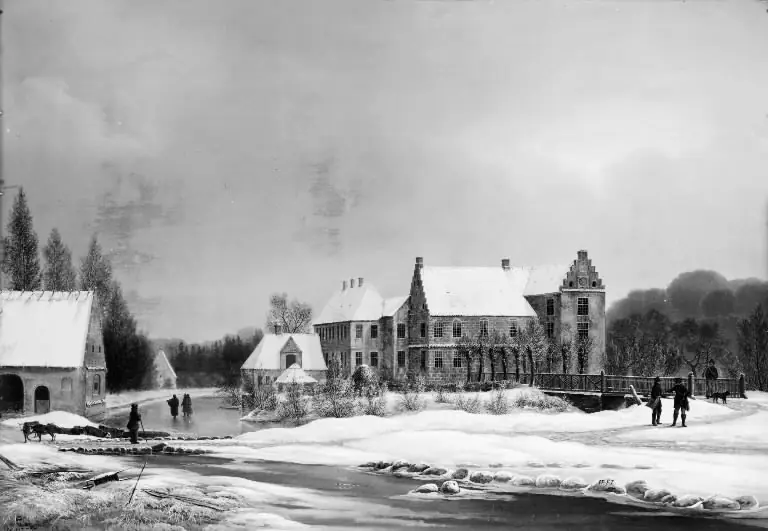
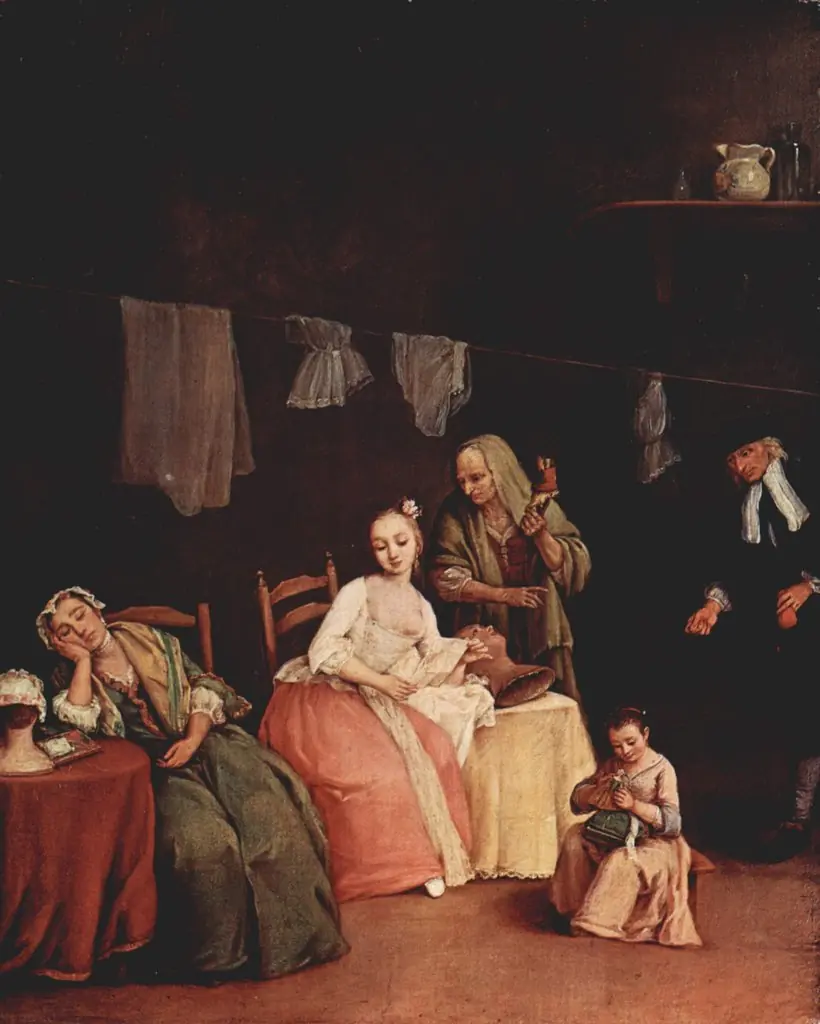
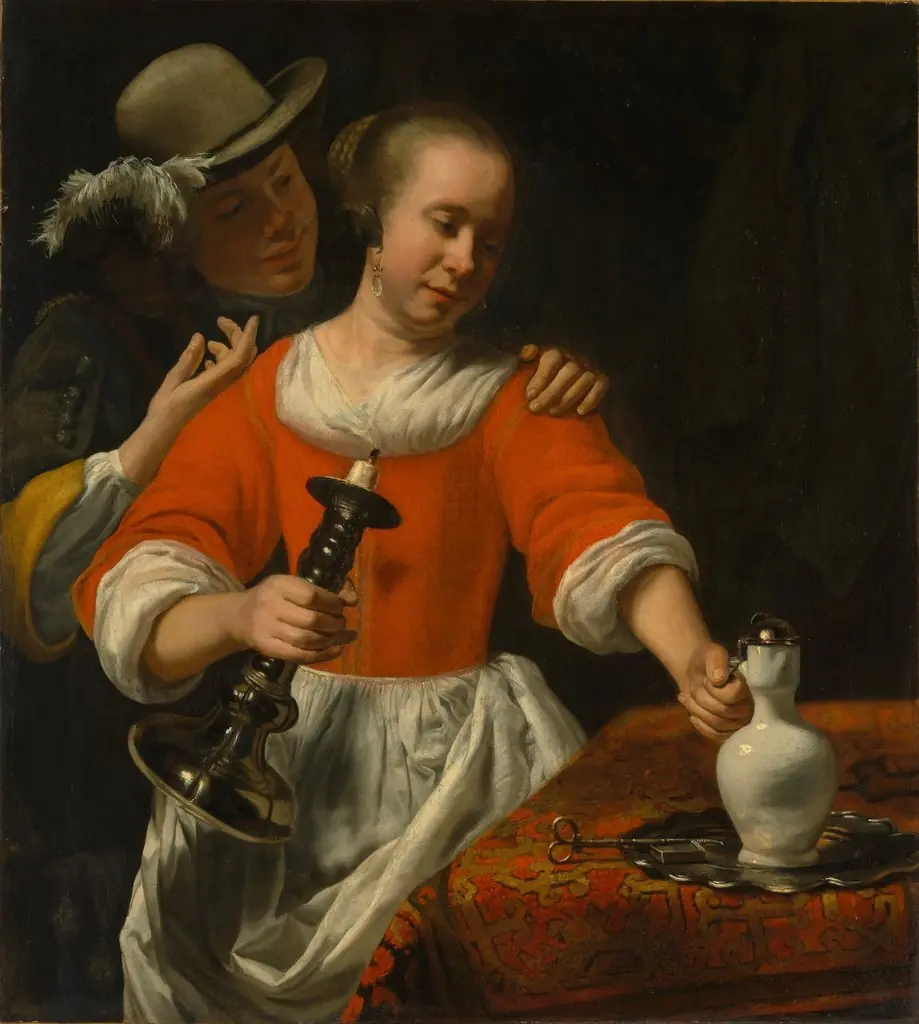
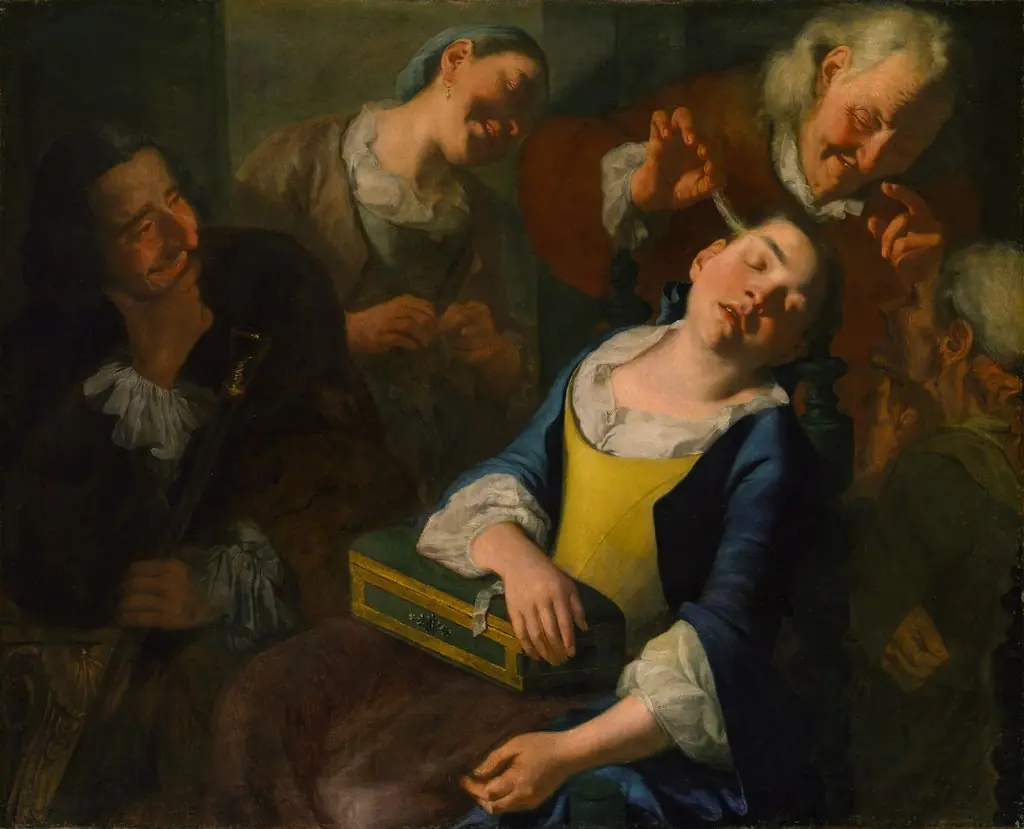
Genre painting is the depiction of scenes from everyday life — domestic interiors, taverns, markets, work and play — featuring ordinary, anonymous people rather than named historical or religious figures.
Genre painting (in this sense the word means a category of subject, not style) is the art of everyday life: a maid pouring milk, peasants at a wedding, card players in a tavern, children at their games. Its figures are anonymous types rather than identified individuals, and its scenes are ordinary rather than momentous — which is precisely what once made it controversial.
In the academic hierarchy of genres codified in seventeenth-century France, such scenes ranked low, well beneath history painting, because they depicted the commonplace rather than the noble and instructive. Yet genre painting flourished, above all in the Dutch Golden Age, where a prosperous middle-class market wanted pictures of recognisable life. Jan Steen's boisterous households, Gerard ter Borch's quiet domestic moments, Adriaen van Ostade's peasants and the luminous interiors of Vermeer and Pieter de Hooch are all genre painting at its height.
The genre scene is rarely as simple as it looks. Many Dutch examples carry a moral or proverbial subtext beneath their surface naturalism — a warning about idleness or drink, a comment on courtship — so that the everyday image doubles as instruction. Later, painters such as Chardin in France and the social realists of the nineteenth century gave the ordinary a new dignity and weight.
To read a genre painting, attend to the small narrative clues — a glance, a gesture, an object — that turn an apparently neutral slice of daily life into a quiet story or moral, told in the language of the commonplace.
In the collection
Frequently asked
What is genre painting?
Genre painting depicts scenes of everyday life — domestic, tavern, market and working scenes — featuring ordinary anonymous people rather than named historical figures.
Where did genre painting flourish?
Genre painting reached its height in the Dutch Golden Age, where a prosperous middle class wanted pictures of recognisable everyday life.