Art Glossary
Glaze
A glaze is a thin, transparent layer of paint laid over a dry underlayer to modify its colour and depth, allowing light to pass through and reflect back.
Glazing is one of the central techniques of traditional oil painting. A glaze is a film of paint made transparent by thinning the pigment with a great deal of medium, then brushed over an already dry layer beneath. Because the glaze is see-through, light passes down through it, strikes the opaque layer below, and reflects back up through the coloured film — producing a glowing, jewel-like depth that cannot be achieved by mixing the same colours on the palette and applying them in a single opaque stroke.
The technique was perfected by the early Netherlandish painters, whose luminous reds and greens depend on glazes over carefully prepared grounds, and it remained the backbone of academic oil practice for centuries. Glazing allows great subtlety: a painter can deepen a shadow, warm a flesh tone, or unify a passage by floating a thin coloured veil across it, adjusting the result gradually rather than all at once.
Glazing is the natural partner of its opposite, scumbling — a thin, broken layer of opaque or semi-opaque light paint dragged over a darker one. Together the two techniques give the oil painter a way to build colour optically, in transparent and translucent layers, much as light itself behaves.
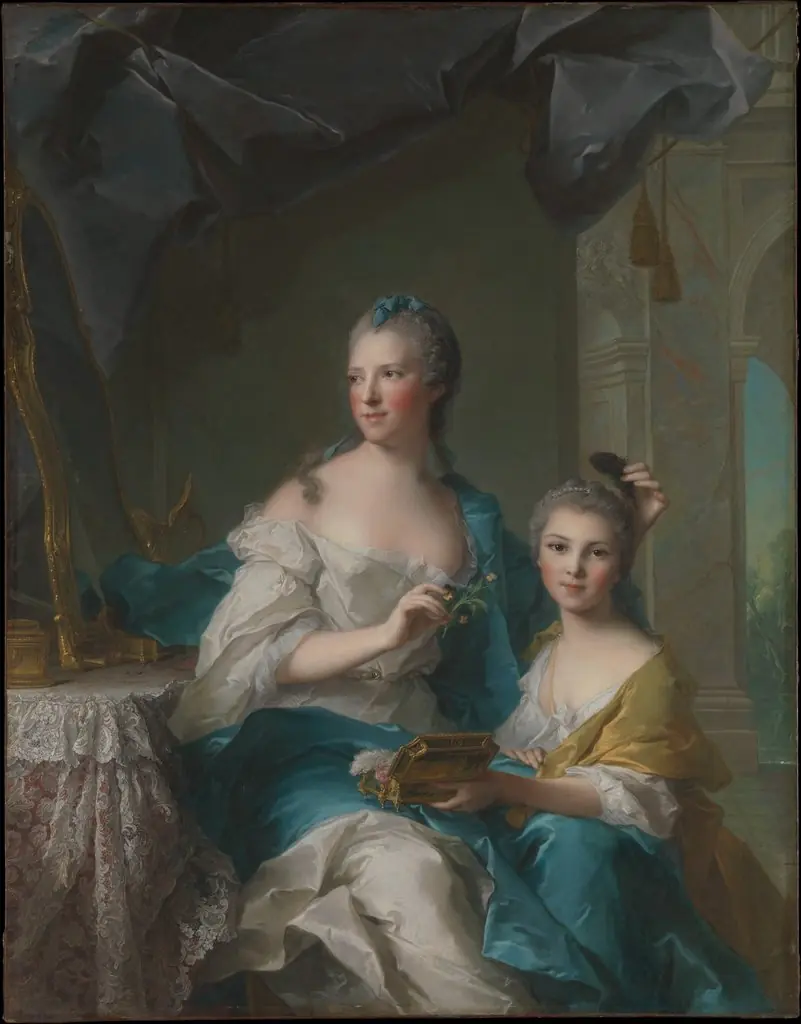
Glazes demand patience, since each layer must dry before the next is applied, and the build-up can run to many films. To recognise glazing, look for colours that seem to glow from within rather than sit on the surface — the depth of an old master's shadow or the richness of a drapery is very often the work of successive transparent veils.
In the collection

Frequently asked
What is a glaze in oil painting?
A glaze is a thin transparent layer of paint applied over a dry layer to deepen and modify its colour, letting light reflect back through the film for a glowing effect.
Why do painters use glazes?
Glazes build colour optically in transparent layers, producing a depth and luminosity that cannot be matched by a single opaque application of the same colour.