Art Glossary
Tenebrism /TEN-uh-briz-um/
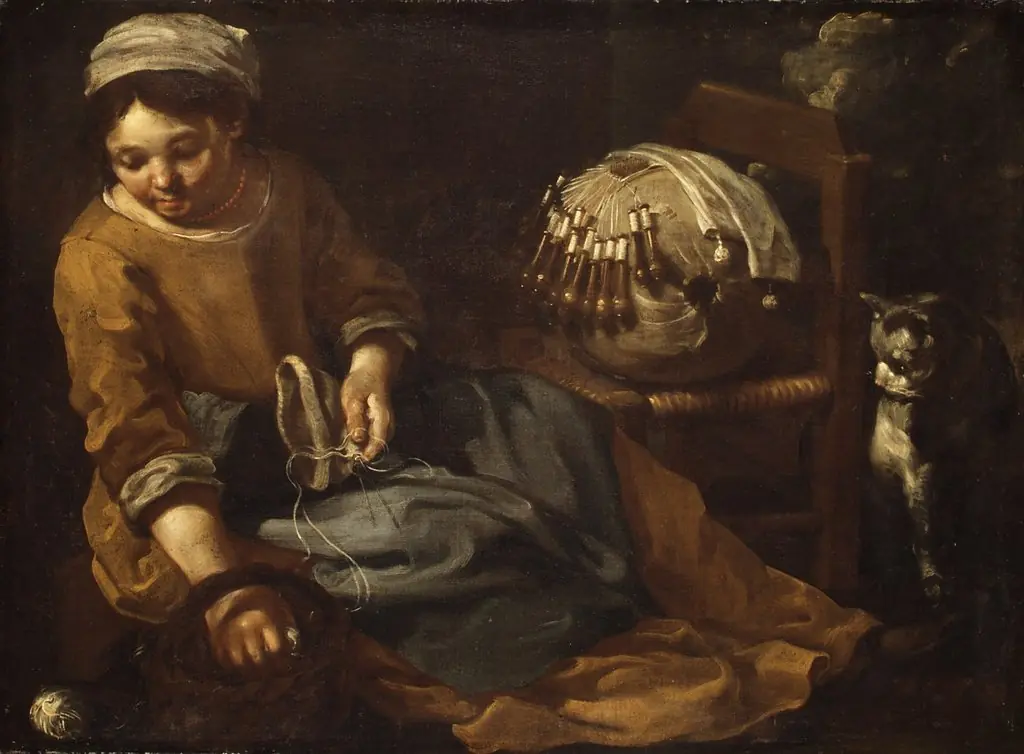
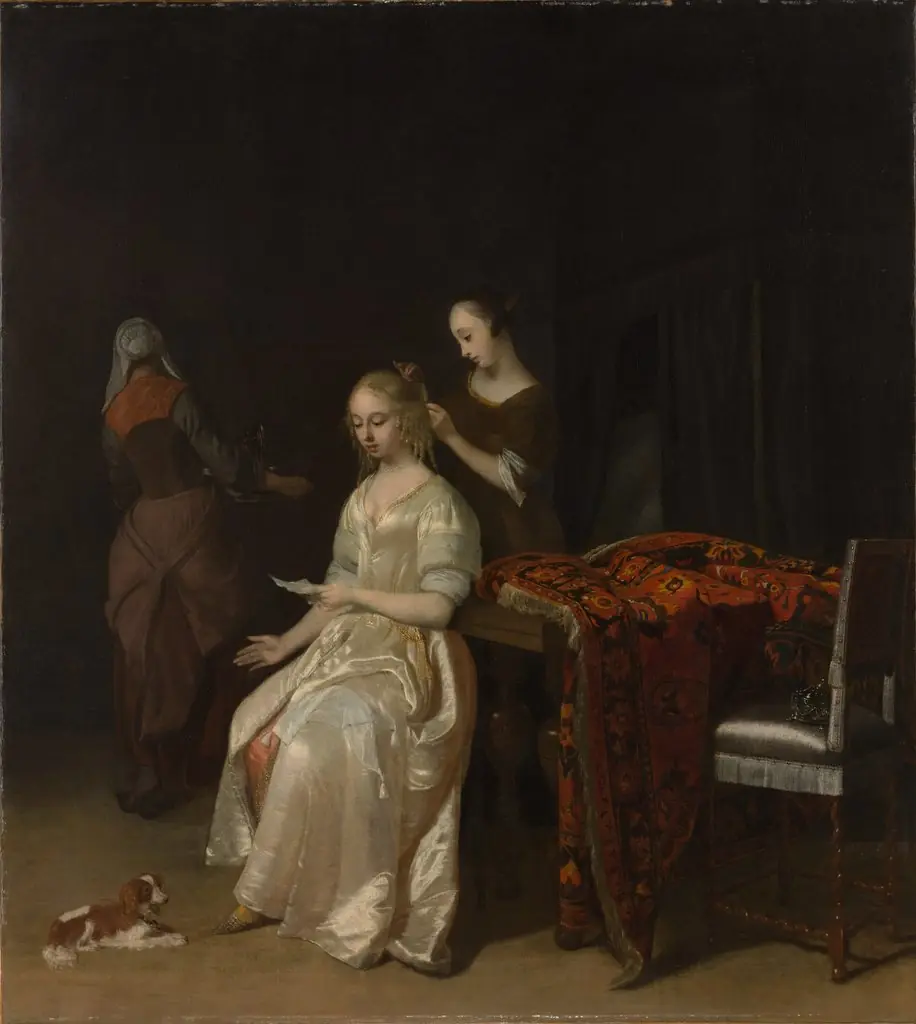
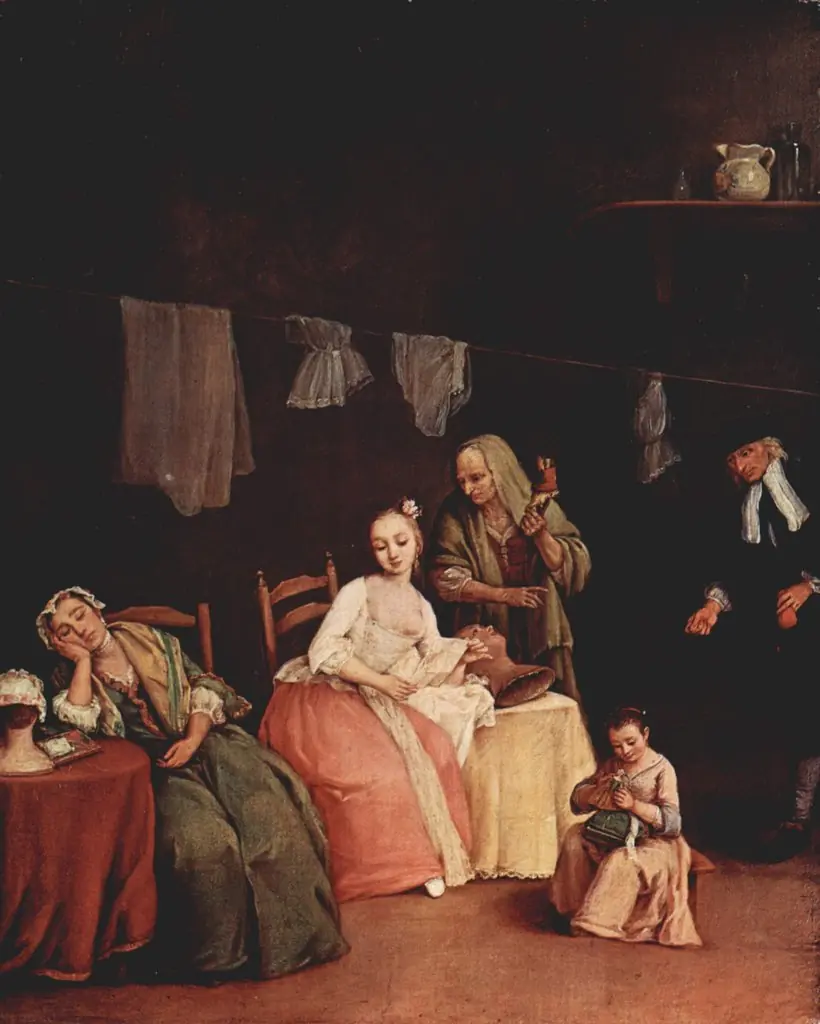
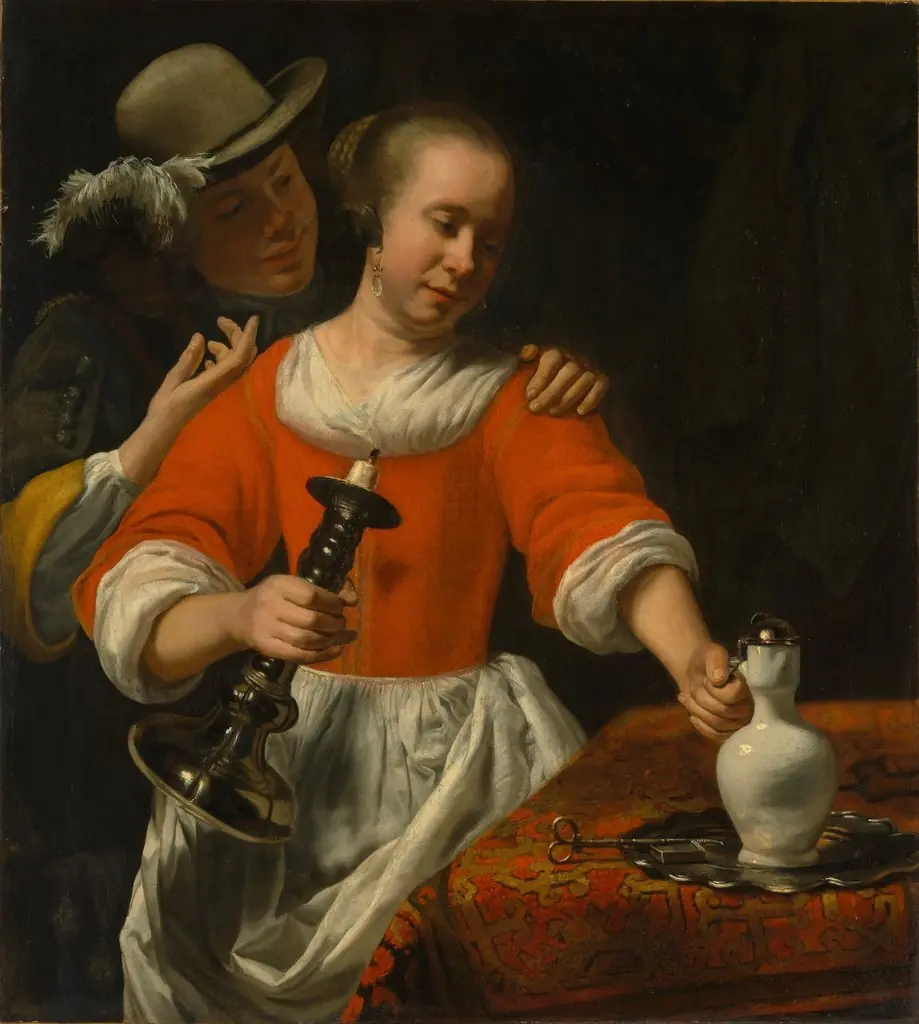
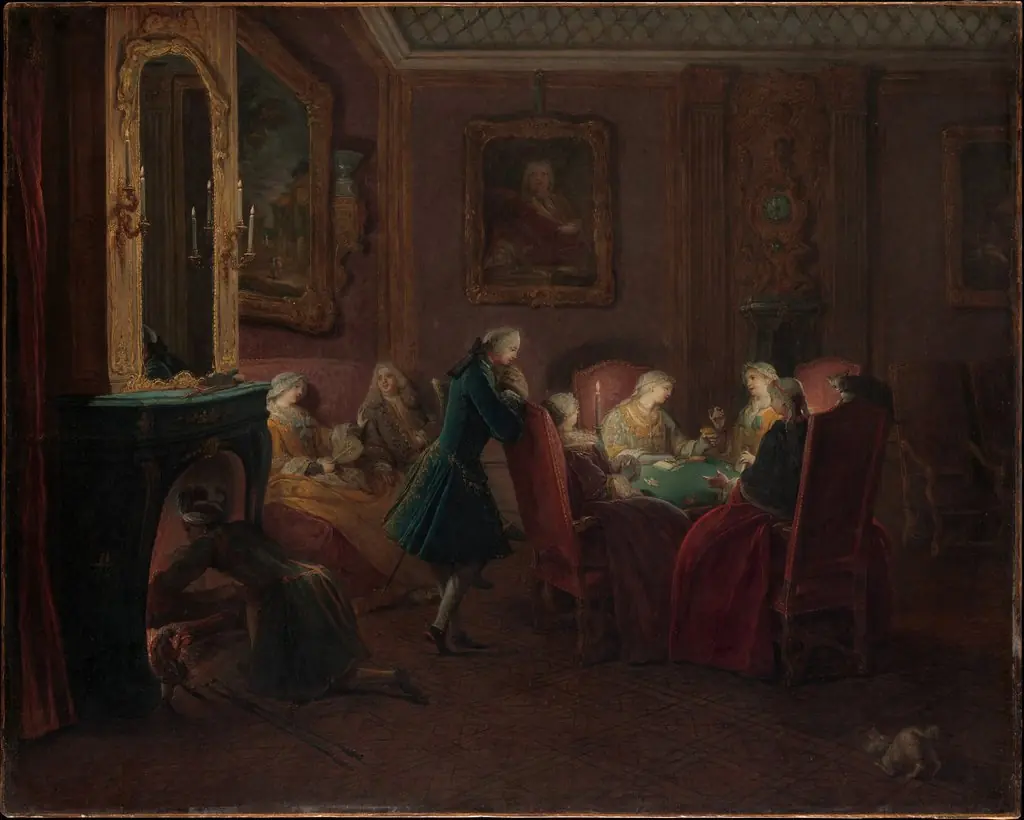
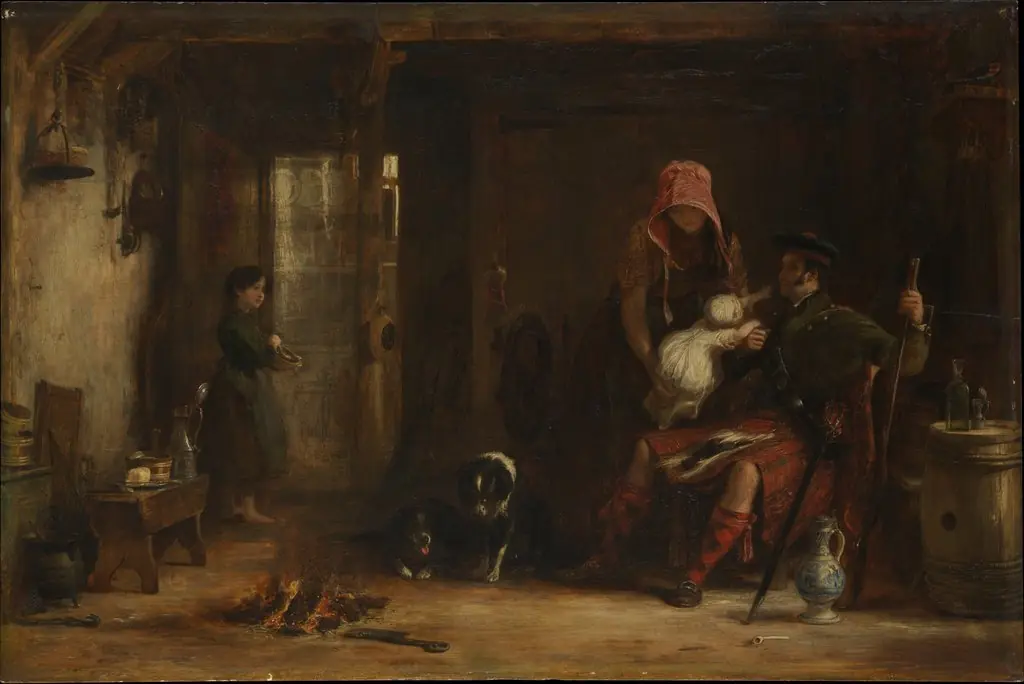
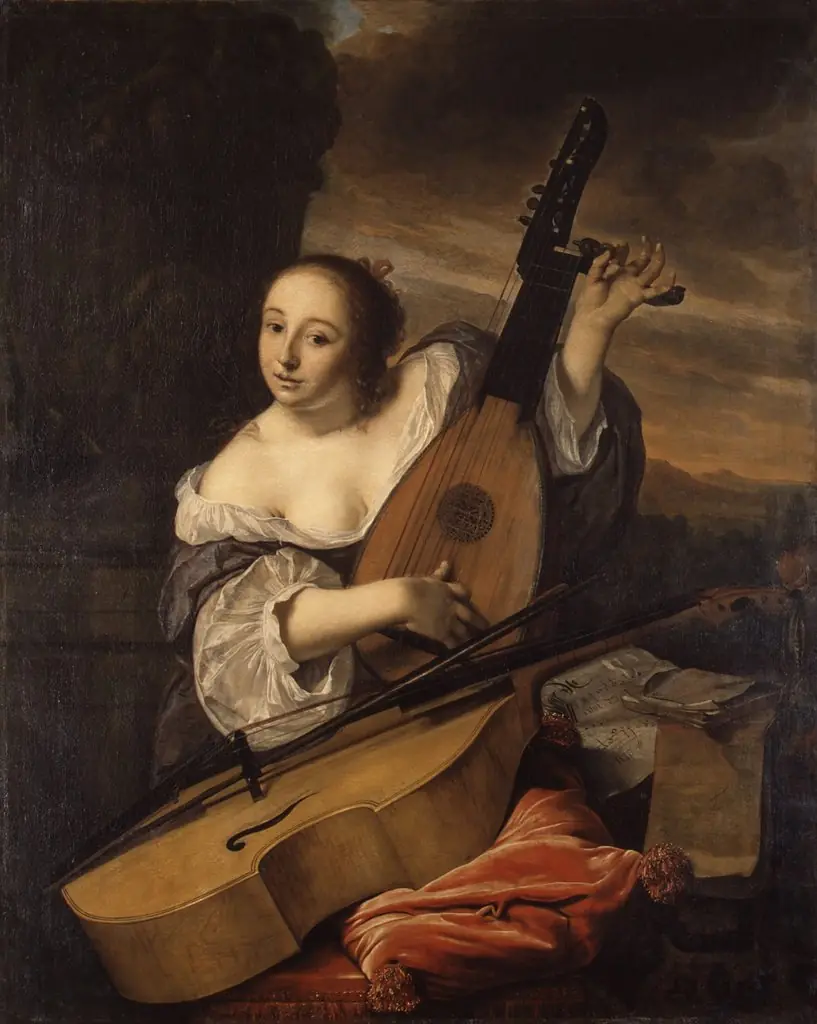
Tenebrism is an extreme form of chiaroscuro in which a painting is dominated by deep shadow, with figures dramatically illuminated by a single concentrated light source.
Tenebrism takes its name from the Italian tenebroso (murky, gloomy) and describes the most theatrical use of darkness in painting. Where ordinary chiaroscuro grades gently between light and shade, tenebrism floods the composition with near-total blackness and allows only a violent shaft of light to pick out the essential figures and gestures. The effect is of a spotlit stage in an unlit theatre.
The manner is inseparable from Caravaggio, whose religious pictures of the 1590s and 1600s made the device famous, and from the international wave of Caravaggisti who carried it across Europe — the Utrecht school in the Netherlands, Jusepe de Ribera and Francisco de Zurbarán in Spain, and Georges de La Tour in Lorraine, whose candlelit nocturnes are among its purest examples.
Tenebrism is more than a visual trick; it is a way of structuring meaning. By refusing to illuminate the whole scene, the painter forces a hierarchy of attention: only what the light touches exists for us, and everything else is swallowed. This gives tenebrist pictures their characteristic moral and emotional charge — the sense that we are witnessing a decisive moment isolated from the surrounding world.
To recognise tenebrism, look for how much of the canvas is given over to undifferentiated dark, and for the single, often unseen light source whose beam organises the entire image around a few bright passages.
In the collection
Frequently asked
What is tenebrism in art?
Tenebrism is a dramatic painting style dominated by darkness, in which figures are lit by a single concentrated light source against a deeply shadowed background.
Is tenebrism the same as chiaroscuro?
No. Tenebrism is an extreme variety of chiaroscuro; chiaroscuro covers all light-and-shadow modelling, while tenebrism specifically means darkness-dominated, spotlit compositions.