Art Glossary
Chiaroscuro /kee-AR-uh-SKOOR-oh/
Chiaroscuro is the use of strong contrasts between light and dark to model three-dimensional form and create dramatic effect in a painting or drawing.
The word is Italian, a compound of chiaro (light) and scuro (dark), and it names one of the foundational techniques of European painting. In its simplest sense, chiaroscuro is just the modelling of volume: by grading a surface from light to shadow, a painter makes a flat mark read as a rounded form. Leonardo da Vinci was an early theorist and practitioner, using soft transitions to give his figures their characteristic roundness and atmosphere.
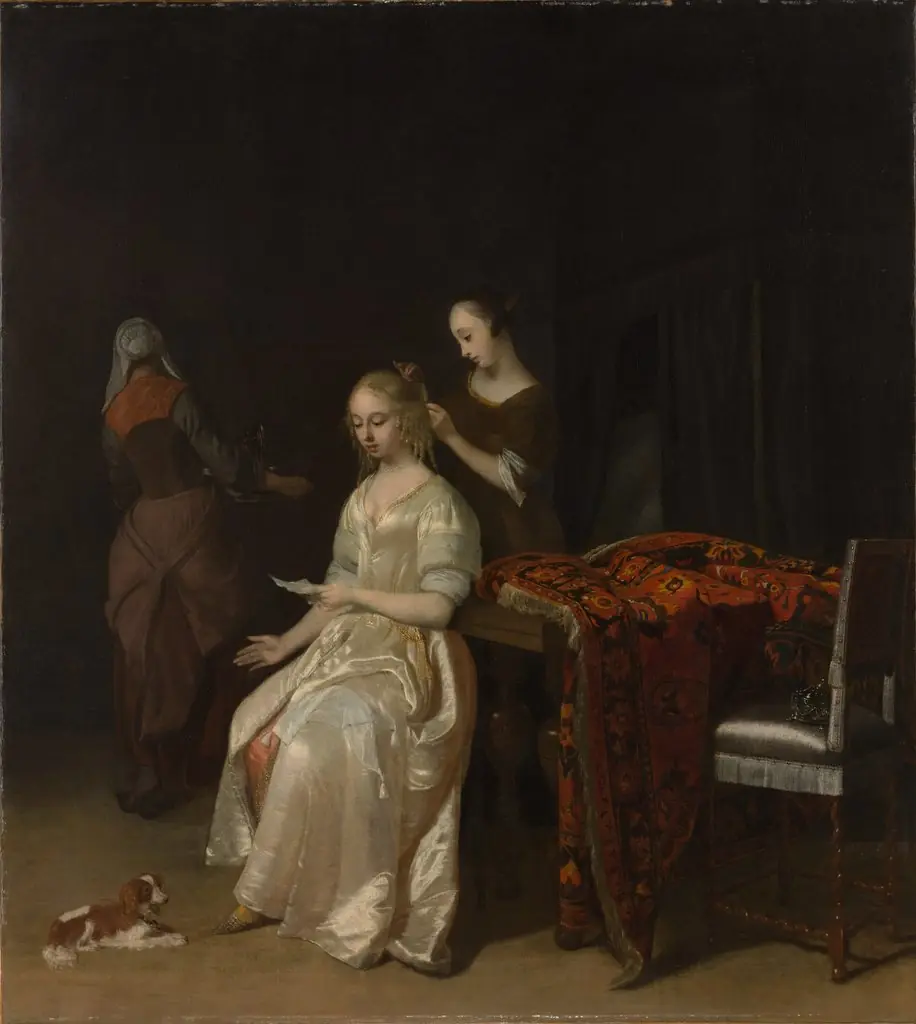
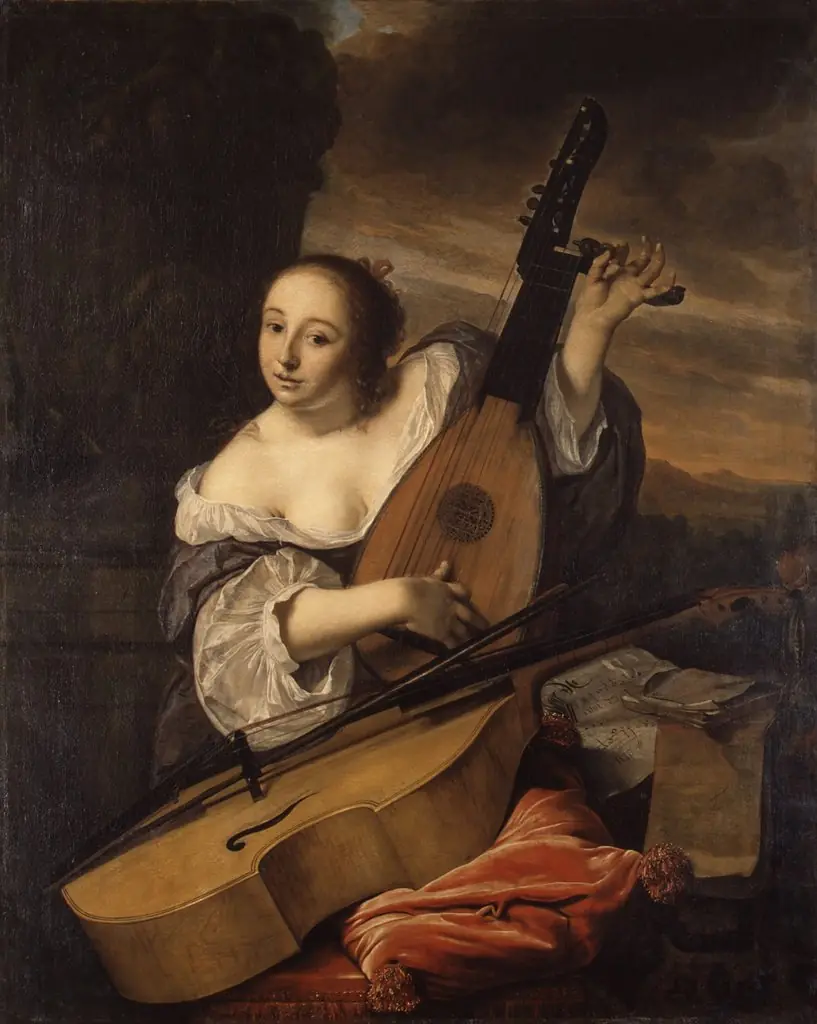
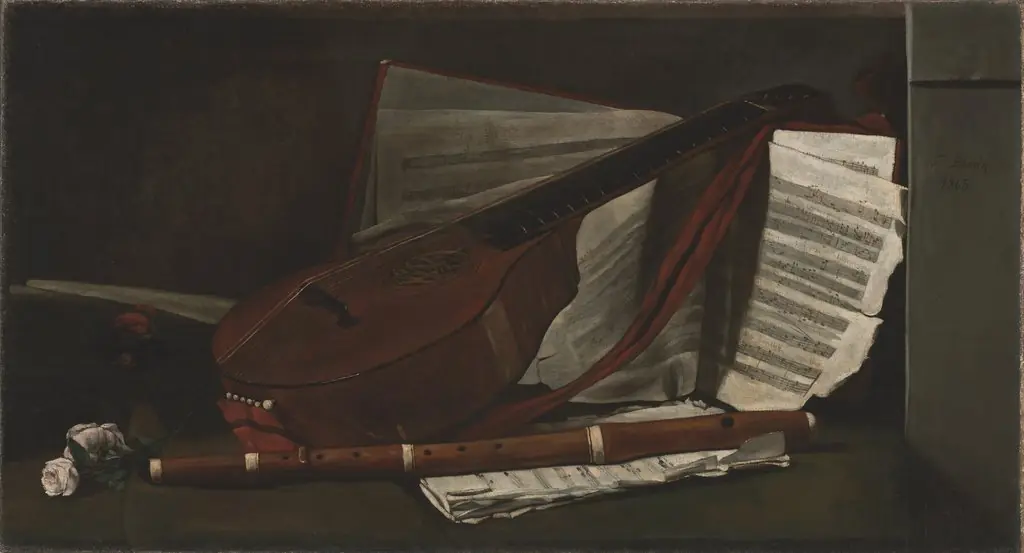
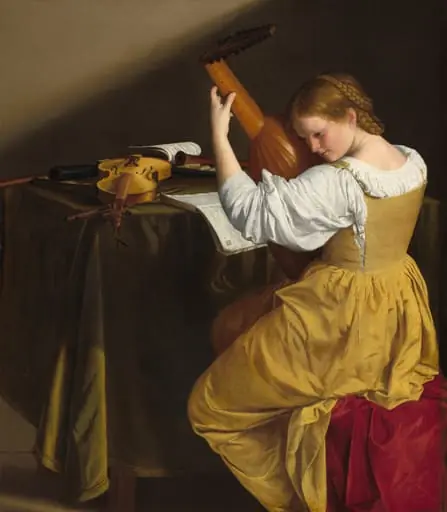
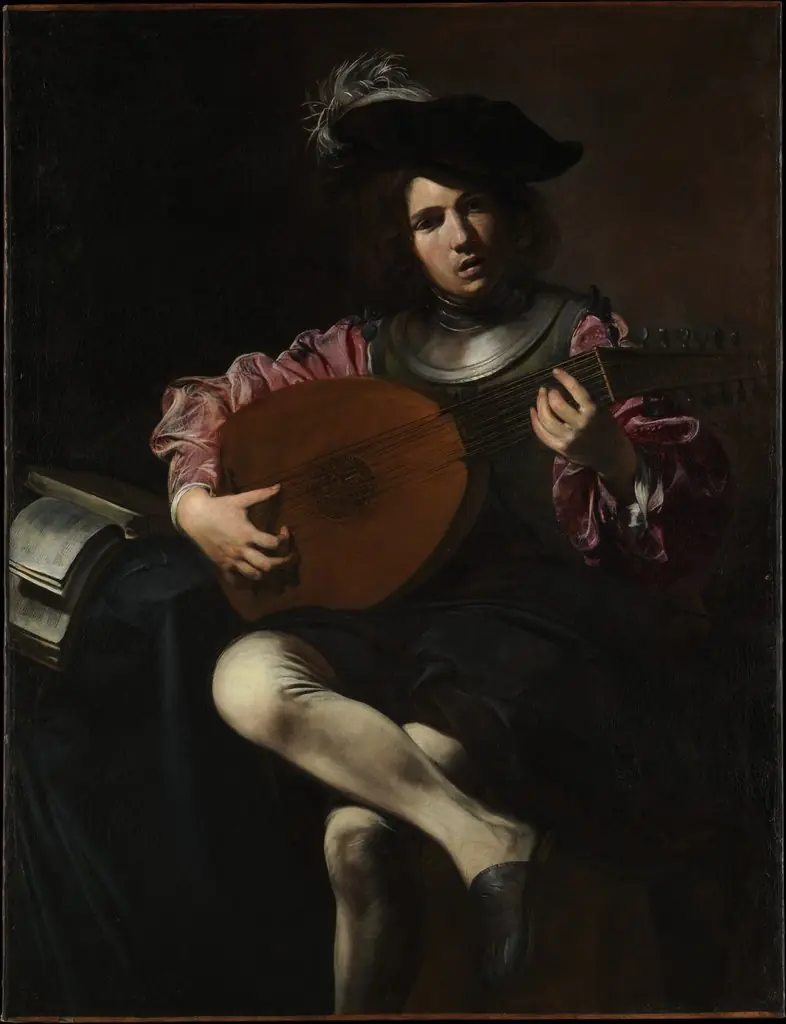
The term took on a more dramatic meaning in the seventeenth century. Caravaggio and his followers pushed the contrast to an extreme, plunging most of the canvas into deep shadow and letting a single concentrated light fall on the principal figures. This high-contrast manner gives the work a theatrical, spotlit intensity and directs the viewer's attention with almost coercive force. The most extreme form, in which darkness dominates and forms emerge only where the light strikes, is called tenebrism.
Chiaroscuro also names a printmaking technique — the chiaroscuro woodcut, developed in the sixteenth century, which prints tonal areas from multiple blocks to imitate the light and shade of a wash drawing. In everyday art-historical usage, though, the word almost always refers to the dramatic painted manner.
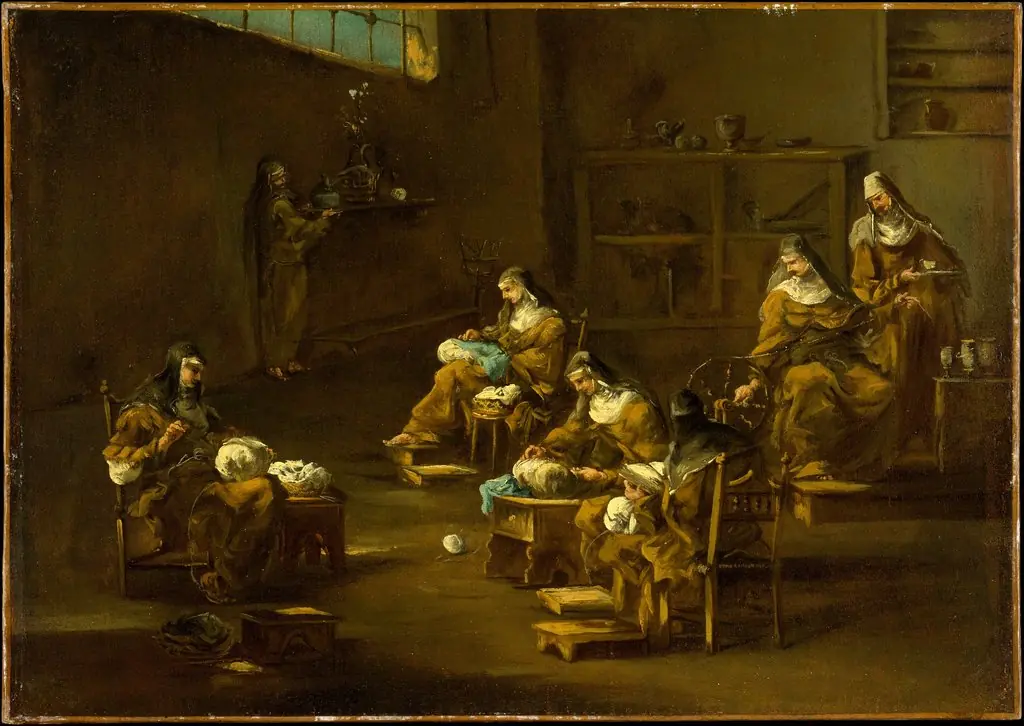
To see chiaroscuro working, look for the single dominant light source and trace how form is revealed only along its path; the shadow is not empty filler but an active compositional force that gives the lit passages their weight and meaning.
In the collection
Frequently asked
What does chiaroscuro mean?
Chiaroscuro is Italian for "light-dark" and refers to the use of strong contrasts between light and shadow to model form and create drama in a painting.
Who is most associated with chiaroscuro?
Caravaggio is the painter most associated with dramatic chiaroscuro; Leonardo da Vinci pioneered its softer, modelling form a century earlier.
What is the difference between chiaroscuro and tenebrism?
Tenebrism is an extreme form of chiaroscuro in which darkness dominates the composition and figures emerge only where a concentrated light strikes them.