Artwork
The Musician
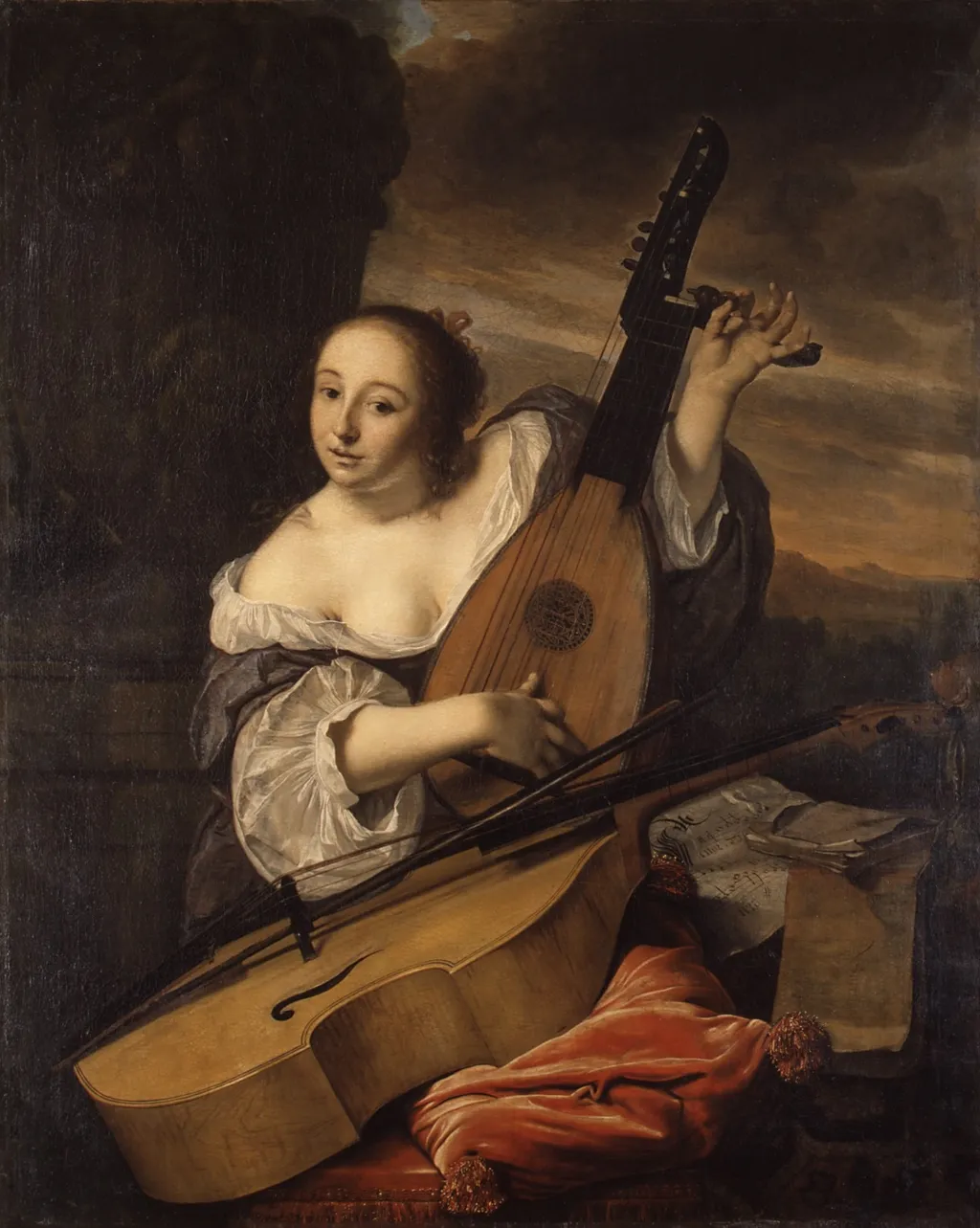
The Musician is an oil painting by the Dutch Golden Age artist Bartholomeus van der Helst. It dates from 1662 and is held in the collection of the Metropolitan Museum of Art.
About this work
A figure plays an instrument in a Dutch Golden Age portrait painted by Bartholomeus van der Helst in 1662. Known for lifelike likenesses, he brings that same attention here. The work belongs to the collection of The Metropolitan Museum of Art.
Subject & Meaning
Though sometimes suggested as a likeness of the artist’s wife, Judith van Gent rejects this idea based on the couple’s ages (3).
The Musician shows a woman gazing out at the viewer, her dress appearing to spill over her bodice as she holds a theorbo lute that rests on a viola da gamba, with a cello also present (2). Art historian Walter Liedtke describes the figure as spilling from her dress and argues the work is a genre scene rather than a portrait, noting similarities to lightly clad lute players by Gerrit van Honthorst and Ferdinand Bol (3). Though sometimes suggested as a likeness of the artist’s wife, Judith van Gent rejects this idea based on the couple’s ages (3).
The background recalls Jan Baptist Weenix’s landscapes (3), and the act of tuning the lute may once have carried a now‑lost symbolic meaning, perhaps amorous or allegorical, as seen in Vermeer’s Woman with a Lute and Ter Borch’s Woman Playing the Theorbo‑Lute and a Cavalier (3).
Technique & Style
The Musician (1662) is an oil on canvas painting exemplifying Dutch Golden Age technique, with Bartholomeus van der Helst applying paint in smooth, layered strokes to render the figure and surrounding landscape. The support is a plain canvas, typical of the period, and the medium is oil pigment, allowing subtle gradations of light and rich color. Formal qualities include a half‑length woman who gazes outward, her costume appearing to spill from her bodice, and a theorbo lute resting on a viola de gamba set against a background reminiscent of Jan Baptist Weenix’s landscapes.
Stylistically the work aligns with genre scenes rather than strict portraiture, echoing the lute‑playing motifs of Vermeer’s Woman with a Lute and Gerard ter Borch’s A Woman Playing the Theorbo‑Lute and a Cavalier.
History & Provenance
Painted in 1662 by Bartholomeus van der Helst, The Musician entered the collection of the Metropolitan Museum of Art through its 1871 founding purchase and is recorded as acquired in 1873, though it was grouped with a second work that entered in 1872 via the same donor, William T. Blodgett, acting through his dealer Leon Gauchez. The painting is the only Metropolitan Museum work acquired between 1871 and 1906 that survives from this early acquisition phase. Art-historical discussion has debated whether the half-length figure represents a genre scene or a portrait, with Walter Liedtke noting the sitter’s revealing dress and positioning, while J.J. de Gelder identified the instrument as a theorbo resting on a viola da gamba and compared the landscape to Jan Baptist Weenix.
Modern scholarship by Judith van Gent rejects the identification of the sitter as the artist’s wife, Anna du Pire, on chronological grounds.
The Musician is held in the collection of the Metropolitan Museum of Art in New York. Although officially recorded as entering the museum's holdings in 1873, art historian Walter Liedtke notes the work was likely acquired in 1872 alongside a double portrait by Carel de Moor (later deaccessioned in 1988). These acquisitions followed the museum's initial 1871 purchase and were facilitated by Board of Trustees vice-president William T. Blodgett, presumably through dealer Leon Gauchez.
This painting remains the only surviving work in the institution acquired between 1871 and 1906. Its arrival likely influenced the subsequent donation of Vermeer's Woman with a Lute in 1900 and Gerard ter Borch's A Woman Playing the Theorbo-Lute and a Cavalier in 1914.
Context
Scholars classify The Musician (1662) as a Dutch Golden Age genre work rather than a formal portrait. Art historian Walter Liedtke argues the subject's revealing attire and direct gaze align the painting with earlier lute players by Gerrit van Honthorst and contemporary works by Ferdinand Bol. While some previously speculated the sitter was the artist's wife, Anna du Pire, scholar Judith van Gent refutes this based on chronological inconsistencies regarding the couple's ages.
Van Gent further contextualizes the piece within the Metropolitan Museum of Art's holdings, noting thematic parallels to Vermeer's Woman with a Lute and Gerard ter Borch's A Woman Playing the Theorbo-Lute and a Cavalier. She suggests the specific act of tuning the instrument may hold symbolic meaning now lost to modern viewers. Additionally, J.J. de Gelder identified the instruments as a theorbo resting on a viola de gamba and noted landscape elements reminiscent of Jan Baptist Weenix.
Legacy
The Musician has retained a notable reputation within the Metropolitan Museum of Art’s holdings as the sole painting acquired between the museum’s 1871 founding purchase and 1906, a fact highlighted by Liedtke’s note that it entered the collection in 1872 alongside another work via trustee William T. Blodgett and dealer Leon Gauchez. Its early prominence is further evidenced by the subsequent gifts of Vermeer’s Woman with a Lute (1900) and Gerard ter Borch’s A Woman Playing the Theorbo‑Lute and a Cavalier (1914), which scholars attribute partly to the popularity of van der Helst’s work at that time. Consequently, the painting is cited as an influential example of Dutch Golden Age genre painting that helped shape the MET’s early Dutch collection.
Overview
Bartholomeus van der Helst's The Musician, painted in 1662, is an oil on canvas work from the Dutch Golden Age. This painting depicts a woman engaged with a musical instrument, reflecting the period's interest in domestic scenes and individual figures. It is currently held in the collection of The Metropolitan Museum of Art, representing a significant example of Dutch seventeenth-century artistry.
Own this work as a print
Artist & collection
Artist
Bartholomeus van der Helst (1613 – buried 16 December 1670) was a Dutch painter. Considered to be one of the leading portrait painters of the Dutch Golden Age, his elegant portraits gained him the patronage of…

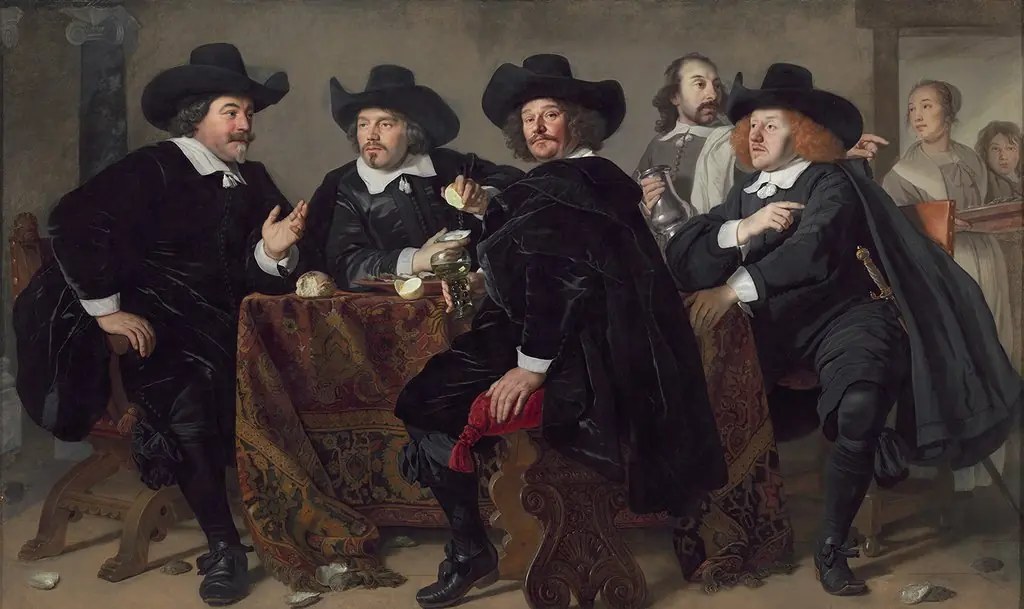 Four directors of the arquebusier's guild, Amsterdam, 1655
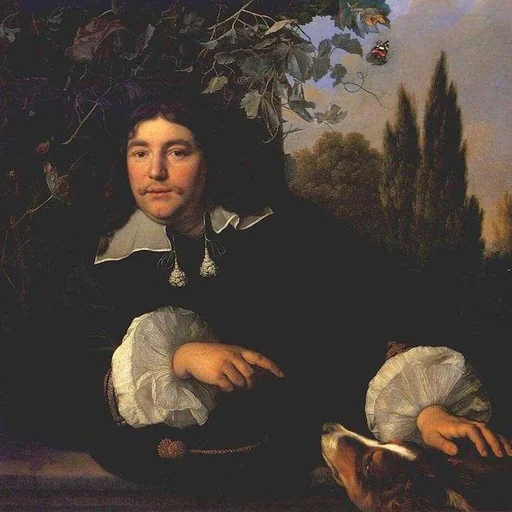
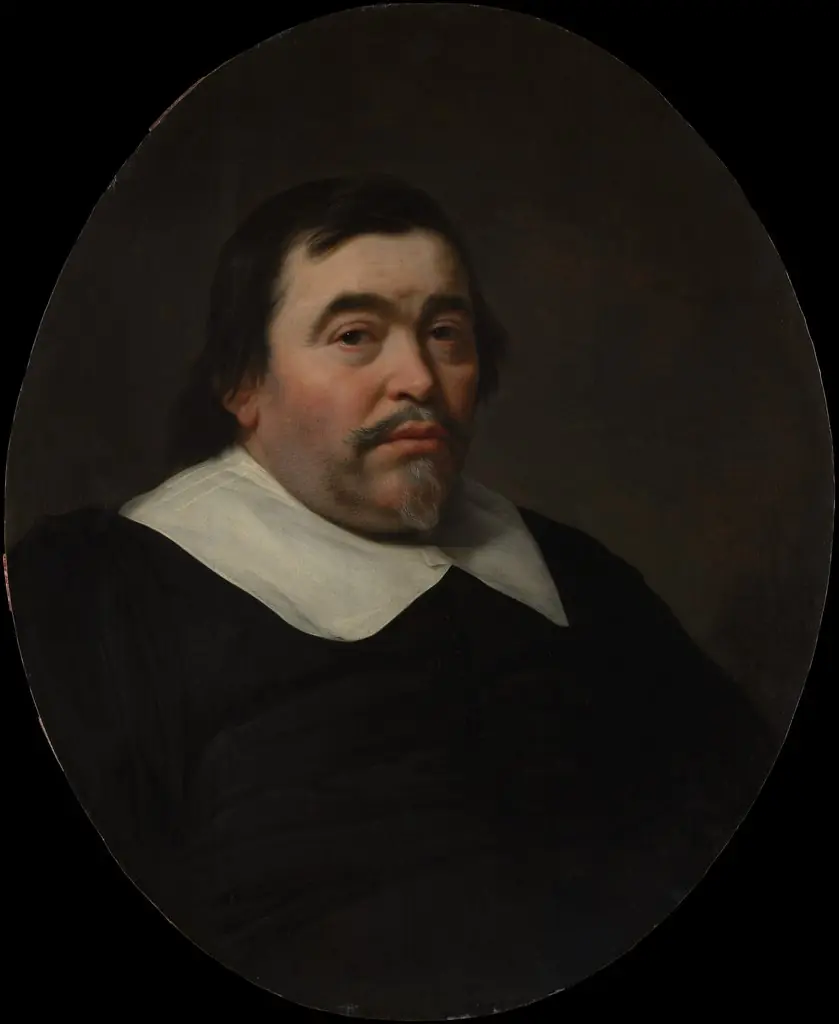 Portrait of a Man
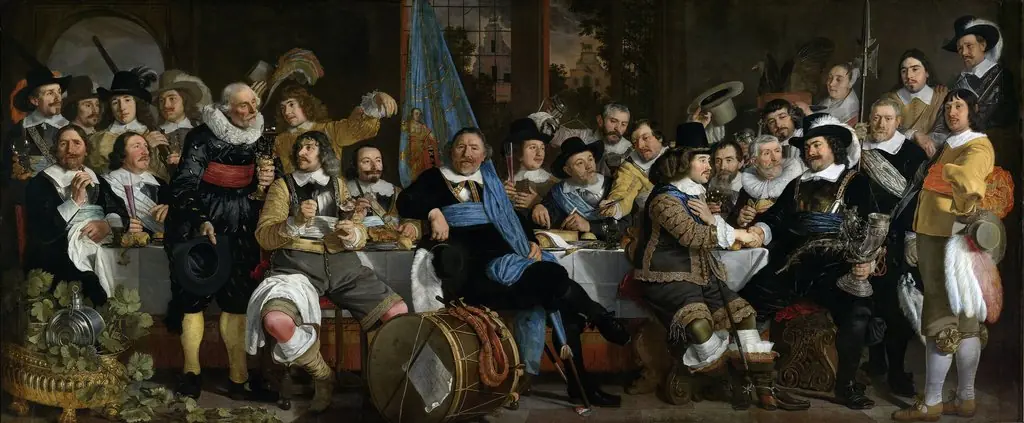 Banquet at the Crossbowmen’s Guild in Celebration of the Treaty of Münster
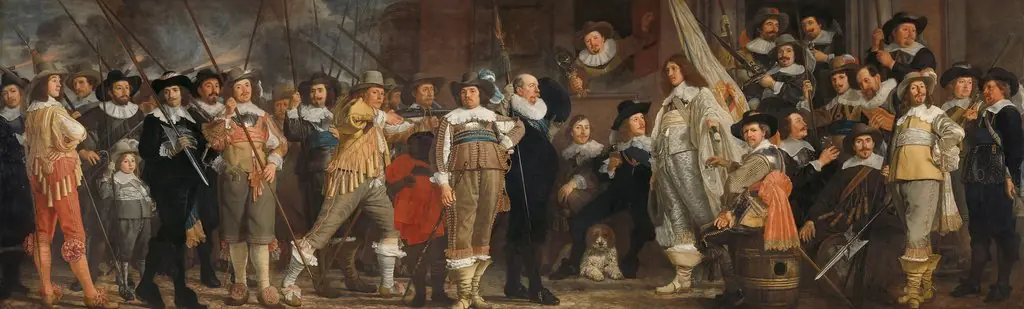 Militia Company of District VIII under the Command of Captain Roelof Bicker
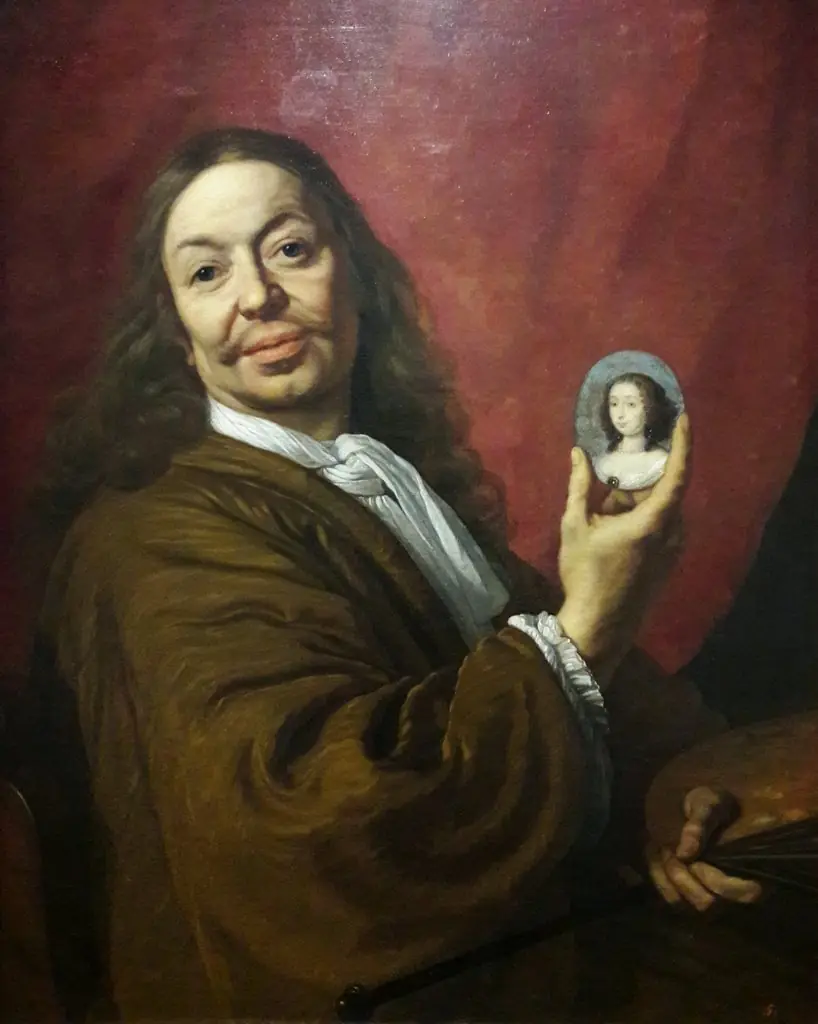 Self-portrait
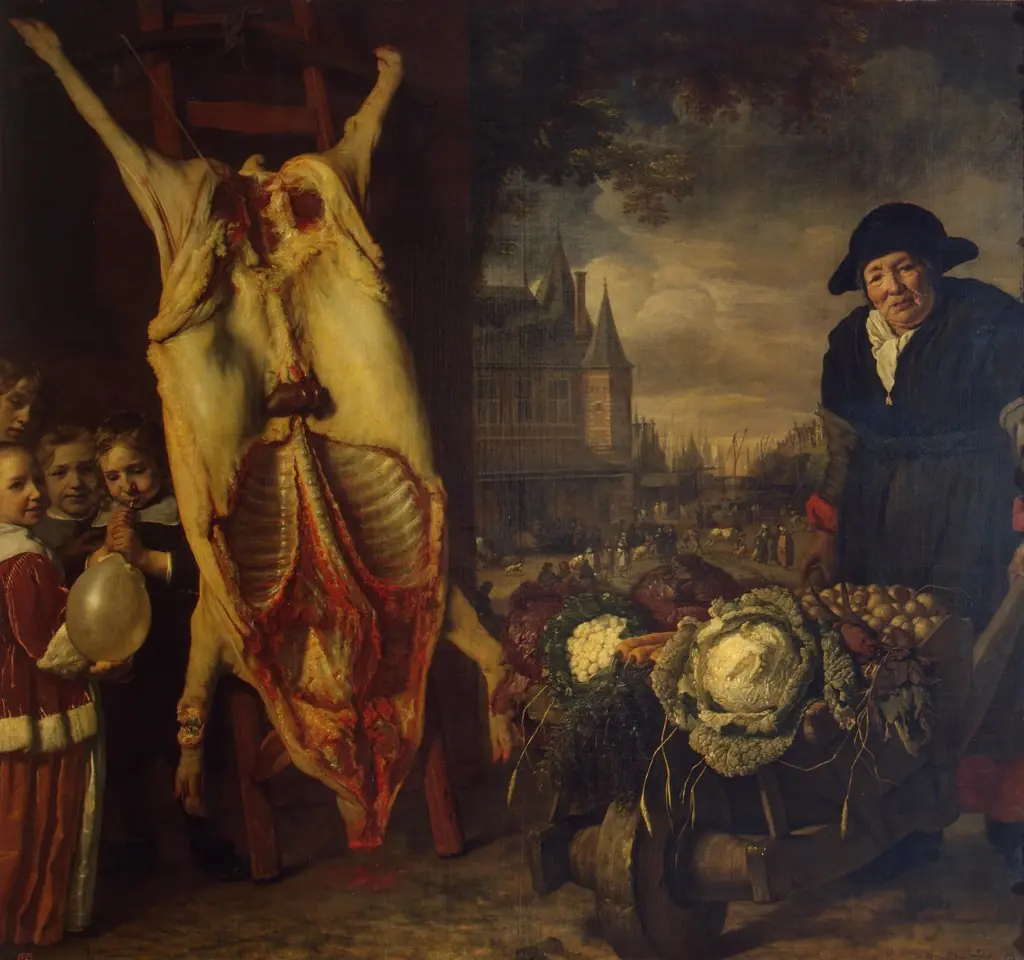 Nieuwmarkt in Amsterdam
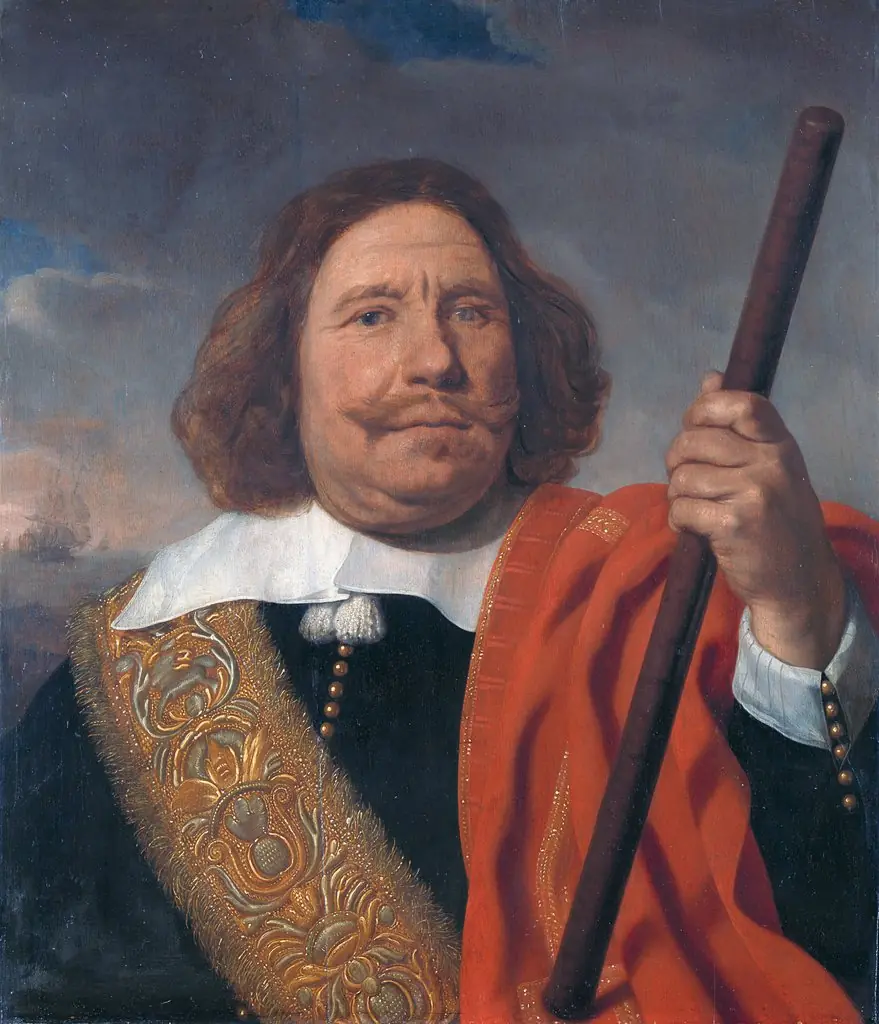 Egbert Meeuwsz Cortenaer (1605-65). Vice admiral, admiralty of the Maas, Rotterdam
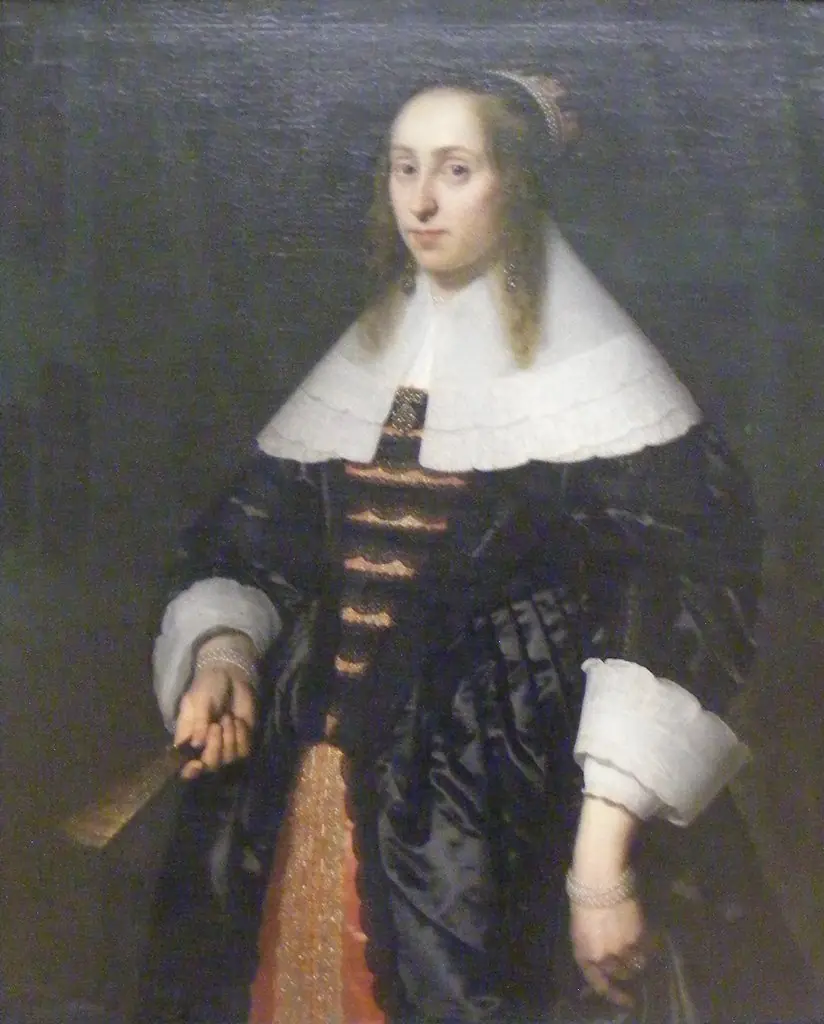 Portrait of a Lady
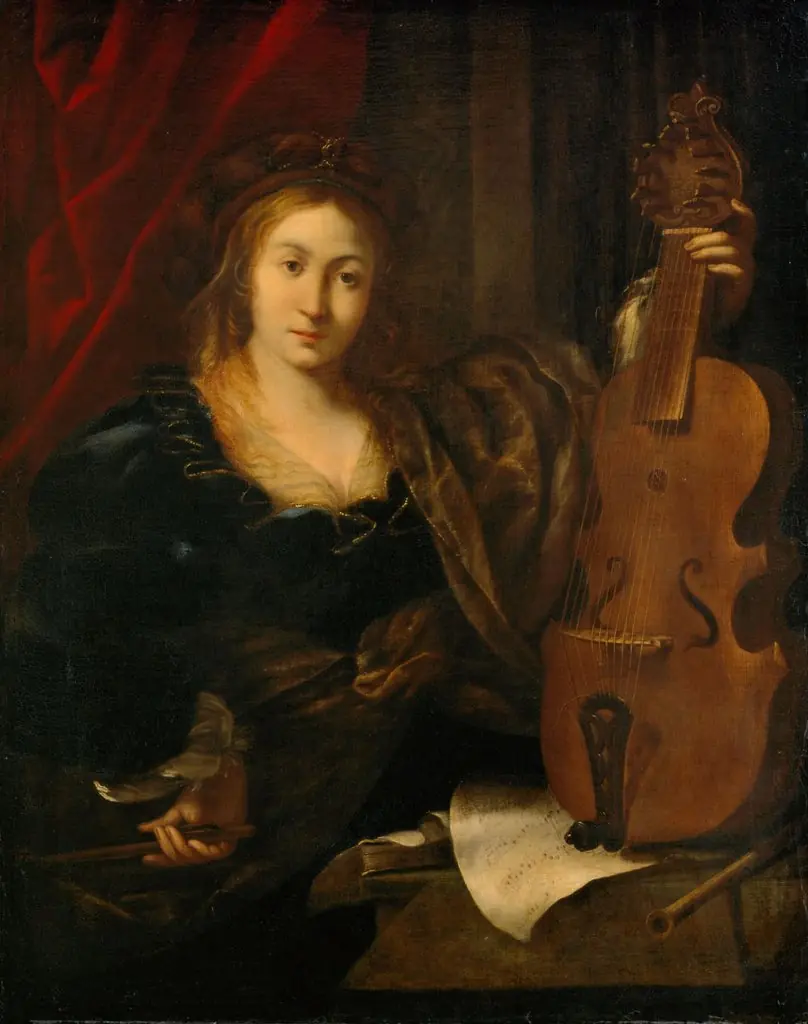
- Young woman with a lira da gamba
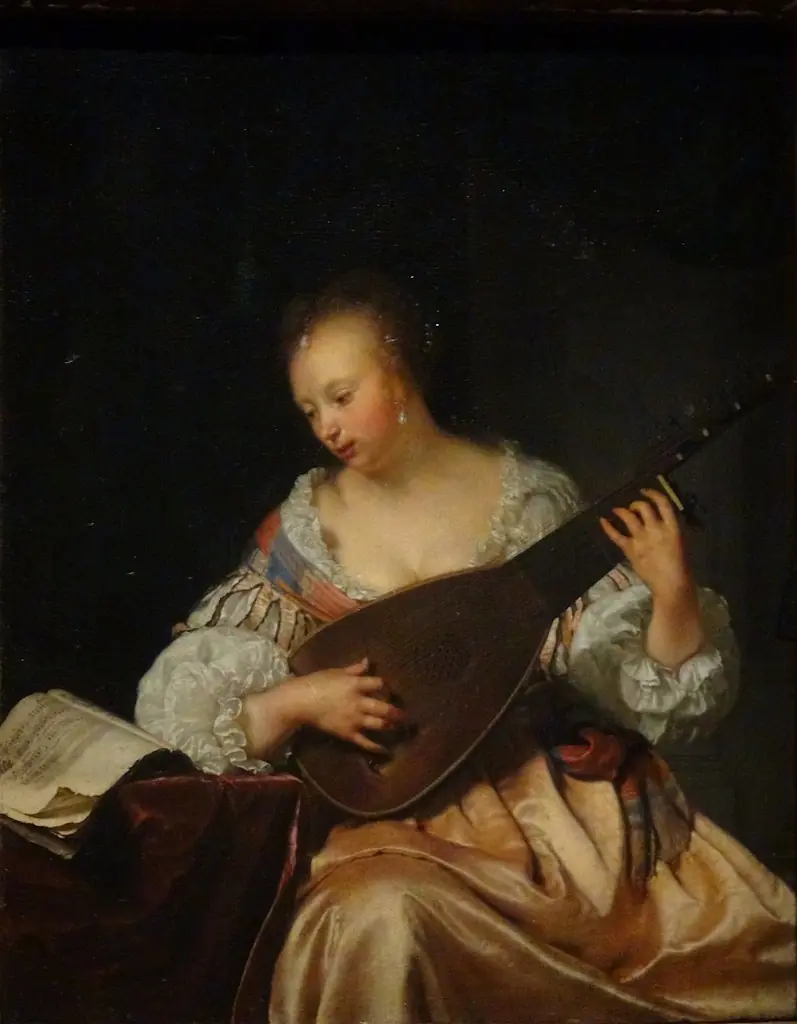 A Woman Playing a Lute
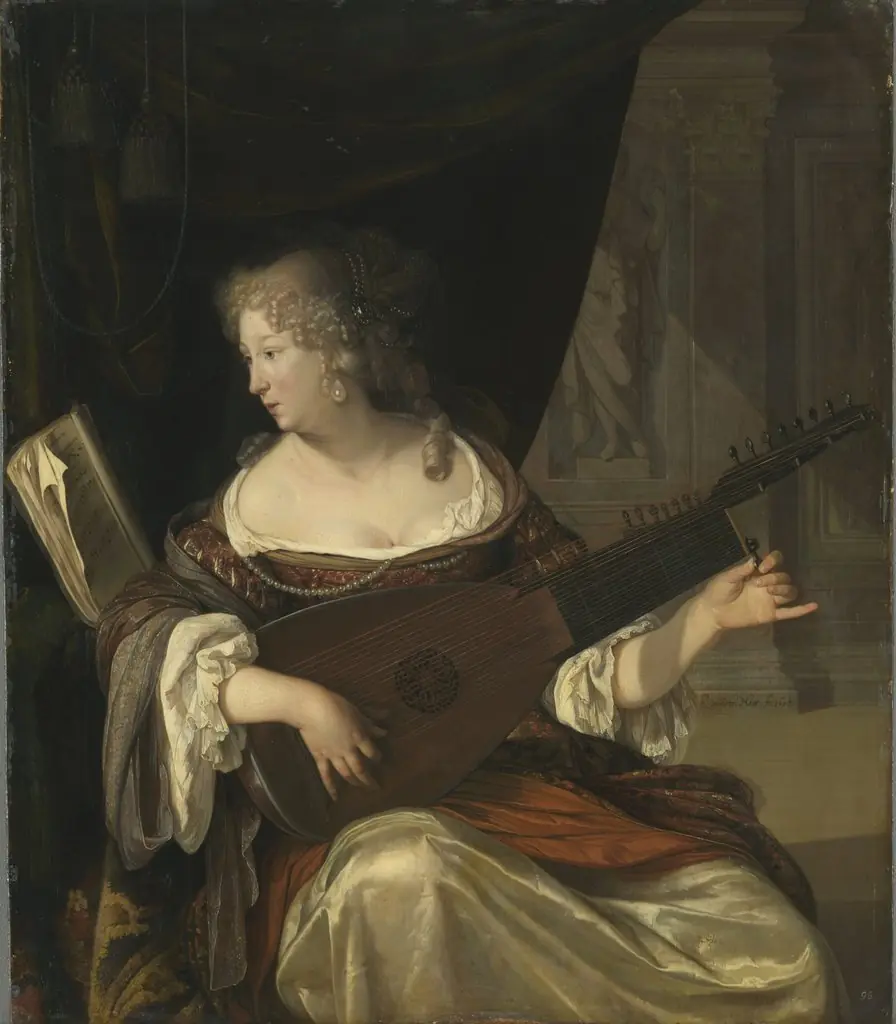 A Lady Tuning a Theorbo
 The Violinist
 Portrait of a Lady Playing a Lute
 Young Woman Playing a Lute
 Woman Playing a Lute
 Hearing
 Woman with a Mandolin
 A Female Guitar Player and a Flute Player
 Concert for cello and harpsichord
 Portrait of François de le Boë (Sylvius) and his Wife